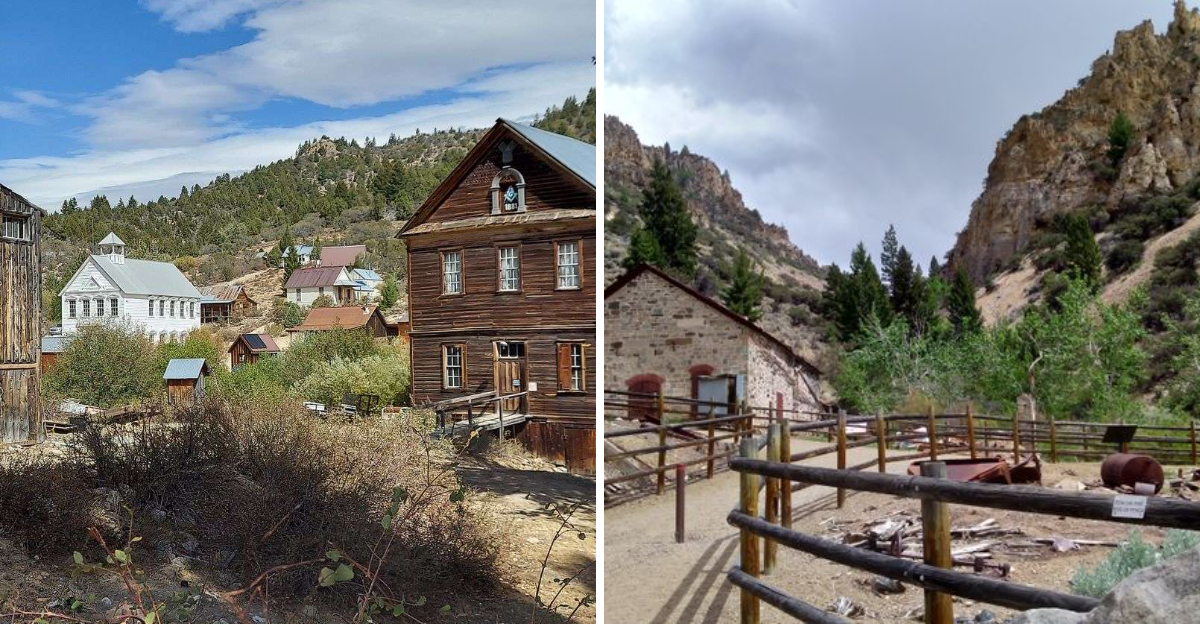
Idaho’s rugged mountains hide stories of fortune hunters and frontier dreamers.
When prospectors first struck gold and silver in these remote valleys, entire communities sprang up overnight.
While many Western mining camps vanished completely, some Idaho towns held on through boom and bust cycles.
Today, these survivors offer a window into the past, with weathered buildings and mining relics still standing.
Some maintain year-round populations while others welcome seasonal visitors.
Each town has carved out its own unique path to survival.
From active mining operations to preserved historic sites, these communities refuse to fade into memory.
Their persistence tells a larger story about resilience and adaptation.
1. Wallace: The Silver Capital That Never Quit

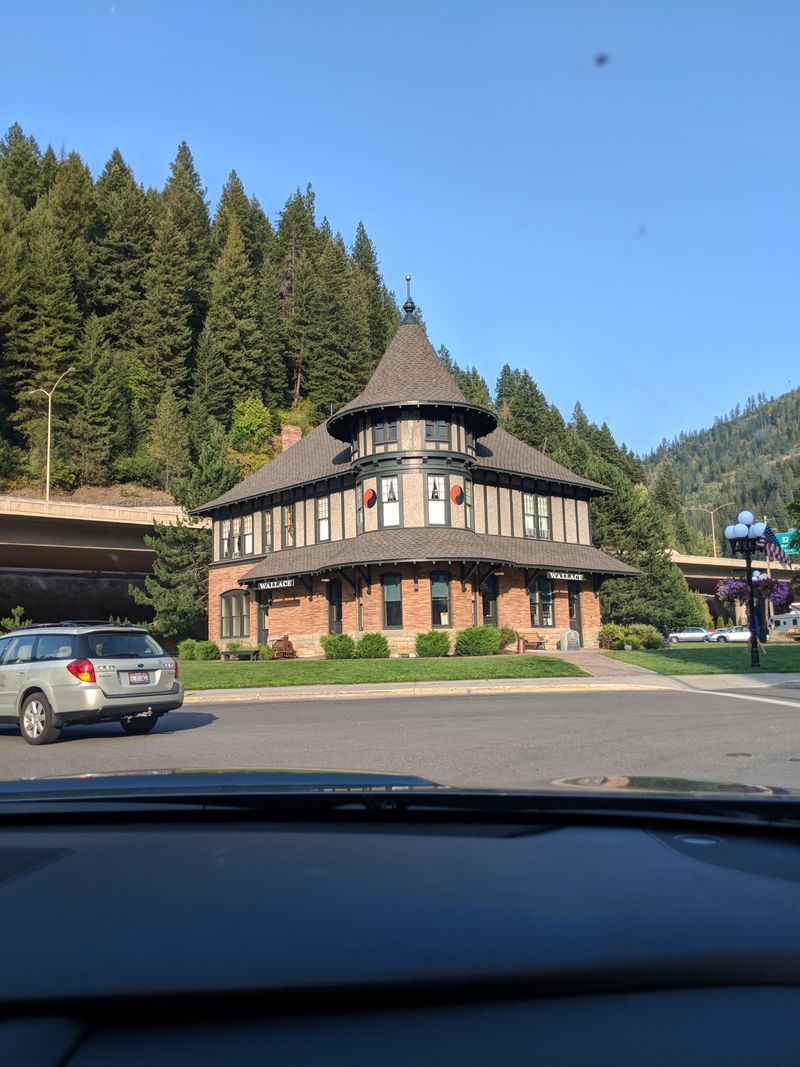
Nestled deep in the Silver Valley, Wallace earned its nickname through more than a century of continuous mining operations.
The entire downtown sits on the National Register of Historic Places.
Silver mining here began in the late 1800s and remarkably continues into the present day.
Massive ore deposits beneath these mountains have sustained the community through economic ups and downs.
Original brick storefronts line the streets, their facades unchanged for generations.
The Sierra Silver Mine Tour takes visitors deep underground to experience authentic mining conditions.
Former miners lead these excursions, sharing firsthand accounts of working in the shafts.
Above ground, museums document the town’s colorful past and industrial heritage.
Wallace survived fires, floods, and economic depressions that claimed other camps.
Its location in a narrow canyon created both challenges and advantages over the decades.
Today, the town balances preservation with modern life.
Residents take pride in maintaining authentic period architecture.
Visitors find a genuine slice of mining history rather than a reconstructed theme park.
The community’s determination kept it alive when abandonment seemed inevitable.
Address: Downtown Wallace, Wallace, ID 83873
2. Silver City: A Ghost Town With a Heartbeat
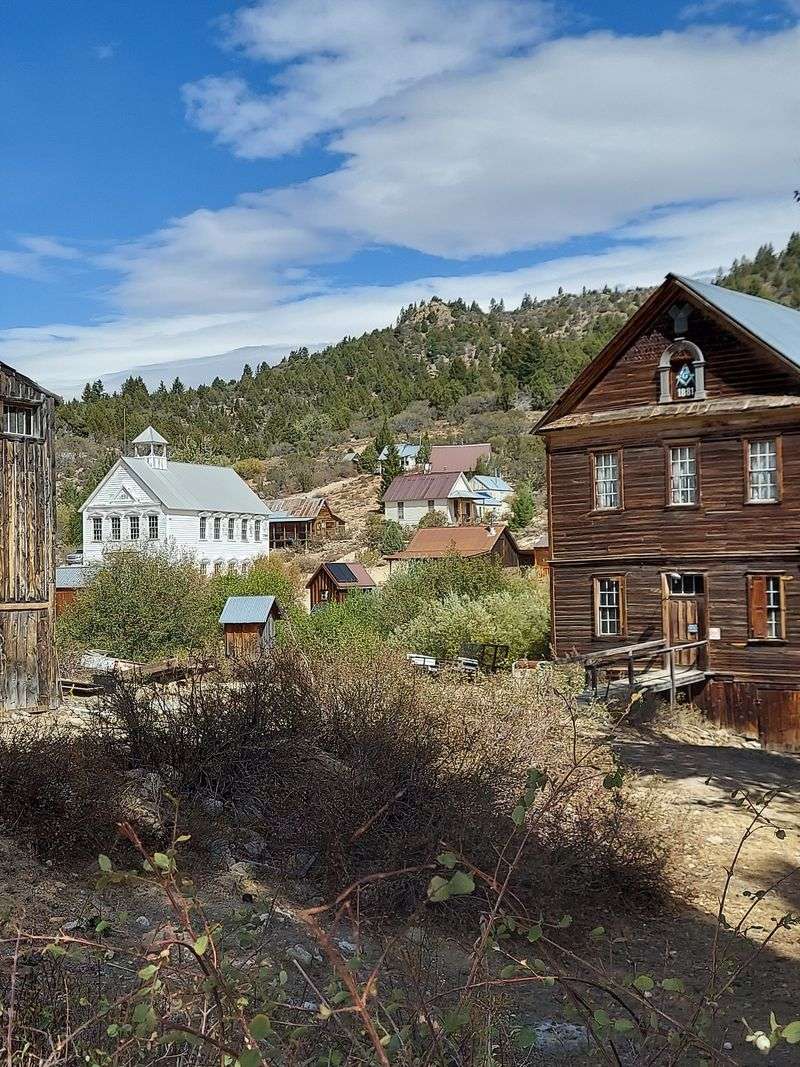
High in the Owyhee Mountains, Silver City defies easy categorization.
Dozens of original structures from the 1860s remain standing in various states of preservation.
A handful of residents call this isolated settlement home throughout the year.
Getting there requires navigating miles of unpaved mountain roads.
The journey itself becomes part of the experience, winding through sagebrush country.
Once a thriving hub during Idaho’s early mining days, the town now exists in suspended animation.
Wooden sidewalks connect buildings that haven’t seen major alterations in over a century.
The Idaho Hotel opens seasonally, offering visitors a chance to stay in authentic frontier accommodations.
Its rooms preserve the simple furnishings and layout from mining camp days.
Walking these streets feels like stepping through a portal to another era.
No modern development has encroached on the historic townsite.
Photographers and history enthusiasts make pilgrimages here during warmer months.
Winter snows make access nearly impossible, creating natural seasonal rhythms.
The town’s survival depends on dedicated caretakers and curious visitors.
Address: Silver City Road, Silver City, ID 83650
3. Idaho City: When the Frontier Came Alive
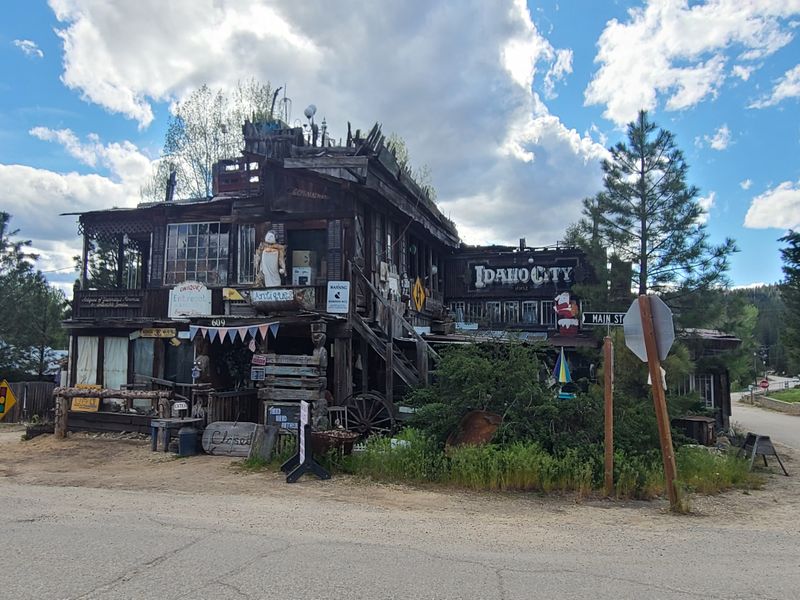
During the gold rush, this settlement briefly became the largest city in the entire Pacific Northwest.
Thousands of prospectors flooded the Boise Basin seeking fortune.
Streets bustled with miners, merchants, and opportunists from around the world.
That explosive growth left behind an impressive collection of period buildings.
Many original structures still stand, housing modern businesses and residences.
The town transformed from boom camp to tourist destination over the decades.
Visitors today can explore a historic cemetery with weathered wooden markers.
Each gravestone tells a story of frontier hardship and ambition.
Museums showcase mining equipment, period clothing, and personal artifacts from early settlers.
Unlike completely abandoned ghost towns, Idaho City maintains a living community.
Residents appreciate the historical significance surrounding their daily lives.
Summer brings crowds interested in gold rush history and mountain recreation.
The Boise Basin’s natural beauty complements the human history preserved here.
This town proves that mining heritage can coexist with modern mountain living.
Its survival required adaptation while honoring the past.
Address: Main Street, Idaho City, ID 83631
4. Placerville: Small But Steadfast
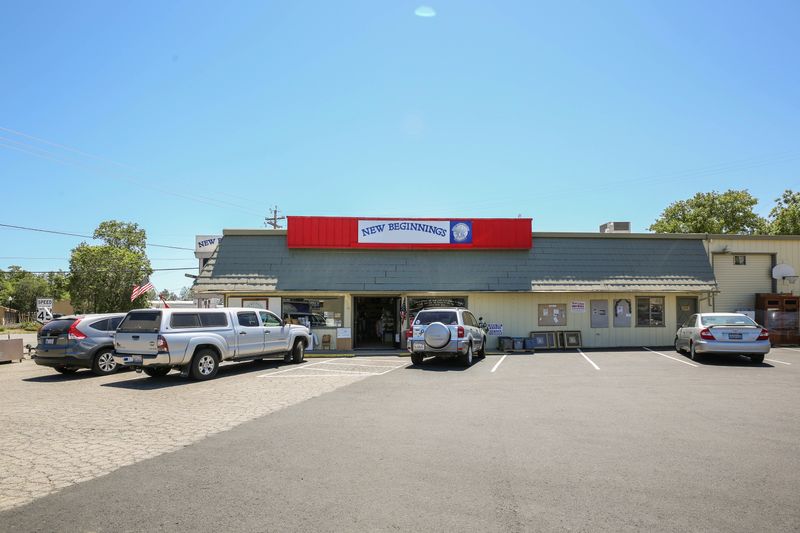
Just fifty miles from Boise, Placerville occupies a special place in gold rush lore.
The Boise Basin attracted waves of prospectors, and this camp served as a supply hub.
While never reaching the size of Idaho City, it played an important supporting role.
A small population continues to reside here year-round.
Their presence keeps the town from slipping into complete abandonment.
Original buildings mix with more recent structures along the quiet streets.
The surrounding forest and mountain landscape provide natural beauty.
Residents enjoy solitude and connection to Idaho’s mining heritage.
Visitors often stop while exploring the broader Boise Basin historic area.
The town’s modest scale makes it easy to experience in a single visit.
No major tourist infrastructure exists, maintaining an authentic atmosphere.
Those who seek out Placerville appreciate its understated charm.
It represents countless small camps that dotted Western mining regions.
Most vanished entirely, but this one held on through determination and favorable location.
Proximity to Boise provided economic alternatives when mining declined.
Address: Main Street, Placerville, ID 83666
5. Custer: Preserved in Time and Place
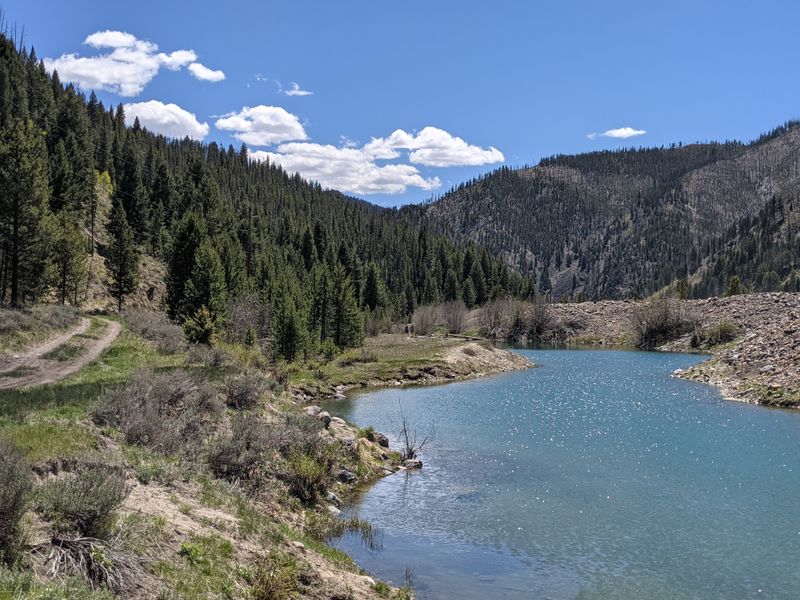
Gold brought fortune seekers to this remote valley in droves.
Custer thrived as a mining center during its peak years.
When the ore played out, residents gradually departed.
Rather than crumbling into ruin, the townsite became part of Land of the Yankee Fork State Park.
This designation ensured professional preservation and public access.
Visitors now walk among carefully maintained structures that tell mining stories.
The schoolhouse, saloon, and residential cabins remain standing.
Interpretive signs explain daily life during the boom period.
Nearby, the massive Yankee Fork Gold Dredge sits as an industrial monument.
This enormous machine once chewed through riverbeds seeking precious metal.
Tours explain the dredge’s operation and environmental impact.
The combination of townsite and dredge creates a comprehensive mining history lesson.
State park management protects these resources for future generations.
Without this intervention, weather and vandalism would have claimed the buildings.
Custer survives as an educational site rather than a living community.
Address: Yankee Fork Road, Custer, ID 83281
6. Bayhorse: Stone Sentinels of Silver
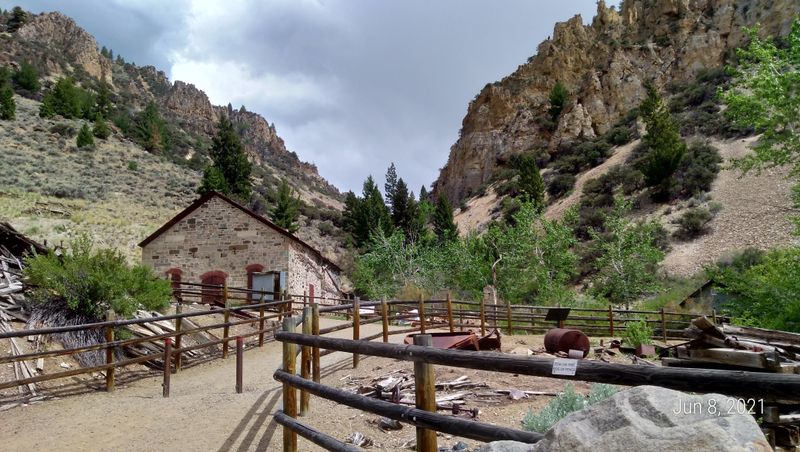
Silver ore processing required substantial infrastructure.
Bayhorse miners constructed impressive stone buildings to house their operations.
These sturdy structures have weathered decades better than wooden counterparts elsewhere.
The mill site remains remarkably intact, with walls and equipment still recognizable.
Massive charcoal kilns stand like ancient beehives against the mountainside.
These kilns produced fuel necessary for ore processing.
Their distinctive shape makes them iconic symbols of mining heritage.
Bayhorse now functions as a preserved ghost town within the broader state park system.
Trails wind through the site, allowing close inspection of industrial archaeology.
The remote location means fewer visitors than more accessible sites.
Those who make the journey find a peaceful, contemplative atmosphere.
Stone ruins evoke both the ambition and ultimate futility of frontier mining.
Nature gradually reclaims the site, but the stone slows this process considerably.
Interpretive materials help visitors understand the complex mining and milling processes.
Bayhorse survives as physical evidence of industrial-scale frontier enterprise.
Address: Bayhorse Road, Challis, ID 83226
7. Burke: Squeezed Between Mountains and History
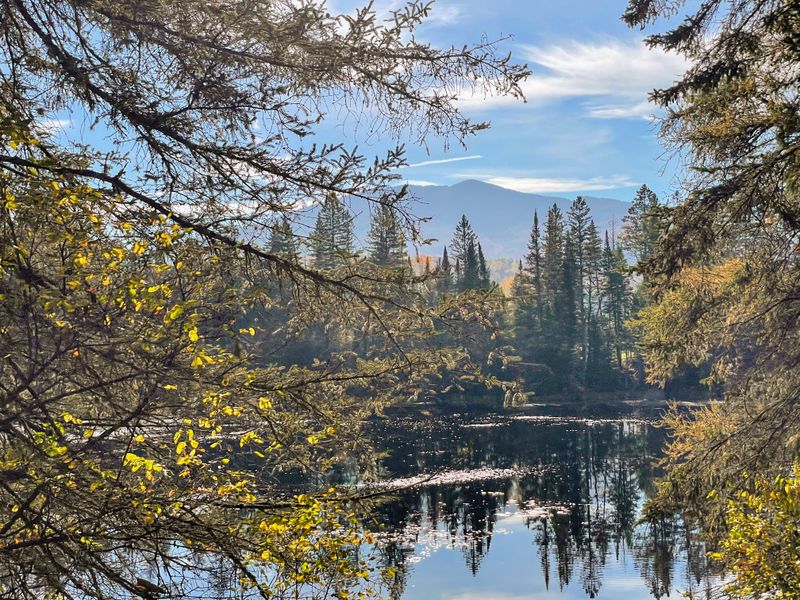
Geography shaped Burke’s entire existence.
Wedged into an impossibly narrow canyon, the town had nowhere to expand horizontally.
Buildings climbed the steep canyon walls, and the main street ran directly through town.
Trains once traveled down the main thoroughfare, passing between buildings.
This unusual layout made Burke memorable among Silver Valley communities.
Mining here focused on lead, silver, and zinc deposits.
The operations proved profitable enough to sustain a sizable population.
Natural disasters repeatedly struck this vulnerable location.
Floods, fires, and avalanches tested residents’ determination.
Each time, the community rebuilt and continued.
Eventually, economic changes succeeded where nature had failed.
The town gradually emptied as mining declined.
Today, Burke exists in a semi-abandoned state.
Massive brick structures remain, too solid to collapse easily.
These buildings create an eerie monument to industrial ambition.
Visitors can drive through and marvel at what remains.
Address: Burke Canyon Road, Burke, ID 83823
8. Gilmore: Barely There But Still Breathing
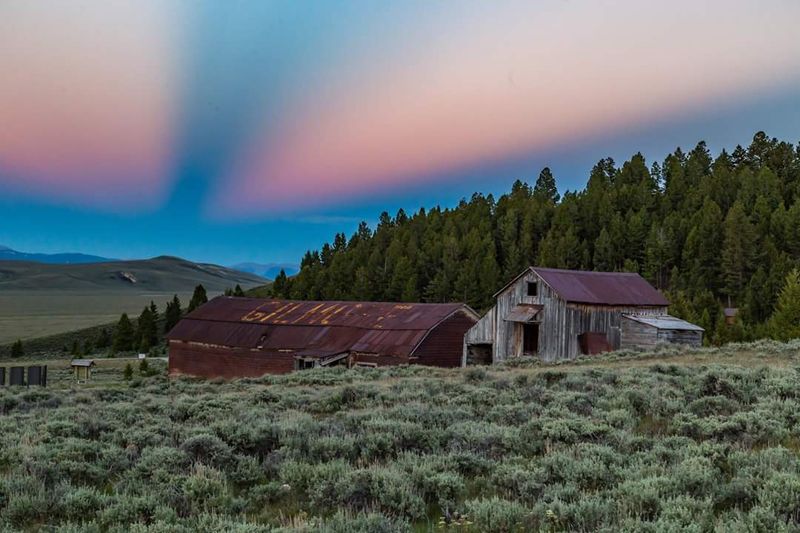
Remoteness defines Gilmore’s character.
Reaching this settlement requires commitment and good directions.
A few occupied houses prove that human presence hasn’t entirely ceased.
These hardy residents maintain a connection to mining heritage.
Scattered around them, remnants of busier times slowly deteriorate.
Old mining equipment rusts in fields and yards.
Abandoned structures lean at precarious angles.
Two cemeteries serve as poignant reminders of the community that once thrived here.
The upper and lower burial grounds hold pioneers, miners, and their families.
Weathered markers bear names nearly forgotten to history.
Visitors who find Gilmore often have the place to themselves.
The silence feels profound after the journey through empty landscape.
This town survives in the barest sense, neither fully alive nor completely dead.
It exists in limbo between ghost town and living community.
That ambiguous status makes it particularly fascinating to explorers.
Gilmore represents mining camps at their most vulnerable stage.
Address: Gilmore Road, Leadore, ID 83464
9. Kellogg: Industrial Backbone of Silver Valley
While some mining towns became tourist curiosities, Kellogg remained a working community.
Large-scale mining operations continued here for over a century.
The town supported families whose livelihoods depended on extracting ore.
Industrial activity shaped every aspect of community life.
Schools, churches, and businesses all revolved around mining schedules and economics.
When environmental regulations and market changes affected operations, Kellogg adapted.
The community diversified beyond its mining roots.
Tourism and recreation now supplement traditional industries.
A ski resort brings winter visitors to the surrounding mountains.
This economic evolution helped Kellogg avoid the boom-bust cycle that killed other camps.
The town retains its working-class character despite changes.
Residents maintain pride in their mining heritage.
Historic sites and museums document the industry that built the community.
Kellogg proves that mining towns can transition without losing identity.
Its survival required flexibility and willingness to embrace new opportunities.
Address: Main Street, Kellogg, ID 83837
Dear Reader: This page may contain affiliate links which may earn a commission if you click through and make a purchase. Our independent journalism is not influenced by any advertiser or commercial initiative unless it is clearly marked as sponsored content. As travel products change, please be sure to reconfirm all details and stay up to date with current events to ensure a safe and successful trip.
