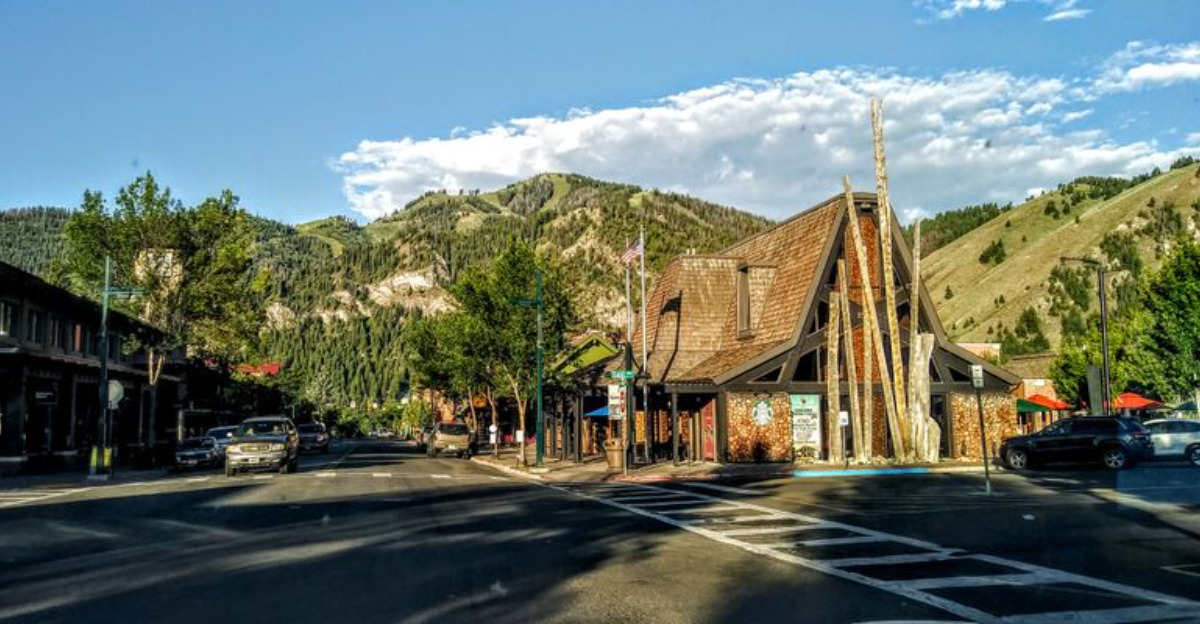
Idaho’s small towns have become incredibly popular destinations for travelers seeking mountain adventures, pristine lakes, and peaceful escapes from busy city life.
Every year, thousands of visitors flock to these charming communities to enjoy skiing, hiking, fishing, and the stunning natural beauty that makes Idaho so special.
While tourism brings money and jobs to these rural areas, it also creates serious challenges that affect the people who live there year-round.
Housing costs skyrocket, roads and trails become overcrowded, and the quiet character of these towns sometimes gets lost in the seasonal rush of visitors.
1. Sandpoint
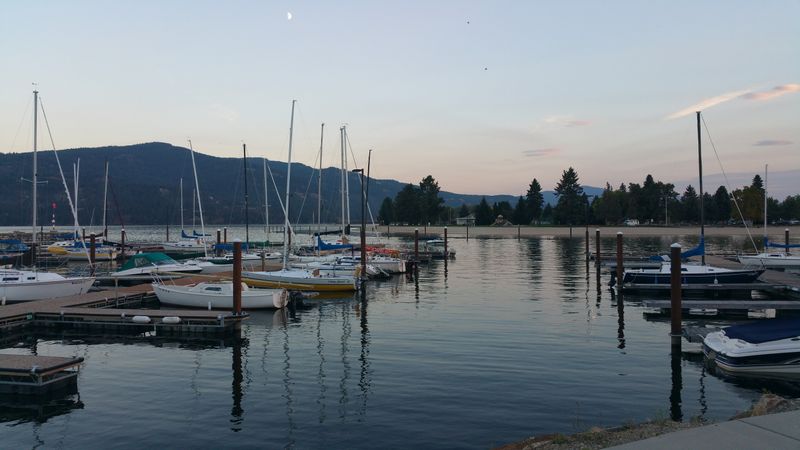
Nestled on the shores of Lake Pend Oreille, Sandpoint has transformed from a quiet logging town into one of Idaho’s most sought-after tourist destinations.
The town’s breathtaking scenery attracts outdoor enthusiasts throughout the year, with skiing at Schweitzer Mountain Resort in winter and water sports on the massive lake during summer months.
This popularity has come at a steep price for local residents.
By early 2025, the median home listing price in Sandpoint reached nearly $800,000, making it nearly impossible for teachers, nurses, and service workers to afford housing in their own community.
Many long-time residents have been forced to move away, and businesses struggle to find employees who can afford to live nearby.
The influx of second-home buyers and vacation rentals has fundamentally changed the town’s character.
Streets that once bustled with familiar faces now fill with seasonal visitors who come and go with the weather.
Local schools have seen enrollment decline as families relocate to more affordable areas.
Downtown shops cater increasingly to tourists rather than residents, with boutiques and galleries replacing hardware stores and everyday services.
Traffic congestion during peak seasons strains roads that were designed for a much smaller population.
The town’s infrastructure, from water systems to emergency services, faces pressure to expand without adequate funding from property taxes that often go to out-of-state owners.
Community leaders work tirelessly to balance economic growth with preserving the small-town atmosphere that made Sandpoint attractive in the first place.
The challenge remains finding solutions that allow both residents and visitors to enjoy this mountain paradise without destroying what makes it special.
2. McCall
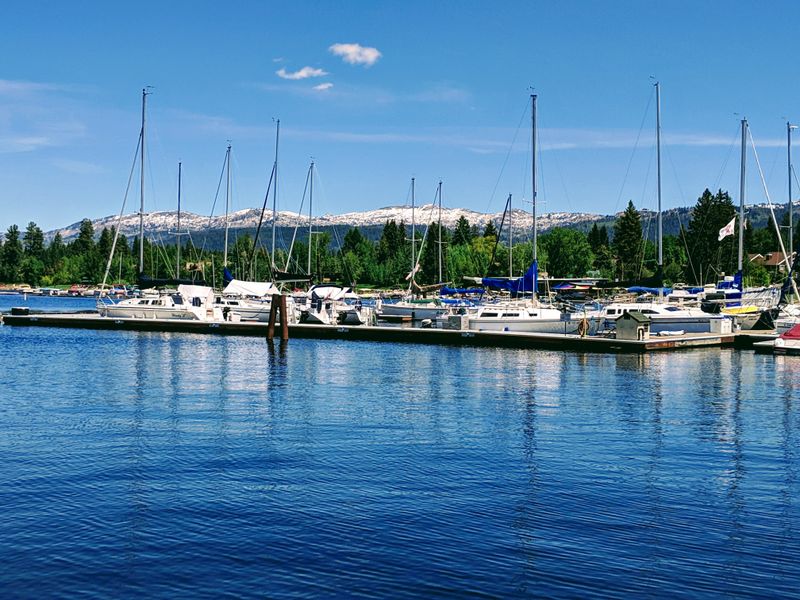
Perched beside the crystal-clear waters of Payette Lake, McCall has evolved into a year-round playground that draws visitors from across the Pacific Northwest.
Summer brings boaters, swimmers, and hikers, while winter transforms the town into a snowy wonderland for skiers and snowmobilers.
The famous Winter Carnival attracts tens of thousands of visitors each February, showcasing elaborate ice sculptures and mountain culture.
However, this popularity has created a housing crisis that threatens the community’s foundation.
Vacation rentals have multiplied throughout residential neighborhoods, turning quiet streets into transient zones where neighbors change weekly.
Local workers often commute from towns 30 or 40 miles away because they cannot find affordable housing in McCall itself.
Restaurants and shops post help-wanted signs year-round, unable to fill positions when employees have nowhere to live.
The town’s charm lies in its authentic mountain community feel, but maintaining that authenticity becomes harder each season.
Property values have climbed so high that even successful small business owners struggle to purchase homes.
Environmental concerns also mount as increased foot traffic damages fragile alpine ecosystems around popular trails and lake access points.
Parking becomes scarce on summer weekends, and the small-town infrastructure groans under the weight of thousands of temporary residents.
McCall’s leaders face difficult decisions about growth management and development restrictions.
Some residents advocate for stricter limits on vacation rentals, while others depend on tourism income to survive.
Finding common ground proves challenging when economic survival and community preservation pull in opposite directions.
3. Ketchum
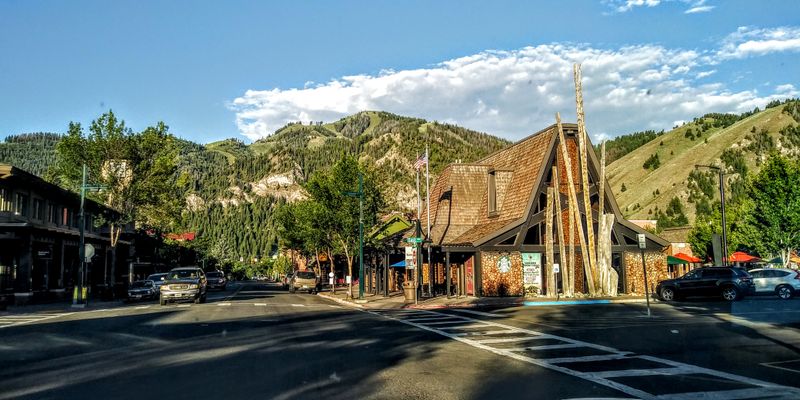
Famous as the gateway to Sun Valley Resort, Ketchum has long been associated with upscale skiing and celebrity visitors.
The town’s reputation as a playground for the wealthy dates back decades, but recent years have seen tourism reach unprecedented levels.
Luxury hotels, high-end restaurants, and designer boutiques line the main streets, creating an atmosphere more reminiscent of Aspen than rural Idaho.
This transformation has pushed working-class residents to the margins, both literally and figuratively.
Housing costs rank among the highest in the entire state, with even modest apartments commanding astronomical rents.
Service industry workers, the backbone of the tourism economy, often live in neighboring towns or share cramped quarters with multiple roommates.
The income gap between visitors and residents creates tension that simmers beneath the polished surface.
Traffic during ski season can back up for miles, turning simple errands into frustrating ordeals for locals.
Reservation systems at popular restaurants book up weeks in advance, making spontaneous dining nearly impossible for residents.
The town’s infrastructure, particularly its roads and parking facilities, struggles to accommodate the seasonal surge in population.
Water resources face pressure from increased demand, and waste management systems work overtime during peak periods.
Environmental impacts extend beyond the town limits, with backcountry areas experiencing overuse and degradation.
Despite these challenges, tourism remains essential to Ketchum’s economy, creating a complicated relationship between residents and the industry that sustains them.
Community organizations work to preserve affordable housing and maintain spaces where locals can gather without competing with tourists for access.
4. Stanley
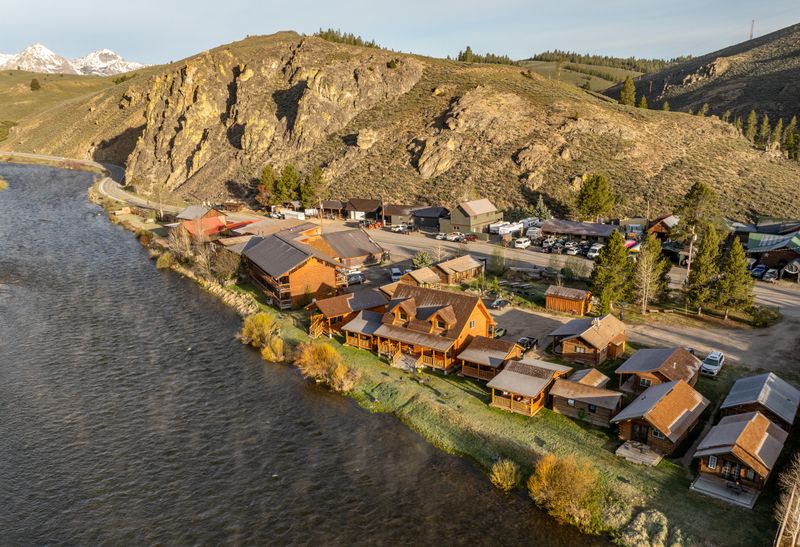
With a year-round population that barely exceeds 100 people, Stanley represents one of Idaho’s most remote and rugged communities.
Surrounded by the jagged peaks of the Sawtooth Mountains, this tiny town sits at the crossroads of several scenic byways that attract road-trippers and adventure seekers.
Summer transforms Stanley from a quiet outpost into a bustling hub for backpackers, rafters, and outdoor photographers.
The contrast between winter solitude and summer chaos creates unique challenges for this isolated community.
Infrastructure designed for a handful of residents becomes overwhelmed when hundreds of visitors arrive daily during peak season.
The town’s few restaurants and gas stations face pressure to stay open long hours to serve tourist demand, often struggling to find enough staff.
Campgrounds fill to capacity, and dispersed camping in surrounding public lands sometimes leads to environmental damage when visitors ignore Leave No Trace principles.
Cell phone service remains spotty, and emergency services are limited, creating safety concerns when inexperienced tourists venture into the wilderness unprepared.
The Salmon River, which flows through the area, sees heavy rafting traffic that can disturb wildlife and erode riverbanks.
Local residents treasure the solitude and natural beauty that drew them to Stanley, but seasonal crowds threaten the very qualities that make the area special.
Housing options remain extremely limited, with most properties serving as vacation rentals rather than permanent residences.
The harsh winter climate means many businesses close for months, creating economic instability for year-round residents.
Balancing preservation of wilderness character with economic opportunity remains Stanley’s central challenge as tourism continues growing each year.
5. Driggs
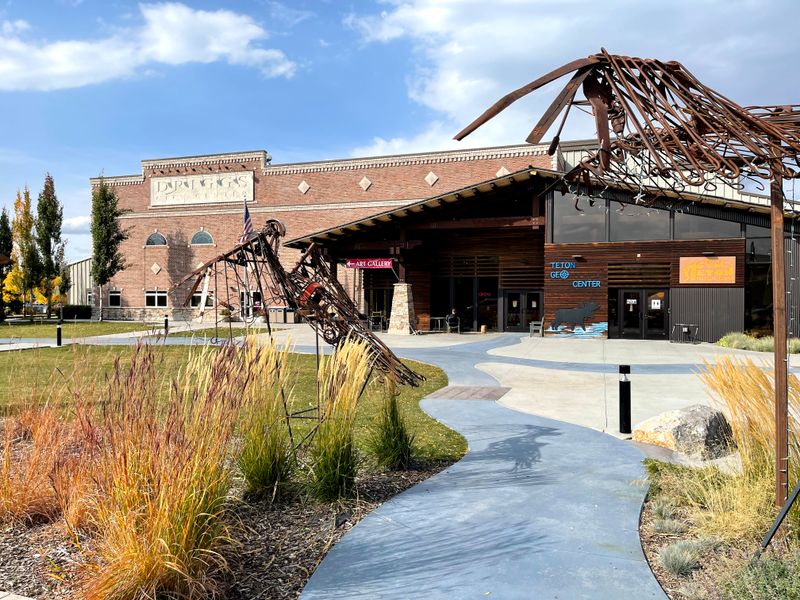
Located on the western slope of the Teton Range, Driggs has experienced explosive growth as visitors discover its proximity to world-class skiing and stunning mountain scenery.
The town serves as a more affordable alternative to Jackson, Wyoming, just over the state line, attracting both tourists and new residents seeking mountain lifestyle.
This rapid transformation has strained the community in ways that residents could not have imagined a decade ago.
Agricultural land that once supported family farms has been converted into vacation home developments and resort properties.
The character of Teton Valley, traditionally defined by ranching and farming, shifts increasingly toward recreation and tourism.
Traffic on Highway 33, the main route through Driggs, has increased dramatically, creating congestion and safety concerns.
Local schools face fluctuating enrollment as families struggle with housing costs and some choose to relocate to more affordable areas.
The healthcare system, designed for a small rural population, strains to meet growing demand from both residents and injured tourists.
Water rights and resources become contentious issues as development expands and agricultural users compete with residential and commercial demands.
Community leaders have focused on economic diversification, attempting to attract technology businesses and promote year-round tourism rather than relying solely on winter skiing.
This strategy aims to create more stable employment and reduce the boom-and-bust cycle of seasonal economies.
However, growth management remains controversial, with some residents welcoming development while others fight to preserve the valley’s rural character.
Finding balance between economic opportunity and community preservation defines the ongoing conversation in Driggs and surrounding Teton Valley communities.
6. Sun Valley
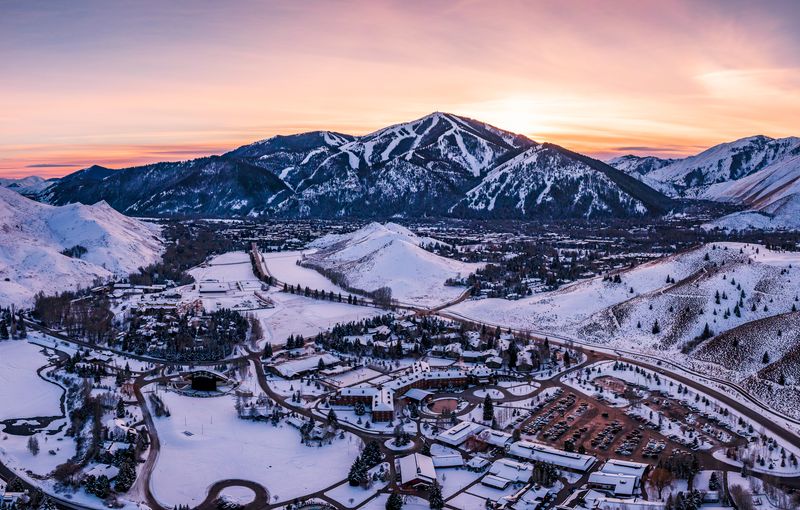
America’s first destination ski resort, Sun Valley has catered to wealthy visitors since the 1930s when Union Pacific Railroad developed the area.
Decades of celebrity visitors and Hollywood connections have created an exclusive atmosphere that sets Sun Valley apart from other Idaho mountain towns.
The resort’s reputation attracts international visitors who expect luxury accommodations and world-class amenities throughout their stay.
This focus on high-end tourism has created an extreme economic divide within the community.
Workers who clean hotel rooms, serve meals, and maintain ski lifts often cannot afford to live anywhere near their workplaces.
Employee housing has become a critical issue, with some businesses providing dormitory-style accommodations just to maintain adequate staffing levels.
The gap between the lifestyle of visitors and the reality of resident workers creates social tensions that bubble beneath the resort’s polished exterior.
Seasonal population swings place enormous pressure on infrastructure, from roads and parking to water and sewer systems.
Environmental concerns mount as development encroaches on wildlife habitat and increases pressure on fragile mountain ecosystems.
The community grapples with maintaining its exclusive appeal while addressing the practical needs of the workforce that makes luxury tourism possible.
Public lands surrounding the resort see heavy use, with popular trails becoming congested and showing signs of overuse and erosion.
Local government faces the challenge of funding infrastructure improvements without overtaxing residents or discouraging tourism.
Some long-time residents express concern that Sun Valley has lost touch with its Idaho roots, becoming more similar to exclusive resorts in other states than to neighboring communities.
7. Bonners Ferry
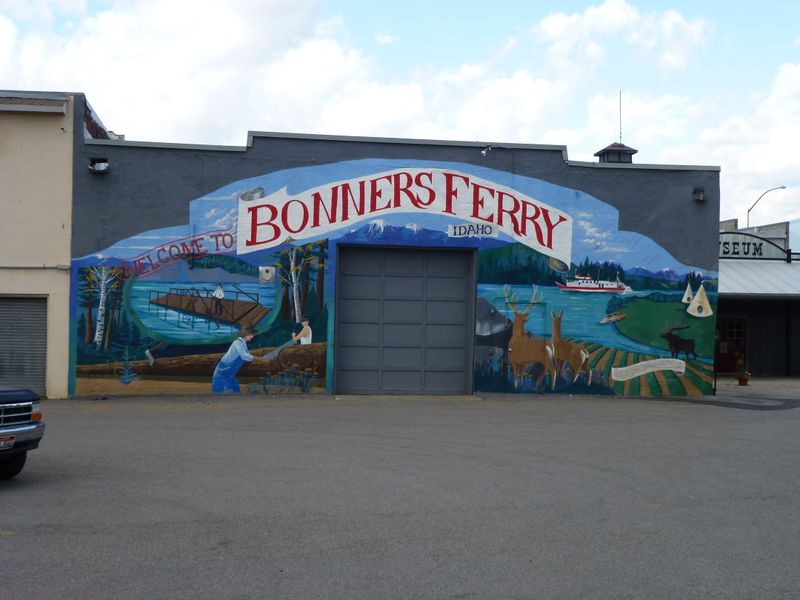
Situated just seven miles from the Canadian border, Bonners Ferry has traditionally relied on cross-border traffic and tourism from British Columbia.
The town’s economy depends heavily on Canadian visitors who shop, dine, and stay overnight while exploring the Idaho Panhandle region.
However, this dependence on international tourism makes Bonners Ferry particularly vulnerable to factors beyond local control.
In April 2025, the town experienced a 37% drop in Canadian visitors compared to previous years, sending shockwaves through the local economy.
Hotels saw occupancy rates plummet, restaurants struggled with empty tables, and retail businesses watched revenue decline sharply.
Currency exchange rates, border crossing regulations, and international relations all impact this small town’s economic health in ways that residents cannot influence.
The seasonal nature of tourism creates additional instability, with summer months bringing crowds while winter sees dramatic slowdowns in visitor traffic.
Local businesses must somehow survive lean periods while preparing for busy seasons, a balancing act that grows more difficult each year.
Infrastructure investments become hard to justify when revenue fluctuates so dramatically from month to month and year to year.
The community also faces environmental challenges as increased recreation in surrounding forests and waterways puts pressure on natural resources.
The Kootenai River, which flows through the area, attracts anglers and boaters whose activities can disturb wildlife and damage riparian habitats.
Community leaders work to diversify the economy beyond tourism, but options remain limited in this remote corner of Idaho.
The town’s future depends partly on factors completely outside its control, creating uncertainty that weighs on residents and business owners alike.
8. Cascade
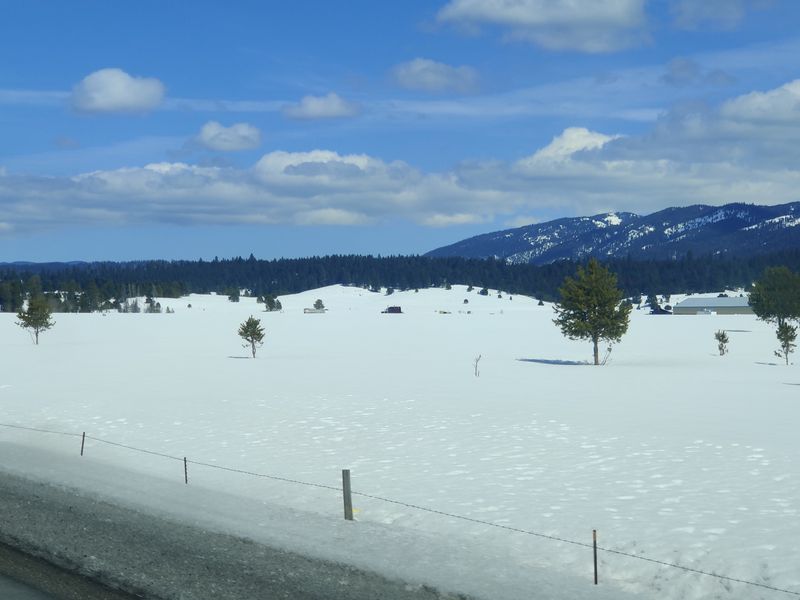
Sitting along the shores of Cascade Reservoir, this small town has become a popular destination for Boise residents seeking weekend getaways and water recreation.
The reservoir, created by a dam on the North Fork of the Payette River, offers fishing, boating, and swimming opportunities that draw thousands of visitors during warm months.
Winter brings snowmobilers and ice fishermen who enjoy the area’s abundant snow and frozen lake surface.
This year-round appeal has brought both benefits and challenges to Cascade’s roughly 1,000 permanent residents.
Property values have risen steadily as people from larger cities purchase vacation homes and retirement properties in the area.
Long-time residents find themselves priced out of the housing market, unable to compete with buyers from urban areas who have higher incomes.
The town’s small business district struggles to serve both local needs and tourist demands, often prioritizing visitors who spend more money.
Weekend traffic clogs the two-lane highway that runs through town, creating frustration for residents trying to go about their daily routines.
Boat launches become crowded on summer weekends, with wait times stretching to an hour or more during peak periods.
Campgrounds around the reservoir fill quickly, and overflow camping in undeveloped areas sometimes leads to trash accumulation and fire danger.
The town’s volunteer fire department and small medical clinic face increased demand without corresponding increases in resources or funding.
Water quality in the reservoir concerns scientists and residents alike as recreational use intensifies and development increases runoff into the watershed.
Cascade must navigate the delicate balance between welcoming visitors who support the local economy and preserving the quiet lakeside character that makes the town appealing to residents and tourists alike.
9. Priest Lake
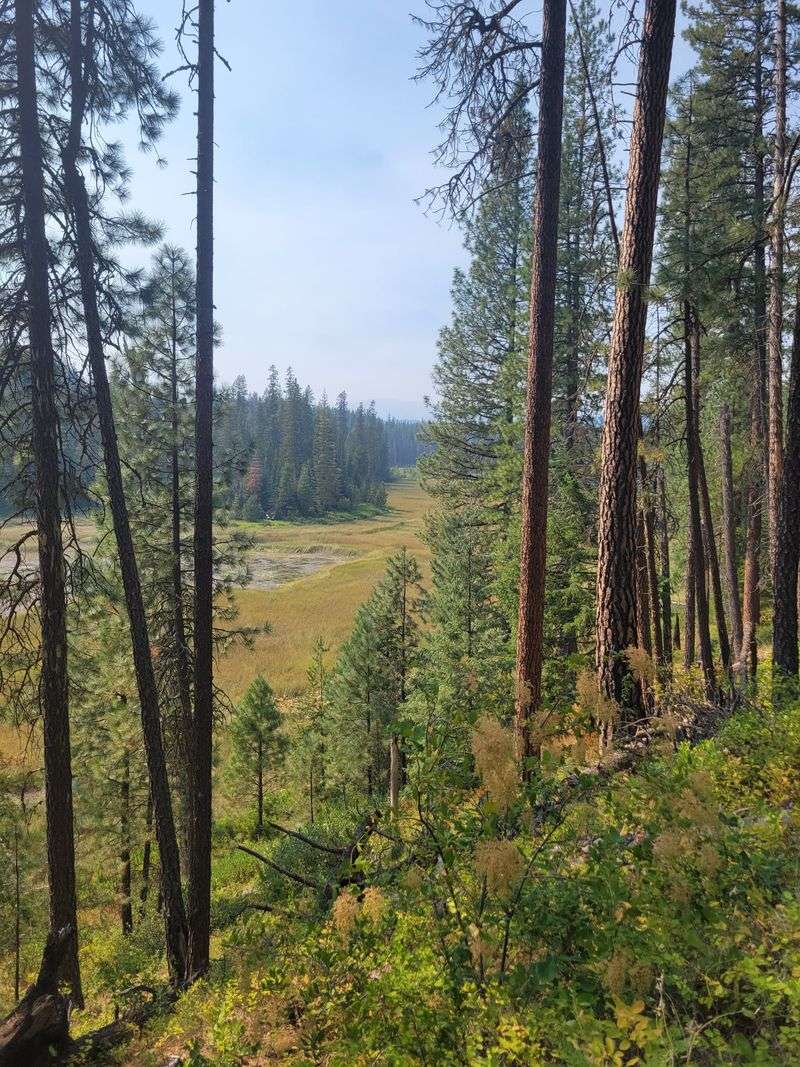
Often called Idaho’s crown jewel, Priest Lake remains one of the state’s most pristine and remote destinations.
The lake’s crystal-clear waters and surrounding wilderness create a sense of untouched beauty that attracts visitors seeking authentic wilderness experiences.
Unlike more developed resort areas, Priest Lake has maintained much of its rustic character, with family cabins and simple lodges rather than luxury hotels.
However, this very authenticity now faces threats from increasing visitor numbers and development pressure.
The area’s limited infrastructure was never designed to handle large crowds, and popular access points become overwhelmed during summer weekends.
Boat launches see long lines of trailers waiting for access, and parking areas overflow onto roadways, creating safety hazards.
The lake’s water quality, historically exceptional, shows signs of stress from increased boat traffic and shoreline development.
Invasive species like zebra mussels threaten the ecosystem, potentially introduced by boats from other waterways.
The surrounding Idaho Panhandle National Forest experiences heavy recreational use, with popular trails showing erosion and vegetation damage.
Wildlife that once thrived in relative solitude now contends with constant human presence during tourist season.
Property around the lake has become extremely valuable, with waterfront parcels selling for prices that would have seemed impossible just a decade ago.
This appreciation pushes property taxes higher, forcing some long-time cabin owners to sell family properties they can no longer afford to maintain.
The community faces difficult questions about how much development and tourism the area can sustain without losing the wilderness qualities that make it special.
Preservation efforts compete with economic pressures in a region where tourism provides much-needed income for rural residents.
10. Victor
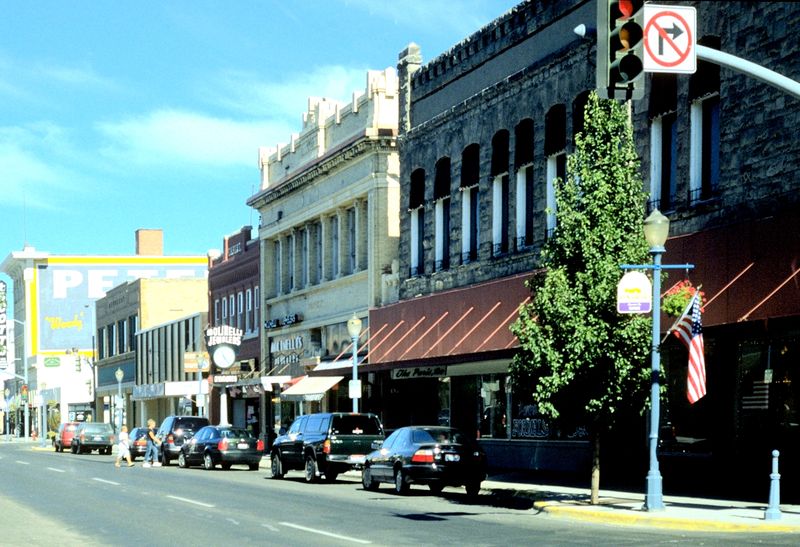
Just south of Driggs in Teton Valley, Victor maintains a distinctly Western character with its historic main street and authentic small-town atmosphere.
The town’s proximity to Grand Targhee Resort and the Teton Range has made it increasingly attractive to tourists and second-home buyers.
Victor’s charm lies partly in its resistance to rapid development, but this resistance grows harder to maintain as economic pressures mount.
Housing costs have skyrocketed throughout Teton Valley, and Victor has not been spared from this trend.
Families who have lived in the area for generations find themselves unable to help their children purchase homes in the community.
Young people leave for more affordable areas, taking with them the continuity and connection that define strong rural communities.
The town’s small elementary school sees enrollment fluctuate as the community’s demographics shift toward wealthy retirees and vacation home owners rather than working families.
Main street businesses cater increasingly to tourist tastes, with coffee shops and boutiques replacing feed stores and practical services.
Traffic through town has increased dramatically, particularly during ski season when visitors travel between Jackson and Grand Targhee.
The rural road network was never designed for such volume, and accidents and congestion have become common concerns.
Water resources face pressure as development expands, with traditional agricultural users competing against residential and commercial demands.
Community meetings often turn contentious as residents debate growth management, vacation rental regulations, and development restrictions.
Some see tourism as essential economic opportunity, while others view it as an existential threat to the community’s character and affordability.
Victor’s future hangs in the balance as it struggles to preserve its authentic Western identity while adapting to the economic realities of modern mountain tourism.
Dear Reader: This page may contain affiliate links which may earn a commission if you click through and make a purchase. Our independent journalism is not influenced by any advertiser or commercial initiative unless it is clearly marked as sponsored content. As travel products change, please be sure to reconfirm all details and stay up to date with current events to ensure a safe and successful trip.
