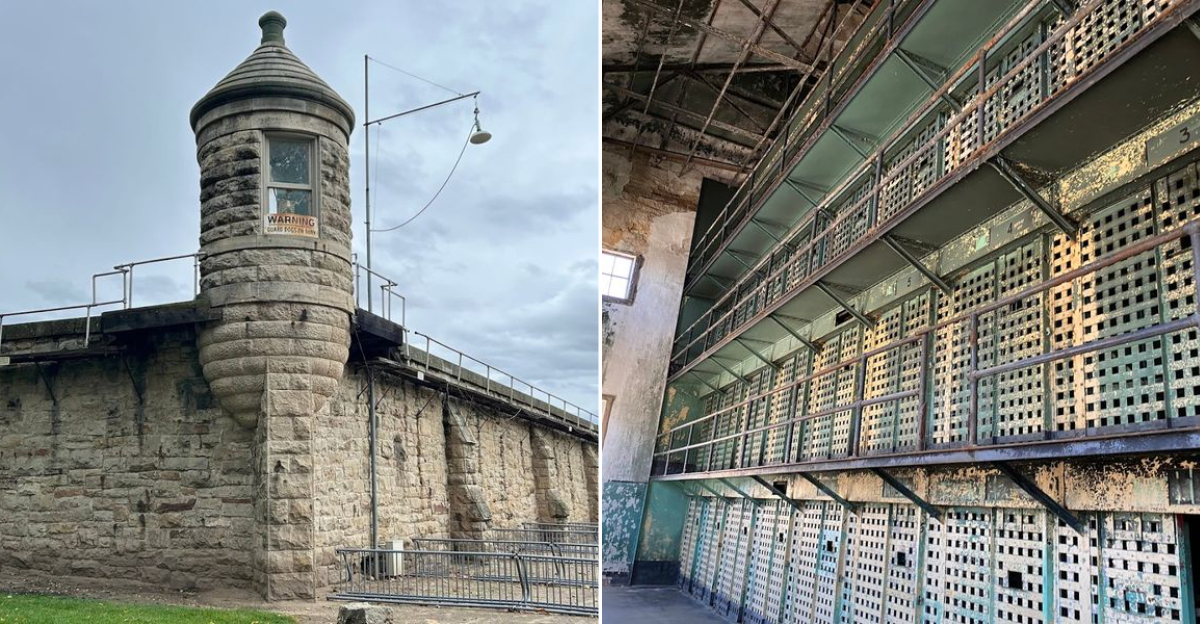
Think you can walk past an old prison cell without imagining who stared out from it? Old Idaho Penitentiary in Boise makes that pretty much impossible, because the place still feels like it is holding conversations in the walls.
You step onto the grounds and the mood changes fast, with stone buildings, iron details, and that quiet that lands heavier than you expect. Even in daylight, the cells have a way of pulling your attention like they are daring you to look closer.
The layouts are blunt and practical, built for control, not comfort, and that truth shows up in every narrow corridor. You start hearing sounds you did not notice at first, footsteps echoing, doors clicking, and the wind doing its best impression of a whisper.
This is not the kind of historic site you rush through. It is the kind you move through slowly, because every room carries a little reminder of what it meant to be stuck here.
By the time you leave, you will have plenty of photos, but the bigger souvenir is the atmosphere. It follows you out to the parking lot, like the place is still finishing its sentence.
Boise Has A Prison Visit That Starts Creepy And Stays That Way
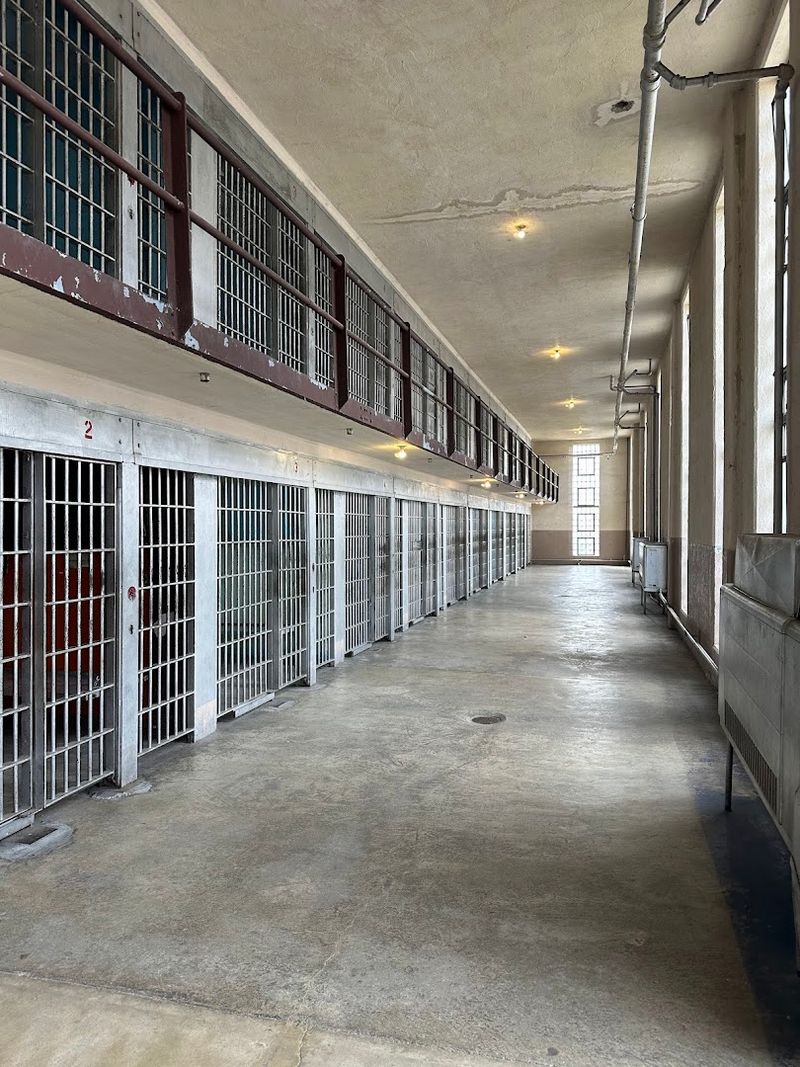
Pulling up to the Old Idaho Penitentiary in Boise, the first thing that lands is the hush that sits on those sandstone walls like dust. The address is 2445 Old Penitentiary Road, Boise, Idaho, and it sets the stage before you even see a sign or a guide.
I swear the wind gets thinner here, and your footsteps sound like you are borrowing someone else’s.
Inside the gate, you feel that old-facility rhythm immediately, the kind where doors answer doors and the path chooses you more than you choose it. Idaho does not shout here, which is funny because the mountains just outside town always seem to brag a little.
Instead, the place speaks in small knocks, a hinge whisper, a bird landing on wire like it has seniority.
It starts creepy and it stays that way because nothing tries to entertain you. You look through a barred window and it just looks back, which is a strange kind of honesty that museums sometimes forget to allow.
By the time you cross the first yard, your shoulders are already listening without being asked, and you realize the mood is doing more of the guiding than any map ever could.
The Stone Walls Hit Hard Before You Even Step Inside
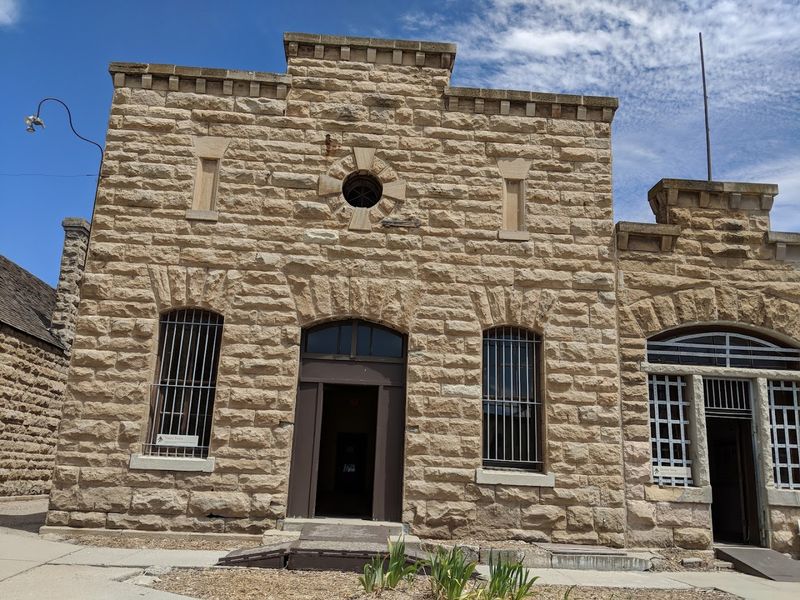
Those walls are the first conversation, and they do not blink. The sandstone is rough in a way your eyes can feel, like stacked time, and the color shifts with the light so it looks calmer than it is.
You stand there and notice how the blocks line up like a decision that never got reconsidered.
Run your fingers near the seams and the temperature jumps, cool then cooler, like shade hiding inside more shade. That is when Idaho’s dry air steps in and makes the stone smell older, almost like it has been thinking about winter all year.
You get the sense that whoever set these blocks learned patience by losing it first, which might be why the walls behave like they do.
What hits hardest is how the texture messes with your sense of comfort. Smooth buildings let your eyes slide, but this place catches them, holds them for a beat, and returns them with a question you cannot quite pin down.
By the time you reach the door, you are already braced without making the choice, and you have not even met the cells yet.
Cell Blocks Make The Silence Feel Like A Sound
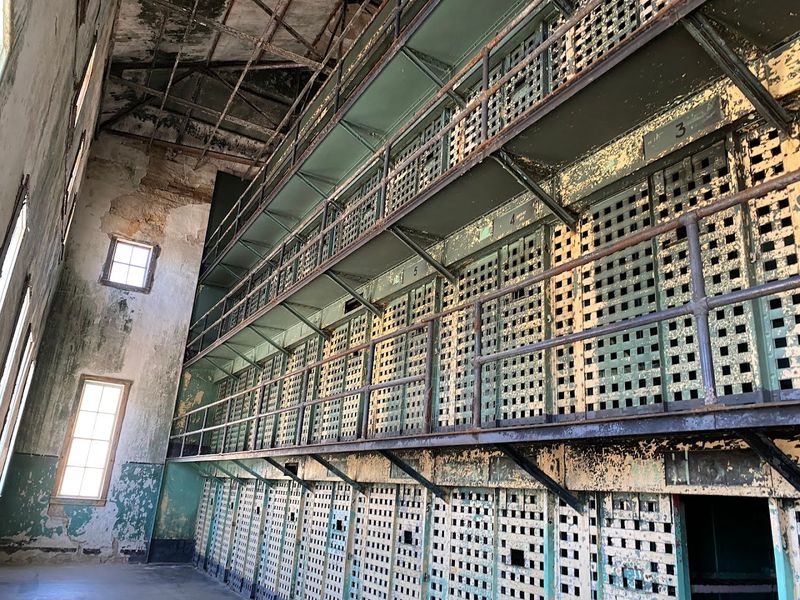
Walking the main cell blocks, the quiet stacks up like sheets, heavy and exact. Your steps click on the metal in that narrow way, and every little echo returns with more attitude than you gave it.
It feels like the corridor has ears and good memory, which changes how you breathe.
Look down the row and it just keeps going, bars and doors repeating like a beat you cannot stop hearing. The Idaho sky shows up in thin slices through high windows, reminding you there is light out there, but not a lot of it gets invited in.
I kept glancing up at the catwalks, half expecting a shift of weight, even though I knew it was only me.
What makes the silence feel like a sound is the discipline of the space. Everything is measured, from the step between cells to the rattle of a hinge that no one asked to speak.
By the time you reach the end of the block, the corridor has already edited your tone, so when you whisper without meaning to, it feels like the most reasonable thing you have done all day.
Solitary Confinement Areas Change The Mood Fast
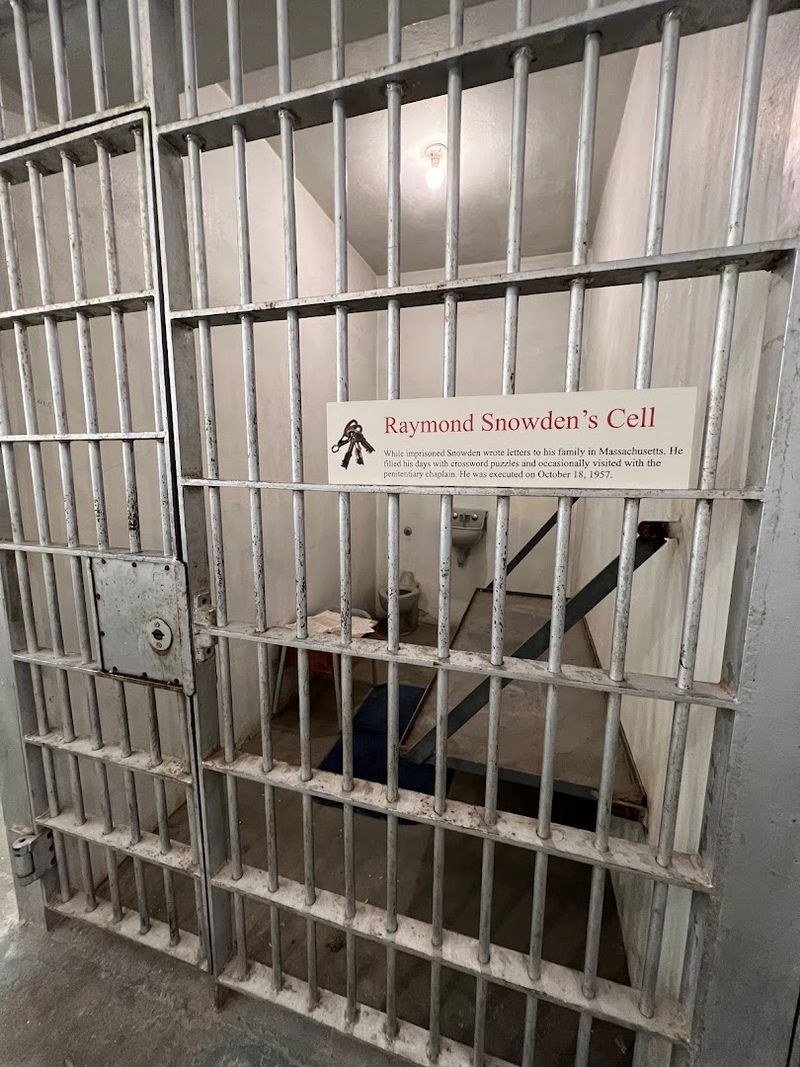
Step into solitary and the air drops, like someone turned down a dial you cannot see. The space is small, sure, but it is the depth of the dark that does the talking, a kind of thick quiet that comes with rules.
Your eyes adjust and still you feel your shoulders hanging closer to your ears.
The door is the boss in here, and even cracked open it holds all the power, which is a lesson you do not need explained twice. Idaho’s sun can be loud, but the slice that sneaks in feels careful, and that careful light makes the floor look like it is keeping a diary.
You do not stay long, because staying long turns the walls into company you did not ask for.
It is strange how fast the mood shifts when you step back out. Sound returns with a small mercy, and you notice your breath for the first time in a while, the way it hunts for space and finally finds some.
That little burst of normal feels earned, which tells you exactly what solitary was meant to teach and how.
Scratches, Marks, And Messages Feel Uncomfortably Personal
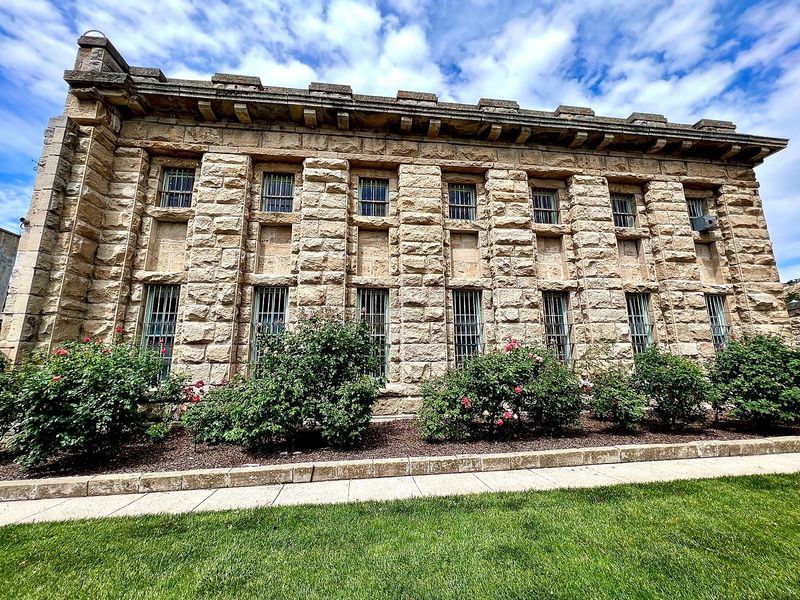
Lean close to the walls and you find the handwriting of time, which always lands harder than a typed label. There are scratches, little notes, drawings that mean more than they show, and the kind of tally marks that never needed counting out loud.
You catch a name you do not know and it sits with you like a sudden passenger.
Some marks look fierce and quick, others come off patient, like someone kept returning to the same line until it felt less heavy. Idaho slides into your head again because the outside is so open, and this room is the exact opposite of open, which makes every mark feel louder.
You can tell which messages were made to be seen and which were made just to breathe.
The personal part sneaks up on you. Reading a stranger’s thought in a place that shaped them feels like borrowing shoes, and you keep checking the fit even though you will never walk out wearing them.
It is not dramatic, just close, and that closeness follows you down the hall even when you try to leave it where you found it.
The Yard And Gallows Area Make You Walk Slower Without Meaning To
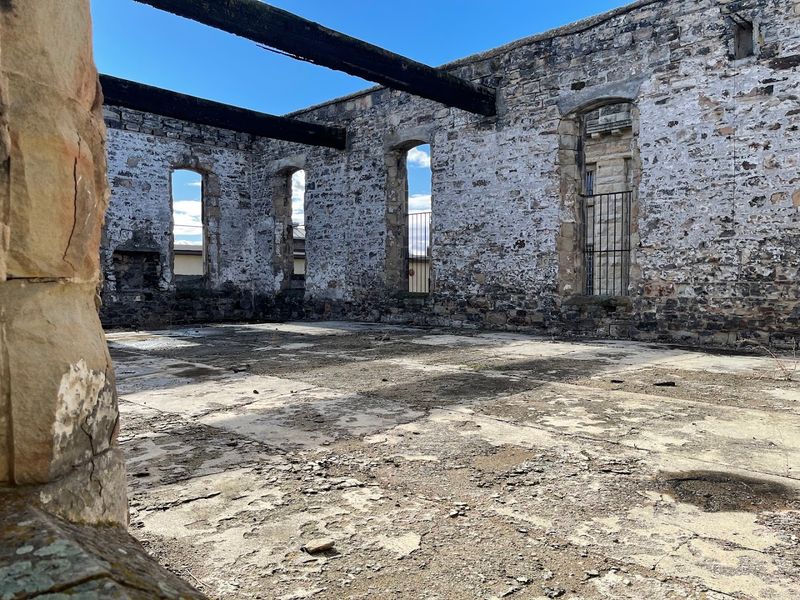
Out in the yard, your pace drops on its own, like your shoes got heavier. Space opens up, but it is not the kind of open that invites a run, more like the kind that asks you to measure your steps.
You see lines of fence and shadow that nudge you into a quieter rhythm.
The gallows area sits there with a stillness that does not need to announce itself. Idaho’s light throws long lines across the ground, and those lines guide your eyes whether you want them to or not.
You feel the design of control in every angle, which might be why your feet choose careful over quick.
What surprised me was how the yard held more story than the rooms did. Out here the wind edits sentences into short thoughts, and you get the gist without extra words.
When you finally leave the open space, the walls feel taller than before, which is odd, but it makes sense if you listen to the way the ground keeps its memory.
Photo Spots Here Come Out Darker Than You Expected
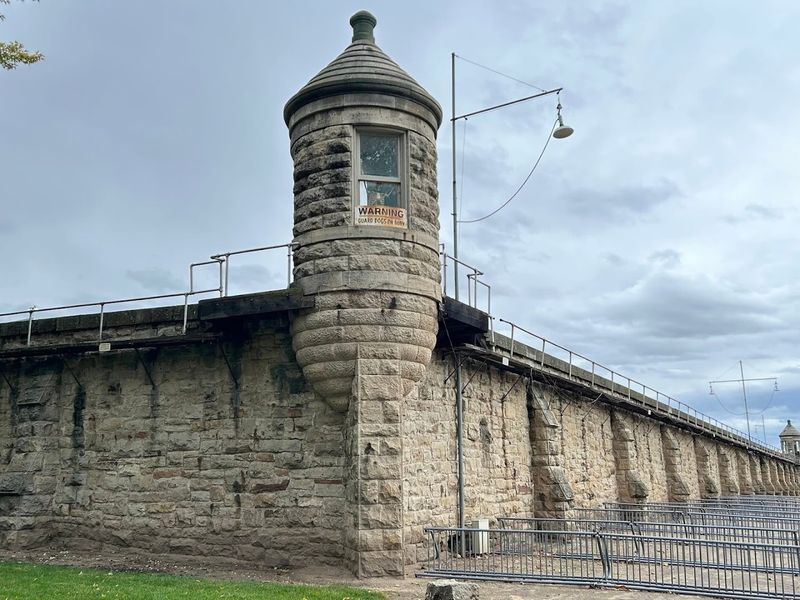
If you are thinking about photos, just know the camera loves the shadows here more than you do. Every frame leans a little darker, like the building edits your exposure out of habit.
You angle toward a window expecting clarity and get mood instead, which is not a bad trade.
Corridors deliver those long lines that look cinematic until you realize they also feel that way, which can make a simple snapshot feel heavy. Idaho’s brightness filters through bars and grating, so the light lands in stripes and boxes that make everything look intentional.
Even the dust plays a part, catching beams and pushing the tones into something quiet.
Best tip is to slow your hands and let the place pick the shot. When you chase moments here, they duck you, but when you stand still, something leans into the frame like it has been waiting all afternoon.
Later, the pictures look honest and a touch haunted, which sounds dramatic until you remember how your footsteps sounded in the cell block.
Every Corner Reminds You This Place Was Built To Control
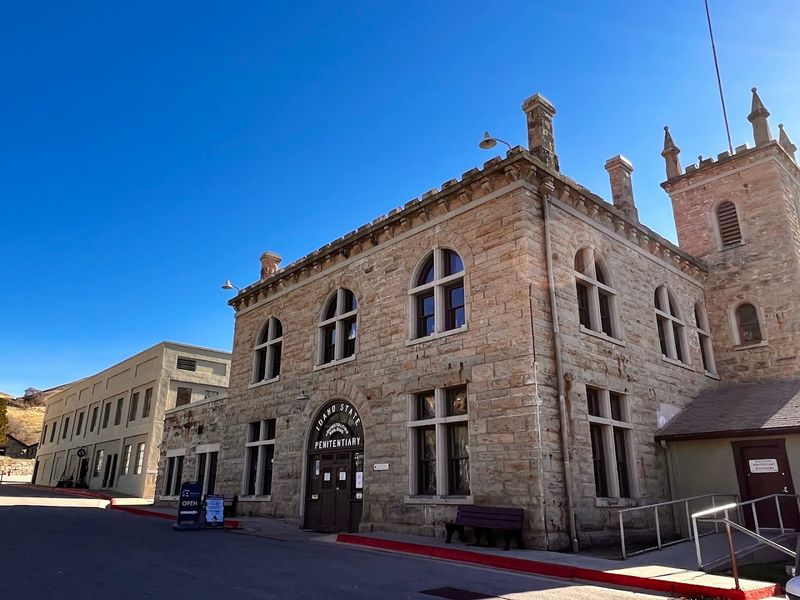
The architecture does not apologize for anything, and that is the most instructive part of the visit. Corners are sharp, sightlines are bossy, and doors announce themselves with metal voices that do not care if you are ready.
It is all function, no fluff, and that clarity reads like a manual.
Follow the angles and you notice how movement gets organized for you, not by you. Idaho has plenty of friendly porches and easy sidewalks, but this is the opposite of a welcome.
Here, the building speaks a language made of locks, and you learn enough of it to get the point without translation.
It is wild how quickly the design shapes your posture. You stop drifting, you count steps without counting, and you check your pockets like a reflex.
That is control doing its quiet work, and recognizing it makes the walk out feel like a small graduation you did not sign up for but maybe needed anyway.
Walking Out Feels Like You Just Left A Different Century
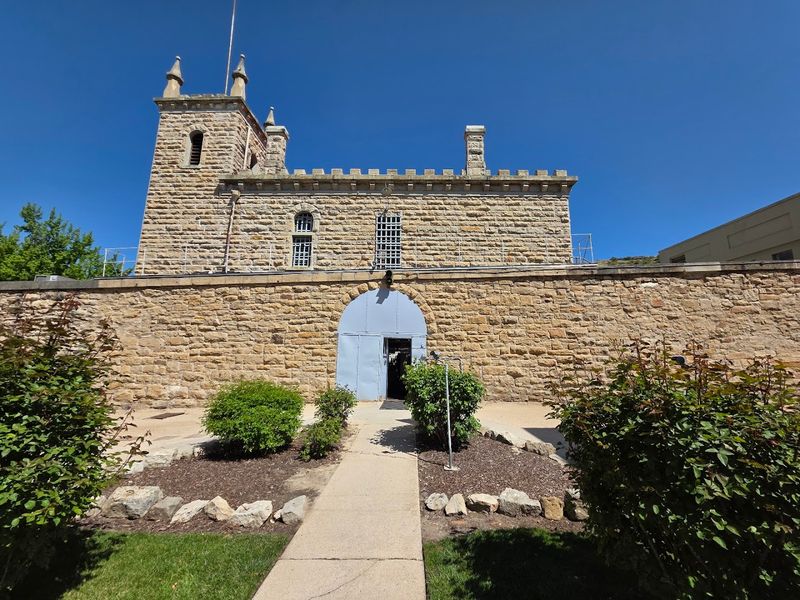
On the way out, the gate frames the daylight like a decision, and stepping through it feels bigger than it ought to. Your shoulders lower without asking permission, and the first full breath hits like you forgot to inhale for a while.
It is not dramatic, just unmistakable, the way a heavy coat suddenly makes sense in your hand instead of on your back.
Outside, Boise sounds friendlier again, and the Idaho sky goes wide in a way that feels earned. You look back once because everybody does, and the building holds still like a portrait that knows you are not done thinking.
The road feels normal, but your steps keep a small echo for a few minutes, almost like the place sent you home with a reminder.
That is how it stays with you. Not as a headline, but as a change in the way you listen when a room gets quiet, or when stone shows its age.
You left the century behind the gate, sure, but a little of its voice is still walking next to you, which is kind of the point.
Dear Reader: This page may contain affiliate links which may earn a commission if you click through and make a purchase. Our independent journalism is not influenced by any advertiser or commercial initiative unless it is clearly marked as sponsored content. As travel products change, please be sure to reconfirm all details and stay up to date with current events to ensure a safe and successful trip.
