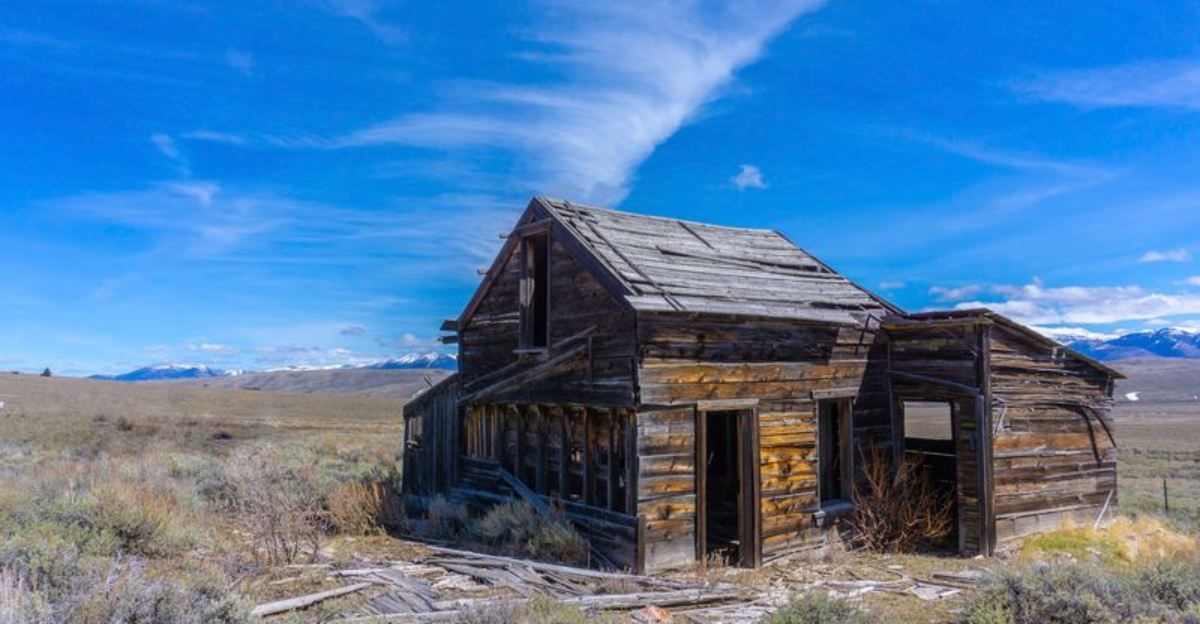
Wind ghosts across the high basin before Gilmore even shows itself, and you feel Idaho’s quiet lean in close.
Old timbers hold their breath along the dirt road, and the tailings glint like tired snow in thin light.
You do not hear much besides your own steps and a magpie’s sharp remark, yet the air carries stories that do not quite settle.
Keep going, because the town waits with a presence that feels less abandoned than carefully listening.
First Glimpse Along the Gravel Approach
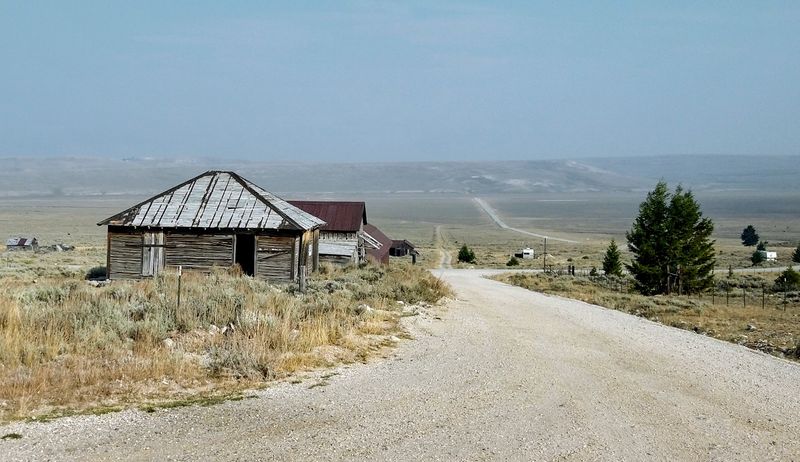
The road loosens from pavement to grit, and the tires answer with a dry rattle that raises a thin curtain of dust.
Sage taps the doors like soft knuckles, and the hills step aside to reveal scattered roofs lying low against the sky.
You slow without deciding to, because this corner of Idaho changes the pace of your breathing.
The first buildings appear as silhouettes with ribs, and the angles look both tired and sure of themselves.
You see tin and weathered boards stacked against the wind, and a doorway frames nothing but pale distance.
The stillness is not empty so much as deliberate, as if the place has paused mid sentence for you.
The air smells like sun on iron and the aftertaste of old fire, and it sits dry on the tongue.
Shallow ruts tell of recent visitors, though no one steps out when you park and cut the engine.
The silence thins until a small bird skims by, fast and focused, stitching the yard to the fence.
The mountains lean closer while clouds trail long shadows that slide over tailings and brush.
Light pools in the door gaps, and you notice nails with orange halos that lift like tiny crowns.
There is caution in your hands as you push a gate, because the hinges remember every passer.
Idaho keeps its weather honest up here, and the breeze carries grit that already knows your shoes.
You look back at the road, now a ribbon of chalk that fades as if shutting behind you.
Standing still becomes its own act, and the town measures you with quiet patience.
Nothing breaks into drama, yet everything feels poised for the next page, and you are ready.
A Brief, True History of Gilmore
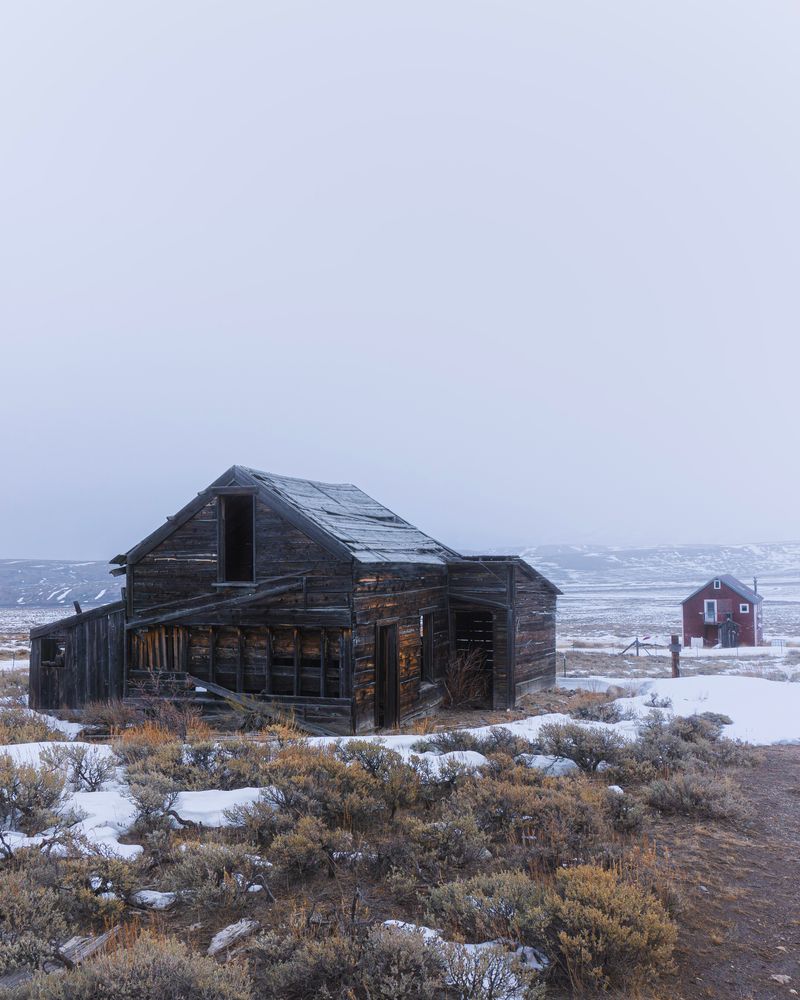
Gilmore began as a mining settlement in the high country of Lemhi County, drawing life from ore and stubborn optimism.
Buildings rose to serve the shafts and the people who worked them, and the town stitched itself to the rhythms of extraction.
When the mines waned, homes and storefronts emptied, and the sound of work went with them.
Idaho keeps many such chapters tucked into its hills, and Gilmore reads as one that never quite closed.
what remains tells a plain story written in boards and tin, with dates fading faster than the grain.
You see evidence of long winters and dry summers carved into doorframes that no longer square.
The site stands without museum gloss, holding its own shape against time and weather.
No tour guide steps out to rehearse names, yet the layout explains itself to patient eyes.
Streets that once handled wagons now support silence, and foundations mark where lives fit together.
The surrounding ridges speak of isolation, but the open basin gives the town a kind of stage.
Remnants align to the ore story, with tailings nearby and structures facing the work that once paid.
You do not need a plaque to feel the start and stop that defined this place.
History arrives here as texture rather than calendar, and it asks respect more than applause.
Footprints are rare, yet you find small items that do not belong to wind, sitting where hands left them.
There is no need to invent legends when the plain facts carry enough weight.
Gilmore remains a clear point on Idaho’s map, not alive in the usual way but not gone either.
Listening to the Wind in the Boards
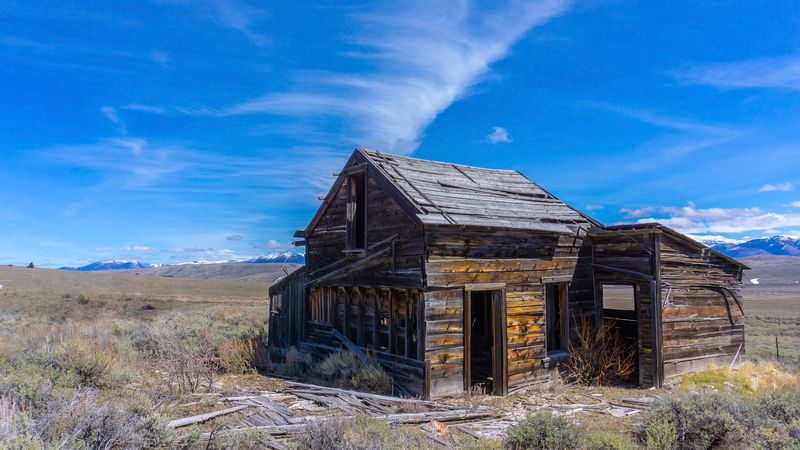
Stand beside a wall that leans a little, and the wind turns from push to whisper between its seams.
Gaps speak in short breaths, and the boards answer with a faint tap that sounds like careful thinking.
You catch a low hum as if the structure keeps your presence in mind but declines to rush.
The sound here changes with small steps, and each angle trades one voice for another.
A corner collects a softer note, while a broken window whistles a thin, steady line.
Your coat lifts at the edges, and the air sketches around you with quick, unfinished strokes.
Nothing feels theatrical, yet everything holds attention the way a quiet room does.
Idaho’s wide sky keeps pressure steady, and the breeze moves like a hand smoothing creases.
Boards warmed by sun release a faint resin smell that mixes with dust and old metal.
Even boot scuffs sound deeper as if the ground were made of softly struck drums.
The wind slides around a nailhead, and the tiny whistle marks time in a steady measure.
Breathing settles into the tempo, and you realize calm looks like this place sounds.
Close your eyes to hear more clearly, because the town explains itself without sentences.
Birds add sharp commas that punctuate the broader hush without breaking it.
The landscape answers with a long pause that feels generous rather than empty.
Leaving the wall, you hear the tone change again, and the town lets the page turn.
Remnants of Work: Tailings and Foundations
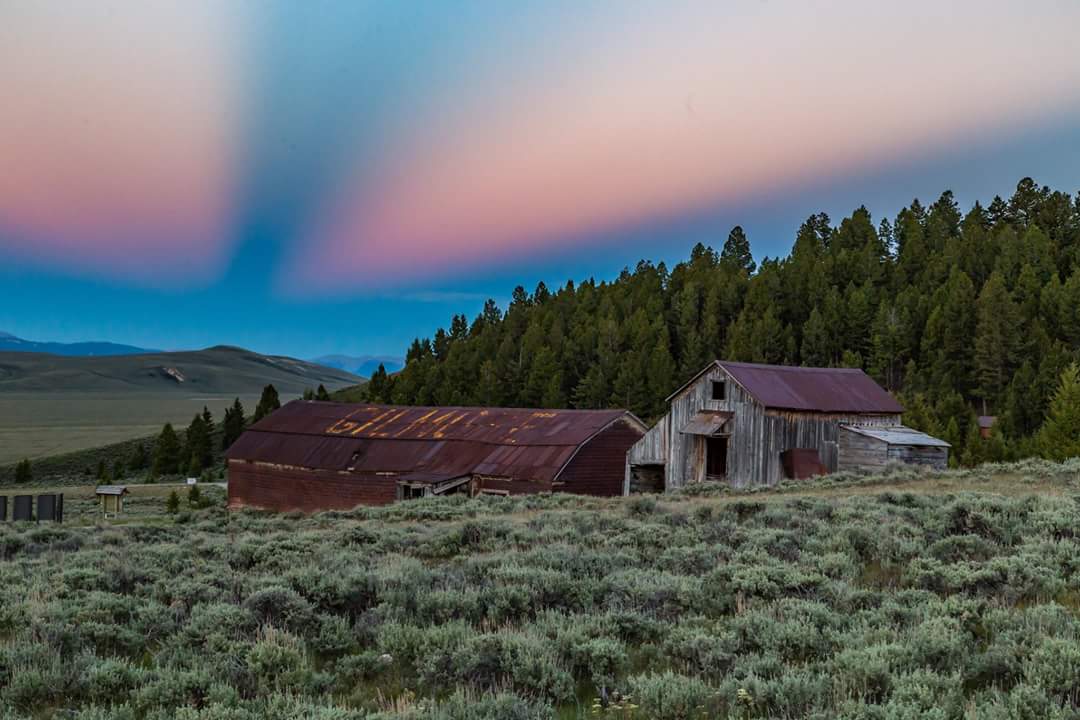
Walk toward the pale mounds, and you see how the land was rearranged to follow ore and effort.
Tailings rise in smooth curves that catch light like dull silver, and they mark the industry without apology.
Footing stones and concrete pads sit nearby, squared against a ground that keeps shifting slowly.
Metal scraps rest half buried, and their edges hold the desert the way pockets carry lint.
A short climb shows the town’s spread from above, with structures aligned by need rather than style.
You can trace work routes by the scars that still hold to the hillside.
Near the foundations, old bolts stand like stubby markers, and some threads still shine where metal met metal.
Shadows edge the slabs and turn noon into a clock that reads by angles.
The quiet here feels earned, shaped by years of labor that burned hot then cooled fast.
Idaho’s high light washes everything clean, but the story stays etched in the ground.
Soft sage scent brushes past and clears the air like a small reset between moments.
You step around open gaps with care, because the site asks for attention rather than fences.
This is the part where understanding arrives through feet, not plaques, and your stride adjusts.
The slopes carry a polite crunch that lingers, and the sound fades into the basin.
Wind writes ripples across tailings, making patterns that look temporary yet keep returning.
Looking back, the town appears arranged by the labor that once decided everything, and it still does.
Architecture Holding Its Breath
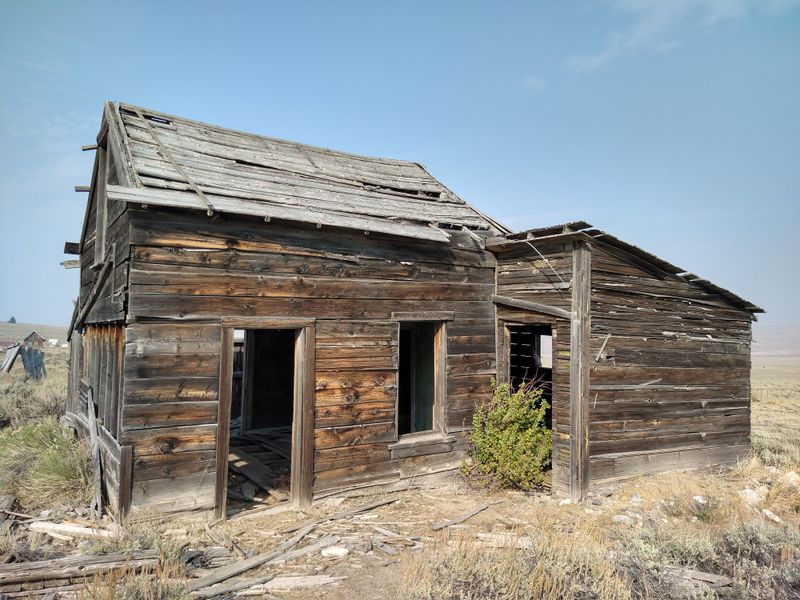
Buildings here favor utility over flourish, and that honesty turns into a kind of beauty.
Roofs hunker low against weather, and nearby fences hold shape even where rails have slipped.
Open doors make dark rectangles that frame sky like careful cutouts.
Inside, floors list slightly, and knotholes stare up with the patience of old eyes.
Sunlight filters through cracks and draws narrow ladders down the walls.
The rooms feel paused rather than emptied, as if the day ended and never restarted.
Windows run thin along the fronts, and the glass that remains shows a warped version of the basin.
Nails sit proud where boards changed with seasons, and the pattern reads like quiet music.
Metal roofs keep a dull gleam, and their edges chatter when the wind finds them just right.
Idaho seasons have carved edges smooth, yet the lines still hold purpose without pleading.
Each structure explains its task, from storage to shelter, with no need for a sign.
You move slowly, because quick steps do not fit the cadence that these walls prefer.
The style invites looking more than photographing, though a careful frame catches the lived geometry.
Angles overlap in ways that flatten and deepen at once, depending on where you stand.
Textures carry the story better than commentary, and they reward quiet attention.
Stepping back, you let the buildings breathe, and the town exhales into the open light.
Sky, Light, and the Basin’s Open Stage
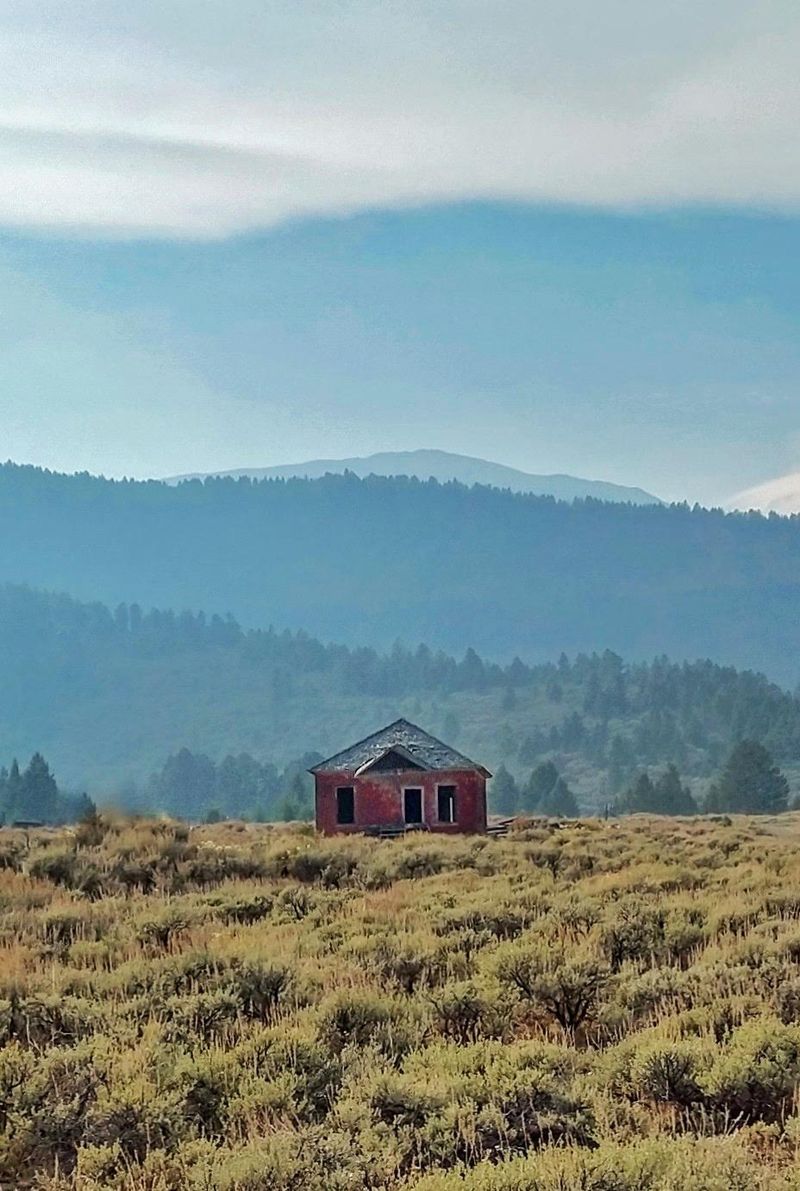
The basin lifts the sky like a wide bowl turned the right way up, and the town sits in its curve.
Light arrives early here, and it spreads with a patient hand that touches every plane.
Shadows stretch long across the flats and turn boards into simple lines that read clearly.
Clouds move at their own speed, and their soft edges smooth the day without dulling it.
When sun breaks free, you see a sudden crispness that sharpens fence lines to fine wire.
The horizon rests close enough to feel, yet far enough to keep the story open.
Morning gives a thin blue that drifts like cool water over the buildings.
Midday steps forward with brighter intent, and the town carries the light without flinching.
Late light draws warmth from the wood grain, and the color deepens into quiet honey.
Idaho skies do not rush decisions, and the hours settle with plain authority.
Wind changes the show by degrees, folding brightness into soft gray that still reads clean.
You watch the changes because the place asks for seeing rather than collecting.
Each angle becomes a small stage where texture and shadow try new lines.
Footpaths reflect brightness like pale threads that bind separate scenes together.
Standing in the open gives you room to listen to your own attention working.
Leaving the clearing, you carry the light with you, and the town keeps some too.
Seasonal Moods Without Frills
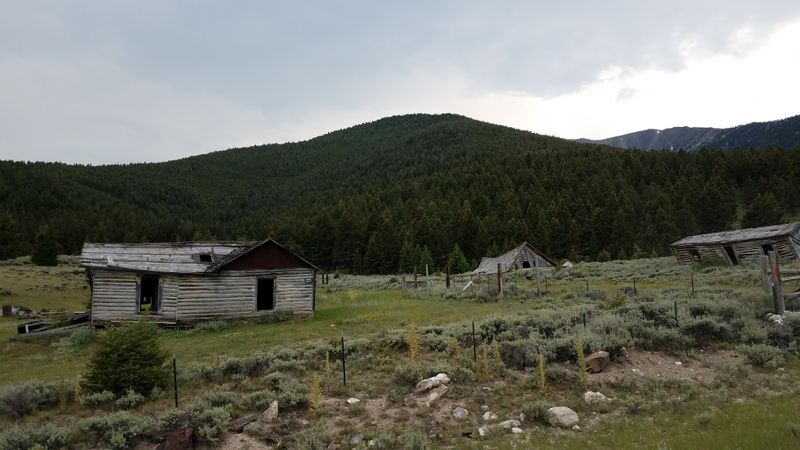
Gilmore changes gently with the calendar, trading colors and textures more than big gestures.
Spring works in small greens that tuck into sage and creep along washes.
Moist soil holds scent close, and the buildings look freshly underlined against the hills.
Summer brings dry shine, and the air rings a little when heat lifts from tin.
Shadows thin and sharpen, and the tailings turn chalky under the steady glare.
You pace yourself with water and shade that you make with your hat and patience.
Fall softens edges and folds amber into the wood as if the boards were remembering.
Crisp light favors edges, and the wind starts its careful explanations again.
Grass heads nod along the fence lines, and tracks read clearer in the powdery ground.
Winter trims the palette down to quiet grays and spare blues, with frost adding detail.
Snow sits where wind allows, and corners collect a hush that feels complete.
Idaho shows its honest cold here, and the town answers by standing still and true.
Visiting across seasons reveals the site as steady rather than fragile.
Nothing performs, yet everything shifts, and the changes are worth the time.
Your sense of the place grows layer by layer, like wood taking oil in calm strokes.
Leaving in one season makes you want to meet the next, and Gilmore keeps the invitation.
Getting There With Care
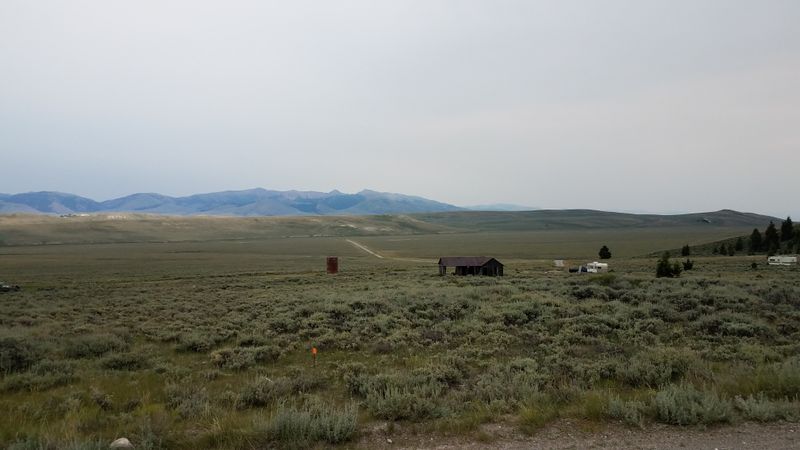
The route to Gilmore runs through open country where cell bars vanish and the horizon takes over.
Roads shift from smooth to washboard, and you feel Idaho under the tires in a straightforward way.
Maps should be saved offline, and fuel planned so the day moves without hurry.
Approach slowly as the surface hardens and loosens in short stretches that keep attention honest.
Vehicles with decent clearance handle the last miles more comfortably, especially after weather.
You will want to arrive with daylight to read the ground and see the layout plainly.
Pack water, layers, and a basic kit, because the town offers atmosphere instead of services.
Respect the structures by viewing rather than climbing, and let your photos do the close work.
Footing can shift at edges and inside floors, where wood remembers more weight than it needs.
Signs are light, so the place relies on your judgment to keep the site intact.
Share the road as cattle or wildlife may claim their space before you do.
Tell someone your plan, then let the quiet take most of the talking once you arrive.
There is no gate or ticket booth to anchor directions, only the town’s calm geometry.
Look for turnout space that leaves buildings and natural cover untouched.
Walk more than drive once you see the first roofs, and the place opens up.
Leaving, check the ground you used and give it back as you found it.
Reading the Landscape for Clues
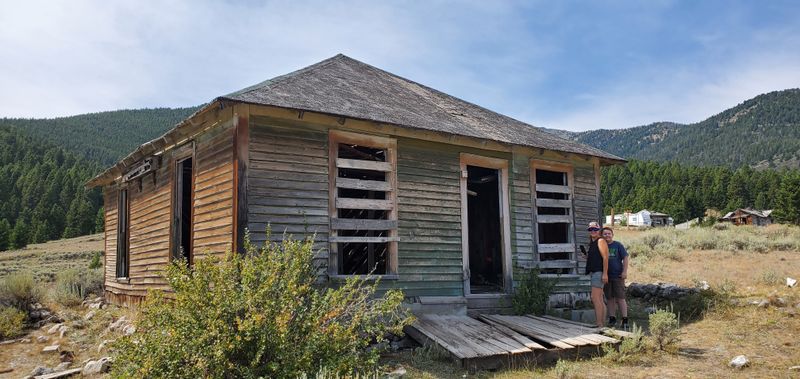
The basin works like a book with missing pages that still makes sense if you sit with it.
Drainages lead your eye to likely work sites, and the ground brightens where rock was turned.
Brush patterns hint at old paths that now serve rabbits and wind more than boots.
Look for faint berms that frame the town’s practical lines without show.
Small rock walls step along slopes where gravity needed a quiet hand.
Each clue is modest, and together they tell a precise story.
You can track movement from living quarters to work areas by distance and shelter.
Shadier spots hold traces of long breaks, and sunny patches read as quick crossings.
Boards gather at corners where storms folded in, teaching which way the weather leans.
Idaho terrain explains itself if you let your pace match its plain language.
Colors shift from warm to cool across short spans, and the changes map old choices.
The land does not hide the past, it arranges it where it can be read.
Stand higher for a minute, and the town aligns like a diagram without labels.
Lines connect on their own, and the reason behind them arrives without drama.
By the time you drop back to ground, the layout feels familiar.
You walk slower after that, because understanding changes how you move here.
Lingering After the Last Photograph
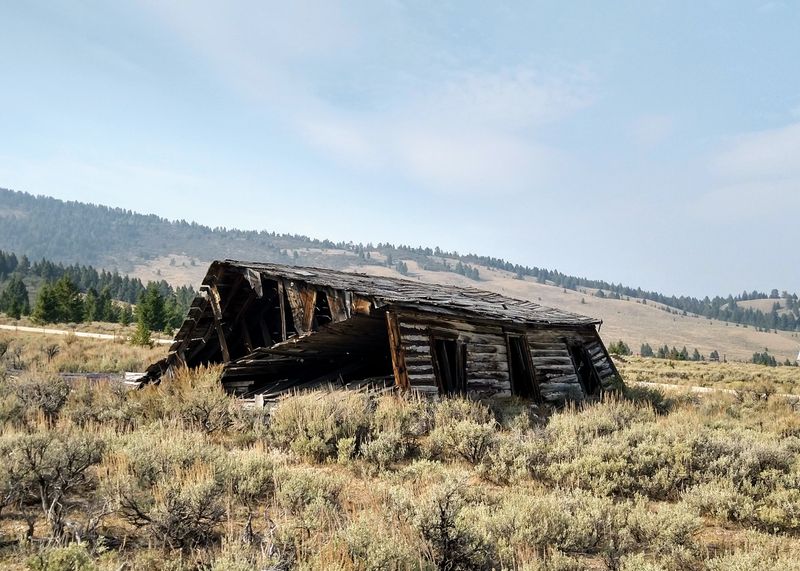
When the camera rests, the town steps a little closer, and the details stop trying to pose.
Light relaxes its grip on angles, and the boards return to breathing at their own pace.
Your shoes carry a fine coat of dust that records the day in quiet strokes.
Sitting on a stable sill, you hear small ticks slide through the wood like cooling breath.
The wind recalculates and settles, and the basin stretches into a patient yawn.
Nothing insists that you leave, yet the road begins to tug in a friendly way.
Idaho evenings keep a soft register, and sound unspools with the grace of a slow river.
Bird calls taper to single notes that leave room for their own echoes.
The town looks neither haunted nor fixed, only steady in its chosen quiet.
Pack gently, because every latch and strap can echo louder than you expect.
Take one last look at the rooflines, and the horizon will return the favor.
Memory starts working before the engine turns, organizing color, texture, and calm.
As the first mile slips under the tires, a thought forms that does not need words.
The place does not follow you, but it travels well in the space behind your eyes.
Later, dust will fall from your cuffs, and the map will feel newly accurate.
Gilmore will remain right where it is, and you will be glad to know it.
Dear Reader: This page may contain affiliate links which may earn a commission if you click through and make a purchase. Our independent journalism is not influenced by any advertiser or commercial initiative unless it is clearly marked as sponsored content. As travel products change, please be sure to reconfirm all details and stay up to date with current events to ensure a safe and successful trip.
