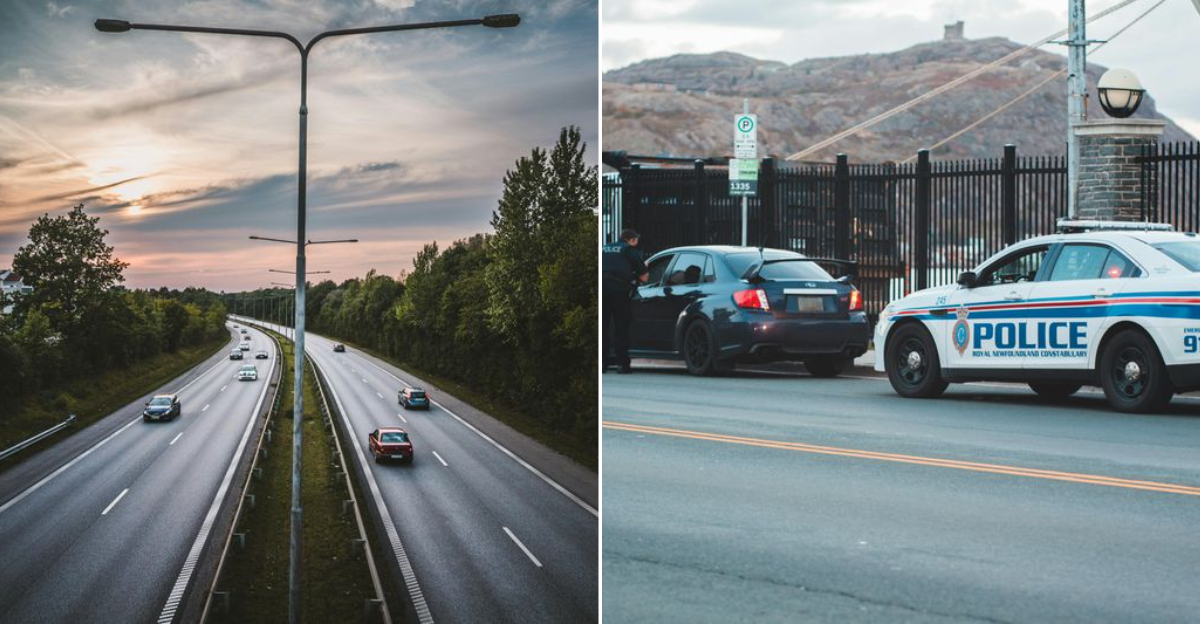
One familiar-sounding road rule is all it takes to make an Illinois drive feel a little less routine than expected. That is a big part of why this strict move-over law still surprises out-of-state drivers.
At first, it sounds like the kind of traffic rule people assume they already understand well enough without giving it much thought. Then Illinois adds enough seriousness around it that the whole thing starts feeling a lot less casual.
The Illinois State Police specifically highlight Scott’s Law on their safety pages, and state materials stress strong penalties for violations, which helps explain why it keeps catching people off guard. That is what makes it such a strong travel hook.
Most visitors are thinking about routes, traffic, and where they are headed next, not the possibility that one familiar rule could turn into a much bigger deal than expected. The name sounds straightforward, but the surprise is in how seriously Illinois treats it and how quickly drivers can realize they should have paid closer attention.
Why This Law Still Catches Visitors Off Guard

Here is the funny thing about Illinois that does not feel funny at all once you are in it. Drivers come in from neighboring states expecting the usual courtesy move when they see lights ahead, and they are not ready for how firm the expectation is here.
The state treats the Move-Over rule like a basic safety ritual, not a casual favor, and that gap between habit and requirement is where visitors get tripped up.
It starts with a simple moment on the highway near Joliet or outside Champaign when you spot flashing lights on the shoulder and think your small speed dip is plenty. In Illinois, the right move is more deliberate, because you are either changing lanes with intention or easing off the throttle enough that it is obvious you are giving space.
If that sounds strict, remember someone is working inches from traffic while trusting drivers they will never meet.
What also surprises people is how broadly this applies. We are not just talking ambulances and police, because maintenance trucks, tow operators, and even utility crews fall under the same umbrella of protection.
Add the update that includes moving emergency vehicles with lights activated, and you realize this is not a niche scenario at all. Once you notice how often you see those flashers on busy corridors like I?55 or I?90, the logic really lands, and the shift in behavior sticks.
The Flashing Lights That Trigger The Rule

Not all flashing lights read the same when you are driving, right? In Illinois, the list is wider than many folks expect, and that is the first place drivers from somewhere else get thrown.
If the vehicle is official and displaying flashing lights on the shoulder or within the flow, your job is to treat it as a clear warning that kicks the Move-Over rule into place.
You will see the classics like police cruisers and ambulances, but there are plenty of others. Fire trucks, highway incident response units, tow rigs, and maintenance or utility trucks count, and the steady parade of work zones means those lights show up where you least expect them.
The safest mindset is simple, because when lights appear, you assume the space around that vehicle is part of an active scene and not just a parked car waiting around.
Here is another twist that matters. The state expects this caution even when the emergency vehicle is moving with lights activated, which catches people who learned the shoulder only rule back home.
If it is rolling ahead of you, you still give room, either by changing lanes to create breathing space or by easing off and holding back until you can pass with clear separation. This is less about your car and more about the person up there getting a job done while trusting you to make a calm choice.
What Illinois Drivers Are Expected To Do

Let us keep it clean and practical, because that is how this plays out on the road. You spot the lights, check your mirrors, click the signal, and move one lane away from the scene if it is safe, because that is the gold standard in Illinois.
No sudden swerves, no last second darts, just a predictable lane change that telegraphs respect and gives working space.
If traffic is packed or you are boxed in by barriers, the backup plan is slowing down decisively while keeping a steady line. That means easing off enough that anyone watching would notice you are deliberately creating a safety pocket as you pass.
Hold your lane, keep a wide cushion, and avoid the impulse to rubberneck or crowd the shoulder, because that only adds risk and rarely helps anyone.
The best part is that this approach feels normal after a couple of sightings. You fall into a pattern where the signal goes on early and your right foot gets light well before reaching the lights.
Out on I?80 or threading the Kennedy, the rhythm becomes muscle memory, which is exactly what the state is hoping for. When everyone plays it the same way, the scene stays calmer, and the person on that shoulder can do the job without flinching every second.
When Moving Over Is Not The Easy Part
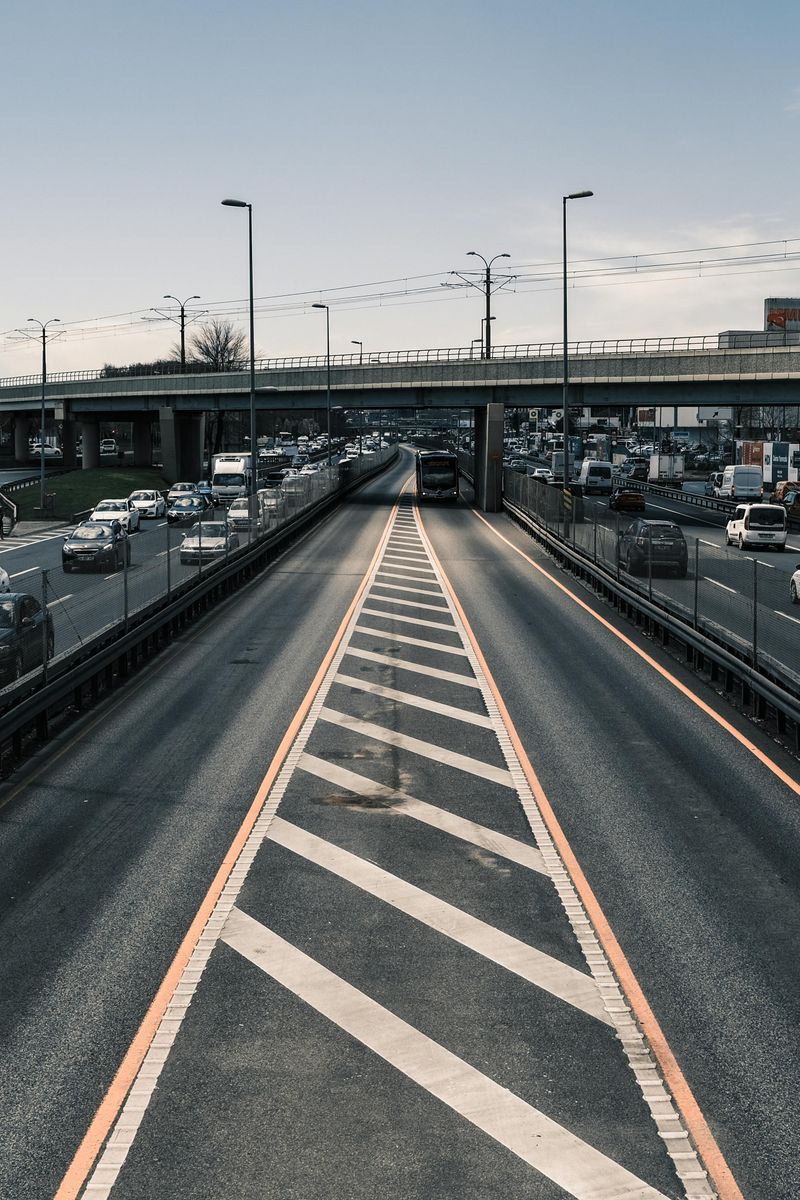
Sometimes there just is not an open lane, and that is the moment people freeze. Illinois knows that reality, which is why the rule gives you a path that still protects the folks on the shoulder.
If there is no safe way to move left, the expectation is that you slow down enough to make your caution unmistakable while holding a smooth, straight line.
The trick is to start early, because the earlier you lift off the throttle, the more time the cars behind you have to adapt without drama. You do not need a huge brake stab, just a calm, sustained slowdown that matches the flow and keeps everyone predictable.
Keep your eyes forward, avoid sudden lane hunts, and give the emergency scene a wide berth as you pass so nobody feels clipped by your mirrors.
City ramps and construction bottlenecks are where this shows up most. You might see lights pinned against a barrier near the Dan Ryan, and all you can do is hold steady speed reduction and resist any last second swings.
That restraint is the safe move, and it counts. In Illinois, the spirit of the rule is as important as the letter, because the goal is a safe pocket around people working close to traffic, not a perfect lane change every time.
Why Slowing Down Still Matters So Much

People assume changing lanes is the whole game, but the truth is that speed control is the real protector. In Illinois, the expectation is not just movement away, it is a clear reduction that buys time for everyone near that scene.
Time is what lets a worker step down from a truck safely or reach for a cone without feeling the wind of your bumper.
Here is where it helps to think like a crew member. You want approaching cars to look unhurried and predictable, not charging through the space like the shoulder is a suggestion.
When you roll by at a calmer clip, your reaction window stretches, the worker’s comfort rises, and any surprise gets absorbed by extra seconds instead of sharp reflexes.
This applies on farm roads in southern counties and on urban spurs where traffic ebbs and surges. The slower pass gives you room for unexpected moves, whether it is a door cracking open or a responder stepping around a barrier to wave someone forward.
Make it obvious with early brake lights, smooth inputs, and a lane position that does not flirt with the shoulder. Illinois rewards the drivers who telegraph patience, because that patience is exactly what keeps a small roadside stop from turning into a scramble.
The Roadside Stops That Turn Serious Fast
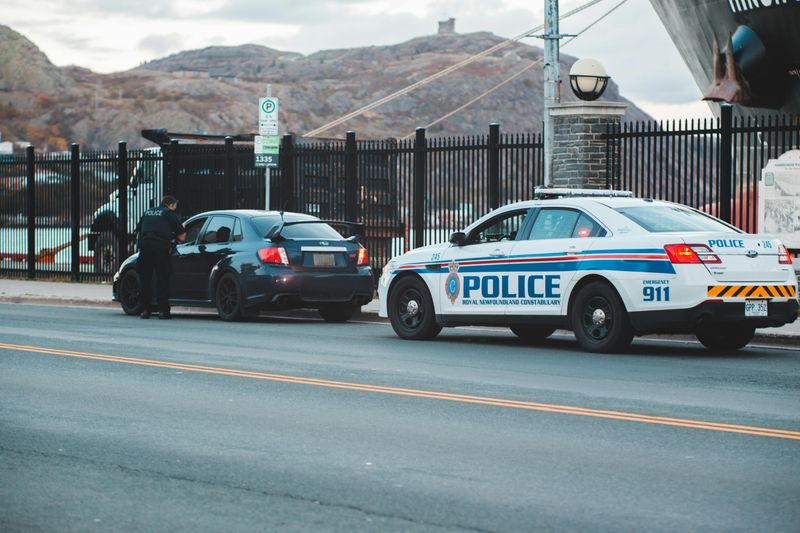
Most roadside moments start small, like a flat tire or a quick check under the hood, and then something shifts. In Illinois, those little pauses can become loaded scenes the second a trooper arrives or a tow truck sets out cones.
Suddenly there are people stepping in and out of tight gaps while the flow of traffic keeps pressing by a few feet away.
That is why the state leans so hard on the Move-Over rule. It acknowledges that even a minor stop has moving parts that are hard to see from the driver’s seat, like a cable stretching from a winch or a responder walking a flare pattern.
Your lane change and slow pass carve out a protective bubble, which is exactly what those crews count on while their eyes are locked on the task in front of them.
Think about a rainy evening on the Jane Addams when spray reduces visibility and lights blur across the mirrors. In that soup, your early signal and gentle speed fade become a lifeline.
Drivers behind you catch the cue, drift over sooner, and pass with less drama. The whole line moves like a school of fish around the scene, which is the kind of smooth choreography Illinois hopes to see whenever flashing lights appear along the shoulder.
How A Simple Mistake Can Get Expensive

Nobody wakes up planning to fumble this, and yet it happens when attention drifts or habits from back home take over. In Illinois, a missed lane change or a pass that looks too quick next to flashing lights can trigger a stop that turns into a long lesson.
It is not about embarrassment, it is about the message that roadside workers have a right to a safe workspace.
The uncomfortable part is that the consequences stack beyond a simple warning. A trooper who watched you slide by too close will want to know why you did not make a lane or drop speed in a clear, visible way.
If there was room and you stayed planted, that is tough to explain, so it is better to build the reflex now and skip the conversation later.
Think of it like a promise you make to every person wearing reflective tape out there. Signal early, move over when it is safe, and slow down when it is not.
Keep your distance obvious, steady, and respectful, and you will never have to defend your choices on the shoulder in the wind and road noise. Illinois is firm because firm keeps people alive, and that is a trade most travelers are happy to make once they see the stakes up close.
Why Illinois Treats This Law So Seriously
There is a story behind the seriousness, and it is rooted in loss. Illinois named the law in honor of a firefighter whose death exposed how vulnerable responders are when drivers approach a scene without space or care.
That memory lives in every enforcement push, every roadside reminder, and every training talk given to new drivers and old hands alike.
When you live here awhile, you hear how fast a scene can turn. One car drifts a little, one driver glances down, and the buffer around a worker disappears in a blink.
The state’s response is to hardwire a culture where moving over and slowing down are not polite gestures but baseline behavior that everyone recognizes and expects.
There is also a forward looking angle. Illinois expanded expectations to include moving emergency vehicles with lights on, which reflects the reality that danger is not limited to the shoulder.
You might see a cruiser weaving to block lanes or a fire engine escorting a hazard, and the rule follows them into the flow. Give them space, read their signals, and let the scene unfold without crowding, because that is how small problems stay small out on these fast, complex roads.
The Out-Of-State Driving Habit That Backfires

Here is the habit that trips people up the most. In some places, hugging the right lane and nudging the speed down a touch is considered good manners around a roadside stop, and it feels normal if that is how you learned.
In Illinois, that line keeps you too close, and the expectation is to actually vacate that lane when you can.
The backfire happens because your small speed dip does not read as protective from the outside. To the person standing inches from the fog line, your car is still a large object humming past with little margin.
The state’s approach says, move over first if there is an opening, and if there is not, then make the slower pass count with truly visible caution.
If you are renting a car out of Midway or O’Hare and heading for the interstates, build the habit before the first set of lights appears. Keep scanning ahead, keep a mental exit plan for the next lane, and practice that early signal so you are not forcing a late merge.
Do it a few times and the right lane hug stops feeling natural. That is the shift that keeps you in tune with Illinois expectations and keeps roadside crews breathing a bit easier.
The Rule Worth Knowing Before Driving Illinois

If you only memorize one driving tip before crossing into Illinois, let it be this one. Lights on the shoulder or ahead in the flow mean you move one lane over when safe, or you slow down clearly if a lane change is not in the cards.
Keep it smooth, keep it early, and make your caution obvious enough that nobody has to guess what you are doing.
Write it in your head like a little road mantra. See lights, check mirrors, signal, slide over, or ease off and hold your line, then breathe and carry on.
That process keeps you calm in the moment and quietly protects the people doing real work in a dangerous strip of pavement that never stops surprising drivers.
And hey, share it with whoever is riding shotgun or following in a second car. When the whole caravan plays by the same rule, the dance around a roadside scene looks effortless from the outside.
That is the goal Illinois is chasing, and it is one you can help with in the simplest way possible. Respect the lights, make space, take the edge off your speed, and you will roll through the state with confidence and good road karma the whole way.
Dear Reader: This page may contain affiliate links which may earn a commission if you click through and make a purchase. Our independent journalism is not influenced by any advertiser or commercial initiative unless it is clearly marked as sponsored content. As travel products change, please be sure to reconfirm all details and stay up to date with current events to ensure a safe and successful trip.
