
Illinois has a talent for making you laugh first and double-check later. Some of the state’s laws and local ordinances read like a comedy sketch on paper, right up until you remember they can still come with real consequences.
A lot of them are dusty leftovers from another century, when lawmakers tried to control very specific behaviors and never bothered to clean up the wording.
Others popped up after one oddly memorable incident, because nothing sparks a new rule like someone taking things a little too far in public. That is what makes this topic so addictive.
The laws are funny, but the backstories are even better, because they reveal what people were worried about, what towns dealt with daily, and what “problems” used to be common enough to legislate.
In this list, we are digging into Illinois rules that sound ridiculous at first glance, then get way more interesting once you see the context hiding underneath.
1. You Cannot Leave Your Car Unattended With The Key In It
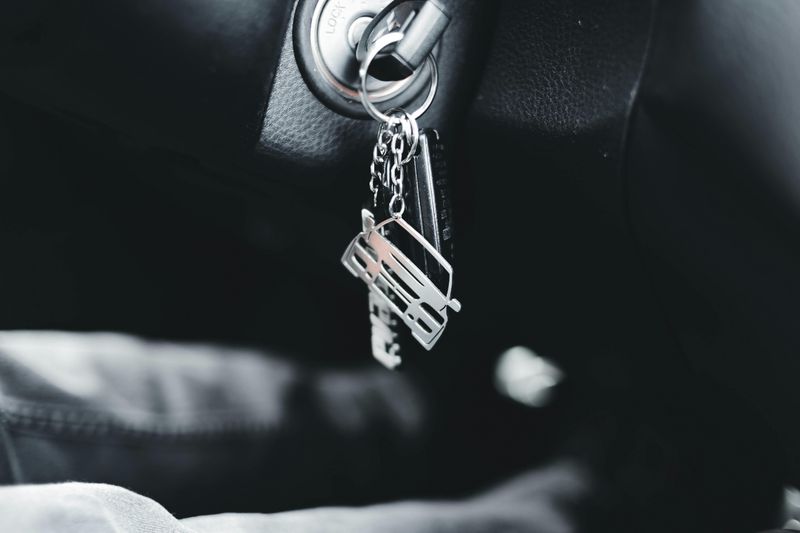
You know that move where you leave the engine running because you just need one quick thing from the corner shop?
In Illinois, that casual dash is basically an audition for a ticket, because the law spells it out with parent-level clarity.
Before you walk away, you are supposed to stop the engine, lock the ignition, remove the key, and set the brake. I can hear every teenager groaning from here.
The point is not to annoy you, it is to keep your ride from getting jacked or rolling into something unfortunate. Picture a snowy curb in Joliet and a car sliding like a curling stone, and it suddenly makes sense.
There are narrow exceptions, but they are not a free pass, and cops have seen every excuse. If you think you will be back in a heartbeat, that is fine, but the law does not care about your heartbeat.
What surprises people is how ordinary the scene looks when it turns into a citation. A quiet block, a coffee run, the key still winking in the column.
If you are road tripping across Illinois, just build the habit.
Kill the engine, pocket the key, give the brake a friendly shove.
One more thought, because you will ask. Remote start is different, but leaving an actual key dangling is the classic trap.
I learned this the boring way, watching someone get lectured in a Springfield lot. It was not dramatic, just very official, and very fast.
2. Leaving A Kid In The Car Can Turn Into A Real Charge Fast
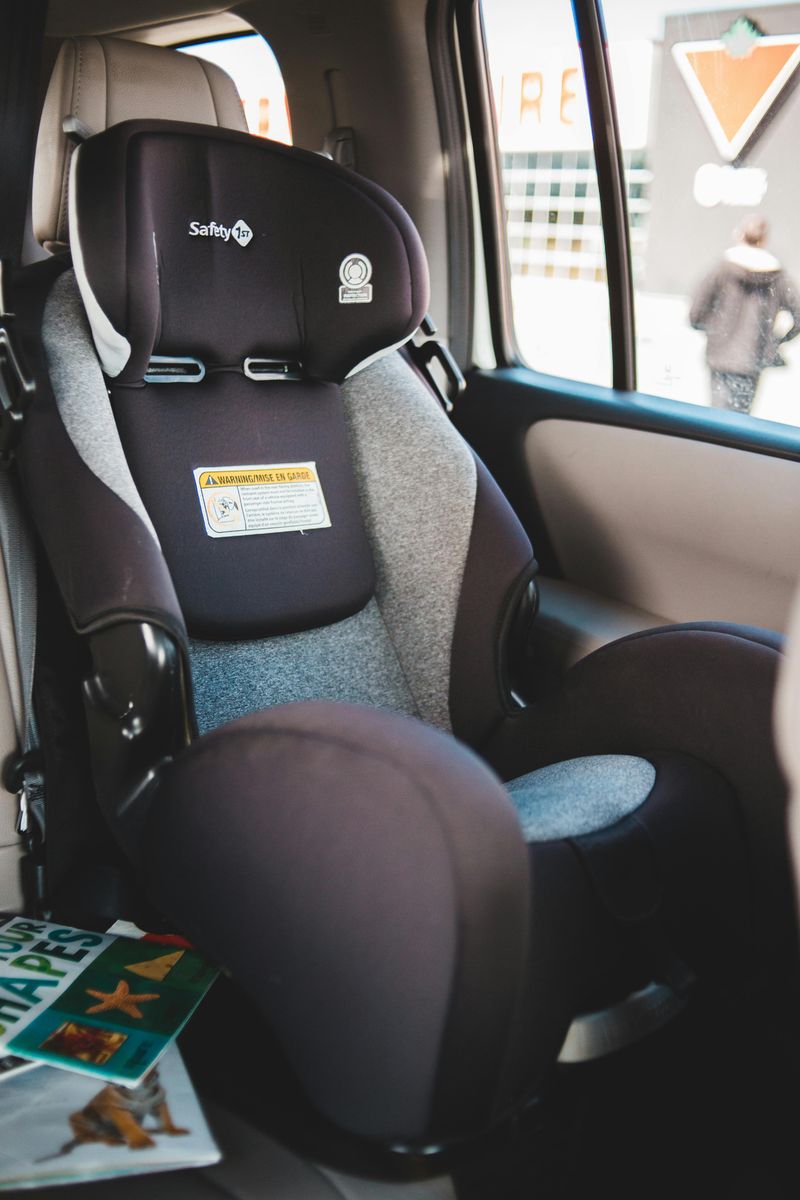
Here is where everyone says, I was gone for a minute, and Illinois says, cool, we have a timer. The statute lets a court infer a kid is unattended if a young child is left more than a short stretch, which makes that dash inside way riskier than it feels.
Think about heat, cold, and the kind of chaos that happens when a little hand finds a gear shift.
The law is written like someone already lived through every worst case.
I am not here to scare you, just to say the clock part matters, and it is not negotiable in the parking lot. Security cameras do not forget.
When I first read it, I pictured a sleepy strip mall in Peoria and a parent juggling errands. The car looks calm, but the law reads the scene differently.
If you are traveling in Illinois with kids, plan your stops so nobody waits in the vehicle alone.
It is simpler than explaining anything later under bright lights.
Officers have pretty sharp instincts about this scenario. If they walk up and see a stroller and a locked door, the conversation turns serious fast.
Do yourself a favor and stage the day. Bathrooms, snacks, stretches, then back on the road together.
The comedy is how normal it all looks until it does not. The consequence is that it counts anyway, timer and all.
3. Recording People Without Consent Can Still Be “Eavesdropping”

The eavesdropping statute is one of those Illinois laws that sneaks up on regular life. If you intentionally record a private conversation without the right consent, that casual phone move can cross a line fast.
Surreptitious is the key word, and the law really drills into intent. Think less gotcha video and more you need permission here.
I started noticing how many apps listen by default, and it made me double check settings.
A quiet meeting room in Oak Brook suddenly feels like a legal zone.
Is the chat reasonably private, and do the people know they are being recorded? If not, the statute might pull up a chair.
The comedy is how modern and old school this feels at the same time.
The phone in your hand is a tape recorder with better shoes.
When in doubt, ask. A simple hey, mind if I record this makes the whole thing cleaner.
Also, be careful with clever placement tricks. Hiding a device is exactly the kind of detail courts notice.
Illinois takes privacy seriously, and you can feel it once you start paying attention. It is not spooky, just very clear about the lines.
4. Pointing A Laser Pointer At An Aircraft Is Literally Its Own Crime

Yes, Illinois specifically calls out lasers in the disorderly conduct world. It defines the device and the aircraft and then says please do not be that person.
It sounds cartoonish until you picture a cockpit getting painted with green light on final approach. That flash can mess with depth and focus in an instant.
I once stood by a fence outside Rockford watching patterns at night.
Even from the ground, those approaches look like tight choreography.
Add a beam and you have chaos with paperwork. The law exists because someone treated the sky like a toy.
The detail that sticks with me is how ordinary the pointer looks. Desk drawer gadget, airfield consequences.
If you find one at home, aim it at a wall or give it to a cat toy bin.
Just not at the sky where pilots earn their sleep.
This is one of those bright line rules Illinois draws without apology. You will not talk your way around it with jokes.
Keep the beam low and the evening calm. Your future self will thank you when a cruiser rolls past without stopping.
5. You Cannot Follow A Fire Truck Like It’s A Parade Float
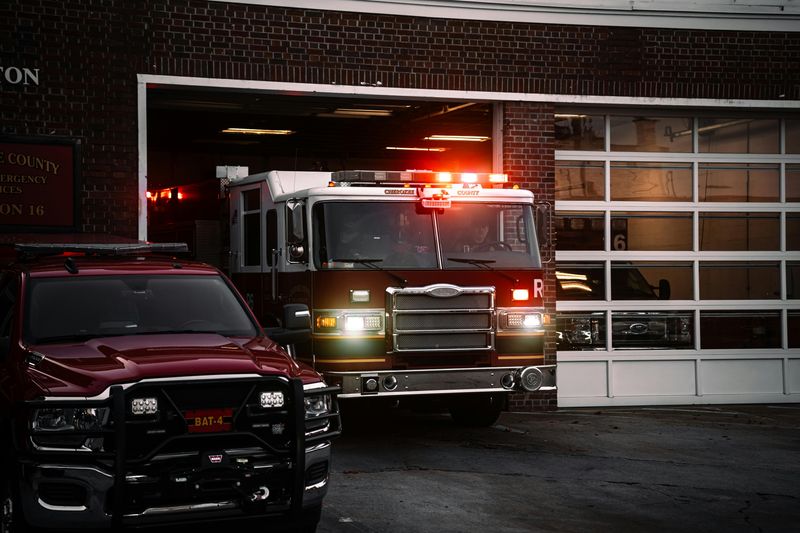
There is a hard distance rule when a fire apparatus is headed to a call. Illinois says keep back a big buffer, and it is not a suggestion dressed as advice.
Think of it like a moving workspace with zero patience for tagalongs.
Crews brake, swing, and stage in ways that do not match your GPS idea of traffic.
I watched one roar through Bloomington while cars peeled off like birds. The street suddenly belonged to the people in gear.
If you tail them for the thrill or for shortcuts, you are writing a ticket with your bumper. The law gives officers a clean handle to pull you out of the stream.
Staying back also keeps intersections sane. The siren rewrites right of way in a blink.
When they stop, you do not get to nose in close and spectate.
The same distance logic keeps working even when the truck is quiet.
It is not about being scoldy. It is about leaving space for big tools and bigger decisions.
Illinois spelled it out so nobody argues in the smoke. Fair enough, and easy to remember.
6. Driving Over A Fire Hose Is A Big “Absolutely Not”
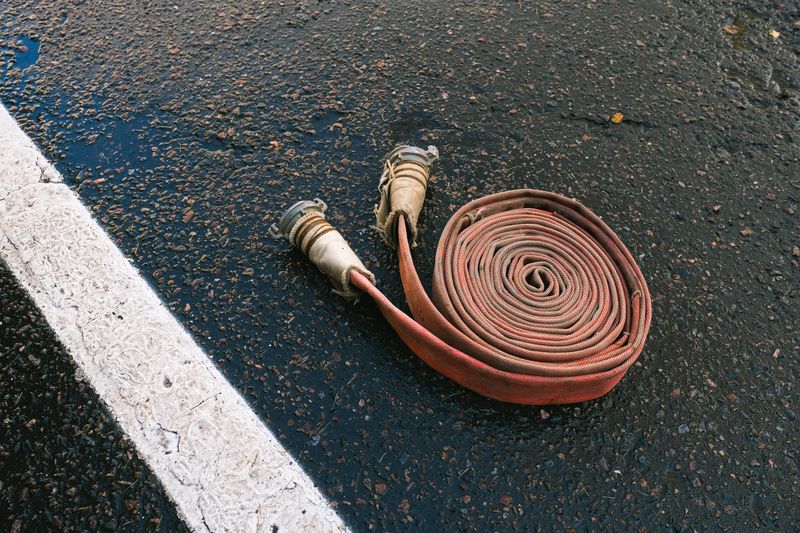
You will see a hose snaking across the asphalt and think you can creep over it. Illinois answers with a simple no unless the officer in command waves you through.
Those lines are lifelines, and a tire can crush flow like pinching a straw. Worse, a jolt can yank the coupling or roll a nozzle under a wheel.
I stood on a curb in Evanston watching a ladder rig feed water like a heartbeat.
Even the city buses waited without nudging the edge.
The rule exists because one impatient driver can cut volume to the nozzle team. That is not a good trade for saving a minute.
It also keeps civilians from weaving into a hot zone. The fewer bumpers in the picture, the safer the choreography.
If you get flagged forward, you will know it. A gloved hand will make a very confident circle.
Otherwise, park it and breathe. Your errand will survive the pause.
Illinois writes these lines so the people in helmets do not have to shout. Let the water run, and you can roll later.
7. Traffic Laws Apply To You Even If You’re On A Horse
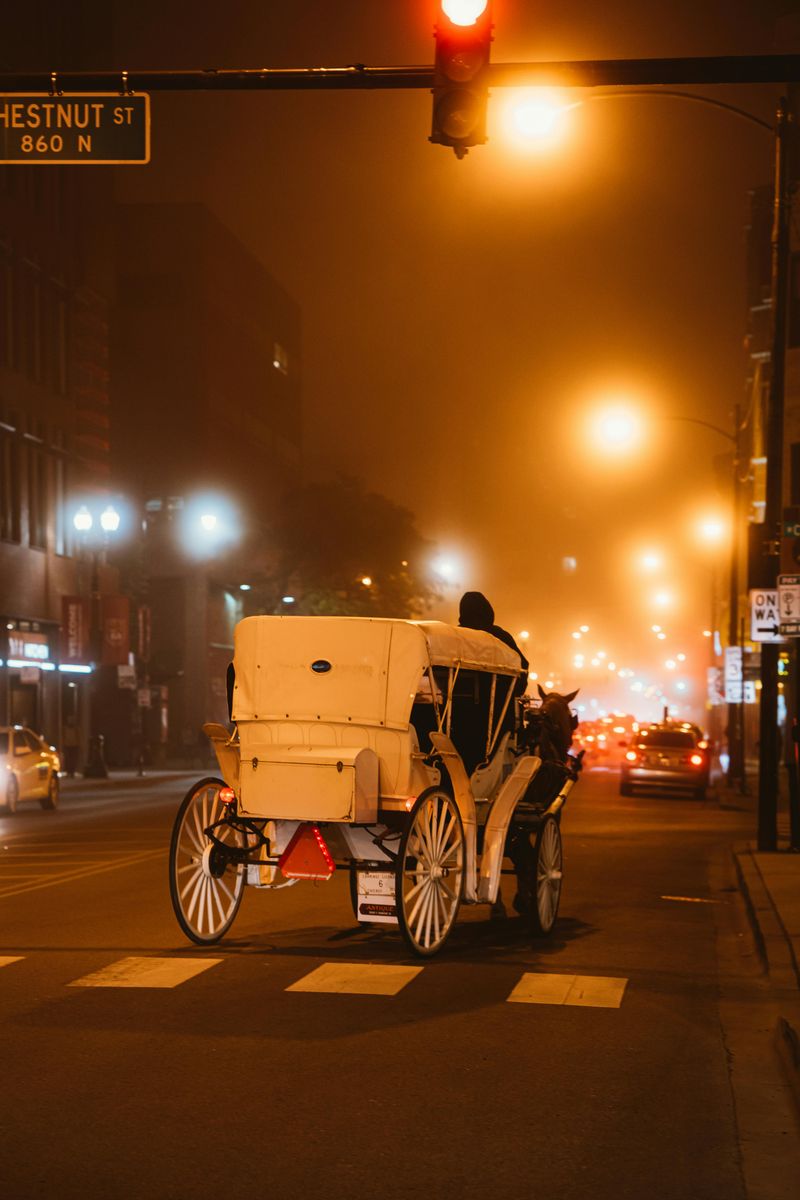
Somewhere out past Galena you will see a rider clip-clopping along a county road.
Illinois gives folks on animals many of the same rights and duties as drivers, which is both sensible and kind of delightful.
Signal your moves, respect signs, and expect patience. A saddle does not make the stop sign optional.
It is funny until you picture a spooked mare meeting a speeding pickup. At that point, shared rules are everybody’s friend.
If you are the one driving, give space like you mean it. Engines and hooves make a weird duet.
Riders, the law backs you, but it also expects you to read the road. Think reflective gear at dusk and steady hands.
Small towns treat this like Tuesday, and they are not wrong. City folks just need the reminder.
Illinois folds rural life into the code with a straight face. I kind of love that.
It keeps the lanes civil and the shoulders calm. And it makes for very polite waves.
8. Fake Emergency Calls Get Rolled Into “Disorderly Conduct”
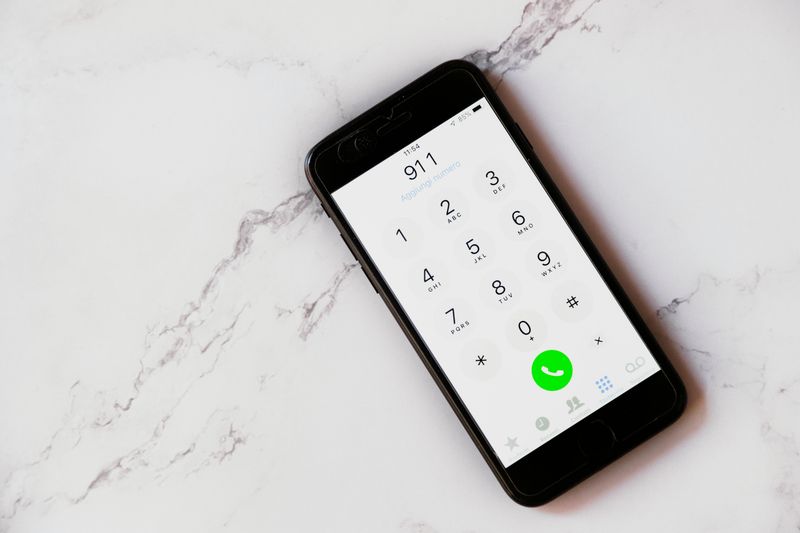
Prank culture meets statute here, and the statute has better lines. Illinois stacks a list of false alarms and bogus reports under disorderly conduct so responders do not have to split hairs.
Call in the wrong claim, and you can trigger evacuations, diversions, and a bill you do not want.
The system is built to move first and verify later.
I watched a quiet hall in Decatur tilt from calm to wired in minutes after a rumor. Even when it fizzled, the echo of it hung around.
The law treats fake explosive talk like pulling a lever on a big machine. Once pulled, it costs time, fuel, and sleep for a lot of people.
There is no clever wink that fixes it. You cannot unwind a siren with a shrug.
If you are ever tempted to call something in for a laugh, walk it back.
The punchline lands in a courtroom, not a group chat.
Illinois makes it easy to charge because the stakes are high. That clarity keeps everyone moving the right direction.
Save the drama for fiction night. Real alarms are heavy enough without extras.
9. Keeping “Found” Property And Not Trying To Return It Can Be Theft

Finders keepers does not fly in Illinois if you can figure out who owns the thing.
The theft section covers lost or mislaid property when you do not take reasonable steps to restore it to the person who dropped it.
Reasonable can mean checking an ID slot, handing it to staff, or leaving your info where it was found. The law expects effort, not heroics.
I once watched someone at Union Station open a wallet, blink at the address, and walk it to a guard. It took two minutes and saved a headache for a stranger.
The comedy is how hard your brain tries to rationalize. Maybe they do not need it, maybe I will keep it safe, maybe later.
Later is where trouble lives. Intent shows up in what you do next.
If you truly cannot tell who owns it, document the handoff and move on. A quick note or a photo helps you remember the path.
Illinois built this rule to keep the social contract from fraying. It is basic decency with a statute number.
Return the thing and collect a tiny burst of good karma. Way better than explaining your way out of awkward questions.
10. Old-School Gambling Gadgets Can Get Seized And Forfeited

Every time I see a dusty one armed bandit in a basement I think, this looks cool and also risky.
Illinois treats gambling devices broadly, and the words cover more than neon and bells.
If it is built to spin chance for stakes, the law probably knows its name. Seizure and forfeiture ride along like tow trucks.
I heard about a stash pulled out of a suburban back room, and the descriptions sounded like a museum with consequences. It is funny until the door opens and the tags come out.
The language in the code feels antique and sharp at the same time. You can hear the clack of tokens and the click of handcuffs in one paragraph.
Collectors, this is your cue to read closely. Some things are decor, some things are contraband.
Ask before you buy, and ask again before you plug. Electricity has a way of changing the conversation.
Illinois does not mind nostalgia, but it minds wagering rigs hiding in plain sight.
The state keeps its definitions roomy on purpose.
If your gut says this looks like a game for money, trust it. Better to leave it in the past than store it in evidence.
Dear Reader: This page may contain affiliate links which may earn a commission if you click through and make a purchase. Our independent journalism is not influenced by any advertiser or commercial initiative unless it is clearly marked as sponsored content. As travel products change, please be sure to reconfirm all details and stay up to date with current events to ensure a safe and successful trip.
