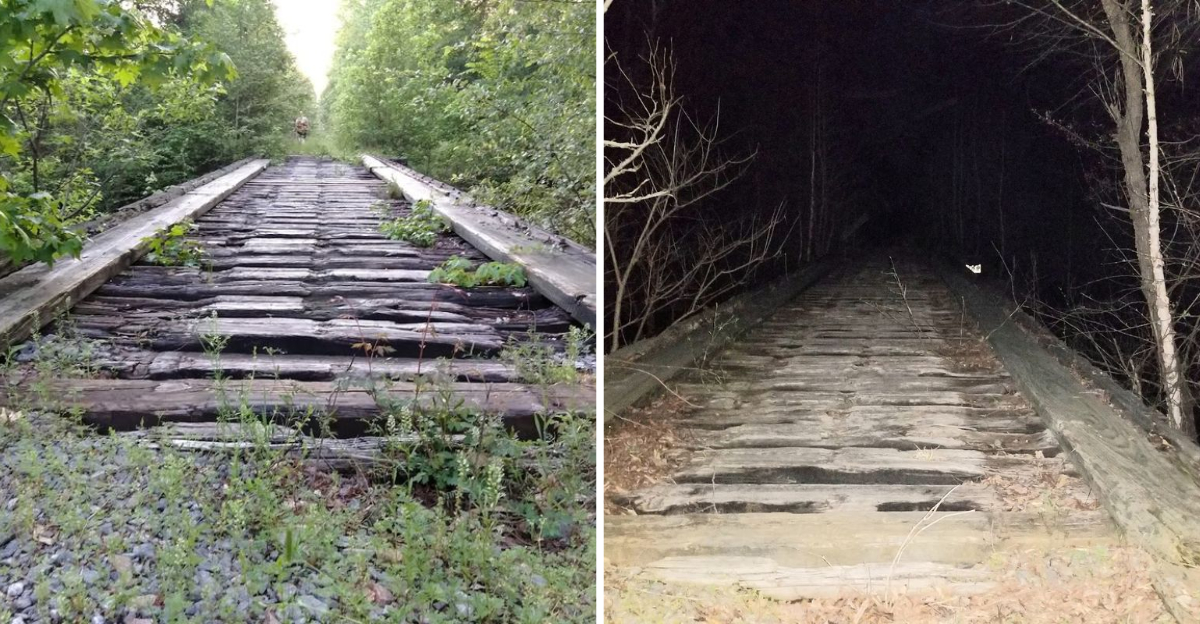
That strange light out along the old railroad corridor in southern Illinois has no business being there. People have reported it for decades, and no one has ever fully explained it.
It bobs, shifts color, and seems almost aware of whoever is watching. I got chills just hearing the story. The light floats low above the ground, sometimes warm and orange, other times a cold, eerie blue, and it never behaves the same way twice.
You might be a skeptic or a believer. Either way, this mystery stays with you long after you have driven home.
A Light That Has No Explanation and Never Did
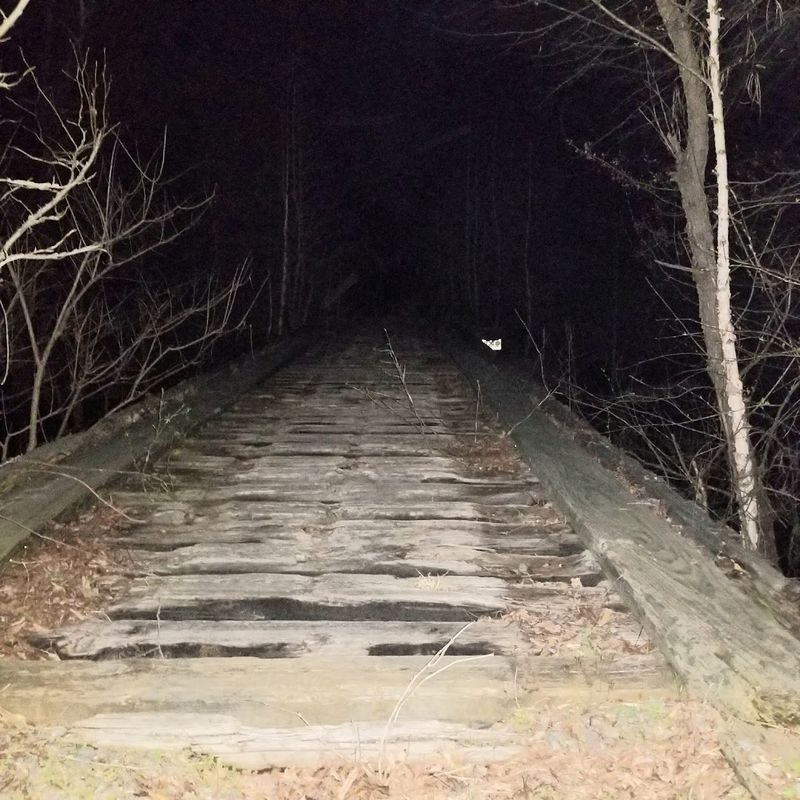
Some mysteries come with a backstory that almost makes sense. The Gurdon Light near Golconda, Illinois is not one of those.
It has been appearing along the old railroad corridor off Union Ridge Road and Tunnel Hill Road since at least the 1930s, and in all that time, nobody has handed the world a clean, satisfying answer about what it actually is.
The light shows up without warning. It does not follow a schedule, and it does not seem to care whether you drove two hours to see it or just stumbled across it by accident.
Witnesses consistently describe it appearing one to three feet above the ground, hovering in the space where old tracks once ran through dense southern Illinois woodland.
What makes the Gurdon Light particularly compelling is the long chain of sightings across multiple generations. This is not a story that one person told once and everyone repeated.
Families in the area have passed it down, and visitors from across the state have come back with their own accounts that match almost perfectly. The consistency is honestly a little unsettling.
Local folklore ties the light to the ghost of a railroad foreman who was murdered on the tracks in 1931. His name was Will McClain, and the legend says the glow is his lantern still swinging as he walks the line.
Whether that story is true or not, it gives the whole experience a weight that a simple optical illusion just cannot explain. The mystery has never been officially closed.
Scientists have offered theories over the years, ranging from swamp gas to electrical interference, but none have ever been proven. The light keeps appearing despite every attempt to dismiss it.
People keep driving out there, night after night, hoping to be one of the lucky ones who catches a glimpse of something they cannot explain away.
Color Changes That Keep Everyone Guessing
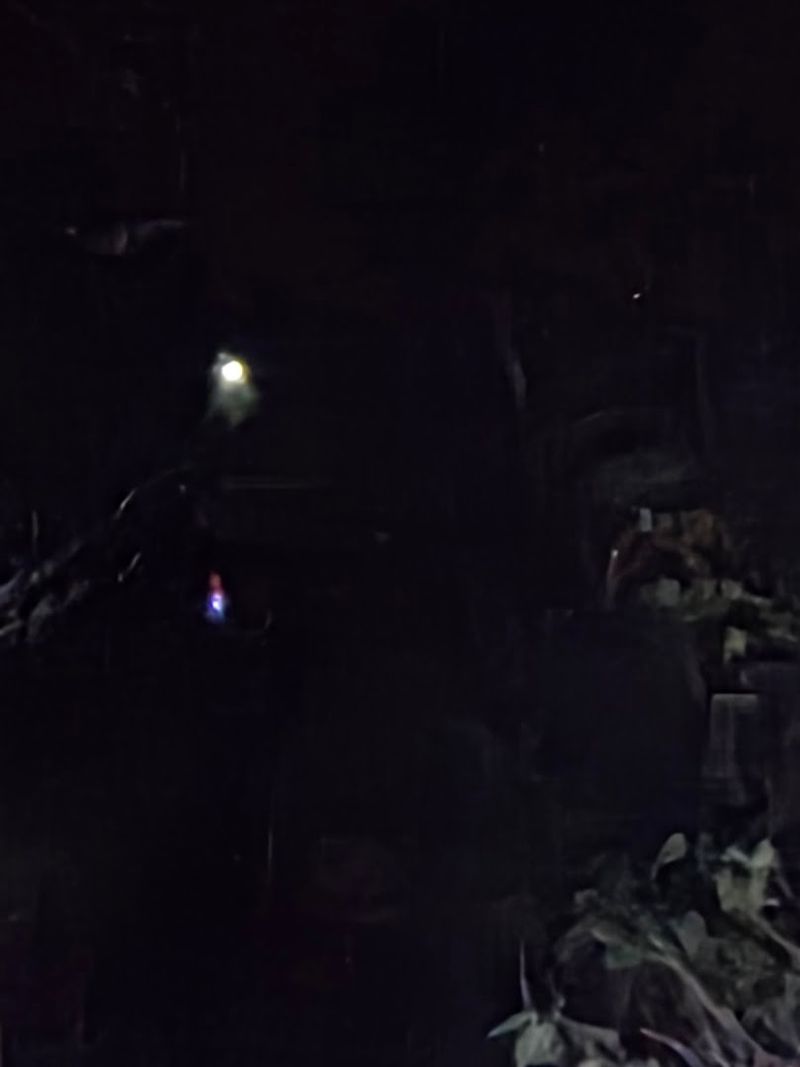
One of the strangest things about the Gurdon Light is that it cannot seem to make up its mind about what color to be. Most ghost lights in folklore stay in one lane, maybe a pale white glow or a steady orange flicker.
This one cycles through shades like it is putting on a show specifically for whoever showed up that night.
Reports from people who have witnessed it describe the light shifting between yellowish-white, orange-red, blue, green, and occasionally a sharp bluish-white that people say looks almost electric. The changes are not gradual fades either.
Witnesses describe the transitions as fairly sudden, which makes the whole thing even harder to rationalize with a simple scientific explanation.
The color variation is one reason the piezoelectric theory gets brought up so often. Underground quartz crystals under geological stress can release energy that produces light, and that energy can shift in intensity and wavelength depending on pressure changes.
It is a real phenomenon, and southern Illinois does sit on geological formations where this could theoretically occur. But even scientists who find the theory plausible admit it does not fully account for every detail of what people report seeing.
What I find most interesting is that the color changes seem tied to movement. Multiple accounts suggest the light goes bluish or green when it is moving toward the observer and shifts to warmer tones when it retreats.
That pattern, if it holds up, is genuinely strange. It makes the light feel almost like a living thing responding to your presence.
The Erratic Movement That Makes It Impossible to Track
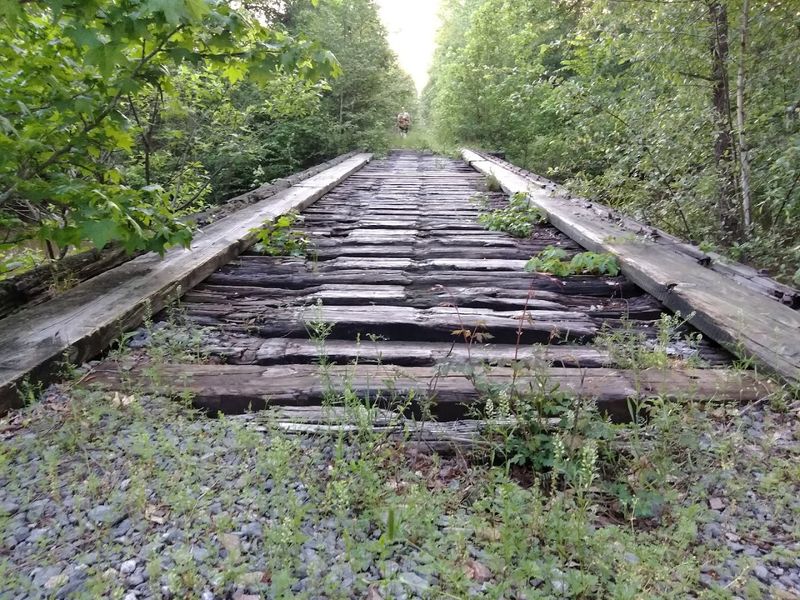
Predictability would ruin the whole thing, honestly. Part of what keeps people coming back to the old railroad corridor off Tunnel Hill Road is that the Gurdon Light moves in ways that defy any simple pattern.
It bobs, it sways, it retreats, and sometimes it appears directly behind you when you were absolutely certain it was ahead.
That last part tends to stick with people. The idea of watching a light move away from you in the distance, turning around to check something, and then finding it hovering just a few feet back is the kind of experience that makes even the most logical person reconsider their assumptions.
Multiple independent witnesses have described exactly this happening, and they were not comparing notes beforehand.
The bobbing motion is the most commonly reported movement, which feeds directly into the lantern legend. A swinging lantern carried by someone walking would produce exactly that kind of rhythmic back-and-forth arc.
But the light also reportedly surges forward at speed, which no walking person with a lantern could replicate. The movement pattern does not fit neatly into any single explanation.
Trying to follow it is apparently pointless. People who have attempted to walk toward it report that it maintains its distance or simply vanishes and reappears elsewhere.
There is no catching it, no cornering it, and no making it stay still long enough to study it properly. That behavior alone sets the Gurdon Light apart from most other reported phenomena, because most natural light sources do not have the apparent ability to evade pursuit.
Why Cameras Struggle to Capture It
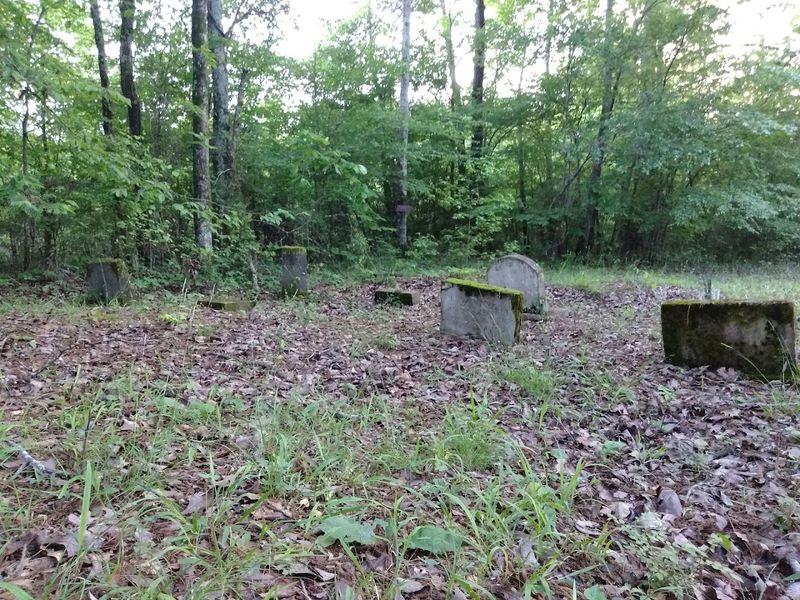
Getting a clear photograph of the Gurdon Light is one of those things that sounds simple until you actually try it. The light has been documented on camera before, most notably during a 1994 segment of NBC’s Unsolved Mysteries, but the footage and photographs that exist tend to show something blurry, faint, or frustratingly inconclusive.
The light that witnesses describe seeing with their own eyes rarely translates fully onto a screen or a print.
Part of this is just physics. A low-intensity light source in a dark environment is genuinely difficult to photograph without the right equipment, especially when that source is moving.
Long exposures blur the motion, and short exposures may not capture enough light to register the glow properly. Most visitors are not arriving with professional astrophotography rigs, so the results end up looking like slightly luminous smudges.
But there is also something that experienced visitors describe as an almost deliberate quality to the way the light disappears when attention is focused on it. The moment someone raises a phone or a camera, the light tends to dim, shift, or vanish entirely, only to reappear once the camera is lowered.
That pattern has been reported enough times that it has become part of the lore surrounding the light itself.
Whether that is coincidence, expectation bias, or something genuinely strange happening is hard to say. What is clear is that no single photograph has ever settled the debate.
The Gurdon Light remains stubbornly difficult to pin down, which is a big part of why people keep trying.
Visiting the Gurdon Light Near Golconda, Illinois
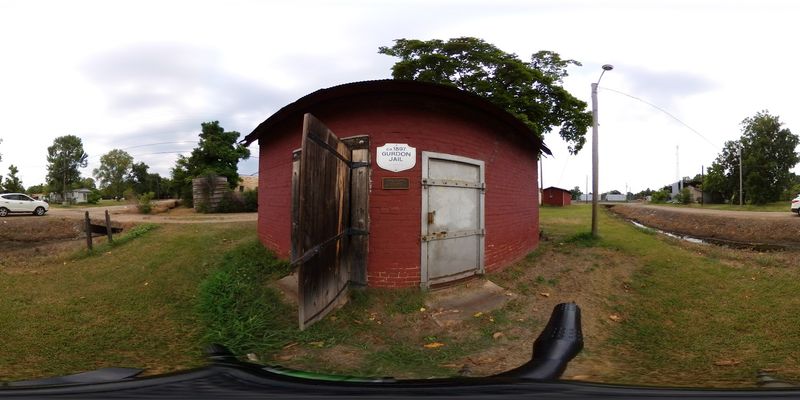
Getting out to see the Gurdon Light is an experience that rewards patience more than anything else. The area off Union Ridge Road and Tunnel Hill Road near Golconda sits in the quiet, wooded corner of southern Illinois, and the atmosphere alone is worth the drive before any mysterious light even shows up.
The landscape is dense, the nights are genuinely dark, and the silence out there has a quality that city people rarely encounter.
Timing matters. Most reported sightings happen after dark, and the light is more commonly observed in cooler months when humidity is lower and visibility is sharper.
Halloween season draws a noticeable crowd, which can actually work against you if you are hoping for a quiet, focused experience. Going on a weeknight in October or November tends to give you a better chance of having the area to yourself.
Bring a flashlight, wear solid shoes, and be prepared to walk along uneven ground in the dark. The terrain around the old railroad corridor is not maintained for visitors, so comfort and safety are your own responsibility.
Going with at least one other person is a sensible approach, not just for safety but because having a second witness makes the whole experience feel more grounded.
The Gurdon Light near Golconda has drawn curious visitors for generations, and the area carries that history in a way you can feel even before anything unusual appears. Whether the light shows up or not, the place itself leaves an impression that is hard to shake once you have been there.
Address: Off Union Ridge Rd / Tunnel Hill Rd, Golconda, IL 62938
