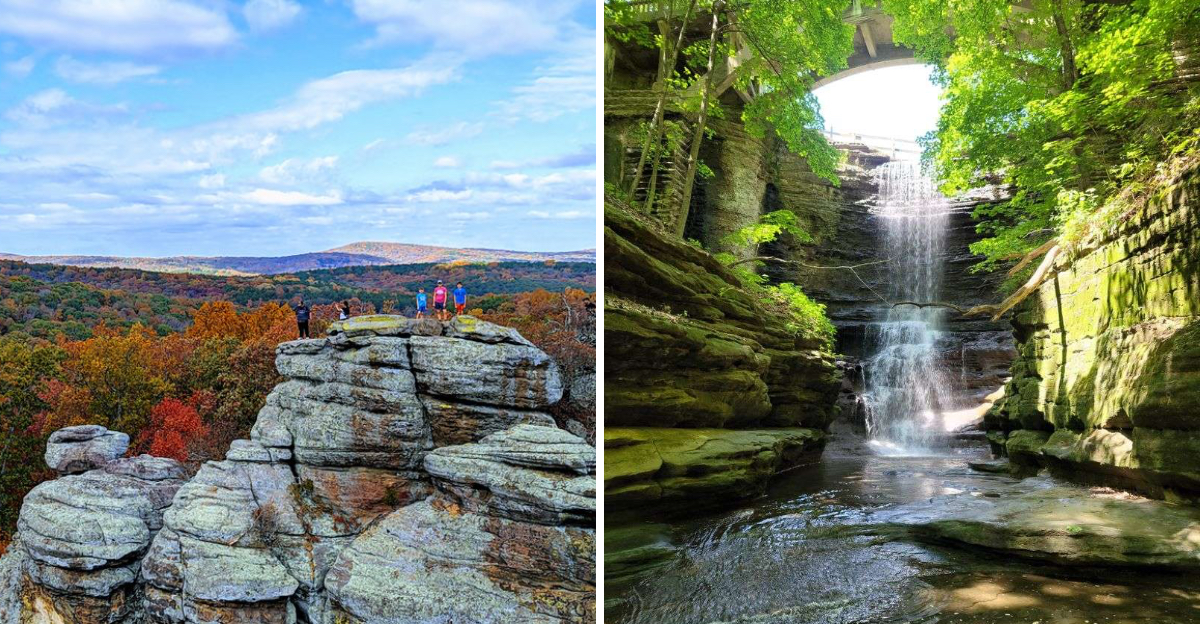
Chicago’s skyline shines, but Illinois offers plenty of green escapes when city life gets loud.
Across the state, parks range from river bluffs to quiet prairies shaped by glaciers and time.
Most sit just a short drive from major cities, making them easy weekend retreats.
These ten parks prove real tranquility waits just beyond the city limits.
We organized this list using factors such as proximity to population centers, local usage patterns, natural features, and overall sense of retreat.
Accessibility and experiences can vary by season, and the ranking reflects editorial perspective rather than a comprehensive guide.
1. Starved Rock State Park
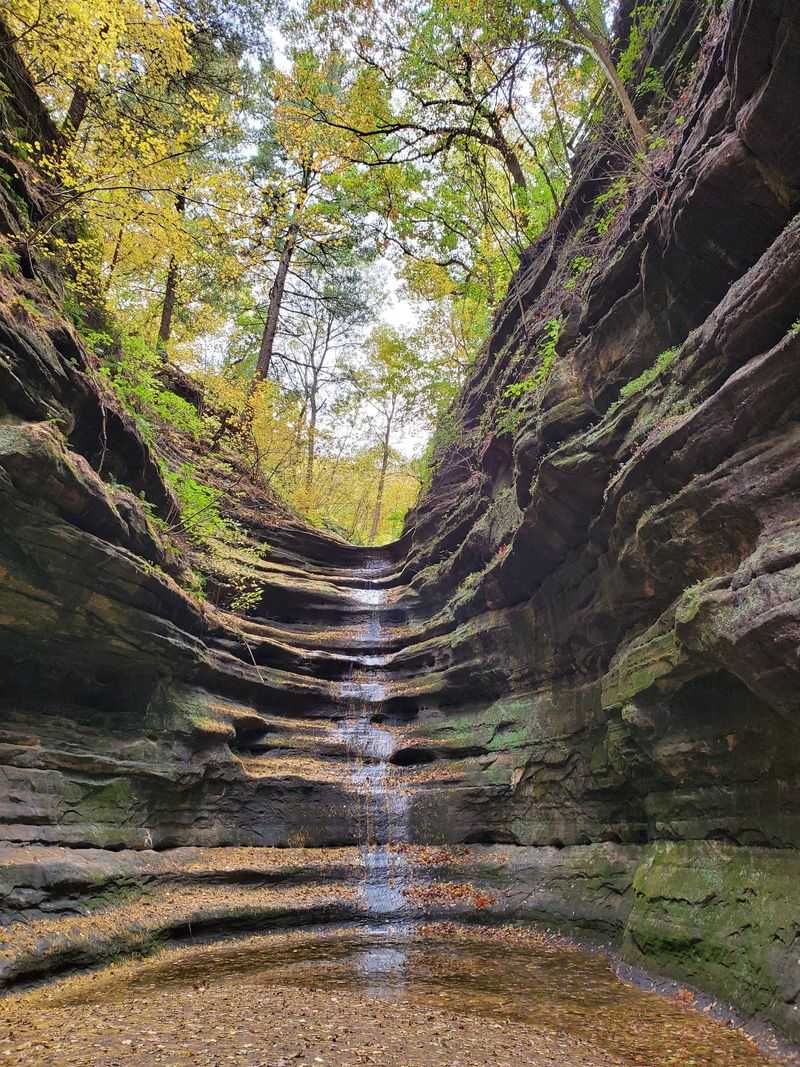
Towering sandstone bluffs rise dramatically above the Illinois River, creating one of the most stunning landscapes in the entire Midwest.
Starved Rock State Park draws nature lovers from across the region with its network of canyons carved by glacial meltwater thousands of years ago.
Eighteen canyons slice through the park, each one offering a unique microclimate where ferns cling to moist rock walls and seasonal waterfalls cascade over moss-covered ledges.
Spring transforms these narrow gorges into magical spaces where rushing water echoes off ancient stone, while winter freezes the falls into glittering ice sculptures that attract photographers by the hundreds.
Thirteen miles of marked trails wind through the park, ranging from easy riverside strolls to challenging climbs that reward hikers with panoramic views of the river valley below.
Eagle-watching season brings its own excitement as bald eagles congregate along the waterway during winter months, riding thermal currents and diving for fish in open water.
The park’s visitor center provides maps and trail conditions, plus interpretive displays explaining the geological forces that shaped this remarkable landscape.
Wildflowers blanket the forest floor each spring, painting the understory with trillium, bloodroot, and wild geranium.
Weekday visits offer more solitude than popular weekends, especially during fall when foliage turns the bluffs into a tapestry of crimson and gold.
Picnic areas near the lodge provide perfect spots for families to refuel between canyon explorations.
The park’s rich history includes Native American legends and French colonial tales that add depth to every trail.
Serious hikers can tackle the entire trail system in a long day, while casual visitors might focus on a few signature canyons like French Canyon or St. Louis Canyon.
No matter your pace, Starved Rock delivers an escape that feels worlds away from Illinois’ bustling cities.
2. Matthiessen State Park
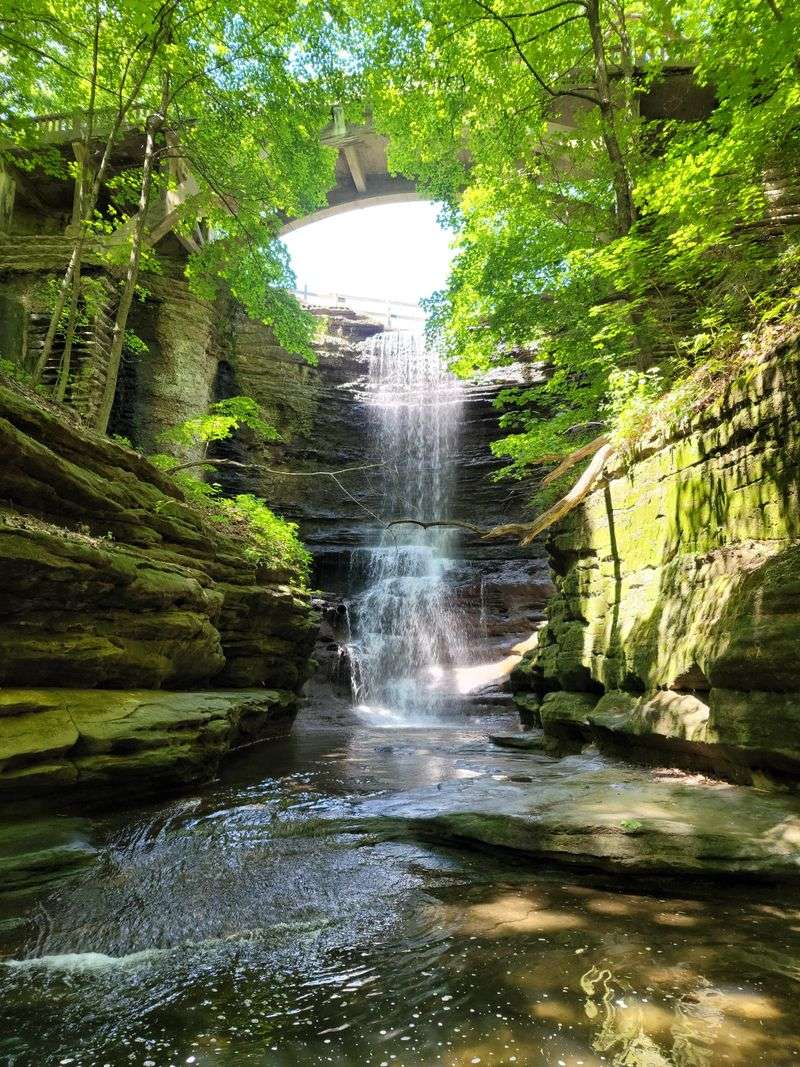
Just minutes from its famous neighbor, Matthiessen State Park offers a quieter alternative where tranquility reigns supreme.
Many visitors overlook this gem in favor of Starved Rock, which means those who venture here often find themselves alone with nothing but birdsong and rustling leaves.
The park divides into two distinct areas connected by trails that showcase completely different landscapes.
Upper Dells features dramatic rock formations and a stunning canyon where a creek tumbles over layered sandstone, creating pools perfect for quiet contemplation.
Lower Dells presents a gentler landscape with wide meadows and mature forests that explode with wildflowers each spring and summer.
A five-mile trail system links both sections, allowing hikers to experience the full range of what this park offers in a single afternoon.
Wooden staircases and bridges help visitors navigate the steeper sections while minimizing environmental impact on fragile canyon ecosystems.
Photographers prize the dells for their ever-changing light, especially during golden hour when sunbeams filter through the canopy and illuminate the canyon walls.
Unlike busier parks, Matthiessen allows for genuine solitude even on pleasant weekend afternoons.
This park proves that sometimes the best escapes hide in plain sight, overshadowed by bigger names but offering equally rewarding experiences.
3. Shawnee National Forest
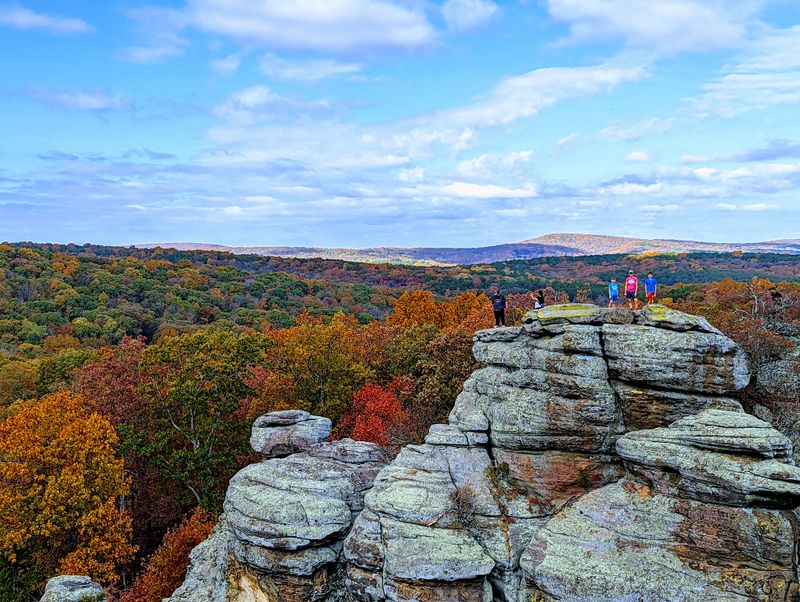
Southern Illinois surprises first-time visitors with landscapes that seem transplanted from Appalachia rather than the Prairie State.
Shawnee National Forest sprawls across nearly 300,000 acres of rugged hills, hidden hollows, and spectacular rock formations that defy Midwestern stereotypes.
Garden of the Gods stands as the forest’s crown jewel, where weathered sandstone towers rise above the treetops offering sunset views that stretch for miles.
The quarter-mile observation trail loops past formations with names like Camel Rock and Anvil Rock, each one sculpted by millions of years of wind and water erosion.
Beyond this popular spot, the forest hides dozens of lesser-known treasures including waterfalls, natural bridges, and limestone bluffs riddled with caves.
Rim Rock Recreation Area features a unique geological trail where visitors walk beneath a massive sandstone overhang while peering into a box canyon below.
Hundreds of miles of trails crisscross the forest, ranging from short nature walks to challenging backpacking routes that penetrate deep wilderness areas.
Spring brings spectacular wildflower displays as the forest floor erupts with dogwood blossoms, redbuds, and countless ephemeral species.
The Ohio River forms the forest’s eastern boundary, creating additional recreational opportunities for paddlers and anglers.
This vast natural playground proves Illinois contains genuine wilderness for those willing to venture south.
4. Waterfall Glen Forest Preserve
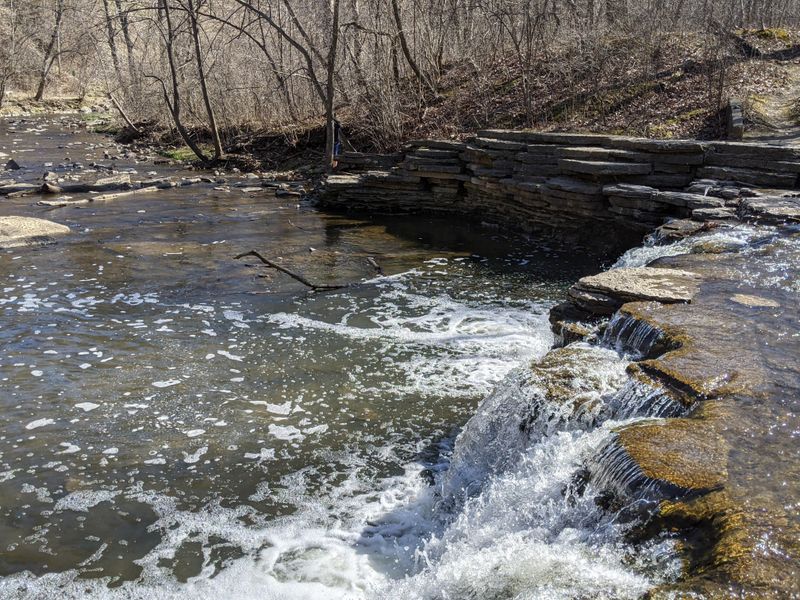
Encircling Argonne National Laboratory, this DuPage County preserve offers an unexpected wilderness experience mere miles from Chicago’s western suburbs.
The nine-mile multi-use trail forms a loop that attracts runners, cyclists, and hikers seeking a quick escape without burning hours on the highway.
Despite its name, the waterfall itself runs only seasonally and requires a short detour from the main loop, but the journey rewards visitors with a peaceful limestone grotto.
The trail passes through remarkably diverse habitats including oak woodlands, restored prairies, and wetlands that support abundant wildlife.
Deer sightings occur so frequently that regular visitors barely pause to watch them grazing alongside the path.
The preserve’s proximity to a major research facility means the area remained undeveloped for decades, allowing forests to mature and ecosystems to stabilize.
Spring ephemerals carpet the woodland floor before trees leaf out, creating brief windows when rare wildflowers dominate the understory.
Mountain bikers appreciate the trail’s varied terrain, which includes enough elevation change to provide a genuine workout despite Illinois’ generally flat reputation.
Multiple access points allow visitors to tackle shorter segments rather than committing to the full loop.
The preserve’s well-maintained crushed limestone surface remains accessible year-round, making it popular with winter hikers and cross-country skiers when snow covers the ground.
It demonstrates that meaningful nature experiences don’t require marathon drives, just a willingness to explore what grows closer than you might think.
5. Giant City State Park
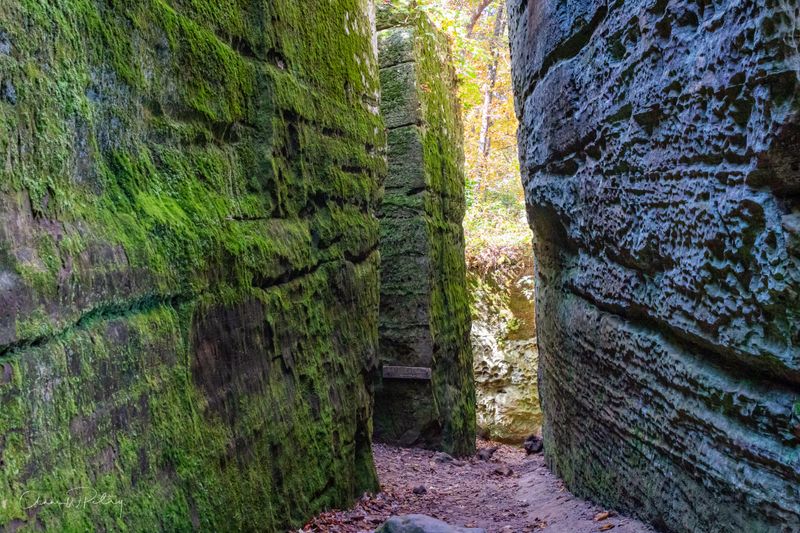
Enormous sandstone blocks scattered across the landscape create the illusion of a city built for giants, hence the park’s memorable name.
Located near Makanda in southern Illinois, this park showcases geology that tells stories reaching back hundreds of millions of years.
The Giant City Nature Trail winds through the heart of the rock formations, passing between towering bluffs that rise like ancient skyscrapers.
Narrow passages called fat man’s squeeze and devil’s standtable challenge hikers to navigate tight spaces between massive stone walls.
Twelve miles of trails explore various corners of the park, from easy walks suitable for families to strenuous climbs that test endurance.
The park’s lodge and restaurant provide comfortable accommodations for visitors wanting to extend their stay beyond a day trip.
Rock climbers flock to designated areas where they can practice their craft on textured sandstone faces under proper permits.
Horseback riding trails offer alternative ways to experience the landscape, with rental stables operating seasonally near the park entrance.
The park’s hardwood forests support diverse plant communities that change dramatically with the seasons.
Autumn transforms the canopy into a brilliant display as hickories, oaks, and maples compete for the most vibrant colors.
Picnic areas nestled among the rocks provide atmospheric settings for outdoor meals surrounded by geological wonders.
This park delivers a landscape so distinctive that first-time visitors often struggle to believe they’re still in Illinois rather than some distant mountain range.
6. Midewin National Tallgrass Prairie
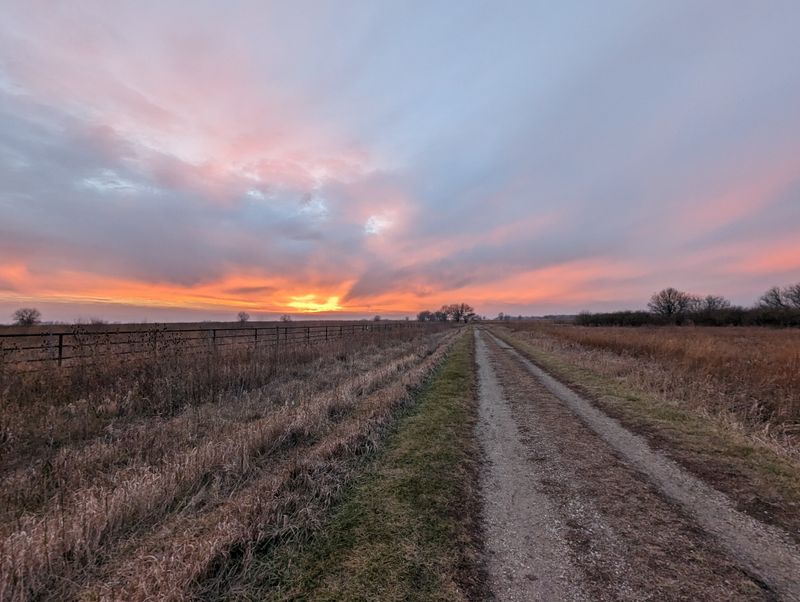
America’s first national tallgrass prairie preserves a landscape that once covered millions of acres but now exists only in fragments.
Located southwest of Chicago near Wilmington, Midewin occupies land formerly used as an ammunition plant, now transformed into a conservation showcase.
The restoration project aims to recreate the ecosystem that greeted early settlers, complete with native grasses that tower overhead and wildflowers that paint the prairie in seasonal waves of color.
Bison returned to Illinois soil here after more than a century of absence, with a growing herd that helps manage the grassland through natural grazing patterns.
Miles of trails traverse the prairie, offering experiences that shift dramatically with the seasons as different plant species take their turn dominating the landscape.
Summer brings the prairie to its full glory when big bluestem and Indian grass reach heights above most visitors’ heads, creating a sea of green that ripples in the wind.
Grassland birds thrive here, including species like bobolinks and Henslow’s sparrows that struggle to find suitable habitat elsewhere in the state.
The prairie’s openness creates a sense of space and sky that contrasts sharply with Illinois’ urban landscapes and even its forested parks.
Sunrise and sunset become theatrical events on the prairie, with unobstructed horizons allowing the full drama of changing light to unfold.
Educational programs teach visitors about prairie ecology, controlled burns, and ongoing restoration efforts that continue transforming the site.
This preserve offers a glimpse into Illinois’ past while pointing toward a future where native ecosystems reclaim their rightful place.
7. Mississippi Palisades State Park
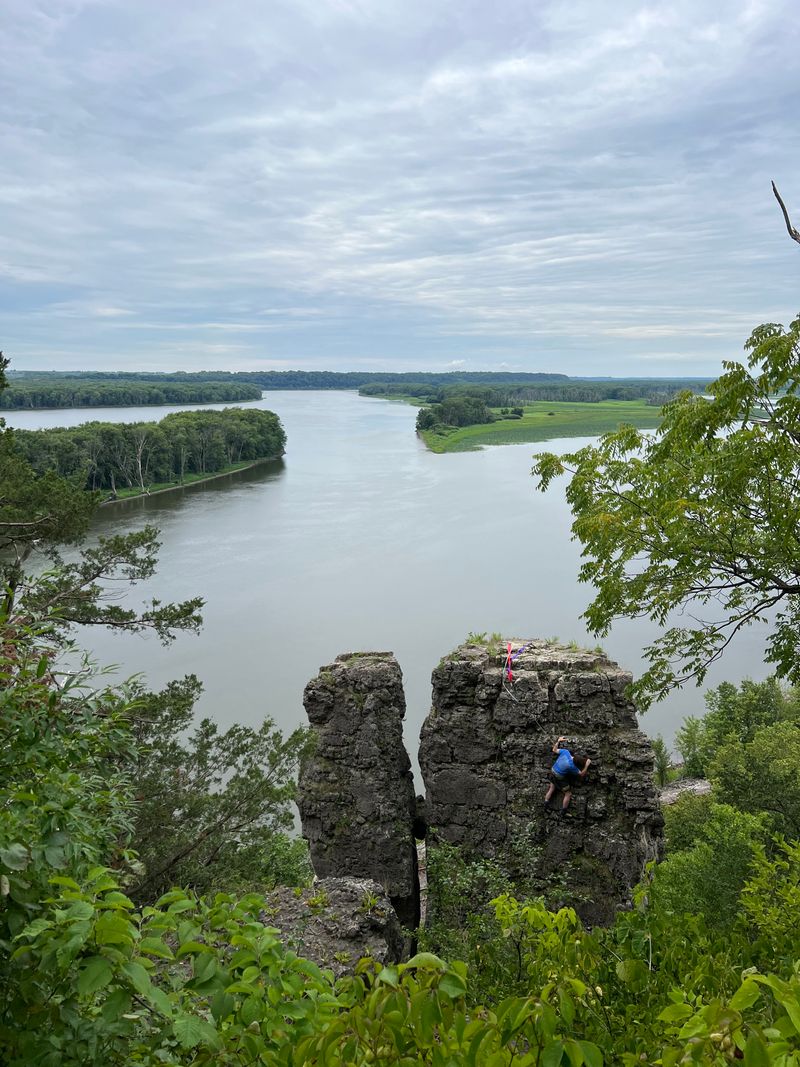
Northwestern Illinois reveals its dramatic side where towering limestone palisades rise abruptly from the Mississippi River valley.
This park near Savanna protects some of the most spectacular river scenery in the entire state, with overlooks that command views stretching into Iowa and Wisconsin.
Fifteen miles of trails explore the park’s rugged terrain, climbing from river level to bluff tops through forests that cling to impossibly steep slopes.
Sentinel Trail leads to one of the park’s most photographed viewpoints, where a rocky promontory juts out above the treetops offering unobstructed river panoramas.
The park’s unique geology includes not just limestone cliffs but also unusual rock formations, caves, and balanced rocks that defy gravity.
Twin Sisters rock formation stands as a park icon, where two stone pillars rise side by side like natural monuments.
Spring migration brings waves of songbirds through the river corridor, making the park a premier destination for birdwatchers armed with binoculars and field guides.
The Mississippi River below serves as a major flyway, with waterfowl, raptors, and songbirds all using this route during seasonal movements.
Autumn color rivals anywhere in Illinois as the mixed hardwood forest transforms into a patchwork of reds, oranges, and yellows against the pale limestone backdrop.
Rock climbers appreciate the challenging routes on the palisades, though proper equipment and experience remain essential for safety.
This combination of dramatic topography and prime river location creates experiences that surprise anyone expecting Illinois to be uniformly flat and featureless.
8. Kickapoo State Recreation Area
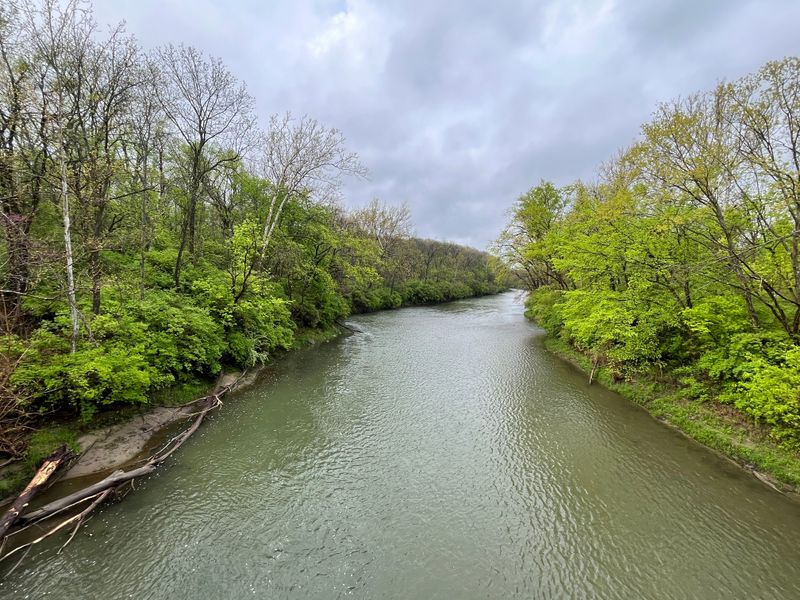
Nature’s resilience shines at this unique park near Danville, where abandoned strip mines have transformed into a patchwork of clear ponds and regenerating forests.
Twenty-two deep-water ponds scattered across the property attract anglers seeking bass, bluegill, and catfish in waters that range from gin-clear to mysteriously dark.
The Middle Fork of the Vermilion River flows through the park, designated as a National Scenic River and offering excellent canoeing opportunities.
Paddlers can spend hours exploring the winding waterway, which alternates between gentle pools and mild rapids that add excitement without requiring expert skills.
Hiking trails connect the various ponds and explore forests that have reclaimed former industrial sites, demonstrating how landscapes heal when given time and protection.
Scuba divers practice their skills in the clear ponds, which offer visibility and depths unusual for inland Illinois waters.
The park’s unusual topography creates diverse habitats where prairie species, woodland plants, and wetland specialists all find suitable niches.
Mountain bikers challenge themselves on trails that wind through the reclaimed landscape, with enough elevation changes to keep rides interesting.
Equestrian trails provide yet another way to explore the park’s 2,800 acres, with horse camping available for riders planning extended stays.
The park’s industrial past remains visible in places, with old mining equipment and structural remnants serving as unexpected historical artifacts.
Visitors leave with renewed appreciation for nature’s healing power and the value of protecting even imperfect landscapes that show promise of recovery.
9. Chain O’Lakes State Park
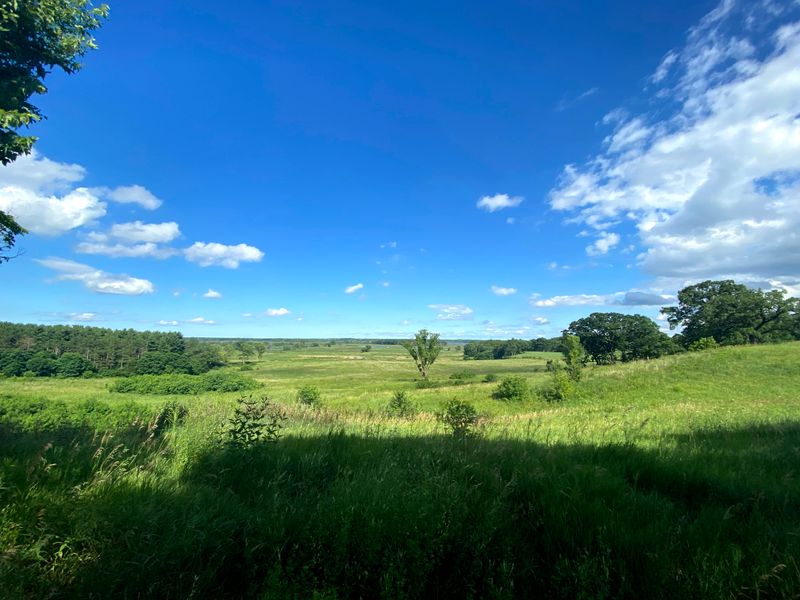
Northern Illinois boasts a lake district that rivals better-known regions, with interconnected waterways creating a paddler’s paradise.
Chain O’Lakes State Park serves as the gateway to this aquatic playground, where ten natural lakes link together forming one of the state’s premier water recreation destinations.
The park itself occupies a strategic location along the Fox River, providing boat launches, hiking trails, and camping facilities that support extended lake explorations.
Kayakers and canoeists spend entire days navigating between lakes, discovering quiet channels where great blue herons hunt and turtles sun themselves on floating logs.
The waterways attract boaters of all kinds, from fishing enthusiasts chasing northern pike and walleye to pleasure boaters enjoying scenic cruises through the lake chain.
Six miles of hiking trails explore the park’s upland areas, winding through oak forests and along ridges that offer occasional glimpses of the water below.
Spring and fall migrations transform the lakes into wildlife spectacles as waterfowl gather by the thousands, creating opportunities for remarkable birdwatching.
The park’s location near the Wisconsin border means visitors can easily extend their adventures across state lines, following waterways that ignore political boundaries.
Camping options range from tent sites nestled in the woods to RV spots with full amenities, all positioned to maximize access to both land and water activities.
Fishing piers and boat rentals make the park accessible even for visitors who don’t own their own watercraft.
This park proves that Illinois offers genuine lake country experiences without requiring journeys to more distant northern states.
10. Moraine Hills State Park
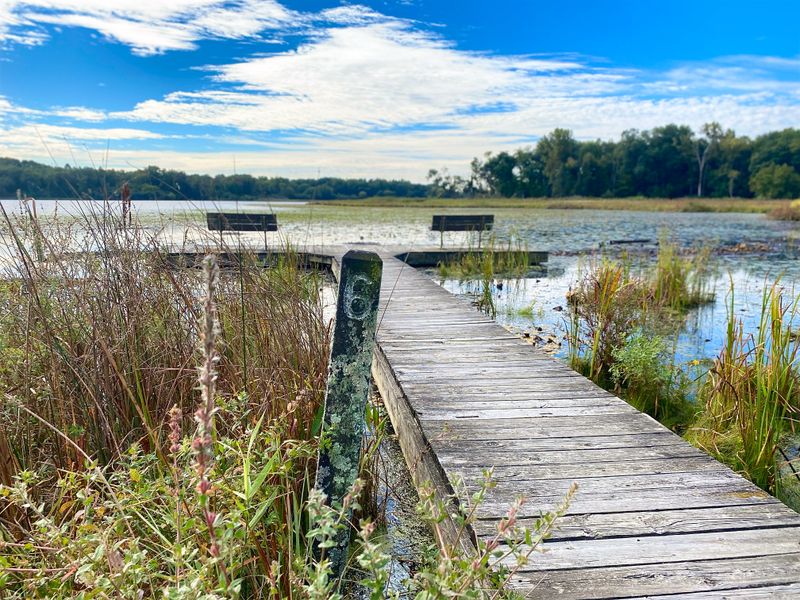
Glaciers sculpted this northeastern Illinois landscape thousands of years ago, leaving behind a distinctive topography of rolling hills and isolated wetlands.
Moraine Hills State Park near McHenry preserves this glacial legacy, with habitats ranging from deep marshes to oak savannas spread across its varied terrain.
Ten miles of trails crisscross the park, including barrier-free paths and a spectacular boardwalk that extends out over Lake Defiance’s wetlands.
The boardwalk provides intimate encounters with marsh life, where visitors can observe nesting birds, basking turtles, and aquatic plants without disturbing fragile ecosystems.
Leatherleaf Bog, accessible via another boardwalk trail, showcases a rare habitat type where carnivorous plants and other bog specialists thrive in acidic conditions.
The park’s varied elevations create microclimates that support diverse plant communities, from wetland species in the low areas to prairie plants on the drier hilltops.
Mountain bikers enjoy dedicated trails that wind through the hills, offering workouts that challenge riders while showcasing the park’s scenic diversity.
The Fox River forms the park’s western boundary, adding another habitat type and providing opportunities for paddling adventures that extend beyond park boundaries.
Wildlife viewing reaches its peak during spring and fall migrations when the wetlands serve as critical stopover habitat for traveling birds.
Photographers particularly prize the early morning hours when mist rises from the marshes and soft light illuminates the landscape.
This park celebrates Illinois’ glacial heritage while providing modern visitors with spaces to reconnect with natural rhythms far removed from urban stress.
Dear Reader: This page may contain affiliate links which may earn a commission if you click through and make a purchase. Our independent journalism is not influenced by any advertiser or commercial initiative unless it is clearly marked as sponsored content. As travel products change, please be sure to reconfirm all details and stay up to date with current events to ensure a safe and successful trip.
