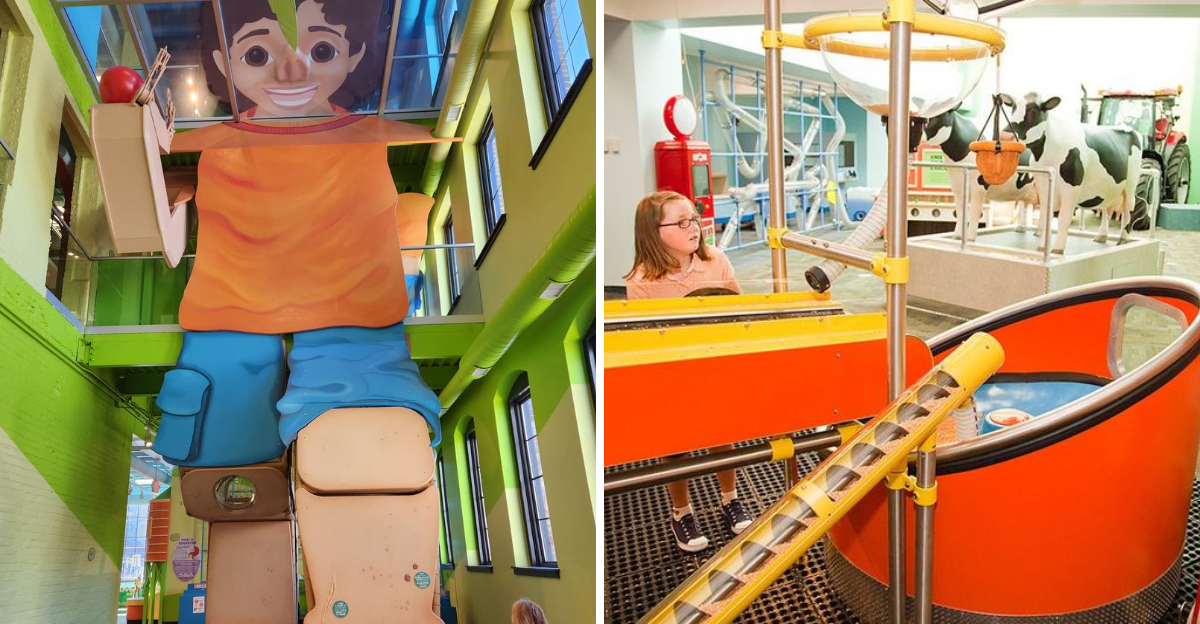
Illinois stands as a remarkable destination for families seeking educational adventures that spark curiosity and wonder in young minds.
From the bustling streets of Chicago to the charming communities scattered across the Prairie State, science museums offer children hands-on experiences that transform learning into pure excitement.
These institutions blend cutting-edge technology with timeless scientific principles, creating environments where kids can touch, explore, and discover at their own pace.
Whether your family craves space exploration, natural history, or interactive experiments, Illinois delivers unforgettable experiences that will have your children talking about their visits for years to come.
1. Museum of Science and Industry, Chicago
Standing proudly in Chicago’s Hyde Park neighborhood, this colossal institution claims the title of the largest science museum in the Western Hemisphere.
Children entering its grand halls discover a world where history and science collide in spectacular fashion.
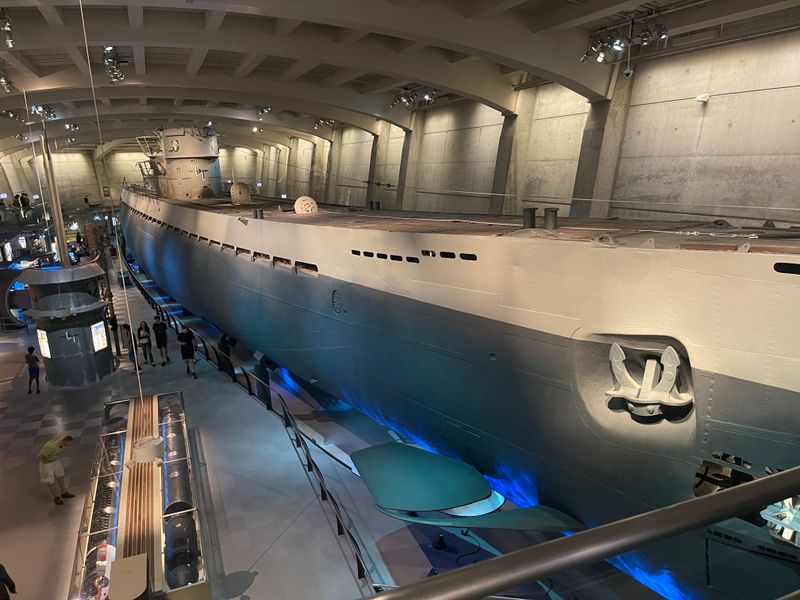
The U-505 submarine, a genuine World War II German vessel, sits as one of the museum’s crown jewels, allowing young explorers to walk through its cramped corridors and imagine life beneath the waves.
Descending into the simulated coal mine takes families back in time to experience the dangerous work that powered America’s industrial revolution.
The Science Storms exhibit captivates audiences with a 40-foot tornado demonstration that shows the raw power of nature in a controlled environment.
Interactive stations throughout the museum encourage children to become scientists themselves, conducting experiments and testing hypotheses.
The transportation zone showcases everything from vintage locomotives to modern aircraft, tracing humanity’s journey across land, sea, and sky.
Temporary exhibitions rotate regularly, ensuring that repeat visitors always find something fresh and exciting.
The museum’s commitment to accessibility means that children of all abilities can participate fully in the learning experience.
Educational programs extend beyond the exhibits, with workshops and classes that deepen understanding of complex scientific concepts.
Food options within the museum cater to picky eaters and adventurous palates alike, making all-day visits comfortable.
The surrounding Jackson Park offers green space for outdoor play after hours of indoor exploration.
Address: 5700 South DuSable Lake Shore Drive, Chicago, Illinois
2. Discovery Center Museum, Rockford

Rockford’s gem for young scientists packs more than 300 hands-on exhibits into a space designed to ignite imagination.
Every corner of this museum invites children to touch, manipulate, and experiment with scientific principles in ways that textbooks simply cannot match.
The planetarium transports visitors beyond Earth’s atmosphere, projecting stars and planets across a dome ceiling that makes astronomy tangible.
Outside, the science park extends learning into fresh air, where larger installations demonstrate physics concepts through play.
Water tables let kids explore fluid dynamics while getting delightfully messy, a combination that makes learning stick.
Building zones challenge young engineers to construct towers, bridges, and machines using various materials and tools.
Light and shadow exhibits reveal the physics of optics through interactive displays that feel more like magic than science.
The museum’s scale makes it perfect for younger children who might feel overwhelmed by larger institutions.
Staff members throughout the facility engage with families, asking questions that prompt deeper thinking about what children observe.
Rotating exhibits ensure that local families can visit repeatedly without exhausting the available experiences.
Birthday party packages transform celebrations into educational adventures, combining fun with learning seamlessly.
The museum’s location in downtown Rockford makes it easy to combine with other family activities in the area.
Affordable admission prices make quality science education accessible to families across economic backgrounds.
Address: Ste 3, 711 N Main St, Rockford, Illinois
3. Kohl Children’s Museum, Glenview
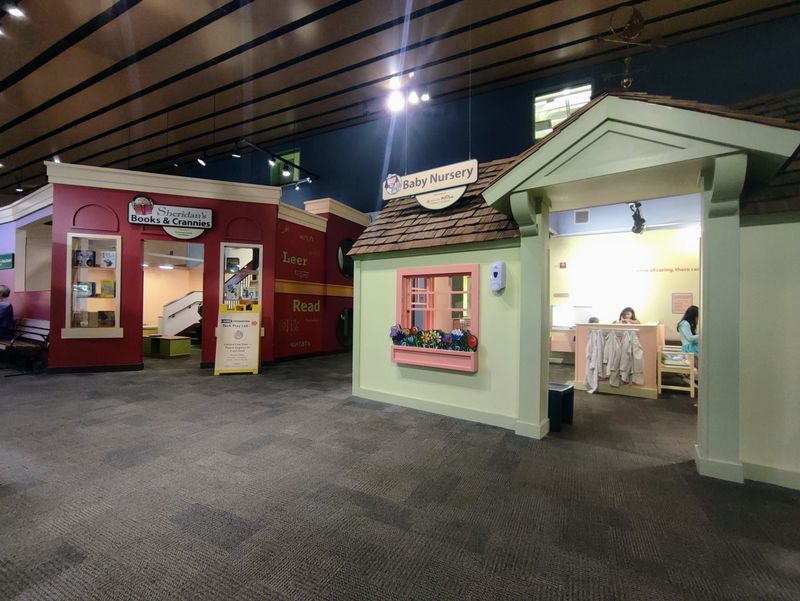
Specifically designed for the youngest scientists, this Glenview treasure focuses on children up to age eight with perfectly scaled exhibits.
Seventeen distinct interactive areas create a world where everything is built at kid height, empowering even toddlers to explore independently.
Imaginative play takes center stage here, with realistic environments that let children step into different roles and professions.
The veterinary clinic exhibit lets aspiring animal doctors care for stuffed patients, learning empathy alongside basic biology.
A miniature grocery store teaches math concepts as children shop, weigh produce, and operate a checkout scanner.
Water play areas provide sensory experiences that support early childhood development while keeping kids thoroughly entertained.
The outdoor Habitat Park extends learning into nature, with gardens and pathways that change with Illinois seasons.
Construction zones satisfy the urge to build and destroy, with foam blocks large enough for ambitious architectural projects.
Art studios encourage creative expression, connecting scientific observation with artistic interpretation.
Music and sound exhibits introduce acoustic principles through instruments children can actually play.
Parent resources throughout the museum help adults understand the educational value behind what looks like simple play.
Clean, well-maintained facilities give parents peace of mind about hygiene and safety.
The museum’s programming includes special events for children with sensory sensitivities, ensuring inclusivity.
Address: 2100 Patriot Boulevard, Glenview, Illinois
4. Peoria Riverfront Museum, Peoria
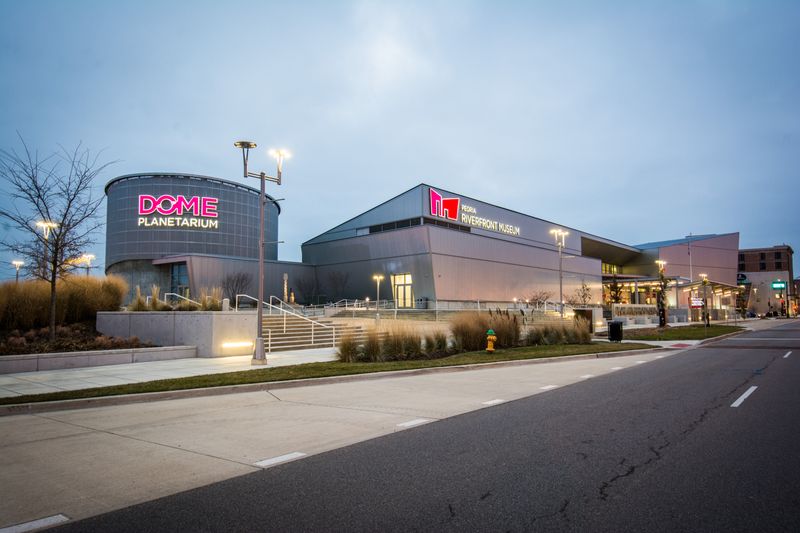
Perched along the Illinois River, this multidisciplinary institution blends art, science, history, and achievement into a cohesive experience.
The 40-foot Digistar 7 dome planetarium represents one of the most advanced systems in the region, projecting crystal-clear images of our universe.
Children recline in comfortable seats as stars wheel overhead, learning constellation stories that cultures have told for millennia.
Science exhibits downstairs complement the celestial shows, covering everything from regional ecology to human innovation.
Interactive displays explain how the Illinois River shaped the region’s development, connecting natural history with human settlement.
The museum’s art galleries expose children to visual creativity, demonstrating that science and art often intersect.
Achievement exhibits celebrate local innovators and inventors, showing young visitors that ordinary people create extraordinary things.
The museum’s riverside location offers stunning views, especially during sunset when the water reflects golden light.
Educational programs tie into school curricula, making visits valuable supplements to classroom learning.
The museum shop stocks educational toys and books that extend learning beyond the visit.
Seasonal programming addresses holidays and special events with themed activities and exhibits.
The building’s modern architecture itself becomes a teaching tool, demonstrating sustainable design principles.
Peoria’s manageable size means less crowding than Chicago museums, allowing for more relaxed exploration.
Address: 222 Southwest Washington Street, Peoria, Illinois
5. Peggy Notebaert Nature Museum, Chicago
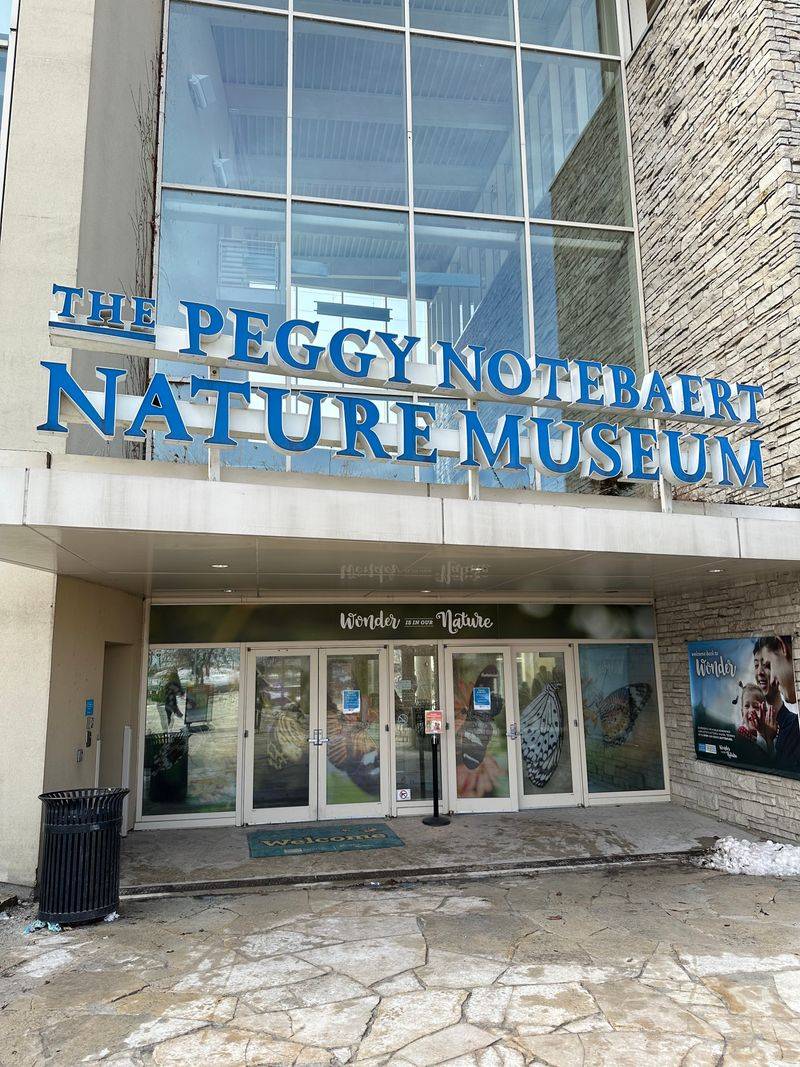
Butterflies flutter freely in the Judy Istock Butterfly Haven, landing on shoulders and outstretched fingers as children stand motionless with delight.
This Lincoln Park museum specializes in the natural history of the Chicago region, making local ecology accessible and fascinating.
The butterfly haven maintains tropical temperatures year-round, creating a warm oasis even during Chicago’s brutal winters.
Children learn the complete lifecycle of butterflies, from tiny eggs to caterpillars to chrysalises to the winged beauties floating around them.
Interactive exhibits throughout the museum explain how urban environments support surprising biodiversity.
The RiverWorks exhibit uses a 15-foot model to show how water flows through the Chicago area, demonstrating watershed concepts.
Hands-on stations let kids examine preserved specimens, touch animal pelts, and explore natural materials safely.
The Extreme Green House showcases sustainable living practices, teaching environmental responsibility through practical examples.
Wilderness Walk recreates local habitats, from prairies to woodlands, with accurate plant and animal representations.
Educational programs for school groups align with state science standards, making field trips valuable learning experiences.
The museum’s location adjacent to Lincoln Park Zoo allows families to combine visits for a full day of nature exploration.
Large windows throughout the building frame views of North Pond, connecting indoor exhibits with outdoor ecosystems.
Birthday parties at the museum include special behind-the-scenes experiences with live animals.
Address: 2430 North Cannon Drive, Chicago, Illinois
6. Adler Planetarium, Chicago

Claiming the distinction of being the Western Hemisphere’s oldest planetarium, this institution has inspired wonder since 1930.
Its location on a peninsula jutting into Lake Michigan provides unobstructed views of Chicago’s magnificent skyline.
Three full-size theaters present different astronomical shows, from beginner-friendly introductions to advanced explorations of cosmic phenomena.
The Grainger Sky Theater uses cutting-edge projection technology to create immersive experiences that feel like actual space travel.
Historic telescopes and astronomical instruments show how humans have studied the heavens throughout history.
Interactive exhibits let children calculate their weight on different planets, revealing how gravity varies across the solar system.
Mission Moon recreates the Apollo program, allowing kids to experience the challenges astronauts faced.
The Planet Explorers exhibit targets younger children with age-appropriate space content and hands-on activities.
Observing sessions with real telescopes occur regularly when weather permits, giving children views of actual celestial objects.
The museum’s extensive collection includes rare artifacts from space exploration history, including genuine spacecraft components.
Educational programs extend into evening hours, offering special events under the stars.
The lakefront location provides opportunities for outdoor play before or after museum visits.
Seasonal astronomy events, like meteor shower viewings, create memorable family experiences.
Address: 1300 South DuSable Lake Shore Drive, Chicago, Illinois
7. Wonder Works, Oak Park
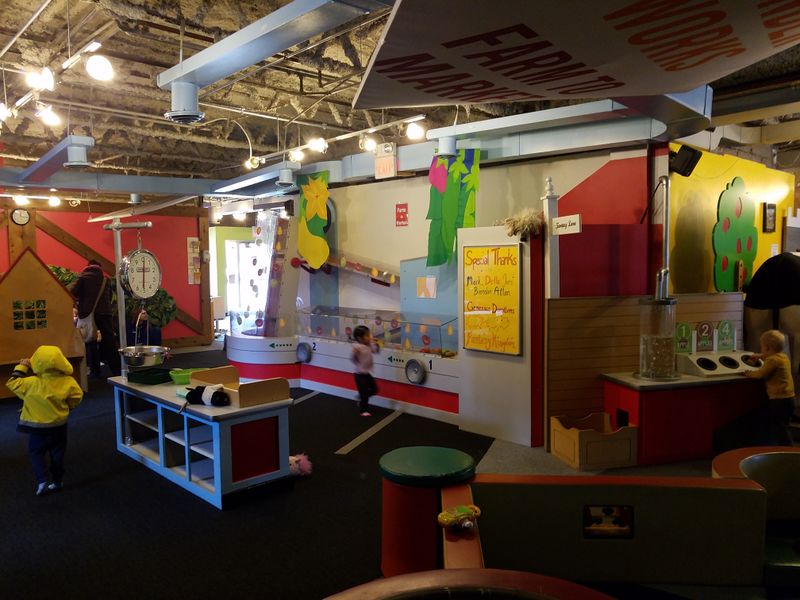
Oak Park’s neighborhood museum emphasizes self-directed play, trusting children to guide their own learning adventures.
The intimate scale creates a comfortable environment where parents can relax while children explore safely.
Unlike larger institutions, this museum feels like an expanded playroom designed by educators who understand child development.
Building materials ranging from wooden blocks to magnetic tiles encourage spatial reasoning and engineering thinking.
Dramatic play areas with costumes and props support social development as children create stories together.
Art stations stocked with diverse materials invite creative expression without rigid instructions or expectations.
The museum’s philosophy recognizes that play itself is the work of childhood, making learning organic rather than forced.
Sensory tables filled with rice, beans, or water beads provide calming experiences for children who need quiet engagement.
Staff members observe rather than direct, intervening only to ensure safety or answer questions.
The museum’s small size means it never feels overwhelming, perfect for children who struggle with overstimulation.
Regular visitors develop favorite activities, returning to master skills and build confidence.
Community programming brings families together for special events and seasonal celebrations.
The museum’s location in historic Oak Park allows families to explore Frank Lloyd Wright architecture nearby.
Flexible admission options make frequent visits affordable for local families.
Address: 6445 West North Avenue, Oak Park, Illinois
8. The Science Center, Carbondale
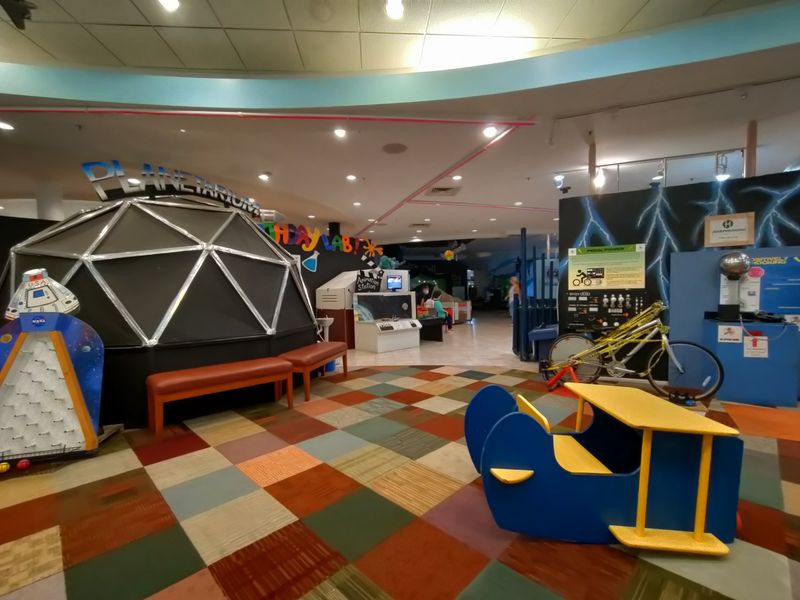
Southern Illinois families flock to this STEM-powered wonderland packed with more than 50 hands-on exhibits.
The giant ball launcher demonstrates physics principles as children send spheres flying through the air, tracking trajectories and impact points.
Fossil dig areas let aspiring paleontologists unearth replica specimens, learning proper excavation techniques used by real scientists.
Live animal exhibits introduce local wildlife, from reptiles to small mammals, with knowledgeable staff explaining ecological relationships.
The center’s emphasis on Southern Illinois ecology helps children appreciate the unique environment surrounding them.
Weather exhibits explain the science behind tornados, thunderstorms, and other phenomena common in the region.
Simple machines displays show how levers, pulleys, and inclined planes make work easier, with working models to manipulate.
The center’s manageable size allows thorough exploration without the exhaustion that massive museums can cause.
Educational programs align with state standards, making the center a valuable resource for homeschooling families.
Birthday party packages include exclusive access to certain exhibits and special activities led by staff educators.
The museum’s affordability makes quality science education accessible throughout the region.
Carbondale’s location near Shawnee National Forest allows families to combine museum visits with outdoor adventures.
Special events throughout the year address topics like astronomy, robotics, and environmental science.
The center’s commitment to hands-on learning ensures children remember experiences long after visits end.
Address: 1237 East Main Street, Carbondale, Illinois
9. Kidzeum of Health and Science, Springfield
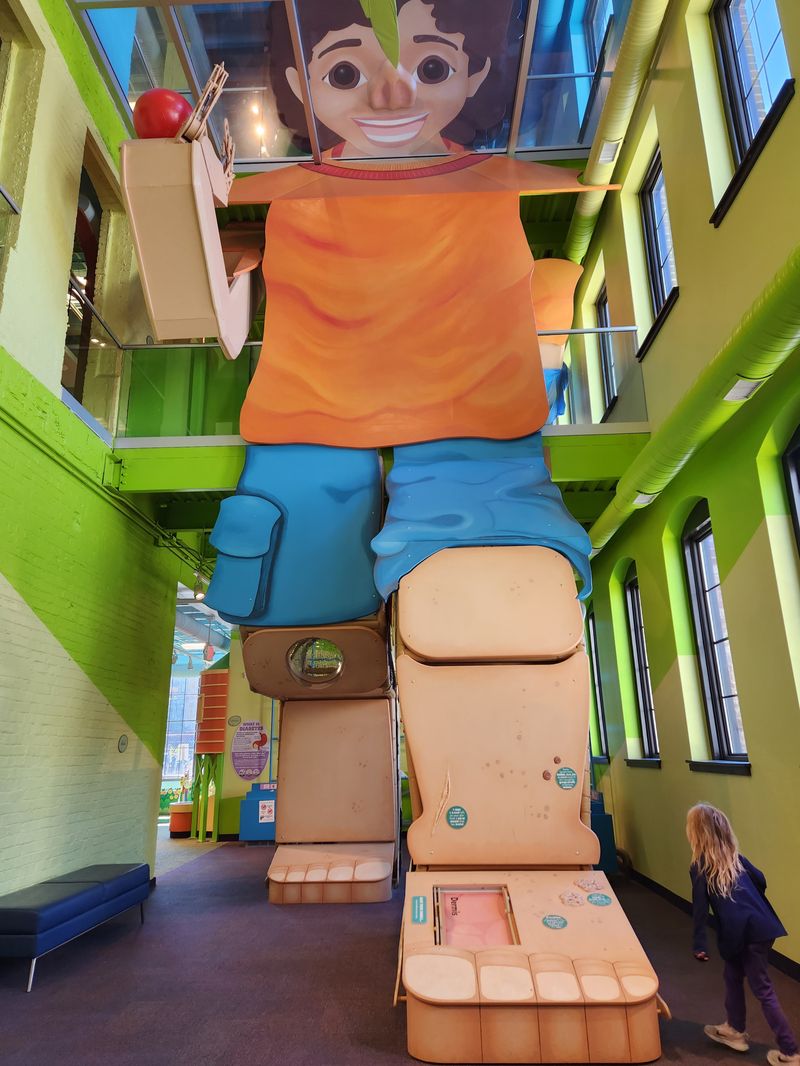
Springfield’s capital location adds historical context to this innovative museum focused on health, community, and environment.
The three-story human body exhibit represents the museum’s signature attraction, allowing children to literally climb through organs and systems.
Kids crawl through intestines, climb up the spine, and explore the brain, learning anatomy through physical experience.
Health exhibits teach nutrition, exercise, and wellness in age-appropriate ways that empower children to make good choices.
Community areas recreate Springfield environments, from grocery stores to construction sites, showing how cities function.
Environmental exhibits explain sustainability and conservation, connecting personal choices to global impacts.
The museum’s focus on health makes it unique among Illinois science institutions, filling an important educational niche.
Interactive displays about the five senses let children test their perception and learn how brains process information.
Agriculture exhibits honor Illinois’ farming heritage, explaining where food comes from and how it reaches tables.
The museum’s downtown location makes it easy to combine with visits to Abraham Lincoln historic sites.
Educational programs for schools address health education requirements, supporting teachers and students.
Special events focus on wellness topics like mental health, safety, and disease prevention.
The museum’s relatively recent opening means facilities are modern and well-maintained.
Family memberships encourage repeat visits, allowing children to deepen understanding through multiple experiences.
Address: 412 East Adams Street, Springfield, Illinois
10. Staerkel Planetarium, Champaign

Champaign’s astronomical treasure sits on the Parkland College campus, making cutting-edge astronomy accessible to the public.
The 50-foot dome creates an immersive environment where the universe unfolds above reclining viewers.
A Carl Zeiss M1015 opto-mechanical star projector, representing precision German engineering, produces stunningly accurate star fields.
Shows range from children’s introductions to astronomy to advanced presentations exploring cosmic mysteries.
The combination of the mechanical projector with digital systems creates hybrid shows blending traditional and modern techniques.
Educational programs connect astronomy to other sciences, showing how chemistry, physics, and biology intersect in space.
Special presentations address current astronomical events, from eclipses to planetary alignments to meteor showers.
The planetarium’s association with Parkland College brings academic rigor to public programming.
Light shows set to music provide entertainment alongside education, appealing to diverse audiences.
The facility’s smaller size compared to Chicago planetariums creates intimate experiences where questions are welcomed.
Champaign’s university community supports the planetarium, ensuring quality programming and maintenance.
The planetarium serves as a regional resource, drawing families from across Central Illinois.
Seasonal shows address changing night skies, teaching children to recognize constellations visible from their own backyards.
Affordable admission makes astronomy accessible to families regardless of economic circumstances.
Address: 2400 West Bradley Avenue, Champaign, Illinois
Dear Reader: This page may contain affiliate links which may earn a commission if you click through and make a purchase. Our independent journalism is not influenced by any advertiser or commercial initiative unless it is clearly marked as sponsored content. As travel products change, please be sure to reconfirm all details and stay up to date with current events to ensure a safe and successful trip.
