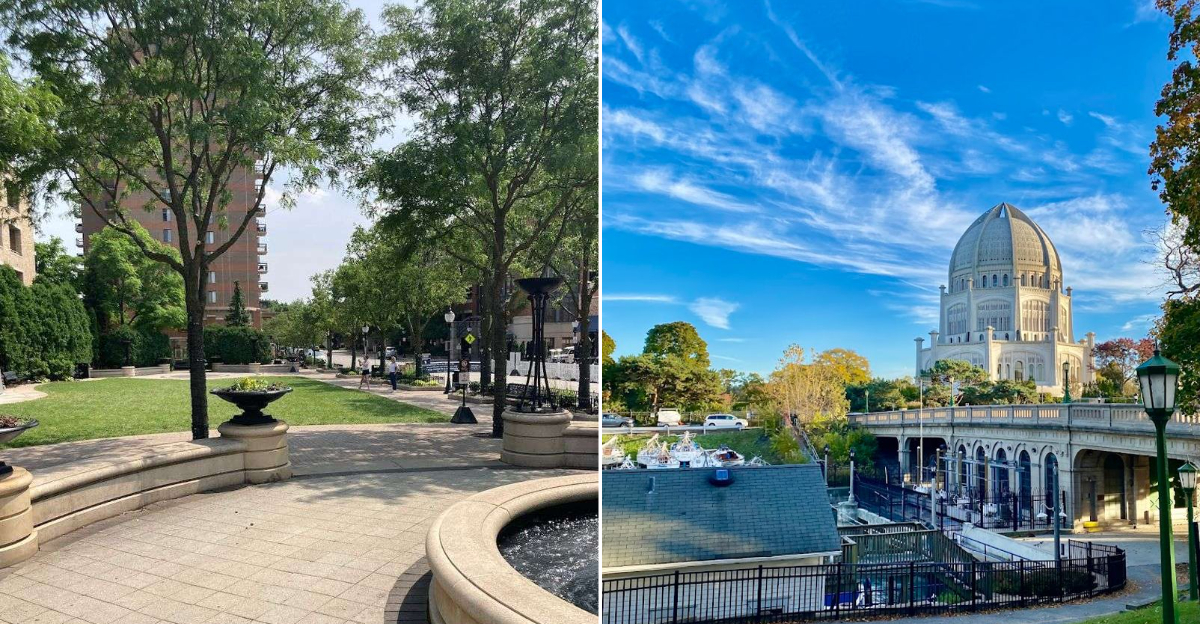
It is a strange thing when the places people have called home for years start feeling harder and harder to afford. Across Illinois, some towns are facing exactly that kind of pressure as rising housing costs and property taxes make staying put feel less realistic for more residents.
That shift does not always happen with a big dramatic moment. Sometimes it shows up slowly, through smaller populations, changing neighborhoods, and the growing sense that the numbers just are not working for as many people as they once did. That is what makes this topic hit harder than a typical housing story.
These are not just statistics on a page. They reflect real towns where affordability pressures can reshape daily life, long-term plans, and the future of the community itself.
Some places are trying to adapt, while others are feeling the strain more visibly. Either way, this is the kind of trend that changes more than budgets, and these Illinois towns show just how personal that shift can become.
1. Cicero
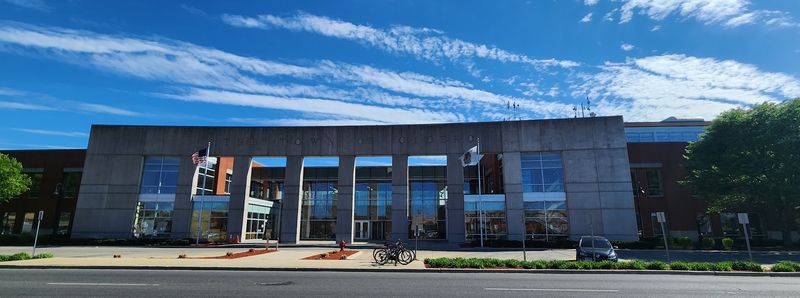
Some places carry their history in the brick, and Cicero does that in a way you feel as soon as you turn a corner. The blocks stack up with sturdy two-flats and narrow bungalows, and you can almost hear past conversations on front stoops.
Lately though, the conversation keeps swinging back to taxes and rising mortgage costs, and how a paycheck feels thinner the longer you sit with your bills.
You notice small choices that add up, like skipping a project on the back porch or pushing off a roof repair that used to feel manageable. Friends tell me they love the commute options and the classic Chicago grid, yet the numbers keep pulling at their patience.
I get it, because moving is not just about money, but also about the mental load of uncertainty and what you want the next chapter to be.
On quiet evenings, the streets can look peaceful, almost stubbornly normal, which is maybe what makes this harder, because it is easier to leave when a place stops looking like home. Cicero still looks like home to so many, with tidy sidewalks and familiar brick, and that is why decisions drag on longer.
If you are weighing it, walk the block at dusk and listen for what you want. Does the porch light still feel like yours?
2. Homewood
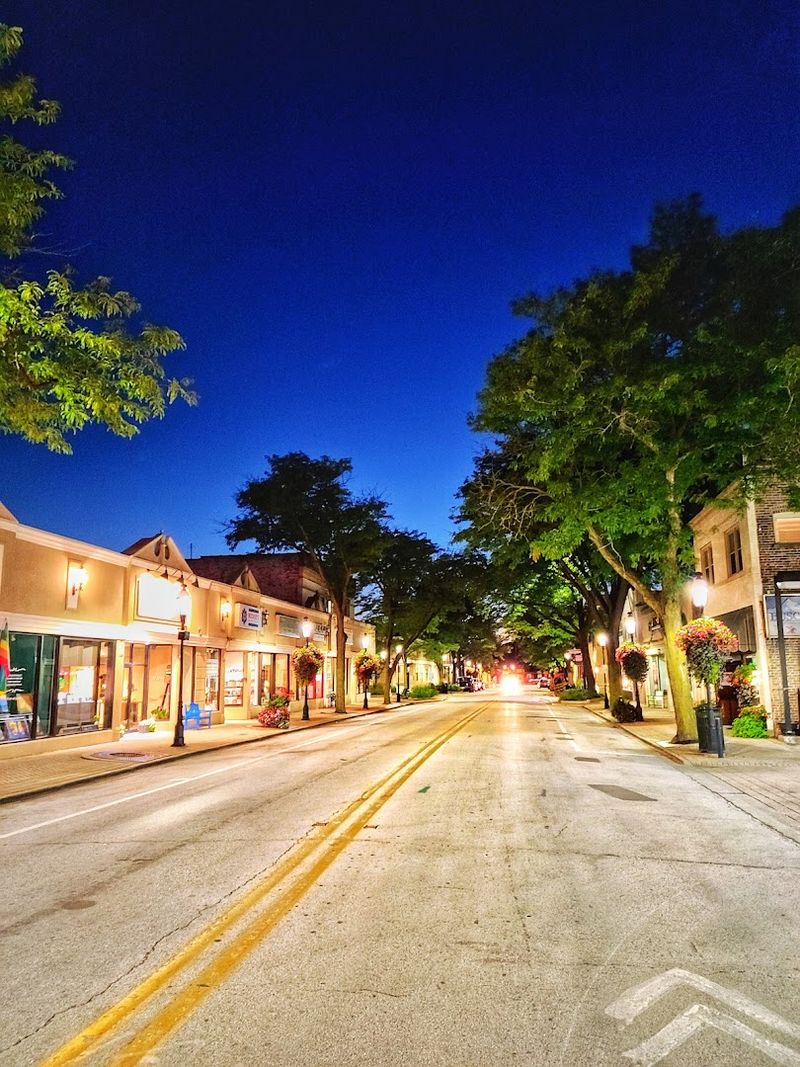
There is a calm to Homewood that settles in as soon as you hit those leafy streets, which makes these choices even trickier. Commuters like the rail access, and longtime neighbors wave from driveways, anchored by routines that used to feel unshakeable.
Still, conversations keep circling around assessments, escrow surprises, and that uneasy feeling when your budget gets tight without any single big event.
I think about how many folks came here for space and a steady rhythm, only to find the math shifting under their feet. The parks are still inviting, and the neighborhoods still feel cohesive, but you can sense people quietly comparing options across Illinois and beyond.
When someone says they are just looking, it often means they are scouting school districts, commute lines, and property tax histories with a seriousness they never imagined before.
Walk past the station at sunset and you see the town’s strengths on display, with tidy platforms and familiar brick facades. It is lovely, and it is also the scene of many whispered budget talks while waiting for a train.
If you are balancing heart and spreadsheet, you are not alone, and it helps to name what you need in the next place. Will the slower pace still outweigh the rising carrying costs, or is it time to pivot while momentum is on your side?
3. Elmwood Park
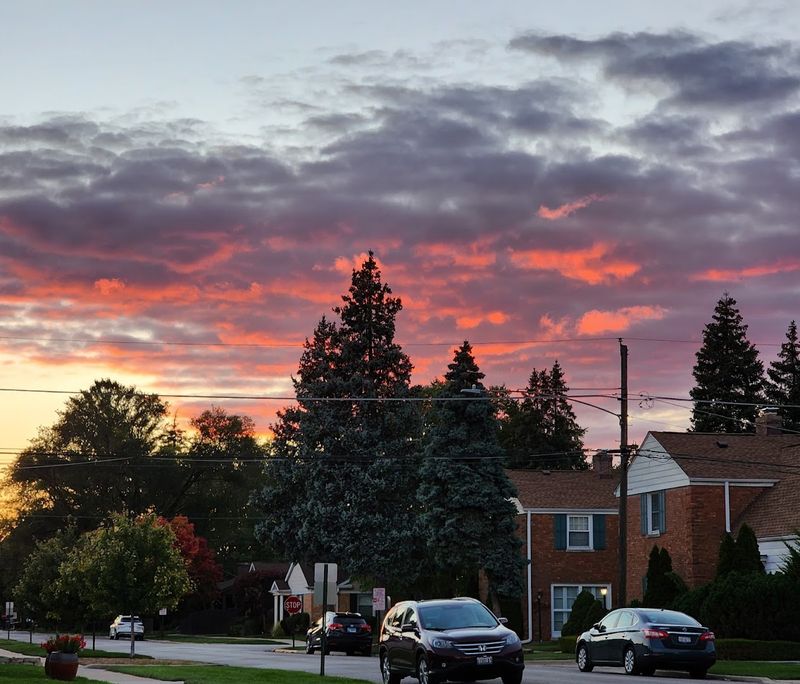
You can feel the porch culture in Elmwood Park, where conversations float across tidy lawns and everything looks postcard neat from a distance. The bungalow rows are comforting, and the blocks carry a close-knit ease that makes decisions heavier than they seem on paper.
Yet paper keeps calling the shots, and rising taxes squeeze in slowly, nudging folks to rethink timelines and long-held plans.
What gets me is how steady everything looks, even while the calculus behind the scenes starts wobbling. People still repaint trim, sweep stoops, and mind the hedges, but budgets keep getting renegotiated in kitchens after bedtime.
I have heard more than a few neighbors say they are pricing out nearby towns, checking how far a commute can stretch, and wondering if they can keep the same rhythm without the same monthly surprises.
On a late afternoon walk, it is hard not to be swayed by the atmosphere, because Elmwood Park wears its strengths plainly. The streets are walkable, the blocks feel anchored, and it all sets a high bar that is tough to leave.
If you are deciding, try mapping out what stability means for you in this season. Does that include staying put in Illinois, or does it look like a new porch somewhere with fewer tax swings and simpler math?
4. Oak Park
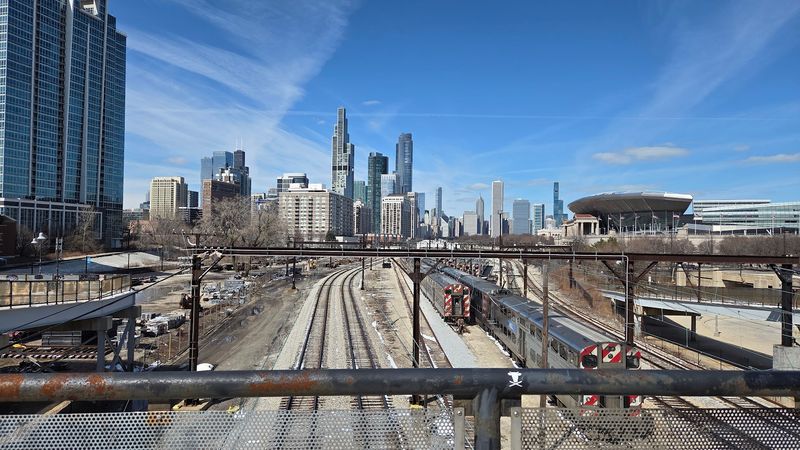
Oak Park has that polished energy that pulls you in, from handsome facades to tree-lined streets that seem to breathe culture and calm. The appeal is real, and it is layered, which is why the strain of higher taxes and carrying costs lands with a deeper thud here.
People come for character and stay for community, but lately I hear more talk about sustainability, not just in design, but in monthly obligations.
There is a constant negotiation happening, whether to take on a project or pause and ride out the season. Some are downsizing inside the neighborhood, hoping to keep the same sidewalks and library while shaving the bill that arrives in the mailbox.
Others are quietly browsing listings across Illinois, looking for a similar vibe with less financial friction, which is easier said than done.
Wander by the historic blocks in the soft light and the place will still sweep you up, because beauty does that without asking permission. Yet even beauty has to share the table with arithmetic, and that is where decisions get real.
If you are debating next steps, list the nonnegotiables and be ruthlessly honest about them. Are you holding on to style, transit, and community, or reaching for a simpler ledger that lets you breathe a little easier?
5. Arlington Heights
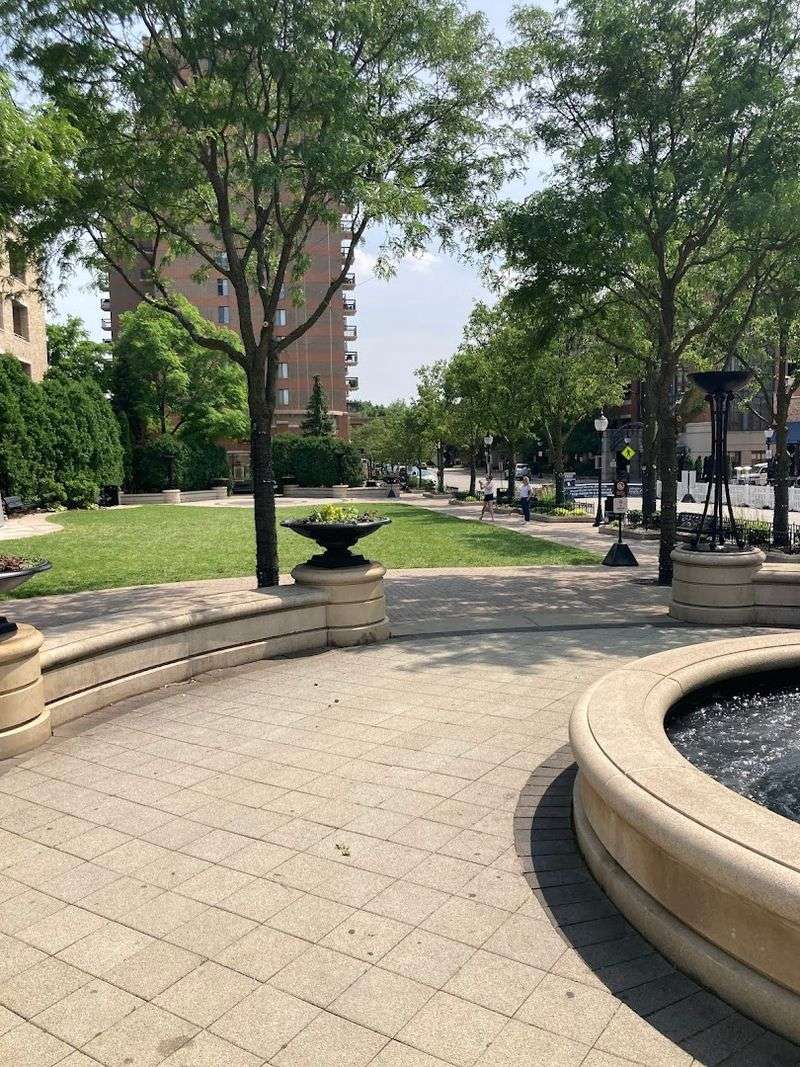
Arlington Heights carries that polished downtown energy that makes a quick stroll feel like an occasion, even on an ordinary weekday. The station area looks tidy, the storefronts feel confident, and the blocks of homes radiate a comfortable pride.
Under that shine, though, the conversation keeps coming back to rising taxes, bigger monthly outlays, and whether the margin that once felt safe still exists.
I have talked with folks who are not planning dramatic moves, just incremental ones, like swapping to smaller places or shifting a few miles for a softer bill. The choice is practical rather than dramatic, guided by spreadsheets and quiet talks on balconies.
It is a reminder that migration in Illinois sometimes looks like gentle reshuffling rather than a grand exit, even though the push behind it is unmistakable.
Stand near the station at twilight, and you see why people hold on, because that blend of convenience and calm is hard to replicate. The streets are clean, the lighting feels thoughtful, and it all signals ease, which is exactly the quality at stake.
If you are weighing it, picture your daily rituals and decide which ones you refuse to lose. Does the next step protect them while giving you a bill that lets you breathe without bracing every month?
6. Skokie
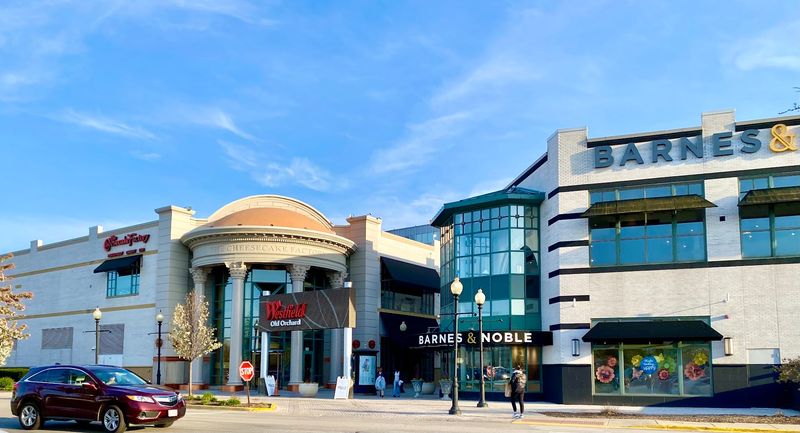
Skokie is one of those places where civic life feels tangible, from libraries to public art that pops up in everyday errands. The neighborhoods stretch out with a mix of ranches and split-levels, and the sidewalks invite long, easy walks.
Lately, though, the chatter has been about tax changes, assessments, and how much room remains after the necessities are covered.
When people tell me they are exploring options, they are not running away from Skokie so much as running toward stability. They want to keep access to green space, schools, and transit lines, but they also need relief from the friction of rising carrying costs.
In Illinois, that balance can be delicate, and folks are learning to prioritize what they cannot live without over what simply looks nice on a weekend.
Walk past the village green near closing time and the environment still feels orderly and welcoming, which is why decisions are rarely abrupt. You can love the layout, the resources, and the pace, and still admit that weekly math is wearing you down.
If that is you, start with a short list of nonnegotiables and build around them with honesty. Would a smaller footprint or a nearby town give you the same daily rhythm without the constant budgeting tightrope?
7. Norridge
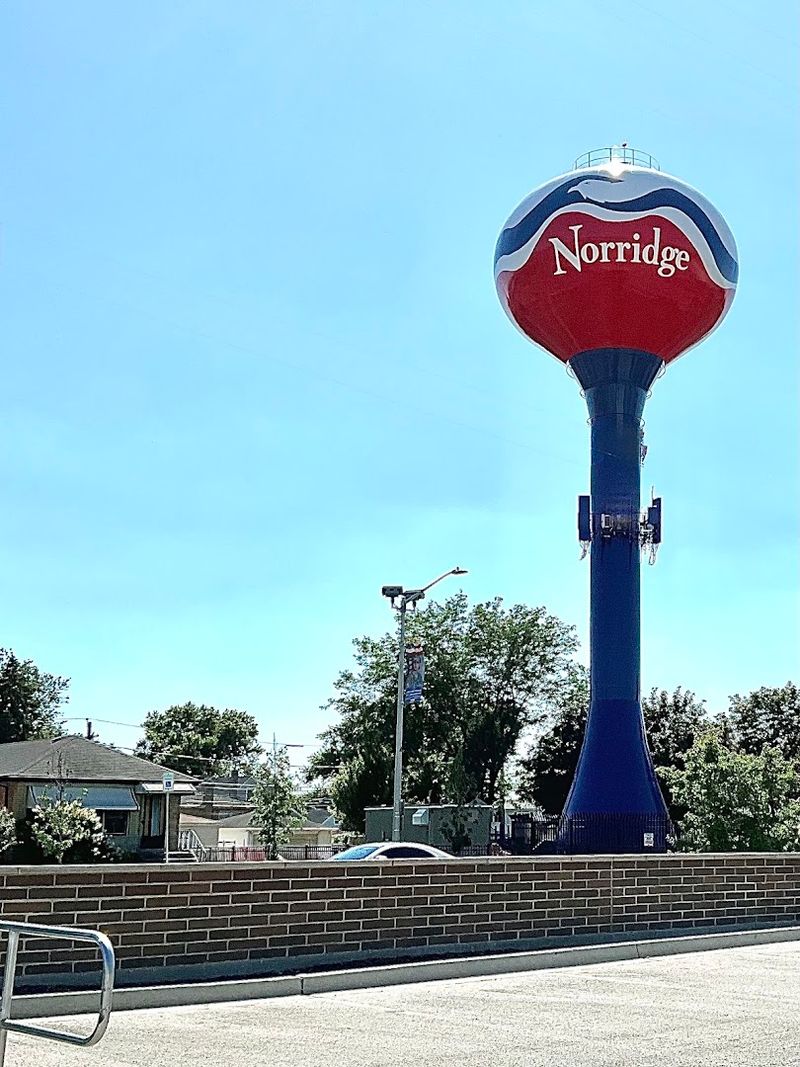
Norridge sits in that interesting spot where city energy brushes up against suburban calm, and the residential blocks carry that blend clearly. The homes look cared for, the hedges behave, and everything hums along until the bills start stretching beyond comfort.
People are not looking for flash, they just want consistency without a new surprise every time the mailbox fills up.
Lately, neighbors have been comparing assessments and recalculating what feels livable, with some deciding that a smaller house a town away might be the smarter move. Others are staying put and trimming back on projects, hoping stability returns to the ledger.
It is a very Illinois kind of decision, practical and measured, with a strong respect for routine and community ties that took years to build.
On a quiet walk past sunset, the block lights flick on and the place tells its own story, unhurried and familiar. That is the tug, because it is hard to trade known rhythms for hypothetical savings, especially when you like where you are.
If you are undecided, sketch out a version of your life that costs a little less and see how it feels. Do you still see yourself in it, or does the picture only make sense somewhere new with fewer fixed costs?
8. River Forest
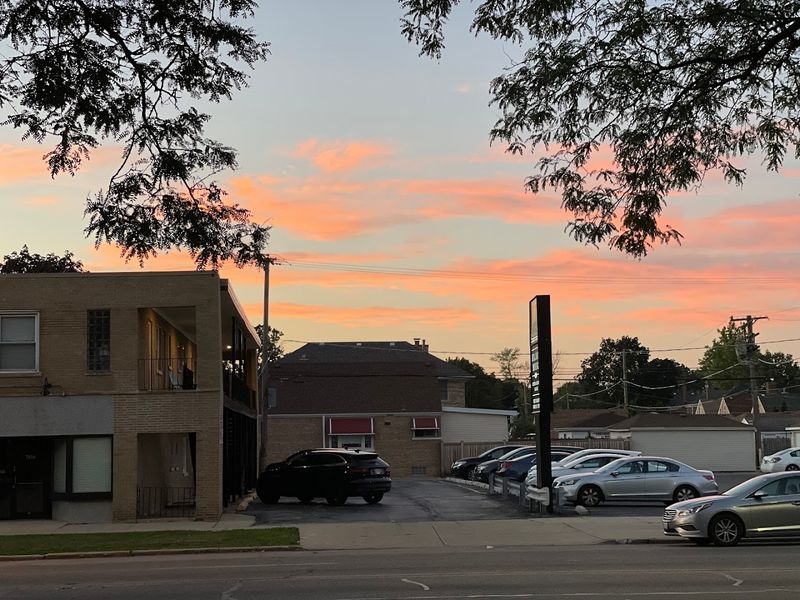
River Forest has that hushed, elegant calm that makes you lower your voice without thinking, and it is easy to fall for it. The architecture is confident, the trees soar, and the whole place carries a sense of permanence you want to be part of.
Even here, though, the strain shows up in quiet math, where property taxes and maintenance costs keep redrawing personal boundaries.
People are not making hasty moves, because ties run deep and change here tends to be deliberate. Still, I hear about strategic downsizing or side moves that hold on to the community feel while trimming the ledger.
Across Illinois, this is a familiar pattern, and River Forest is not immune to the push and pull between beauty and sustainability.
Spend a late afternoon under those canopies and you understand the resistance to leaving, because the place is generous with calm. Yet long-term plans need more than calm, they need margins, and that is where honest conversations begin.
If you are balancing affection and budget, set your ceiling first and let everything else line up behind it. Does the picture of home still live on these shaded streets, or is it quietly forming somewhere with less financial gravity?
9. La Grange
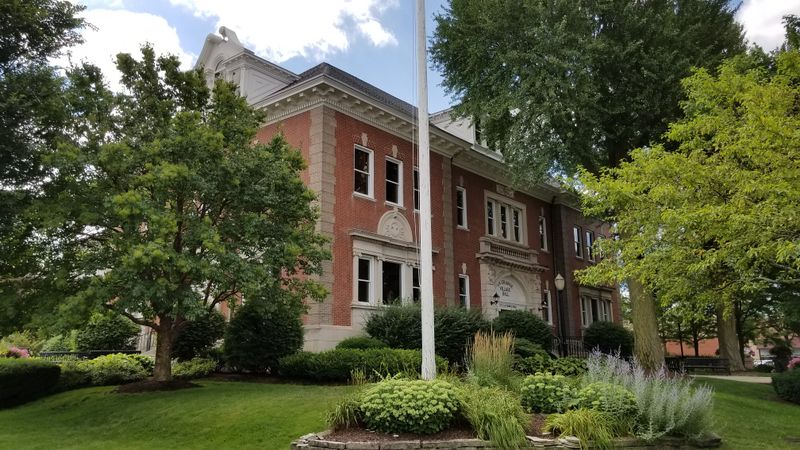
La Grange is the kind of place where a simple walk feels like a small event, because the downtown warmth spills into the nearby blocks. The station area anchors everything, and the older homes carry a sense of story that makes you linger.
Even so, the steady drumbeat of higher taxes and rising housing costs has many people counting more carefully than they used to.
Friends here talk about refining the plan rather than blowing it up, maybe shifting a few streets over or a neighboring town away. The goal is to keep the routine intact while shaving the monthly weight that keeps settling on the budget.
It is pragmatic, it is gentle, and it is happening in many Illinois suburbs where community is strong but margins are tight.
When you look at those porches in the late light, it is easy to imagine staying forever, because the mood rewards routine and patience. Yet patience needs structure, and structure needs a budget that is not a moving target, which is where hard choices land.
If you are mapping options, sketch the day you want, from commute to evening walk, then run the numbers with that picture in mind. Does La Grange still fit that picture without constant tradeoffs, or does a nearby town promise the same rhythm with fewer surprises?
10. Wilmette
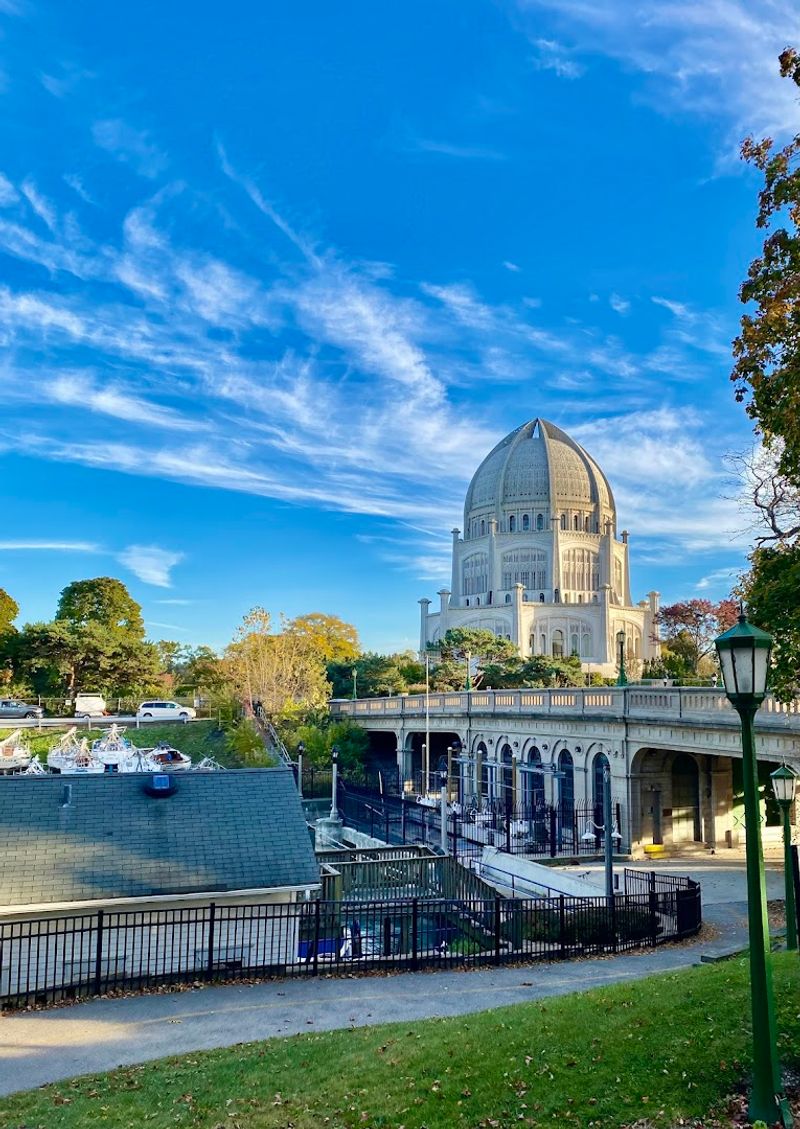
Wilmette has a serene confidence to it, a feeling that life is ordered and the details have already been thoughtfully handled. The streets are handsome, the institutions feel solid, and the pace encourages longer breaths.
Underneath the calm, though, the ledger has grown heavier, and people are deciding whether to stretch a little longer or simplify and protect their margins.
The conversations I hear are measured, not rushed, and they usually start with values rather than listings. Folks want strong schools, walkability, and consistency, and then they try to reconcile that wish list with taxes that keep nudging upward.
Across Illinois, similar tradeoffs are reshaping where people land, and Wilmette sits squarely inside that quiet negotiation.
Evening light through those trees can erase doubt for a moment, because beauty is persuasive, and routine is comforting. But decisions have a way of returning, and it helps to name what you refuse to give up, then build from there.
If your must-haves fit inside a smaller footprint or a nearby community, the move will likely feel less like leaving and more like right-sizing. Do you picture yourself walking the same blocks with a lighter monthly load, or does a new map invite a steadier kind of peace?
11. Northbrook
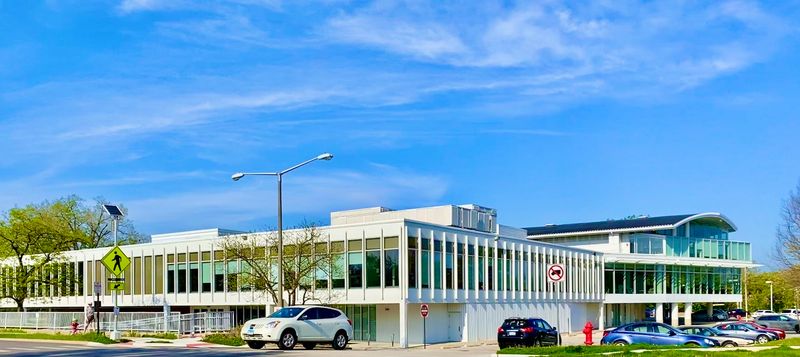
Northbrook does quiet comfort really well, with curving streets and parks that make everyday life feel intentionally arranged. The homes vary in style but share that tidy confidence you notice from the sidewalk.
Lately, the question hanging in the air is not whether the place is wonderful, but whether the carrying costs match the season of life you are in now.
People tell me they want to keep daily routines the same, from morning walks to predictable commutes, but they also want predictability in the bills. That is where spreadsheets come out and hearts tug in the opposite direction, because it is hard to leave a place that functions smoothly.
In Illinois, many families are choosing subtle shifts over grand exits, aiming for a similar structure with less monthly strain.
Stand near a park at dusk and you will see why this is tough, because the atmosphere still sells you on staying. Yet long-term comfort depends on margins as much as scenery, and the numbers need to feel steady, not slippery.
If you are at that crossroads, start by defining what comfort means in practical terms and hang decisions on that. Will a slightly smaller home or a nearby suburb secure the same rhythm while letting your budget settle into a calmer groove?
Dear Reader: This page may contain affiliate links which may earn a commission if you click through and make a purchase. Our independent journalism is not influenced by any advertiser or commercial initiative unless it is clearly marked as sponsored content. As travel products change, please be sure to reconfirm all details and stay up to date with current events to ensure a safe and successful trip.
