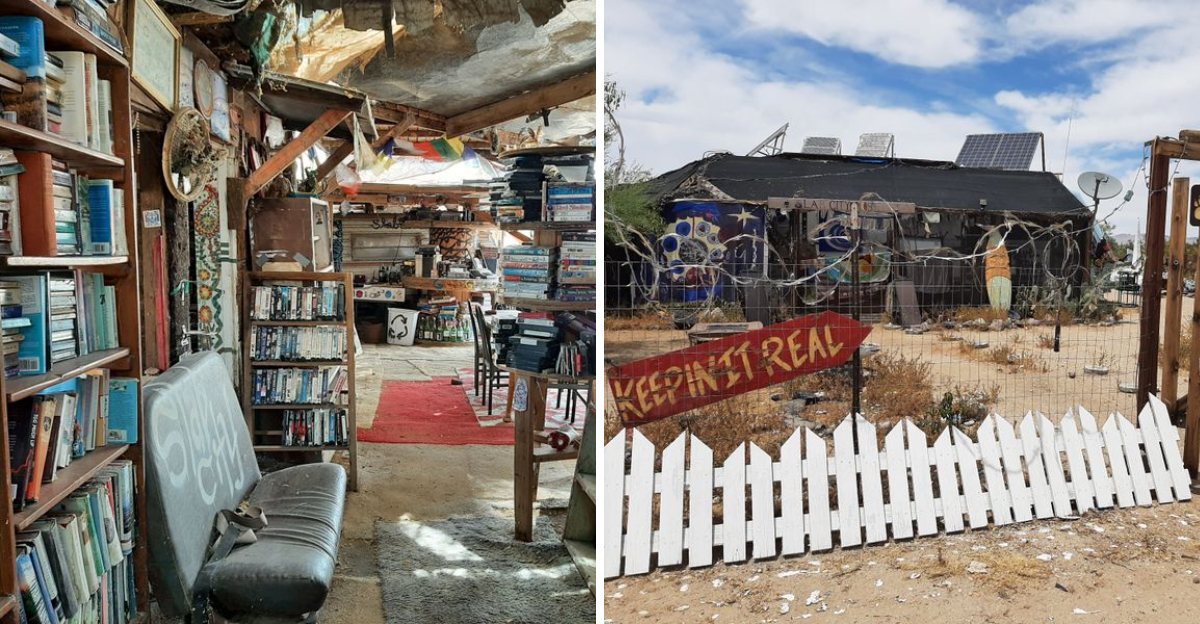
You hear whispers about a last free place where rules feel softer and horizons stretch wider, and curiosity pulls you down a sandy road in Imperial County.
The map shows a name that sounds like a dare, Slab City, and the first glimpse hints at color, grit, and surprising kindness.
Artists, nomads, and weekend explorers keep returning, chasing sky wide sunsets and stories that never feel finished.
If you are planning a California loop, this desert pocket will change your pace and your expectations.
The following guide shares what to know right now, so you arrive prepared and open to wonder.
Salvation Mountain, the technicolor welcome
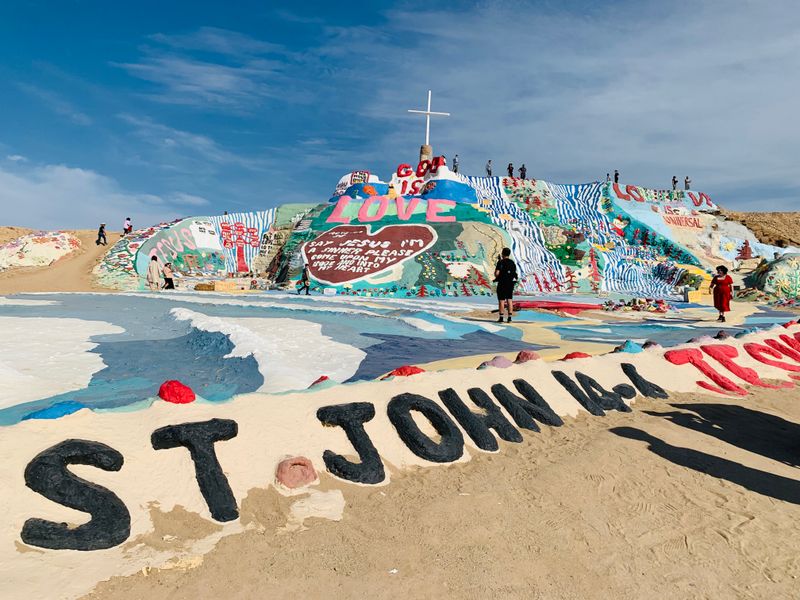
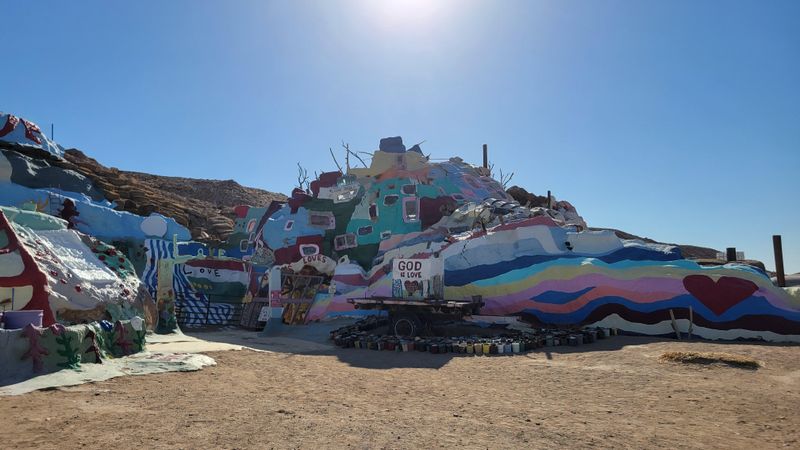
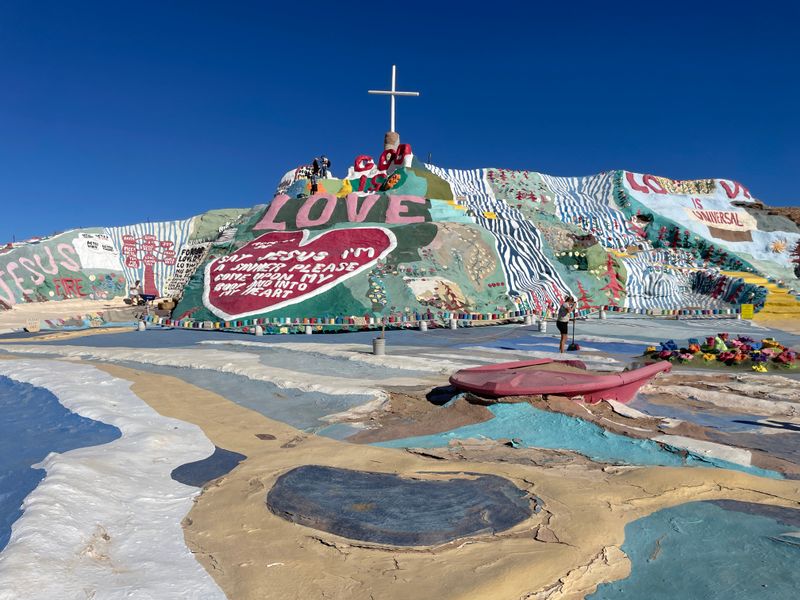
At the eastern edge of Slab City, a burst of color rises from the beige desert and announces itself as Salvation Mountain, a hand built adobe and straw hill covered in latex paint and simple messages of love and hope.
Created by Leonard Knight across decades, it is now maintained by volunteers who patch cracks, refresh paint, and guide visitors to safe paths that protect the delicate surface from damage.
Expect a living artwork that changes with sun and dust, yet keeps its joyful tone even after rare winter rains streak pigments and leave new stories in the grooves.
There is no formal ticket booth, but a donation box helps fund paint, glue, tools, and fuel for a small generator that powers occasional work days when temperatures permit.
Summer heat is serious in this corner of California, so plan early mornings, bring more water than feels reasonable, and wear closed shoes that shrug off stickers and hot sand.
Photography is welcome, and wide angle frames capture both the hill and the open sky, while close shots highlight layered hearts, flowers, and Bible verses that have become recognizable icons.
Respect the posted signs and roped areas because crusted paint over clay can hide soft pockets that crumble with a single misstep.
Volunteers often share background details, including how donated house paint is sorted by consistency and how certain shades last longer under ultraviolet light.
Nearby murals extend the palette and echo the mountain’s themes without competing, giving you quiet corners when the main slope feels crowded during peak festivals.
When you leave, the colors tend to stay in your mind, adding contrast to the subdued tans that define the surrounding Sonoran Desert of California and its wide, echoing valleys.
East Jesus, experimental art in the open air
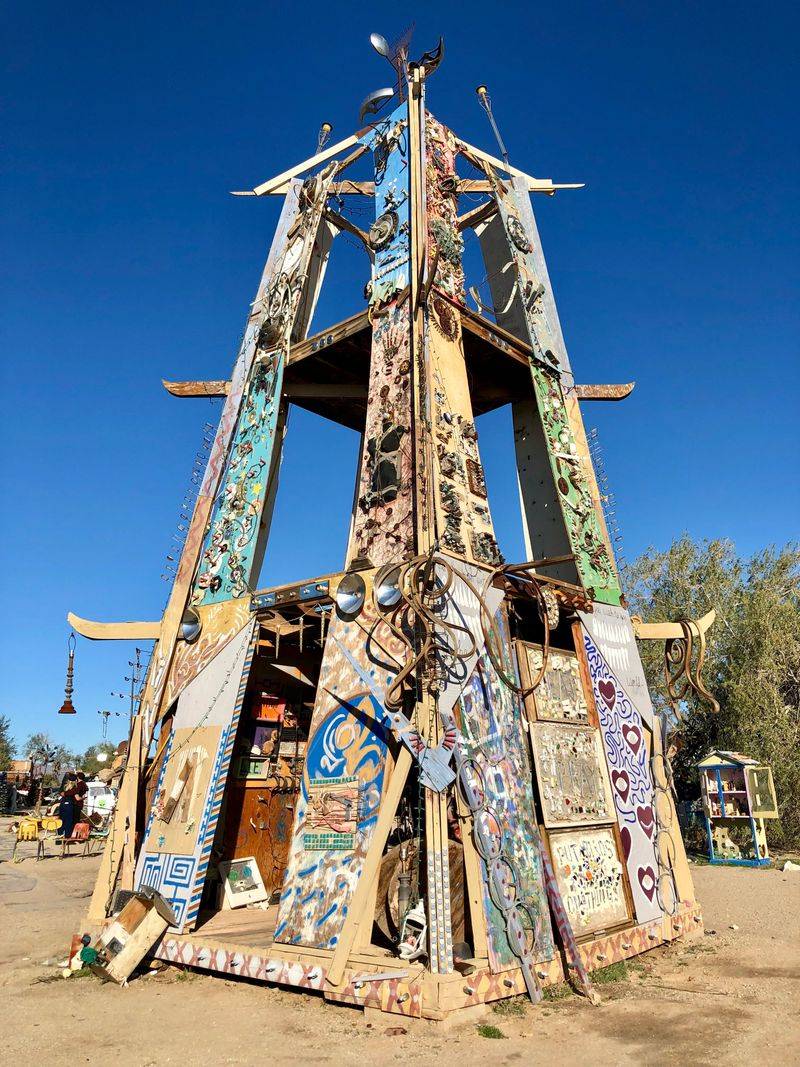
East Jesus sits a short drive from Salvation Mountain and functions like an evolving outdoor gallery where sculpture gardens spread across dusty lots that feel both curated and untamed.
Assemblage works rise from reclaimed objects, with car husks, televisions, glass bottles, and welded metal transformed into commentary on consumption, media, and memory.
The site operates as a nonprofit arts collective, and resident artists rotate projects that strike a balance between humor and critique while the desert backdrop sets a quiet stage.
Guided walkabouts may be available during cooler seasons when volunteers are present, though schedules shift with weather and the rhythms of off grid life in California.
There is an etiquette of looking without climbing, since many pieces include fragile joints, glass, or reclaimed plastics that can fracture with pressure or heat expansion.
Photography thrives here, and morning light reveals textures while evening light silhouettes tall stacks and wire frames that cast intricate lattice shadows.
When winds pick up, dust devils can sweep through the yard, so eye protection and a lens cloth keep you comfortable and your gear clean.
Visitors often ask about permanence, but the answer is practical, because sun and wind reshape materials, making maintenance both preservation and intentional change.
Donation signs explain how funds support shade structures, cleanup runs, hardware, and safety training that aligns with a sustainable footprint in a sensitive desert ecosystem.
Plan a slow pace and listen for the small tinkling of hanging glass or the click of cooling metal, since those sounds turn the sculpture field into a meditative experience that anchors your day in Slab City.
The Range, Saturday night stage and community heartbeat
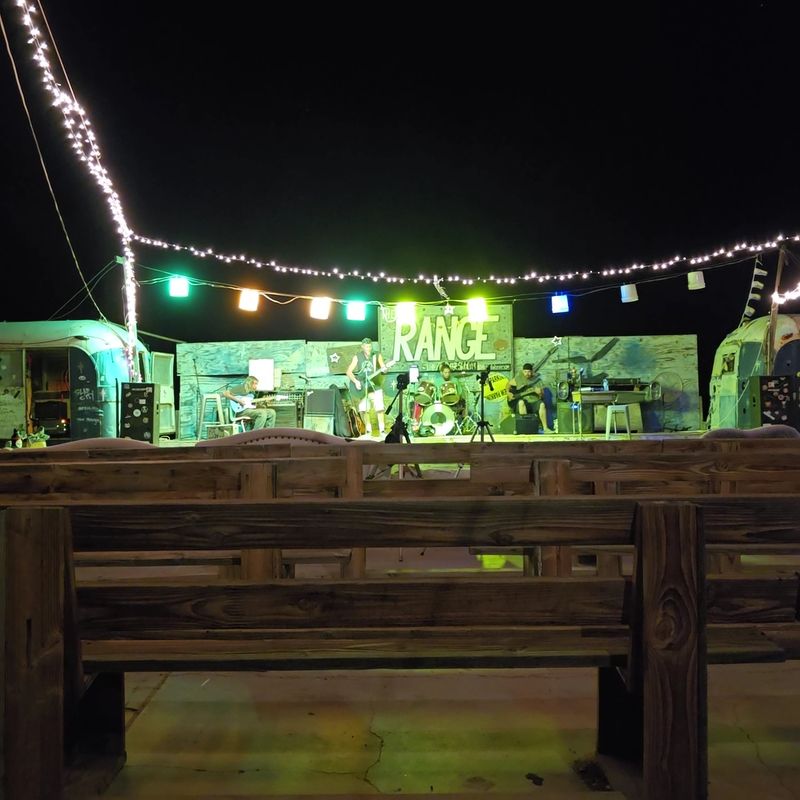
The Range is an open air stage cobbled together from pallets, benches, and salvaged timbers, and on many Saturday nights it turns into a community show with music, poetry, and occasional stand up sets.
There is no formal box office, but a host usually welcomes performers, explains the list, and keeps the vibe steady while guests find chairs or bring camp seats to settle in.
Sound equipment is modest yet effective, and string lights outline the scene as the sky deepens and the temperature drops enough to make the night feel comfortable.
Events ebb and flow with the season, since winter brings snowbirds and a larger crowd, while late spring grows quiet as people move to cooler corners of California and beyond.
Etiquette favors listening and sharing space, with applause doubling as a thank you to the volunteers who wire cables, tune mics, and sweep the sandy floor after the final act.
Performers range from locals with desert hardened ballads to passing travelers who try a fresh poem under a big open sky that turns nerves into momentum.
Bring headlamps for the walk back to your campsite, because streetlights do not exist and navigation becomes simpler with a soft cone of light on the ground.
There are no fixed bathrooms on site, so plan accordingly and follow Leave No Trace principles that keep the stage area clean for the next gathering.
Ask before filming or posting clips, since some community members value privacy and prefer the experience to remain in the moment rather than the feed.
If you time your visit right, The Range can become the warm heart of your weekend, offering a friendly welcome that ties together the creative spirit of Slab City.
Camping realities, heat, wind, and star fields
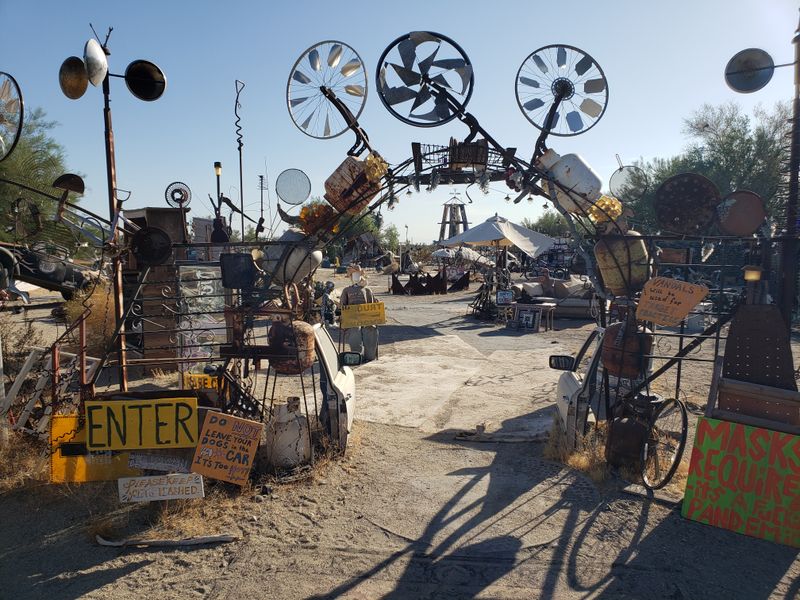
Camping in Slab City is informal and first come, so you choose a spot on packed sand or crusted hardpan and orient your vehicle to block the prevailing afternoon wind.
There are no hookups, no potable water taps, and no trash service, which makes self reliance an absolute rather than a suggestion in this remote part of California.
Carry a robust water plan that covers drinking, cooking, dish washing, and hygiene, and keep a reserve supply sealed in the shade for emergencies.
Heat management is a full time job in summer, so reflective tarps, battery fans, and smart shade angles make midday bearable while conserving energy.
Night brings relief, and it often brings stars in numbers that surprise first timers who only know urban skies and their narrow band of visible constellations.
Wind can roar across the flats, so stake tents with long sand anchors, tie down awnings, and secure loose gear that could go tumbling into a neighbor’s camp.
Generators are used by some travelers, yet etiquette calls for quiet hours and thoughtful placement to cut noise for nearby sleepers.
Desert wildlife keeps a respectful distance if you keep food sealed, since crumbs invite ants, and open coolers can attract opportunistic rodents.
Pack out every bit of trash and gray water, and leave your site cleaner than you found it so the community stays viable for future visits.
With a smart plan, camping here becomes a calm routine that rewards you with painted sunsets, long quiet mornings, and a sky that makes you look up again and again.
Getting there, roads, fuel, and navigation
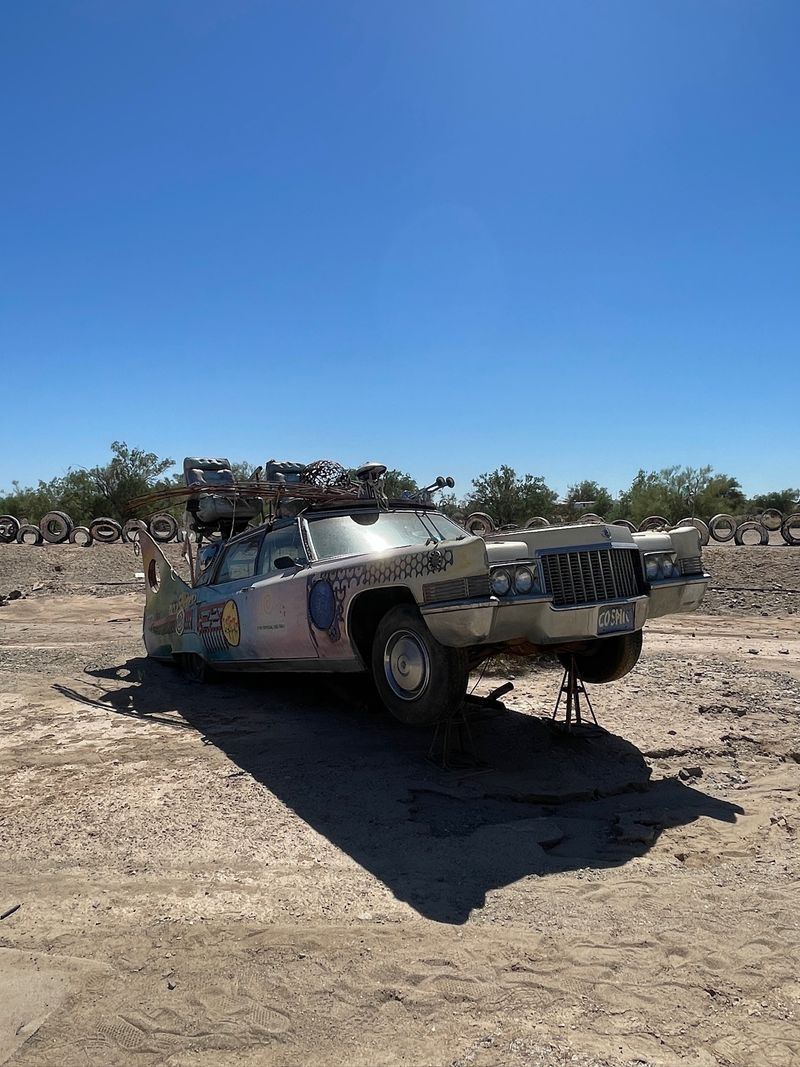
The approach to Slab City runs from Niland along Beal Road, and the pavement gives way to rougher sections where careful driving keeps tires safe and suspensions quiet.
Cell service varies by carrier and by hill, so pre download maps, set waypoints, and print a backup if navigation apps stall during dead zones.
Fuel up in nearby towns before heading out, and check your spare tire, jack, and plug kit because punctures from screws or cactus spines are not rare.
Weather shifts fast in the desert, with winter storms bringing brief downpours that create slick mud, then drying into rutted surfaces that reward slower speeds.
Sun glare can be harsh on the flats, so polarized sunglasses reduce eye strain and help you spot shallow dips that might jar your wheels.
Arrival is usually straightforward, and landmarks like Salvation Mountain and clusters of campers confirm you are close to the heart of activity.
Plan your exit window before dark if you are new to the area, since unlit segments can hide washboard ridges that feel rough at higher speeds.
Emergency services are a drive away, so text your itinerary to a friend and keep a small first aid kit with bandages, tweezers, and electrolyte packets.
Local etiquette favors slow driving near camps, since dust hangs in the air and low visibility bothers neighbors and gear spread out on tarps.
A little preparation turns the trip into an easy desert cruise that drops you into a distinct culture set within the wide landscape of California.
Seasons, weather, and the rhythm of the year
Winter brings the most visitors to Slab City, with cooler days, crisp nights, and community events that cluster around weekends when travelers are most likely to gather.
Spring slides in with soft mornings, wildflower threads around the Salton Trough, and a slow temperature climb that nudges midday breaks under shade.
Summer crowns the calendar with intense heat that reshapes daily routines, pushing quiet hours into noon and activity into early and late daylight.
Fall often feels like a second spring, bringing breezes and clear sunsets that make outdoor art walks and camp conversations comfortable again in California.
Wind and dust are common players year round, so goggles help during gusty afternoons and buffs keep grit from teeth when the air turns opaque.
Rain is rare yet dramatic, and when it falls it can cut shallow channels through access roads, demanding patience until the ground firms up again.
Wildlife patterns shift with seasons, and you might spot lizards sunning in May or hear owls at dusk during winter when the nights stretch long.
Events such as open mics or pop up markets track the migratory crowd, expanding during peak months and shrinking when the mercury surges.
Solar setups need seasonal tweaks, with panel angles adjusted for lower sun in winter and increased airflow for cooling in hot months.
Plan your visit around your comfort zone, and match your packing list to the forecast so the desert’s rhythm supports rather than surprises your adventure.
Community norms, respect, and safety
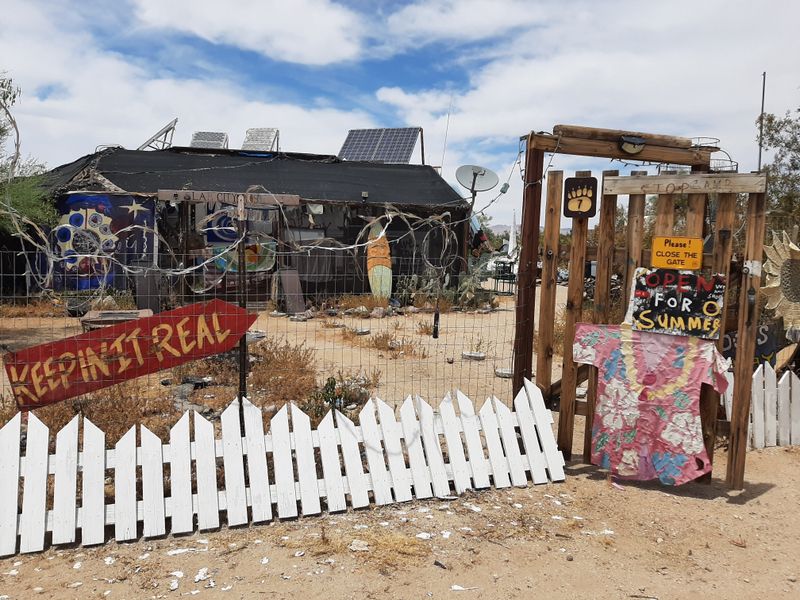
Slab City is not a theme park, and the community asks visitors to respect privacy, move slowly, and ask before photographing people or personal spaces.
There is no central authority, so norms grow from neighborly practice, and a friendly hello usually opens conversations that lead to smoother visits.
Keep camps compact and tidy, and avoid blocking paths with vehicles or gear because informal roads double as lifelines for residents and travelers.
No services means no dumpsters, so packing out every scrap protects the environment and saves volunteers from heavy cleanup loads under hot California sun.
Dogs should be leashed near gatherings, since many residents keep pets and appreciate calm introductions rather than surprise encounters around corners.
Night navigation works best with red light modes that preserve stargazing while reducing glare that can feel intrusive near sleeping areas.
If a situation feels off, trust your instincts and step away, then rejoin public spaces like art sites or the main stage where people naturally gather.
Fire risk runs high in dry months, and propane stoves with careful wind screens beat open flames that can spark embers across brittle brush.
First aid knowledge goes far, and basic supplies prevent minor issues from cutting a trip short, especially when help sits miles down the highway.
Kindness is the currency that travels fastest here, turning a roadside wave into a tip about shade, water, or a small project that needs one extra hand.
Supplies and nearby services you will actually use
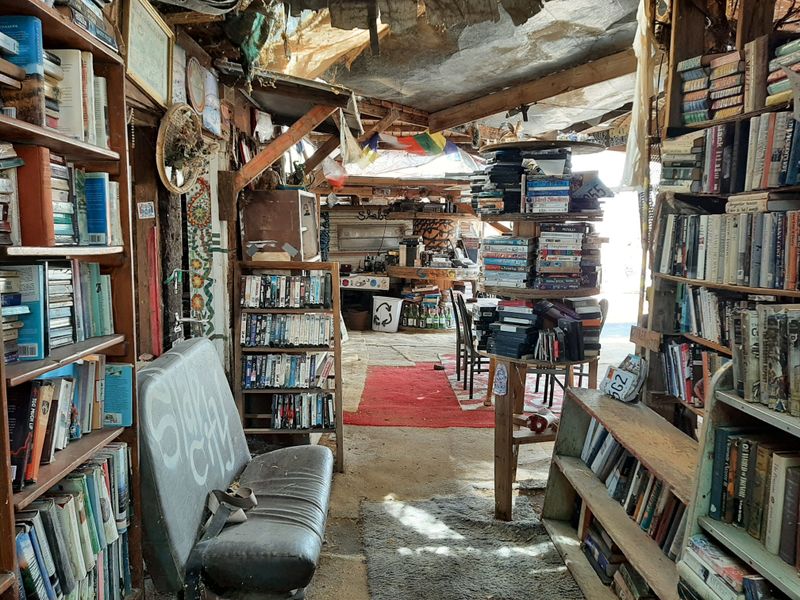
Arriving with the right supplies makes Slab City less of a gamble and more of a relaxing base for exploring art, community gatherings, and the surrounding desert.
Water dominates the list, and five to seven gallons per person per day covers drinking, cooking, and cleaning during warm spells that stack sweat into afternoons.
Food planning favors shelf stable options, plus a cooler with solid ice management, because grocery runs are easier when you control your timeline.
Solar panels, battery banks, and inverters keep lights, phones, and cameras humming while cutting generator hours and keeping soundscapes calm.
Tool kits with pliers, tape, zip ties, and a tire plug set solve small issues before they become trip enders on rough access roads in California.
First aid supplies should match your group, with blister care, tweezers, electrolytes, and a thermometer that handles both heat and cool night dips.
Navigation backups like paper maps and a compass add confidence when cellular service falters and turn a wrong turn into a short scenic detour.
Trash bags, gray water containers, and a cleanup routine preserve the desert and uphold the unwritten agreement that keeps this place available to everyone.
Shade tools such as tarps, poles, and reflective clips build comfortable camps that recover quickly after wind and that fold small when you hit the road.
With a thoughtful kit and a flexible plan, you will spend more time meeting people, seeing art, and relaxing under big skies that make California feel endless.
Photography and filming, what is welcome
Photographers love Slab City for saturated murals, stark light, and weathered textures that place subjects against open horizons for a cinematic look.
Golden hour shapes the mood, with low angle sun painting edges and reducing harsh contrast that can crush shadow detail at midday.
Tripods help long exposures at twilight, but move quietly and keep gear tidy so cables and bags do not block footpaths or drift into camps.
Ask before pointing a lens at residents or private setups, since consent matters and builds trust that keeps creative work and daily life in balance in California.
Drones should be flown only with clear permission and with careful attention to noise, since buzzing above camps can feel intrusive during quiet hours.
Protect equipment from dust with zip bags, lens hoods, and microfiber cloths, and clean seals at day’s end when wind has been busy.
Polarizers increase saturation and cut glare on painted surfaces, revealing brush strokes and layered textures that disappear in flat lighting.
Set expectations with models or friends about timelines, because desert heat will shorten your window and demand shade breaks every few minutes.
Share finished work with hosts or volunteers when possible, since that exchange often leads to tips about interesting angles and lesser known installations.
When you shoot with care, the result feels generous and accurate, honoring the people and the place while showing why this corner of California continues to inspire.
Legends, rumors, and the real story

Stories swirl around Slab City, and some arrive with travelers who heard a tale from a friend who met an artist who swears the desert spoke during a dust storm.
Rumors claim secret tunnels under the slabs or a resident coyote that trades found trinkets for snacks, but these are labeled as legends rather than verified facts.
The real history points to the remains of Camp Dunlap, a former Marine training base, whose poured concrete slabs gave the area its enduring name.
Artists and seasonal residents turned that leftover infrastructure into a patchwork of spaces for living, building, and creative expression across many years in California.
Media coverage often focuses on extremes, yet visits reveal a quieter rhythm where small acts of maintenance and conversation shape daily life.
Security comes from community awareness more than formal patrols, and respect tends to travel fast when visitors listen first and move with care.
Conversations around camp tables highlight practical wisdom about water, sun angles, and the best wind breaks more than dramatic myth making.
Local pride centers on self direction and a belief that free spaces can nurture art and mutual aid without a gate or a sign that sets hours.
Tourists contribute when they donate supplies, share skills, and leave nothing behind but thanks, photos, and a promise to return in season.
Legends will keep swirling, but the real story is a living one that grows from people who shape a place together under the bright California sun.
Dear Reader: This page may contain affiliate links which may earn a commission if you click through and make a purchase. Our independent journalism is not influenced by any advertiser or commercial initiative unless it is clearly marked as sponsored content. As travel products change, please be sure to reconfirm all details and stay up to date with current events to ensure a safe and successful trip.
