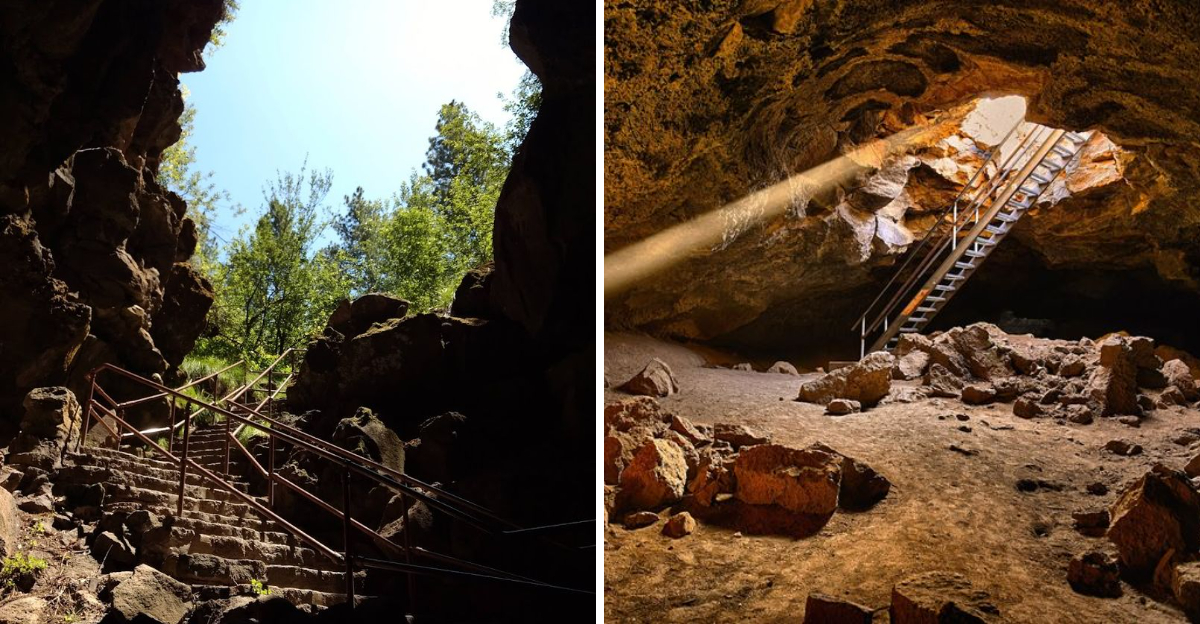
When I first slipped into a hidden cavern deep in Oregon’s forest, the air was cool, the walls glowed with ancient mineral stains, and I felt like an explorer discovering a secret. Every step echoed, reminding me that these underground passages have been shaping the landscape for millennia.
What makes these journeys so special is the mix of quiet wonder and the thrill of the unknown. I’ve visited a handful, each with its own personality, from narrow twists to massive chambers that feel like natural cathedrals.
If you love hiking, photography, or just a quiet escape, these caves offer a perfect blend of adventure and peace. I always come out feeling refreshed, as if the earth itself has shared a secret with me.
So grab a sturdy pair of shoes, bring a flashlight, and let Oregon’s hidden underground world surprise you.
1. Oregon Caves National Monument, Cave Junction, Oregon
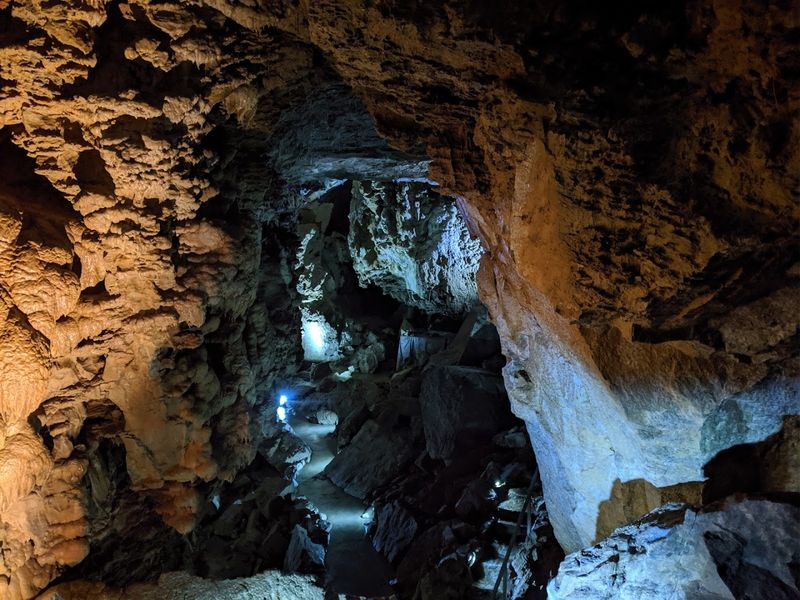
Marble caves carved by an underground river are not something you expect to find in the mountains of southern Oregon, yet here they are, waiting just outside Cave Junction.
Oregon Caves National Monument is one of the most visually striking cave systems in the entire Pacific Northwest. The cave was formed when acidic groundwater slowly dissolved marble rock over millions of years, creating a labyrinth of twisting passages and dramatic formations.
Guided tours run regularly and cover about half a mile of underground terrain. You will see flowstone formations, cave popcorn, and the famous Ghost Room, a large cavern that genuinely earns its atmospheric name.
The cave stays at a constant 44 degrees Fahrenheit year-round, so packing a jacket is non-negotiable. Children under six are not permitted on the standard tour, but a family-friendly discovery tour is available for younger visitors.
The surrounding Siskiyou Mountains also offer hiking trails and a historic lodge built directly into the hillside above the cave entrance. Visiting in spring means you might catch wildflowers blooming along the trail as you head back into the daylight.
2. Lava River Cave, Bend, Oregon
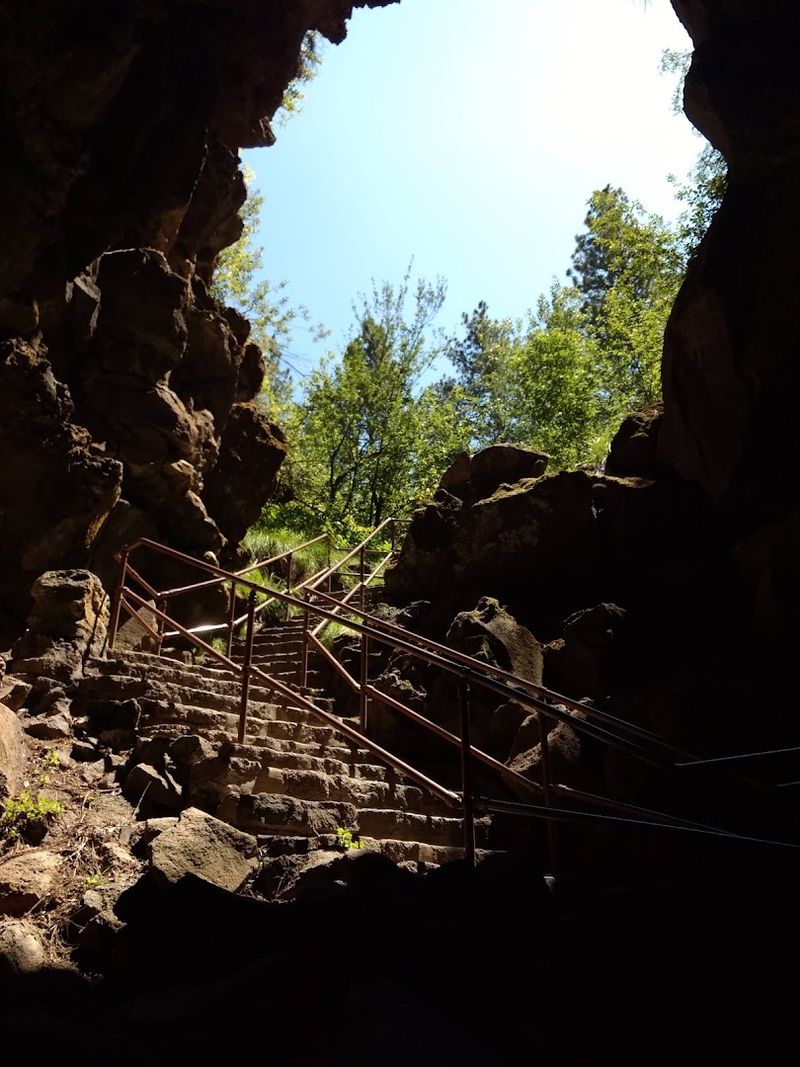
At nearly a mile long, Lava River Cave outside Bend is the longest known lava tube in Oregon, and walking its entire length feels like traveling through the belly of a prehistoric volcano.
The cave was formed around 80,000 years ago when lava flowed through the area and the outer crust cooled while molten rock continued moving beneath, eventually draining out and leaving this massive hollow tube behind.
The Deschutes National Forest manages the site, and visitors can rent lanterns at the entrance for a few dollars. There are no electric lights inside, which makes the experience feel raw and genuinely adventurous rather than polished or theme-park-like.
The temperature inside hovers around 42 degrees Fahrenheit regardless of how hot it gets outside in the high desert. Sturdy shoes with ankle support are strongly recommended because the basalt floor is uneven and can be slippery near the entrance where moisture collects.
The cave is open seasonally, typically from mid-May through mid-October. Arriving early on weekends helps you avoid the crowds and gives you a better chance of experiencing the cave in peaceful near-silence.
3. Sawyer’s Cave, Fort Rock, Oregon
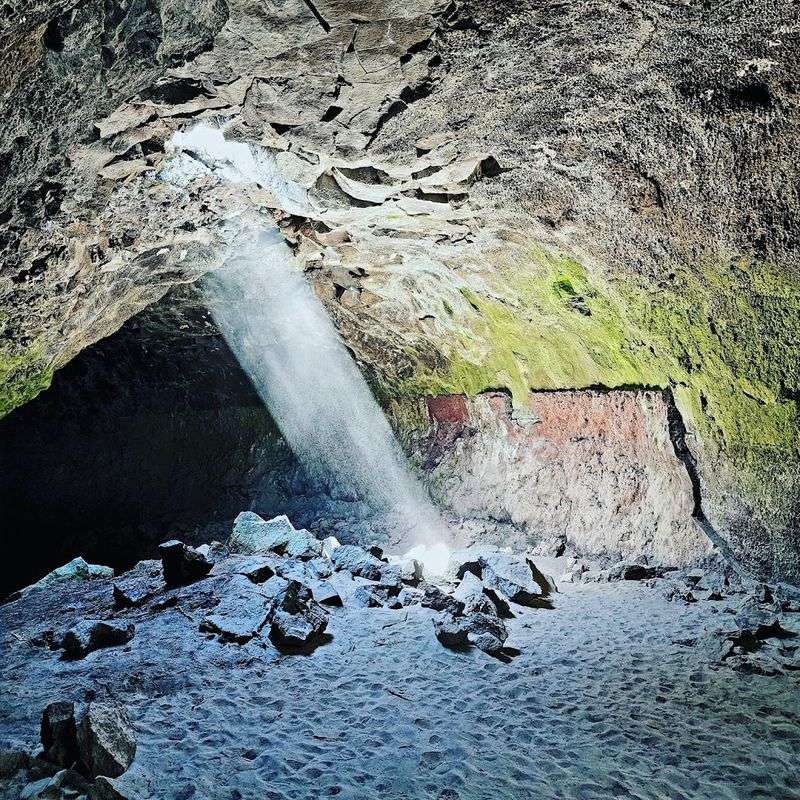
Not every great cave experience requires a guided tour, a ticket booth, or a crowd of tourists, and Sawyer’s Cave near Fort Rock is proof of that.
Located in the high desert of Lake County, this lava tube is a low-key, self-guided adventure that rewards curious visitors willing to venture a little off the beaten path. The cave stretches several hundred feet into the earth and features multiple chambers connected by narrow passages.
Bring your own flashlight, ideally a headlamp, because there are no amenities or lighting of any kind here. The floor is uneven basalt, and a few sections require ducking or careful footing, which actually adds to the sense of real exploration.
Sawyer’s Cave sits just a short drive from Fort Rock State Natural Area, a dramatic volcanic ring formation rising from the flat desert floor. Combining both stops into a single day trip makes for an unforgettable look at how volcanic forces have shaped this remote corner of Oregon.
The site is free to visit and open year-round, though summer mornings are the most comfortable time to explore before the desert heat builds up outside.
4. Skeleton Cave, Bend, Oregon
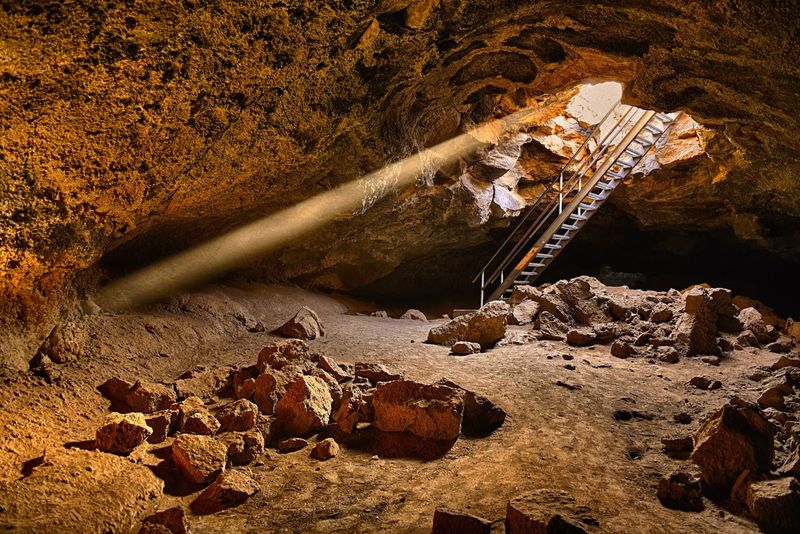
The name alone is enough to spark curiosity, but Skeleton Cave earns its reputation through sheer geological character rather than any theatrical gimmick.
Located within the Newberry National Volcanic Monument near Bend, this lava tube is one of several caves clustered in the area, each with its own distinct personality. Skeleton Cave is longer and more remote-feeling than some of its neighbors, which tends to attract visitors who want a more solitary underground experience.
The cave requires a recreation pass for entry, which can be purchased online or at the trailhead. No lighting is provided, so headlamps or sturdy handheld flashlights are essential.
The floor includes sections of breakdown rock, which is the geologist’s term for chunks of ceiling that have collapsed over time, so careful footing is important throughout.
Bat populations use parts of the cave seasonally, which is a genuinely cool ecological detail. The Deschutes National Forest sometimes restricts access to certain sections during bat maternity season to protect the colonies.
The drive out to Skeleton Cave takes you through classic high desert terrain dotted with ponderosa pines, and the landscape itself is worth the trip even before you go underground.
5. Arnold Ice Cave, Bend, Oregon
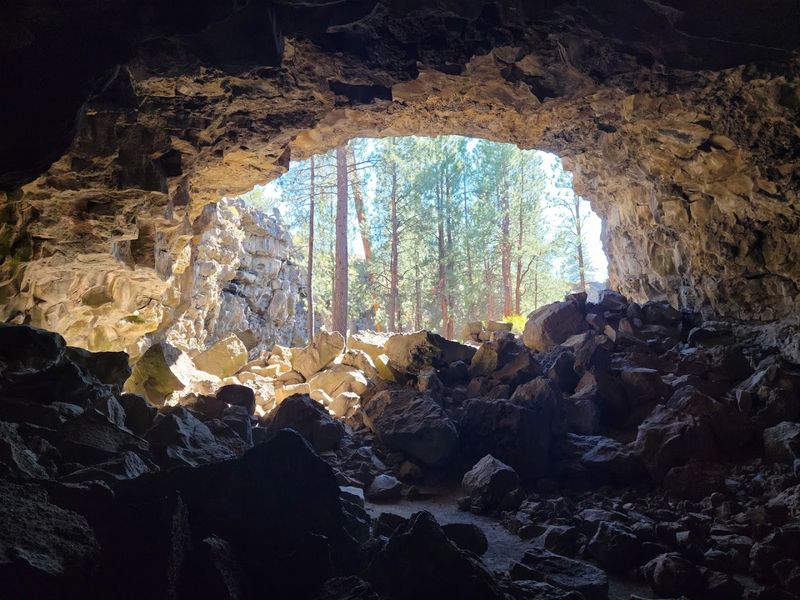
Ice inside a cave in the middle of the Oregon high desert sounds like a trick, but Arnold Ice Cave delivers exactly that, and the science behind it is genuinely fascinating.
Arnold Ice Cave sits within the Newberry National Volcanic Monument near Bend. Cold air settles into the lower sections of this lava tube during winter months and remains trapped there through the warmer seasons, creating a natural refrigeration effect that keeps ice formations alive well into summer.
The cave is accessed through a collapsed skylight, which is a section of the lava tube roof that fell in long ago, leaving a dramatic circular opening that frames the sky above you as you descend. The ice floor can be thick and slippery, so microspikes or careful movement are advisable depending on conditions.
A recreation pass is required for entry, and the Bureau of Land Management occasionally limits access when ice levels are low to protect the fragile formations. Checking conditions before your visit is always a smart move.
Visiting in late spring or early summer gives you the best chance of seeing the most impressive ice buildup, when the frozen floor practically glows in your headlamp beam.
6. Wind Cave, Joseph, Oregon
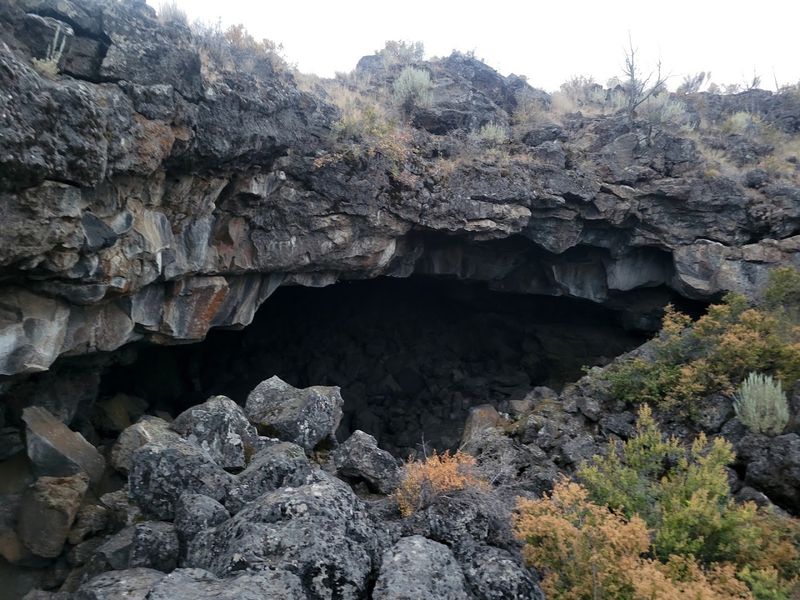
High in the Wallowa Mountains near the small town of Joseph in northeastern Oregon, Wind Cave offers something that most Oregon caves simply cannot match: a mountain wilderness setting that feels completely removed from modern life.
The cave is reached via a hiking trail through the Eagle Cap Wilderness, which means the journey to the entrance is half the adventure. The trail winds through pine forest and open meadows before arriving at the rocky hillside where the cave mouth sits.
Wind Cave is a limestone formation, which makes it geologically distinct from the volcanic lava tubes that dominate most of Oregon’s cave landscape. The cave is relatively compact but features interesting rock formations and a cool, steady airflow that gives the cave its name.
Because the access trail passes through designated wilderness, no motorized vehicles or mechanized equipment are allowed on the route. This keeps the area quiet and wild in a way that feels increasingly rare.
The Wallowa Mountains themselves are often called the Alps of Oregon for their jagged peaks and glacially carved valleys. Adding Wind Cave to a broader Wallowa wilderness trip turns a good vacation into an exceptional one.
7. Sea Lion Caves, Florence, Oregon
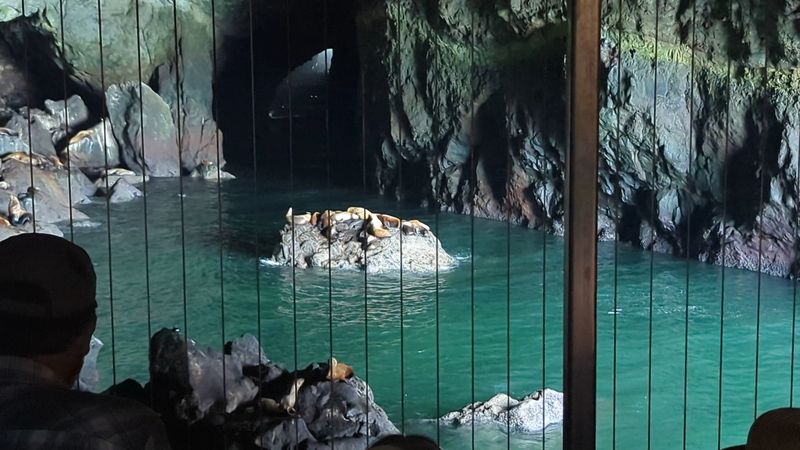
Sea Lion Caves on the central Oregon coast near Florence is unlike anything else on this list because the main attraction is not the geology, it is the neighbors.
A private elevator drops visitors down through the cliffside to a massive natural sea cave at ocean level, where a colony of wild Steller sea lions hauls out on rocky ledges throughout the year. The cave is enormous, one of the largest sea caves in North America, and the noise and smell inside are memorably intense in the best possible way.
The cave is privately owned and has been operating as a tourist attraction since the 1930s, making it one of Oregon’s oldest roadside destinations. An admission fee is charged, and the experience typically takes about 45 minutes to an hour.
Sea lion populations inside the cave vary by season. Winter months tend to bring the largest numbers of animals, while summer sees more of the colony out on the adjacent coastal rocks.
Either way, you are virtually guaranteed a close-up wildlife encounter.
The viewpoint above the cave also offers spectacular Pacific Ocean views and frequent sightings of seabirds, gray whales during migration season, and harbor seals lounging on the rocks below.
8. Malheur Cave, Princeton, Oregon
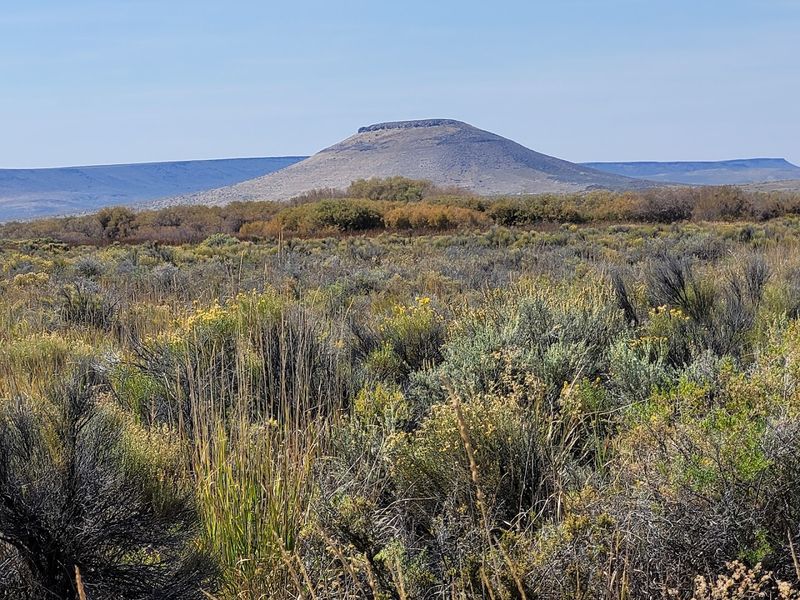
Remote, raw, and genuinely mysterious, Malheur Cave near the tiny community of Princeton in southeastern Oregon is one of the most underrated underground experiences in the entire state.
The cave is a lava tube stretching roughly a third of a mile into the earth, and its most dramatic feature is a small underground lake that sits at the far end of the passage. The lake level fluctuates with seasonal precipitation, and in wet years it can block access to the deepest section of the cave entirely.
Access to Malheur Cave is managed by the Masonic Lodge, which has held a lease on the property for decades and uses the cave for ceremonial gatherings each summer. Outside of those events, the cave is generally open to the public at no charge.
The cave sits on a working cattle ranch in the high desert, and the surrounding landscape is strikingly open and sparse. There are no services, no restrooms, and no cell service nearby, so self-sufficiency is essential.
Bringing multiple light sources is strongly recommended because the cave is completely dark inside. The silence and isolation here create an atmosphere that feels unlike any other cave in Oregon.
Visitors often report a sense of awe when they reach the underground lake, with the still water reflecting faint rock textures and their headlamps in eerie, beautiful symmetry. Footsteps echo through the narrow passage, making the space feel larger and more mysterious than its actual dimensions.
9. Pictograph Cave, Lakeview, Oregon
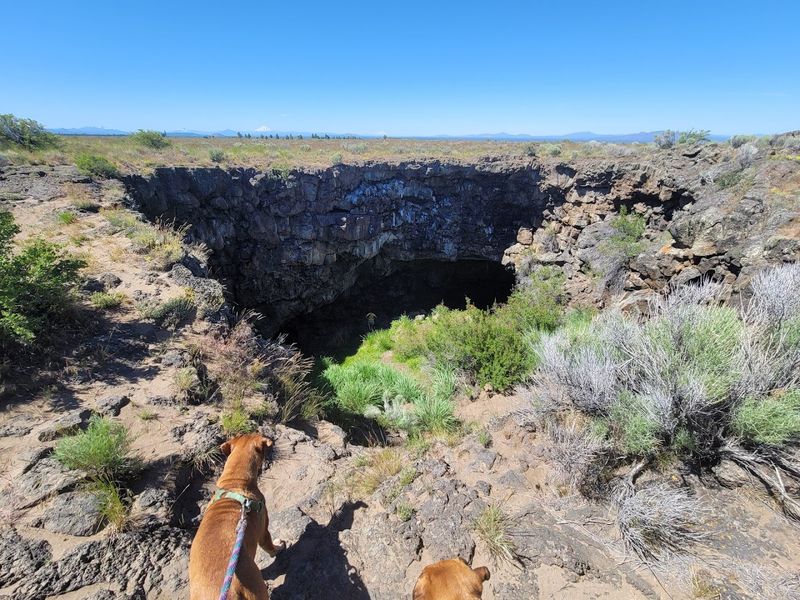
Some caves are impressive because of their size or formations, and others carry a weight of human history that makes the geology feel almost secondary. Pictograph Cave near Lakeview in Lake County falls firmly into the second category.
The cave walls here are marked with ancient Native American pictographs, painted symbols and figures that researchers believe date back thousands of years. The imagery includes geometric shapes, animal figures, and abstract designs that have sparked significant archaeological interest over the decades.
Lakeview sits in the remote high desert of southeastern Oregon, and the drive out to the cave takes you through wide open rangeland with enormous sky views in every direction. The isolation of the site adds a layer of quiet reverence to the experience.
The cave itself is a shallow rock shelter rather than a deep underground passage, which means natural light plays a key role in how you experience the artwork. Visiting in morning or late afternoon light brings out the most detail in the painted figures.
Respecting the site means keeping a careful distance from the pictographs and leaving everything exactly as you found it. These paintings survived thousands of years, and protecting them for future generations is everyone’s shared responsibility.
Interpretive signs nearby provide context about the people who once lived here and the meanings behind some of the symbols. Spending time quietly observing the cave encourages reflection on the deep history layered into this high desert landscape.
Dear Reader: This page may contain affiliate links which may earn a commission if you click through and make a purchase. Our independent journalism is not influenced by any advertiser or commercial initiative unless it is clearly marked as sponsored content. As travel products change, please be sure to reconfirm all details and stay up to date with current events to ensure a safe and successful trip.
