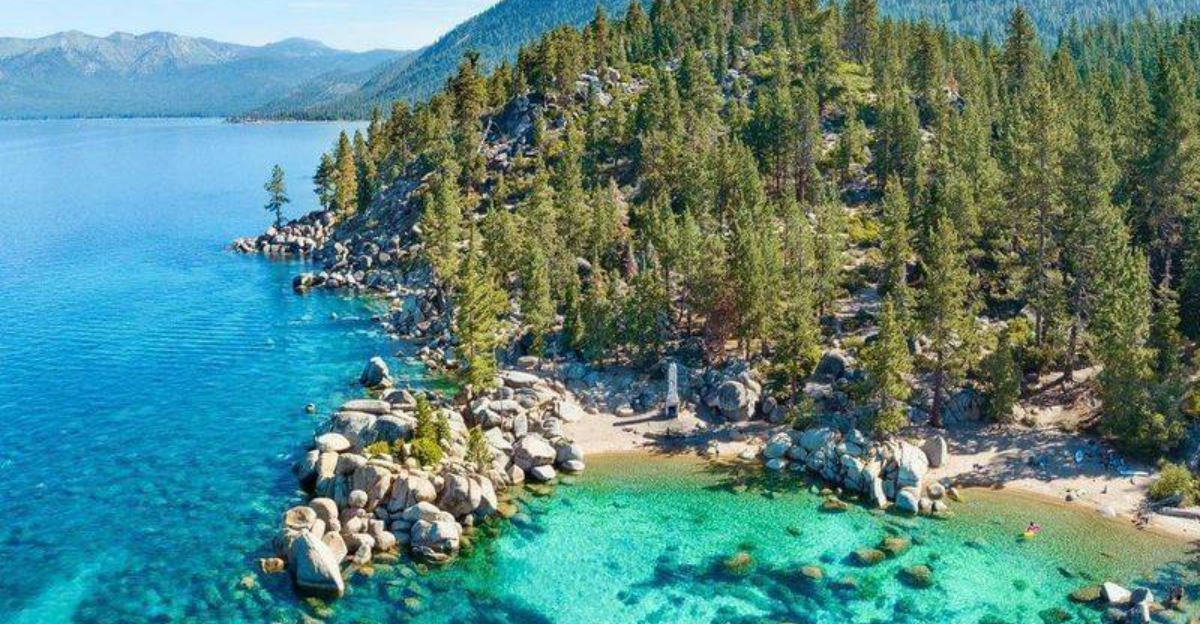
Nevada is much more than bright lights and desert landscapes.nThe Silver State offers some of the most exciting wildlife viewing opportunities in the western United States.
From bighorn sheep scaling rocky cliffs to wild horses running free across open valleys, Nevada’s diverse ecosystems support an amazing variety of animals.
Whether you’re a serious birdwatcher, a family looking for outdoor adventure, or someone who simply loves nature, Nevada has something special waiting for you.
The state’s unique geography creates habitats ranging from alpine forests to wetland oases, each hosting its own collection of fascinating creatures.
Many of these wildlife areas are easily accessible and offer trails, viewing platforms, and visitor centers to help you make the most of your experience.
Some locations even provide guided tours led by experts who can point out animals you might otherwise miss.
Grabbing your binoculars and heading out to explore these natural treasures will give you memories that last a lifetime.
You’ll discover that Nevada’s wild side is just as captivating as its famous entertainment districts, offering peaceful moments and thrilling encounters with animals in their natural homes.
1. Ruby Lake National Wildlife Refuge
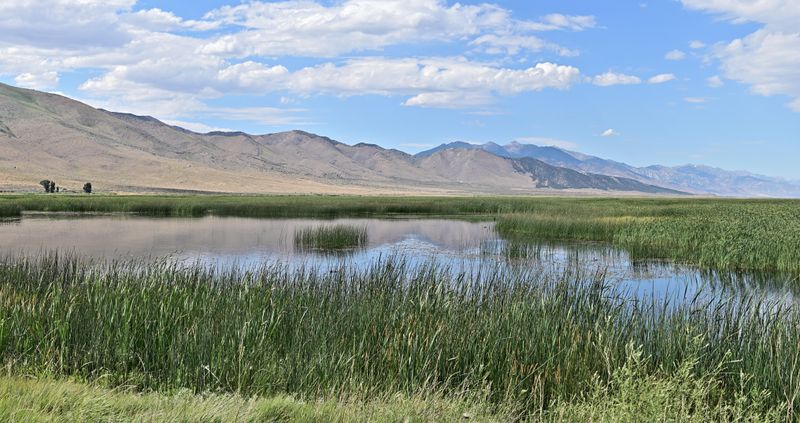
Nestled in the remote Ruby Valley of northeastern Nevada, this wetland paradise feels like a hidden secret that few travelers know about.
Ruby Lake National Wildlife Refuge covers more than 37,000 acres of marshes, ponds, and meadows surrounded by stunning mountain ranges.
The refuge serves as a critical stopover point for migratory birds traveling along the Pacific Flyway, making it one of the premier birdwatching destinations in the entire state.
Over 220 bird species have been recorded here, including trumpeter swans, sandhill cranes, white-faced ibis, and countless ducks and geese.
Spring and fall migrations bring the most dramatic displays, with thousands of birds filling the skies and waters at once.
The refuge maintains a 12-mile auto tour route that winds through the heart of the wetlands, allowing visitors to observe wildlife from the comfort of their vehicles.
Besides birds, you might spot mule deer grazing near the water’s edge or muskrats swimming through the reeds.
The surrounding uplands host pronghorn antelope and occasional coyotes hunting for their next meal.
Fishing is permitted in designated areas, and the refuge’s canoe trail offers a peaceful way to explore the marshes up close.
Summer brings nesting season, when the refuge comes alive with baby birds learning to fly and swim.
Photographers particularly love the early morning light reflecting off the still waters with mountains as a backdrop.
The visitor contact station provides maps, bird checklists, and helpful advice about current wildlife activity.
Packing insect repellent during warmer months is essential, as mosquitoes thrive in these wetland environments.
Ruby Lake proves that Nevada’s wildlife diversity extends far beyond what most people imagine.
2. Great Basin National Park
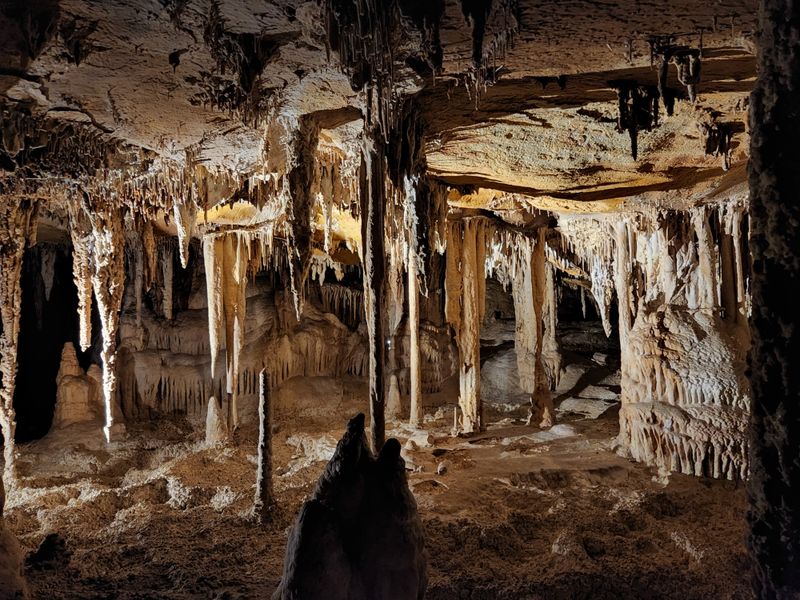
Great Basin National Park protects a remarkable slice of Nevada’s high desert and mountain ecosystems in the eastern part of the state.
Rising from sagebrush valleys to the 13,063-foot summit of Wheeler Peak, the park showcases incredible biological diversity across its elevation zones.
This dramatic change in altitude creates distinct habitats where different animals thrive at various heights.
Mule deer are commonly spotted throughout the park, especially in meadows during dawn and dusk hours.
Yellow-bellied marmots whistle warnings from rocky outcrops, while pikas scurry among the talus slopes gathering vegetation for winter.
The park’s forests host mountain bluebirds, Clark’s nutcrackers, and occasionally northern goshawks soaring overhead.
Bighorn sheep inhabit the higher elevations, though spotting these agile climbers requires patience and good binoculars.
One of the park’s most fascinating residents is the Townsend’s big-eared bat, which roosts in the famous Lehman Caves.
Guided cave tours sometimes allow visitors to observe these unique creatures clinging to cave ceilings.
Ringtail cats, though rarely seen due to their nocturnal habits, live among the rocky areas and pinyon-juniper woodlands.
The park’s streams support populations of Bonneville cutthroat trout, a native species that has survived in these isolated waters.
Wildlife viewing opportunities change dramatically with the seasons here.
Spring brings newborn fawns and active bird migration, while summer offers the best access to high-elevation species.
Autumn features elk bugling in nearby valleys, and winter transforms the landscape into a quiet wonderland where animal tracks tell stories in fresh snow.
The park’s relative isolation and limited crowds make it perfect for visitors seeking genuine wilderness experiences.
Bringing layered clothing is crucial since temperatures can vary greatly between elevations and times of day.
3. Desert National Wildlife Refuge
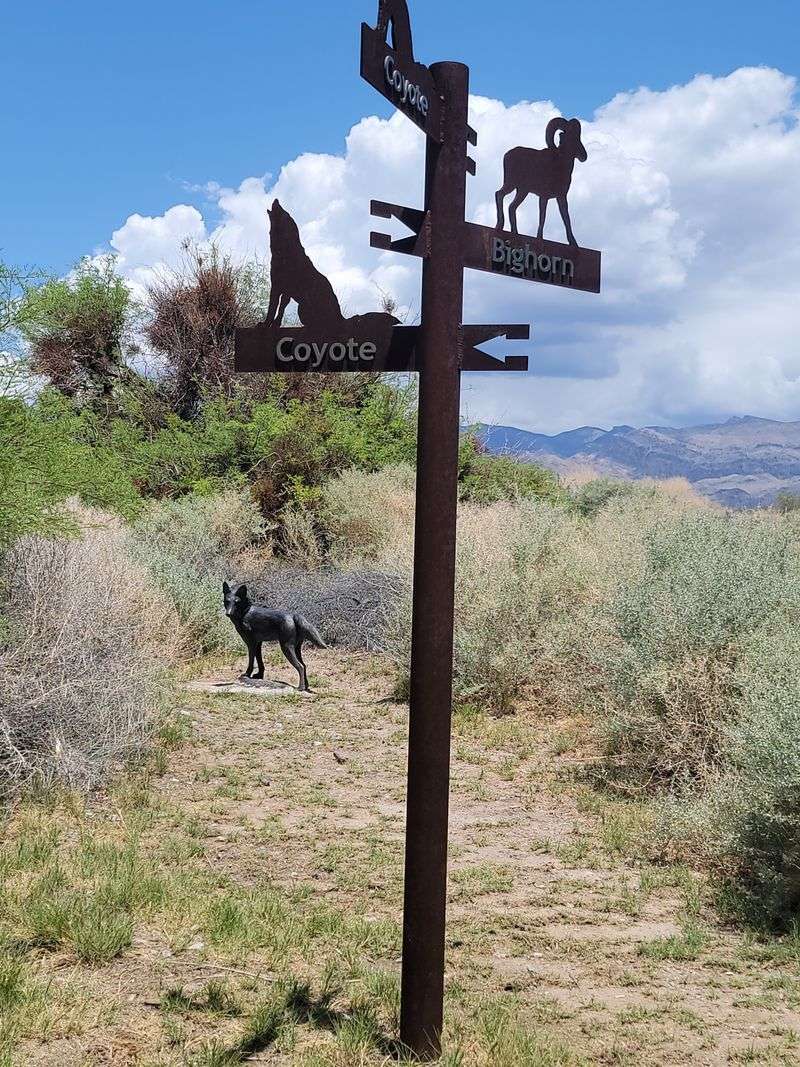
Spanning an incredible 1.6 million acres northwest of Las Vegas, Desert National Wildlife Refuge holds the title of the largest refuge in the lower 48 states.
Established primarily to protect desert bighorn sheep, this vast wilderness area showcases the beauty and resilience of Mojave Desert ecosystems.
The refuge’s six mountain ranges rise dramatically from desert valleys, creating a landscape that looks almost otherworldly under the intense Nevada sun.
Desert bighorn sheep are the stars here, with the refuge supporting one of the largest herds in the southwestern United States.
These magnificent animals have adapted perfectly to harsh desert conditions, obtaining moisture from the plants they eat and climbing seemingly impossible cliff faces with ease.
Winter months offer the best chances for sightings, as sheep descend to lower elevations where they’re more visible from roads and trails.
The Corn Creek Field Station serves as the refuge headquarters and features a visitor center, shaded picnic areas, and nature trails where you might encounter desert cottontails and roadrunners.
The refuge hosts an impressive variety of desert-adapted wildlife beyond its famous sheep.
Kit foxes hunt at night across the sandy flats, while coyotes are commonly heard howling at dusk.
Golden eagles soar on thermal currents, scanning for jackrabbits and ground squirrels below.
The spring months transform the desert with wildflower blooms that attract numerous butterfly species and hummingbirds.
Several unpaved roads provide access to different sections of the refuge, though high-clearance vehicles are recommended for most routes.
The Mormon Well Road and Alamo Road are popular for wildlife drives, especially during cooler morning hours.
Remember that summer temperatures can exceed 110 degrees Fahrenheit, making early spring and late fall the most comfortable visiting seasons.
This refuge reminds visitors that deserts are far from lifeless, instead teeming with specially adapted creatures.
4. Lake Tahoe Nevada State Park
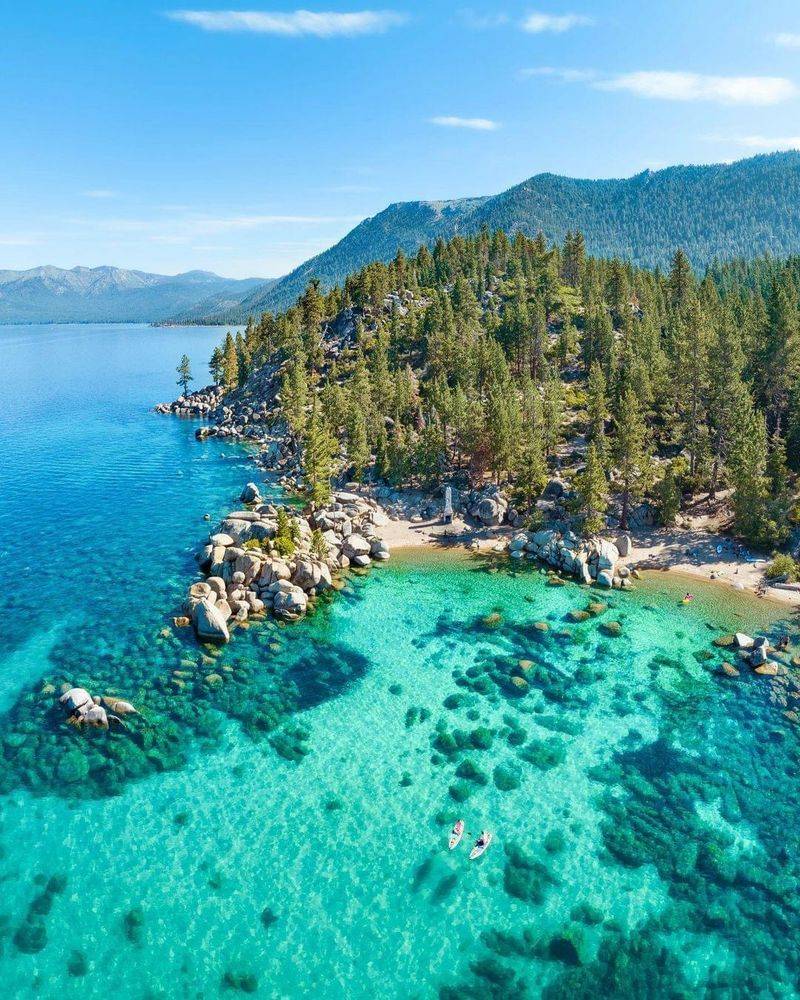
Where crystal-clear alpine waters meet pristine forest, Lake Tahoe Nevada State Park offers wildlife viewing in one of the most beautiful settings imaginable.
The park encompasses several areas along Tahoe’s eastern shore, including Sand Harbor, Spooner Lake, and the Marlette Lake backcountry.
Each section provides unique opportunities to observe animals in habitats ranging from sandy beaches to dense coniferous forests.
American black bears are perhaps the most exciting animals visitors might encounter, though they’re also the ones requiring the most caution.
These intelligent omnivores have learned that campgrounds and picnic areas sometimes offer easy meals, so proper food storage is absolutely essential.
Park rangers provide bear-proof containers and offer educational programs about coexisting safely with these powerful animals.
Seeing a bear from a safe distance remains one of the most memorable experiences Lake Tahoe offers.
The park’s forests echo with the chatter of Douglas squirrels and the tapping of woodpeckers searching for insects in tree bark.
Steller’s jays, with their striking blue plumage and bold personalities, frequently visit picnic areas hoping for dropped crumbs.
Ospreys nest near the lake during summer months, diving dramatically to catch fish from the clear waters.
Mule deer browse through meadows and along forest edges, particularly visible during early morning and evening hours when they’re most active.
Spooner Lake, a smaller body of water within the park, attracts different species including beavers, which have built impressive lodges along the shoreline.
The trail circling Spooner Lake is easy and family-friendly, perfect for young wildlife watchers.
Winter transforms the area into a snowy wonderland where animal tracks become visible, telling stories of nighttime activities.
Snowshoe hares change their coats to white, providing excellent camouflage against the snow.
The combination of stunning scenery and diverse wildlife makes this park a must-visit destination for nature enthusiasts.
5. Ash Meadows National Wildlife Refuge
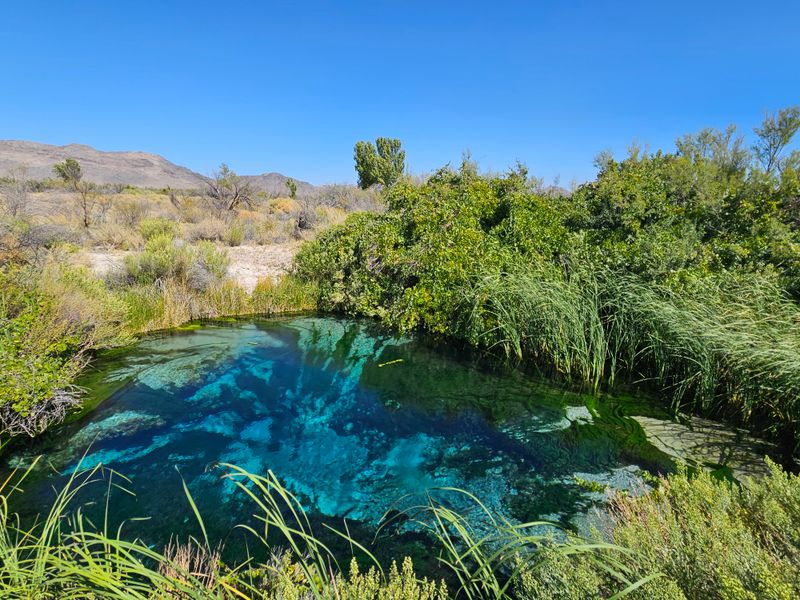
Just outside Death Valley in southern Nevada, Ash Meadows National Wildlife Refuge protects an ecological treasure that seems impossible in the surrounding desert.
Fed by an ancient aquifer, more than 30 springs create a lush oasis supporting the largest concentration of endemic species in the United States.
This 23,000-acre refuge demonstrates how water creates life even in the harshest environments.
The most famous residents are the various species of pupfish, tiny survivors that have evolved in isolated spring systems over thousands of years.
The Devils Hole pupfish, found nowhere else on Earth, lives in a single limestone cavern within the refuge.
Crystal Spring, Point of Rocks Spring, and other accessible pools allow visitors to observe these remarkable fish along with endemic springsnails and beetles.
Boardwalks built over sensitive areas let you peer into the clear waters without damaging fragile habitats.
Birds flock to this desert oasis in impressive numbers, especially during migration seasons.
Yellow warblers nest in the mesquite and ash trees, while marsh wrens call from the thick vegetation surrounding springs.
Great blue herons stalk the shallow waters hunting for prey, and red-winged blackbirds add splashes of color to the cattails.
The refuge’s location along a migration corridor means that rare species occasionally appear, delighting dedicated birdwatchers who keep careful lists.
Mammals adapted to desert life include kit foxes, bobcats, and various bat species that emerge at dusk.
The refuge maintains several trails of varying lengths, with the Crystal Springs Boardwalk being the most accessible and popular.
Interpretive signs explain the unique ecology and conservation efforts protecting these irreplaceable ecosystems.
Visiting during spring brings wildflower displays and the most comfortable temperatures for exploring.
Ash Meadows proves that even in Nevada’s driest regions, water creates spectacular opportunities for wildlife viewing.
The refuge location at 5340 Spring Meadows Road, Amargosa Valley, NV 89020, makes it an easy addition to Death Valley trips.
6. Virginia Range Wild Horse Territory
Few sights capture the spirit of the American West like wild horses galloping across open rangeland.
The Virginia Range, located between Reno and Virginia City, hosts several bands of wild mustangs that have become iconic symbols of Nevada’s untamed heritage.
These horses descend from animals brought by Spanish explorers and later ranch stock, now living freely across the high desert landscape.
Watching these magnificent creatures in their natural environment offers a window into frontier history and animal behavior.
Herd dynamics are fascinating to observe, with stallions protecting their bands and mares caring for leggy foals.
The horses have adapted remarkably well to Nevada’s challenging climate, finding water sources and grazing areas across the rugged terrain.
Geiger Grade and the roads around Virginia City provide some of the best viewing opportunities, especially during early morning and late afternoon.
Wild horse management remains a complex and sometimes controversial topic in Nevada.
The Bureau of Land Management monitors population numbers and occasionally conducts gathers to maintain ecological balance.
Local advocacy groups work to protect these animals while also addressing concerns about rangeland health and competition with other wildlife.
Understanding these management challenges helps visitors appreciate the delicate balance required to maintain wild horse populations.
Besides horses, the Virginia Range supports pronghorn antelope, mule deer, coyotes, and golden eagles.
The sagebrush ecosystem here provides critical habitat for sage grouse, a species of conservation concern.
Spring brings wildflowers that paint the hills purple and yellow, creating stunning backdrops for photography.
Responsible viewing means observing from a distance and never attempting to feed or approach the horses.
These are wild animals that can be unpredictable and potentially dangerous if they feel threatened.
The experience of seeing mustangs running free across the Nevada landscape creates powerful memories that connect us to the region’s western heritage and wild spirit.
7. Stillwater National Wildlife Refuge
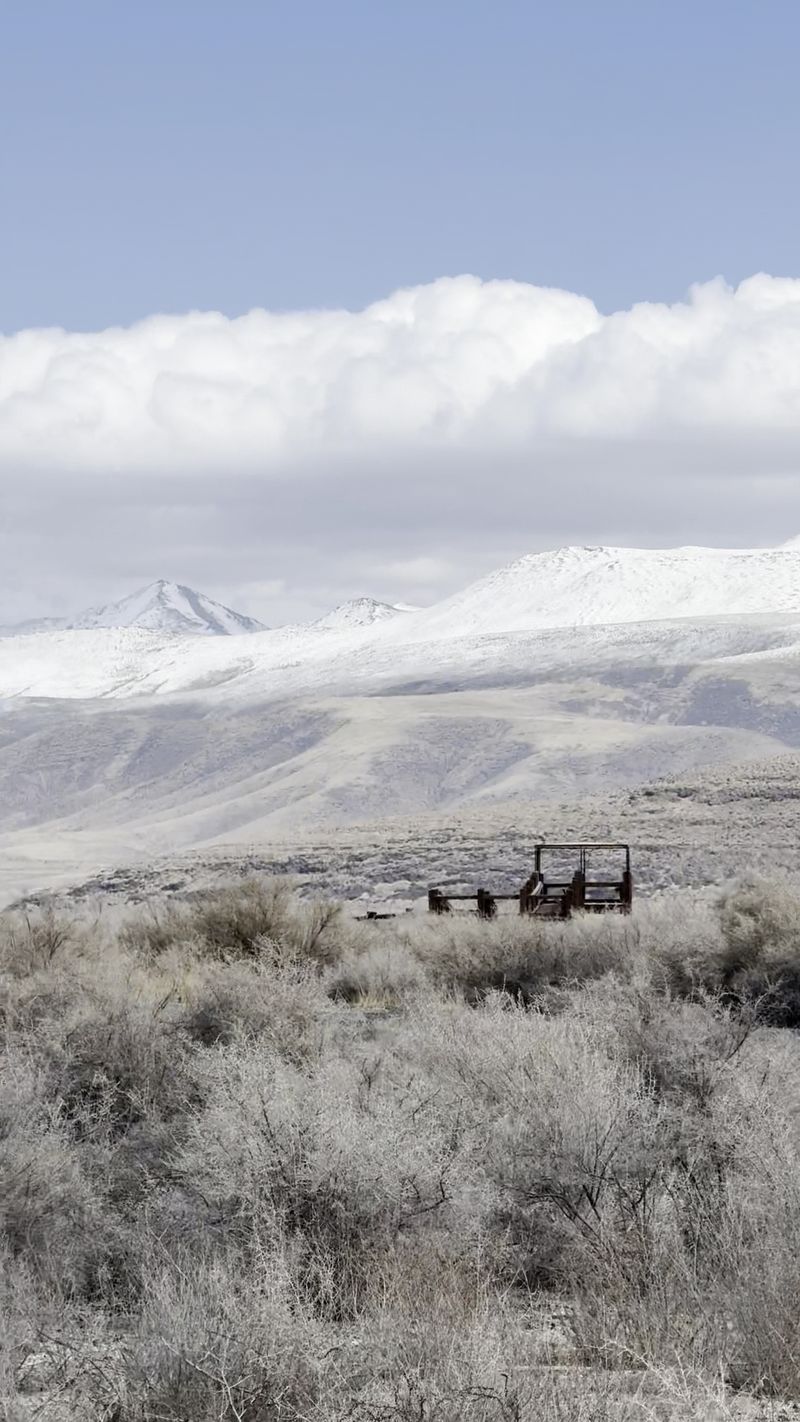
About an hour east of Reno, Stillwater National Wildlife Refuge creates an unexpected wetland paradise in the middle of Nevada’s high desert.
The refuge sits at the terminus of the Carson River, where water collects in shallow marshes and ponds that attract incredible numbers of waterfowl and shorebirds.
This area has been recognized as a site of hemispheric importance in the Western Hemisphere Shorebird Reserve Network.
American white pelicans are among the refuge’s most impressive residents, with flocks sometimes numbering in the thousands.
Watching these huge birds with nine-foot wingspans glide gracefully over the marshes or cooperatively fish in shallow waters is truly spectacular.
The refuge also hosts tundra swans during migration, along with numerous duck species including pintails, wigeons, and green-winged teal.
Shorebirds like long-billed dowitchers and American avocets probe the mudflats for invertebrates, their feeding behaviors endlessly entertaining to watch.
The wetlands exist in a naturally variable state, with water levels fluctuating dramatically based on snowpack and river flows.
Wet years create extensive marshes that support maximum wildlife numbers, while dry periods concentrate animals in remaining water sources.
This variability means each visit offers different viewing opportunities, and checking current conditions before traveling is worthwhile.
The refuge maintains a 14-mile auto tour route that provides access to prime viewing areas without disturbing sensitive habitats.
Beyond birds, the refuge supports muskrats, beavers, and even river otters in some areas.
Coyotes hunt along marsh edges, and occasional bobcats prowl the upland areas surrounding the wetlands.
The refuge visitor center, located at 1000 Auction Road in Fallon, offers exhibits explaining the area’s ecology and current wildlife highlights.
Spring and fall migrations bring peak bird numbers and the most exciting viewing experiences.
Stillwater demonstrates how water management and conservation can create thriving wildlife habitats even in arid regions, offering hope and inspiration for future preservation efforts.
Dear Reader: This page may contain affiliate links which may earn a commission if you click through and make a purchase. Our independent journalism is not influenced by any advertiser or commercial initiative unless it is clearly marked as sponsored content. As travel products change, please be sure to reconfirm all details and stay up to date with current events to ensure a safe and successful trip.
