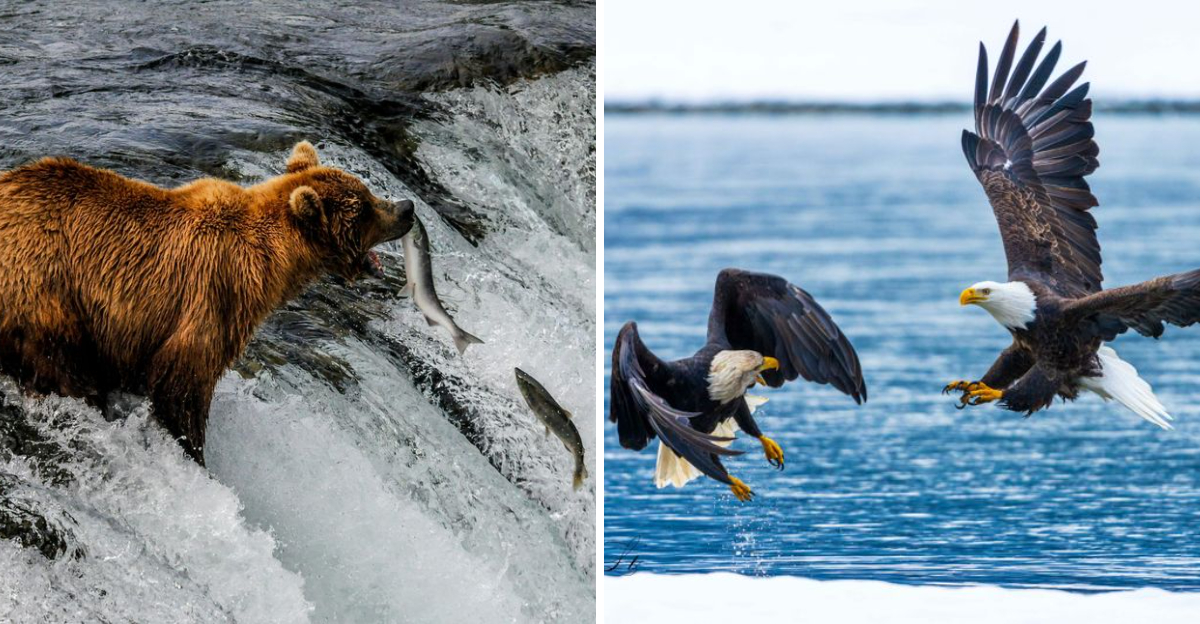
Alaska calls to anyone who craves the thrill of seeing wild creatures where they truly belong.
Glaciers, fjords, and endless forests set the stage for moments you will replay for years.
You can watch bears fishing, whales spouting, and eagles soaring, all within reach of well-marked visitor centers and guided routes.
Every stop on this list has been picked for reliability, access, and ethical viewing that respects both animals and habitat.
Pack layers, charge your camera, and get ready to witness nature performing live.
1. Alaska Wildlife Conservation Center, 43520 Seward Hwy, Portage, AK 99587
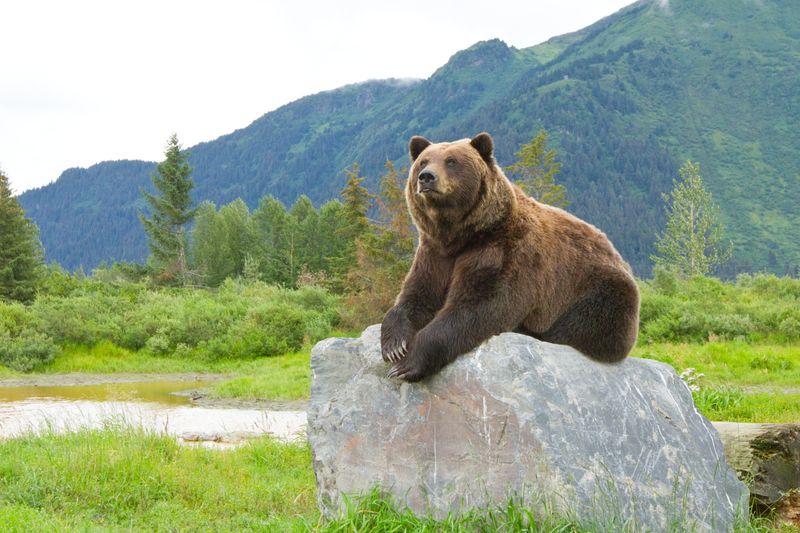
Start your Alaska wildlife journey at the Alaska Wildlife Conservation Center, where rescued bears, moose, bison, and porcupines live on sweeping enclosures edged by mountains and tidal flats.
You can follow the loop road on foot or by car, pausing at overlooks that offer safe, close viewing with clear interpretive signs.
Staff and volunteers share feeding times and backstories that help you understand how each animal arrived and how rehabilitation decisions are made.
Photography here is excellent because fencing is thoughtfully placed and the backgrounds are clean, especially in soft morning light.
Spring brings new calves and yearlings while fall highlights rut behavior and migrating birds across the marsh.
You can plan an hour and easily spend three as you linger by the bear boardwalk and the wood bison pasture.
Families will appreciate restrooms, a small gift shop, and clear paths that work well for strollers and wheelchairs.
Educational panels explain Alaska ecology, making this a smart first stop before heading into wilder country.
Respect barriers, keep voices low, and listen for staff directions that keep encounters ethical for both you and the animals.
Sun breaks through Turnagain Arm weather quickly, so bring layers and a rain shell for comfort.
Birders can scan for sandhill cranes and shorebirds that sweep across the flats during seasonal migrations.
You will leave with sharper eyes and a feel for the behavior cues that make later sightings safer and more rewarding.
AWCC also supports research partnerships that inform reintroduction efforts across Alaska.
Check the seasonal schedule for special presentations that add context to your field sightings.
This stop sets the tone for a thoughtful trip where conservation and awe travel side by side.
2. Denali National Park & Preserve, Mile 1.5 Denali Park Road, Denali Park, AK 99755
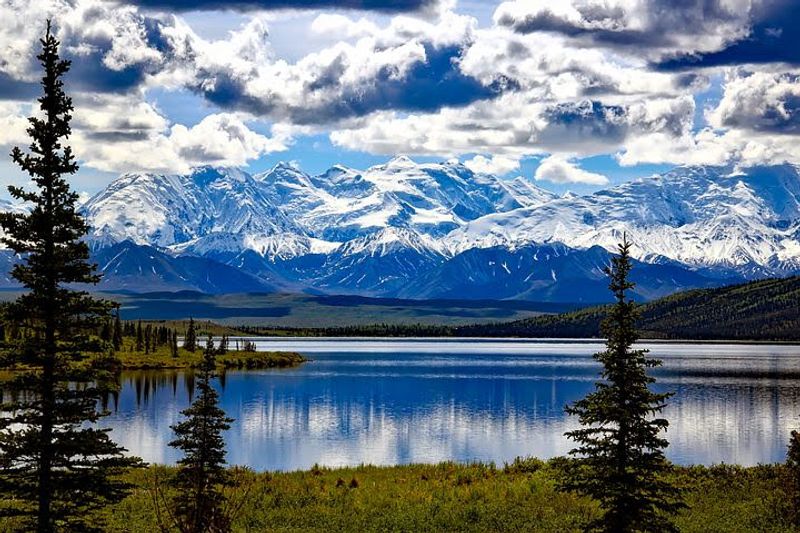
Denali delivers vast spaces where caribou, moose, Dall sheep, and grizzlies roam across braided rivers and tundra ridges.
The park road is managed for wildlife and scenery, and bus tours help you reach productive corridors without stressing animals.
Rangers at the Denali Visitor Center near Mile 1.5 share current sightings, road conditions, and bear safety tips that keep you confident.
Morning rides often reveal wolves trotting the gravel while mid day breaks can favor soaring golden eagles on ridge lift.
Bring binoculars with good light transmission because overcast days are common and shadows shift quickly.
Spotting scopes set up at pullouts can turn a distant brown speck into a grazing grizzly with cubs.
Early September paints the tundra in red and gold, making wildlife pop against color rich hills.
Snowshoe hares and arctic ground squirrels become part of the story as you learn to track movement rather than color.
Hike short trails near the entrance for songbirds and moose browsing willow thickets in soft evening light.
Shuttle drivers share natural history and remind you to give animals generous space for stress free viewing.
Clouds may hide the mountain, yet wildlife remains the constant reward for patient eyes.
Pack snacks, water, and an extra layer since weather pivots fast even in summer.
Check the seasonal road lottery and bus reservations early to secure prime dates.
You can combine a short hike with a later bus to balance movement and spotting time.
Every mile in Denali teaches you to slow down and let the landscape reveal its residents.
3. Brooks Falls, Katmai National Park, 1000 Silver Street, Building 603, King Salmon, AK 99613
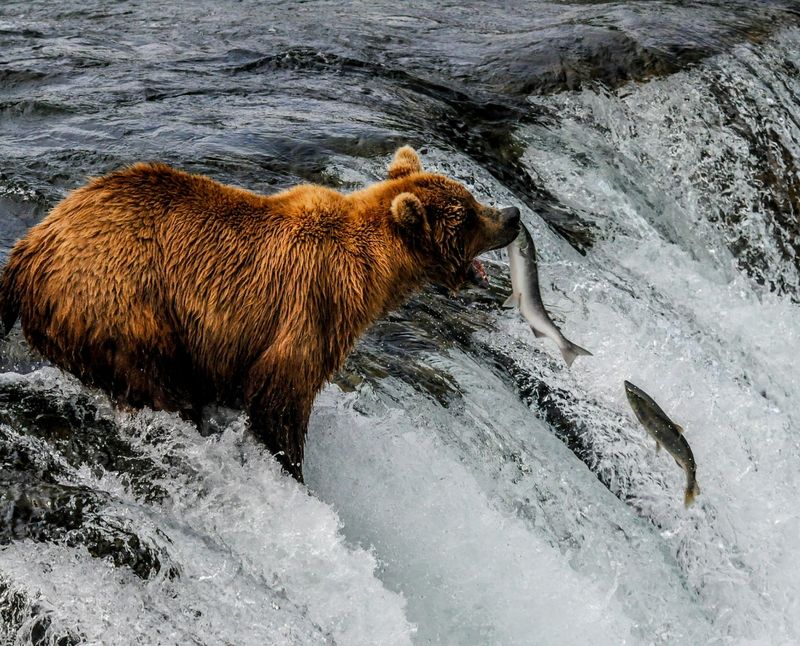
Brooks Falls is the iconic stage where brown bears fish for salmon in a roaring curtain of whitewater.
Access runs through King Salmon with flights and a connection to Katmai, and the logistics are part of the adventure.
Rangers manage boardwalks and viewing platforms that keep both people and bears safe while offering thrilling sightlines.
Prime season aligns with sockeye runs in early summer and again in late summer when bears bulk up for winter.
You will queue for platform time during peak days, but turnover is steady and views are worth the wait.
Photographers favor overcast light that reduces glare and preserves detail in wet fur.
Always yield the trail to bears and follow instructions for food storage that prevents habituation.
Quiet voices help everyone hear the splash and rumble that make the experience immersive.
Between sessions you can walk to the lower river for angles that show bears entering the pool.
Interpretive talks add clarity on salmon lifecycles, dominance hierarchies, and fishing styles.
Plan reservations far in advance because camp and lodge space is limited during the height of the run.
Weather swings quickly, so bring waterproof layers, glove liners, and a dry bag for camera gear.
Evening light can turn mist into a soft glow that frames leaping fish and dripping jaws.
If you time your trip for September, you may see bears spread out along the river as runs shift.
Leave with respect for the power and patience these animals display in one of Alaska’s signature scenes.
4. Alaska SeaLife Center, 301 Railway Ave, Seward, AK 99664
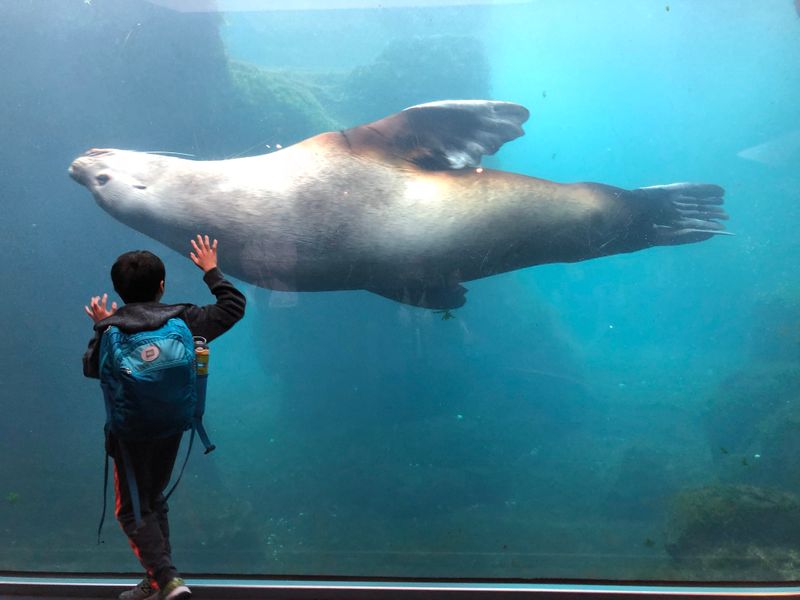
The Alaska SeaLife Center pairs hands on exhibits with research labs that study seabirds, seals, and the Gulf of Alaska ecosystem.
From the glass walled balconies you can look across Resurrection Bay and watch working boats glide past the harbor.
Inside, interpretive galleries explain how currents, plankton, and sea ice shape the food web that supports whales and salmon.
Windows into aviaries and seal habitats offer slow, thoughtful viewing that complements wild sightings around Seward.
Talks by staff biologists reveal how rescue and rehabilitation connect to science and education across the state.
Kids love the touch pool with supervised access to anemones and sea stars that build curiosity without harm.
You can plan a morning visit, then join an afternoon cruise in Kenai Fjords for a complete day.
Rain often sweeps the bay, making this a smart backup when weather limits boat departures.
Photography favors interiors, architecture, and the bay view through tall windows under soft coastal light.
Exhibits change seasonally, so check the schedule for behind the scenes options.
The center partners with coastal communities to monitor strandings and track sea bird health.
Friendly staff share tips on where to spot puffins and sea otters from shore around town.
Wheelchair access and elevators make the layout easy for all ages and abilities.
Souvenirs lean toward science forward gifts that reinforce conservation messages without gimmicks.
You leave with sharper context for what you will see on the open water near Seward, Alaska.
5. Kenai Fjords National Park Visitor Center, 1212 4th Ave, Seward, AK 99664
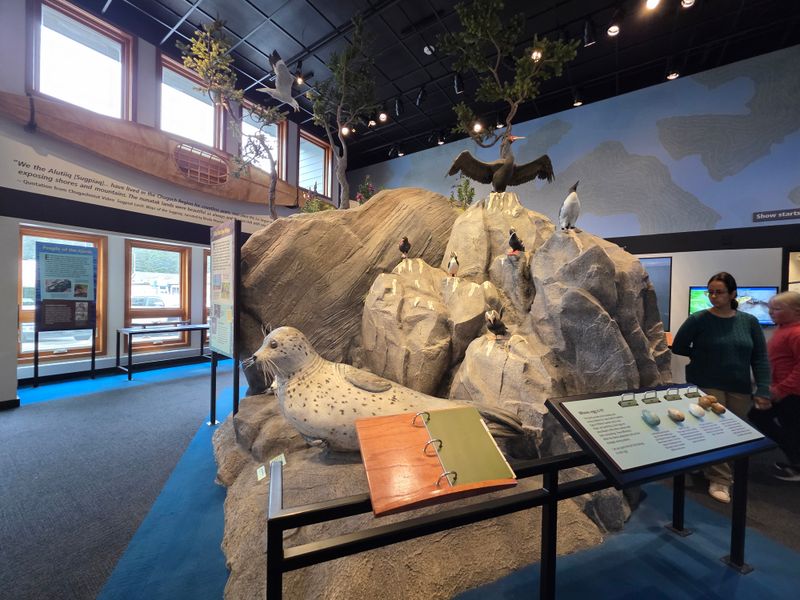
The Kenai Fjords National Park Visitor Center anchors the harbor front and connects you to ranger talks and boat departures.
Inside you can review sea conditions, wildlife reports, and tide charts that shape your day on Resurrection Bay.
Exhibits outline glacial history and the rich upwelling that draws whales, puffins, and sea lions close to the coast.
Rangers answer questions about routes that balance scenery with likely sightings during the current season.
Most visitors pair the center with a day cruise that explores Aialik Bay, Holgate Arm, or the outer capes.
Calm mornings often bring sea otters near the docks while afternoons can favor humpback blows in deeper water.
You can rent binoculars in town or bring your own to spot bird cliffs and rafts of murres.
Pack a warm hat and windproof layer because the breeze on open decks stays chilly even in July.
If seas are rough, choose a shorter route that still reads rich on wildlife and glacier views.
The center shares guidelines on responsible viewing that reduce stress on nesting birds and hauled out pinnipeds.
Photography tips include bracing against railings and using burst mode to freeze action without heavy gear.
Rain showers come and go quickly, so keep your camera wrapped when clouds darken.
You will step off the boat with memories of whales surfacing against blue ice and dark cliffs.
Back on shore, follow the harbor promenade for sea bird watching from stable ground.
This stop builds confidence before your boat leaves the dock in Seward, Alaska.
6. Chilkat Bald Eagle Preserve, Mile 19-29 Haines Highway, Haines, AK 99827
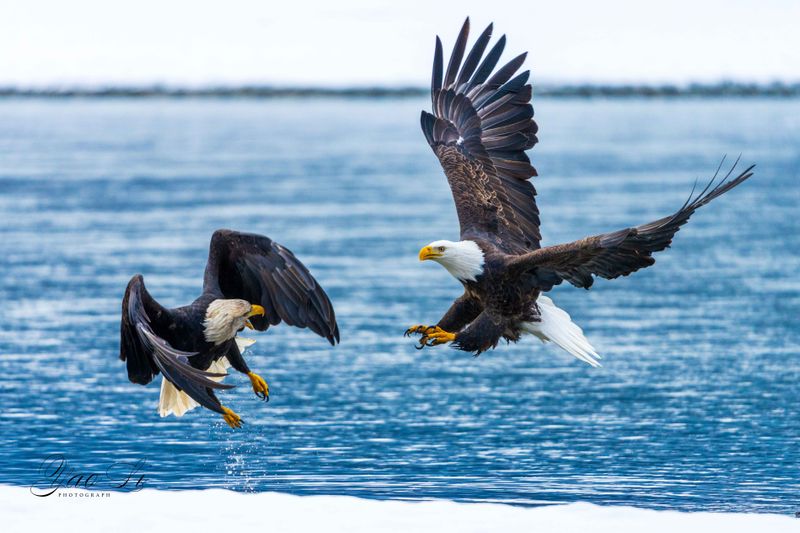
The Chilkat Bald Eagle Preserve protects a stretch of river that concentrates salmon and draws eagles by the hundreds in late fall.
Pullouts along the highway provide safe viewing where you can watch fishing, calling, and courtship flights.
Peak gatherings often occur from late October into November when the river stays ice free due to a unique groundwater spring system.
You can bring a thermos and stand quietly by the bank as birds circle and settle on cottonwoods.
Early mornings deliver steam rising off the water with eagles perched in the misty glow.
Tripods help with long lenses, but hand held binoculars keep you light and flexible for quick scans.
Local guides offer natural history walks that explain how salmon runs shape the entire valley.
Winter roads require caution, so check conditions and give yourself time between pullouts.
Respect private land and stay on defined turnouts to protect habitat and access for all.
If you arrive in summer, you will still find eagles, though numbers spread out across the region.
Ravens and mergansers add variety, and you might glimpse mink patrolling the banks.
Cloud edges can produce dramatic light that highlights plumage details and talon flashes.
Bring chemical hand warmers and spare batteries because cold drains power quickly.
Haines offers lodging and guides that understand seasonal patterns and viewing etiquette.
This preserve embodies the quiet magic that defines Southeast Alaska in the shoulder season.
7. Potter Marsh Bird Sanctuary, 2999 E 154th Ave, Anchorage, AK 99516
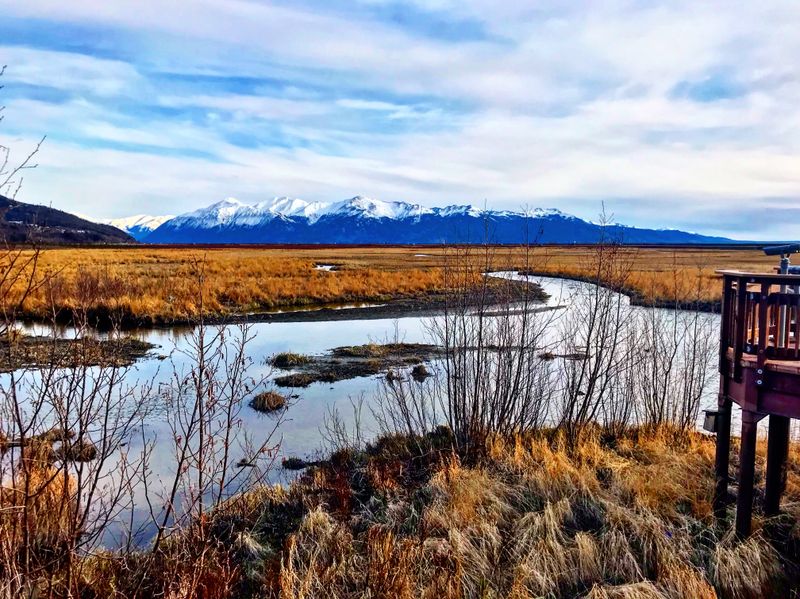
Potter Marsh offers easy bird watching on the southern edge of Anchorage with long boardwalks over rich wetlands.
Spring arrives with trumpeter swans, nesting terns, and the chorus of frogs that echoes across the marsh.
Families can linger at pullouts before stepping onto platforms that bring you close to the action without disturbance.
Clear signage helps you identify ducks, shorebirds, and occasional muskrats moving through sedges.
Moose sometimes browse the margins, so give them space and retreat if they show signs of stress.
Evenings glow with low sun that lights wings and ripples in warm tones.
Binoculars are enough here, though a small scope adds detail for distant grebes and loons.
Boardwalk planks can be slick after rain, so wear shoes with grip and keep kids near.
You can connect this stop with Kincaid Park for a full wildlife day inside the city limits.
Traffic noise fades quickly as marsh sounds take over and birds settle into feeding rhythms.
Local volunteers sometimes post recent sightings at kiosks near the main entrance.
In fall you might catch northbound cranes spiraling high above the flats.
Winter brings quiet beauty and the chance to scan for hunting owls at dusk.
As the light fades, the Chugach peaks frame a calm finale to your Anchorage birding loop.
This sanctuary makes wild Alaska feel welcoming for first timers and families.
8. Mendenhall Glacier Visitor Center, 6000 Glacier Spur Rd, Juneau, AK 99801
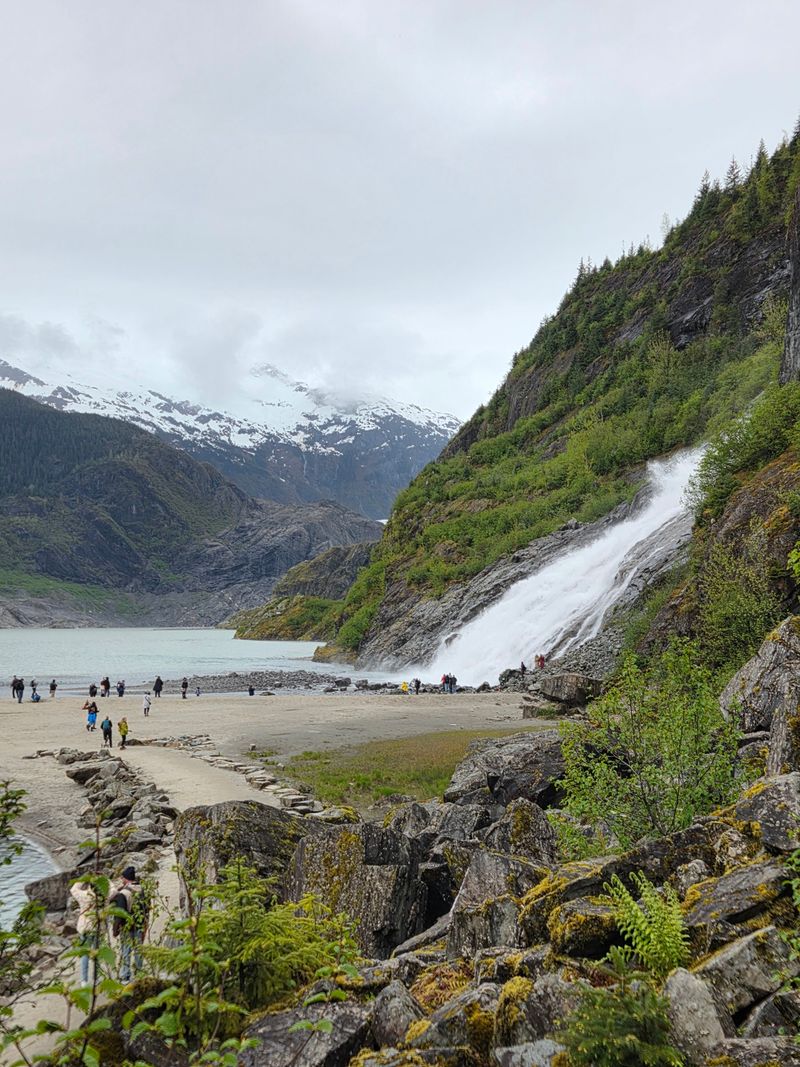
At the Mendenhall Glacier Visitor Center you can scan lake ice for otters and watch mountain goats pick across distant cliffs.
Trails branch from the center toward Nugget Falls and viewpoints that frame blue ice with forest and rock.
Rangers share updates on bear activity near salmon streams, and closures help keep both people and wildlife secure.
Late summer often brings black bears to Steep Creek where elevated walkways protect habitat and maintain clear lines of sight.
Interpretive displays explain glacier retreat, climate trends, and how these changes ripple through food webs.
You can bring layers, a rain shell, and a small pack with snacks for relaxed walking.
The visitor center sits above the lake, offering a warm refuge with panoramic windows and helpful staff.
Photography works well with polarizing filters that tame glare off water and wet rock.
Guided walks run throughout summer and help you tune your eye to subtle movement along creek edges.
If fog hangs low, give it time, as breaks often reveal brilliant color in the ice.
Juneau tour operators coordinate with the center so crowds spread through the day.
You can stay late to enjoy quieter trails as ships depart and the evening calm returns.
Waves lap the shore while terns slice the air above the lake with clean precision.
Pack out everything and tread gently to keep wildlife corridors open and healthy.
This stop blends glacier drama with reliable viewing near the heart of Southeast Alaska.
9. Kincaid Park, 9401 W Raspberry Rd, Anchorage, AK 99502
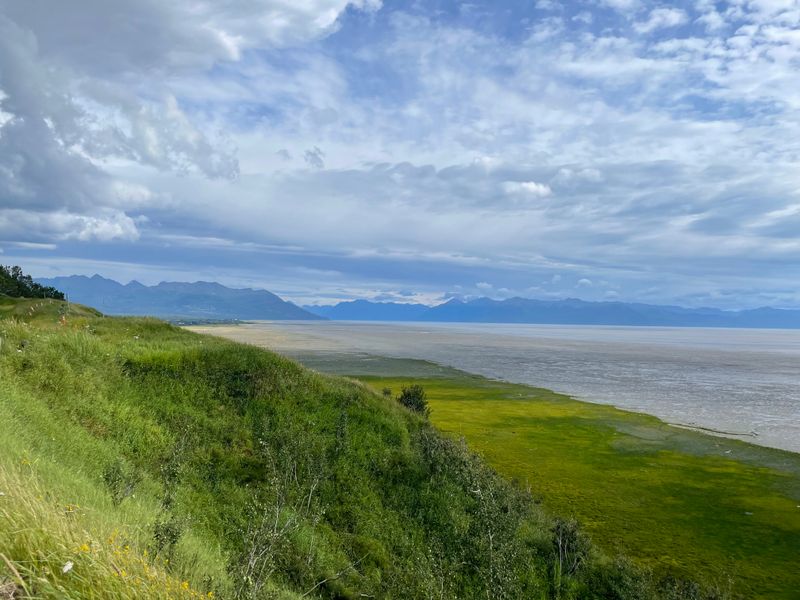
Kincaid Park spreads across coastal dunes and spruce forest on the west side of Anchorage with easy trails and big views.
Moose sightings are common along the meadows, and you might also catch foxes trotting the paths at dusk.
Lookouts over Cook Inlet make a fine perch for scanning for beluga activity on strong tides.
Trail maps at the chalet help you choose loops that fit your time and energy while staying wildlife aware.
Mountain bikers and runners share the space, so keep an ear out and step aside when needed.
Winter fat biking and skiing open quiet encounters where tracks tell stories along snowy routes.
Binoculars help with shorebirds on the mudflats and raptors riding wind at the bluff edge.
Even on busy days you can find calm on side trails where wind hushes the city behind you.
Carry bear spray and practice good spacing when passing blind corners in thick spruce.
Evening light paints the inlet and the Alaska Range with soft color that lingers.
Pack a small kit with water, a hat, and gloves because coastal breezes cool quickly.
Restrooms and parking make logistics simple, and you can combine this stop with Potter Marsh nearby.
Local racers train here, so watch for event days that change trail flow and access.
Listen for thrush songs in spring that echo across the forest and invite a slower pace.
Kincaid delivers wild moments minutes from downtown Anchorage, Alaska.
10. Lake Clark National Park Access Point, 4295 Aviation Ave, Anchorage, AK 99502
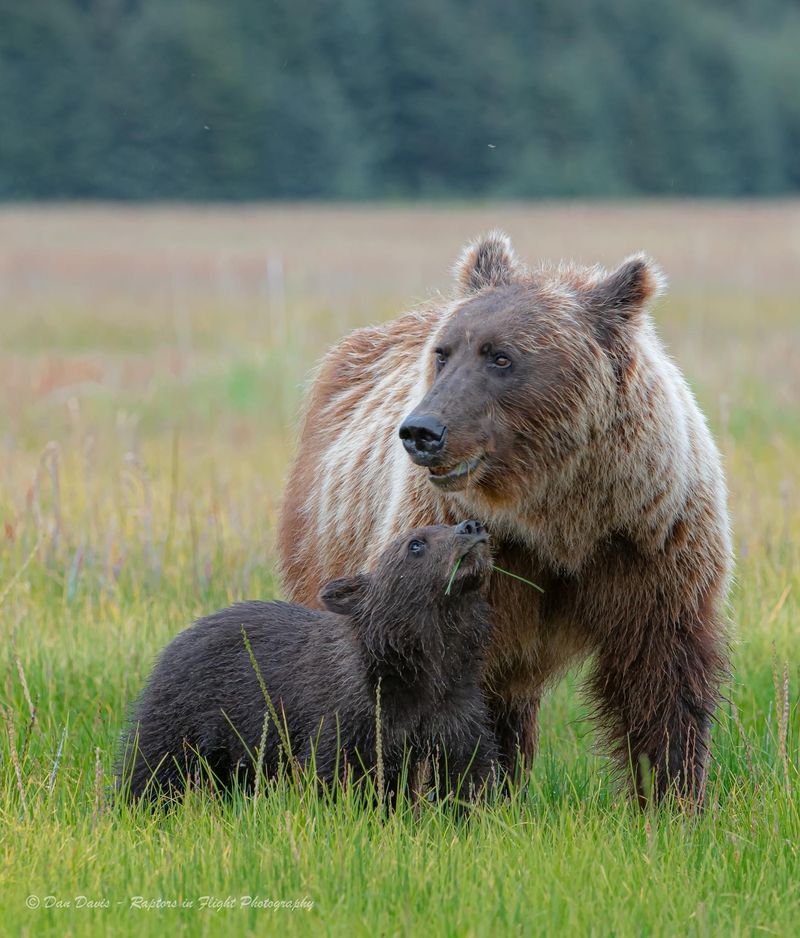
Lake Clark National Park is a fly in wilderness where bears, salmon rivers, and volcano views create unforgettable days.
The address at 4295 Aviation Ave in Anchorage marks a major floatplane base used by operators that fly to park lodges and beaches.
Pilots brief you on weather, tides, and landing zones that shape bear viewing and hiking plans.
Popular bear viewing areas require strict behavior, and guides keep groups small to reduce impact.
You will step from plane to beach and start spotting tracks, clamshells, and fishing lanes within minutes.
Summer timing matters, so align trips with salmon runs and sedge meadow grazing patterns.
Lightweight boots and breathable rain gear help you stay nimble across wet flats and stream crossings.
Telephoto lenses keep distance while preserving detail, and tripods often stay in the plane for mobility.
Expect rapidly shifting weather that rewards flexible schedules and patience between bursts of action.
Guides share natural history that ties coastal food webs to inland lakes and glaciers.
Operators coordinate flight windows to avoid crowding at prime spots and protect wildlife behavior.
Bring ear protection for flights and pack essentials in dry bags to handle spray.
Sunscreen matters even on gray days because light reflects off water and pale sand.
When the tide rolls out, bear activity can spike as feeding opportunities open wide.
You return to Anchorage with salt in your hair and a head full of wild Alaska memories.
The reward is a trip that flows smoothly and celebrates the living heart of Alaska.
Dear Reader: This page may contain affiliate links which may earn a commission if you click through and make a purchase. Our independent journalism is not influenced by any advertiser or commercial initiative unless it is clearly marked as sponsored content. As travel products change, please be sure to reconfirm all details and stay up to date with current events to ensure a safe and successful trip.
