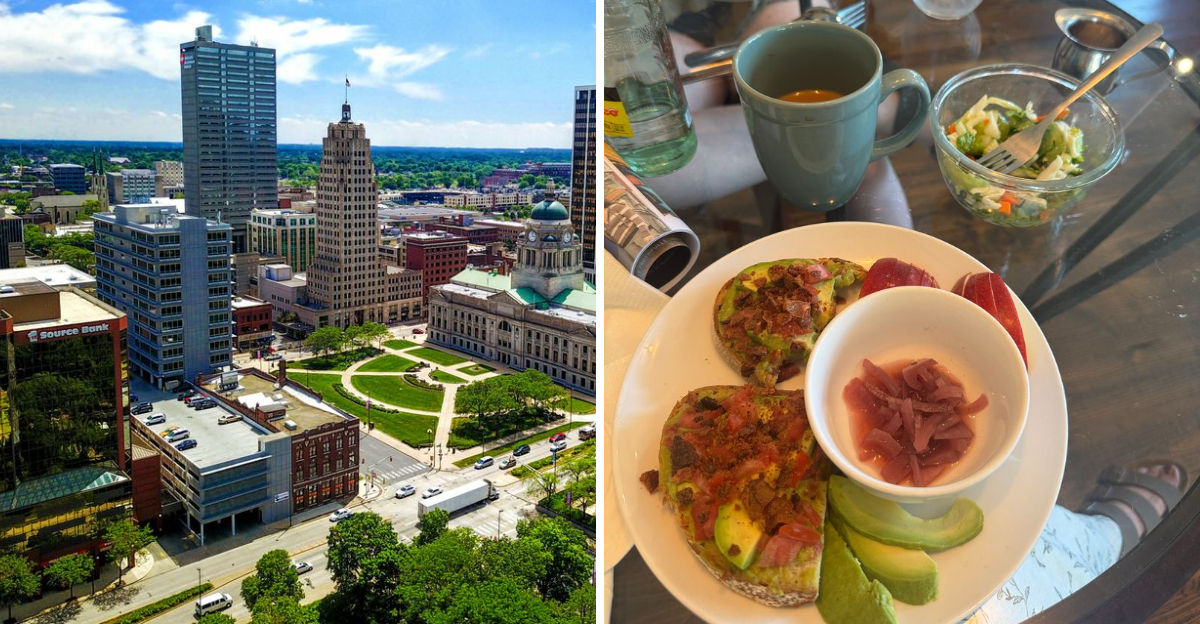
Indiana might not be the first state that comes to mind when you think about food destinations, but this Midwestern gem is packed with cities serving incredible flavors and memorable dining experiences. From unexpected classics to standout local favorites, there is much more happening here than people expect.
From lively urban spots with diverse menus to small towns known for one signature dish, the Hoosier State delivers a rewarding food journey for anyone willing to explore. Each stop adds a new layer to the experience.
Every city brings its own character to the table, shaped by history, local ingredients, and long-standing traditions. In some places, recipes have been passed down for generations, while others highlight chefs reworking comfort food in creative ways.
Planning a food-focused road trip through Indiana means uncovering hidden gems, tasting regional specialties, and enjoying the welcoming hospitality locals are proud of. It is the kind of travel that feels both relaxed and satisfying.
Get ready to explore Indiana’s culinary landscape, where every stop comes with memorable meals and friendly faces eager to share their hometown favorites.
Indianapolis
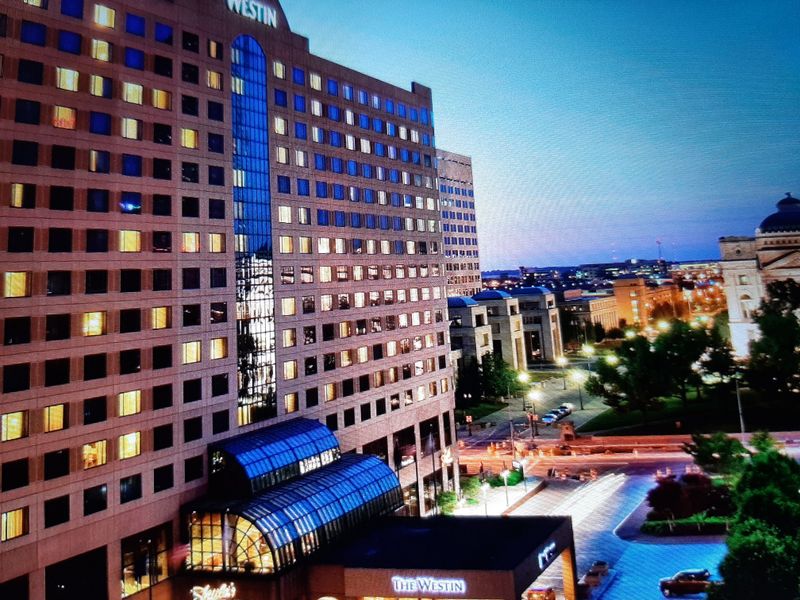
State capitals often get overlooked as food destinations, but Indianapolis breaks that mold with a restaurant scene that rivals much larger cities across the country. The downtown area buzzes with energy, especially around Massachusetts Avenue, where locally owned eateries line the streets alongside galleries and boutiques.
You’ll find everything from upscale steakhouses to creative fusion spots that blend global flavors with Midwestern ingredients. While the landmark brunch spot Milktooth helped define the area for years, the location at 534 Virginia Avenue is currently transitioning into Arlene’s, a Southern-inspired “meat-and-three” concept.
The city’s love affair with pork tenderloin sandwiches runs deep, and you can sample some of the best versions at neighborhood taverns. Shapiro’s Delicatessen, situated at 808 South Meridian Street since 1905, remains a permanent fixture serving towering corned beef sandwiches and matzo ball soup that locals swear by.
Circle Centre Mall and the surrounding streets offer international cuisines representing communities from around the world. Ethiopian, Mexican, Thai, and Vietnamese restaurants bring authentic flavors that reflect Indianapolis’s growing diversity.
Bloomington
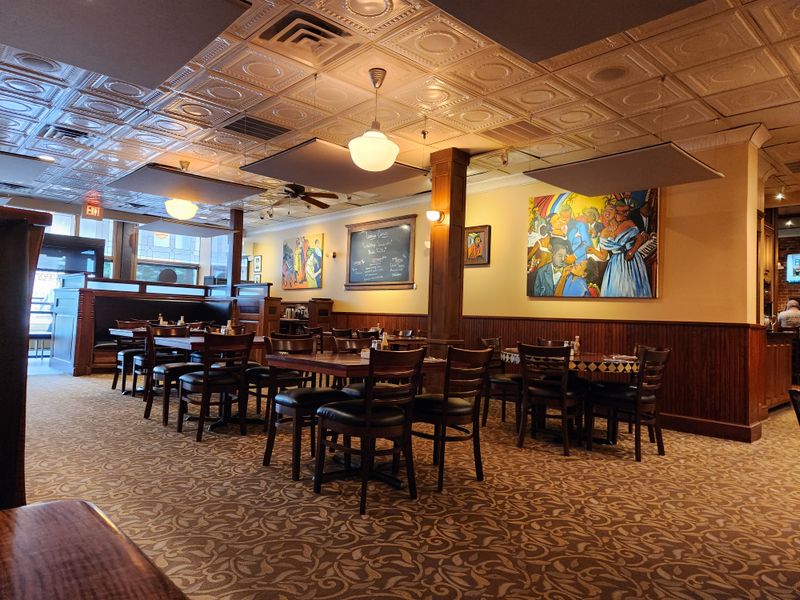
College towns bring a special kind of energy to their food scenes, and Bloomington delivers that youthful creativity in spades thanks to Indiana University’s presence. Students, professors, and townies mingle in restaurants that range from budget-friendly ethnic eateries to sophisticated farm-to-table establishments.
The courthouse square downtown serves as the heart of the culinary action, with restaurants occupying historic buildings that date back over a century. Mother Bear’s Pizza has been slinging pies since 1973, and their thick, cheesy creations have achieved legendary status among alumni who return just to taste that nostalgic flavor.
Bloomingfoods Co-op Market, with locations at 419 East Kirkwood Avenue and 3220 East 3rd Street, supplies local restaurants with organic produce and supports the farm-to-table movement that defines much of Bloomington’s dining philosophy. Many chefs shop there personally, building relationships with farmers and selecting ingredients at peak freshness.
International flavors thrive here because of the university’s diverse student population. You can enjoy authentic Tibetan momos, Korean bibimbap, and Indian curries all prepared by people who grew up eating these foods in their home countries.
Fort Wayne
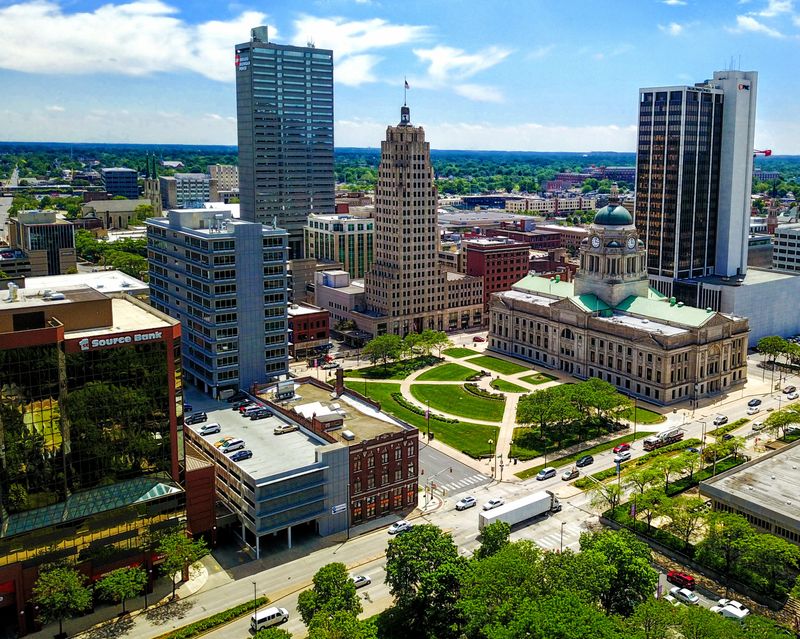
Something special is happening in Indiana’s second-largest city, where a revitalized downtown has sparked a culinary renaissance that’s attracting attention from food critics and travelers alike. Fort Wayne’s restaurant scene punches above its weight class, offering sophisticated dining experiences you’d expect in much bigger metros.
The Landing, a historic district along the rivers, features beautifully restored buildings now housing restaurants with waterfront views and creative menus. Joseph Decuis, with a location at 191 South Harrison Street, brings farm-to-fork dining to an elegant level, sourcing ingredients from their own Wagyu cattle farm in nearby Roanoke.
Fort Wayne’s ethnic diversity shines through its food offerings, particularly along Broadway where you’ll discover authentic Mexican tacos, Burmese curries, and Middle Eastern kebabs. These aren’t watered-down versions for American palates but bold, genuine flavors that transport you across continents.
The city’s German heritage still influences the culinary landscape, with restaurants serving schnitzel, bratwurst, and potato pancakes alongside local craft beers. The Mad Anthony Brewing Company operates multiple locations throughout the city, each with its own personality but all serving hearty food that pairs perfectly with their flagship ales.
Nashville
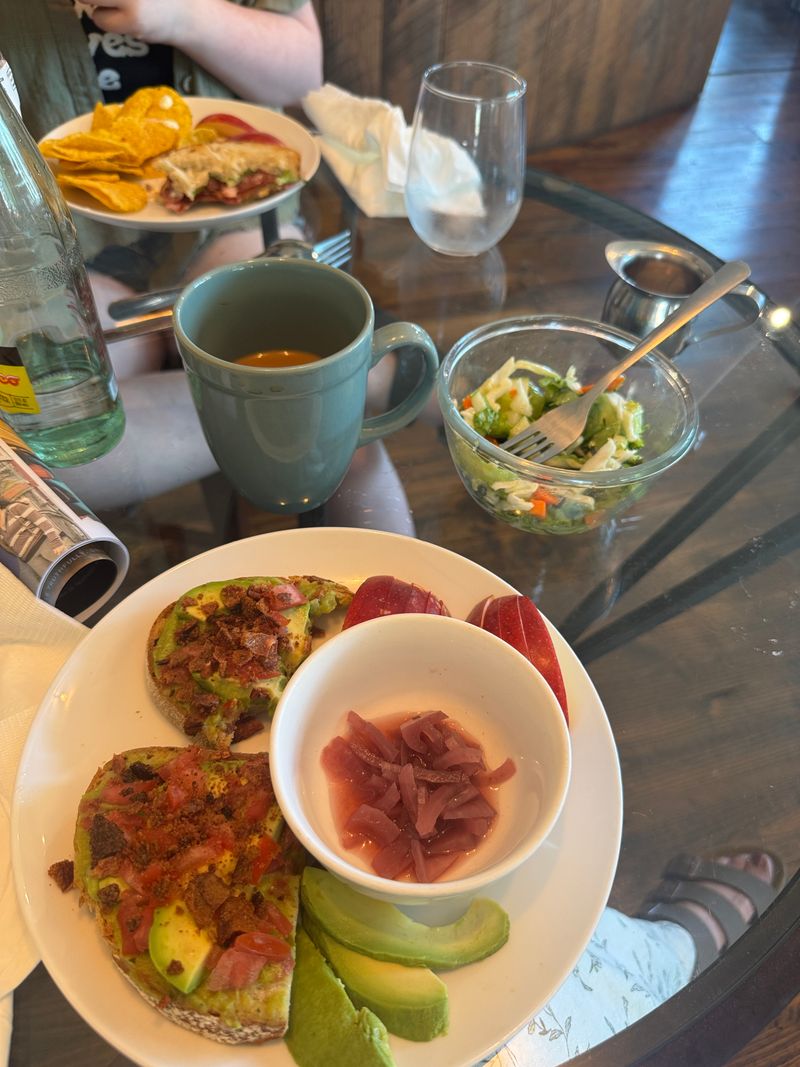
Tucked into the rolling hills of Brown County, this tiny artist colony has developed a food reputation that far exceeds its population of just over 800 residents. Nashville attracts visitors year-round, but autumn brings crowds who come for the fall foliage and stay for the comfort food.
The town’s main drag, lined with galleries and craft shops, also features restaurants serving hearty portions of fried chicken, mashed potatoes, and homemade pies that define Midwestern comfort. The Nashville House, operating since 1927, dishes up family-style meals where strangers share tables and pass bowls of green beans and biscuits like they’re at a Sunday dinner.
Fried biscuits with apple butter have become Nashville’s signature treat, and nearly every restaurant offers their own version. These fluffy, deep-fried pillows of dough arrive hot and dusted with cinnamon sugar, ready to be slathered with the sweet, spiced apple spread that’s been a Brown County tradition for generations.
Artists Alley Cafe and Gallery combines two of Nashville’s passions under one roof, serving breakfast and lunch surrounded by works from local painters and sculptors. Their quiches and sandwiches use ingredients from nearby farms, connecting visitors to the agricultural heritage of the surrounding countryside.
The Big Woods Brewing Company brings craft beer to this small town setting, with a spacious restaurant at 60 Van Buren Street that serves wood-fired pizzas and barbecue alongside their handcrafted brews. The rustic atmosphere fits perfectly with Nashville’s artsy, laid-back vibe.
South Bend
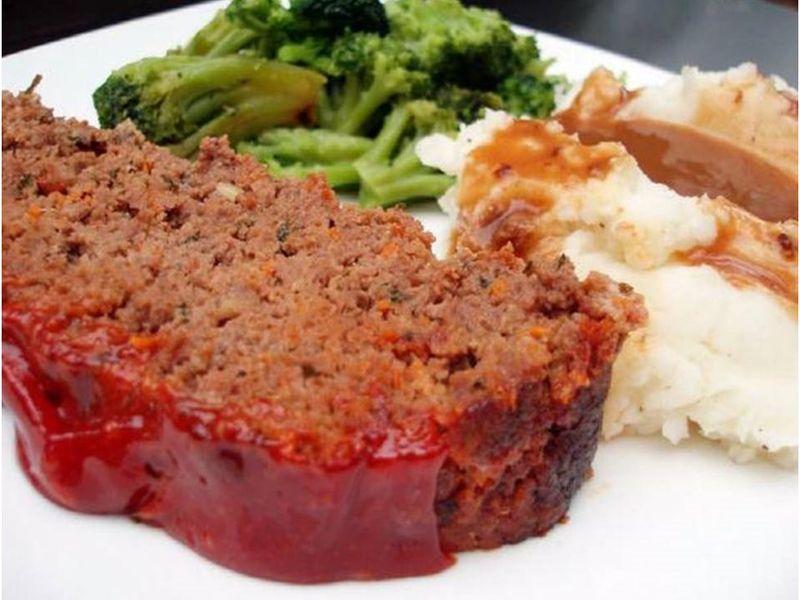
Home to the University of Notre Dame, South Bend has reinvented itself from a manufacturing hub into a city where innovation meets tradition on the plate. The downtown area has experienced remarkable revitalization, with new restaurants opening in renovated historic buildings along Michigan Street.
LaSalle Grill, located at 115 West Colfax Avenue, has anchored the upscale dining scene since 1991, serving contemporary American cuisine in an elegant setting with an award-winning wine list. While its third-floor sister concept, LaSalle Kitchen & Tavern, is currently taking a hiatus to focus on private events, it is scheduled to return to regular service on October 30, 2026.
South Bend’s Polish heritage remains strong, and you can taste it at family-run restaurants that have been serving pierogi, kielbasa, and cabbage rolls for decades. These aren’t trendy fusion interpretations but authentic recipes brought over by immigrants and lovingly preserved through generations.
The East Bank area, once industrial, now hosts breweries, distilleries, and restaurants that take advantage of the scenic river views. Crooked Ewe Brewery and Ale House combines house-made beer with a sophisticated gastropub menu featuring smoked meats and unique vegan-friendly options overlooking the water.
Columbus
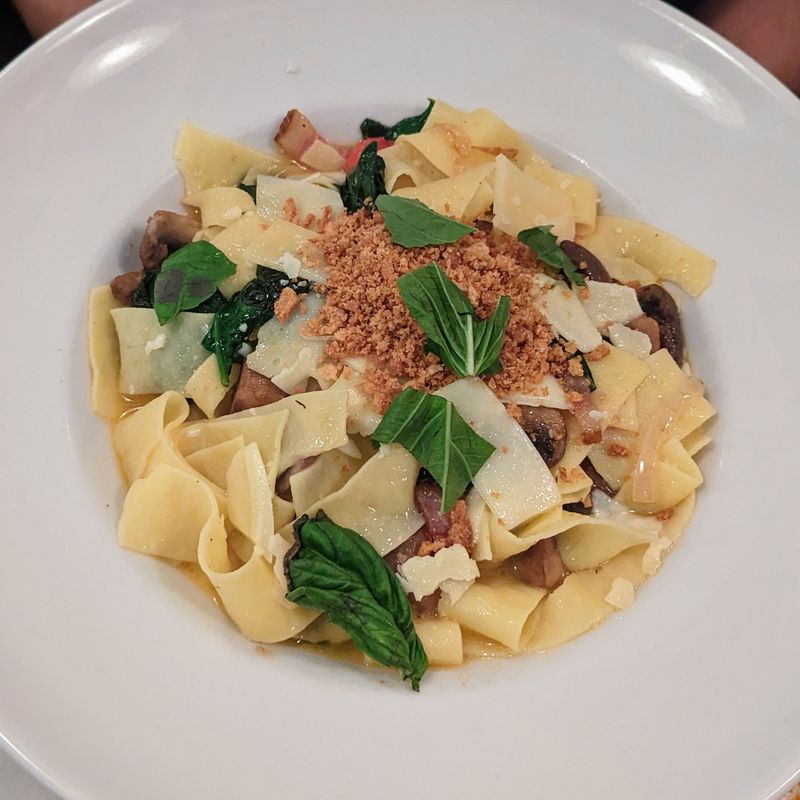
Architecture enthusiasts flock to Columbus to admire buildings designed by famous modernist architects, but food lovers are discovering that this small city also serves up impressive culinary experiences. The same commitment to design excellence that shaped the city’s buildings extends to restaurant interiors and thoughtfully plated dishes.
Zaharakos Ice Cream Parlor and Museum, operating at 329 Washington Street since 1900, transports visitors back in time with its original soda fountain, Tiffany glass, and antique pipe organ. The ice cream sundaes taste just as good as they did over a century ago, making this a required stop for anyone with a sweet tooth.
Downtown Columbus features restaurants housed in architecturally significant buildings, creating dining experiences where the setting enhances the meal. The Savory Swine BBQ Company smokes meats low and slow, producing tender brisket and ribs that have earned a devoted following despite the city’s small size.
Columbus’s proximity to Indianapolis means chefs can easily source ingredients from farms and specialty purveyors while enjoying lower overhead costs and a tight-knit community. This combination has attracted culinary talent looking to make their mark without the pressure of a major metropolitan market.
4th Street Bar and Grill, located at 322 Fourth Street, occupies a restored historic building and serves elevated comfort food alongside craft cocktails.
Evansville
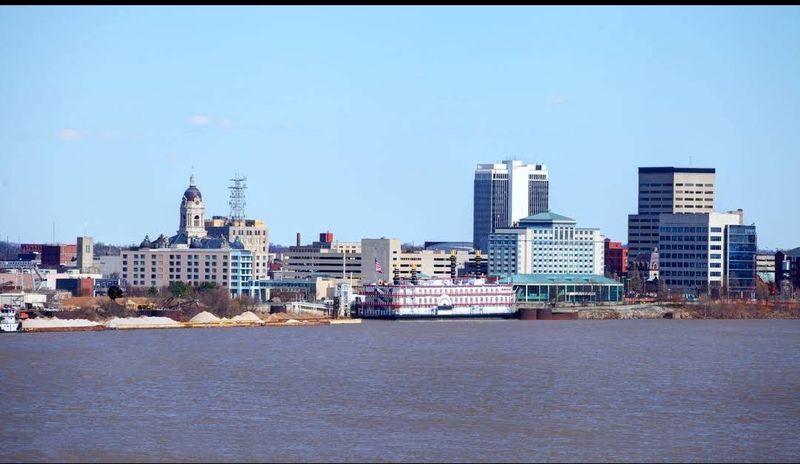
Sitting along the Ohio River in the southwestern corner of Indiana, Evansville blends Southern hospitality with Midwestern warmth, creating a food culture that draws from both regions. The riverfront has been transformed into an entertainment district where restaurants take advantage of water views and sunset dining.
Evansville’s signature dish is the brain sandwich, an acquired taste that remains popular at old-school taverns throughout the city. For those less adventurous, the city also excels at barbecue, with multiple restaurants competing for the title of best ribs, each with their own sauce recipes and smoking techniques.
Haynie’s Corner Arts District has become the city’s culinary hotspot, with Franklin Street hosting an impressive concentration of restaurants, bars, and cafes. Sauced, located at 101 North Weinbach Avenue, serves wood-fired pizzas with creative topping combinations alongside a carefully curated selection of craft beers.
The West Side Nut Club Fall Festival, held every October, brings half a million people to Evansville for what’s billed as America’s second-largest street festival. The food booths serve everything from traditional festival fare to experimental creations that become the talk of the town for months afterward.
German influence runs strong in Evansville’s culinary heritage, with several restaurants still serving authentic German dishes prepared according to old family recipes.
Richmond
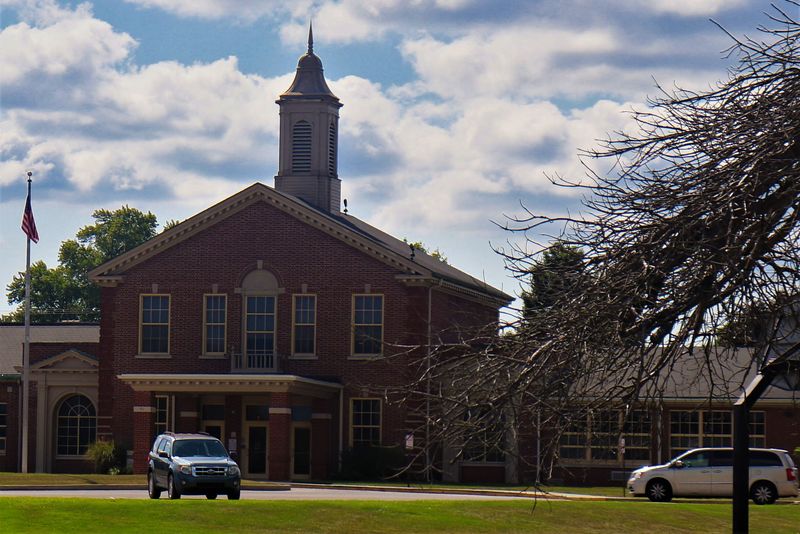
Straddling the Indiana-Ohio border, Richmond brings Quaker heritage and Midwestern values to a food scene that emphasizes quality ingredients and honest cooking without pretension. The city’s downtown has maintained much of its historic character, with restaurants occupying buildings that have served the community for generations.
Richmond’s most famous culinary export might be the Chatterbox jazz club, but the city offers much more than late-night music venue snacks. The downtown area features diners serving breakfast all day, with fluffy pancakes and crispy bacon that fuel residents through their workdays.
Little Sheba’s, located at 104 South 8th Street, has become a destination for brunch lovers who appreciate creative benedicts, stuffed French toast, and skillets piled high with eggs, potatoes, and all the fixings. The cozy atmosphere and friendly service make it feel like eating at a friend’s house.
Richmond’s proximity to Cincinnati influences the food culture, with Cincinnati-style chili available at several restaurants alongside more traditional Indiana fare. This cross-border culinary exchange creates interesting menu combinations you won’t find elsewhere in the state.
The Richmond Rose Garden, one of the largest in Indiana, provides a beautiful setting for picnics with takeout from downtown restaurants.
Lafayette-West Lafayette
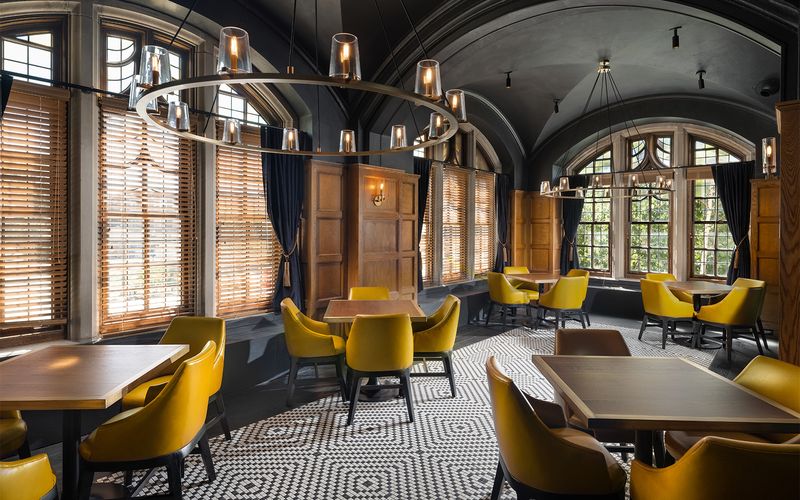
These twin cities separated by the Wabash River share a food scene energized by Purdue University students and a growing tech sector that’s attracting young professionals. The combination creates demand for diverse dining options ranging from quick student-budget meals to sophisticated date-night destinations.
Downtown Lafayette’s historic courthouse square has experienced a restaurant renaissance, with new establishments opening alongside longtime favorites that have fed generations of families. Triple XXX Family Restaurant, located at 2 North Salisbury Street in West Lafayette since 1929, still serves their famous Duane Purvis All-American burger and house-made root beer in frosted mugs.
The Purdue campus area offers international cuisines reflecting the university’s diverse student body, with authentic Korean, Chinese, Indian, and Middle Eastern restaurants operated by people who bring genuine flavors from their home countries. These aren’t dumbed-down versions but bold, properly spiced dishes that satisfy homesick students and adventurous local diners alike.
Lafayette’s proximity to agricultural research at Purdue creates interesting connections between farmers, food scientists, and chefs. Some restaurants work directly with university researchers to source specialty crops or heritage varieties of vegetables that most consumers never encounter.
The Wabash Heritage Trail connects the two cities with a scenic path perfect for walking or biking between meals.
Carmel
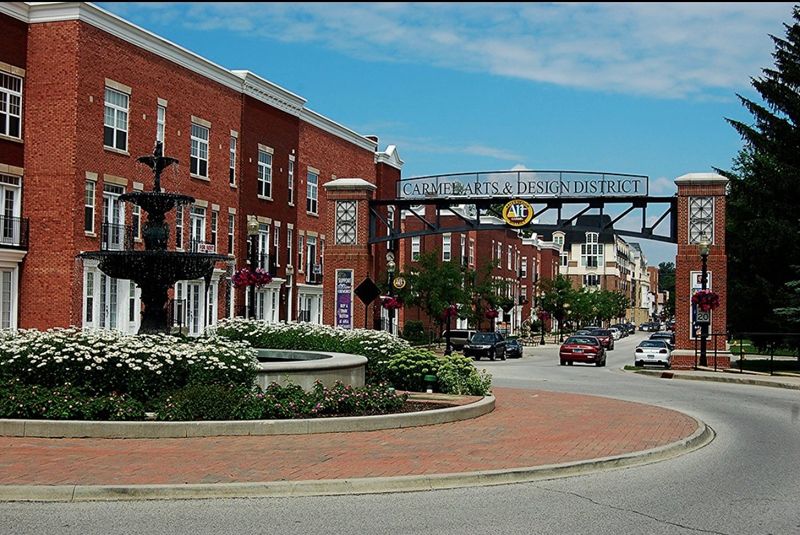
Just north of Indianapolis, Carmel has transformed from a sleepy suburb into a sophisticated city with a dining scene that rivals its bigger southern neighbor. The Arts and Design District features a European-style roundabout system and walkable streets lined with restaurants representing cuisines from around the world.
Carmel’s affluent population supports upscale dining establishments that wouldn’t survive in many Indiana cities, creating opportunities for ambitious chefs to showcase their talents. Ocean Prime, located at 2 South Range Line Road, brings fresh seafood flown in daily to a landlocked location, serving it in an elegant setting that attracts celebration diners and business lunches.
The Carmel Farmers Market, operating Saturdays from May through October at Carter Green, connects residents with local producers and has helped build a farm-to-table culture throughout the city. Chefs shop the market personally, selecting ingredients and building relationships with the people who grow their food.
International flavors thrive in Carmel, with exceptional Japanese, Italian, Mexican, and Mediterranean restaurants operated by people who take their culinary heritage seriously. These aren’t chain restaurants but independent establishments where recipes come from family traditions and ingredients are sourced with care.
The Monon Trail, a rails-to-trails conversion, runs through Carmel and provides a popular route for cyclists and runners who work up appetites before hitting the city’s many restaurants.
Dear Reader: This page may contain affiliate links which may earn a commission if you click through and make a purchase. Our independent journalism is not influenced by any advertiser or commercial initiative unless it is clearly marked as sponsored content. As travel products change, please be sure to reconfirm all details and stay up to date with current events to ensure a safe and successful trip.
