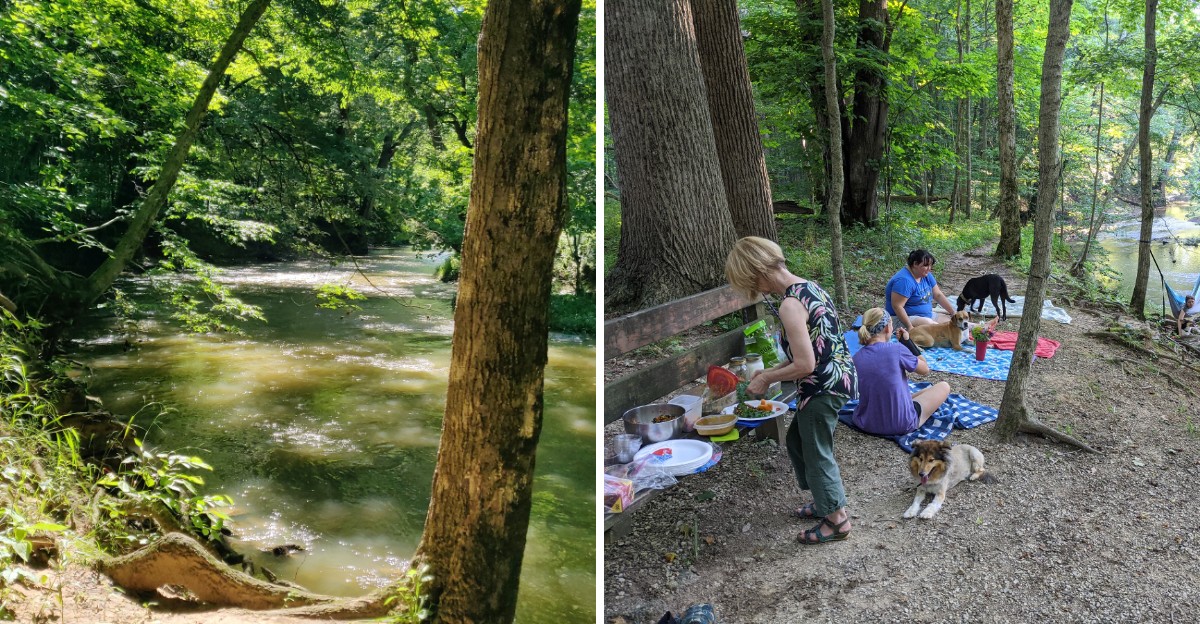
Some of the trees here were already growing before anyone had heard of Shakespeare. A few are over 400 years old, and they’re still standing tall today.
The forest covers just 88 acres, which isn’t huge. Yet it’s one of the last patches of untouched old-growth woods left in Indiana.
A timber company once owned it, and the saws were nearly ready.
I love that ordinary people stepped up and saved it. They raised money together, and the U.S.
Forest Service chipped in to buy it back. I can’t imagine walking under those same trees without feeling a little grateful.
There’s a trail through it, a stone memorial along the way, and even an ancient village site in the bottomland. So how does a forest this old survive when nearly every other one disappeared?
Trees That Remember Life Before Indiana Was Even A State
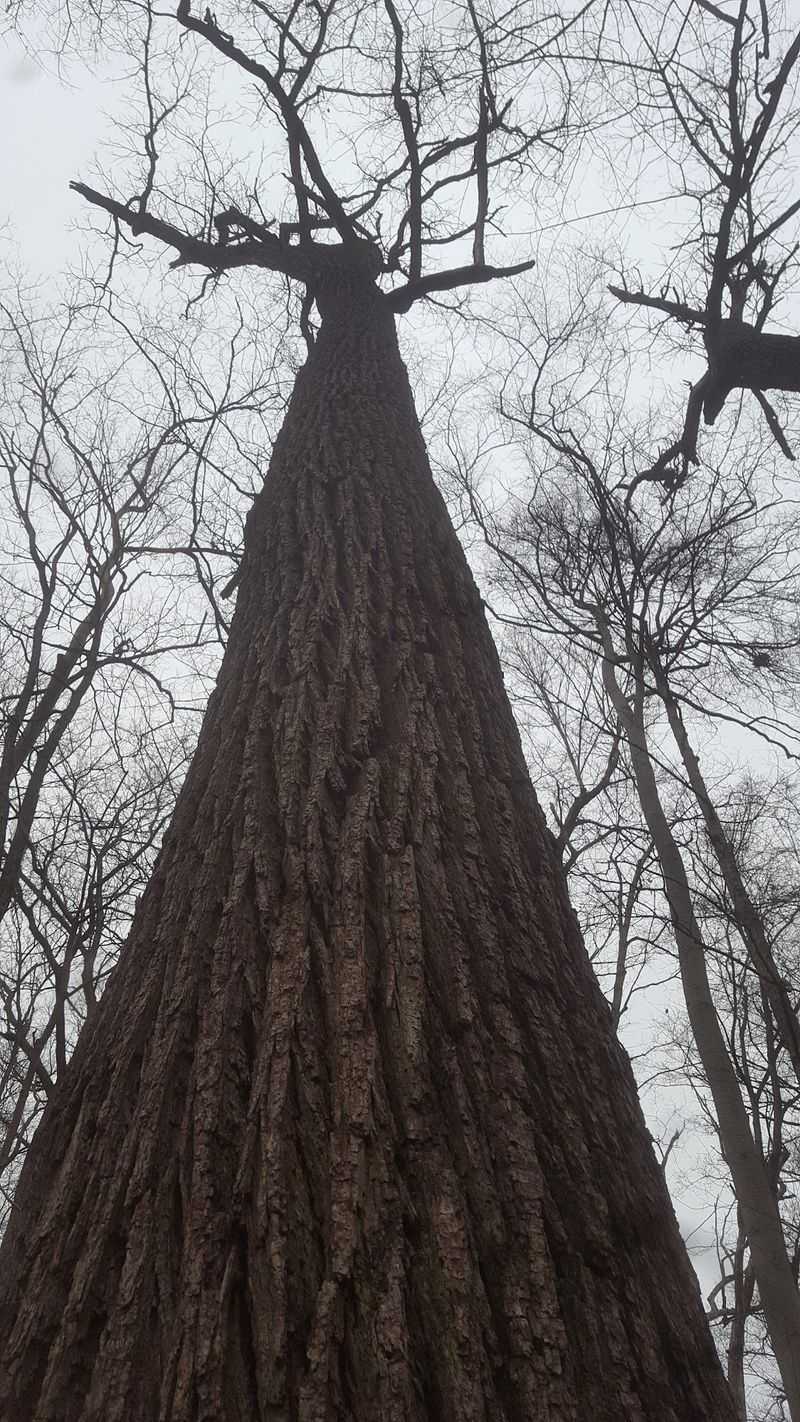
Some of these giants are more than 400 years old. That means they were sprouting long before the first settlers crossed the Ohio River.
Pioneer Mothers Memorial Forest protects 88 acres of virgin Central Hardwood forest. It’s often called oak-hickory old growth, and very little of it survives anywhere in Indiana today.
Most of the state’s original woods were cleared for farms, towns, and lumber. So this patch is basically a time capsule with leaves.
The forest sits inside the Hoosier National Forest in Orange County. It lies roughly 10 miles northwest of Paoli, in the rolling hills of southern Indiana.
Black walnut, yellow-poplar, white oak, and white ash all grow here in mature stands. The U.S.
Forest Service has measured some trees at 50 inches across at chest height.
Some trunks also rise about 60 feet before the first branch even appears. That’s a lot of straight, clean wood, which explains why loggers once wanted it so badly.
Not every tree here is a record-setter, of course. Old-growth forests mix ancient trees with younger ones, fallen logs, and open gaps.
That messy mix is the whole point. It shows how a forest behaves when nobody interferes for centuries.
A Family Said No To The Saws For 124 Years
Joseph Cox bought this land in 1816. That was the same year Indiana became a state, which feels like a fun coincidence.
For the next 124 years, the Cox family kept the woods standing. Back then the tract was simply known as Cox Woods.
Think about how tempting those trees must have looked. Neighbors were clearing land everywhere, and walnut timber was valuable.
Still, the family held firm through generation after generation. Their patience is the main reason anyone can walk among these old trunks today.
Things changed in 1940 after the last Cox owner passed away. The tract was sold to a timber company, and logging looked almost certain.
Then the community stepped in with a fundraising drive. Combined with money from the U.S.
Forest Service, that effort bought the land back.
It’s a pretty great story about neighbors refusing to give up. Small donations added up to something that still matters more than 80 years later.
By 1944, the Forest Service named the tract a Research Natural Area. That label gave it long-term protection and a clear purpose.
So when you stand on the trail, you’re standing on a decision. Several decisions, really, made by people who valued old trees over quick cash.
A Stone Wall Honors The Women Behind The Rescue
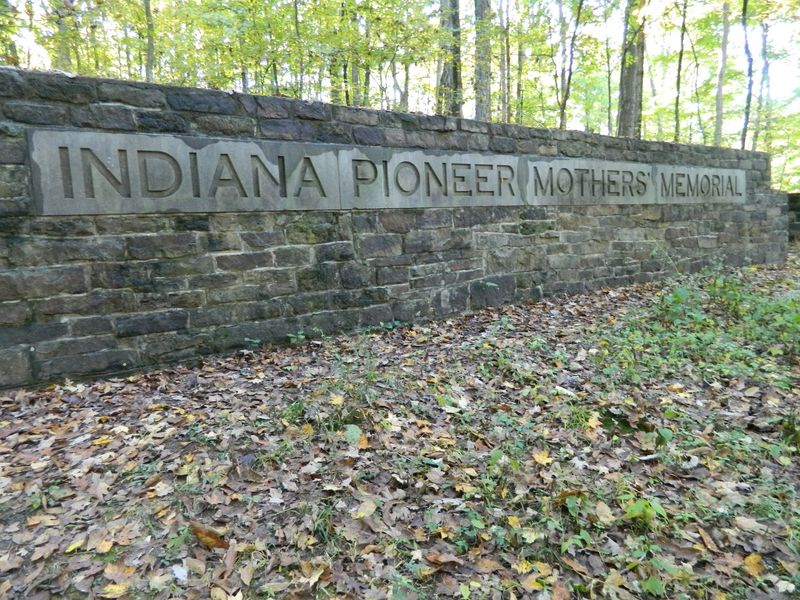
Halfway down the trail waits a memorial built from stone. It honors the Pioneer Mothers who helped settle southern Indiana and helped save this tract.
The rock wall was completed in 1951. Four years later, in 1955, the area received its official dedication.
The National Society Daughters of the American Revolution played a key role in that dedication. Their involvement is a big part of why the forest carries its name.
I like that the memorial celebrates mothers instead of generals or politicians. Settling the frontier took enormous grit, and much of that work went unnoticed.
The wall gives the hike a natural pause point. It’s a good spot to catch your breath, read up, and look around.
Kids might enjoy spotting it as a sort of halfway marker. Adults might appreciate the quiet reminder of whose stubbornness kept these woods alive.
One thing has changed over the years, though. There’s no longer a day-use picnic area near the rock wall in the bottomland.
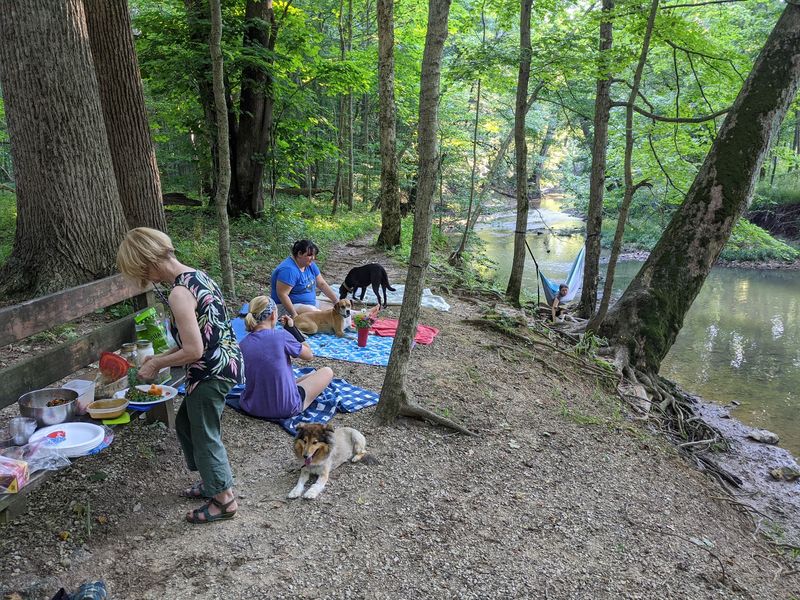
So don’t plan a big lunch spread here. Bring a snack you can carry, then pack it right back out with you.
One Easygoing Trail Does All The Work
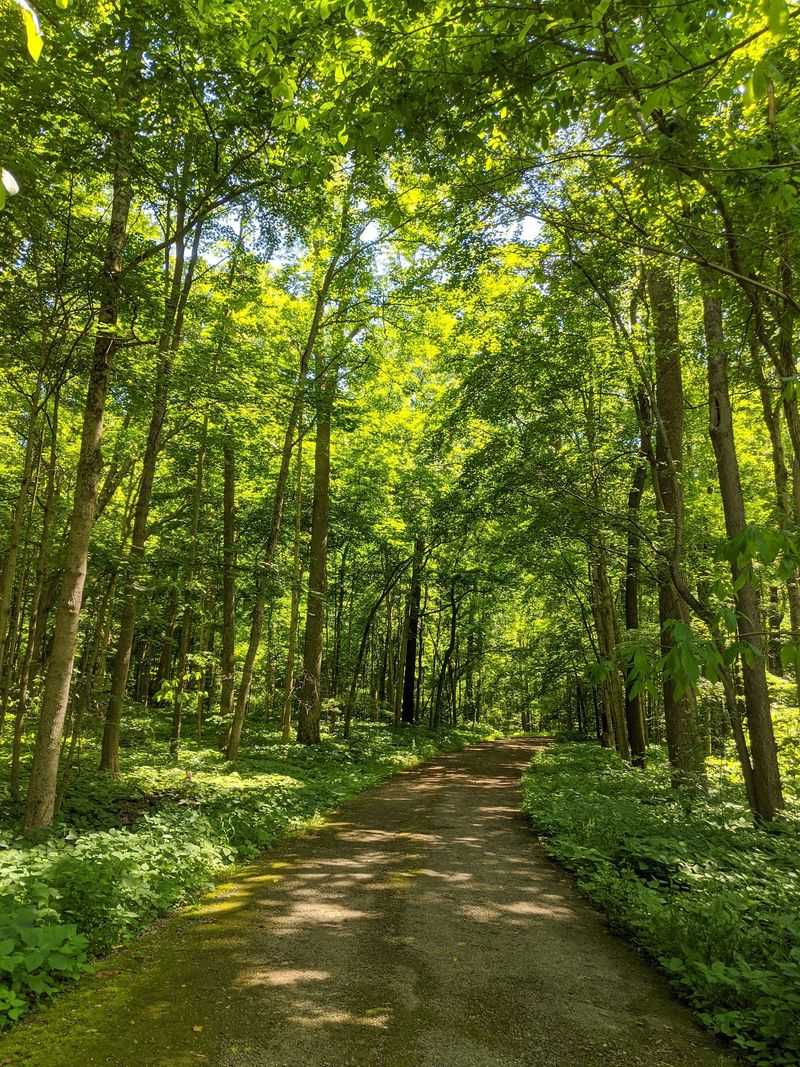
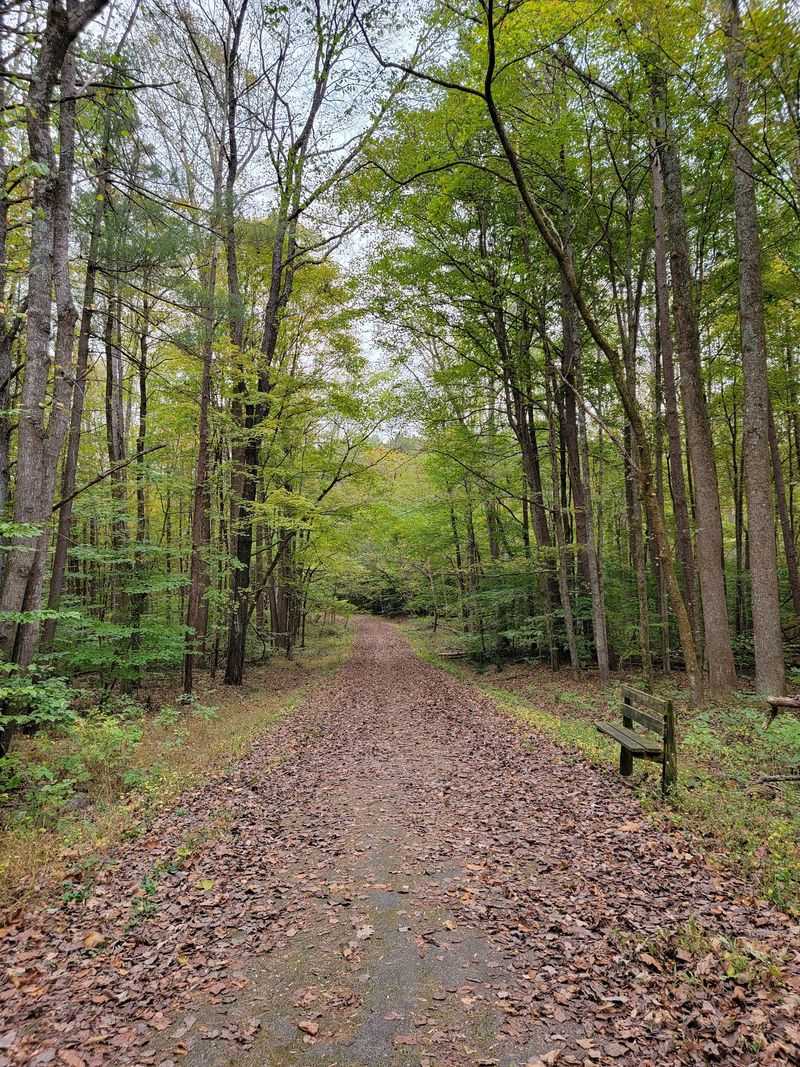
Only 1.3 miles long, the trail packs a lot into a short walk. It runs under a tall old-growth canopy from one trailhead to another.
It’s a hiking-only path, so expect quiet footsteps rather than bike tires. Horses, bicycles, and motorized vehicles aren’t allowed on it.
Because the trail links two parking areas, many hikers treat it as an out-and-back walk. Go one way, turn around, and enjoy the trees from the other direction.
That doubles the distance to about 2.6 miles total. It’s a solid outing without eating your whole day.
Wear sturdy shoes, since forest trails can get muddy after rain. Roots and uneven ground are part of the deal in old woods.
Bring water, especially in summer when southern Indiana gets sticky. A small daypack is plenty for this hike.
Pace matters here more than speed. Slow down and look up often, because the best parts of this forest happen high overhead.
Leave No Trace principles apply the whole way. Stay on the path, carry out trash, and let the old giants keep their peace.
Pick Your Parking Lot Wisely Before You Lace Up
Parking here is a small puzzle worth solving ahead of time. Trailheads sit off State Road 37 and U.S.
Highway 150.
The listed address is 1 S Triangle Rd, Paoli, IN 47454. That spot connects to the US 150 side, and its lot has limited spaces.
Many hikers prefer starting from the State Road 37 side instead. Access from there is often the smoother choice.
A little planning saves you from circling around like a confused squirrel. Check your map before leaving home, since cell service in rural hills can be spotty.
Arriving earlier in the day is a smart move on nice weekends. Small lots fill quickly, and nobody wants to give up on a forest at the gate.
Park only in marked spaces and leave room for others. Blocking a neighbor’s car is not the souvenir anyone wants.
Have a backup plan if the lot is full. The Hoosier National Forest offers plenty of other trails nearby.
Then simply come back another day. Trees that have waited 400 years can certainly wait for you.
People Lived Here Long Before The Pioneers Arrived
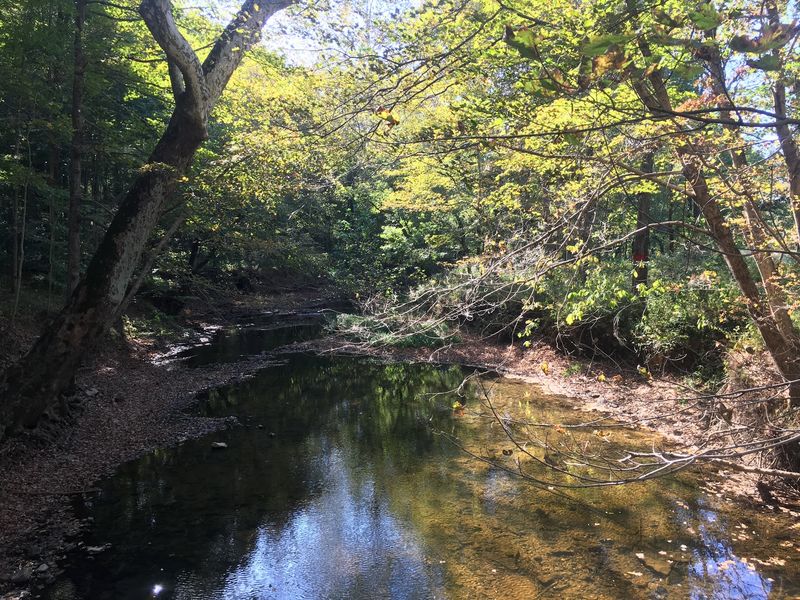
Around A.D. 1380, a village stood in the forest’s bottomland. Archaeologists identify it as an Oliver Phase Mississippian village site.
That’s more than 600 years ago. Long before Cox Woods had a name, families were building lives on this ground.
It adds a whole new layer to the walk. The trees are old, but the human story here is even older.
Don’t expect ruins or buildings to explore, though. The site is part of the landscape, not a museum display.
Archaeological sites like this one are federally protected. Visitors should never dig, disturb, or remove artifacts of any kind.
Even picking up a small object breaks the rules and erases history. Every piece left in place helps researchers understand how people lived here.
So enjoy it with your eyes and your imagination. That’s the respectful way to connect with the past.
Parents can use this as a great teaching moment. Ask kids what life might have looked like along this creek bottom centuries ago.
Science Gets First Dibs On This Forest
Officially, Pioneer Mothers Memorial Forest is a Research Natural Area. The U.S.
Forest Service manages it for both research and recreation.
It also holds National Natural Landmark status. That’s a pretty fancy title for a forest you can explore for free.
Research areas help scientists study how forests change naturally over long periods. Few places in Indiana still offer that kind of untouched baseline.
That’s why some rules are stricter than at a typical park. Hunting, camping, target shooting, and plant collecting are all prohibited.
Picking wildflowers or mushrooms might seem harmless. Here, though, every plant is part of an ongoing natural record.
Fallen logs stay where they land, too. They feed insects, fungi, and new seedlings, which is exactly what scientists want to observe.
Think of yourself as a polite guest in a giant outdoor lab. You get the scenery, and the forest keeps its secrets intact.
Honestly, that trade feels more than fair. You walk away with photos, and the woods stay wild for the next generation of curious hikers.
A 2023 Storm Turned Part Of The Woods Into A Living Lesson
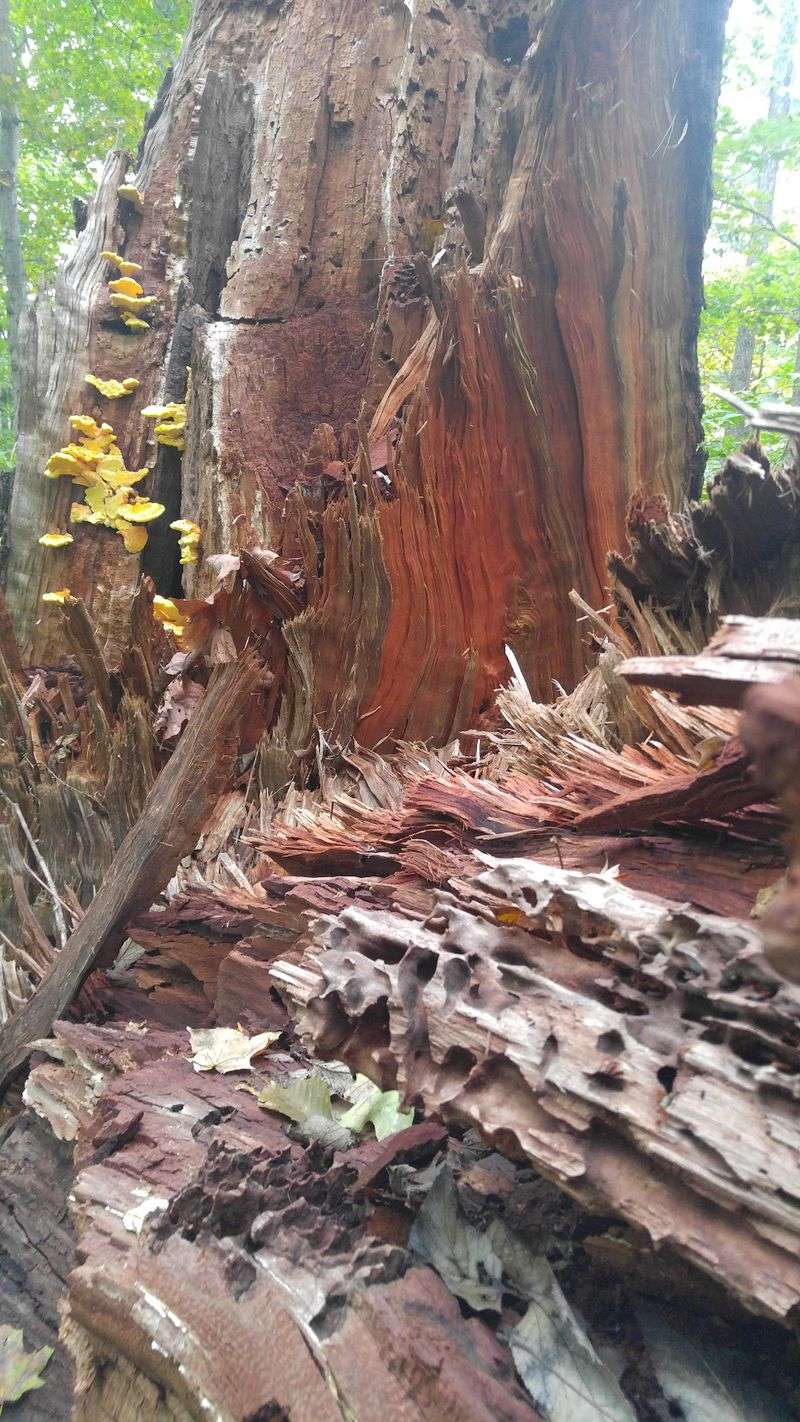
In August 2023, a tornado tore through part of the forest. Some sections look quite different now than they did before.
That might sound like sad news at first. Yet storms have shaped forests like this one for thousands of years.
When big trees fall, sunlight suddenly reaches the forest floor. Young plants and saplings jump at the chance to grow.
Watching that process up close is pretty fascinating. You can see recovery happening in real time instead of reading about it in a textbook.
Since this is a Research Natural Area, nature handles much of the cleanup. That makes the changes even more interesting to observe over the years.
Repeat visits pay off here. Come back each season, and the damaged area will tell a slightly different story.
Take photos from the same spots each time if you enjoy projects. You’ll build your own record of a forest healing itself.
Always stay on the trail near storm areas, though. Leaning trunks and loose branches deserve plenty of respect and space.
Every Season Gives The Old Giants A New Outfit
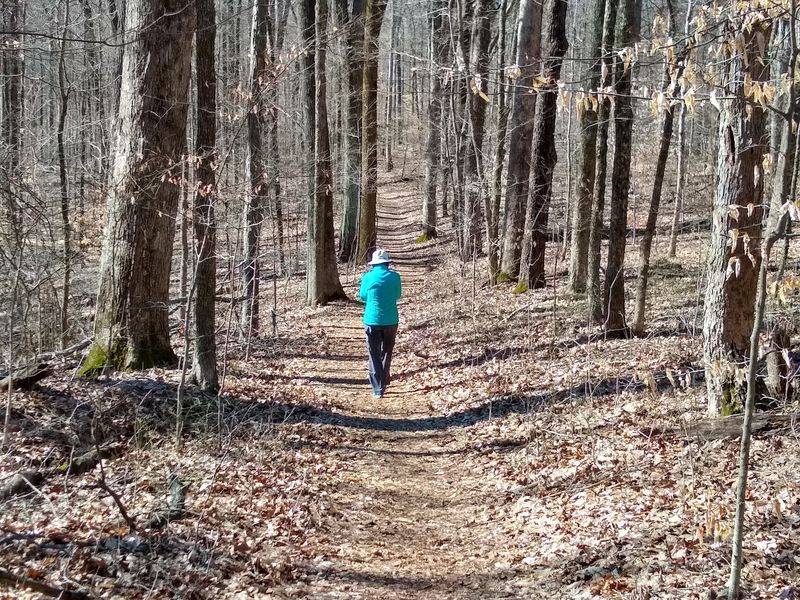
Spring brings fresh green leaves to the tall walnuts and tuliptrees. The canopy fills in fast, and the trail turns cool and shady.
Summer offers deep shade, which is a gift on hot Indiana afternoons. Those huge trees work like natural umbrellas.
Fall might be the showiest season of all. Oaks, ash, and tuliptrees put on warm colors across the southern Indiana hills.
Winter has its own charm, honestly. With the leaves gone, you can really see the size and shape of the trunks.
Bare branches also make it easier to understand the forest’s structure. You’ll notice how tall these trees climb before branching out.
Dress for the weather, whatever month you choose. Layers work well, since forest temperatures can feel cooler than open ground.
Bring a camera or phone for photos. The light filtering through old-growth canopy is hard to resist.
Whatever the season, Pioneer Mothers Memorial Forest offers something rare. You get a peek at the woods that once covered this state, and that’s worth the trip every single time.
