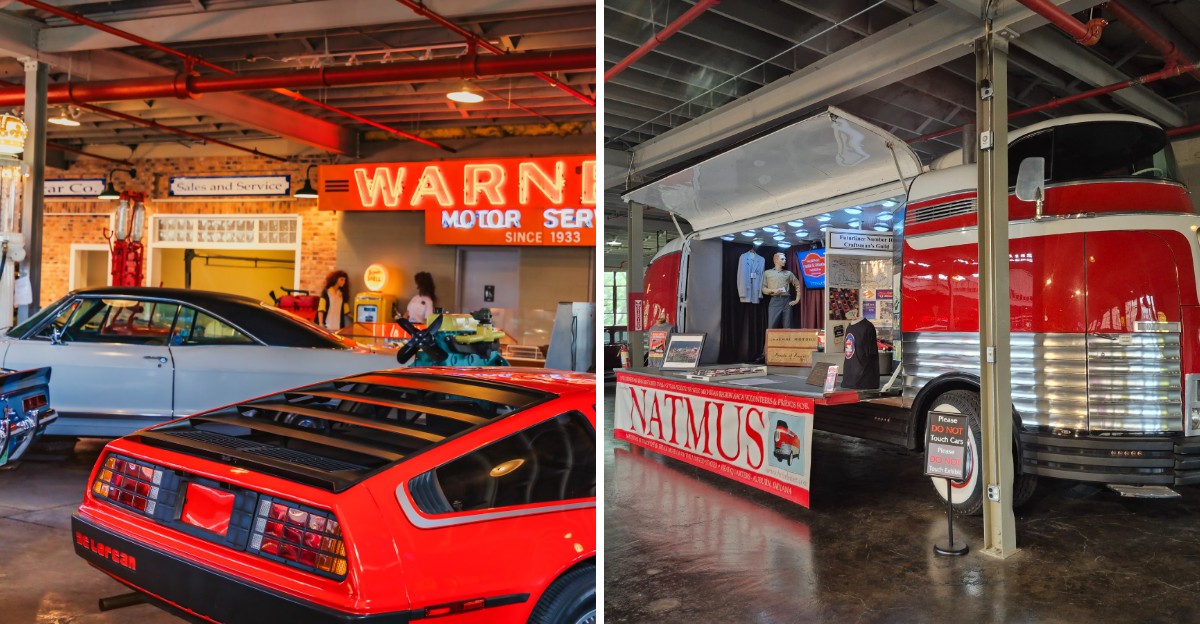
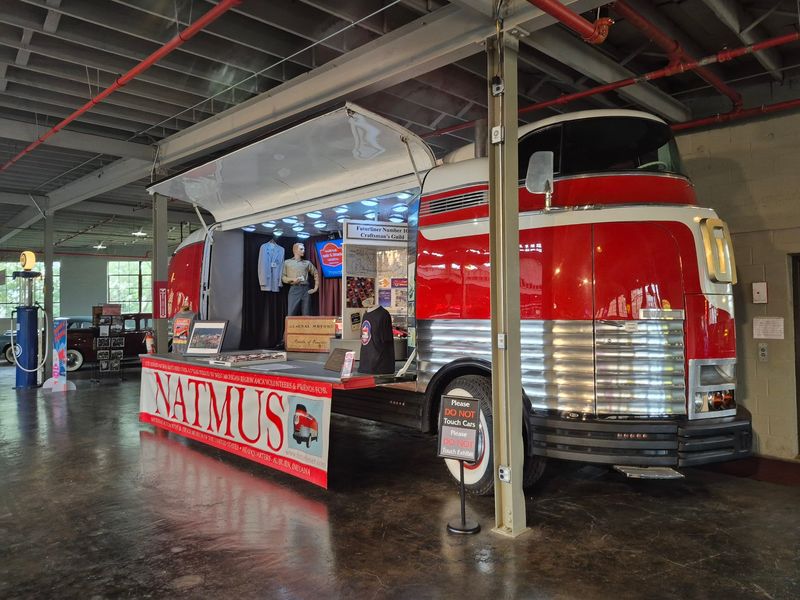
A 33-foot GM Futurliner, one of only twelve ever built, parks inside an old car factory in a small Indiana city. It once toured America with the Parade of Progress.
Volunteers spent seven years bringing it back to life.
That giant is only one of more than 190 vehicles on display. The collection runs from a 1903 Ford Model A to a muscle car with a famous Hemi engine.
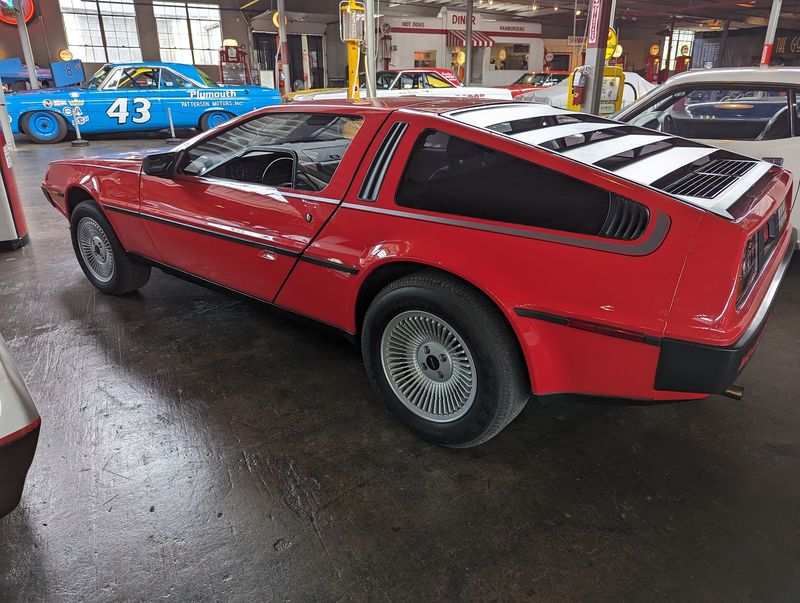
Somewhere in the mix sits a red DeLorean used to test paint on stainless steel.
I think the old factory setting makes the collection even more interesting, since the building has plenty of automotive history of its own. Cars were serviced, test-driven, and hand-built in these very rooms back in the 1920s and 1930s.
I’d want to see that Futurliner up close and take my time exploring the rest of the collection. With more than 190 vehicles and a former car factory to wander through, this museum sounds like an afternoon well spent.
The Building Itself Was Once A Real Car Factory
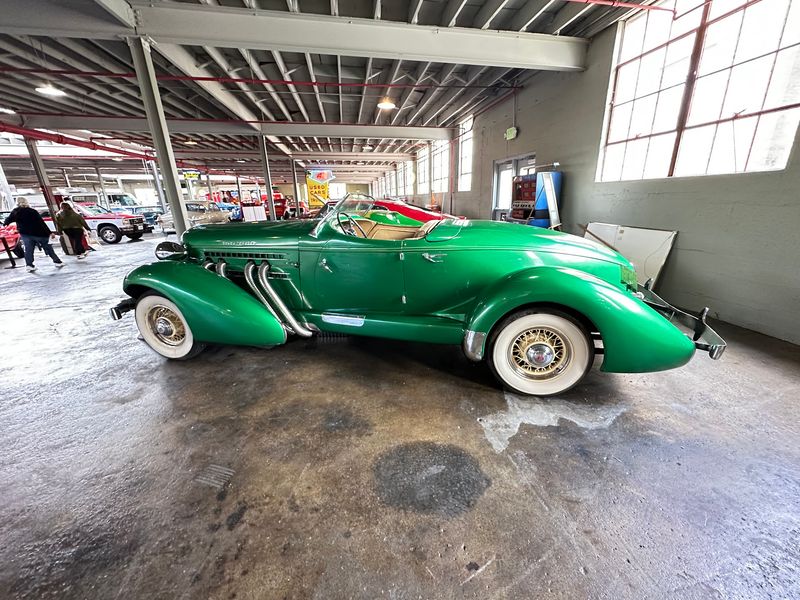
Most museums borrow a building. The National Automotive and Truck Museum lives inside the actual factory where Auburn and Cord cars were made.
Automotive entrepreneur E. L.
Cord picked Auburn to grow his car empire. He built factories here for both his Auburn and Cord brands.
The museum uses two of those original structures. The Service and New Parts Building went up in 1923, and the L-29 Cord Building followed in 1928 and 1929.
Each one had a real job. The Service Building handled test drives, factory repairs, and shipping parts around the globe.
Its lattice arch roof created a 70-foot clear span with no posts in the way. Next door, workers prepped L-29 Cords for shipment on the upper level.
The lower level was even busier. Experimental cars and prototypes took shape there, and the first 100 Cord 810s were built by hand.
Monitor windows still pull in natural light from above. Factory owners loved free sunshine as much as anyone.
In 2005, both buildings became a National Historic Landmark together. So you’re not just seeing old cars here, you’re standing where they were born.
You Will Feel Tiny Next To The 33-Foot Futurliner
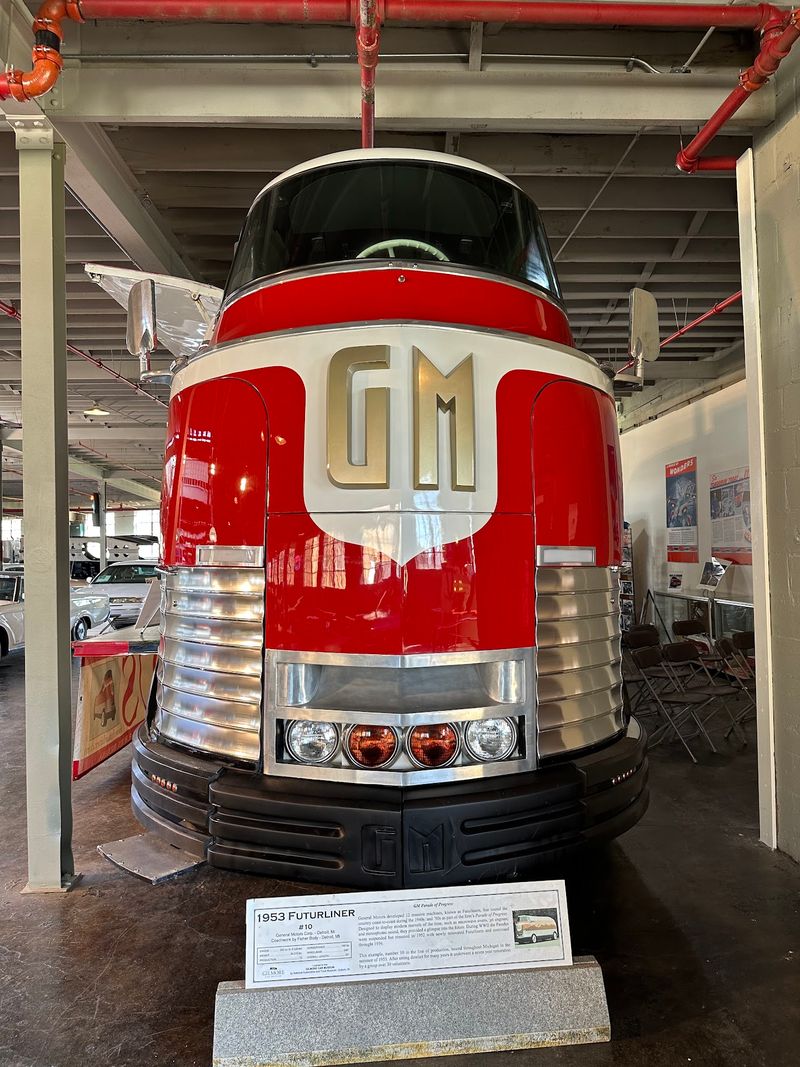
Thirty-three feet long and over eleven feet tall. Yes, that’s a vehicle, not a small house on wheels.
GM Futurliner #10 is the star of the show at the National Automotive and Truck Museum. General Motors built only twelve of these giants.
They rolled across America in the 1940s and 1950s for the Parade of Progress tours. Each one carried exhibits about science and the future to towns everywhere.
Number 10 arrived at the museum as a donation in the 1990s. Then volunteers spent seven full years restoring it.
Seven years is longer than middle school and high school combined, almost. That kind of patience shows in every polished panel.
Today the Futurliner sits on the National Historic Vehicle Register. That puts it among the most important vehicles in the country.
One quick tip before you go. The Futurliner sometimes travels to events, so it may not be home every day.
The museum has said it’s working on clearer website notices about these trips. If seeing it matters to you, check ahead before you drive.
Catch it on a good day, though, and bring a wide-angle camera. You’ll need every inch of the frame.
Some Of These Cars Come With Seriously Odd Backstories
A DeLorean in red? That sounds like a typo, but it’s real.
This one was part of a factory test for putting paint on stainless steel. Most DeLoreans stayed bare metal, so this car is a true curiosity.
Then there’s the barn find 1935 Cord. It spent years buried before anyone brought it back into the light.
Honestly, that car has been through more than most of us. It still made it to a museum, which feels like a pretty good comeback.
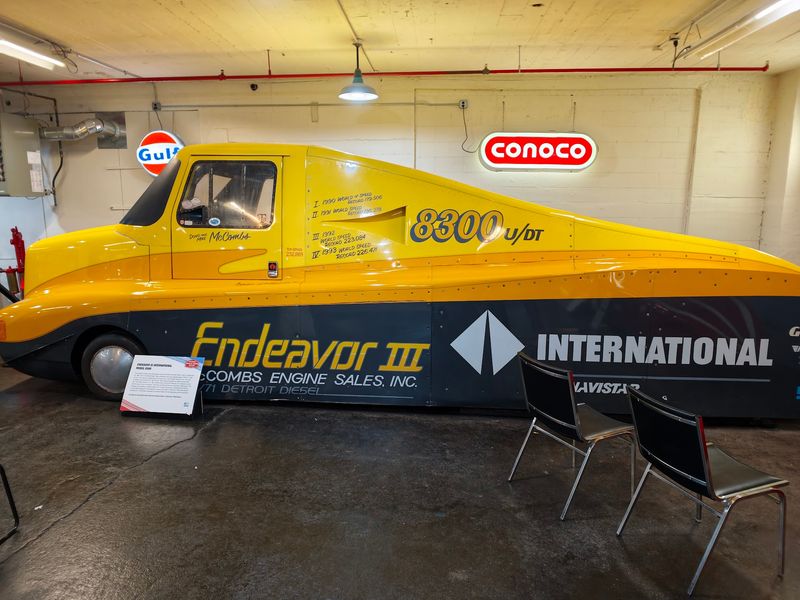
Speed fans should look for the land-speed record-setting semi-truck. A big rig chasing records is not something you see every weekend.
Look for the 1941 Crosley 390 pickup too. It’s towing a mini dozer, and the whole setup looks like a toy that grew up.
These oddballs are a big reason the National Automotive and Truck Museum feels so fun. The collection mixes classic beauty with plenty of wonderful weirdness.
Give yourself time to read the signs by each vehicle. Some of the best stories hide in the small print.
You might come for the shiny classics. You’ll probably leave talking about the buried Cord.
More Than A Century Of Wheels Fits Under These Roofs
Over 190 vehicles usually sit on display at once. The full collection reaches into the hundreds, covering more than a hundred years of driving history.
Early machines look almost like carriages with engines. The 1903 Ford Model A and the 1907 Harvester Autowagon show how simple cars once were.
Move forward a couple of decades and things get fancy. The 1929 Cord L-29 shows off the long, graceful style of the late 1920s.
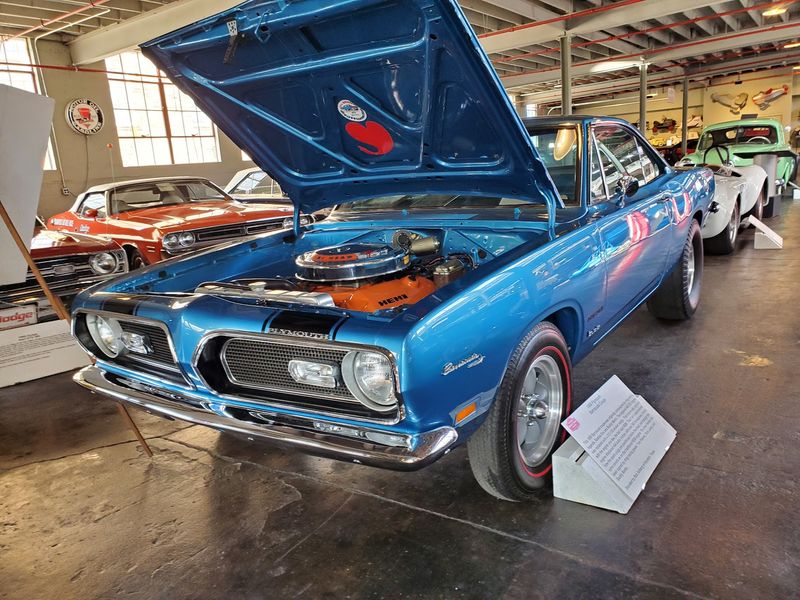
Muscle car lovers get their moment too. The 1969 Plymouth Barracuda Ball-Stud Hemi brings serious attitude to the room.
Trucks get real respect at this museum, not just a corner spot. A permanent display honors them, which sets it apart from many car museums.
You’ll also find racing vehicles, prototypes, and custom builds. Every row seems to jump to a new decade.
The exhibits spread across two levels covering about 80,000 square feet. Comfortable shoes are a smart call.
The space can feel packed with vehicles, so move slowly and look closely. The museum is building an expansion to give the collection more room.
Until then, think of it as a treasure hunt. Every corner hides another set of headlights.
Grab A Booth In A Diner That Came From Down The Road
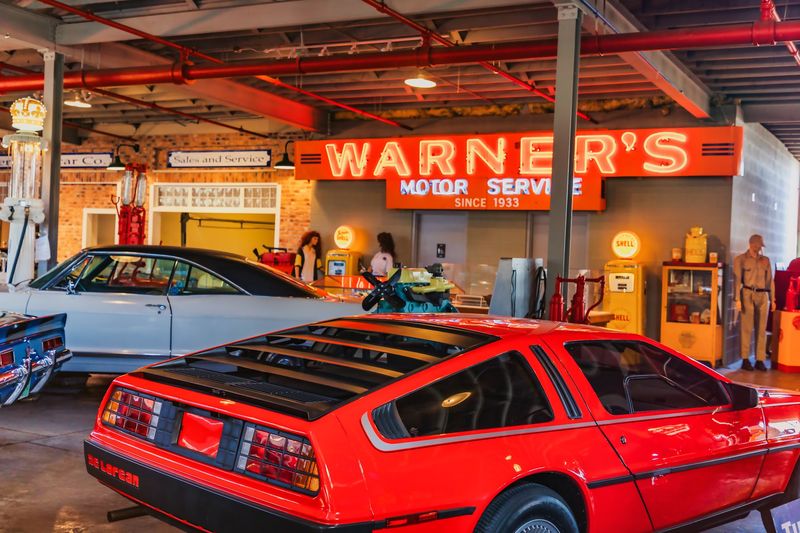
Old-time Main Street shows up indoors here. The museum has built recreated storefronts that make history feel close enough to touch.
One is a 1935 Auburn Automobile Dealership. It shows how shoppers once picked out a brand-new Auburn.
Nearby stands a Standard Oil Gas Station. It comes with an interactive rubber hose and a service bell.
Back in the day, rolling over that hose rang a bell for the attendant. Kids and grown-ups alike tend to find that little detail delightful.
The real charmer is the 1948 Valentine Diner. It originally sat in Angola, Indiana, just a short drive away.
Valentine diners were small, prebuilt restaurants shipped to towns across the country. Seeing one saved and set up inside a factory is a treat.
Bright neon signs glow around these displays. The colors pop against the gritty, industrial feel of the old building.
Photos are allowed inside the museum, so snap away. The diner and gas station make great backdrops.
Just don’t expect a milkshake. The diner is strictly for looking, not for lunch.
Gas Pumps, Oil Cans, And 6,000 Tiny Cars Await
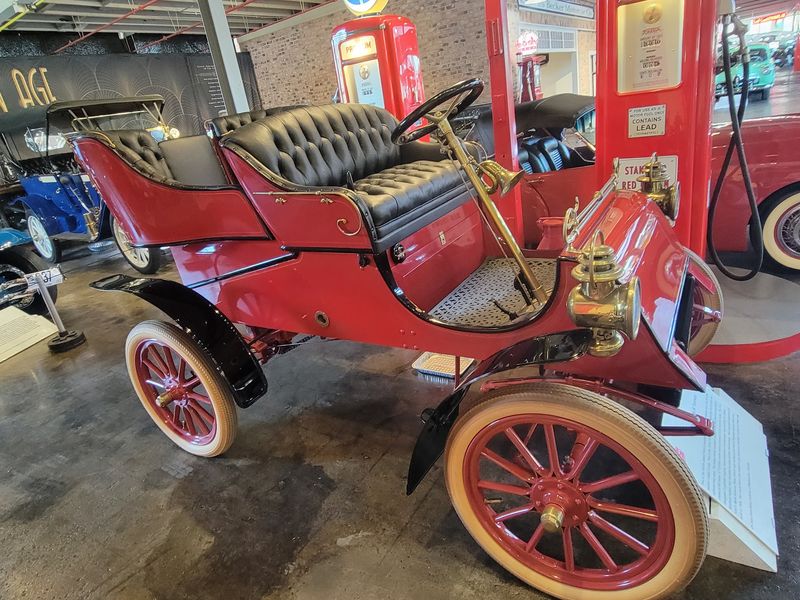
Petroliana is a fun word for gas station collectibles. This museum holds one of the largest petroliana collections in the country.
Antique gas pumps stand tall like colorful soldiers. Vintage signs and oil cans fill in the gaps with bold logos and faded paint.
These pieces show how much effort companies once put into looking good. A plain pump today feels boring by comparison.
Now shrink everything down. More than 6,000 model toy cars are on display throughout the exhibits.
That number is hard to picture until you see the cases. Diecast fans could easily lose track of time here.
Vintage pedal cars join the lineup too. Many grandparents probably once zoomed down a sidewalk in one just like them.
I love how the small stuff balances the giant vehicles. After a Futurliner, a palm-sized truck feels oddly charming.
Look closely at the details on the models. Some match full-size cars parked just a few steps away.
It’s a nice way to spot connections across the whole museum. Big or small, every piece tells part of the same road trip story.
Head Downstairs To Watch Old Cars Get A Second Chance
Restoration isn’t hidden behind locked doors here. The basement Observation Room lets you watch volunteers work on real vehicles.
It’s like a cooking show, but with wrenches. You get to see the slow, careful work that brings tired cars back to shape.
Recent projects show just how wide the mix can be. A VW Formula Vee and a 1974 Dune Buggy have both been on the list.
Older machines get attention too. A 1948 Chevrolet Canopy Express and a 1928 Chrysler have shared the workshop.
There’s also a 1930s Indy 500 tribute car. Racing history feels right at home in this part of Indiana.
Fans of local brands should watch for the 1933 Auburn 105-8. An Auburn being restored inside an Auburn factory is pretty perfect.
Volunteers have shaped this place from the start. Before the 1988 opening, people like Jerry Muzz Muzzillo helped save these buildings from demolition.
That same hands-on spirit is still alive downstairs. The Futurliner restoration proved what dedicated helpers can pull off.
Spend a few minutes at the window. You’ll leave with fresh respect for every shiny car upstairs.
Little Car Fans Get Their Own Kind Of Fun
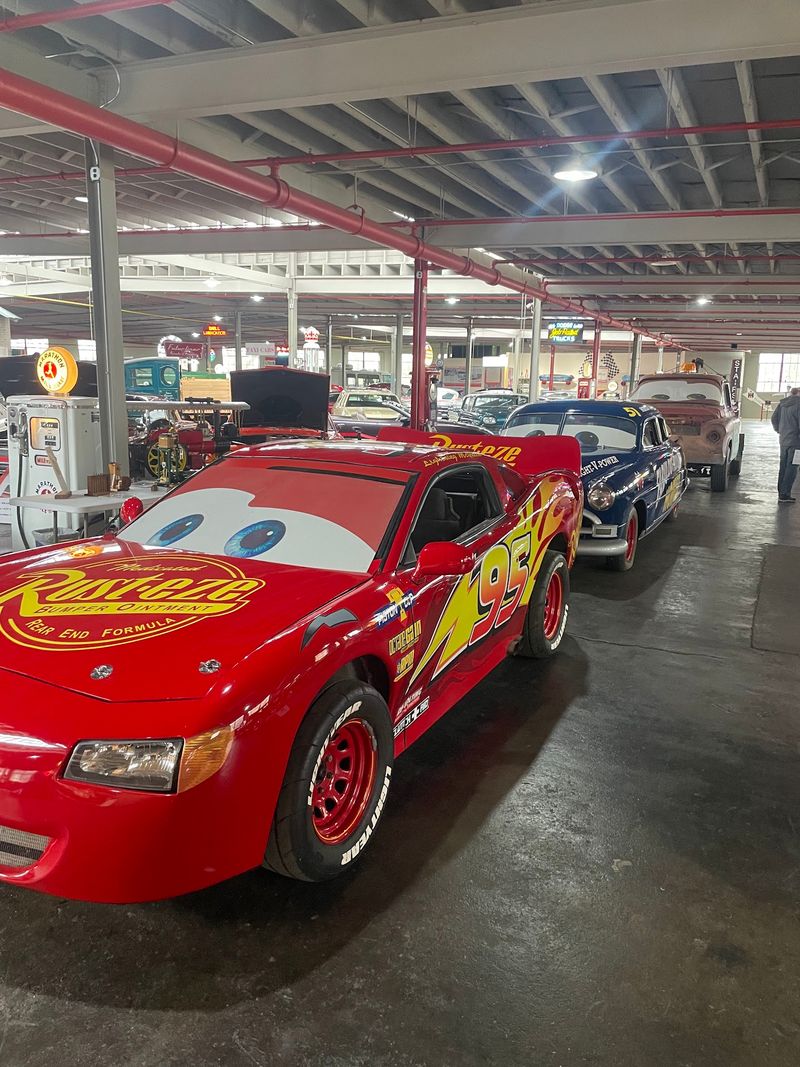
Hot Wheels tracks are waiting for small racers. Few things beat watching a toy car rip down an orange track.
The museum adds a stuffy hunt for younger visitors too. Kids search the exhibits, which keeps them looking closely without even noticing they’re learning.
Families who finish a scavenger hunt may even earn a small toy. That’s a solid trade for a bit of detective work.
Movie fans have had big reasons to visit as well. Radiator Springs-inspired displays have featured characters like Lightning McQueen.
Those displays have drawn plenty of families to Auburn. Some special events have also let children sit inside select vehicles.
Rotating exhibits keep things fresh for repeat trips. Racing history shows up often, including NASCAR displays and a 1970 Indianapolis 500 Pace Car.
Championship Harley-Davidson motorcycles have rolled through too. Check what’s on before you go, since special exhibits change.
Grown-ups shouldn’t worry about being bored. The adults usually wander off toward the muscle cars anyway.
Plan for a mix of play and browsing. A happy kid makes the whole day smoother for everybody.
Make A Full Day Of It With Two Museums Side By Side
Auburn has deep roots as a hub for horseless carriage and motorcar makers. That history makes this Indiana city the perfect home for so many vehicles.
You’ll find the National Automotive and Truck Museum at 1000 Gordon M. Buehrig Place, Auburn, IN 46706.
It sits right behind the Auburn Cord Duesenberg Automobile Museum.
A campus pass covers both museums. The two work together, with this one focusing on a wider range of transportation history.
Hours run 9 AM to 5 PM every day. The museum closes on Thanksgiving, Christmas, and New Year’s Day.
Don’t rush past the grounds outside. Authentic pre-motel roadside cabins are preserved there, and you can pull up for photos.
Near the entrance stands the Eckhart Building. It’s the last remaining structure from the Eckhart Carriage Company, which led to the Auburn Automobile Company.
Inside, an elevator connects both floors, and benches offer breaks. A research library is also open during hours, included with admission.
Save time for the Roadside Market gift shop. Automotive souvenirs make it tough to leave empty-handed.
Honestly, one visit might not be enough. Good thing the cars aren’t going anywhere.
