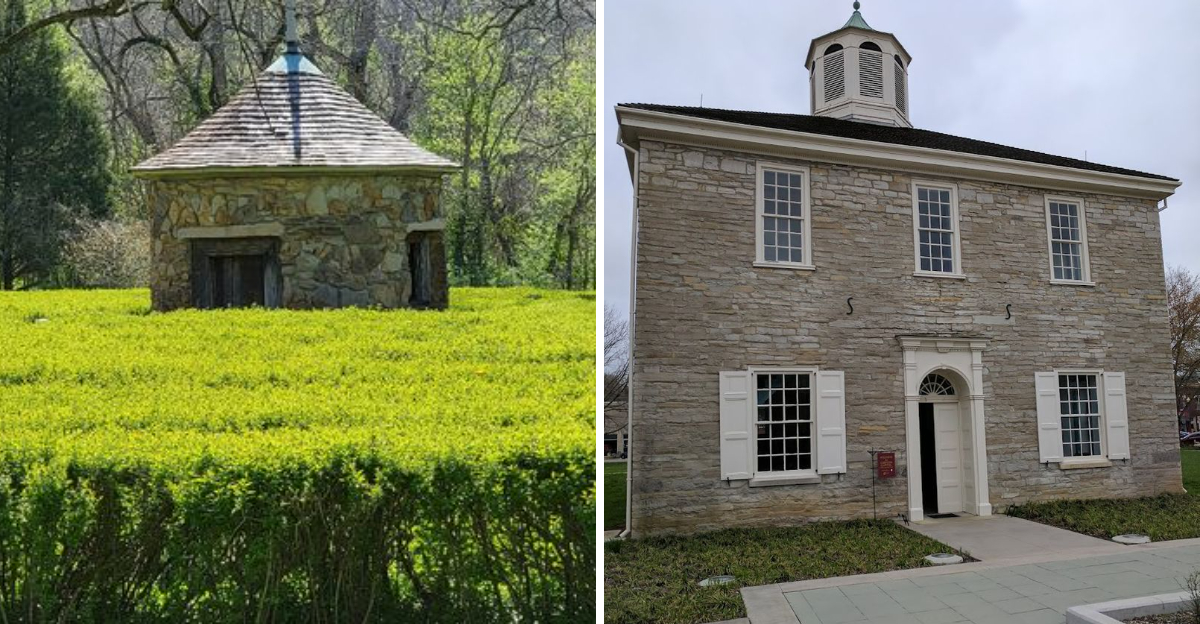
I still remember the first time I drove through a small Indiana village and felt the world slow down around me. The hum of traffic faded, the phone signal dropped, and suddenly I was standing in a place that felt untouched by the rush of modern life.
The streets seemed quieter, the air smelled of fresh earth and aged wood, and every corner held a hint of a story waiting to be discovered. Indiana is full of these hidden pockets where cobblestone streets, hand-built barns, and century-old storefronts speak louder than any smartphone notification ever could.
From quaint cafes tucked into historic buildings to quiet parks where time seems to pause, each village has its own character and charm. If you have ever wanted to step away from the noise and feel genuinely connected to history, these eight Indiana villages are exactly where you need to go.
1. Metamora, Indiana
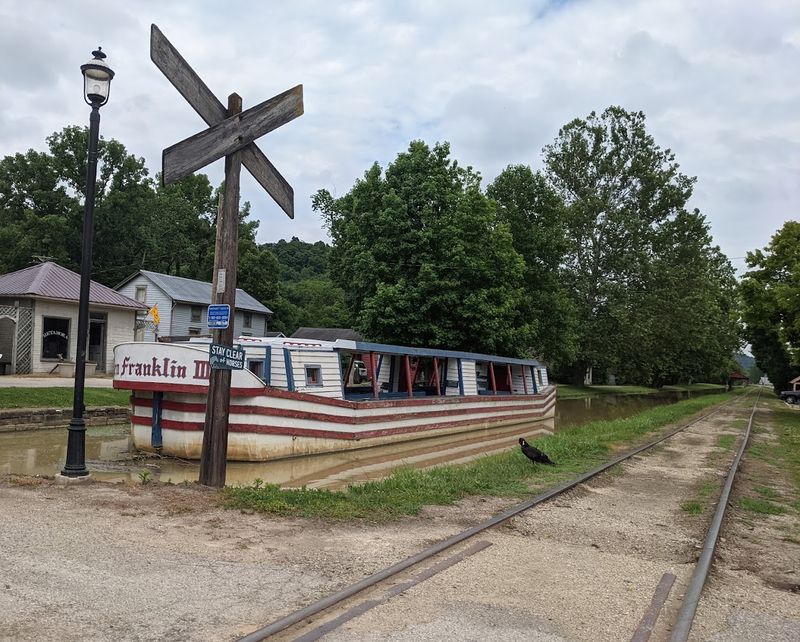
Metamora remains a dedicated escape to the 1800s, even though its famous Whitewater Canal State Historic Site officially closed state-run operations in late 2025. While the horse-drawn Ben Franklin III canal boat has been permanently retired after sustaining irreparable damage, the village itself continues to thrive as a privately-run heritage destination.
Visitors can still explore the Duck Creek Aqueduct, the only surviving wooden covered aqueduct in the United States, now at the center of a major $14 million community-led restoration effort. The village’s heart lies in its independent spirit, with craftsmen and shopkeepers selling handmade goods from the historic wooden storefronts that line the canal.
Although the water-powered Metamora Grist Mill ended state management in October 2025, it remains a preserved icon of Indiana’s industrial past. Families still flock here for the Whitewater Valley Railroad excursions and the annual Canal Days Festival, enjoying a slower pace and a glimpse of history that feels genuinely alive.
Even as the state-run era has transitioned, the town’s charm, local pride, and dedication to preserving its past remain firmly in the hands of the community, ensuring Metamora continues to offer a uniquely immersive experience.
2. Shipshewana, Indiana
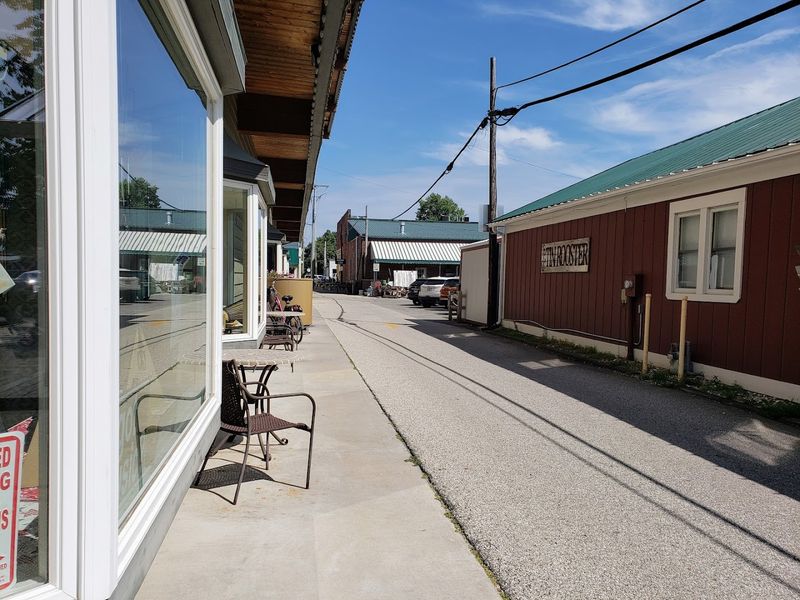
There is something genuinely humbling about watching a horse-drawn buggy clip-clop past a row of handmade quilts hanging on a fence line. Shipshewana, nestled in LaGrange County in northern Indiana, is the heart of one of the largest Amish communities in the world.
Modern technology feels almost out of place here, where life moves at the steady rhythm of seasons and faith rather than Wi-Fi speeds.
The Shipshewana Flea Market, located at 345 South Van Buren Street, is one of the biggest outdoor markets in the Midwest and draws bargain hunters and history lovers alike. Rows of vendors sell everything from handcrafted furniture to fresh produce grown just miles away.
The Blue Gate Restaurant on State Road 5 is legendary for its hearty Amish-style cooking, including homemade pies that have earned fans from across the country.
Walking through the village, you notice things that are easy to miss in busier places: the care in a hand-stitched quilt, the patience in a hand-planed wooden chair, the quiet pride of a community that has held onto its values for generations. Shipshewana is not a museum or a performance.
It is a living, breathing place where an entire way of life has remained beautifully intact, and visitors are welcome to witness it with respect and curiosity.
3. Madison, Indiana
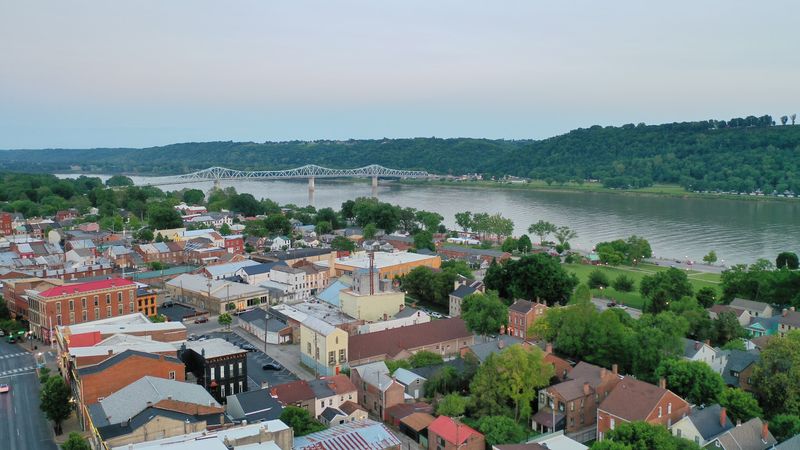
Madison sits along the Ohio River like a painting someone forgot to finish, every corner revealing another perfectly preserved Federal-style building from the early 1800s. The entire downtown Madison Historic District spans over 133 blocks and is recognized as the largest contiguous National Historic Landmark District in the United States.
Walking these streets, you genuinely feel like you have been dropped into a different century, surrounded by one of the most significant collections of mid-19th-century architecture in the nation. The Lanier Mansion State Historic Site at 601 West First Street is the crown jewel of the area, a stunning Greek Revival home built in 1844 that overlooks the Ohio River with quiet dignity.
Nearby, the Sullivan House and the Shrewsbury-Windle House are equally breathtaking examples of architecture that has survived nearly two centuries of Indiana weather and history. Knowledgeable local guides share stories that bring each building to life, weaving together history, personal anecdotes, and architectural insights in a way no textbook ever could.
Main Street remains a vibrant hub of antique stores, artisanal shops, and cozy cafes, making Madison a town where you plan a two-hour visit and end up staying an entire weekend. Beyond the historic homes and streets, the riverfront adds a serene backdrop, perfect for a stroll at sunset or a quiet moment watching barges drift past.
Every visit reminds you that Madison isn’t just a destination; it’s a living, breathing window into America’s past.
4. Vevay, Indiana
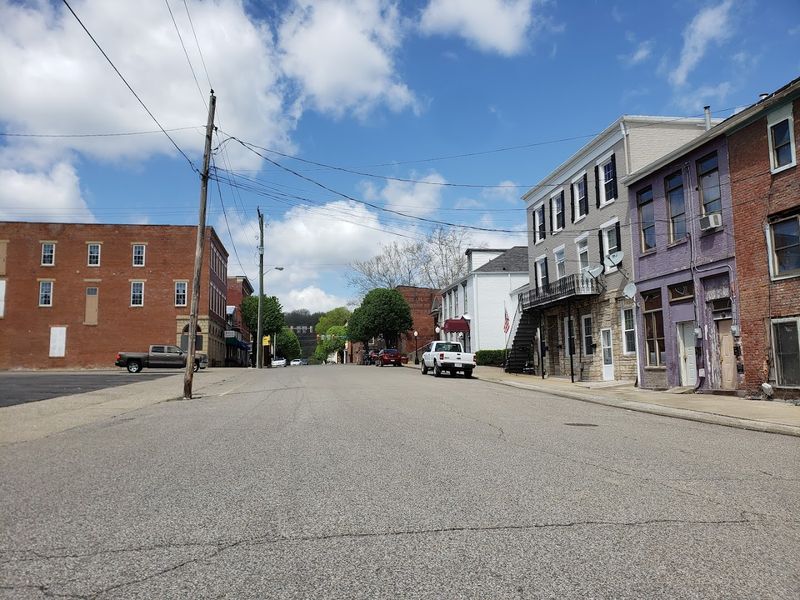
Vevay carries a kind of quiet dignity that you feel the moment you cross the county line into Switzerland County. Founded by Swiss immigrants in the early 1800s, this small Ohio River town has a European sensibility woven into its architecture and community spirit.
The streets are lined with antebellum homes that have barely changed since Indiana was still a young state finding its footing.
The Switzerland County Historical Museum on Ferry Street holds artifacts and stories that trace the town’s remarkable origins, including its early days as a grape-growing and winemaking community long before modern viticulture ever arrived in the Midwest. The Schenck House and the Thiebaud House are two of the most photographed historic structures in the area, both reflecting the careful craftsmanship of Swiss-American settlers who built to last generations.
Local walking tour maps are available at the courthouse and make exploring the town easy and rewarding.
The Ohio River here is wide and slow-moving, and the riverfront park offers a peaceful spot to sit and watch barges drift past just as they have for over two hundred years. Nearby Markland Locks and Dam is an impressive engineering sight worth a short detour.
Vevay also hosts the Annual Swiss Wine Festival every August, drawing visitors who come for the food, the music, and the living history that fills every corner of this extraordinary little town. It rewards those who slow down enough to truly look.
5. Corydon, Indiana
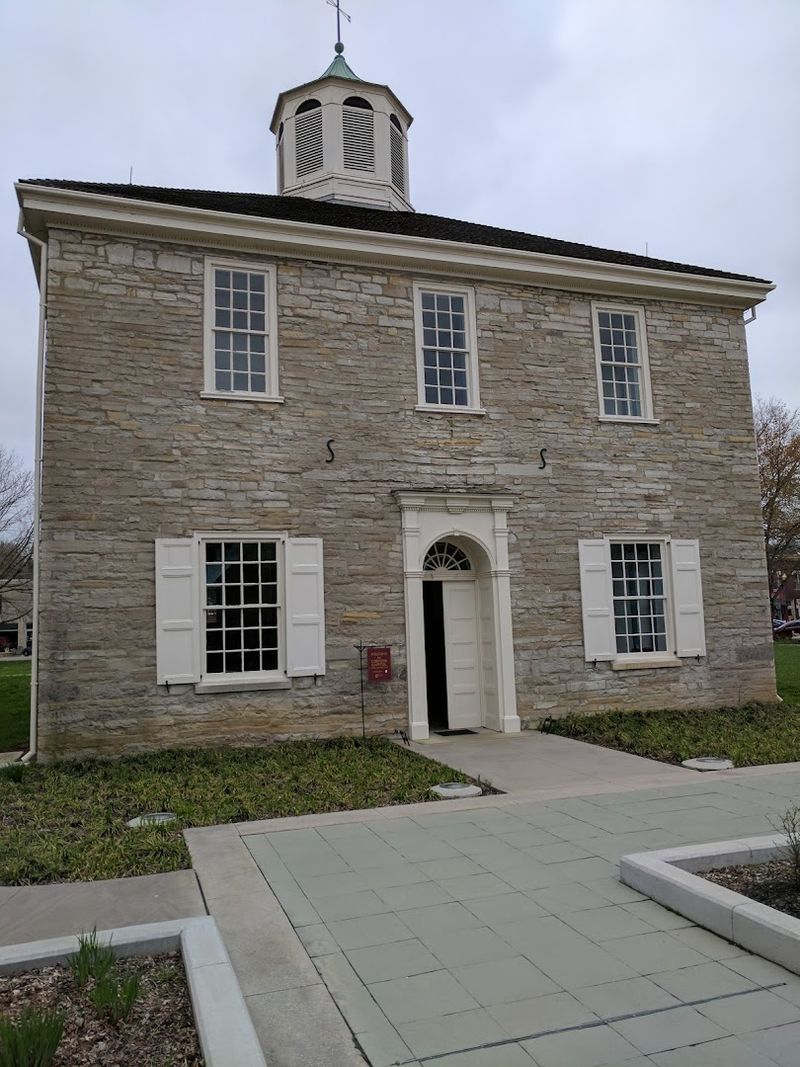
Corydon holds a distinction that most Hoosiers know but rarely take the time to fully appreciate: it served as Indiana’s very first state capital. Before Indianapolis claimed the title in 1825, this Southern Indiana gem was the seat of government.
In 1816, the state’s first constitution was drafted here, famously under the shade of the “Constitution Elm.” Though the tree died in 1925, a stone and glass memorial shrine at High and Walnut Streets preserves its stump as a silent witness to history, inviting visitors to pause and reflect on the momentous events that unfolded beneath its branches. The original Indiana State Capitol Building at 201 North Capitol Avenue is a sturdy limestone structure that still anchors the town square.
Stepping inside, you can stand in the very room where early legislators debated the future of the frontier. The surrounding Corydon Capitol State Historic Site includes the Governor’s Headquarters and the First State Office Building, offering a vivid look at life in early 19th-century Indiana and the challenges faced by the state’s first leaders.
Downtown Corydon continues to thrive as a hub of local craft and creativity. At Zimmerman Art Glass on 300 East Chestnut Street, visitors can watch skilled glassblowers use traditional techniques to create intricate paperweights and ornaments, while nearby galleries and shops offer handmade goods that capture the town’s historic charm.
Even beyond its political significance, Corydon feels like a place where history lives in every street, storefront, and corner of the town square.
6. Oldenburg, Indiana
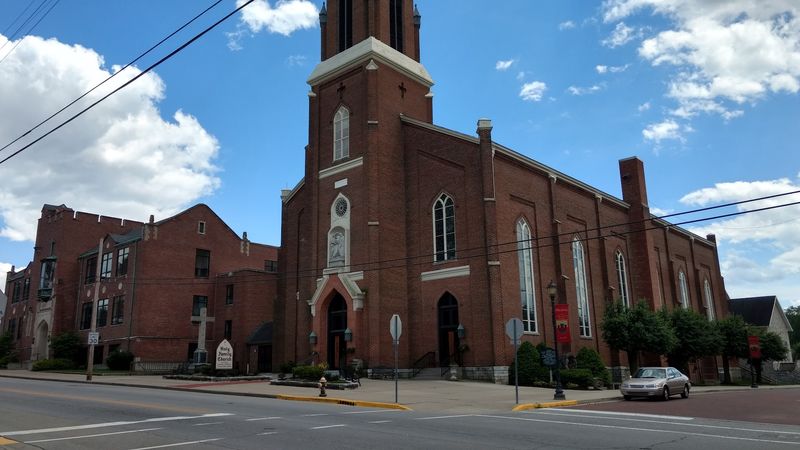
Known throughout the Midwest as the “Village of Spires,” Oldenburg is a German-Catholic enclave in Franklin County that feels like a slice of Bavaria transported to the Indiana hills. Platted in 1837 by German settlers, the town’s horizon is dominated by the towering steeples of the Holy Family Church and the Sisters of St. Francis Convent.
The German influence is everywhere, from the bilingual street signs to the ornate brickwork of the historic homes that line the quiet streets.
A walk through Oldenburg reveals an authenticity that is rare to find; nearly eighty of the buildings in the historic district were constructed before 1900. The Oldenburg Academy and the various chapels showcase a European architectural style that makes you feel as though you’ve crossed an ocean rather than a county line.
The town’s commitment to its roots is most visible during the annual Freudenfest each July, where thousands gather to celebrate German heritage with music, dance, and tradition.
Food is a central part of the experience here, with local favorites like Wagner’s Village Inn serving what many consider the best fried chicken in the state. The Brau Haus offers a classic Old World atmosphere where you can enjoy traditional bratwurst and sauerkraut.
Even the fire hydrants are painted with the faces of original town residents, adding a whimsical touch to a village that takes its history seriously but with a warm, welcoming spirit.
7. Zionsville, Indiana
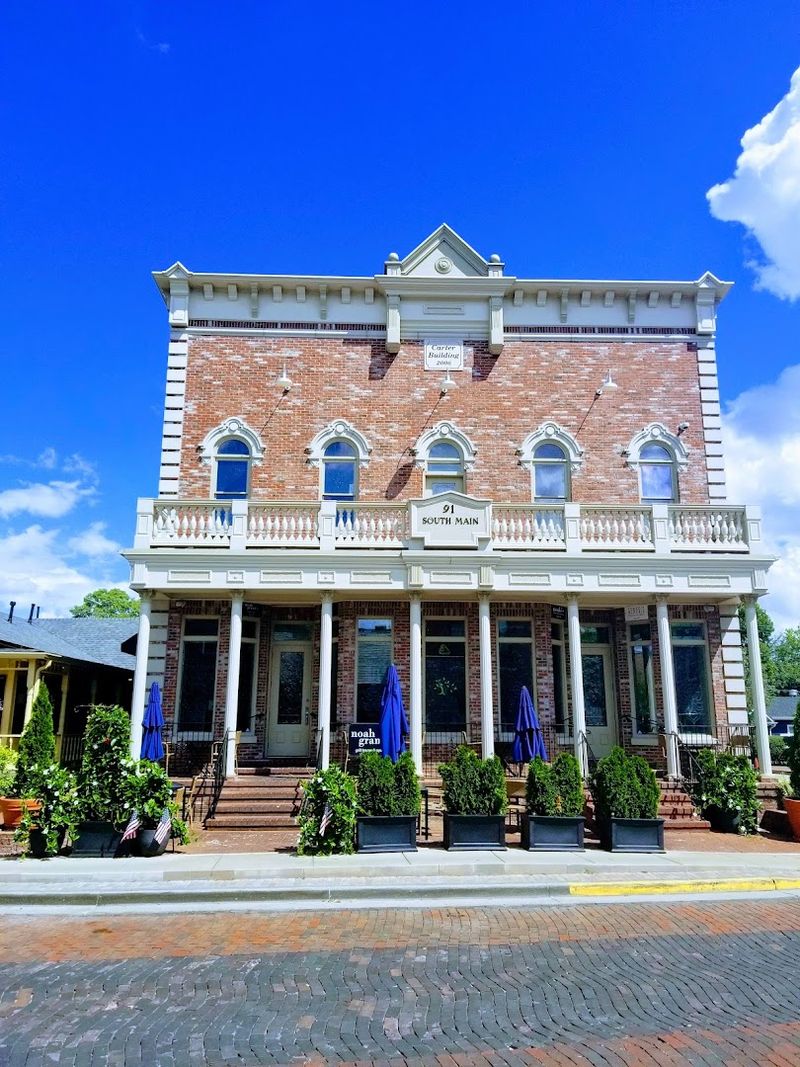
While it sits just twenty minutes north of Indianapolis, the “Village” of Zionsville feels like a world apart from the surrounding suburbs. Founded in 1852 along the railroad line, Zionsville has fought hard to preserve its nineteenth-century charm, most famously seen in its brick-paved Main Street.
Walking these uneven, historic bricks, you pass by rows of meticulously maintained buildings that look much as they did when Abraham Lincoln made a whistle-stop speech here in 1861.
The heart of the town is centered around Lincoln Park at the corner of Main and Cedar Streets, where a mural of “Honest Abe” commemorates his visit. The SullivanMunce Cultural Center on West Hawthorne Street serves as a hub for local history, housing a museum and genealogy library that tell the story of the town’s evolution from a railroad depot to a cultural center.
Zionsville is a masterclass in how a community can embrace growth while keeping its small-town soul firmly intact.
The shopping district is entirely independent, featuring boutiques like Scoop! for award-winning ice cream and cozy bookstores tucked into former residences. For nature lovers, Starkey Nature Park provides seventy-seven acres of wooded trails and creek views just minutes from the brick streets.
In Zionsville, the pace of life isn’t dictated by the nearby interstate, but by the steady rhythm of a community that truly values its heritage and its neighbors.
8. New Harmony, Indiana
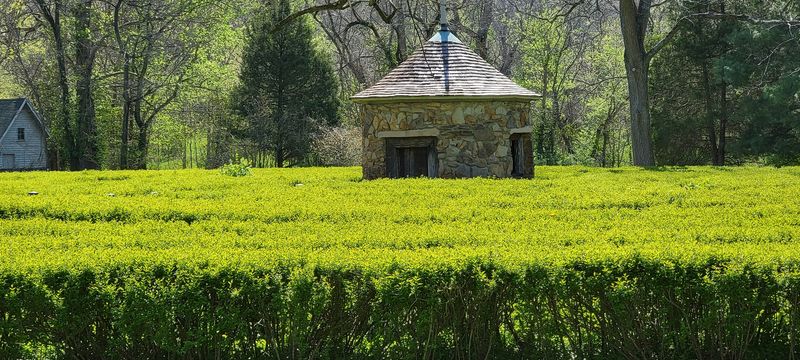
New Harmony, tucked away in Posey County along the Wabash River, is a place where the pursuit of a perfect society left a lasting mark on the landscape. Founded in 1814 by the Harmonists and later purchased in 1825 by social reformer Robert Owen, this village was the site of two major utopian experiments.
Today, it feels like a quiet sanctuary where history and modern architecture coexist in a way that encourages deep reflection and a slower pace of life.
The New Harmony State Historic Site offers tours of original Harmonist dormitories and the Workingmen’s Institute, Indiana’s oldest continuously operating library. One of the most striking features is the Roofless Church on North Street, an open-air structure designed by Philip Johnson that honors the town’s spiritual roots under the vast Indiana sky.
Walking through the Harmonist Labyrinth at the edge of town, you can physically retrace the steps of those who sought a more harmonious way of living two centuries ago.
The town’s “Village” district is filled with independent art galleries, antique shops, and the Red Geranium Restaurant, where the hospitality is as timeless as the surroundings. Whether you are exploring the Atheneum visitors center or sitting by the river, New Harmony offers a unique blend of intellectual history and natural beauty.
It is the kind of place where the “noise” of the modern world is replaced by the rustle of leaves and the echoes of revolutionary ideas.
Dear Reader: This page may contain affiliate links which may earn a commission if you click through and make a purchase. Our independent journalism is not influenced by any advertiser or commercial initiative unless it is clearly marked as sponsored content. As travel products change, please be sure to reconfirm all details and stay up to date with current events to ensure a safe and successful trip.
