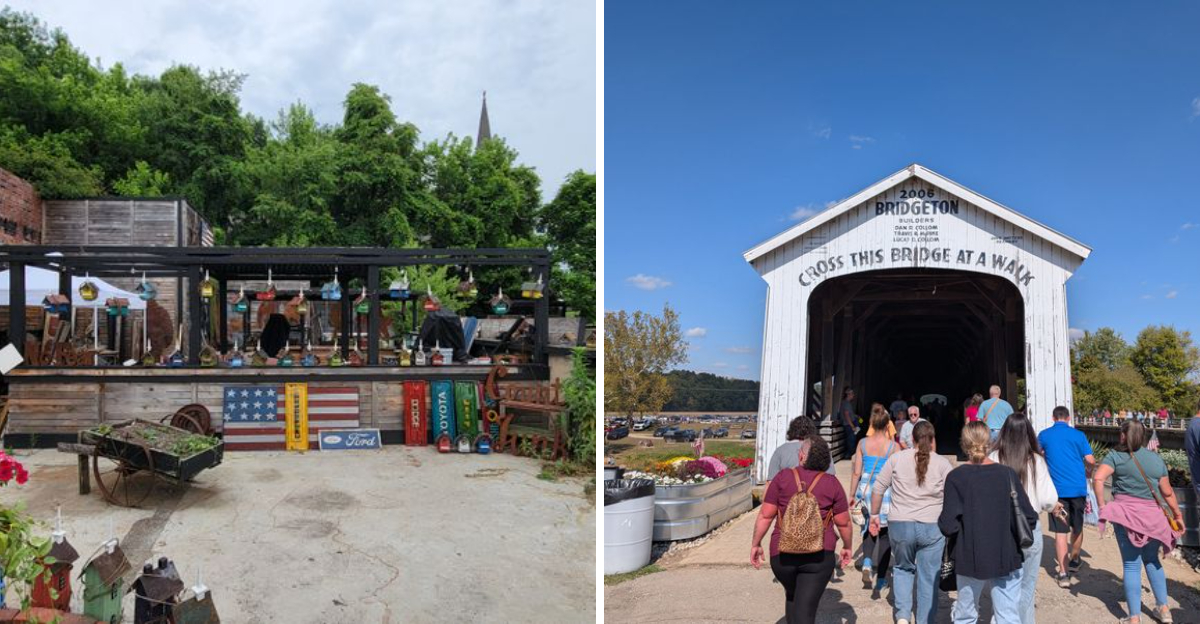
Indiana is home to charming small towns that draw weekend crowds from across the Midwest.
While tourists flock to these destinations for festivals, antique shops, and scenic beauty, locals often steer clear when the visitors arrive.
The influx of out-of-towners transforms peaceful streets into bustling hubs of activity, making parking a nightmare and turning quick errands into all-day affairs.
Many residents have learned to time their visits carefully, avoiding peak hours when Main Street becomes gridlocked and restaurants have hour-long waits.
These towns offer genuine appeal with their historic architecture, natural landscapes, and unique attractions that make them worth visiting.
However, the weekend transformation can be dramatic.
What locals experience during the week versus what happens on Saturday and Sunday feels like two different worlds entirely.
Understanding which towns get the most crowded helps both visitors plan better trips and locals know when to stay away from their own backyards.
1. Nashville, Indiana
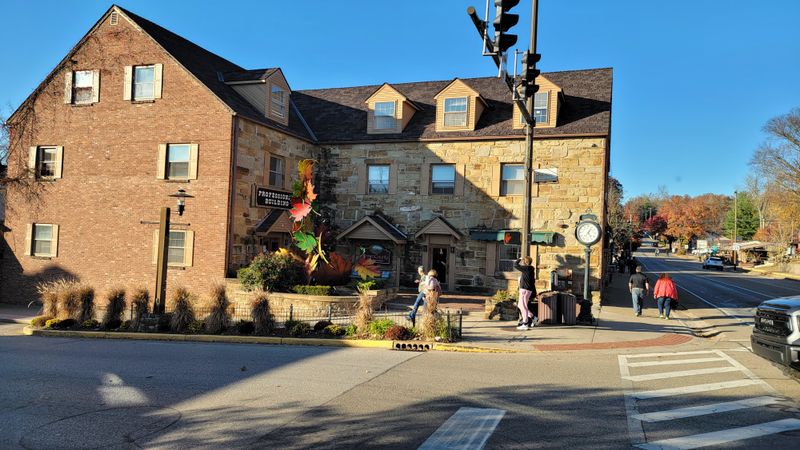
Nestled in the rolling hills of Brown County, Nashville transforms from a sleepy artist colony into a tourist magnet every weekend.
The town’s population of around 800 swells to tens of thousands as visitors arrive to experience fall foliage, browse art galleries, and shop for handmade crafts.
Locals who need groceries or want to grab lunch at a favorite spot quickly learn that weekends require strategic planning or complete avoidance.
The main drag through town becomes a slow-moving parade of cars searching for parking spots that disappeared hours earlier.
What should be a five-minute drive from one end of Nashville to the other can take thirty minutes or more during peak autumn weekends.
Residents often joke that they stock up on supplies midweek because attempting a grocery run on Saturday means facing crowds that rival Black Friday shopping.
Brown County State Park, located just outside town at 1801 State Road 46 East, draws hikers and nature lovers year-round but sees especially heavy traffic during October.
The park’s scenic overlooks and miles of trails become so packed that finding parking at popular trailheads before 9 AM is nearly impossible.
Nashville House Restaurant on Van Buren Street serves fried biscuits and country-style meals that visitors line up for, sometimes waiting two hours for a table.
Local residents remember when they could walk in anytime for a casual meal, but those days feel like distant memories now.
The artists and craftspeople who give Nashville its character appreciate the business tourism brings, yet many admit to feeling overwhelmed by the sheer volume of weekend visitors.
They’ve adapted by running errands early morning or waiting until Monday when the town returns to its quieter, more manageable self.
The weekend crowds aren’t going anywhere, so locals have simply learned to work around them rather than fight through them.
2. Shipshewana, Indiana
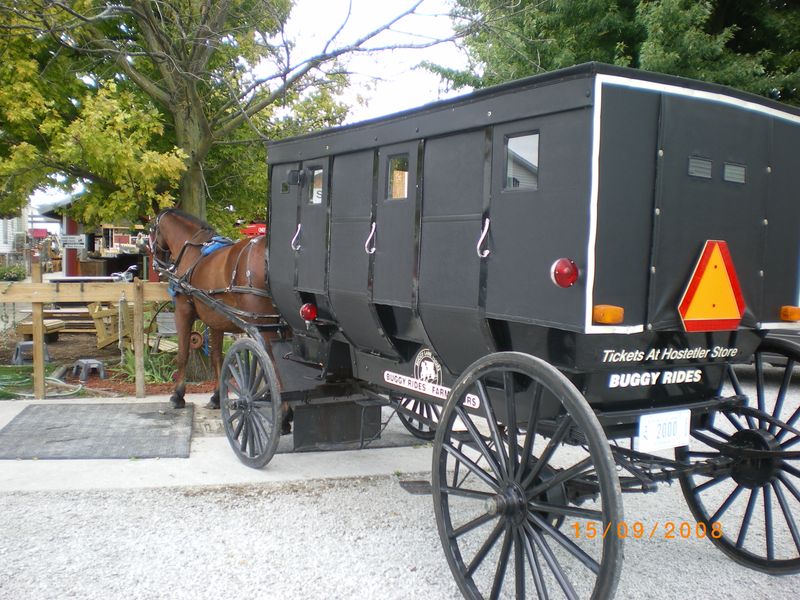
Amish country’s commercial heart beats strongest in Shipshewana, where the nation’s third-largest flea market operates every Tuesday and Wednesday from May through September.
Yet weekends bring a different kind of chaos as tourists flood in to experience authentic Amish culture, purchase handcrafted furniture, and sample homemade baked goods.
The town’s permanent population hovers around 650, but weekend visitor numbers can reach into the thousands.
Downtown Shipshewana features shops selling quilts, wooden toys, and bulk foods that appeal to visitors seeking a taste of simpler times.
Locals trying to navigate these same streets for their own shopping needs find themselves stuck behind tour buses and out-of-state vehicles moving at a crawl.
Parking lots that sit half-empty on Monday mornings are completely full by 10 AM on Saturdays.
The Blue Gate Restaurant and Bakery on East Middlebury Street serves traditional Amish meals to crowds that often spill out the door.
Residents who once enjoyed casual meals there now avoid weekend visits entirely, knowing the wait times make it impractical.
Many have shifted their dining out to weekday evenings when they can actually get a table without advance planning.
Menno-Hof Mennonite-Amish Visitors Center at 510 South Van Buren Street offers educational exhibits about Anabaptist history and culture.
While it provides valuable context for visitors trying to understand the community, locals sometimes wish tourists would absorb the lessons about respecting privacy and moving at a slower pace.
The economic benefits of tourism are undeniable, with shops and restaurants depending heavily on visitor dollars.
However, residents have learned to complete their errands during the week and spend weekends at home or traveling elsewhere.
The irony isn’t lost on them that while tourists come to experience their peaceful way of life, the crowds make actually living that peaceful life on weekends nearly impossible.
3. French Lick, Indiana
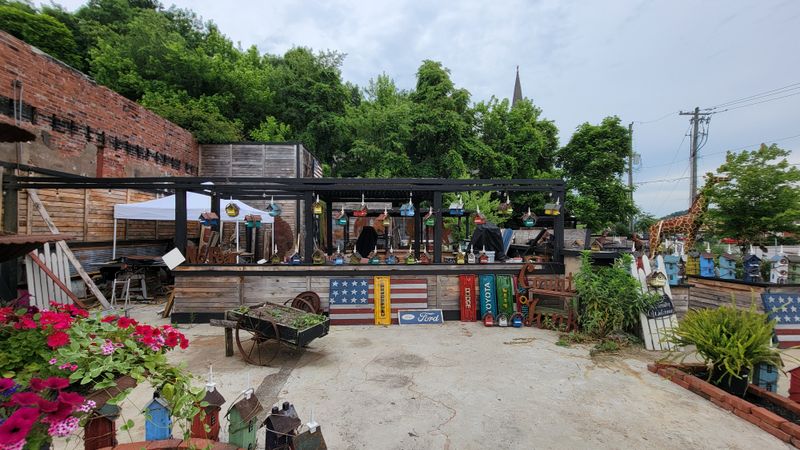
Casino buses roll into French Lick every weekend, delivering hundreds of gamblers hoping to strike it rich at the historic resort.
Once a fading reminder of Gilded Age grandeur, the town reinvented itself when the French Lick Resort Casino opened in 2006, bringing both economic revival and weekend congestion.
The transformation has been remarkable, but locals sometimes miss the quiet years before slot machines and poker tables arrived.
French Lick Springs Hotel, built in 1845, stands as an impressive example of restored Victorian architecture.
The adjacent West Baden Springs Hotel features a stunning domed atrium that was once the largest free-spanning dome in the world.
These architectural marvels draw history buffs and architecture enthusiasts who wander the grounds with cameras, often blocking sidewalks and parking areas that residents need to access.
The town’s population of roughly 1,800 people gets overwhelmed when weekend visitors arrive by the thousands.
State Road 56, the main route through town, becomes clogged with traffic as visitors navigate between the casino, hotels, and local restaurants.
What should be a quick trip to the grocery store becomes an exercise in patience as traffic crawls along.
Big Splash Adventure Indoor Water Park and Resort at 902 North County Road 275 East attracts families year-round, adding another layer of weekend visitors beyond the casino crowd.
Children in swimsuits and parents carrying pool toys create a carnival atmosphere that feels worlds apart from the town’s everyday character.
Local restaurants benefit from the influx of hungry tourists, but residents know better than to try dining out on Saturday nights without reservations made days in advance.
The pizza place that used to be a casual drop-in spot now requires planning that feels more suited to fine dining in a big city than grabbing a bite in small-town Indiana.
4. Santa Claus, Indiana
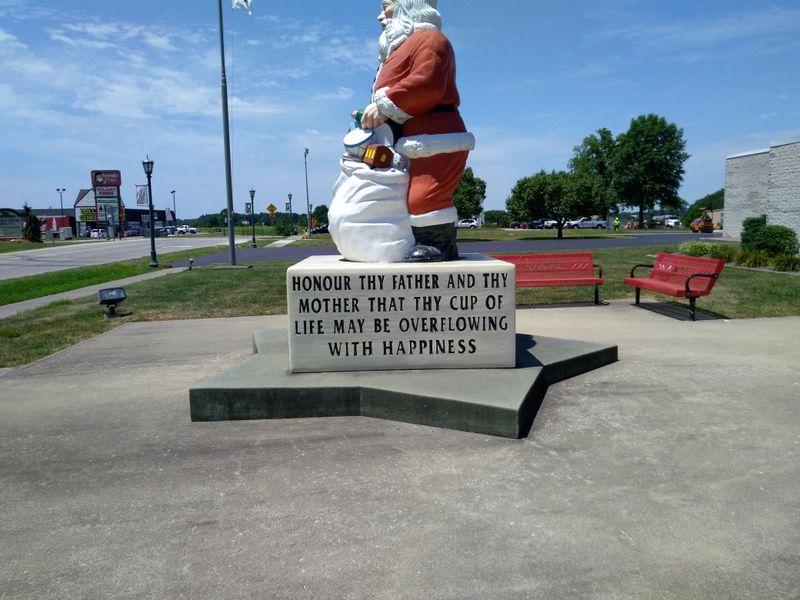
Living in a town named Santa Claus comes with unique challenges, especially during the holiday season and summer months when families make pilgrimages to Holiday World and Splashin’ Safari.
The theme park, located at 452 East Christmas Boulevard, operates from May through October and draws massive crowds seeking roller coasters and water slides.
Residents have adapted to sharing their hometown with thousands of visitors who arrive expecting Christmas magic year-round.
The post office in Santa Claus receives hundreds of thousands of letters each December from children addressing their Christmas wishes to Santa.
Volunteers help respond to these letters, creating a heartwarming tradition that puts the town on the map.
However, the resulting tourist traffic means locals avoid the post office during peak holiday weeks unless absolutely necessary.
State Road 162 runs through the heart of Santa Claus, and during summer weekends, it becomes a parking lot of minivans and SUVs loaded with families heading to the theme park.
Traffic backups can stretch for miles as vehicles wait to turn into Holiday World.
Locals have learned alternate routes through back roads that visitors don’t know about, keeping these secrets closely guarded.
Santa’s Candy Castle on East Christmas Boulevard sells sweets and holiday decorations in a building shaped like a castle.
Tourists find it charming and spend considerable time browsing, but residents remember when they could pop in quickly for a candy purchase without navigating through crowds of photo-taking visitors.
The economic benefits are substantial for a town of only 2,500 people, with tourism providing jobs and tax revenue that support local services.
Yet there’s something surreal about living somewhere that exists partly as a year-round Christmas fantasy for outsiders.
Locals appreciate what the theme park and unique name have done for their community while simultaneously planning their weekends around avoiding the very attractions that define their town’s identity.
5. Madison, Indiana
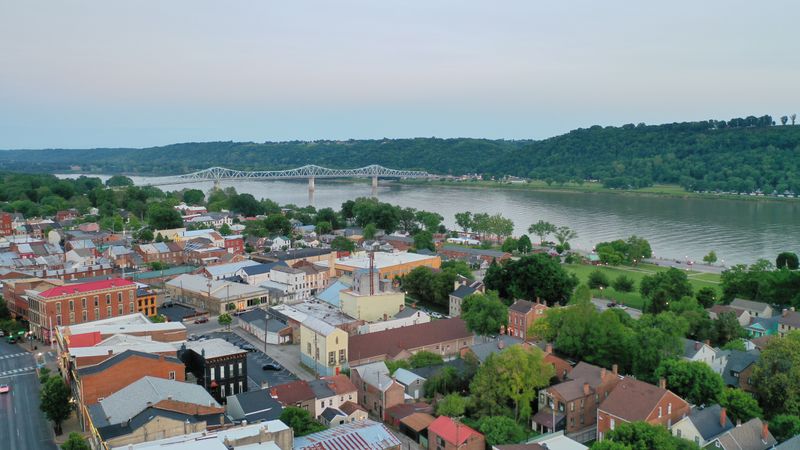
Perched on the banks of the Ohio River, Madison preserves one of the largest collections of Federal-style architecture in the United States.
The entire downtown was designated a National Historic Landmark District, making it a magnet for history enthusiasts and architecture students who descend on weekends with guidebooks and cameras.
Residents take pride in their town’s historical significance but sometimes feel like they’re living in an open-air museum.
Clifty Falls State Park at 2221 Clifty Drive offers hiking trails, waterfalls, and camping that attract outdoor enthusiasts from across the region.
Weekend parking at the park fills up quickly during spring and fall when the waterfalls run strongest and the foliage is most dramatic.
Locals who enjoy hiking there have learned to visit on weekday mornings when they can actually find parking and enjoy the trails without dodging groups of tourists.
Main Street in Madison features antique shops, boutiques, and restaurants housed in buildings dating back to the 1800s.
The architectural integrity is impressive, but weekend foot traffic makes simple errands complicated.
Residents trying to pick up a prescription or grab coffee find themselves weaving through clusters of visitors stopped in the middle of sidewalks to photograph historic facades.
The Broadway Fountain and Hotel, built in the 1840s, serves as a focal point for downtown activity.
Lanier Mansion State Historic Site at 601 West First Street offers tours of a Greek Revival home that once belonged to a prominent banker.
These attractions bring educational tourism that benefits the local economy but also creates parking shortages and restaurant wait times.
Madison’s population of about 12,000 can handle the visitor influx better than smaller towns, but the impact is still noticeable.
Locals have developed weekend routines that avoid downtown entirely, opting for shopping in nearby communities or saving errands for Monday mornings.
They understand their town’s appeal and generally welcome visitors, but they’ve also learned to protect their own quality of life by strategically avoiding peak tourist hours.
6. Metamora, Indiana
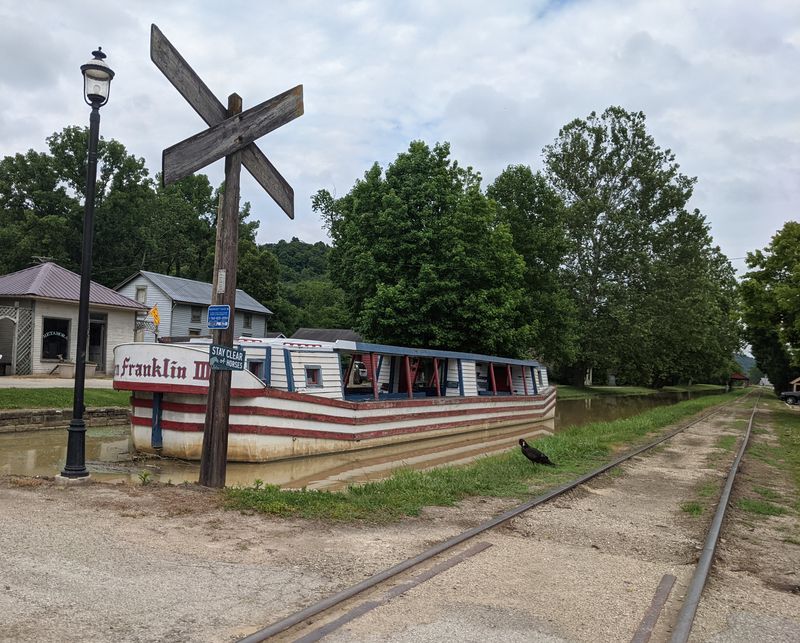
Step into Metamora and you’ll feel transported back to the 1800s, which is exactly what draws thousands of visitors every weekend from spring through fall.
This canal town has preserved its 19th-century character so thoroughly that modern intrusions feel jarring.
The Whitewater Canal, a working section of Indiana’s historic canal system, offers horse-drawn boat rides that tourists love and locals have long since stopped riding because the wait times are absurd on Saturdays.
Metamora’s population barely reaches 200 people, making weekend crowds particularly overwhelming.
The entire downtown consists of restored buildings housing craft shops, fudge stores, and restaurants that cater almost exclusively to visitors.
Locals shopping for everyday items have to drive to nearby communities because their own town has transformed into a tourist destination with little infrastructure for actual residents.
The Grist Mill on Mill Street, built in 1845, still operates and grinds cornmeal that visitors purchase as souvenirs.
Watching the water-powered mill work is genuinely interesting, but locals have seen it countless times and mostly avoid the area on weekends when tour groups crowd the small space.
The charm that makes Metamora special for visitors is the same charm that makes it challenging for year-round residents.
Duck Creek Aqueduct, an engineering marvel that carries the canal over Duck Creek, is a popular photo spot.
Visitors line up to capture the unusual sight, often blocking the path for locals trying to walk through town.
Parking is scarce, with most spots taken by 10 AM on weekend mornings, forcing residents to park blocks away from their own homes.
Several annual festivals, including a Halloween celebration and Christmas events, bring even larger crowds than typical weekends.
These events provide crucial income for local businesses that depend on tourism dollars to survive.
Residents have made peace with their town’s dual identity as both their home and a weekend destination for others, but they still plan their lives around avoiding the crowds whenever possible.
7. Covered Bridge Country (Parke County)
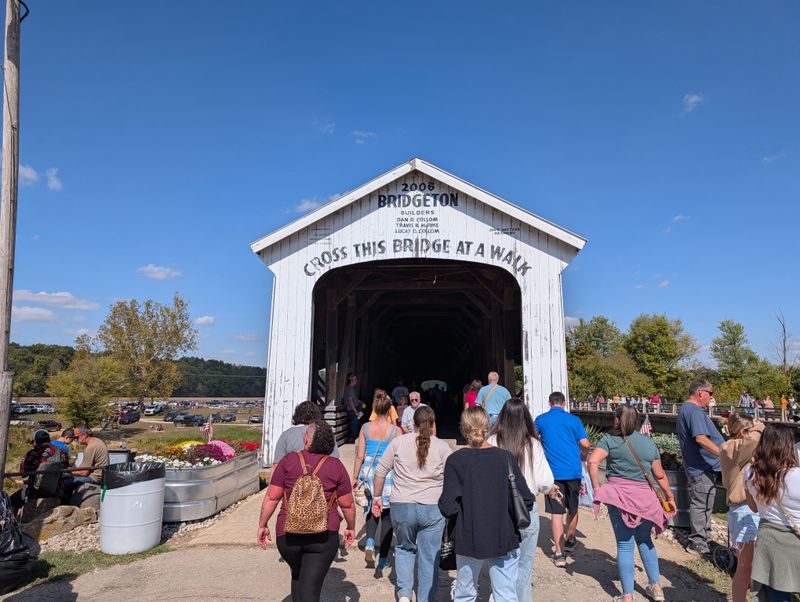
Parke County claims the title of Covered Bridge Capital of the World with 31 historic covered bridges scattered across rural landscapes.
While technically a county rather than a single town, the entire area experiences weekend invasions, particularly during the ten-day Covered Bridge Festival each October.
Towns like Rockville, Bridgeton, and Mansfield see their populations multiply as leaf-peepers and bridge enthusiasts arrive by the thousands.
Bridgeton sits along Big Raccoon Creek and features a covered bridge, working grist mill, and collection of shops housed in historic buildings.
The town’s year-round population is tiny, but on festival weekends, traffic backs up for miles as visitors try to access the limited parking.
Locals know to avoid Bridgeton entirely during October unless they enjoy sitting in traffic jams that would make city dwellers wince.
Mansfield Roller Mill at 120 West 4th Street in Mansfield operates as a museum and still produces stone-ground flour.
The mill sits beside a covered bridge, creating a picturesque scene that appears on countless postcards and Instagram feeds.
Residents who live nearby sometimes can’t get out of their own driveways during peak visiting hours because of cars parked along narrow roads.
The county’s rural character and agricultural heritage attract visitors seeking authentic small-town experiences and scenic drives.
Each covered bridge has its own personality and history, making the self-guided tour genuinely interesting.
However, the narrow country roads were never designed for heavy traffic, and the influx of vehicles creates safety concerns and frustration for locals.
Rockville, the county seat with about 2,600 residents, serves as the festival’s headquarters.
During October, the town square becomes a hub of craft booths, food vendors, and entertainment.
Year-round residents appreciate the economic boost but plan their grocery shopping and errands for September or November when they can actually navigate their own town.
The festival brings vital tourism dollars that support local businesses throughout the year, making it a necessary inconvenience that residents have learned to accept and work around.
Dear Reader: This page may contain affiliate links which may earn a commission if you click through and make a purchase. Our independent journalism is not influenced by any advertiser or commercial initiative unless it is clearly marked as sponsored content. As travel products change, please be sure to reconfirm all details and stay up to date with current events to ensure a safe and successful trip.
