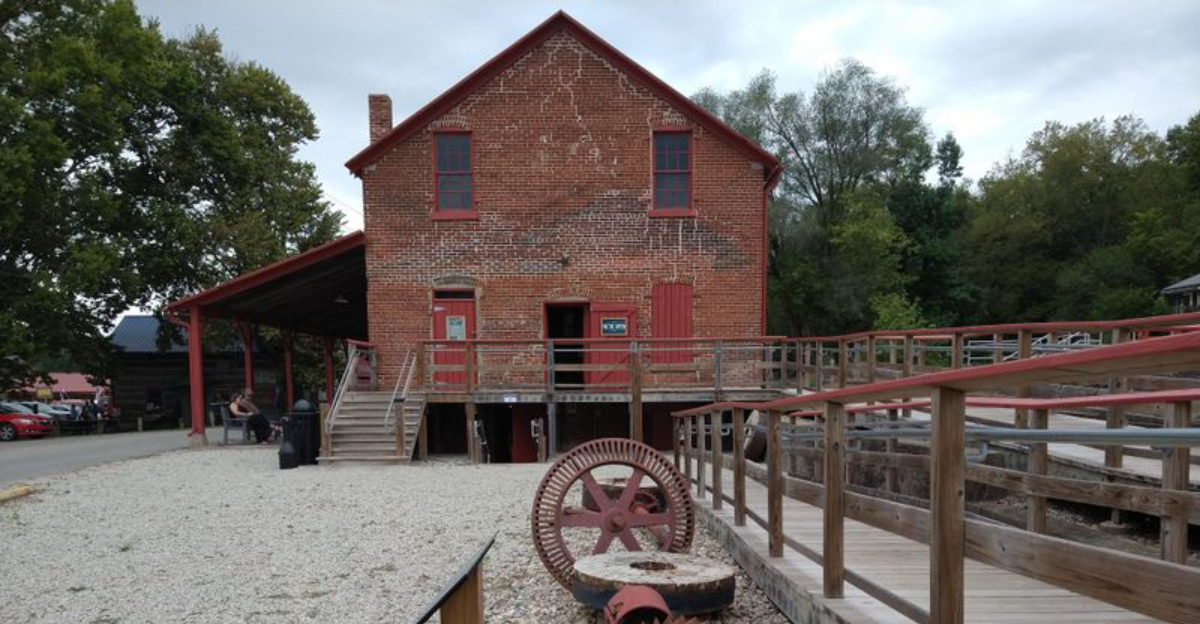
I’ve driven through countless Indiana towns over the years, but some places just hit different. You know that feeling when you turn a corner and suddenly everything looks like it belongs in a film?
The old-fashioned storefronts, the perfectly preserved Main Streets, the architecture that makes you feel like you’ve time-traveled? That’s what these ten Indiana towns do to you.
They’re not trying to be movie sets, but somehow they capture that same magic that Hollywood spends millions recreating. From Victorian mansions to charming downtown squares, these communities have held onto their character while the rest of the world rushed ahead.
I’ve watched visitors pull out their phones constantly, snapping photos of buildings and streets that look too perfect to be real. But they are real, and they’re right here in Indiana.
Whether you’re looking for a weekend getaway or just want to experience something that feels frozen in time, these towns deliver that cinematic quality without the crowds or the ticket price. Let me walk you through my favorites.
1. Madison
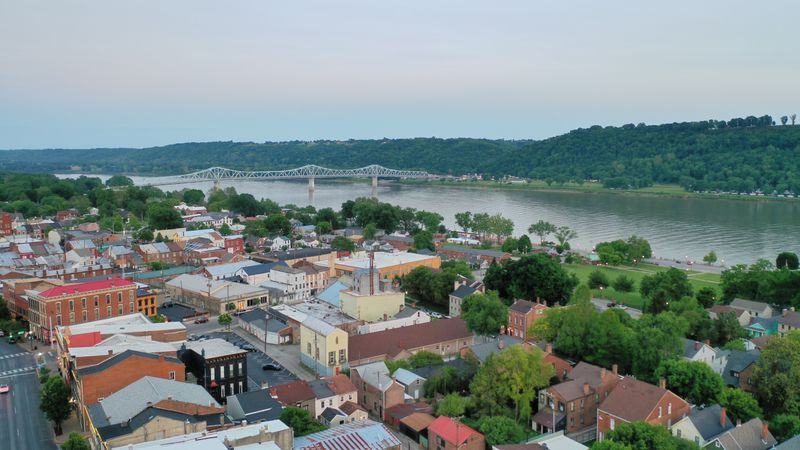
Madison sits along the Ohio River like a perfectly preserved snapshot of 19th-century America. The entire downtown area earned National Historic Landmark status, which tells you something about how seriously this community takes its architectural heritage.
Walking down Main Street feels like stepping onto a period drama set. The brick buildings still have their original facades, complete with detailed cornices and tall windows that catch the afternoon light just right.
You’ll find yourself slowing down without even realizing it, taking in details that modern construction just doesn’t bother with anymore.
The Lanier Mansion at 601 West 1st Street stands as one of the finest examples of Greek Revival architecture in the Midwest. This 1844 home overlooks the river and offers tours that showcase how wealthy families lived during Indiana’s early statehood years.
Broadway Fountain Park gives you that town square feeling every movie seems to need. The fountain itself dates back to 1886 and still works, surrounded by benches where locals actually sit and chat like they’re extras in a Hallmark film.
Stop by Red Pepper Deli Cafe at 816 East Main Street for lunch in a building that fits the historic vibe perfectly. The sandwiches are generous, and eating there feels like you’re part of the town’s ongoing story rather than just passing through.
2. Nashville
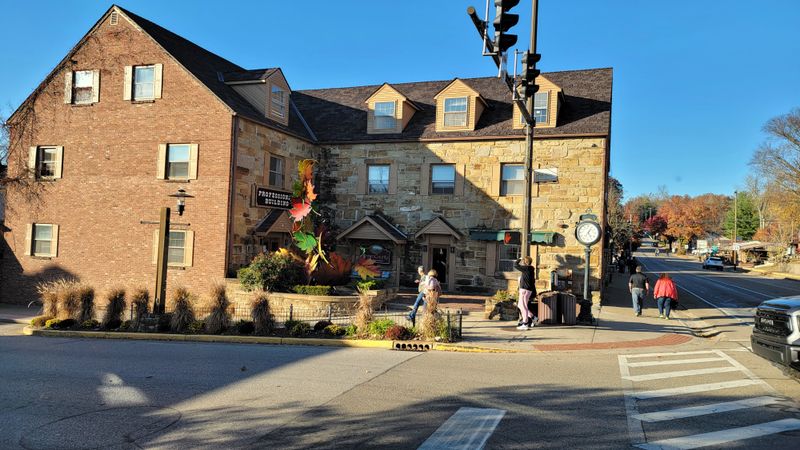
Nashville looks like someone designed it specifically for autumn Instagram posts, except it’s been this charming since long before social media existed. The whole town centers around art, crafts, and that cozy mountain village aesthetic that feels imported from somewhere much farther from the Midwest.
Brown County’s rolling hills provide the backdrop, turning especially dramatic when fall colors peak. The wooden buildings and covered sidewalks give Nashville a frontier town quality, though the galleries and shops inside are thoroughly modern in their offerings.
Artists’ Colony Inn at 105 South Van Buren Street captures the town’s creative spirit in a historic building that’s hosted visitors since the 1930s. The restaurant serves comfort food in rooms that feel like they belong in a different era entirely.
Brown County Art Gallery at 1 Artist Drive showcases local talent in a building that fits Nashville’s aesthetic perfectly. You can watch artists work in some studios, which adds to that living movie set feeling where everyone’s playing their part naturally.
The shops along Van Buren Street sell everything from handmade pottery to custom furniture, all displayed in buildings that look like they were constructed for a Western film but painted in cheerful colors. Walking from store to store becomes part of the entertainment, not just the shopping itself.
3. West Baden Springs
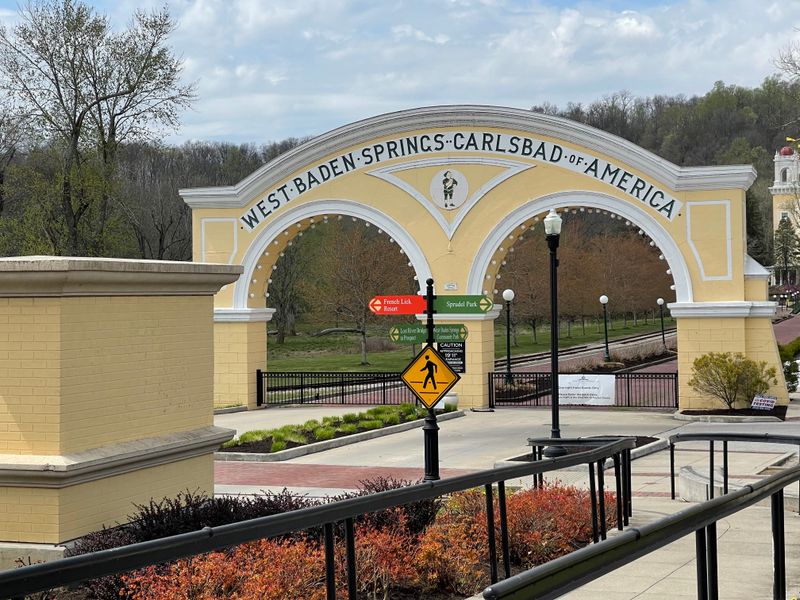
The West Baden Springs Hotel doesn’t just feel like a movie set. It’s actually been used as one, and standing in that atrium makes you understand why filmmakers can’t resist it.
The dome stretching 200 feet across was the largest free-spanning dome in the world when it was built in 1902. Looking up at it creates this moment of disbelief that something this grand exists in a small Indiana town.
The natural light filtering through creates different moods throughout the day, like someone’s adjusting the lighting for each scene.
The hotel fell into disrepair for decades before a massive restoration brought it back to its original glory. Now you can stay in rooms that wealthy visitors occupied over a century ago, or just tour the property at 8670 West Baden Avenue to experience the architecture.
The grounds surrounding the hotel maintain that early 1900s resort feeling, with manicured gardens and walking paths that look designed for ladies in long dresses and gentlemen in suits. Modern guests in jeans somehow don’t diminish the effect.
French Lick Springs Hotel sits nearby, offering another dose of historic grandeur. Together, these properties create a resort area that feels transported from a different time, when people traveled to Indiana specifically for the mineral springs and luxurious accommodations.
4. Metamora
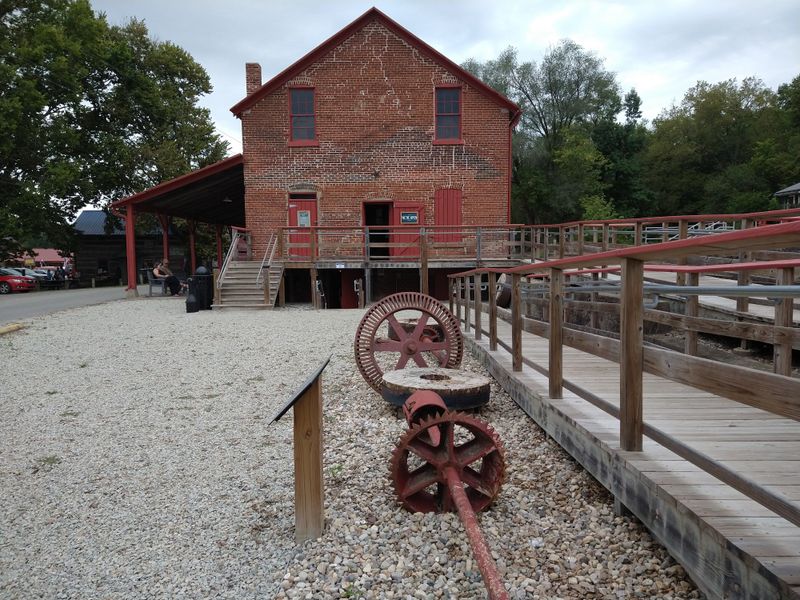
Metamora built itself around a canal, and that waterway still defines the town’s character today. The Whitewater Canal brought prosperity in the 1840s, and the community has preserved that era so completely you half expect to see canal boats pulled by horses.
Which you actually can during certain seasons.
The working gristmill at Metamora Grist Mill demonstrates how grain was ground using water power, and it still produces cornmeal you can purchase. The building sits right beside the canal, creating that perfect historic scene that photographers love.
Duck Creek Aqueduct carries the canal over Duck Creek in an engineering feat that impressed people in 1846 and still impresses today. Walking across it while water flows beneath creates an odd sensation, like the laws of physics are negotiable in this town.
The Thorpe Ford Covered Bridge adds another layer of historical authenticity. Indiana has numerous covered bridges, but Metamora’s sits in a context where it makes perfect sense rather than feeling like a random artifact.
Shops along the main street occupy buildings that actually served canal traffic, not modern recreations built to look old. That authenticity shows in the details, the wear patterns, the way buildings relate to each other and the waterway.
Metamora Popcorn at 19030 Clayborn Street operates from one such building, selling flavored popcorn in a space that’s seen various businesses come and go for over 150 years.
5. Corydon
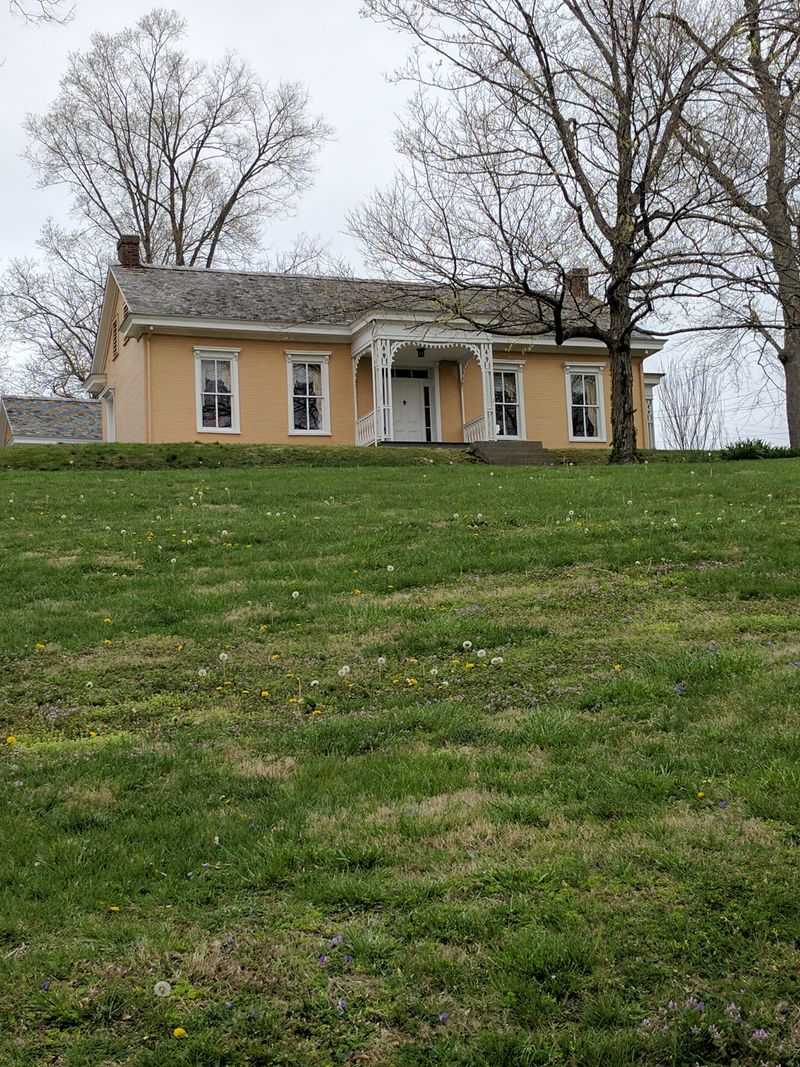
Corydon served as Indiana’s first state capital, and the town hasn’t let anyone forget it. The capitol building still stands on the square, a modest limestone structure that reminds you how much simpler government was in 1816.
The whole downtown area radiates from that central square in a pattern that city planners once considered ideal. Walking around it today, you can see why.
Everything feels accessible and connected, like a town should work in movies where everyone knows everyone.
The Old Capitol Building at 202 East Walnut Street offers tours that explain Indiana’s early government. The building itself is the real attraction though, with its Federal-style architecture and the sense of history contained in rooms where actual state decisions were made.
Governor Hendricks Headquarters at 202 East Walnut Street adds another layer of political history. This 1817 home shows how Indiana’s early leaders lived, which wasn’t as grandly as you might expect.
The Battle of Corydon Memorial Park commemorates the only Civil War battle fought on Indiana soil. The site maintains that solemn quality historic battlefields carry, even though the actual conflict was relatively minor.
Butt Drugs at 225 North Capitol Avenue operates from a vintage pharmacy building with a name that makes everyone do a double-take. The old-fashioned soda fountain inside serves treats in an environment that hasn’t changed much since the mid-1900s.
6. Zionsville
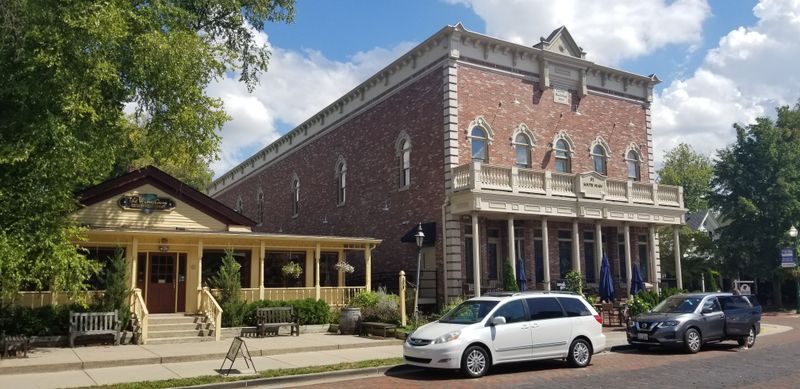
Zionsville’s brick-paved Main Street creates an immediate impression of somewhere that cares deeply about aesthetics. The clip-clop sound of horses pulling carriages adds audio atmosphere that completes the scene.
The brick streets weren’t installed for tourists. They’re original infrastructure that the town chose to maintain rather than pave over with asphalt.
That decision defines Zionsville’s approach to development, preserving character while accommodating modern businesses.
Shops and restaurants occupy buildings with varied architectural styles, but everything maintains a human scale that feels welcoming rather than overwhelming. You can actually window shop here without feeling like you’re being pushed through a commercial cattle chute.
SullivanMunce Cultural Center at 225 West Hawthorne Street operates from a beautiful Victorian mansion that hosts art exhibitions and events. The building itself justifies a visit, with period details that showcase how wealthy families lived in the late 1800s.
The Lincoln Park area provides green space right in the downtown core, with a gazebo that looks like it was ordered from central casting. Community events use this space regularly, and watching locals gather there reinforces that small-town movie feeling.
Cobblestone Bar & Grill at 24 South Main Street serves meals in a building that fits the historic district perfectly. The outdoor seating lets you watch the brick street activity while you eat, turning lunch into entertainment.
7. Chesterton
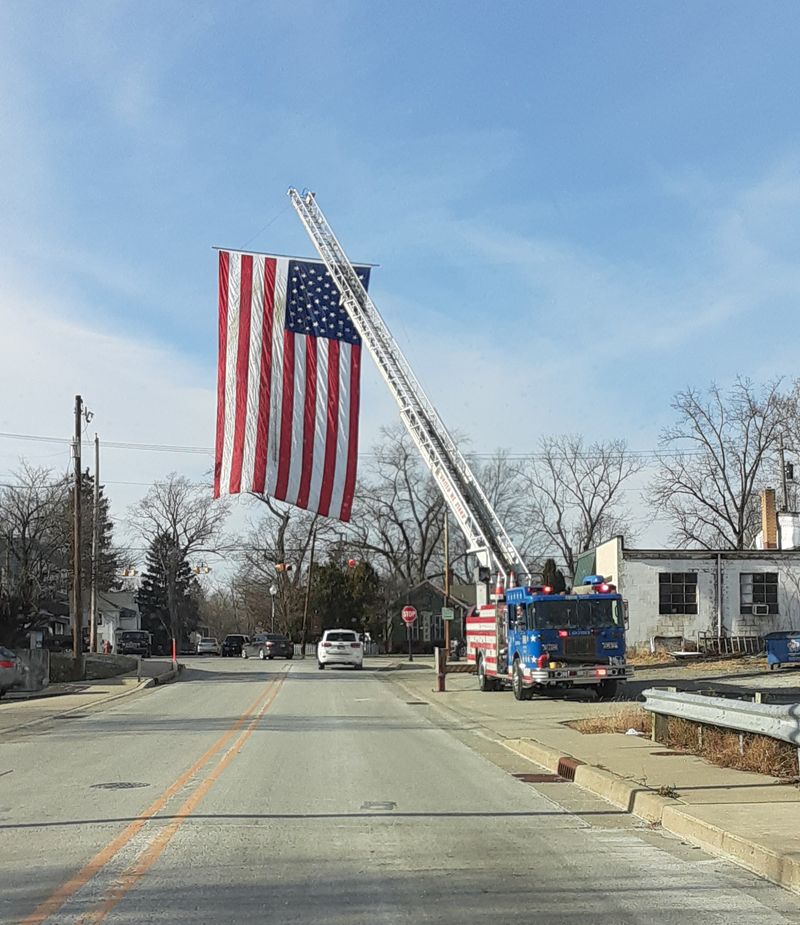
Chesterton sits close enough to the Indiana Dunes that you get both small-town charm and beach access. The downtown area along Broadway creates that walkable community feeling that urban planners now try to recreate artificially.
The European Market at 255 South Calumet Road brings international flavors to a distinctly American small town setting. The building itself fits Chesterton’s aesthetic while the products inside transport you somewhere else entirely.
Coffee Creek Watershed Preserve at 1005 South 400 West provides natural areas right within town limits. The trails wind through diverse habitats, offering the kind of accessible nature that makes small-town life appealing in the first place.
The shops along Broadway occupy buildings with varied facades that create visual interest without feeling chaotic. Each storefront has its own character, but they work together to form a cohesive streetscape that photographers love.
Thomas Centennial Park offers playground equipment and open space where families actually gather, especially during summer evenings. Watching kids play while adults chat nearby creates those Norman Rockwell moments that feel staged but aren’t.
Octave Grill at 104 South 4th Street serves upscale comfort food in a building that maintains the downtown’s intimate scale. The menu changes seasonally, but the atmosphere stays consistently welcoming in that way good small-town restaurants manage.
8. Aurora
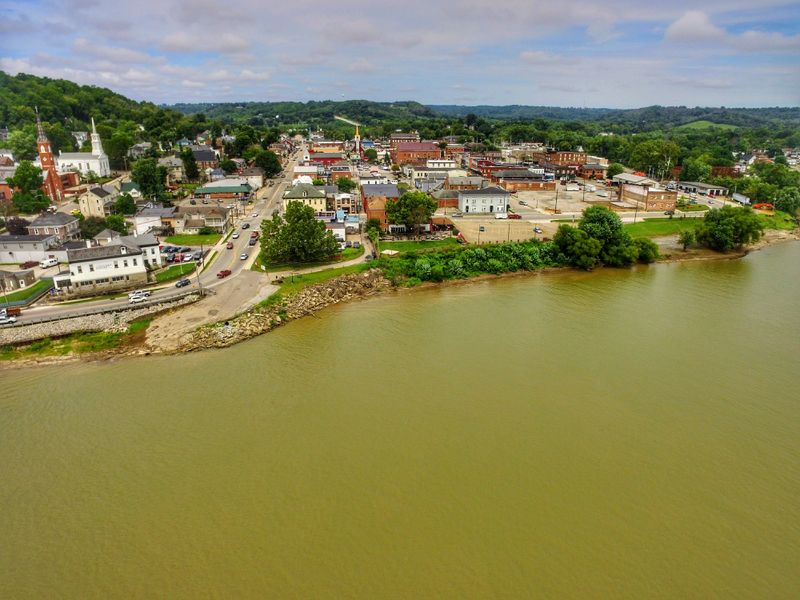
Aurora climbs up from the Ohio River in layers, with historic buildings stacked on the hillside like someone designed the town for maximum visual drama. The riverfront location gave Aurora its start, and that water connection still defines the community’s identity.
The Hillforest Victorian House Museum at 213 5th Street sits high above the river, offering tours of an 1855 mansion that showcases how wealthy river traders lived. The architecture combines Italian Renaissance Revival with steamboat Gothic details, creating something uniquely suited to its location.
Main Street runs parallel to the river, lined with buildings that actually served riverboat traffic rather than being built later to look historic. That authenticity shows in how the structures relate to each other and the waterfront.
Lesko Park provides river access and green space where you can watch boats pass by. The view across to Kentucky reminds you that rivers connect places rather than just dividing them.
The Riverwalk Trail extends along the Ohio, offering walking and biking routes with constant water views. Moving along this path at a slower pace lets you appreciate details you’d miss from a car.
Aurora Farmers Market at 3 Importing Company Plaza brings local vendors together on Saturdays during growing season. The market operates near the historic district, making it easy to combine shopping with exploring the town’s architectural heritage.
9. Centerville
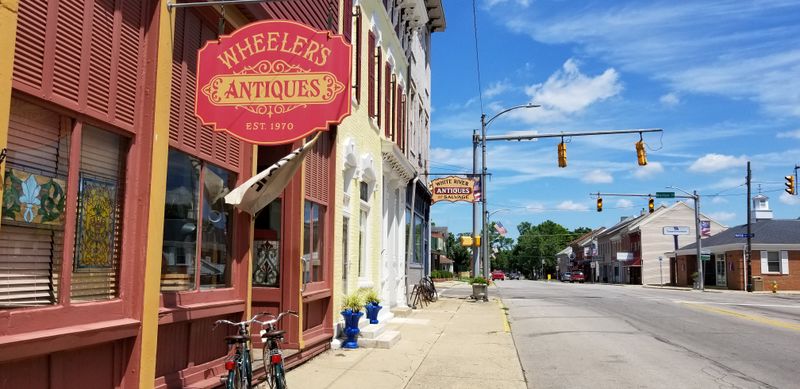
Centerville grew up along the National Road, America’s first federally funded highway, and that history shaped everything about how the town developed. The buildings facing the old road tell stories of westward expansion and the commerce that followed.
Webb’s Antique Mall at 200 West Union Street occupies multiple historic buildings, creating a shopping experience that’s as much about the architecture as the merchandise. You can spend hours exploring rooms that keep revealing new spaces.
The historic district preserves dozens of 19th-century buildings in various architectural styles. Walking these streets provides a crash course in how American commercial architecture evolved during the 1800s.
Glen Miller Park at 2277 Willow Grove Road offers natural areas and trails within easy reach of downtown. The park’s mature trees and open spaces provide that small-town recreation quality where you’re never far from nature.
Antique shops dominate the business landscape, which makes sense given the number of historic buildings available. Browsing these stores becomes a treasure hunt where the buildings themselves count as finds.
Richmond, just a few miles east, provides additional amenities while Centerville maintains its smaller scale and slower pace. That proximity to a larger city while preserving small-town character is exactly what makes these Indiana communities work.
The National Road’s history runs through Centerville literally and figuratively, connecting the town to a larger American story about movement and progress.
10. Thorntown
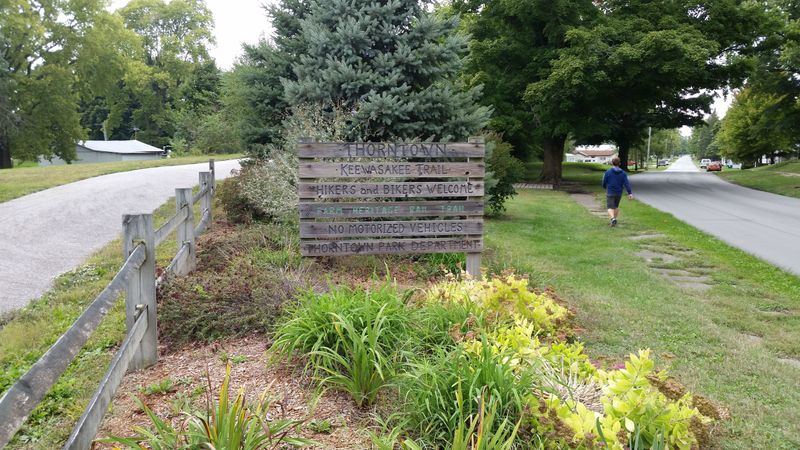
Thorntown maintains that authentic small-town quality that’s increasingly rare. The downtown area hasn’t been polished into a tourist attraction.
It’s just a real community that happens to look like it belongs in a movie about Midwest life.
The courthouse square creates a focal point that organizes the whole downtown. Buildings face inward toward this center, creating natural gathering spaces that urban designers now study and try to recreate.
Sugar Creek runs near town, providing water recreation and natural beauty within easy reach. The creek’s name hints at the maple trees that early settlers tapped, connecting current residents to the area’s agricultural heritage.
Main Street businesses serve actual local needs rather than primarily targeting visitors. That practical focus keeps the town feeling real instead of performing authenticity for cameras.
The architecture mixes styles and eras without any single period dominating. This variety shows how the town evolved organically rather than being frozen at one moment in time.
Community events use the courthouse square regularly, from farmers markets to festivals. Watching locals gather for these occasions reinforces that movie-set feeling, except everyone’s living their actual lives rather than playing roles.
Thorntown’s appeal lies in its lack of pretension. The town doesn’t try to be anything other than what it is, which paradoxically makes it more cinematic than places that work harder at creating atmosphere.
Dear Reader: This page may contain affiliate links which may earn a commission if you click through and make a purchase. Our independent journalism is not influenced by any advertiser or commercial initiative unless it is clearly marked as sponsored content. As travel products change, please be sure to reconfirm all details and stay up to date with current events to ensure a safe and successful trip.
