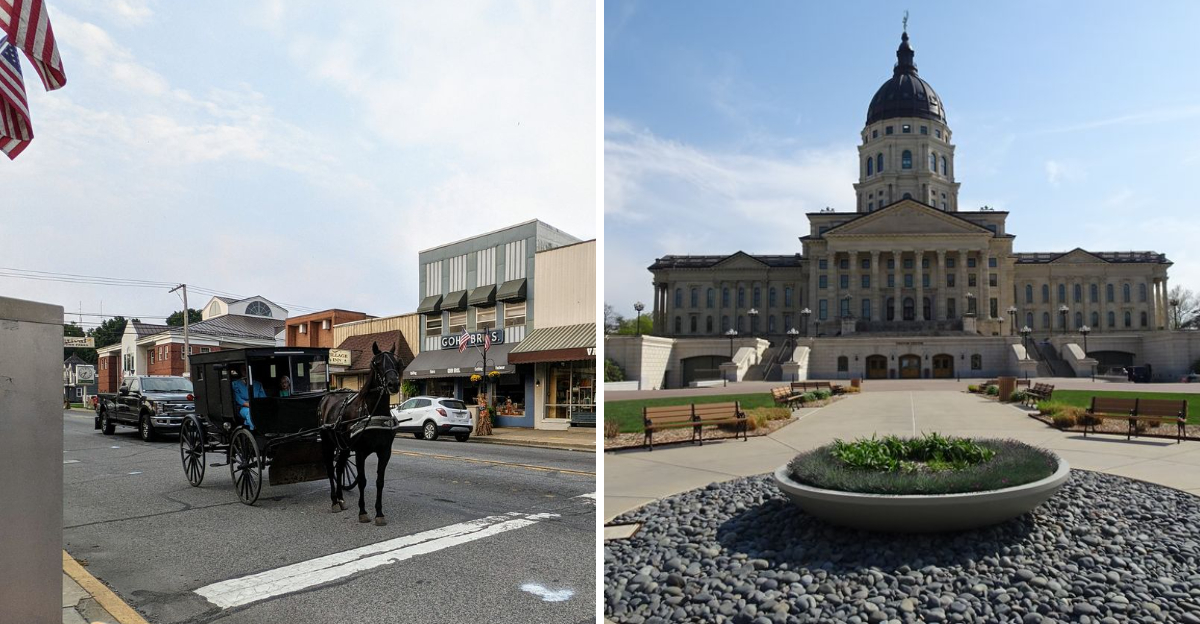
Indiana’s countryside is home to one of the largest Amish populations in the United States, and the presence of this traditional community shapes the character of many small towns across the state. Traveling through these areas, you’ll notice horse-drawn buggies sharing the road with cars, family-owned shops selling handcrafted furniture and quilts, and farmland worked without modern machinery.
The Amish way of life, rooted in simplicity and faith, offers a glimpse into a slower pace that feels worlds away from the hustle of modern living.
Visiting these towns provides more than just a scenic drive. You’ll find authentic craftsmanship, delicious home-cooked meals, and a sense of community that’s refreshing and genuine.
Each town has its own personality, from bustling markets to quiet rural roads, but all share the influence of Amish culture in their everyday rhythms. Whether you’re interested in history, handmade goods, or simply experiencing a different way of life, these Indiana towns offer something truly special.
1. Shipshewana (LaGrange County)
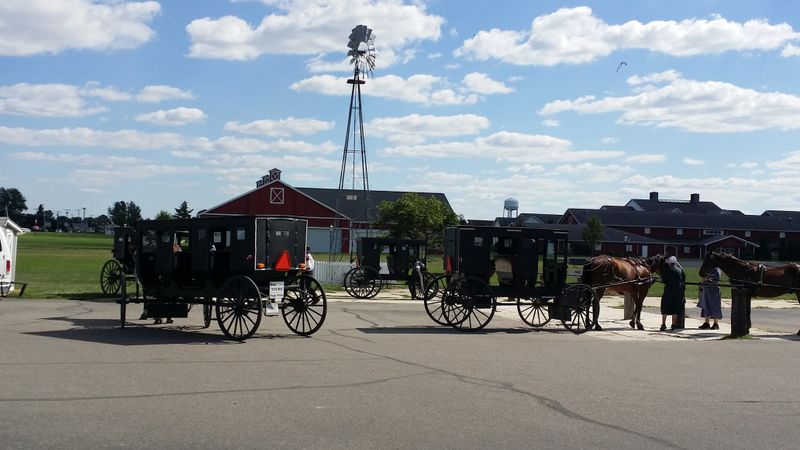
Shipshewana stands as the heart of Indiana’s Amish country, drawing visitors from across the nation who come to experience its vibrant blend of tradition and tourism.
The town’s population hovers around 650 residents, yet it welcomes over a million visitors annually, especially during the warmer months when the famous Shipshewana Auction and Flea Market comes alive.
Every Tuesday and Wednesday, hundreds of vendors set up stalls offering everything from fresh produce and baked goods to handmade quilts and antique treasures.
Walking through downtown, you’ll spot buggies parked alongside pickup trucks, a daily reminder of the two worlds that coexist here peacefully. Amish families run many of the local businesses, including bakeries that serve fresh pies and pastries made from scratch each morning.
The Blue Gate Restaurant and Theater offers hearty, family-style meals that reflect the region’s culinary traditions. The Menno-Hof Mennonite-Amish Visitor Center at 510 South Van Buren Street provides an educational look into Amish and Mennonite history and beliefs.
Beyond the commercial attractions, Shipshewana maintains its agricultural roots. Drive just outside town and you’ll pass working farms where Amish families tend crops and livestock using horse-drawn equipment.
The landscape is dotted with white farmhouses, red barns, and clotheslines fluttering with plain-colored garments. Spring and fall bring particularly beautiful scenery, with fields either bursting with new growth or golden with harvest.
The town also hosts the Shipshewana Trading Place, one of the Midwest’s largest flea markets, where over 700 vendors gather.
Shopping here means discovering unique handcrafted items you won’t find in chain stores. From hand-stitched quilts to solid wood furniture built to last generations, the craftsmanship reflects values of quality and durability that define Amish culture.
2. Berne (Adams County)
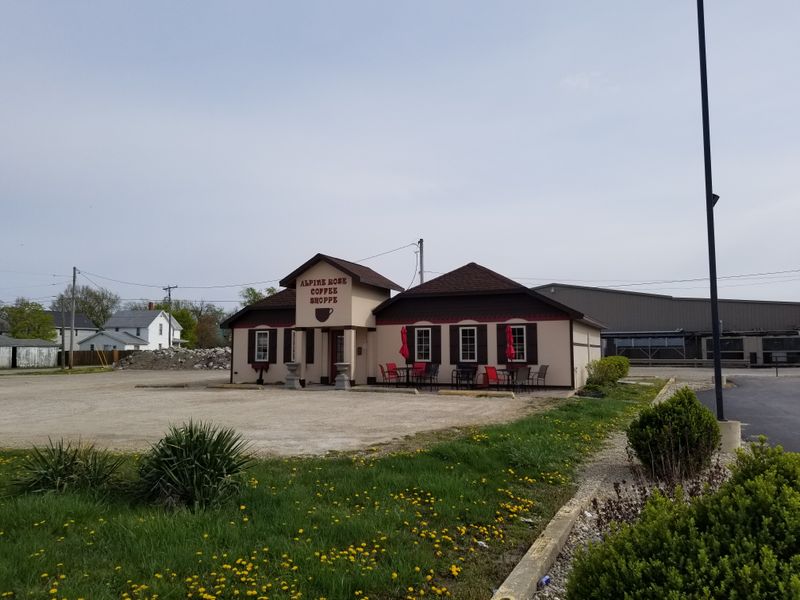
Berne carries a unique identity shaped by Swiss heritage and Amish tradition, creating a town atmosphere unlike any other in Indiana. Founded by Swiss Mennonite immigrants in the 1850s, Berne’s architecture and cultural celebrations reflect this European influence.
The town’s most recognizable landmark is the Swiss Heritage Village and Museum at 1200 Swiss Way, where visitors can explore historic buildings relocated from around the county and learn about the settlement’s early days. Every July, Berne hosts Swiss Days, a festival that brings thousands of people to town for parades, traditional music, and authentic Swiss food.
You’ll find vendors selling cheese, bratwurst, and pastries that honor recipes passed down through generations. The celebration showcases how cultural heritage and Amish simplicity blend together in this community of about 4,000 residents.
Amish influence is visible throughout Berne’s business district. Several furniture stores offer handcrafted pieces made by local Amish craftsmen, known for their attention to detail and use of solid hardwoods.
The workmanship in these shops represents skills honed over lifetimes, with each piece built without shortcuts or mass-production techniques. Many families make the trip to Berne specifically to commission custom furniture for their homes.
The countryside surrounding Berne is predominantly agricultural, with Amish farms producing crops and dairy products that supply local markets. Driving the back roads, you’ll encounter buggies traveling to and from town, especially on Saturday mornings when Amish families come to shop and conduct business.
The slower pace on these rural routes provides time to appreciate the tidy farms and well-maintained properties that characterize Amish stewardship of the land. Berne also offers several restaurants serving comfort food with Amish influences, where portions are generous and ingredients are fresh.
The town’s welcoming atmosphere makes it easy to spend a full day exploring shops, museums, and surrounding farmland.
3. Middlebury (Elkhart County)
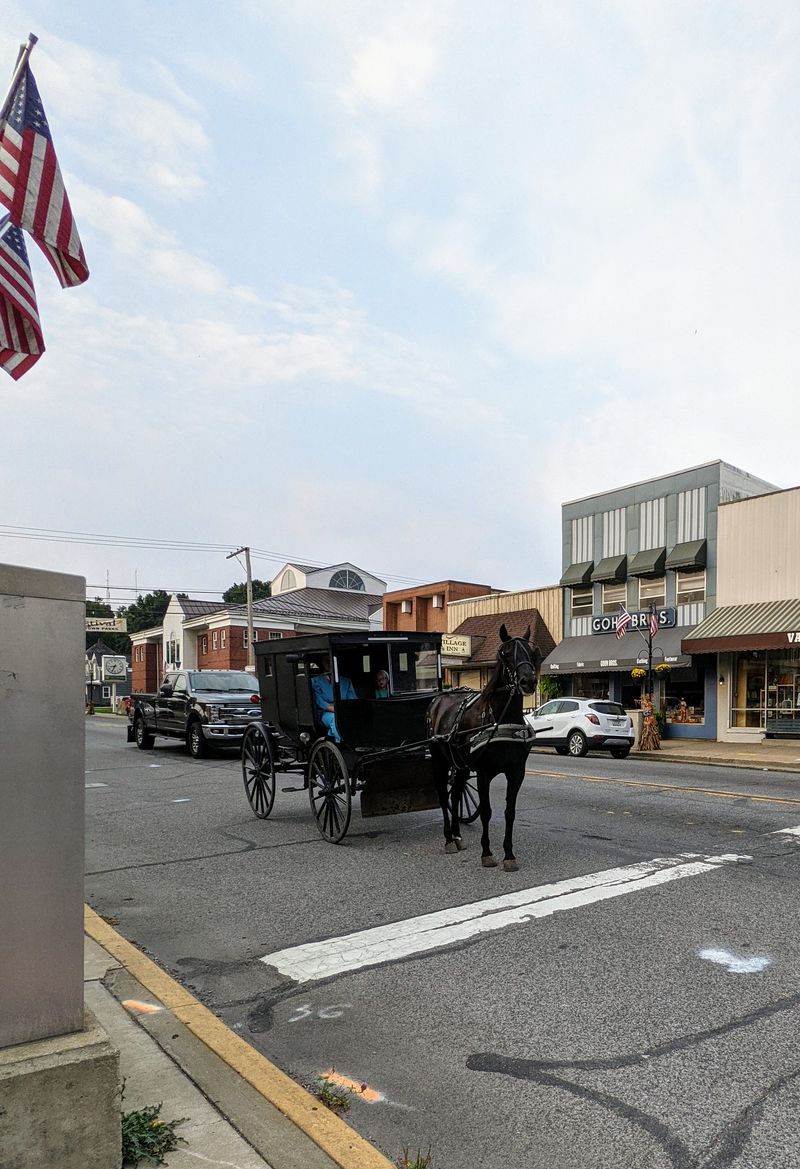
Middlebury sits at the crossroads of tradition and craftsmanship, earning recognition as a hub for Amish-made furniture and goods. Located in Elkhart County, which has one of the highest concentrations of Amish residents in the country, this town of roughly 3,500 people punches above its weight in terms of shopping and dining experiences.
The downtown area features numerous stores specializing in furniture, quilts, and home décor, all showcasing the exceptional quality that comes from Amish workshops. Das Dutchman Essenhaus, located at 240 US Highway 20, stands as Middlebury’s most famous attraction.
This sprawling complex includes a restaurant serving traditional Amish cooking, a bakery with fresh pies and bread, an inn for overnight stays, and a heritage hall displaying artifacts from Amish history. The restaurant’s family-style dinners allow guests to sample multiple dishes, from fried chicken to homemade noodles, all prepared using time-tested recipes.
What makes Middlebury special is how seamlessly Amish life integrates with the town’s daily operations. Many businesses employ both Amish and non-Amish workers, creating a cooperative environment where different lifestyles coexist.
You’ll see Amish craftsmen delivering furniture to stores in horse-drawn wagons, a sight that feels both practical and timeless. The clip-clop of hooves on pavement is a common soundtrack to a Middlebury afternoon.
The town also serves as a gateway to exploring the wider Elkhart County countryside, where Amish farms stretch for miles in every direction. Country roads wind past pristine properties with vegetable gardens, orchards, and grazing livestock.
Spring brings fields of green, while autumn transforms the landscape into a patchwork of gold and amber. Visitors often stop at small roadside stands where Amish families sell seasonal produce, baked goods, and handmade items directly from their homes, offering a personal connection to the people behind the products.
4. Nappanee (Elkhart/Kosciusko County)

Nappanee thrives as a town where Amish heritage meets an industrious entrepreneurial spirit.
It creates a destination known for both authentic experiences and high-quality craftsmanship.
With a population of roughly 6,900 residents as of 2026, Nappanee is larger than many neighboring villages.
However, it maintains deep, foundational connections to the Plain community that surrounds it on all sides.
The town’s name is derived from a Native American word meaning “flour.”
This is a nod to its deep-seated agricultural roots that remain visible in the sprawling wheat and corn fields.
The local landmark at 1600 West Market Street, historically known as Amish Acres, has undergone significant transitions.
After operating as The Barns at Nappanee, the iconic 80-acre farmstead was sold at auction in late 2025.
As of January 2026, the new owners are working to revitalize the property.
They are focused on returning to the original “Amish Acres” brand and heritage.
This site remains a cornerstone of Indiana tourism and features a historic farmhouse and blacksmith shop.
The restaurant is famous for its “Threshers Dinner,” a massive feast served in a restored century-old barn.
Beyond this central attraction, Nappanee is widely regarded as the kitchen cabinet capital of the world.
The countryside is home to dozens of Amish-owned workshops where master woodworkers handcraft custom furniture.
Visiting local shops, you will see a unique blend of modern manufacturing alongside traditional techniques.
It is common to see Amish teams traveling to these workshops in large, black-topped buggies.
Respect for the traditional way of life is a hallmark of the Nappanee community.
Visitors are encouraged to explore the “Countryside Circuit,” a self-guided driving tour of in-home businesses.
Here, you can pull into a gravel driveway to buy farm-fresh eggs or hand-woven baskets.
Items like jars of “apple butter” are sold directly by the families who made them.
The town also hosts the annual Nappanee Apple Festival each September for the community.
Residents and Amish farmers gather to bake a seven-foot apple pie, cementing their shared bond.
This seamless integration of heritage and modern commerce makes Nappanee a vital stop.
It offers a true and accurate reflection of contemporary Amish life in Indiana.
5. Montgomery (Daviess County)
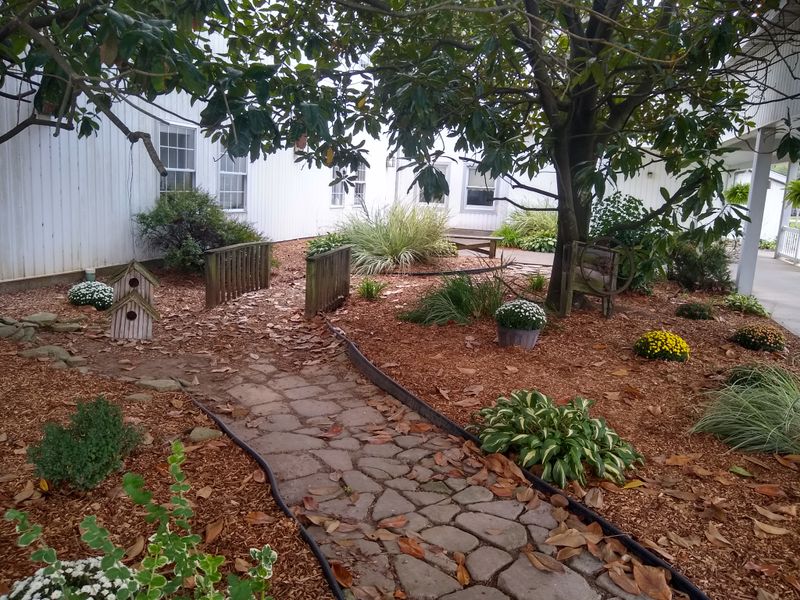
Montgomery represents a quieter, less commercialized experience of Amish life, where the community’s presence is woven into the fabric of everyday existence rather than packaged for tourism. This small town in Daviess County, with a population under 400, serves primarily as a service center for the surrounding Amish population, which is substantial in this part of southern Indiana.
The pace here is unhurried, and visitors who take time to explore will discover authentic glimpses of Plain living. Daviess County has the largest Amish settlement in Indiana outside of the northern counties, yet it receives far fewer tourists than areas like Shipshewana or Middlebury.
This means the Amish community here lives with less outside influence, maintaining traditions in ways that feel more genuine and less performative. Driving through Montgomery and the surrounding countryside, you’ll encounter buggies, farm stands, and small shops operated by Amish families going about their daily business.
One notable attraction is Gasthof Village, an Amish-themed shopping and dining complex that offers handcrafted furniture, quilts, and home décor.
6. Topeka (LaGrange County)
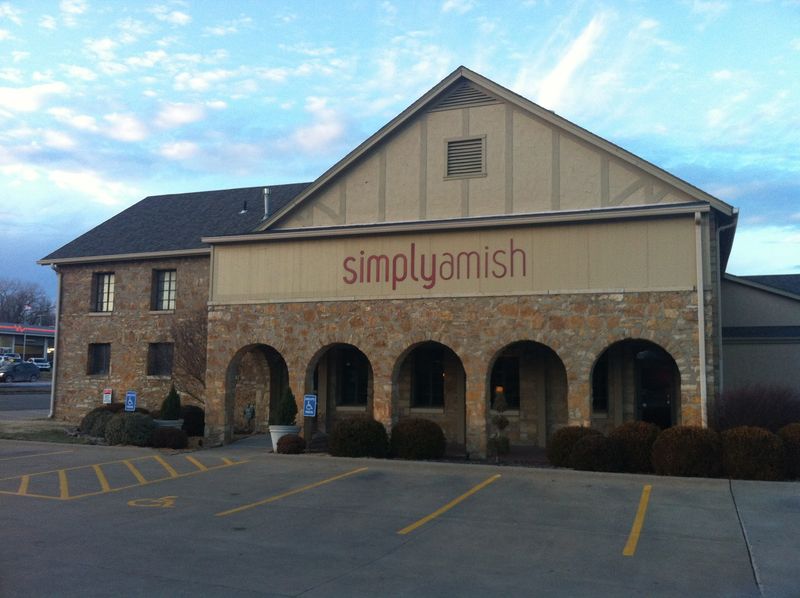
Topeka offers an intimate look at Amish life in one of Indiana’s most densely Amish-populated counties, where the Plain community makes up a significant portion of the area’s residents. This tiny town of fewer than 1,200 people serves as a quiet hub where Amish families come to shop, conduct business, and connect with neighbors.
The town’s simplicity and lack of commercial tourism attractions mean that what you see is genuinely how people live, not a curated experience designed for outsiders. LaGrange County, where Topeka is located, has an Amish population that numbers in the tens of thousands, making it one of the most concentrated Amish areas in the entire country.
This density means Amish influence isn’t limited to a few farms or businesses—it defines the entire region’s character and economy. Local businesses cater to both Amish and non-Amish customers, creating a practical partnership that benefits everyone.
In Topeka, you’ll find small shops selling bulk foods, fabric for sewing, and farm supplies that Amish families need for daily life. These aren’t tourist-focused boutiques but working stores where locals do their regular shopping.
The hardware store carries equipment suitable for non-electric farming, and the feed store stocks supplies for horses and livestock. Observing the interactions and purchases gives insight into the practical aspects of Amish living.
The countryside surrounding Topeka is breathtaking in its pastoral beauty, with Amish farms creating a patchwork of cultivated fields, pastures, and woodlots. Narrow paved roads and gravel lanes crisscross the area, and it’s common to share the road with multiple buggies during your drive.
The landscape is especially beautiful in early morning when mist rises from the fields and Amish families are already at work. Topeka doesn’t offer the restaurants or large shops found in more tourist-oriented towns, but this authenticity is precisely its appeal.
Coming here means experiencing Amish culture as it actually exists, not as it’s marketed. The quiet streets and friendly residents create an atmosphere of genuine hospitality.
7. Grabill (Allen County)
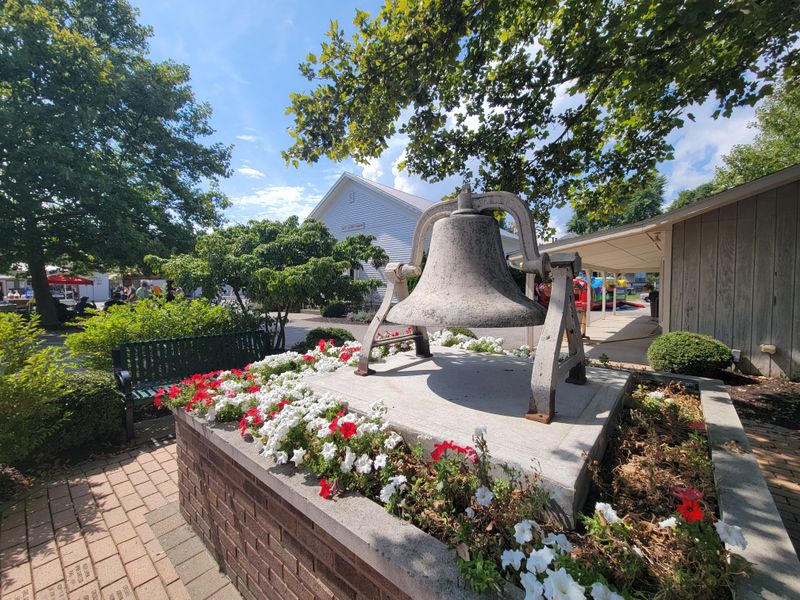
Grabill blends small-town charm with strong Amish roots, creating a community where traditional values meet modern convenience just outside Fort Wayne. With a population around 1,100, this Allen County town maintains a distinct identity despite its proximity to Indiana’s second-largest city.
The Amish presence here is significant, with many families living on farms surrounding the town and operating businesses that draw customers from miles around. Country Sales, located at 13797 Main Street, is Grabill’s most popular attraction, offering an extensive selection of bulk foods, fresh produce, and handcrafted items.
The store feels like stepping into a different era, with barrels of candy, shelves of canned goods, and coolers full of locally made cheeses and meats. Amish and Mennonite families shop here alongside everyone else, and the store’s success demonstrates the community’s appreciation for quality products and fair prices.
Downtown Grabill features several other businesses with Amish connections, including furniture stores showcasing solid wood pieces built by local craftsmen. The workmanship is exceptional, with dovetail joints, hand-rubbed finishes, and attention to detail that mass-produced furniture simply cannot match.
Customers often work directly with the builders to customize pieces for their specific needs and spaces. The town hosts the Grabill Country Fair each summer, a celebration that brings together Amish and non-Amish residents for food, music, and community fun.
The fair features handmade crafts, local vendors, and activities for children, creating an event that feels genuinely community-focused rather than commercially driven. It’s an opportunity to experience the hospitality and friendliness that define Grabill’s character.
Surrounding farmland provides a peaceful backdrop for the town, with Amish farms producing vegetables, eggs, and other goods sold at roadside stands and local markets. The agricultural heritage remains strong here, even as suburban development creeps closer from Fort Wayne.
Grabill manages to preserve its rural identity while welcoming visitors who appreciate authentic craftsmanship and traditional values.
Dear Reader: This page may contain affiliate links which may earn a commission if you click through and make a purchase. Our independent journalism is not influenced by any advertiser or commercial initiative unless it is clearly marked as sponsored content. As travel products change, please be sure to reconfirm all details and stay up to date with current events to ensure a safe and successful trip.
