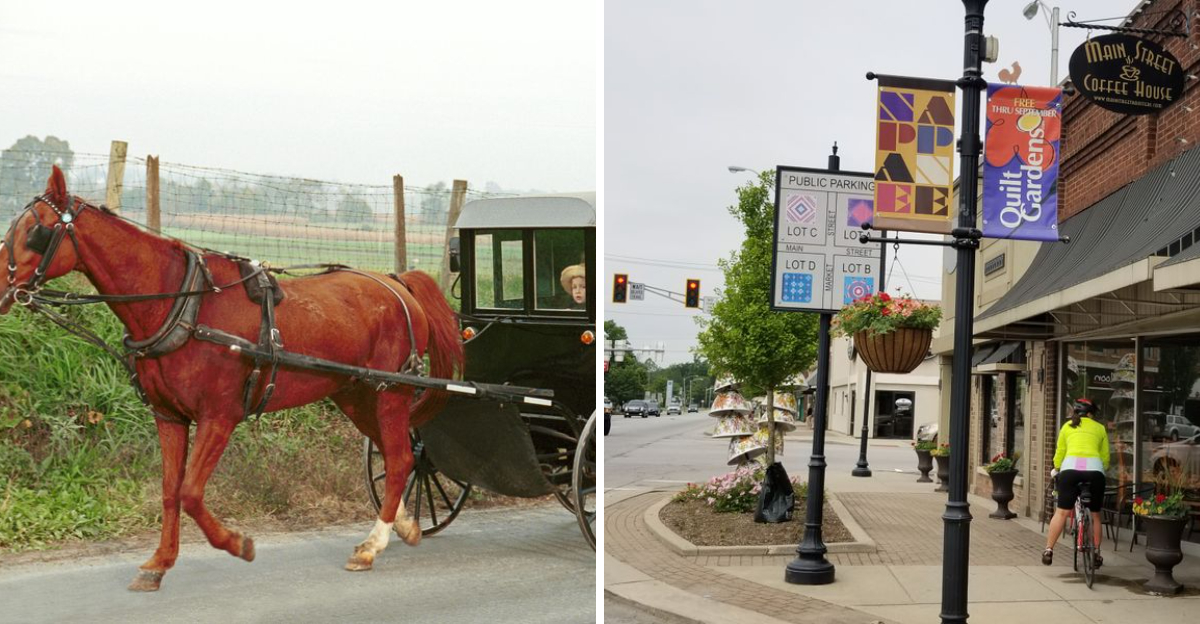
Rolling through the scenic backroads of Indiana, you might find yourself sharing the road with horse-drawn buggies. These traditional vehicles are not relics of the past but a living part of daily life in several Hoosier communities.
The clip-clop of hooves and the sight of bonnets and straw hats remind visitors that some places still honor simpler, slower ways of living.
Indiana is home to the third-largest Amish population in the United States, with thousands of families living primarily in the northern and central regions. Their commitment to faith, family, and tradition means many reject modern conveniences like cars, opting instead for buggies pulled by horses.
This creates a unique driving experience for locals and tourists alike, where patience and caution are essential.
Understanding where buggy traffic is common helps travelers plan safer trips and shows respect for these communities. From bustling market towns to quiet rural crossroads, these seven Indiana towns offer a glimpse into a world where the past and present coexist on the same roads.
Shipshewana
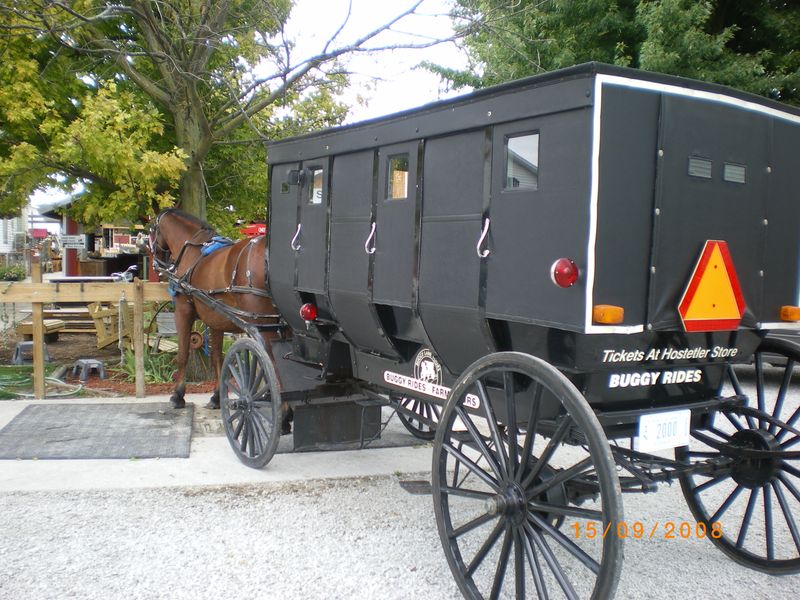
Known as the heart of Amish Country in Indiana, Shipshewana attracts visitors from across the nation who come to experience authentic Amish culture. Horse-drawn buggies are a constant presence, from the main streets to the winding country lanes that connect farms and homes.
On market days, especially Tuesday and Wednesday, the town swells with activity as Amish families arrive in black buggies. They come to sell homemade goods, fresh produce, and handcrafted furniture.
The Shipshewana Flea Market is one of the Midwest’s largest outdoor markets, drawing crowds of shoppers and creating a striking mix of modern cars and traditional buggies in the parking areas. Visitors can explore more than 700 vendor booths offering everything from antiques to Amish-made quilts.
The town itself feels like stepping back in time. Shops sell homemade fudge, handcrafted toys, and locally baked goods that reflect long-standing traditions.
Driving through Shipshewana requires extra attention and courtesy. Buggies travel at roughly ten to fifteen miles per hour, so motorists must slow down and pass carefully when it is safe.
Road signs throughout the area remind drivers to watch for horse-drawn vehicles. This is especially important on busy roads like State Road 5.
Beyond shopping, visitors can enjoy buggy rides offered by local tour companies, providing an authentic sense of how Amish families travel in daily life. The blend of tourism and tradition makes Shipshewana a must-see destination for anyone curious about Amish culture.
Restaurants such as the Blue Gate Restaurant at 195 N Van Buren Street serve hearty, home-style meals. These dishes reflect the area’s agricultural roots and its reputation for warm, welcoming hospitality.
Middlebury
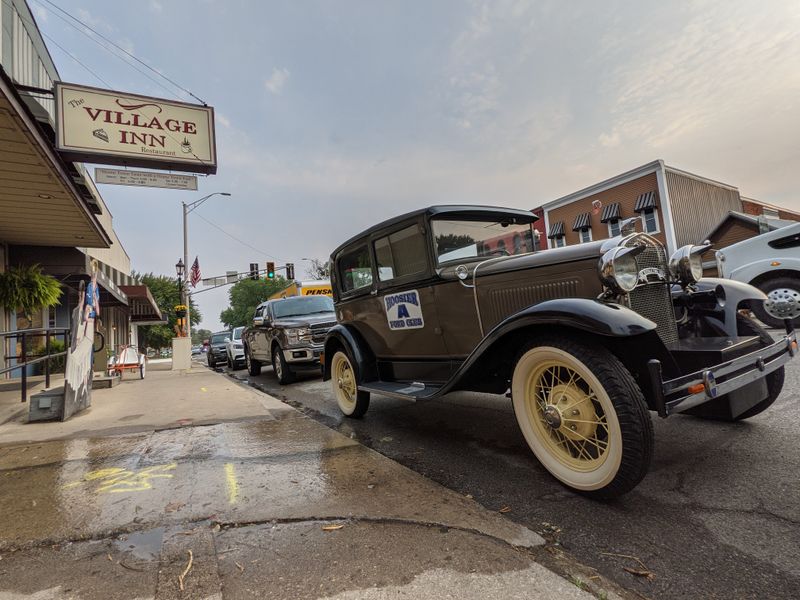
Just a few miles west of Shipshewana, Middlebury offers another window into Amish life with a slightly more residential feel. The town is surrounded by sprawling Amish farms where families grow crops, raise livestock, and maintain a lifestyle rooted in tradition.
Buggies are a constant presence, especially during the morning and evening hours when families travel to work, school, or church.
Middlebury’s downtown features businesses that serve both Amish and non-Amish customers, including hardware stores, fabric shops, and bulk food markets. This mix gives the area a practical, everyday atmosphere rather than a purely tourist-driven one.
The Patchwork Quilt Country Inn at 11748 County Road 2 provides cozy accommodations and serves Amish-inspired breakfasts. Guests often wake to the sound of buggy wheels rolling past the inn, a quiet reminder of the community’s unhurried pace.
The town is also home to Das Dutchman Essenhaus at 240 US Highway 20, one of Indiana’s most popular Amish restaurants. Families gather here for all-you-can-eat meals featuring fried chicken, mashed potatoes, and homemade pies.
The Essenhaus complex includes a bakery, gift shops, and a small heritage center that explains Amish history and customs.
Driving in Middlebury means sharing narrow roads with horse-drawn buggies, particularly on County Road 250 and US Highway 20. Motorists should expect slower speeds and be prepared to wait patiently before passing.
Courtesy goes a long way here, and drivers who slow down are often rewarded with friendly waves. Visiting during harvest season reveals the full scope of Amish agricultural life, with fields dotted by workers and buggies hauling produce to market.
Nappanee
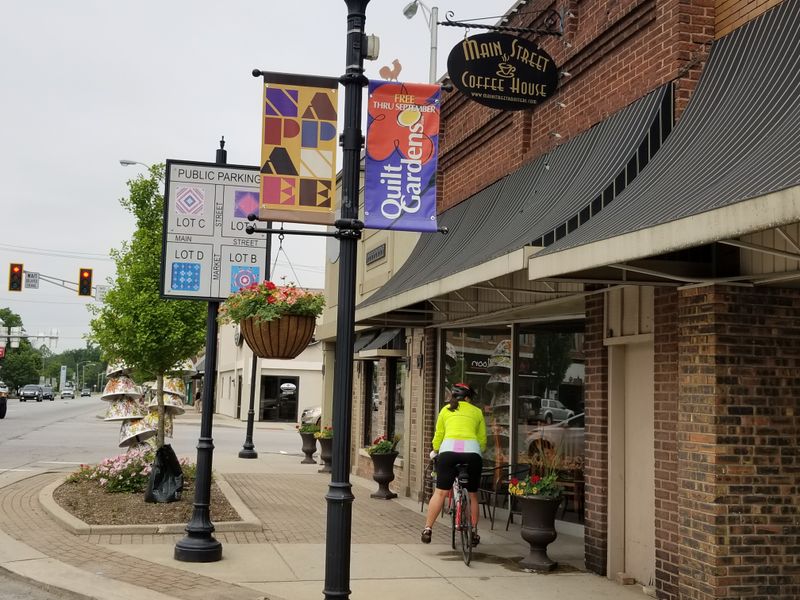
Nappanee sits at the crossroads of tradition and tourism, offering visitors an immersive look into Amish culture. The town’s name comes from a Native American word meaning “flour,” a nod to its long-standing agricultural heritage.
Today, horse-drawn buggies share the roads with cars as Amish families go about their daily routines. This creates a living snapshot of a slower, more deliberate way of life.
Amish Acres, located at 1600 West Market Street, was once a popular historic farm and heritage resort that showcased Amish life through tours, craft demonstrations, and theater productions. Although it has changed in recent years, the surrounding area remains rich with Amish culture.
Visitors can still explore nearby farms, shops, and markets where handmade goods are sold directly by the families who create them.
Downtown Nappanee features charming shops and eateries that celebrate the town’s heritage. The Nappanee Public Library at 101 East Market Street regularly hosts events focused on local history, including stories of Amish and Mennonite communities.
Coppes Commons, housed in a restored historic building at 107 East Market Street, brings together antiques, furniture, and specialty shops. The space highlights the craftsmanship and creativity that define the region.
Buggy traffic is heaviest on weekends and during special events when Amish families come into town for supplies or gatherings. Roads such as State Road 19 and County Road 250 require extra attention from drivers.
Passing a buggy takes patience and clear visibility, as these vehicles move slowly and lack the maneuverability of cars.
Nappanee’s blend of history, culture, and community spirit makes it a rewarding stop for travelers seeking authentic experiences beyond typical tourist attractions.
Goshen
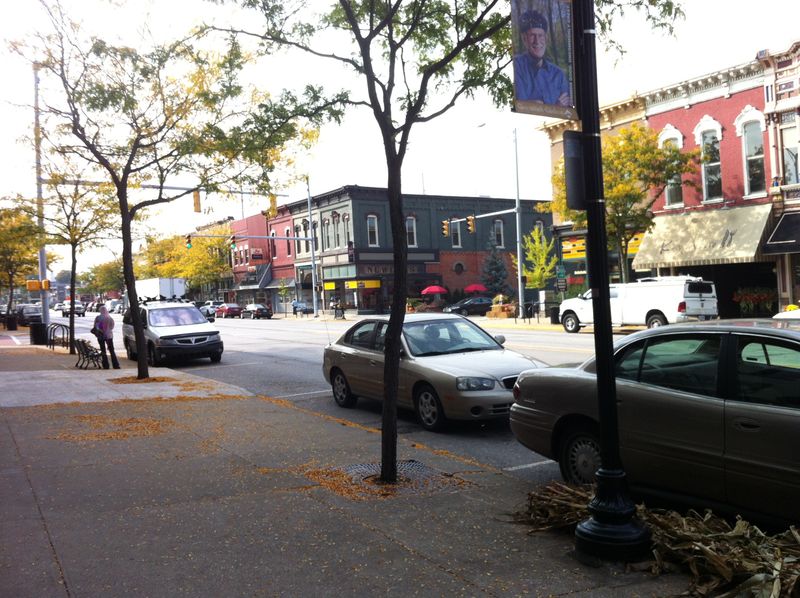
Goshen is the largest town in Elkhart County and serves as a central hub for surrounding Amish communities. While the town offers modern amenities and a diverse population, the roads leading in and out are frequently shared with horse-drawn buggies.
Amish families regularly travel to Goshen for medical appointments, shopping, and business. As a result, buggy traffic is a daily and expected part of life in the area.
Downtown Goshen features a blend of historic architecture and contemporary businesses, with shops, cafés, and restaurants lining Main Street. The area feels lively while still retaining a strong sense of local character.
The Old Bag Factory at 1100 Chicago Avenue is a creative complex housed in a renovated factory building. Inside, visitors find artist studios, galleries, and boutiques, and can often watch artisans at work while browsing one-of-a-kind pieces.
Goshen College, a Mennonite institution, adds an academic and cultural presence to the town. The college hosts concerts, lectures, and events that frequently explore themes of peace, community, and sustainability.
The Mennonite Historical Library on campus provides resources for those interested in Anabaptist history and traditions.
Buggy traffic is especially common on roads such as County Road 17 and County Road 34, which connect Goshen to rural Amish settlements. Drivers should be alert for buggies turning into driveways or crossing intersections.
These vehicles lack turn signals and brake lights, making caution essential. Reflective triangles improve visibility, but extra care is still needed at dawn and dusk.
Goshen’s central location makes it an ideal base for exploring northern Indiana’s Amish Country, with easy access to smaller towns and scenic countryside where buggy traffic is even more common.
Topeka
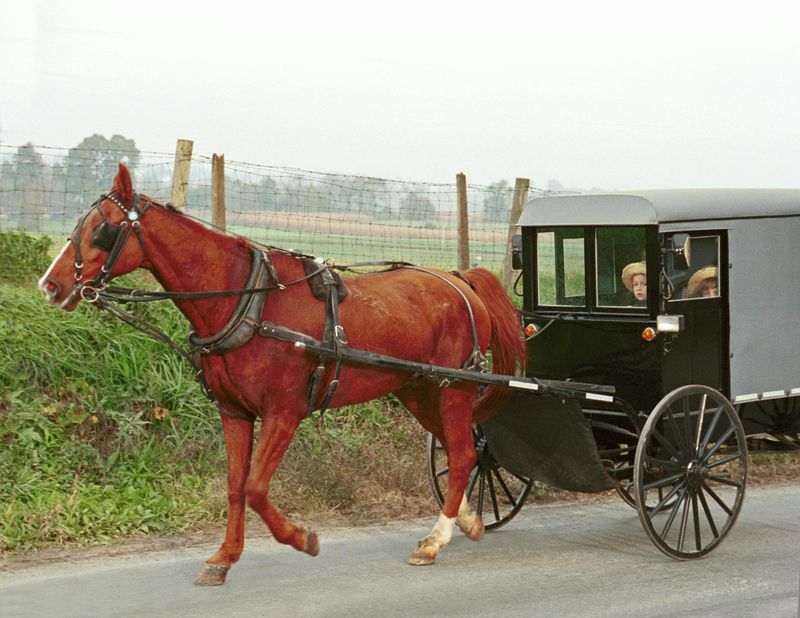
Topeka is a tiny town in LaGrange County that embodies the quieter side of Amish life. With a population of just a few hundred, the community is surrounded by working farms where families cultivate the land using traditional methods.
Buggies are not just common here; they are the primary mode of transportation for many residents. This gives the town a slower, more deliberate rhythm that visitors quickly notice.
The main street features a handful of businesses, including a general store and a small diner where locals gather for coffee and conversation. The pace is unhurried, and visitors often feel like they have stepped back in time.
The surrounding countryside is dotted with well-kept farmhouses, barns painted in traditional colors, and fields that change with the seasons from green crops to golden harvests.
Topeka’s roads are narrow and winding, making encounters with buggies frequent. County Road 700 and State Road 120 see the most buggy traffic, especially during planting and harvest seasons when families work long hours in the fields.
Motorists should be prepared to slow down and follow behind buggies until it is safe to pass. Patience and caution are essential when sharing the road with these slower vehicles.
One unique aspect of Topeka is its proximity to several Amish schools, small one-room buildings where children learn reading, writing, and arithmetic. During school hours, buggies can be seen dropping off and picking up students, adding to the traffic.
Visitors who take the time to explore Topeka and its surroundings will find a community deeply connected to the land and committed to preserving a way of life that values simplicity, hard work, and faith. The experience is both humbling and inspiring, offering a stark contrast to the fast-paced modern world.
Millersburg
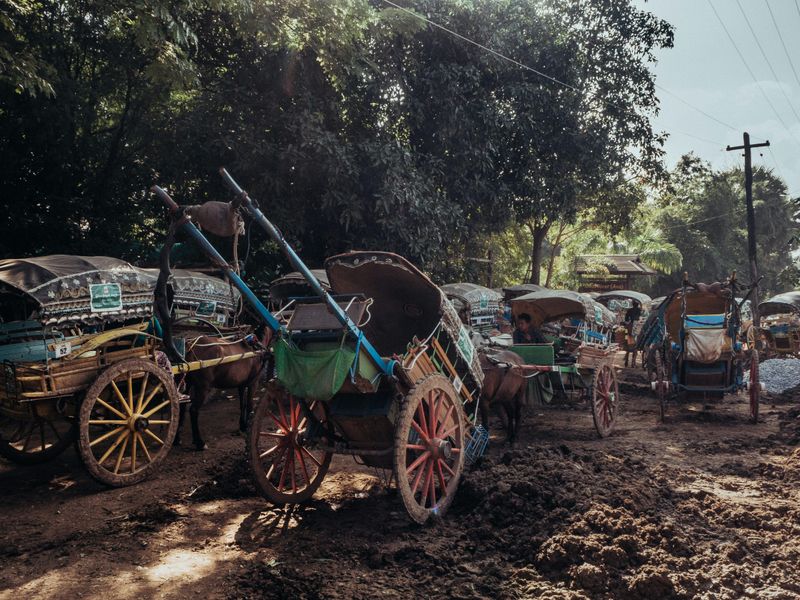
Millersburg in Elkhart County is another small town where Amish culture thrives. The community is tight-knit, with families often related by blood or marriage, creating a strong sense of belonging and mutual support.
Buggies are a familiar sight on the roads, and the town’s infrastructure reflects the needs of both horse-drawn and motorized traffic.
Local businesses cater to the Amish community, offering bulk foods, fabric, and farming supplies. The Millersburg Bulk Food Store is a popular stop where shoppers can find everything from spices to candy sold by the pound.
The store’s simple layout and friendly service reflect the values of the community it serves.
Millersburg is surrounded by scenic countryside that is perfect for leisurely drives or bike rides. The roads wind past farms, woodlands, and small creeks, offering glimpses of Amish life in its most authentic form.
Children play in yards, laundry flaps on clotheslines, and horses graze in pastures. These scenes create a pastoral view that feels timeless.
Buggy traffic is heaviest on weekends when families visit neighbors or attend church services. Sundays are particularly busy, with multiple buggies traveling to and from worship gatherings held in homes or barns.
Drivers should be extra cautious on these days, as roads can become congested with slow-moving vehicles.
Millersburg offers a quieter alternative to more tourist-heavy towns like Shipshewana, making it ideal for visitors seeking a genuine, low-key experience. Respect and courtesy are essential when visiting, as residents value their privacy and prefer to live without constant attention from outsiders.
Berne
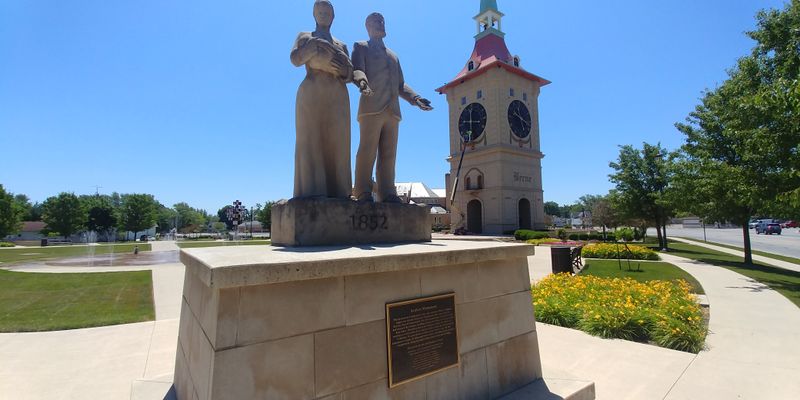
Berne in Adams County has a unique cultural flavor, blending Swiss heritage with Amish traditions. Founded by Swiss immigrants in the 1800s, the town celebrates its roots with festivals, architecture, and even a replica of a Swiss chalet.
The Amish community coexists with other residents, contributing to the area’s agricultural economy and cultural diversity.
Buggies are a common sight in and around Berne, especially on roads leading to the surrounding farmland. The town’s downtown features shops, restaurants, and a historic clock tower that chimes on the hour.
Swiss Heritage Village at 1200 Swiss Way offers visitors a glimpse into the lives of early settlers, with restored buildings and exhibits showcasing traditional crafts and lifestyles.
Berne is also known for its furniture industry, with several Amish-owned workshops producing high-quality, handcrafted pieces. Visitors can tour these shops and even commission custom furniture made to their specifications.
The craftsmanship and attention to detail reflect the Amish commitment to quality and durability.
Buggy traffic is particularly noticeable on State Road 218 and County Road 300, where Amish families travel between homes, farms, and the town center. Drivers should be mindful of the slower speeds and be prepared to share the road courteously.
The town’s annual Swiss Days festival in July draws large crowds. Buggy traffic increases as Amish families come to participate in the celebrations.
Berne’s combination of Swiss and Amish influences creates a distinctive atmosphere that sets it apart from other towns in Indiana. The blend of cultures is evident in the food, architecture, and community events, offering visitors a richer, more layered experience.
Whether exploring the heritage village, shopping for handmade furniture, or simply driving the scenic backroads, Berne provides a fascinating look at how different traditions can coexist and enrich a community.
Dear Reader: This page may contain affiliate links which may earn a commission if you click through and make a purchase. Our independent journalism is not influenced by any advertiser or commercial initiative unless it is clearly marked as sponsored content. As travel products change, please be sure to reconfirm all details and stay up to date with current events to ensure a safe and successful trip.
