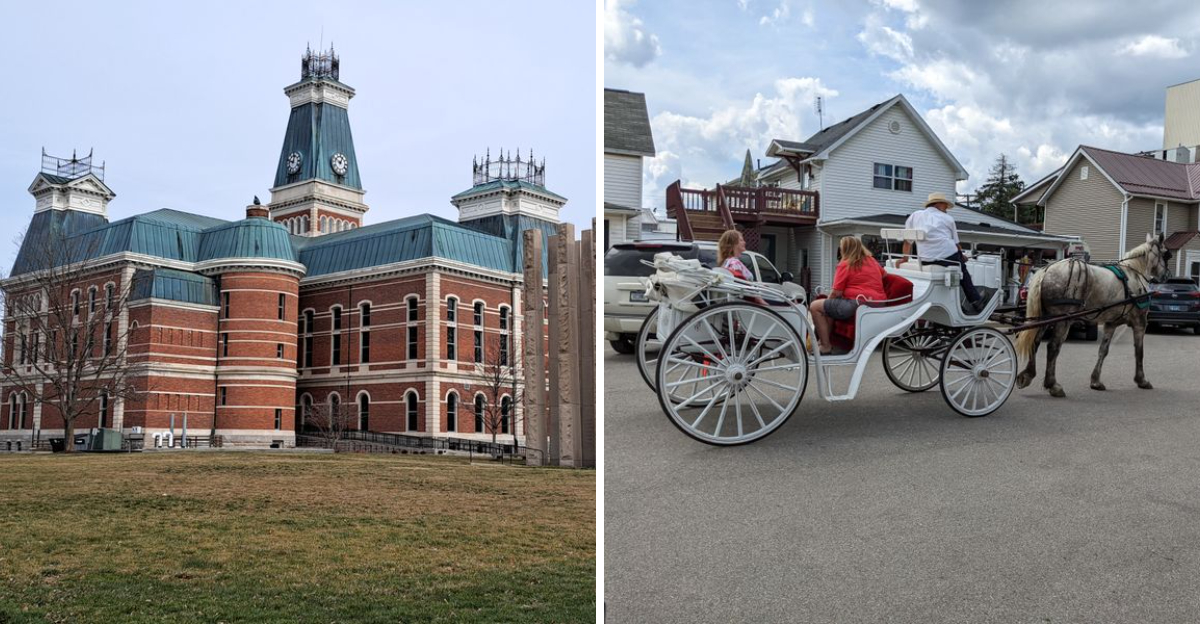
Indiana might not be the first place you think of when you hear the word tourism. Small towns across the Hoosier State are quietly thriving with visitors year-round.
From scenic lakeside getaways to historic Main Streets lined with antique shops, these communities have learned to balance charm with crowds. One surprising way to measure their popularity is by looking at where everyone parks.
Parking lots, metered spaces, and crowded curbs reveal which towns are drawing the biggest crowds. Busy weekends mean full lots, while quiet weekdays show a different side of these destinations.
Understanding parking patterns can help travelers plan smarter trips and avoid the rush.
Whether you are planning a weekend road trip or just curious about Indiana’s hidden gems, these towns offer more than meets the eye. Each one has a unique story to tell.
It all starts with where visitors leave their cars. Get ready to explore communities where tourism is written in every parking space.
1. Nashville
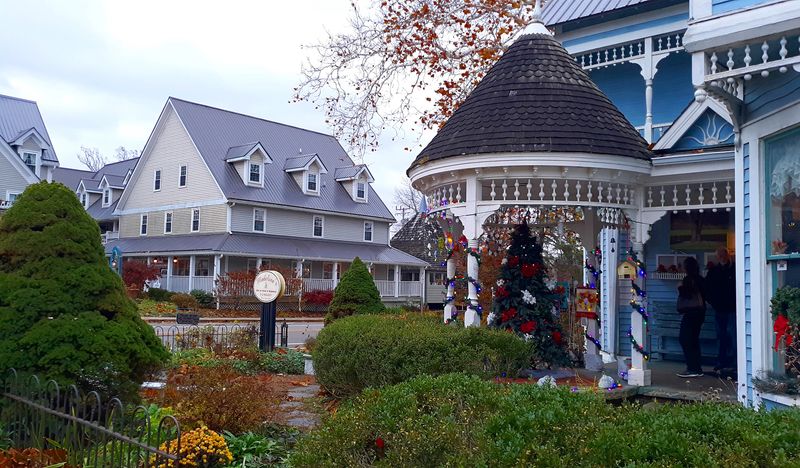
Nashville sits tucked into the rolling hills of Brown County, and its parking situation tells you everything about its popularity. On fall weekends, when the leaves turn brilliant shades of orange and red, finding a spot can feel like winning the lottery.
The town draws thousands of visitors eager to experience art galleries, craft shops, and the natural beauty of Brown County State Park.
Main Street fills up quickly, with both sides lined bumper to bumper by mid-morning. The town has added several public lots over the years, including a large gravel area near the Brown County Playhouse at 70 South Van Buren Street.
Even with the extra space, patience is required during peak season. Many locals suggest arriving early or visiting on weekdays to avoid the crowds.
Walking through Nashville feels like stepping into an artist’s dream. Galleries and studios occupy nearly every storefront, showcasing pottery, paintings, jewelry, and woodwork.
The Artist Colony Inn and Spa offers a cozy place to stay in the heart of town. Nearby, the Hobnob Corner Restaurant at 15 Van Buren Street serves comfort food that keeps visitors coming back.
Brown County State Park, just a short drive away, provides hiking trails and scenic overlooks worth the trip alone. The park’s winding roads and forested valleys make it one of Indiana’s most photographed spots.
Parking at the park itself can also fill quickly on autumn weekends, so planning ahead is key.
Nashville’s charm lies in its ability to stay small while welcoming big crowds. The parking crunch is a testament to its enduring appeal.
Visitors who explore beyond the main drag often discover quieter corners and hidden treasures that make the trip even more memorable.
2. French Lick
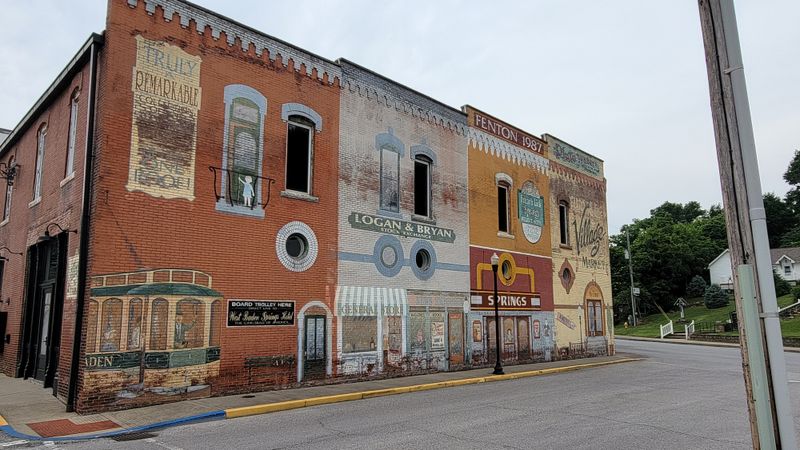
French Lick has reinvented itself as a destination for history buffs and resort lovers alike. The twin grand hotels, French Lick Springs Hotel and West Baden Springs Hotel, anchor the town’s tourism economy.
Parking at these massive properties is plentiful, with sprawling lots that accommodate tour buses, RVs, and hundreds of cars at once. The sheer size of the parking areas hints at how many people flock here year-round.
West Baden Springs Hotel, located at 8538 West Baden Avenue, is famous for its stunning atrium and dome, once the largest free-spanning dome in the world. Visitors often spend hours wandering the grand hallways and gardens.
The French Lick Springs Hotel next door offers a casino, spa, and golf courses that keep guests entertained for days. Both properties have valet services, but self-parking is free and convenient.
Beyond the resorts, downtown French Lick has a quieter, more nostalgic feel. The French Lick Scenic Railway departs from the old train depot, taking passengers on a journey through the Hoosier National Forest.
Parking near the depot is limited, especially during special events or holiday rides. Arriving early ensures a spot and allows visitors to explore the small shops and cafes nearby.
The town’s history as a spa destination dates back over a century, when visitors came to drink the mineral springs believed to have healing properties. Today, that legacy lives on in the resort spas and the Pluto Water bottling plant museum.
The blend of old-world elegance and modern amenities makes French Lick a unique stop. Parking might seem like a small detail, but in French Lick it reflects the town’s ability to handle large crowds without losing its charm.
Whether coming for a weekend getaway or a day trip, the experience feels both grand and welcoming.
3. Madison
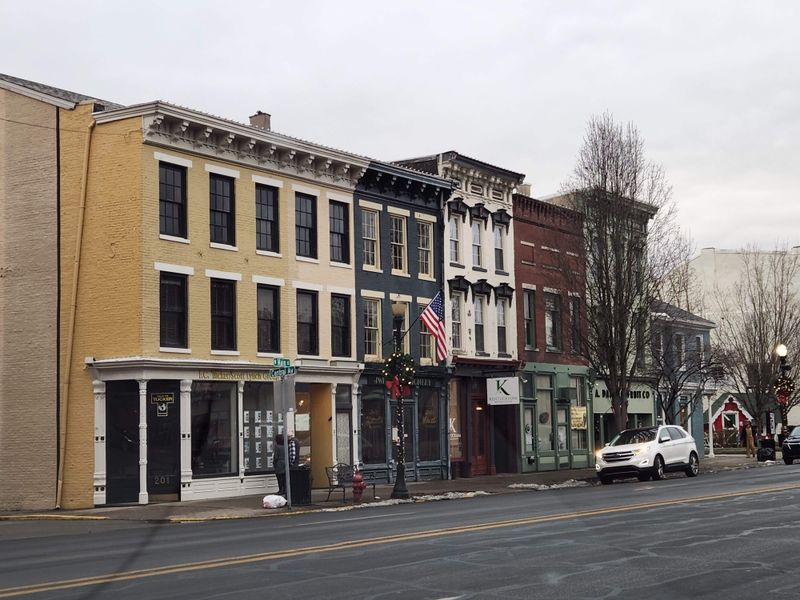
Madison rests along the Ohio River, and its historic downtown is one of the best-preserved in the Midwest. Parking along Main Street and near the riverfront fills quickly during festivals and summer weekends.
The town hosts events like the Madison Regatta and Chautauqua of the Arts, drawing crowds that spill into every available parking space. The bustle is a clear sign of Madison’s thriving tourism scene.
Lanier Mansion State Historic Site at 601 West First Street is a must-see attraction. This Greek Revival home offers guided tours that showcase life in the 1840s.
Parking is available on-site, but it can be tight during peak visiting hours. Walking through the mansion and its gardens provides a glimpse into Indiana’s past and the wealth that once flowed through this river town.
Downtown Madison is filled with antique shops, boutiques, and restaurants housed in 19th-century buildings. The Broadway Fountain and Hotel sits at 313 Broadway Street, offering both lodging and a central location for exploring.
Street parking is mostly metered, and finding a spot near the river can be tricky on sunny days. Many visitors park in public lots a few blocks away and enjoy the walk.
Clifty Falls State Park, located just outside town, offers waterfalls, rugged trails, and stunning views of the Ohio River valley. Parking at the park is usually manageable except during fall foliage season when the trails become especially popular.
The combination of natural beauty and historic charm makes Madison a well-rounded destination.
Madison’s parking challenges are a reflection of its success in attracting tourists who appreciate history, art, and nature. The town has grown its reputation without sacrificing the character that makes it special.
Visitors who plan ahead and embrace a little walking will find Madison to be a rewarding stop.
4. Shipshewana
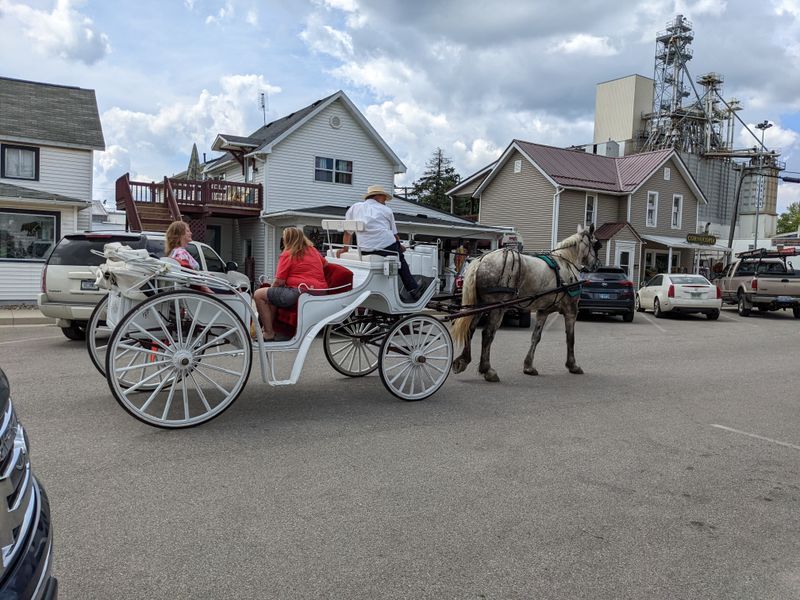
Shipshewana is the heart of Indiana’s Amish country, and its parking lots tell a fascinating story of cultural tourism. The Shipshewana Auction and Flea Market, held every Tuesday and Wednesday from May through September, transforms the town into a bustling marketplace.
Parking lots stretch across acres of land, accommodating thousands of visitors who come to shop for antiques, furniture, produce, and handmade crafts.
The flea market alone covers over 40 acres, making it one of the largest in the Midwest. Vendors set up hundreds of booths selling everything from vintage tools to Amish quilts.
The auction draws farmers, collectors, and tourists who bid on livestock, equipment, and household goods. Parking is free but fills quickly, especially on sunny summer days.
Golf cart shuttles help visitors navigate the sprawling grounds.
Beyond market days, Shipshewana offers a quieter but equally charming experience. The Blue Gate Restaurant and Theater at 195 North Van Buren Street serves hearty Amish-style meals and hosts live musical performances.
Parking at the restaurant is ample, even during dinner shows. The nearby Menno-Hof Museum at 510 South Van Buren Street provides an educational look at Amish and Mennonite history and beliefs.
Horse-drawn buggies share the roads with cars, creating a unique blend of old and new. Visitors often stop to take photos of the buggies and the picturesque farmland that surrounds the town.
The slower pace of life here is part of the appeal. The parking lots full of out-of-state plates show that people travel far to experience it.
Shipshewana’s tourism success is built on authenticity and tradition. The parking situation, especially during market days, reflects the town’s ability to draw crowds while staying true to its roots.
It is a place where tourism and culture coexist in harmony.
5. Columbus
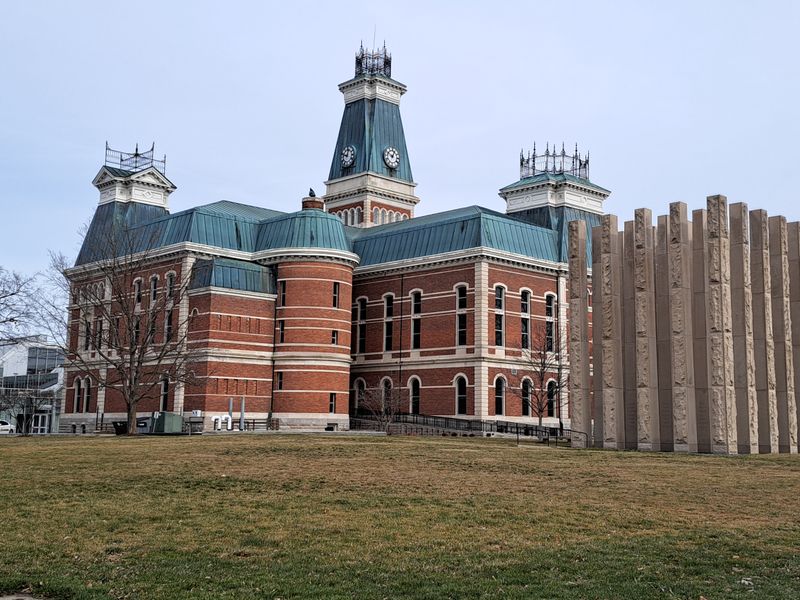
Columbus is known worldwide for its modern architecture, and the parking downtown reflects the steady flow of architecture enthusiasts and curious travelers. Visitors come to see buildings designed by famous architects like Eero Saarinen, I.M.
Pei, and Richard Meier.
The downtown area offers both street parking and public garages, with clear signage guiding visitors to key landmarks. The organized parking infrastructure mirrors the town’s thoughtful urban planning.
The Columbus Area Visitors Center at 506 Fifth Street is the perfect starting point. Free parking is available, and the center offers guided tours and maps highlighting over 70 notable buildings.
The North Christian Church at 850 Tipton Lane, designed by Eero Saarinen, is one of the most photographed structures in town. Its unique hexagonal shape and soaring spire make it an architectural icon.
Downtown Columbus also features the Cleo Rogers Memorial Library at 536 Fifth Street, another Pei masterpiece, and the Miller House and Garden, a mid-century modern home open for tours. Parking near these sites is usually easy to find, even on weekends.
The town has worked hard to make architecture tourism accessible and enjoyable for everyone.
Beyond architecture, Columbus offers parks, restaurants, and a thriving arts scene. Zaharakos Ice Cream Parlor at 329 Washington Street has been serving treats since 1900 and features a restored soda fountain and antique pipe organ.
The eclectic mix of old and new gives Columbus a character all its own.
Parking in Columbus is more than just a convenience. It is part of a well-planned visitor experience.
The town has embraced its reputation as an architectural gem and made it easy for tourists to explore. Whether you are an architecture buff or just passing through, Columbus offers a refreshing take on small-town tourism.
6. Santa Claus
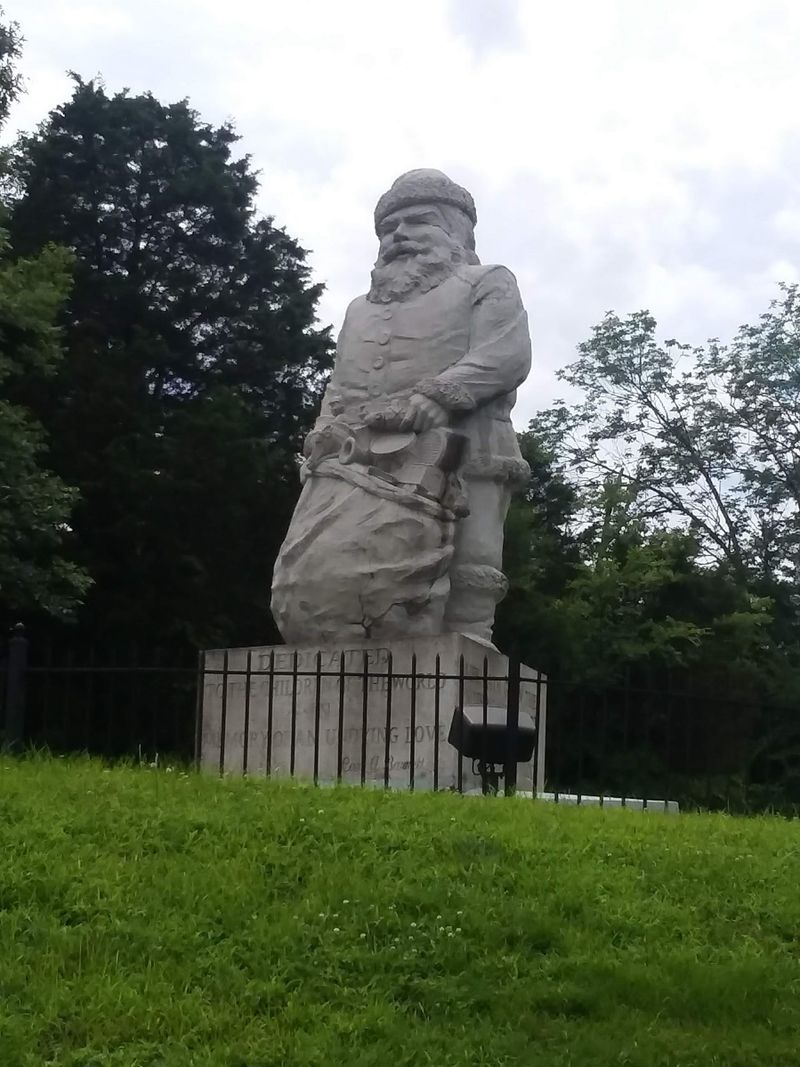
Santa Claus is a town where Christmas never ends, and parking tells the story of family tourism at its finest. Holiday World and Splashin’ Safari, located at 452 East Christmas Boulevard, is the main draw.
The amusement park offers free parking, free sunscreen, and free soft drinks, making it a budget-friendly destination for families. The massive parking lot fills quickly during summer, especially on holidays and weekends.
Holiday World has been voted one of the cleanest and friendliest parks in the country. The wooden roller coasters and water slides provide thrills for all ages.
Parking attendants direct traffic efficiently, and the walk from the lot to the entrance is short and shaded. The park’s commitment to customer service extends even to the parking experience.
Downtown Santa Claus has its own quirky charm. Santa’s Candy Castle at 78 North Kringle Place offers homemade chocolates and sweets, with plenty of parking out front.
The Santa Claus Museum and Village at 69 North Kringle Place tells the story of how the town got its name and became a holiday destination. Parking is free and rarely crowded, making it an easy stop for families.
The Santa Claus Post Office at 45 North Kringle Place is famous for its holiday postmark. Every December, thousands of letters are mailed from here, carrying the special Santa Claus postmark to destinations around the world.
Visitors often stop to send cards and take photos. The parking lot is small but usually sufficient except during the holiday rush.
Santa Claus has built its tourism economy on fun, nostalgia, and a little bit of magic. The parking lots, whether at the theme park or downtown, are a testament to the town’s enduring appeal.
Families return year after year, creating memories that last a lifetime.
7. Bloomington
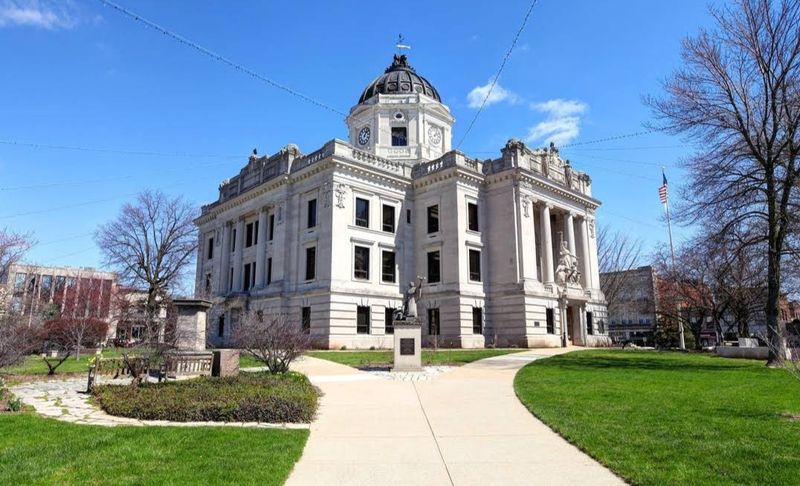
Bloomington is home to Indiana University, and its parking situation reflects the blend of college town energy and cultural tourism. Downtown Bloomington, especially around the courthouse square, sees heavy parking demand on game days, concert nights, and during arts festivals.
Metered street parking and several public garages serve the area, but finding a spot can be a challenge when events overlap.
The Indiana University campus itself is a major attraction. Visitors come to tour the beautiful grounds, visit the Eskenazi Museum of Art at 1133 East Seventh Street, and catch performances at the Jacobs School of Music.
Campus parking requires permits or payment at visitor lots, and availability varies depending on the academic calendar. Football Saturdays in the fall bring the biggest crowds and the tightest parking conditions.
Kirkwood Avenue, the main downtown strip, is lined with restaurants, bars, and shops. Nick’s English Hut at 423 East Kirkwood Avenue is a local institution known for its burgers and laid-back atmosphere.
Parking nearby is limited, so many people park in garages a block or two away and walk. The vibrant street life makes the short walk enjoyable.
Bloomington also offers outdoor recreation at nearby Lake Monroe and the Hoosier National Forest. The trails, beaches, and scenic drives attract visitors year-round.
Parking at lake access points and trailheads can fill up on warm weekends, especially during the summer months. The natural beauty surrounding Bloomington adds another layer to its tourism appeal.
Parking in Bloomington is a balancing act between serving residents, students, and tourists. The town has worked to expand options and improve accessibility, but demand often outpaces supply during peak times.
Despite the challenges, Bloomington’s mix of culture, education, and nature makes it a destination worth visiting.
Dear Reader: This page may contain affiliate links which may earn a commission if you click through and make a purchase. Our independent journalism is not influenced by any advertiser or commercial initiative unless it is clearly marked as sponsored content. As travel products change, please be sure to reconfirm all details and stay up to date with current events to ensure a safe and successful trip.
