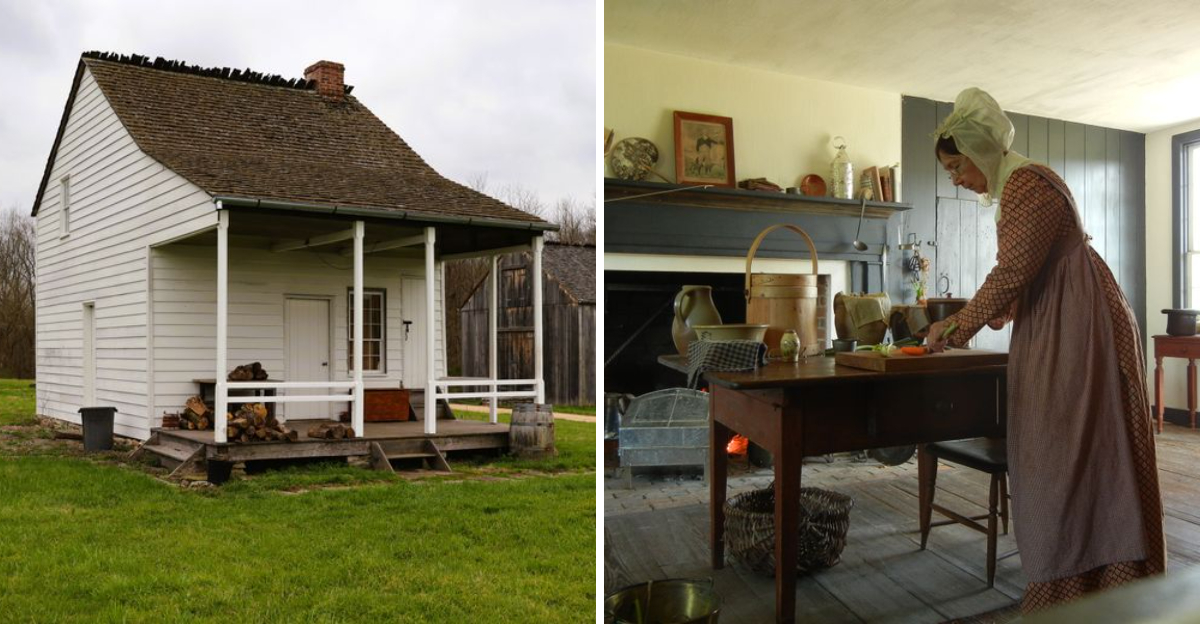
Tucked away along Indiana’s scenic Ohio River Valley, the Venoge Farmstead offers a journey into America’s early 19th-century past. It stands as one of the few surviving examples of French Colonial architecture in the Midwest.
Located at 4085 IN-129 in Vevay, Indiana, this living history museum preserves the unique French-Swiss heritage that shaped the Indiana Territory’s early development.
Volunteers have transformed this once-crumbling cottage into an authentic time capsule. Visitors can experience hearthside cooking, witness traditional cheese-making, and explore the story of America’s first commercial wine industry.
From its distinctive post-on-sill construction to its connection with political figures like Henry Clay, the Venoge Farmstead reveals layers of American history often overlooked in textbooks.
Whether you visit during Christmas events or summer demonstrations, stepping onto these grounds feels like entering a storybook world. The past comes alive through carefully preserved artifacts and passionate storytelling.
The farmstead’s rescue from demolition and its recognition with a state historical marker show that community dedication can save irreplaceable pieces of heritage. Future generations now have the chance to discover and appreciate this living history.
Rare French Colonial Architecture Survives Against All Odds
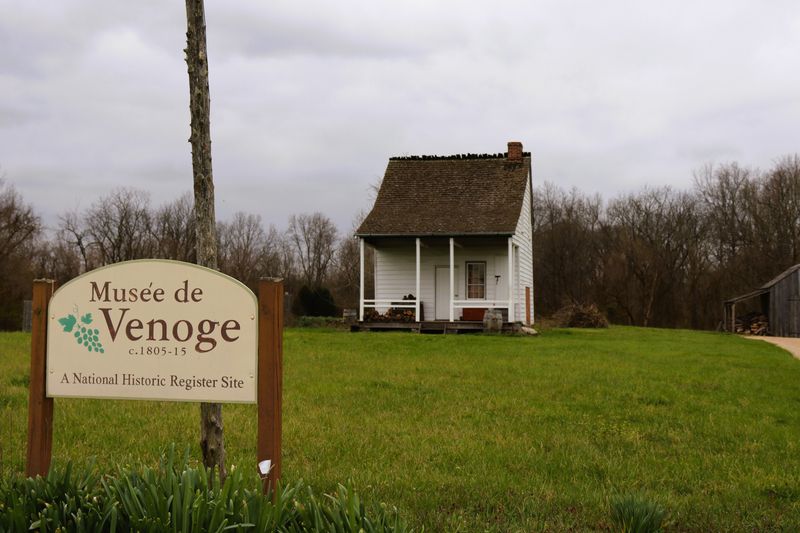
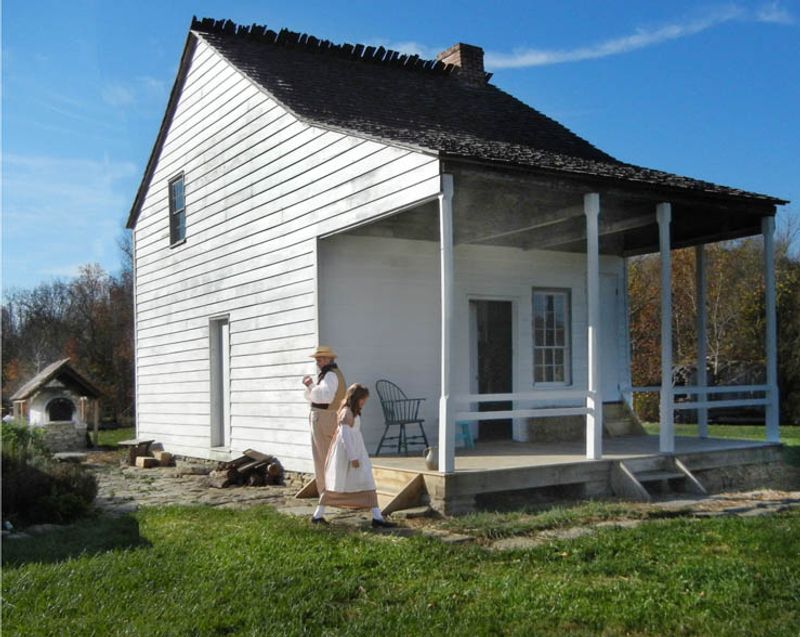
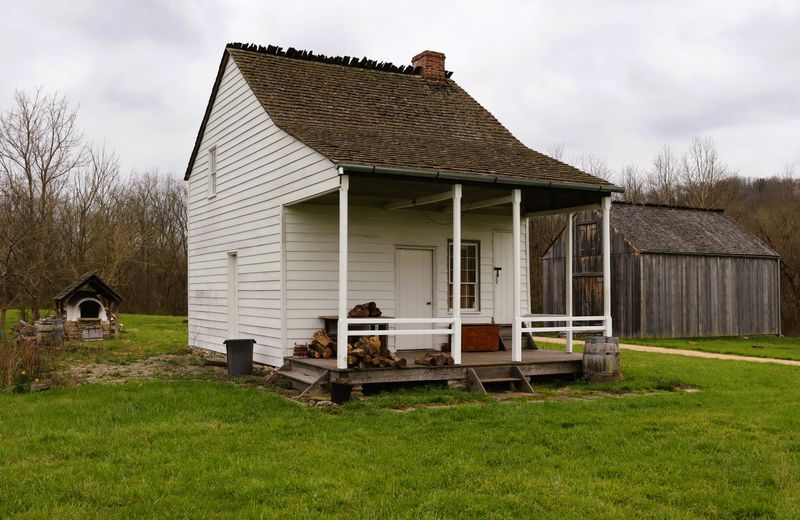
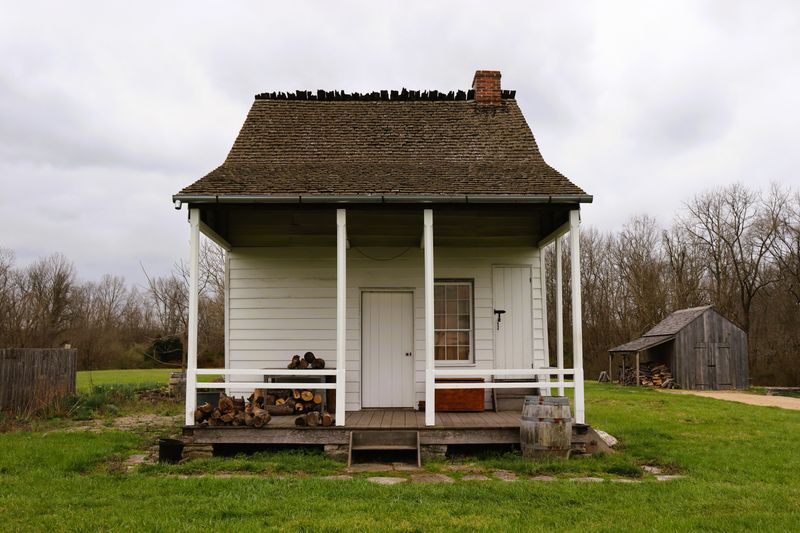
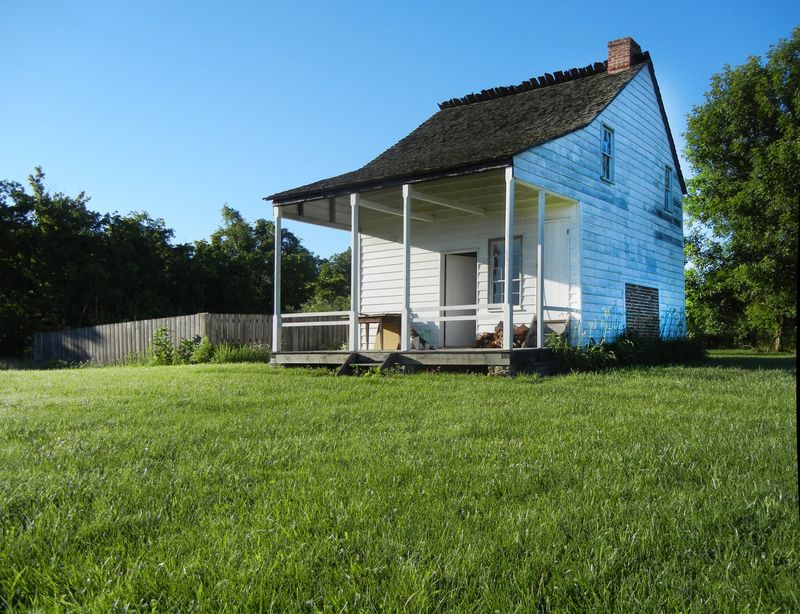
Built around 1805, the Venoge cottage represents something extraordinarily rare in American architectural history. It showcases French Colonial post-on-sill construction, known as poteaux-sur-sol, a technique brought from Europe to the American frontier.
Unlike the common log cabin construction found in pioneer settlements, this method placed vertical wooden posts on horizontal sill beams, with walls filled with clay, straw, and stones. Only a handful of buildings constructed this way still exist in the Ohio River Valley today.
The cottage’s survival through more than two centuries is nothing short of miraculous. Most French Colonial structures in this area were destroyed by Ohio River floods that washed away entire settlements.
Walking through the farmstead’s rooms, you can still see the original construction techniques. The exposed wooden framework tells stories of craftsmen who adapted Old World methods to New World challenges.
Architecture enthusiasts and historians travel from across the country to study this rare frontier building. It serves as a tangible connection to the French-Swiss settlers who arrived in Indiana Territory with dreams of vineyards and recreating the landscapes of their homeland.
Rescued from Fire Department Training Demolition
Picture this: a deteriorating historical cottage was scheduled for intentional burning as fire department practice. That was the fate awaiting the Venoge Farmstead in the 1990s when local firefighters identified it as perfect training material.
Fortunately, a passionate group of all-volunteer preservationists discovered the plan just in time. They recognized that what others saw as an old, falling-apart building was actually an irreplaceable piece of American history worth saving.
The rescue effort required enormous commitment from people who gave their time, money, and labor without any guarantee of success. They faced a building with a collapsing roof, rotting timbers, and walls that had weathered nearly two centuries of Indiana’s extreme weather.
Restoration proceeded slowly and carefully, with volunteers researching period-appropriate materials and construction techniques. Every repair honored the original methods while ensuring the structure could survive another two hundred years.
The transformation from near-rubble to functioning museum stands as testimony to what community determination can accomplish. Volunteers learned traditional carpentry skills, studied French Colonial architecture, and dedicated countless weekends to bringing the farmstead back from the edge of destruction.
Today, visitors walking through the beautifully restored cottage rarely imagine it was once hours away from being practice fodder for controlled burns. The building that almost disappeared now welcomes thousands of visitors annually, offering educational programs that bring 19th-century life vividly to life.
Birthplace of American Commercial Wine Industry
Long before California’s Napa Valley became synonymous with American wine, southeastern Indiana’s rolling hills produced bottles that earned national acclaim. The Venoge Farmstead sits at the heart of what French-Swiss settlers ambitiously called New Switzerland, a community established specifically to cultivate grapes and produce wine commercially.
These European immigrants brought grapevine cuttings and centuries of viticulture knowledge across the Atlantic. They chose the Ohio River Valley for its climate similarities to European wine regions, believing Indiana’s soil and weather patterns would support successful vineyards.
By 1812, their gamble paid off spectacularly. Wine from this New Switzerland settlement gained recognition throughout the young United States.
Bottles reached distant cities and earned praise from consumers accustomed to European imports.
The farmstead’s land was integral to this pioneering wine industry. Families like those who lived in the Venoge cottage tended carefully planted rows of grapevines, learning through trial and error which European varieties adapted best to Indiana conditions.
This early success makes the Venoge Farmstead significant beyond architectural preservation. It represents America’s first commercially viable wine industry, predating more famous regions by decades.
Unfortunately, the thriving industry eventually declined due to disease, economic changes, and shifting agricultural priorities.
In recent years, interest in Indiana wine production has returned. Modern vintners look back to these pioneering settlers for inspiration.
Visitors during special events sometimes enjoy tastings that recreate historical wine-making traditions. These experiences connect modern palates directly to the ambitious French-Swiss immigrants who transformed Indiana hillsides into productive vineyards more than two centuries ago.
Where Henry Clay Purchased Wine and Discussed Politics
Imagine one of America’s most influential statesmen traveling to a small Indiana farmstead to personally select wine bottles.
Louis Gex Oboussier, an early owner of the Venoge property, counted Henry Clay among his distinguished customers.
Clay, known as the Great Compromiser for his role in navigating America’s most contentious political debates, made trips to this remote settlement specifically to purchase the region’s celebrated wines. These weren’t simple business transactions but social occasions where politics and viticulture intertwined.
The farmstead’s connection to such a towering political figure shows how New Switzerland’s wine industry reached far beyond local markets.
Clay’s patronage brought prestige to the settlement and demonstrated that Indiana’s frontier vineyards produced quality worthy of America’s political elite.
During these visits, conversations likely ranged from agricultural techniques to the burning political questions of the era. Clay served as Speaker of the House, Secretary of State, and Senator during his long career, making him perfectly positioned to spread word about Indiana wine throughout Washington’s power circles.
The farmstead’s role as a meeting place between frontier farmers and national politicians illustrates how early 19th-century society connected in unexpected ways.
Geographic isolation didn’t prevent these French-Swiss immigrants from engaging with the broader American political and economic landscape.
Today’s visitors standing in the cottage where Oboussier likely welcomed Henry Clay can almost hear echoes of those conversations.
The humble rooms that witnessed discussions between a wine-making immigrant and a famous statesman remind us that history’s pivotal moments often occurred in surprisingly ordinary settings.
Named After a Swiss River From the Settlers’ Homeland
Homesickness must have weighed heavily on the French-Swiss immigrants who left everything familiar to build new lives in Indiana Territory.
The Venoge Farmstead’s name itself reveals the powerful emotional connections these settlers maintained with their European homeland.
The property takes its name from the Venoge River, which flows through the Canton of Vaud in Switzerland. This wasn’t a random choice but a deliberate act of memory and identity preservation by people who wanted future generations to remember their origins.
The Venoge River in Switzerland runs through wine-producing regions, making the name particularly appropriate for a farmstead established as part of a viticulture settlement. These immigrants saw parallels between their new Indiana home and the Swiss landscapes they’d left behind.
Naming practices like this were common among immigrant communities throughout American history. By attaching familiar European place names to American locations, settlers created linguistic bridges between their past and present, old world and new.
The Canton of Vaud, where the original Venoge River flows, is known for its stunning lakeside vineyards and French-speaking culture. Immigrants from this region brought not just agricultural knowledge but language, customs, and cultural traditions that shaped the New Switzerland settlement’s unique character.
Today, this transatlantic naming connection helps visitors understand the farmstead within its broader immigration context.
The property represents not just Indiana history but the universal human experience of seeking better opportunities while maintaining connections to ancestral homelands.
Authentic Time-Travel Through Material Culture Demonstrations
Step into the Venoge Farmstead during an open event, and you’ll immediately notice something different from typical museums.
Rather than roped-off displays and explanatory placards, you’ll encounter living history that engages all your senses. Historians call this approach material culture.
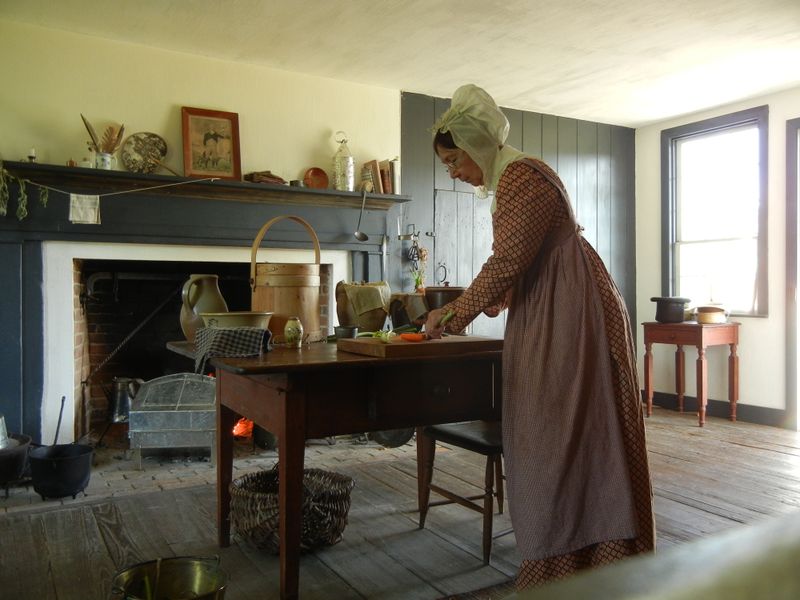
The museum’s philosophy centers on using period-correct equipment, clothing, and methods to recreate daily life exactly as the farmstead’s original inhabitants experienced it. Costumed interpreters do not just talk about history; they perform the tasks that filled 19th-century days from dawn to dusk.
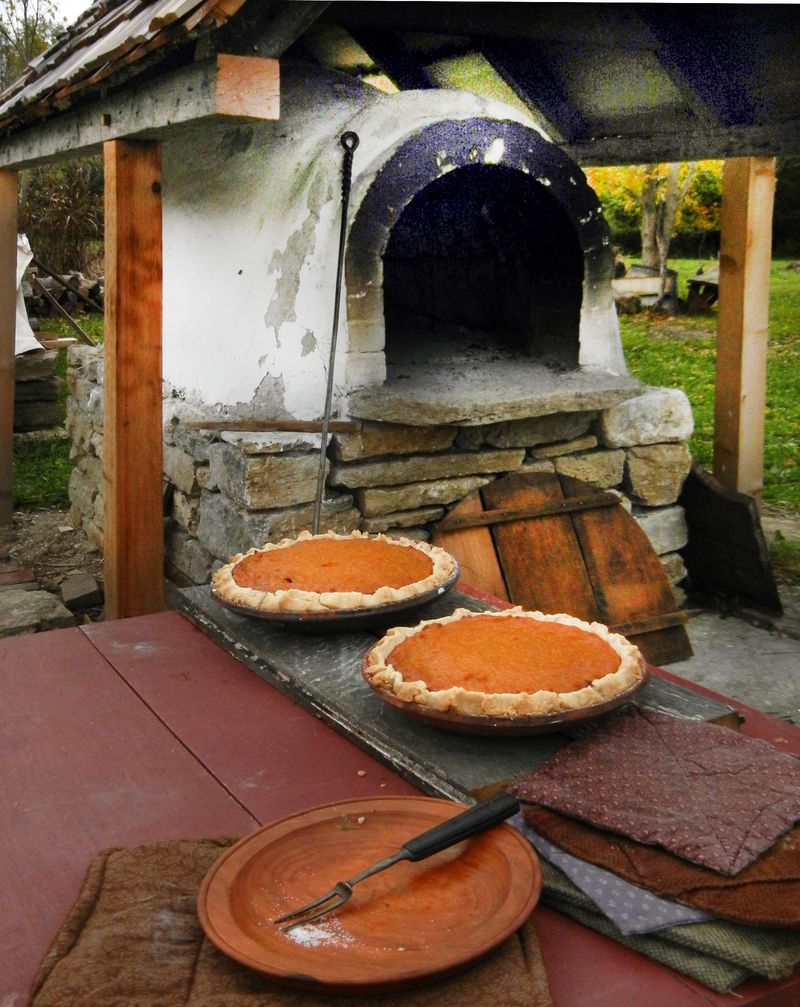
Watch bread baking in an authentic outdoor oven built using traditional techniques. The aroma of wood smoke and rising dough transports visitors directly to the 1800s.
Hearthside cheese-making demonstrations reveal the labor-intensive processes that transformed fresh milk into preserved food capable of sustaining families through long winters. Visitors see the specialized equipment and learn the timing and techniques essential for frontier survival.
The farmstead’s gardens grow heritage vegetable varieties that would have been familiar to the original French-Swiss settlers. These are not modern hybrid tomatoes or cucumbers.
Period-correct clothing worn by interpreters serves educational purposes beyond mere costume. The layers, fabrics, and construction methods demonstrate how people dressed for practicality and the limited resources available on the frontier.
Recent State Recognition Cements Historical Importance
October 11, 2025, marked a significant milestone for the Venoge Farmstead when Indiana officially dedicated a new State Historical Marker on the property. This recognition represents more than ceremonial acknowledgment and permanently establishes the farmstead’s importance within Indiana’s broader historical narrative.
State historical markers do not come easily. Applications undergo rigorous review processes where historians evaluate a site’s significance, authenticity, and educational value before approving permanent commemoration.
The marker specifically highlights the farmstead’s role in preserving European ethnic heritage within Indiana. While many historical sites focus on Anglo-American pioneer experiences, the Venoge Farmstead tells the equally important but often overlooked story of French-Swiss immigration and cultural contributions.
This official recognition brings practical benefits beyond prestige. Historical markers increase visibility, attract tourists who specifically seek authenticated historical sites, and help the all-volunteer organization secure grants and funding for continued preservation work.
The timing of this recognition, more than two centuries after the cottage’s construction, demonstrates how historical appreciation evolves. What previous generations might have dismissed as an old building is now understood as an irreplaceable educational resource worthy of state-level protection.
Dear Reader: This page may contain affiliate links which may earn a commission if you click through and make a purchase. Our independent journalism is not influenced by any advertiser or commercial initiative unless it is clearly marked as sponsored content. As travel products change, please be sure to reconfirm all details and stay up to date with current events to ensure a safe and successful trip.
