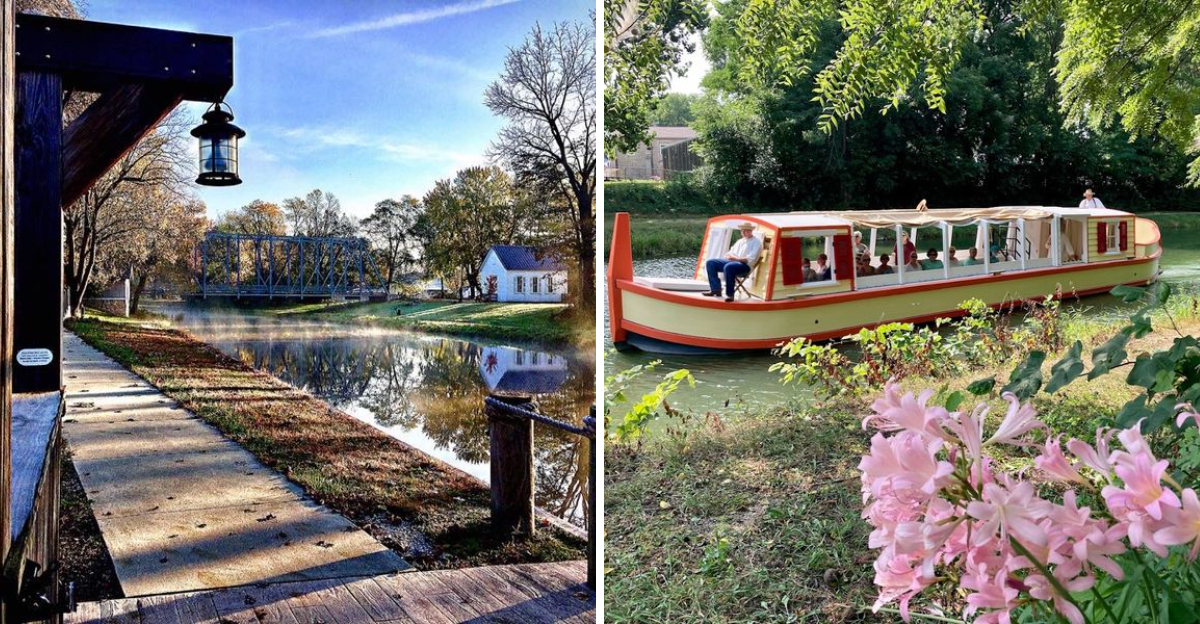
I’ll be honest, I did not expect a trail in Carroll County to stop me in my tracks the way the Wabash and Erie Canal Trail in Delphi did.
There is something quietly powerful about pedaling alongside a waterway that once connected the entire Midwest, a ghost of ambition still visible in every mossy lock and earthen towpath.
This trail stretches roughly 10 miles along the Wabash River corridor, weaving through history, wildlife, and small-town Indiana charm in a way that feels genuinely rare. If you have ever wanted to feel like you are riding through a living history book without the crowds or the entrance fees, this is the place to be.
A 10-Mile Riverfront Corridor Built for Bikers and Dreamers
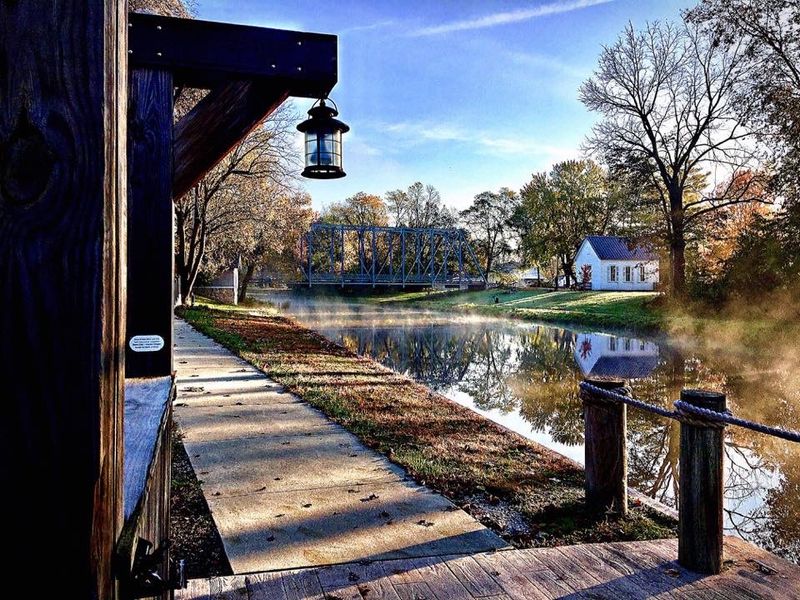
Not every trail earns the word massive, but this one comes close. The Wabash and Erie Canal Trail follows roughly 10 miles of flat, accessible path through Carroll County, hugging the Wabash River and the remnants of the old canal corridor that once made Indiana a commercial powerhouse in the 1800s.
For cyclists, this is close to ideal. The terrain stays mostly flat, which means you do not need to be a serious athlete to enjoy the full stretch.
Families, casual riders, and older adults all find the trail welcoming, and the scenery keeps things interesting from start to finish.
The trail runs through a mix of open meadows, wooded canopy sections, and riverside views that shift with every turn. Mornings are especially beautiful here, with mist rising off the Wabash and birdsong filling the tree line.
I found myself slowing down more than I expected, not from exhaustion but from not wanting to miss anything. Wabash and Erie Canal Park sits at 1030 N Washington St in Delphi and serves as a natural anchor point for planning your ride.
Lost Canal Locks That Tell a Story Nobody Else Is Telling
Most people driving through Carroll County have no idea they are passing one of the most ambitious engineering projects in American history. The Wabash and Erie Canal was once the longest canal ever built in North America, stretching over 450 miles at its peak.
What remains today along this trail are the quiet, crumbling bones of that ambition.
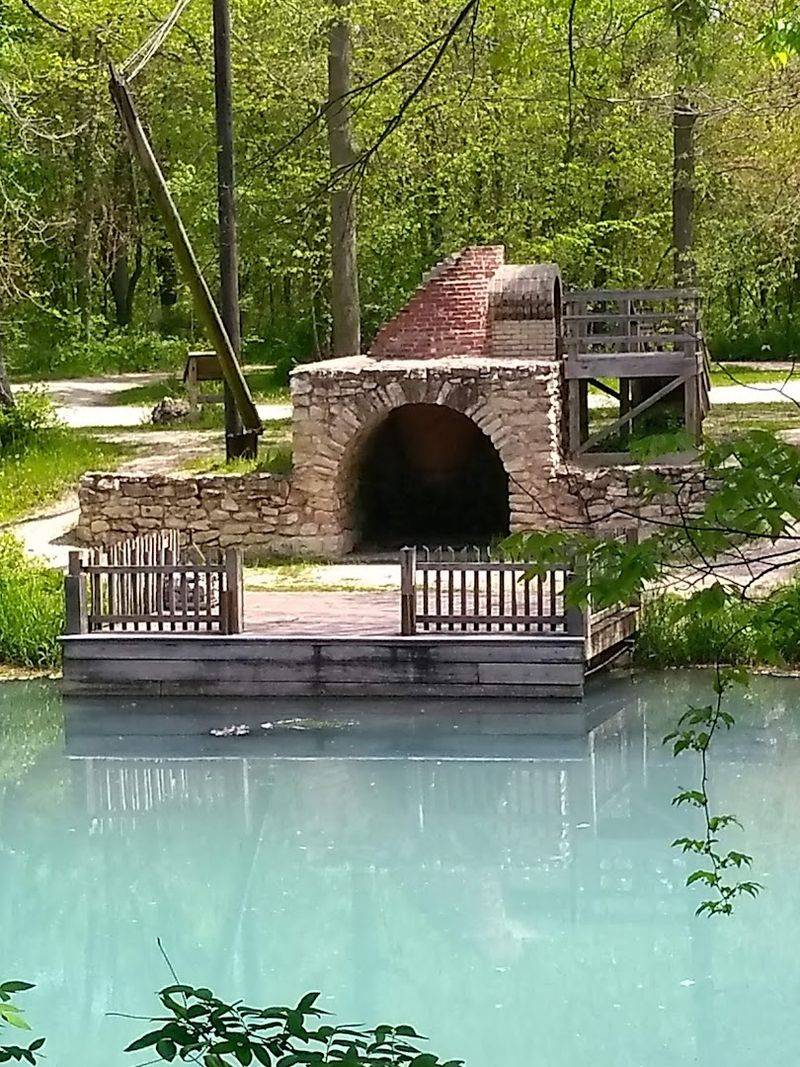
The old canal locks scattered along the route are genuinely fascinating. These stone structures were hand-built in the mid-1800s to raise and lower canal boats between water levels, a mechanical puzzle solved entirely by human labor and ingenuity.
Standing next to one today, knowing what it once did, hits differently than reading about it in a textbook.
Several lock sites are accessible directly from the trail, and interpretive signage helps explain what you are looking at without making it feel like a classroom lecture. The Wabash and Erie Canal Park museum, open Tuesday through Friday from 1 to 4 PM, adds even more context if you want to go deeper into the history.
The combination of outdoor exploration and indoor exhibits makes this one of the most complete historical experiences in Indiana.
Wildlife Watching That Rivals Any State Park in Indiana
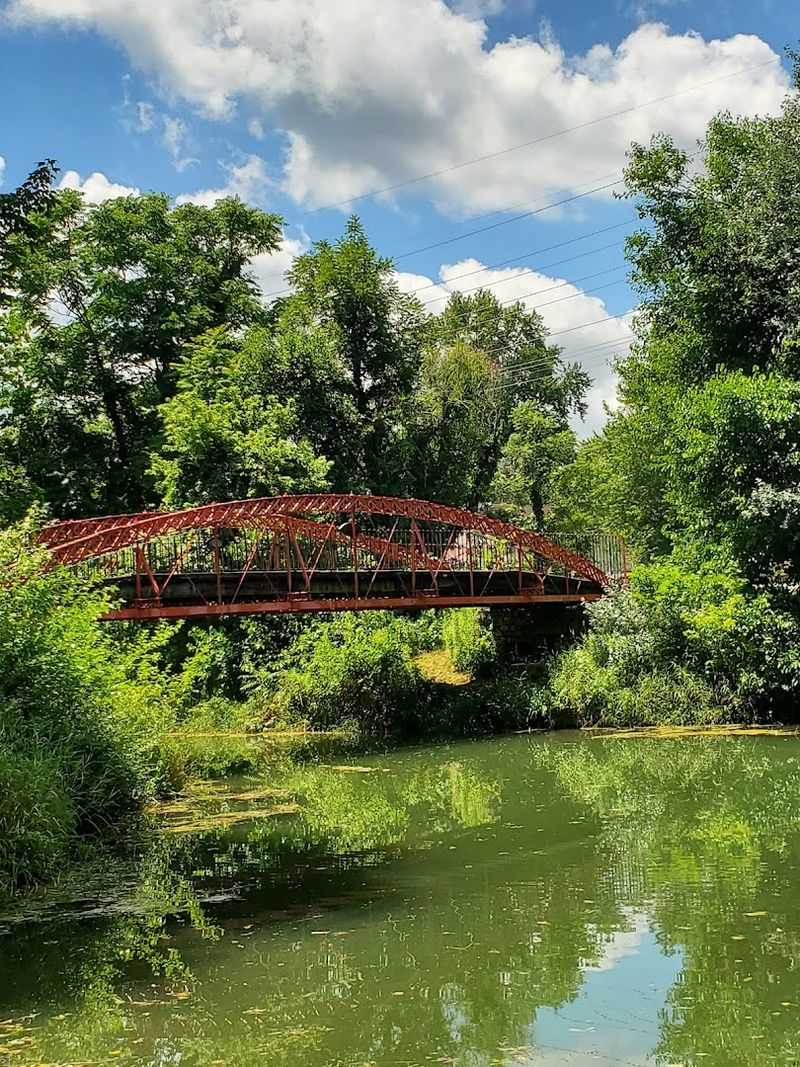
One visitor staying at the campground nearby once mentioned walking 35 miles across all the trails and spotting deer, blue herons, red-tailed hawks, orioles, and fireflies along the way. That kind of list is not exaggeration; it is what happens when you put a well-maintained green corridor next to a major river in the heart of Indiana.
The trail functions as a natural wildlife highway. The mix of riparian forest, open water, and meadow habitat along the canal route attracts an impressive variety of species throughout the year.
Winter visitors have even reported eagle sightings in the area, which turns an ordinary Sunday drive into something unexpectedly memorable.
Spring and fall are particularly rewarding for anyone who enjoys watching migratory birds move through. The tree canopy along the Wabash corridor acts as a natural funnel during migration, and the trail puts you right in the middle of it.
Firefly season in early summer adds a completely different kind of magic to evening walks. Bringing binoculars is worth it here in a way that feels almost mandatory once you see the habitat up close.
The Canal Boat Ride That Makes History Feel Alive
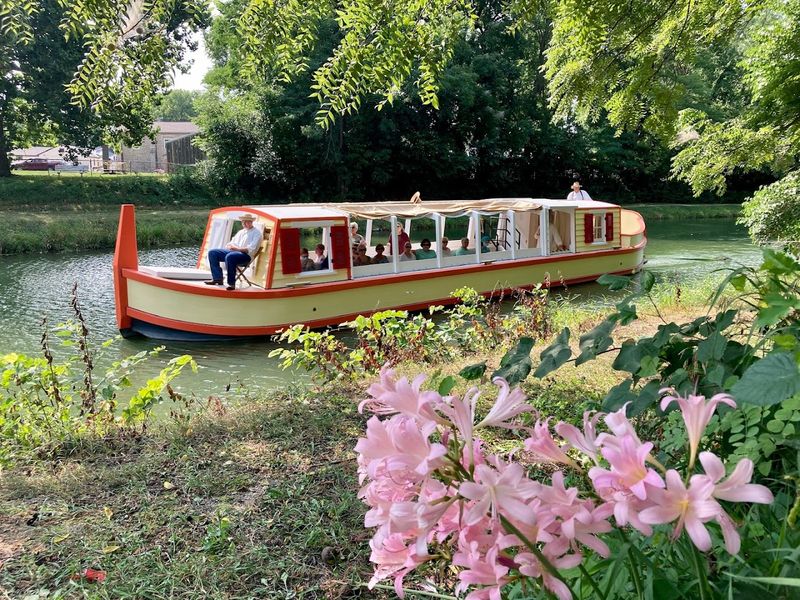
Riding a canal boat on the last navigable section of the Wabash and Erie Canal is one of those experiences that sounds modest until you are actually on the water. The pace is slow, the surroundings are lush, and the whole thing carries a weight of historical significance that sneaks up on you somewhere around the second bend.
Canal boat rides are offered on Saturdays from 1 to 4 PM during Canal Season, which typically runs from late May through early September. The rides are run by knowledgeable volunteers who bring genuine enthusiasm to the history they are sharing.
This is not a scripted tourist attraction; it is a community effort to keep something rare and important alive.
Adults pay a modest admission, and children are often free, making this one of the most accessible historical experiences in the region. The canal itself is quiet and slow-moving, which is exactly what you want when you are trying to imagine what life looked like for the boatmen and families who traveled this waterway in the 1840s.
Wabash and Erie Canal Park at 1030 N Washington St hosts the rides and is reachable by phone at 765-564-2870 for current seasonal schedules.
An Award-Winning Museum Hidden Inside a Small Indiana Town
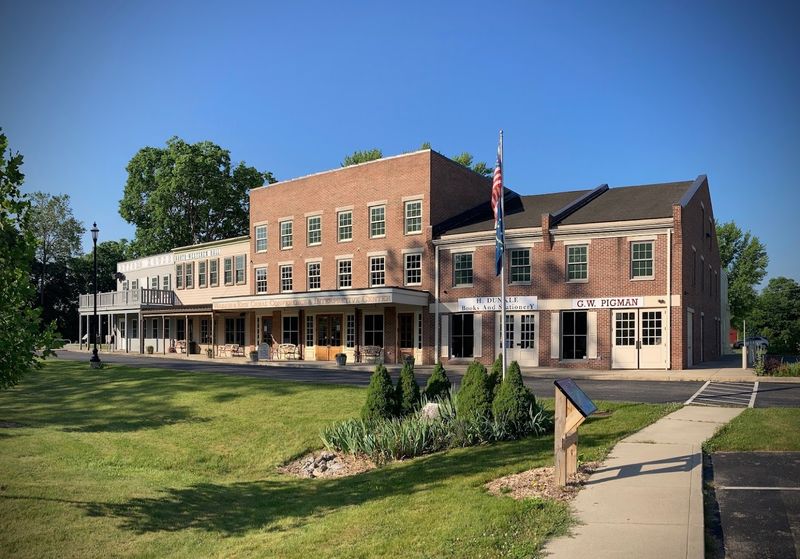
Carroll County is not a place most people associate with world-class museum experiences, which makes the Wabash and Erie Canal Park museum all the more surprising. Visitors consistently describe it as richer and more detailed than they expected, with interactive exhibits that walk you through the full arc of canal life from the early boom years to the eventual collapse brought on by the railroads.
The museum covers far more than just the canal itself. You will find detailed accounts of the limestone industry, the role of lime kilns in shaping American architecture, and the daily lives of the workers and families who built and sustained this corridor.
The historical accounts assembled here are genuinely unparalleled for a site of this size.
Outside the main museum building, the Pioneer Village brings the 1800s to life with demonstrations of historic trades like blacksmithing, barrel making, weaving on a 200-year-old hand loom, and more. The whole complex was built largely through community effort, with no public tax funding, which makes it feel like a true labor of love.
The museum is open Tuesday through Friday from 1 to 4 PM, and the full village experience comes alive on Saturdays during Canal Season at 1030 N Washington St, Delphi.
Camping Right Where History Happened
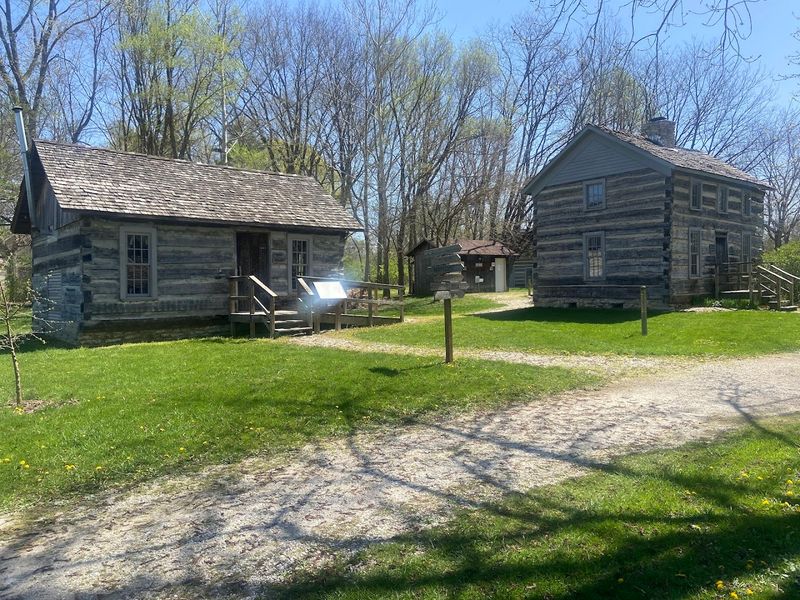
There are not many campgrounds in Indiana where you can wake up, step outside, and immediately be standing at a 19th-century canal site. The campground at Wabash and Erie Canal Park offers exactly that combination, and it draws visitors from across the country who stumble onto it almost by accident and end up staying longer than planned.
The campground is modest but well-kept. There are seven RV sites, some with full hookups including 30 and 50 amp electric, and tent sites with varying levels of electric access.
A log cabin rental is also available for those who want a roof without sacrificing the feeling of being in the middle of something historic and natural. Rates are affordable, and the setting is peaceful in a way that bigger commercial campgrounds rarely manage.
Mornings at the campground carry that particular quiet that only comes from being surrounded by trees and water. The canal runs right alongside the camping area, and wildlife activity starts early.
Deer are common, and the bird life is consistent enough to make even a single morning feel rewarding. If you are planning a longer visit to explore the full trail and museum, camping here keeps you close to everything without adding a long daily commute to your itinerary.
Downtown Delphi and the Local Scene Worth Exploring After the Ride
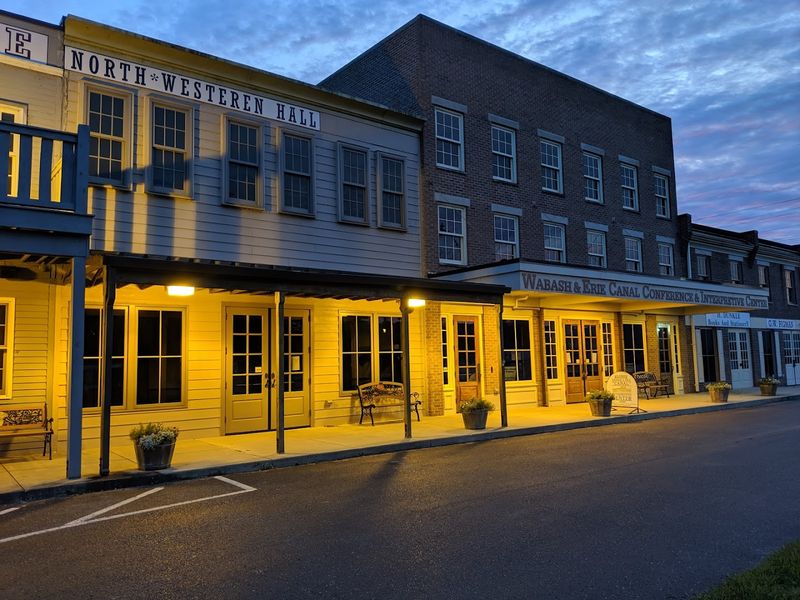
After a long stretch on the trail, Delphi’s downtown is a genuinely pleasant place to land. The town sits within easy walking or biking distance of the canal park, and it punches well above its weight for a small Indiana community.
There is a restored working Opera House, local art galleries, independent shops, and enough dining options to make the post-ride recovery feel like a reward.
The Sandwich Restaurant is a local staple that comes up in conversation among trail visitors regularly, and it delivers exactly what you want after a long ride: straightforward, satisfying food in an unpretentious setting. For those visiting during the annual Bacon Festival, the energy in downtown Delphi is something else entirely, with live music, local vendors, and the kind of crowd that only shows up when a community is genuinely proud of what it has built.
The Carroll County Courthouse area adds architectural interest to a downtown stroll, and the overall character of Delphi feels like a town that takes its history seriously without being stuck in it. The Delphi Opera House at 119 E Main St is worth a look even if there is no show scheduled.
Nearby, the Delphi Trails system connects to the canal route and extends the biking and walking options further into the surrounding landscape.
Dear Reader: This page may contain affiliate links which may earn a commission if you click through and make a purchase. Our independent journalism is not influenced by any advertiser or commercial initiative unless it is clearly marked as sponsored content. As travel products change, please be sure to reconfirm all details and stay up to date with current events to ensure a safe and successful trip.
