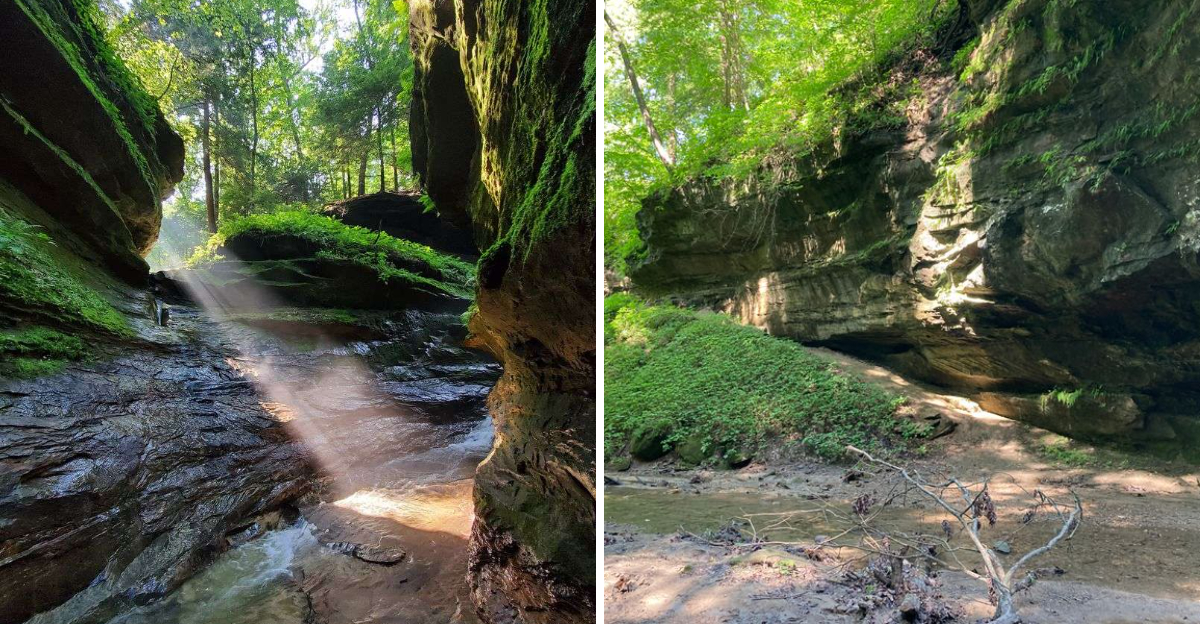
Turkey Run State Park in Marshall, Indiana offers some of the most adventurous hiking trails in the Midwest, but many first-time visitors arrive completely unprepared for what awaits them.
The park’s famous ladder trails wind through narrow sandstone canyons, over slippery creek beds, and up steep rock faces that challenge even experienced outdoor enthusiasts.
What looks like a simple nature walk on the park map can quickly turn into a muddy, physically demanding adventure that tests your footwear, your fitness level, and your nerve.
Located at 8121 Park Rd, Marshall, IN 47859, this 2,482-acre natural playground has earned its 4.8-star rating from thousands of visitors who discovered the hard way that proper preparation makes all the difference between an amazing experience and a miserable one.
Vertical Ladders Through Rocky Ravines Demand Sturdy Footwear
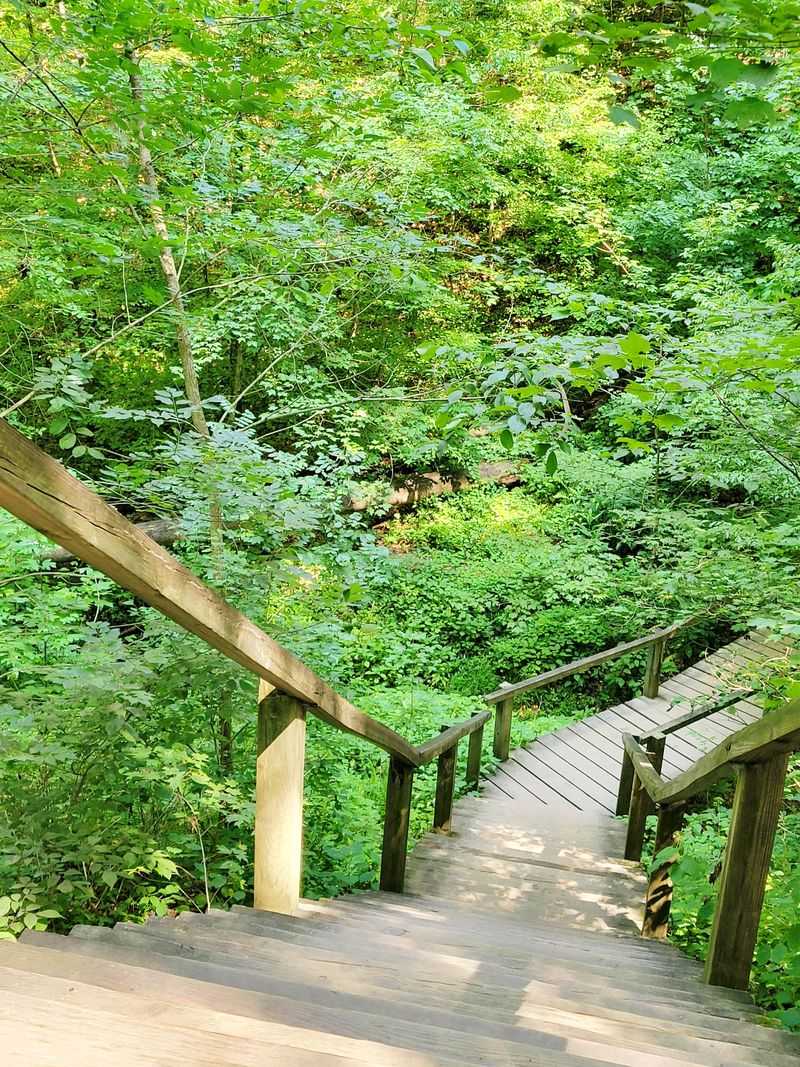
Trail 3 at Turkey Run State Park features actual wooden and metal ladders bolted into the canyon walls, and these aren’t the kind you climb in your backyard.
Some ladders stretch fifteen to twenty feet high, positioned at steep angles against wet sandstone surfaces that have been polished smooth by decades of hikers.
Your feet need to grip each rung securely while you balance your body weight and navigate around other climbers moving in both directions.
Flip-flops, sandals, and smooth-soled fashion sneakers become dangerous liabilities on these vertical sections.
Several reviews mention watching unprepared hikers turn back halfway through Trail 3 because their footwear couldn’t handle the challenge.
The ladders themselves are sturdy and well-maintained, built by the Civilian Conservation Corps and updated over the years, but they require confidence and proper grip.
Hiking boots or trail shoes with aggressive tread patterns provide the traction you need when your foot is pressed against a narrow wooden rung.
The rubber compound matters too, especially when moisture makes everything slippery.
Cross-trainers or running shoes might seem adequate for a park hike, but they lack the ankle support and sole stiffness that make ladder climbing safer and less exhausting.
Beyond the ladders themselves, the approaches to these vertical sections involve scrambling over uneven rocks and navigating tight spaces where one wrong step could mean a twisted ankle.
Proper footwear transforms these obstacles from scary barriers into manageable challenges.
First-time visitors who invest in decent hiking shoes discover that the entire trail system becomes more enjoyable and accessible, turning potential frustration into genuine adventure that makes Turkey Run one of Indiana’s most memorable outdoor destinations.
Creek Beds Stay Wet and Slippery Year-Round
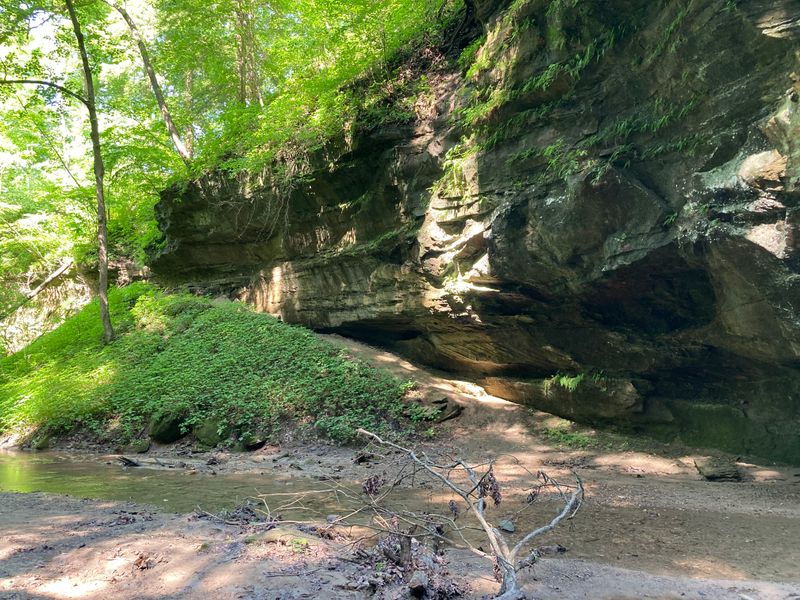
Sugar Creek winds through Turkey Run State Park, creating the dramatic canyons and ravines that make the trail system so unique.
Many of the most popular trails follow these creek beds directly, meaning hikers spend significant time walking on wet rocks, through shallow water, and across surfaces covered in slick algae and moss.
Even during dry summer months, the shaded canyon floors retain moisture that never fully evaporates.
Reviewers consistently mention the muddy, wet conditions throughout the trail system, particularly on Trail 3 where the path follows the creek bed through the narrowest sections of the canyon.
The water depth varies with recent rainfall, but you should expect to get your feet wet regardless of the season.
Some hikers try to hop from rock to rock to stay dry, but this strategy usually fails within the first few minutes, leaving them with soggy socks and uncomfortable blisters for the rest of their hike.
Waterproof hiking boots or quick-drying trail shoes designed for stream crossings make these conditions manageable rather than miserable.
Regular sneakers absorb water like sponges, adding weight to your feet and creating friction that leads to blisters.
The combination of wet conditions and rocky terrain requires footwear that can handle both moisture and provide traction on slippery surfaces simultaneously.
The temperature in these shaded creek beds stays notably cooler than the surrounding forest, which feels refreshing on hot days but means wet feet get cold quickly.
Bringing an extra pair of socks in a waterproof bag gives you the option to change if your feet become uncomfortably cold or if blisters start developing.
Understanding that wet conditions are simply part of the Turkey Run experience helps you prepare properly and enjoy the unique beauty of hiking through Indiana’s dramatic slot canyons.
Steep Terrain Tests Your Ankle Stability
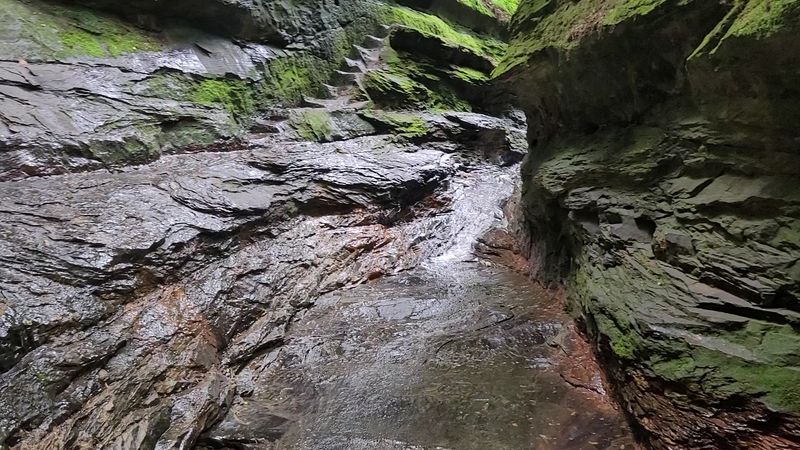
Indiana’s reputation as a flat state falls apart completely at Turkey Run State Park, where the landscape features dramatic elevation changes that surprise visitors expecting gentle woodland paths.
The trails climb steep hillsides, descend into deep ravines, and traverse rocky slopes where one misstep can result in a painful ankle roll.
Trail difficulty ratings range from easy to rugged, but even the moderate trails include sections that challenge your balance and footing.
Low-cut shoes leave your ankles vulnerable on uneven terrain, especially when you’re tired from hours of hiking.
Mid-height or high-top hiking boots provide the ankle support that prevents injuries when your foot lands awkwardly on a rock or root.
The extra support becomes especially important on descents, where gravity pulls you forward and your ankles work overtime to keep you stable.
Many first-time visitors underestimate how physically demanding these trails can be, assuming that a state park in the Midwest won’t require serious hiking preparation.
The reality hits when they’re halfway down Trail 3, navigating steep stone staircases built into the canyon walls, with their ankles aching from constant adjustment to uneven surfaces.
The limestone steps installed by the CCC are showing their age in some sections, with worn edges and irregular heights that require careful attention.
Proper footwear with ankle support reduces fatigue and allows you to focus on enjoying the stunning rock formations and ancient hemlock trees rather than worrying about your next step.
The confidence that comes from stable ankles opens up more of the park’s trail system, encouraging you to explore the rugged paths that showcase Turkey Run’s most dramatic scenery.
Without adequate support, many hikers stick to the easier trails and miss the spectacular canyon experiences that make this park truly special among Indiana’s outdoor destinations.
Limited Cell Reception Makes Safety Equipment Essential
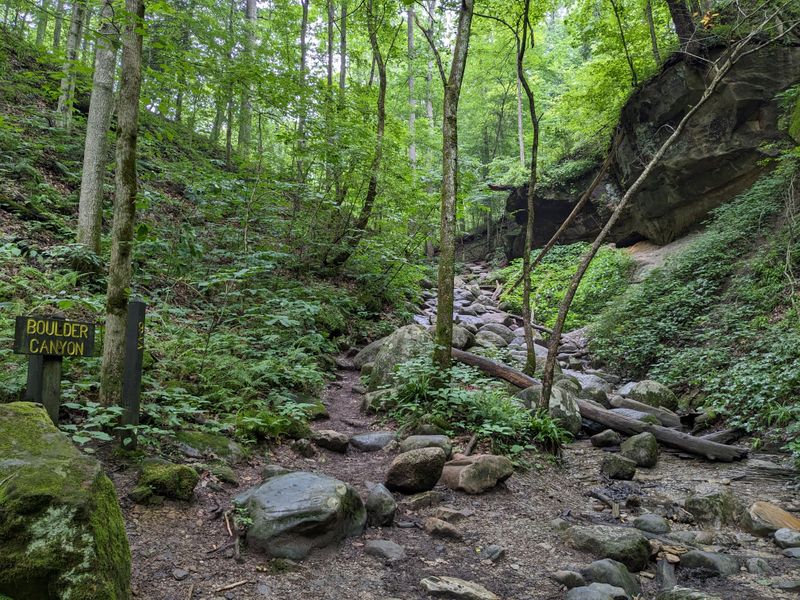
Turkey Run’s dramatic canyons and dense forest create beautiful scenery but also block cell phone signals throughout most of the trail system.
Multiple reviewers warn that you can’t count on calling for help if you get injured, making proper preparation and appropriate footwear your primary safety tools.
The deep ravines act as natural signal blockers, and the thick canopy of old-growth trees further interferes with reception.
Getting hurt on the trail because of inadequate footwear becomes a serious problem when you’re miles from the parking area with no way to contact anyone.
A twisted ankle or serious fall that might be a minor inconvenience near civilization turns into a genuine emergency when you’re deep in the canyon system.
Park staff patrol regularly, but you can’t rely on quick rescue if something goes wrong.
Wearing proper hiking shoes significantly reduces your injury risk, serving as your first line of defense against common trail accidents.
The right footwear helps you maintain your footing on slippery rocks, provides support on steep descents, and protects your feet from sharp stones and roots.
Combined with a basic first aid kit and plenty of water, good shoes form the foundation of responsible trail preparation.
Some experienced hikers download offline trail maps before visiting Turkey Run, using apps like AllTrails that work without cell service.
These digital maps help you navigate the sometimes confusing trail intersections and estimate how far you are from help if needed.
The park provides paper maps at the entrance, but having multiple navigation methods increases your safety margin when technology fails.
Planning your hike with safety in mind means choosing trails appropriate for your fitness level and footwear quality, letting someone know your intended route and expected return time, and turning back if conditions exceed your preparation level rather than pushing forward into potentially dangerous situations.
Sandstone Formations Create Narrow Passages Requiring Careful Footing
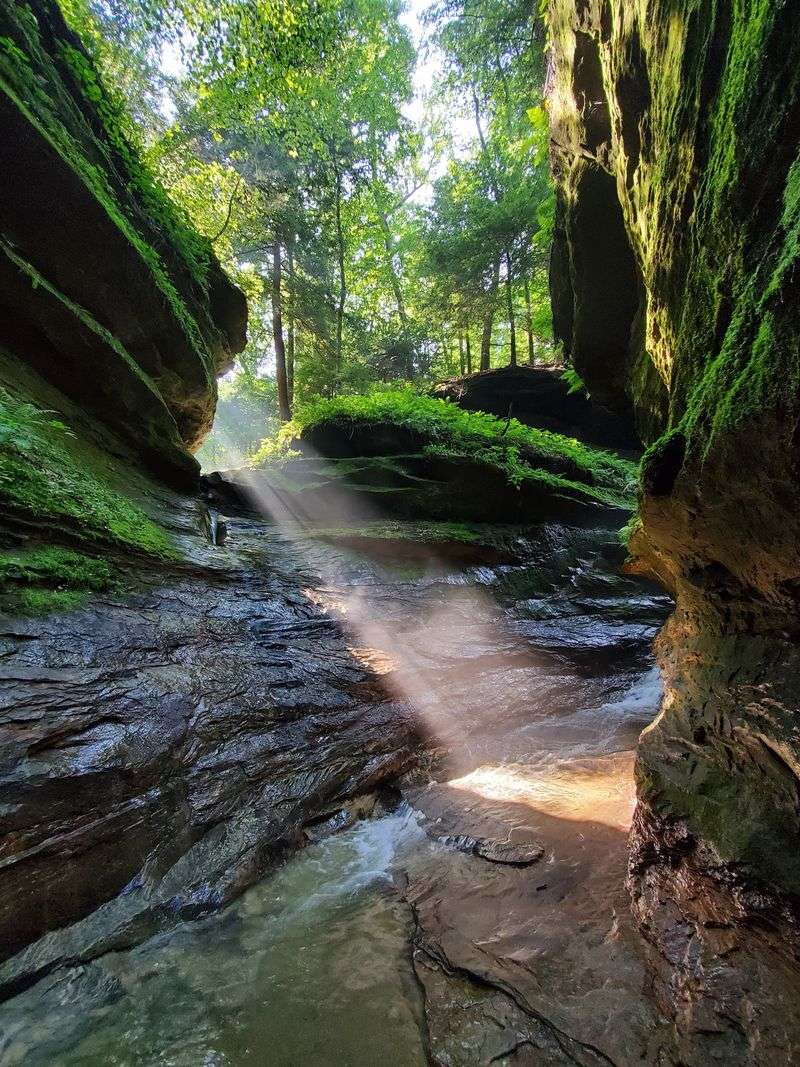
The ancient sandstone canyons at Turkey Run State Park have been carved by water and wind over thousands of years, creating narrow passages where the walls close in to just a few feet apart.
These slot canyon sections rank among the most photographed features of the park, offering an almost otherworldly hiking experience rare in the Midwest.
The confined spaces force hikers to move carefully, sometimes turning sideways to squeeze through, while navigating uneven rock floors that can be treacherous underfoot.
In these tight spaces, you can’t always see where you’re stepping because the walls block natural light and your own body obstructs your view downward.
Your feet need to feel secure with each step, relying on tactile feedback through your shoes to detect obstacles and unstable surfaces.
Thin-soled shoes provide poor protection against the sharp edges and uneven surfaces, while thick-lugged hiking boots give you the confidence to move through these passages safely.
The narrow canyons also concentrate moisture, creating perpetually damp conditions where moss and algae coat the rocks.
Smooth-soled footwear becomes dangerously slick in these sections, where a fall could wedge you between rock walls or result in impact against hard stone surfaces.
The dramatic beauty of these formations attracts many visitors, but enjoying them safely requires appropriate preparation.
Photography enthusiasts love these narrow passages for their unique lighting and geological drama, but getting the perfect shot while maintaining your balance on uncertain footing demands secure footwear.
You’ll want both hands free to steady yourself against the walls and operate your camera, which means your feet must do all the work of keeping you upright and stable.
Trail 3’s most famous sections showcase these tight canyons beautifully, drawing hikers deeper into the ravine system where preparation separates enjoyable adventure from stressful struggle.
Seasonal Weather Changes Trail Conditions Dramatically
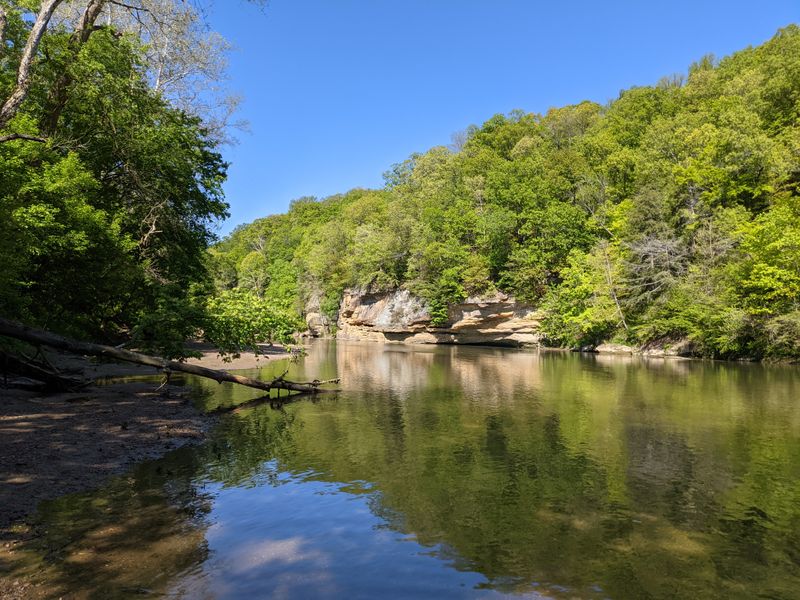
Turkey Run State Park transforms with each season, and these changes significantly impact trail difficulty and footwear requirements.
Spring brings heavy rainfall that swells Sugar Creek and floods sections of the lower trails, creating rushing water crossings where stepping stones might be submerged.
The increased water flow makes rocks more slippery and raises the stakes for maintaining secure footing throughout the canyon system.
Fall attracts the largest crowds as visitors come to see the spectacular foliage, but the falling leaves carpet the trails and hide obstacles like roots, rocks, and uneven surfaces.
What you can’t see can definitely hurt you, making stable, protective footwear even more critical during autumn hikes.
The damp leaves also create slick conditions similar to walking on wet cardboard, reducing traction on slopes and near water features.
Winter hiking presents its own challenges as ice forms on the ladders, stairs, and rock surfaces, especially in the shaded canyon areas that never receive direct sunlight.
Some trails close during winter for safety, but those that remain open require microspikes or crampons attached to your hiking boots for adequate grip.
The frozen waterfalls and ice formations create stunning scenery, but the conditions demand serious winter hiking experience and specialized footwear.
Summer seems like the easiest season for trail conditions, but the combination of heat, humidity, and heavy foot traffic creates its own issues.
Dear Reader: This page may contain affiliate links which may earn a commission if you click through and make a purchase. Our independent journalism is not influenced by any advertiser or commercial initiative unless it is clearly marked as sponsored content. As travel products change, please be sure to reconfirm all details and stay up to date with current events to ensure a safe and successful trip.
