I thought I knew Texas before my first visit, but the Lone Star State has a way of flipping your expectations upside down. Within my first hour crossing the state line, I realized the sheer scale of everything here operates on a different level entirely.
Texans aren’t exaggerating when they say everything’s bigger, and after spending time exploring from border to border, I found myself nodding along to that pride. The quirks, the history, the geography, it all adds up to something genuinely unique.
These aren’t just random trivia bits you’ll forget by tomorrow. They’re the kind of facts that help you understand why Texans carry themselves with that unmistakable confidence, and honestly, after learning what I did, I get it now.
1. Texas has the longest highway network in the United States
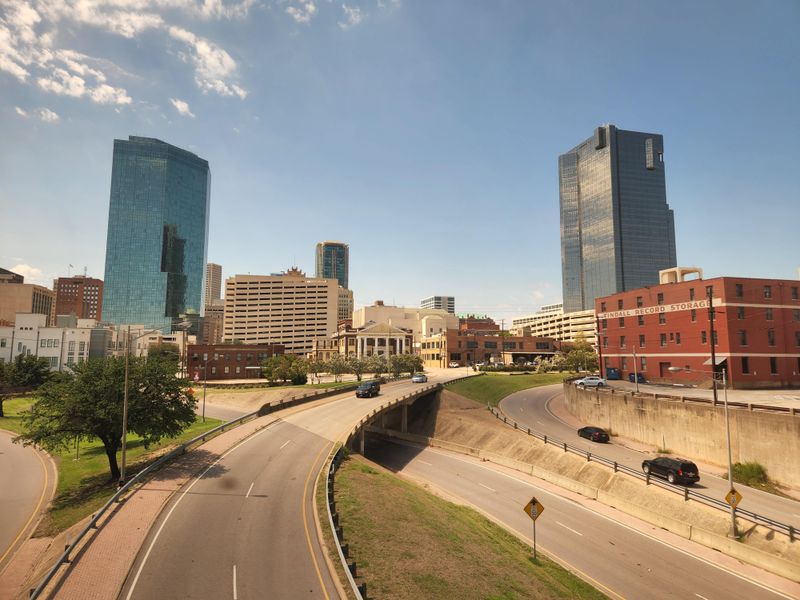
Driving through Texas taught me patience I didn’t know I had. The state boasts over 313,000 miles of public roads, which is more than any other state in the country.
That number isn’t just impressive on paper. When you’re behind the wheel trying to get from El Paso to Texarkana, you feel every mile of that network.
Interstate 10 alone runs 880 miles across the state, and locals will casually mention road trips that would cross entire European countries. What struck me most was how necessary all those roads are.
Texas covers 268,596 square miles, and without this massive highway system, connecting its cities and rural communities would be nearly impossible. The Texas Department of Transportation maintains this sprawling network, and honestly, they’ve got their work cut out for them.
Road trips here aren’t just scenic drives. They’re legitimate journeys that require planning, snacks, and a full tank of gas.
I learned quickly that underestimating Texas distances is a rookie mistake. The highway system reflects both the state’s size and its independent spirit, built to keep this massive place connected and moving.
2. Houston can be an hour away from Houston (on a good day)
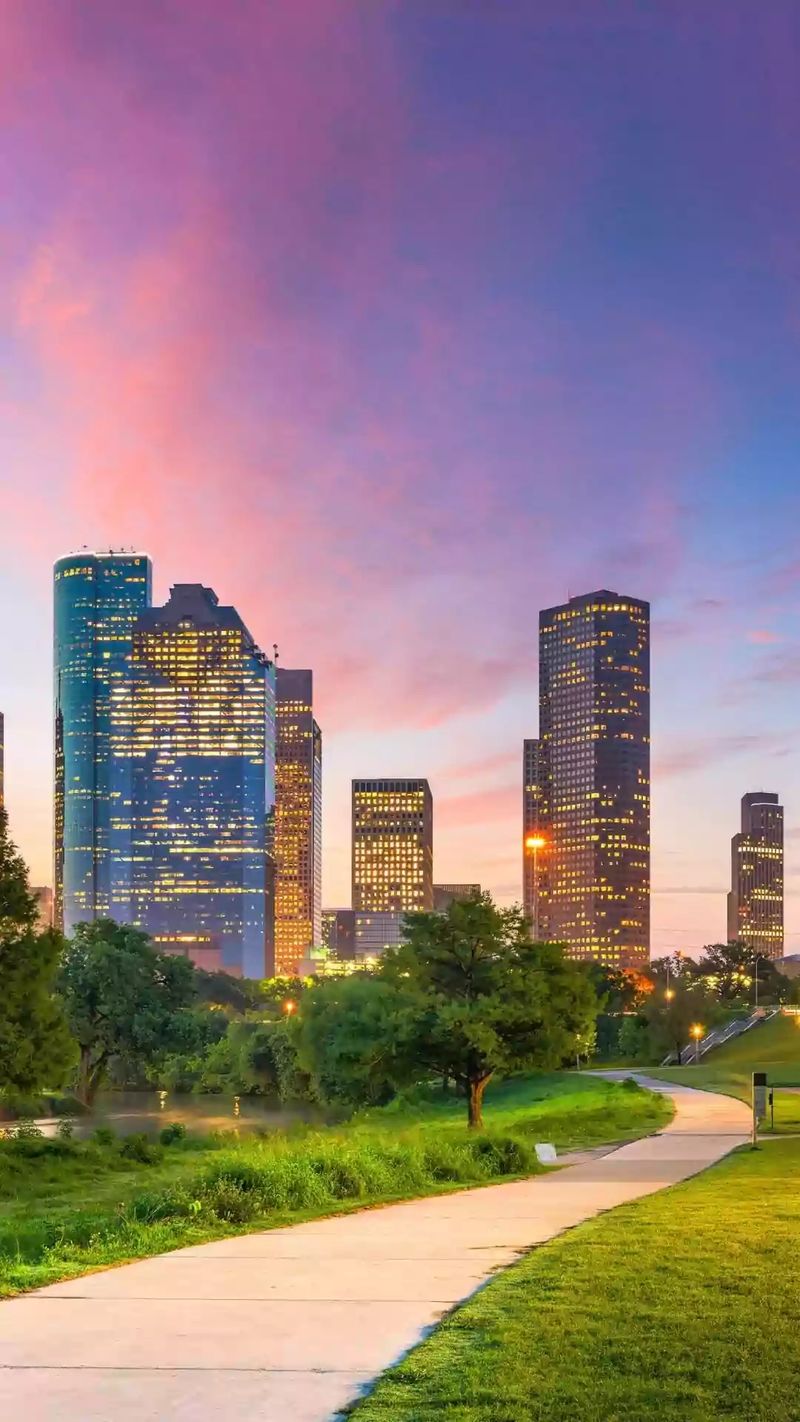
This fact sounds like a joke until you experience it firsthand. Houston sprawls across 670 square miles, making it the fourth-largest city in America, and getting from one side to the other feels like traveling between cities.
I remember asking a local how long it would take to reach a restaurant across town. She laughed and said, “Depends on traffic, but probably an hour, maybe more.” She wasn’t kidding.
The Greater Houston metropolitan area is so massive that neighborhoods feel like their own separate worlds. Traffic plays a huge role in this phenomenon.
Rush hour can turn a twenty-minute drive into an hour-long crawl, and Houstonians have learned to factor this into every plan. The city keeps expanding outward rather than upward, which means suburban areas stretch far into surrounding counties.
What makes this especially wild is that you never actually leave Houston during these drives. You’re still technically in the same city, just navigating through different districts and neighborhoods.
Locals measure everything in time rather than distance, which makes perfect sense once you’ve sat through your first commute here. Planning your day around Houston’s size becomes second nature fast.
3. Texas is home to the largest convenience store in the world
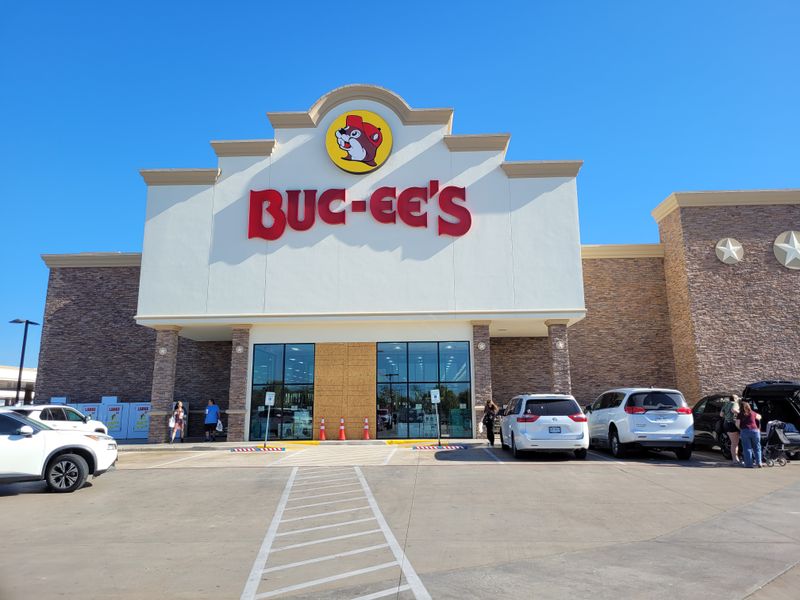
Buc-ee’s isn’t just a gas station. Walking into one for the first time felt like entering a convenience store theme park, and I mean that in the best possible way.
The largest location in New Braunfels spans 66,335 square feet with 120 gas pumps outside. Inside, you’ll find everything from fresh barbecue and homemade fudge to Texas souvenirs and surprisingly clean restrooms that have become legendary among travelers.
The beaver mascot grins down from signs across the state, and locals genuinely get excited about stopping there. What sets Buc-ee’s apart isn’t just size.
The place operates like a well-oiled machine with friendly staff, endless snack options, and a cult following that borders on obsessive. People plan road trips around Buc-ee’s locations, and out-of-staters often don’t believe the hype until they visit.
I watched families stock up on Beaver Nuggets (addictive caramel corn), travelers filling coolers with jerky, and road-trippers using the spotless facilities. It’s become a Texas institution that perfectly captures the state’s bigger-is-better mentality.
Honestly, calling it just a convenience store feels like an understatement after you’ve experienced the full Buc-ee’s effect.
4. Texas has 95 state parks and 2 national parks
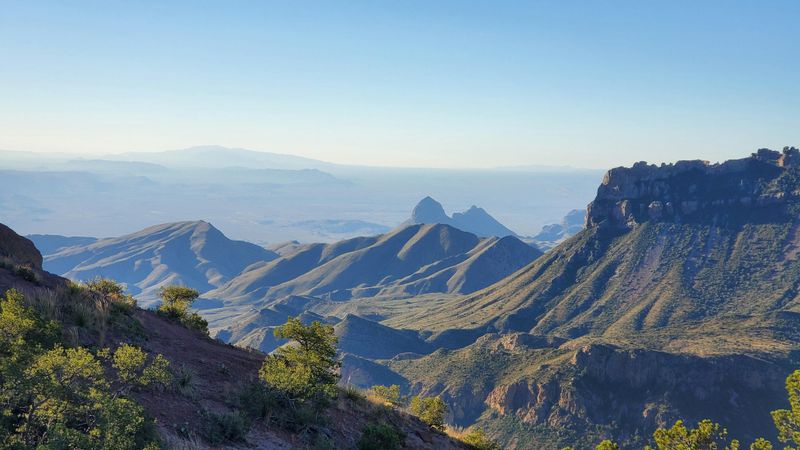
Nature lovers find serious satisfaction in Texas, though many visitors don’t expect it. With 95 state parks covering diverse terrain and two stunning national parks, outdoor adventures here go way beyond stereotypical desert landscapes.
Big Bend National Park near the Mexican border offers mountains, canyons, and the Rio Grande cutting through dramatic scenery. Guadalupe Mountains National Park protects the highest peaks in Texas and some incredible hiking trails.
Both parks showcase landscapes that surprise people who think Texas is all flat prairie. The state parks offer even more variety.
Palo Duro Canyon, Enchanted Rock, Garner State Park, each one presents different ecosystems and activities. You can swim in natural springs, hike through pine forests, camp under massive star-filled skies, or explore limestone caves.
The diversity really hits you when you start exploring beyond the cities. Texans take pride in protecting these natural spaces, and the parks stay well-maintained and accessible.
I found myself constantly amazed by how much outdoor recreation exists here. From coastal areas to hill country to desert regions, the parks system reflects Texas’s geographic variety.
Planning outdoor time into your Texas trip isn’t optional, it’s essential for understanding what the state truly offers.
5. The State Fair of Texas is the largest state fair in the country
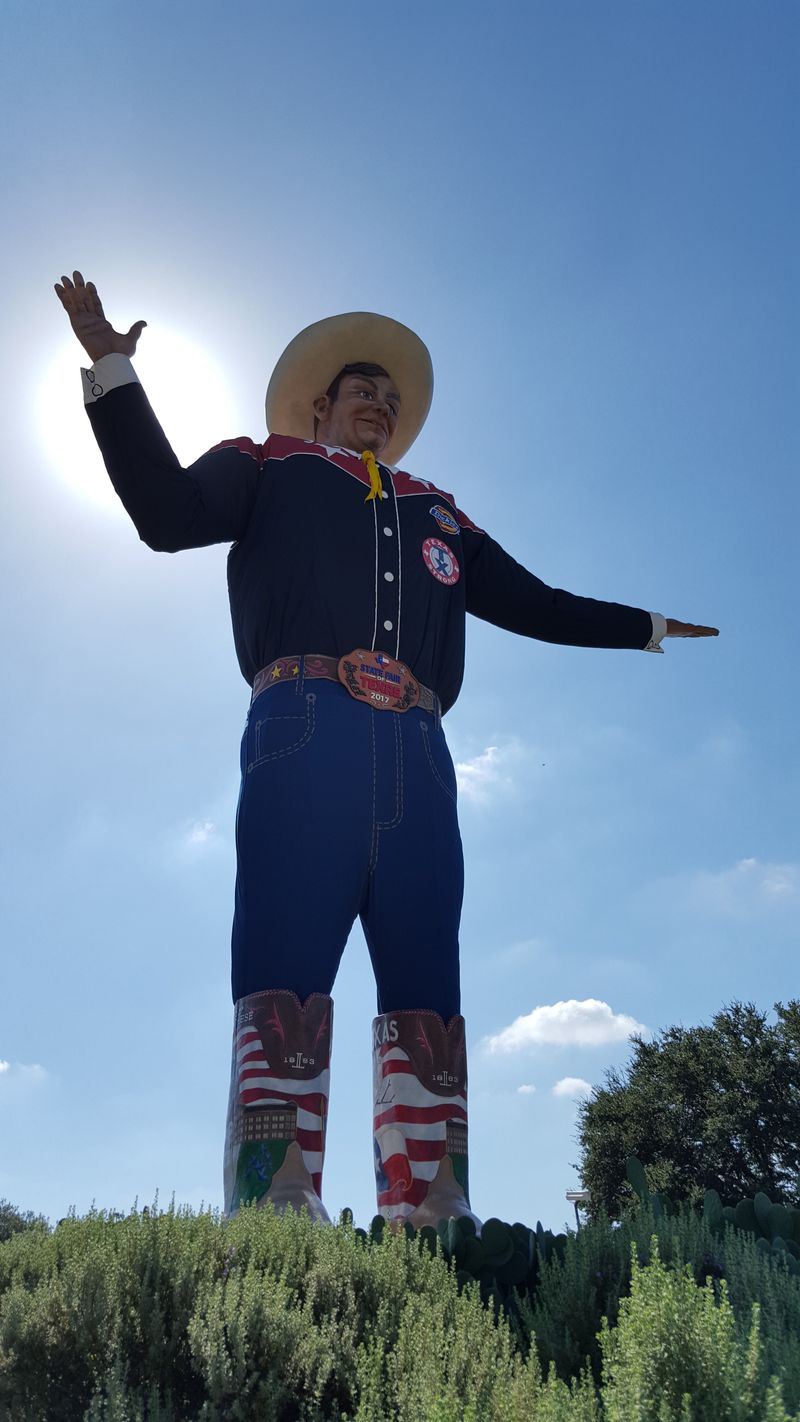
Every fall, Dallas transforms into fair central, and the State Fair of Texas takes over Fair Park for 24 days of controlled chaos. Attending this fair showed me exactly what Texans mean when they celebrate excess.
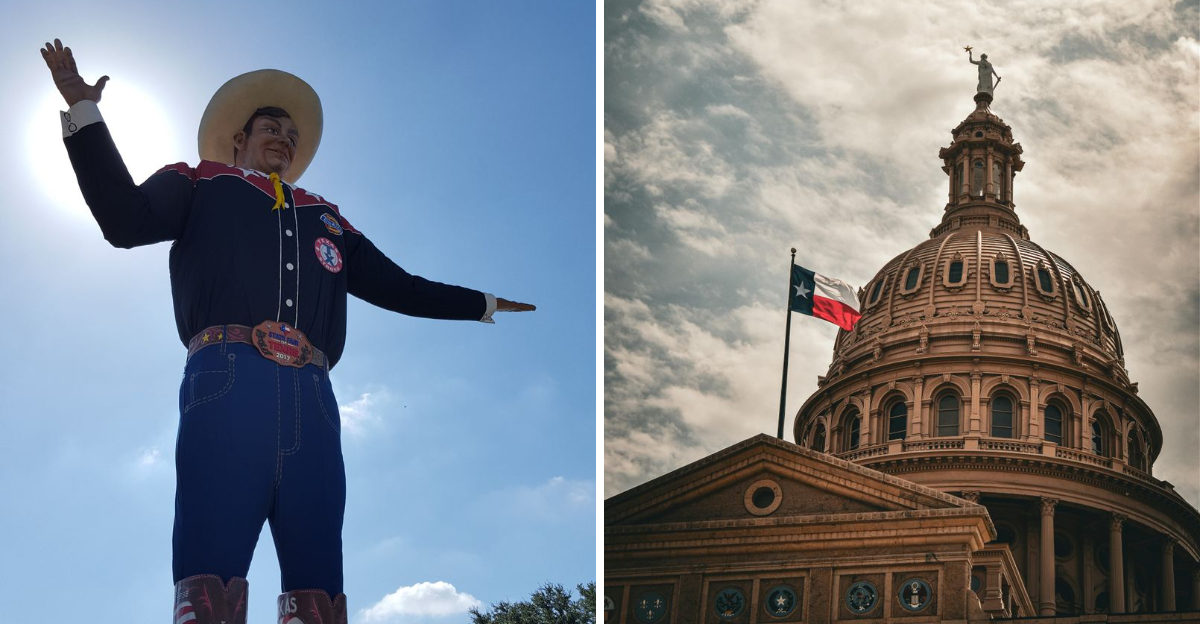
Big Tex, the 55-foot-tall cowboy statue, greets over two million visitors annually. The fair has run since 1886, making it one of the longest-running state fairs in America.
What makes it the largest isn’t just attendance numbers but the sheer scope of everything offered. Fried food reaches absurd creative heights here.
Deep-fried butter, fried Oreos, fried everything you can imagine competes in annual contests. Beyond the food, you’ll find livestock shows, concerts, carnival rides, auto shows, and the annual Red River Showdown football game between Texas and Oklahoma.
The midway stretches forever, packed with games, vendors, and attractions. Locals mark their calendars for opening day, and families make traditions around visiting multiple times each season.
I watched people of all ages completely absorbed in the fair experience, from kids on rides to adults examining prize-winning livestock. The energy stays electric from morning until the lights shut down at night.
It’s overwhelming, exhausting, and quintessentially Texas in every possible way.
6. Texas has more land than any European country except Russia
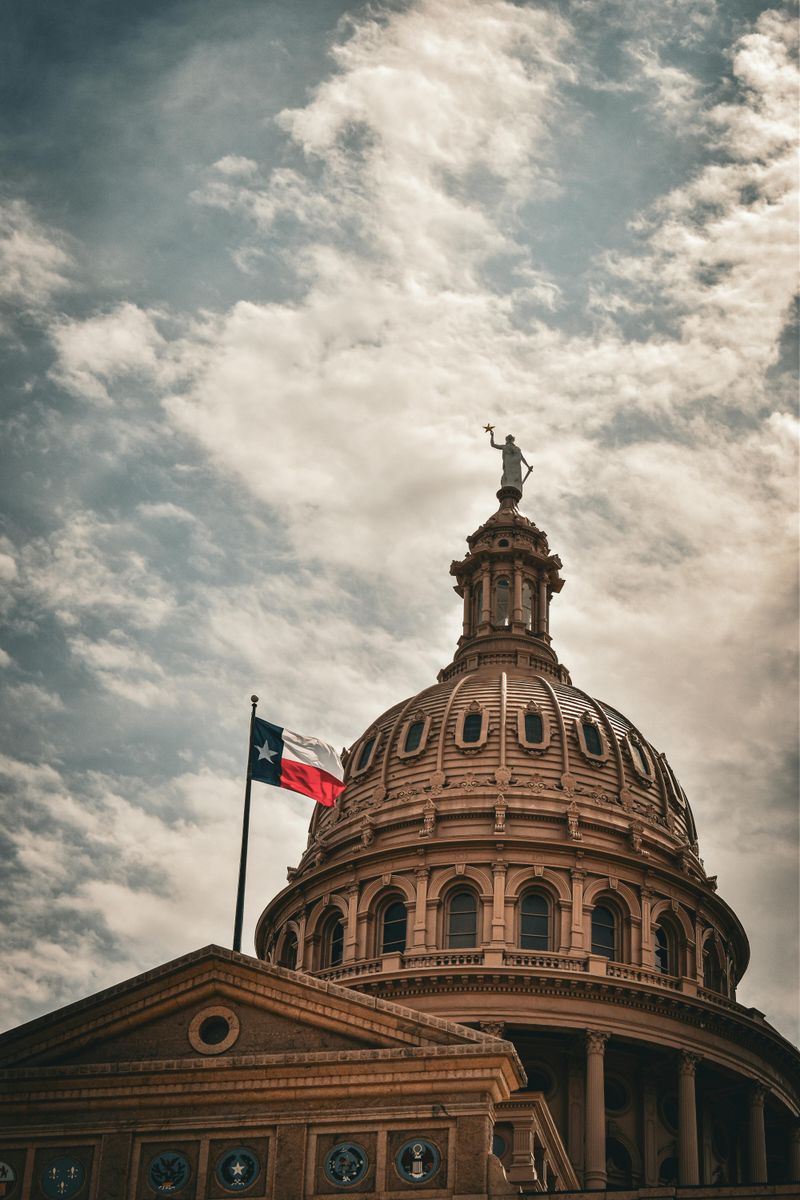
Size comparisons help put Texas into perspective, but seeing it on a map really drives the point home. At 268,596 square miles, Texas dwarfs most European nations in total land area.
You could fit France, Germany, and Belgium inside Texas with room to spare. The United Kingdom fits into Texas more than twice over.
Only Russia exceeds Texas in European landmass, which puts the state in pretty exclusive company. These comparisons aren’t just fun trivia, they explain why Texans view distance differently than people from smaller regions.
Traveling across Texas takes the same time as crossing multiple European countries. What Europeans might consider an international road trip, Texans call a drive to visit family.
This scale affects everything from culture to infrastructure to how people think about geography. I found myself constantly recalibrating my sense of distance while exploring.
A three-hour drive barely gets you out of some regions of the state. The vastness creates distinct regional identities within Texas itself, from the piney woods of East Texas to the deserts out west.
Understanding this size helps explain why Texas maintains such a strong independent identity. When your state rivals entire continents in scale, it changes your perspective on pretty much everything.
7. The second-largest canyon in the United States is in Texas
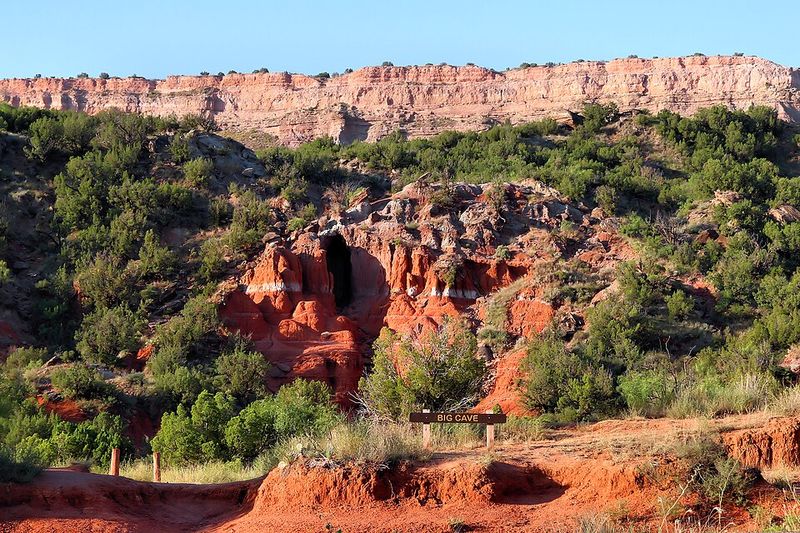
Most people think Arizona when they picture American canyons, but Texas holds a stunning secret in the Panhandle. Palo Duro Canyon stretches 120 miles long and plunges 800 feet deep, earning its place as the country’s second-largest canyon after the Grand Canyon.
Standing at the rim took my breath away. The canyon’s colorful rock layers paint the landscape in shades of red, orange, and yellow, creating a scene that feels almost surreal.
The Spanish name translates to “hard wood,” referring to the juniper trees growing throughout the canyon. Unlike its more famous Arizona cousin, Palo Duro offers a more intimate experience.
You can hike, bike, or even ride horses through the canyon floor. The Lighthouse Trail leads to an iconic rock formation that’s become the canyon’s signature landmark.
Wildlife including roadrunners, wild turkeys, and occasional bobcats call this place home. What impressed me most was how few people knew about it.
Texans treasure this geological wonder, but it rarely makes national headlines. The outdoor musical drama “Texas” performs in the canyon amphitheater during summer months, adding cultural flavor to natural beauty.
Visiting here reminded me that Texas keeps surprising you with landscapes that defy expectations.
8. Distance is measured in hours, not miles
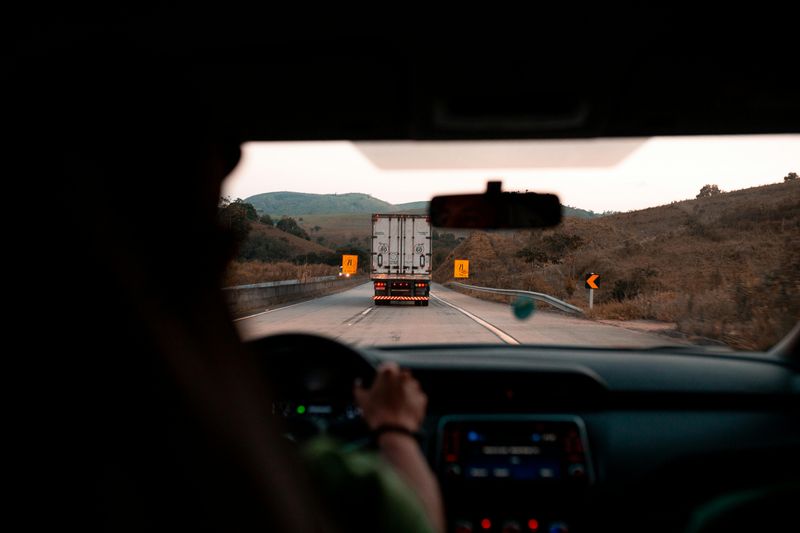
Ask a Texan how far something is, and they’ll almost never answer in miles. “About three hours” or “maybe four and a half hours depending on traffic” becomes the standard response, and this quirk makes perfect sense once you understand the state’s geography.
Miles feel meaningless when you’re covering vast distances regularly.
A 200-mile drive might take three hours on an empty highway or five hours through city traffic. Time becomes the more practical measurement because it accounts for variables that miles ignore.
I adapted to this mindset faster than expected. Planning a day trip meant calculating drive time, not distance.
Locals casually mention six-hour drives like it’s nothing unusual, and weekend getaways often involve more driving than actual destination time. Gas station stops, meal breaks, and traffic all factor into these mental calculations.
This habit reflects Texas culture in interesting ways. It shows acceptance of the state’s size and a practical approach to navigation.
Nobody blinks when you mention driving eight hours for a concert or family gathering. The time-based system also helps set realistic expectations for visitors who might underestimate how long everything takes.
Once you start thinking in hours instead of miles, Texas starts making a lot more sense, and you’ll find yourself adopting the same habit naturally.
9. The first word spoken from the Moon in 1969 was “Houston”
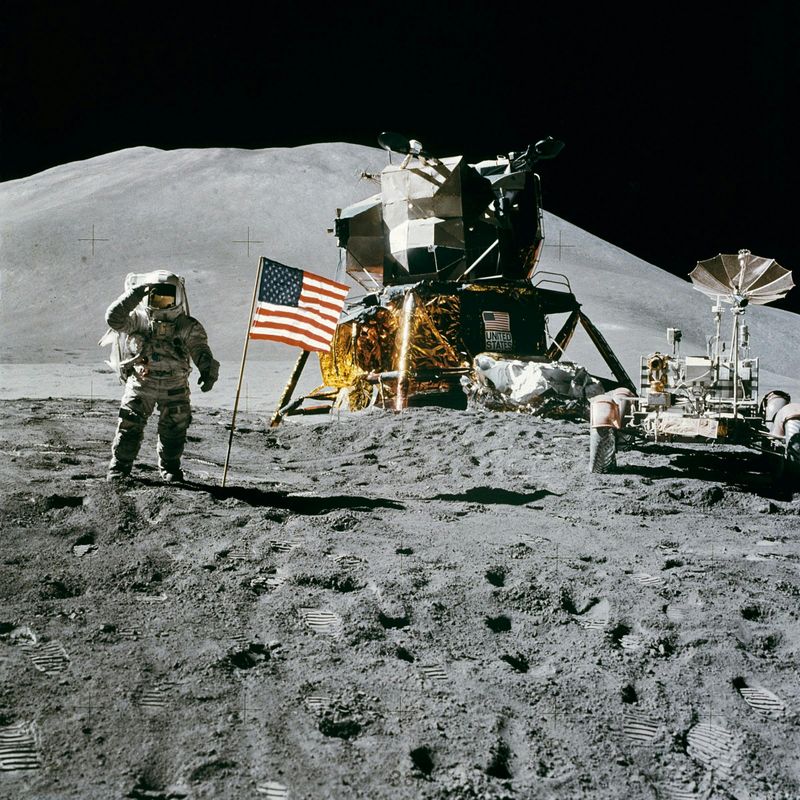
Space history and Texas connect in ways that fill locals with genuine pride. When Neil Armstrong and Buzz Aldrin landed on the lunar surface on July 20, 1969, Armstrong’s first transmission began with the word “Houston,” establishing an eternal link between Texas and humanity’s greatest adventure.
The Eagle has landed.” Those words crackled back to Mission Control at NASA’s Johnson Space Center, located in Houston since 1961. The facility served as the command center for all manned space missions, making Houston literally the first word spoken from another celestial body.
NASA’s presence transformed Houston into Space City. The Johnson Space Center remains one of the area’s biggest attractions, offering tours where visitors can see actual Mission Control rooms and touch moon rocks.
The facility continues supporting space missions today, including International Space Station operations and future Mars planning. Walking through Space Center Houston gave me chills thinking about the history made here.
Texans embrace this cosmic connection enthusiastically, and Houston’s identity remains deeply tied to space exploration. The fact that “Houston” echoed across the moon before any other word captures something special about Texas’s role in human achievement.
It’s the kind of bragging right that never gets old.
10. Texas is the only U.S. state to have had six different national flags fly over it
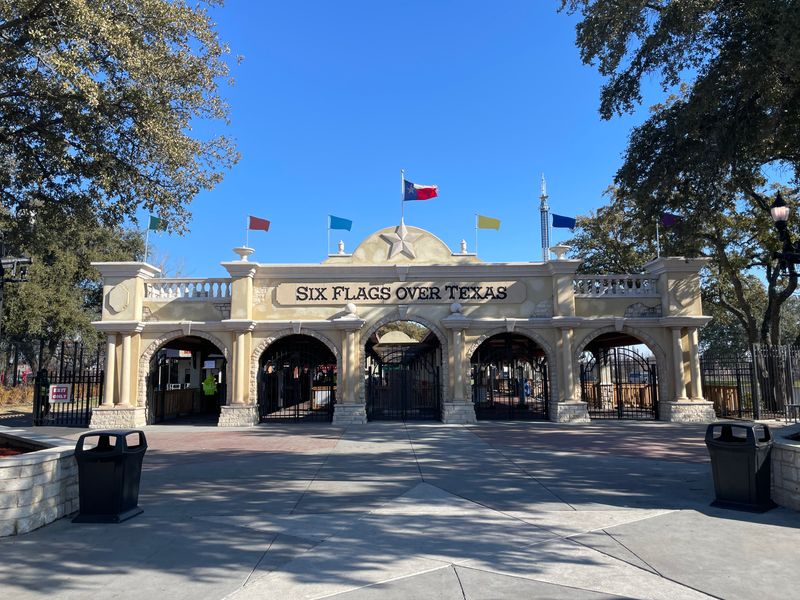
Texas’s history reads like a adventure novel with constantly changing chapters. Six different nations have claimed sovereignty over Texas territory at various points, giving the state a unique political heritage unmatched anywhere else in America.
Spain ruled Texas for over 300 years starting in the 1500s. France briefly claimed parts of Texas in the late 1600s.
Mexico governed Texas after gaining independence from Spain in 1821. Then came the Republic of Texas from 1836 to 1845, when Texas stood as an independent nation.
The Confederate States claimed Texas during the Civil War. Finally, the United States flag has flown since Texas rejoined the Union.
This complex history shapes modern Texas identity significantly. The phrase “Six Flags Over Texas” became so iconic that an amusement park adopted it as its name.
Each nation left cultural imprints still visible today in architecture, place names, food traditions, and local customs throughout the state. Understanding this layered past helps explain why Texas maintains such fierce independence and pride.
The state chose to join the United States rather than being conquered or purchased, which creates a different relationship with federal authority. Texans remember being their own country, and that memory influences state culture even now.
It’s history that actually matters to daily life and identity here.
Dear Reader: This page may contain affiliate links which may earn a commission if you click through and make a purchase. Our independent journalism is not influenced by any advertiser or commercial initiative unless it is clearly marked as sponsored content. As travel products change, please be sure to reconfirm all details and stay up to date with current events to ensure a safe and successful trip.
