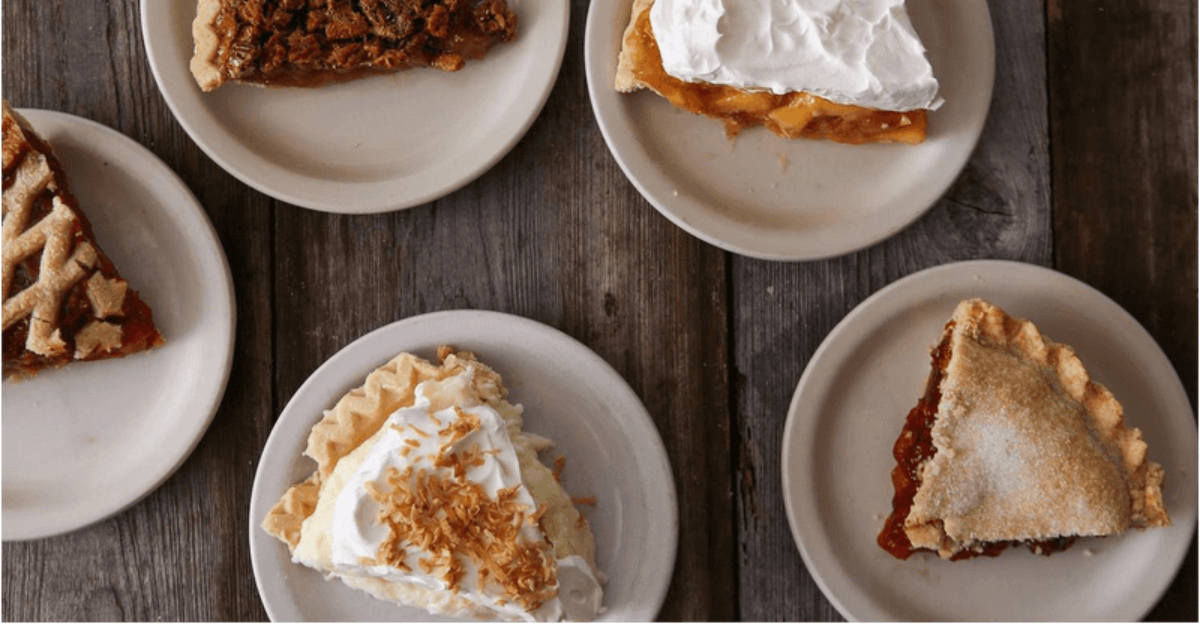
Walking into an Amish family restaurant in Indiana feels like stepping back in time to a slower, simpler world where food is made with care and community matters most.
These humble dining spots across Northern Indiana offer more than just hearty meals; they provide a window into a culture that values hard work, tradition, and genuine hospitality.
However, many tourists miss out on the full experience because they overlook certain unspoken rules and special touches that make these restaurants truly unique.
Understanding what to expect and how to behave respectfully can turn a simple meal into a memorable cultural experience you’ll treasure for years to come.
Homemade Pies Baked Fresh Every Morning
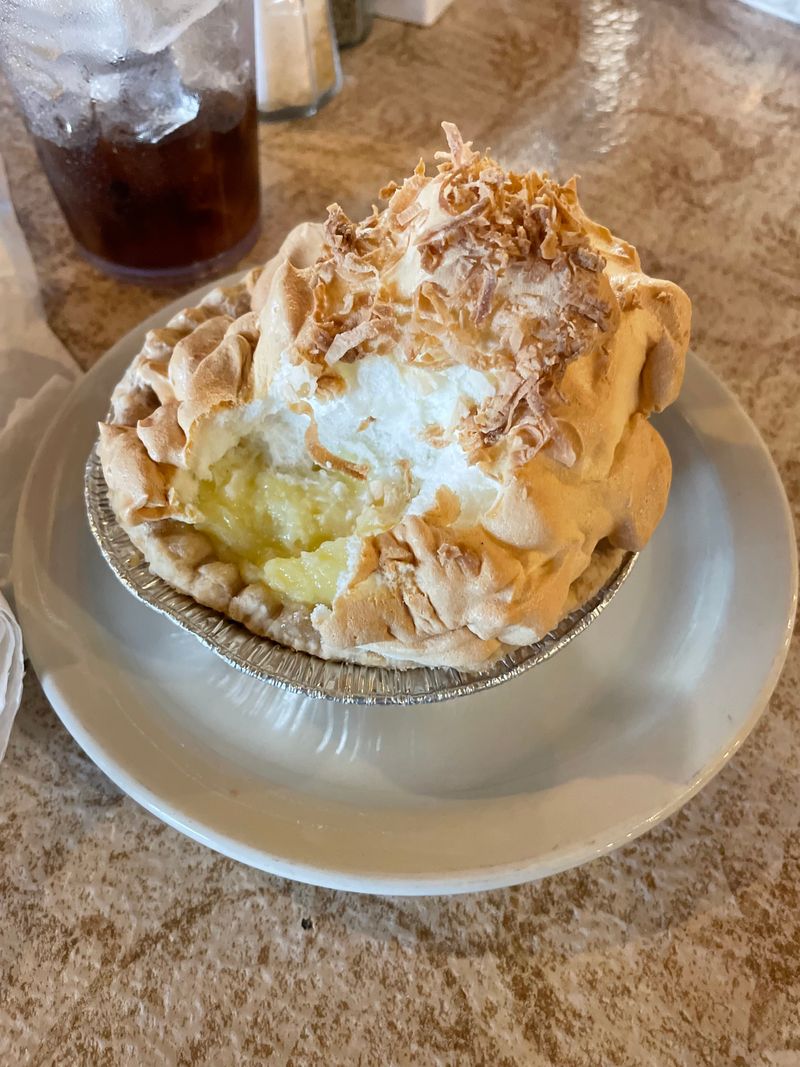
Early risers in Amish communities know that pie baking begins before dawn, with skilled hands rolling out buttery crusts that will soon cradle sweet and savory fillings.
The aroma of cinnamon, apples, cherries, and sugar fills the air as these masterpieces emerge from ovens, their golden crusts glistening with perfection.
Unlike store bought desserts loaded with preservatives and artificial flavors, these pies contain only real ingredients like farm fresh eggs, pure butter, and seasonal fruits picked at their peak ripeness.
You might spot towering meringues on cream pies, lattice work atop berry fillings, or crumb toppings scattered across apple creations that would make your grandmother jealous.
Many restaurants display their daily pie selection in glass cases near the entrance, tempting diners before they even sit down to their main meal.
Sugar cream pie, Indiana’s unofficial state dessert, appears on nearly every Amish restaurant menu and deserves special attention for its simple yet addictive combination of cream, sugar, and vanilla.
Tourists often make the mistake of skipping dessert to save room, not realizing that passing up fresh pie is like visiting the ocean and refusing to touch the water.
Smart diners ask their server which pies came out of the oven most recently or which variety the cook recommends that particular day.
Some establishments even allow you to purchase whole pies to take home, though they rarely survive the car ride without at least one slice going missing.
The tradition of pie making gets passed down through generations, with young Amish girls learning techniques from their mothers and grandmothers in kitchens where recipes exist only in memory and practiced hands.
Family Style Serving Bowls Passed Around Tables
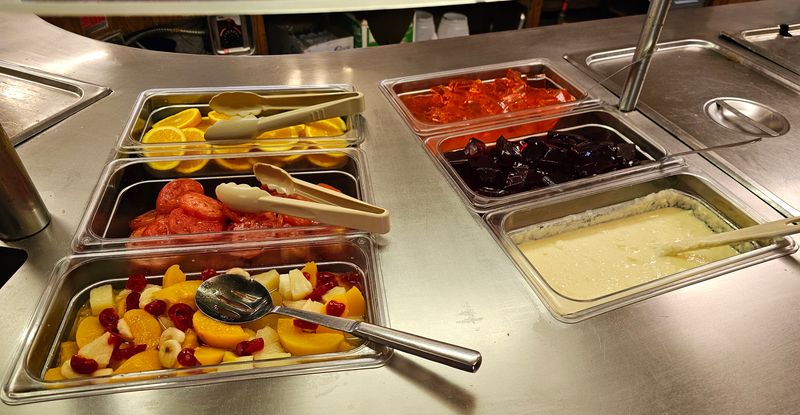
Forget individual plated meals delivered by servers; Amish restaurants often embrace family style dining where heaping bowls and platters arrive at your table for everyone to share.
This communal approach mirrors how Amish families eat at home, gathering around long tables where food gets passed from person to person in a beautiful dance of sharing.
You might receive enormous bowls of creamy mashed potatoes, buttered noodles, green beans cooked with bacon, sweet corn, and thick slices of homemade bread all at once.
The unspoken etiquette requires taking reasonable portions so everyone at your table gets enough, then passing dishes clockwise or to whoever asks politely for seconds.
Many tourists unfamiliar with this style accidentally hoard bowls at their end of the table or take massive first servings that leave others with slim pickings.
Children especially benefit from this dining format because it teaches them patience, sharing, and awareness of others’ needs in a natural, pressure free environment.
Servers typically explain the system when they bring out the first round of food, but paying attention to how local families navigate the process offers valuable clues about proper behavior.
The beauty of family style service lies in its abundance; restaurants prepare generous quantities knowing that satisfied, full customers become loyal repeat visitors.
Don’t feel shy about asking for refills on specific items, as most establishments gladly bring out fresh bowls of whatever ran empty at your table.
This method also creates natural conversation opportunities as diners ask each other to pass items, breaking down the typical restaurant barrier between strangers sharing a dining room.
Cash Only Payment Policies
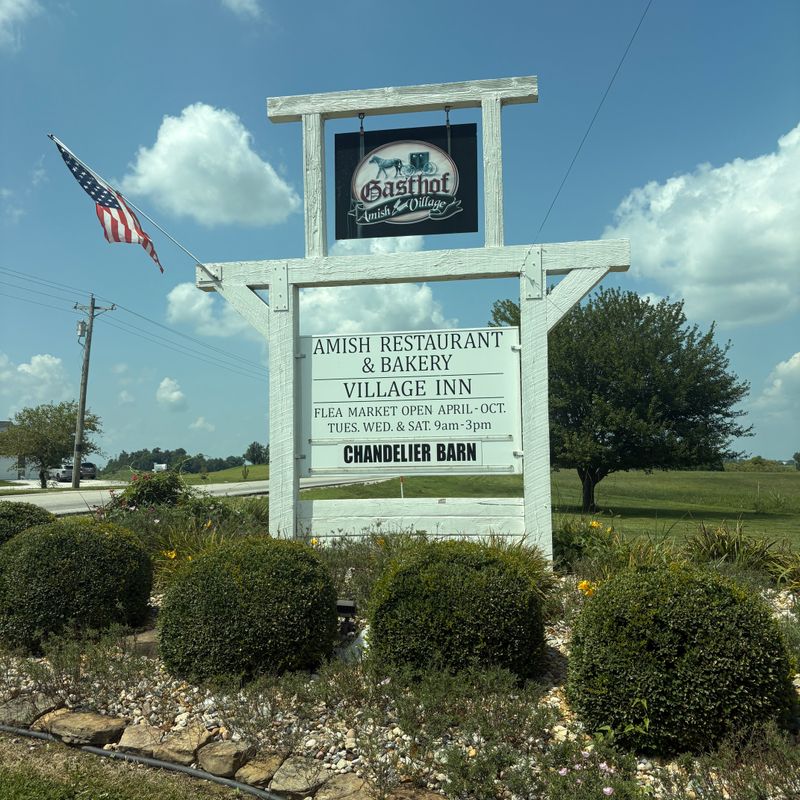
Reaching for your credit card at an Amish restaurant often results in polite head shakes and gestures toward small signs announcing cash only policies that catch unprepared tourists by surprise.
This payment preference stems from the Amish commitment to simplicity and separation from modern technology that ties them to outside financial systems and electronic networks.
Processing credit cards requires internet connections, monthly fees, and relationships with banks that conflict with traditional Amish values of self sufficiency and minimal worldly entanglement.
Some restaurants have adapted slightly by accepting checks from local customers they know and trust, but visitors from out of town should always carry sufficient cash before arriving.
The nearest ATM might sit miles away in a neighboring town, turning what should be a relaxing meal into a stressful scramble to find money.
Smart travelers check restaurant websites or call ahead to confirm payment policies, though many Amish establishments operate without websites or even business phones.
This cash based system also means you should bring smaller bills rather than expecting servers to break hundred dollar bills, especially during busy breakfast and lunch rushes.
Local residents know to stop at ATMs before heading to their favorite Amish restaurants, keeping twenties and tens in their wallets specifically for these occasions.
The cash only policy actually creates a more personal transaction, with money changing hands directly rather than disappearing into invisible electronic transfers.
Some visitors initially feel frustrated by this requirement, but most come to appreciate how it reinforces the authentic, traditional atmosphere that drew them to these restaurants in the first place.
Modest Dress Expectations for Staff and Guests
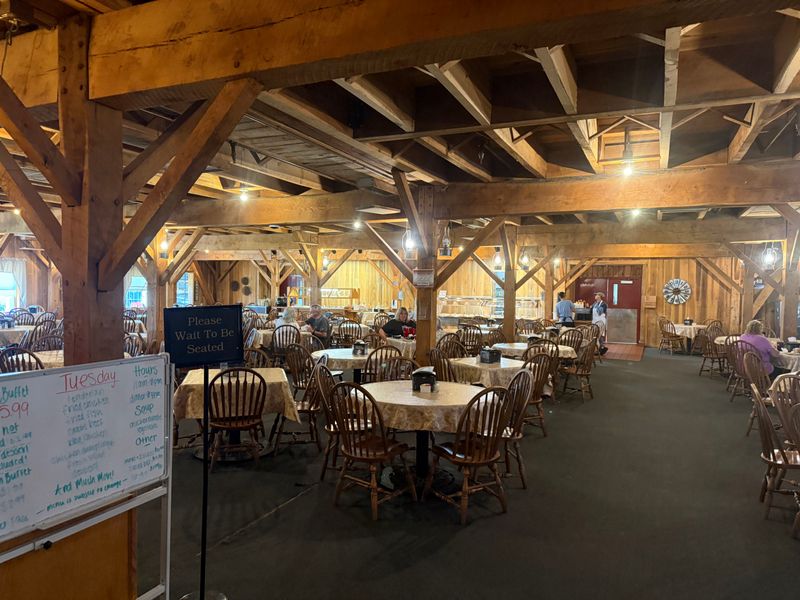
Observant diners notice immediately that female staff members wear long dresses, aprons, and white prayer caps that identify them as members of the Amish community.
Male workers typically sport plain shirts, suspenders, and dark trousers that reflect their culture’s emphasis on humility and rejection of flashy, attention seeking fashion.
While restaurants don’t enforce strict dress codes for customers, showing respect through modest clothing choices demonstrates cultural awareness and good manners that locals notice and appreciate.
Tank tops, short shorts, and revealing outfits that might pass unnoticed in regular restaurants can make Amish staff uncomfortable and mark you as an inconsiderate tourist.
Families visiting with children should ensure kids wear appropriate clothing, avoiding shirts with inappropriate slogans or images that conflict with the restaurant’s values.
This doesn’t mean you need to dress like the Amish themselves, but choosing neat, covered clothing shows you understand you’re entering a space with different cultural standards.
Summer visitors face the biggest temptation to dress too casually, forgetting that air conditioned dining rooms make lightweight pants or knee length skirts perfectly comfortable options.
The Amish concept of modesty extends beyond just clothing to overall behavior, meaning loud, boisterous conduct or public displays of affection also feel out of place.
Many tourists miss these subtle cues and later wonder why they received cooler service than the family at the next table who dressed more conservatively.
Understanding these unspoken expectations transforms you from a clueless outsider into a respectful guest who honors the community’s traditions while enjoying their hospitality and exceptional food.
Handwritten Daily Specials on Chalkboards
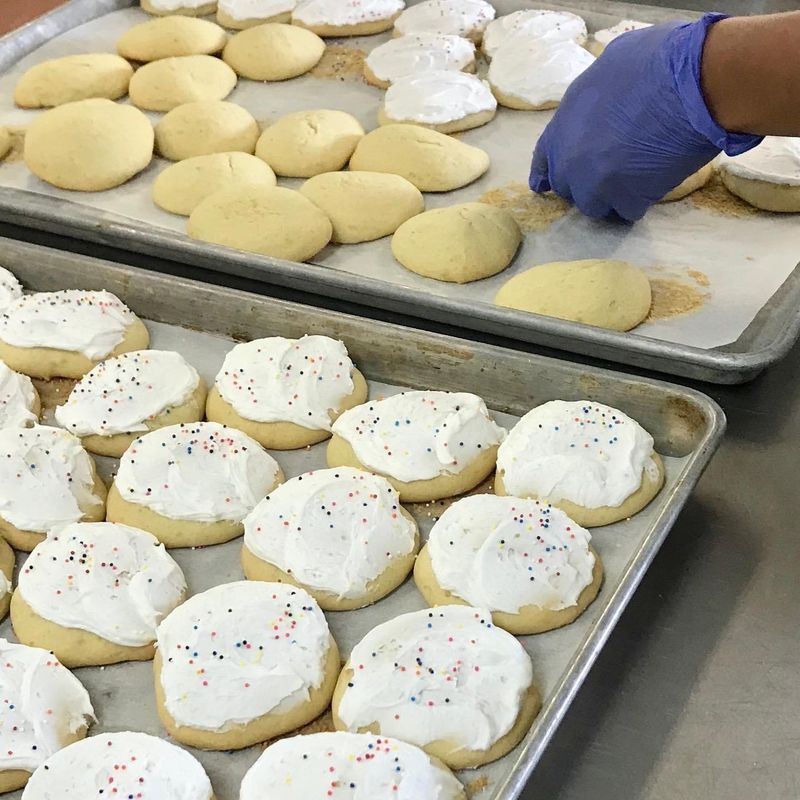
Glossy printed menus take a backseat to charming chalkboards where daily specials appear in careful handwriting that changes based on seasonal ingredients and what the cook felt inspired to prepare.
These boards often feature items not listed on regular menus, like chicken and noodles made from freshly butchered poultry or vegetable soup brimming with produce harvested that very morning.
Reading these handwritten offerings requires patience as you decipher different handwriting styles and occasional creative spelling that adds character rather than causing confusion.
The specials typically reflect what’s abundant and affordable at local farms, meaning spring brings asparagus dishes while fall showcases pumpkin and squash preparations.
Savvy diners know that ordering from the specials board often delivers the freshest, most lovingly prepared food because these items represent what the kitchen staff genuinely wants to cook that day.
Prices on chalkboards tend to run lower than regular menu items since they utilize surplus ingredients that need using before they spoil.
Tourists sometimes ignore these boards entirely, sticking to familiar fried chicken or roast beef without realizing they’re missing the restaurant’s most exciting offerings.
Asking your server about the specials shows interest in the restaurant’s daily rhythms and often prompts enthusiastic descriptions of why particular dishes made the board.
Some establishments erase and rewrite their boards multiple times weekly, while others might keep popular specials up for entire seasons if customer demand stays strong.
The chalkboard tradition also eliminates printing costs and allows instant menu flexibility, perfectly aligning with Amish values of resourcefulness and adapting to circumstances rather than forcing rigid plans.
Silent Grace Before Meals
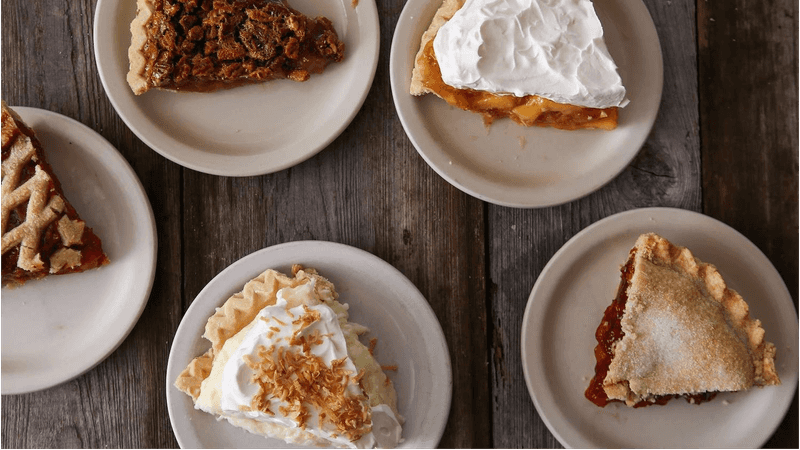
Newcomers often feel confused when Amish families at neighboring tables suddenly fall silent with bowed heads before touching their food, not realizing they’re witnessing a sacred tradition of giving thanks.
This moment of silent prayer happens without announcement or fanfare, simply a natural pause where family members express gratitude for the meal and the hands that prepared it.
Respectful tourists should remain quiet during these brief moments rather than talking loudly or clanking silverware, allowing others to complete their prayers without distraction.
The Amish practice silent rather than spoken grace because they believe prayer represents a private conversation between individuals and God that doesn’t require public performance.
You might notice entire tables of diners sitting motionless with eyes closed for fifteen to thirty seconds before someone picks up a fork, signaling the prayer’s end.
Children in Amish families learn this practice from infancy, developing the discipline to wait patiently even when delicious food sits steaming before them.
Some tourists feel uncomfortable with religious practices in public spaces, but understanding this tradition as an expression of cultural identity helps frame it appropriately.
You’re never required to participate in the prayer yourself, though sitting quietly shows basic courtesy that transcends religious differences.
Servers in Amish restaurants time their table visits carefully, avoiding interrupting families during these prayer moments with offers of drink refills or additional bread.
This practice serves as a beautiful reminder that meals represent more than just fuel for bodies; they’re opportunities for gratitude, reflection, and acknowledging the interconnected web of farmers, cooks, and servers who made the food possible.
Bulk Goods and Baked Items for Sale
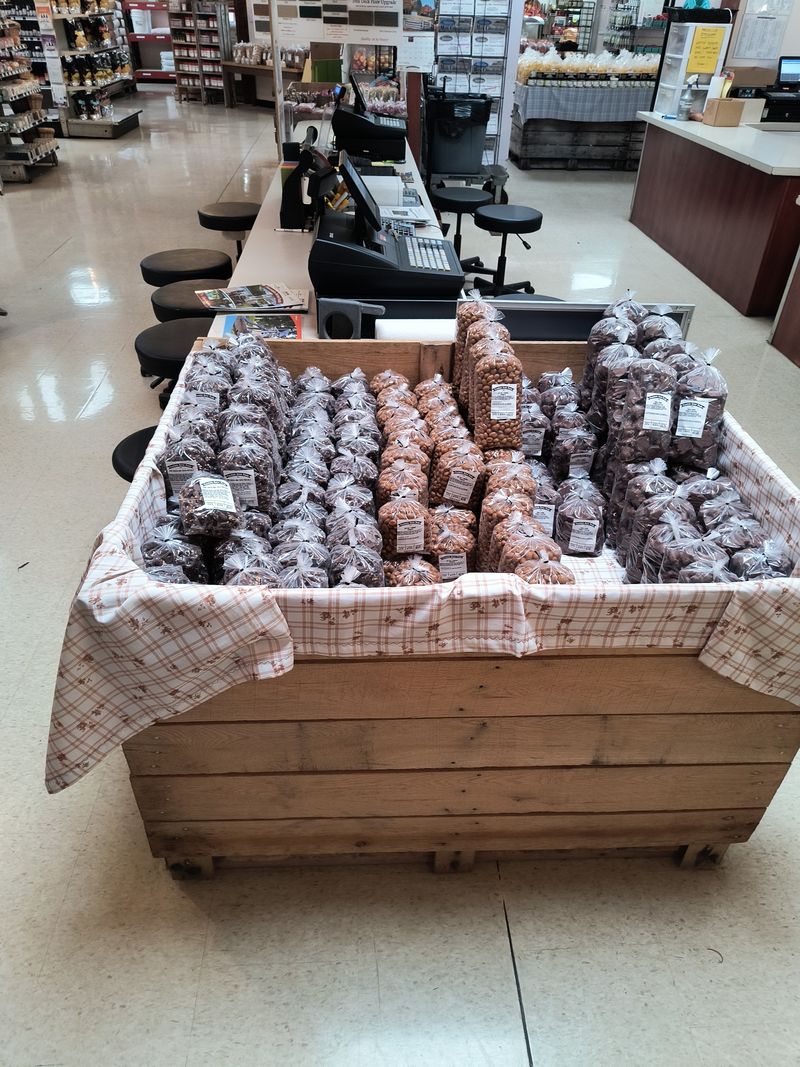
Most Amish restaurants double as small general stores where shelves near the entrance display jars of homemade jams, pickles, noodles, baking mixes, and other pantry staples you can purchase to take home.
These products often come from the same kitchens that prepare your restaurant meals, meaning you’re buying the exact jam that topped your morning toast or the noodles that swam in your chicken soup.
Prices typically run lower than specialty food stores in cities because there’s no middleman markup, just direct sales from producer to consumer.
You’ll find unique items rarely seen in regular grocery stores, like elderberry jelly, bread and butter pickles made from century old recipes, or egg noodles cut wider than any commercial brand.
Many tourists browse these shelves while waiting for tables during busy meal times, discovering gift items perfect for friends and family back home.
The Amish entrepreneurial spirit shines through these retail sections, demonstrating how families supplement farming income through value added products made during winter months.
Handwritten labels often identify the product’s maker, creating personal connections between buyers and the Amish women who spent hours stirring jam pots or rolling out noodle dough.
Smart shoppers ask staff about less obvious items stored behind counters, like fresh baked breads available for purchase or frozen pies you can take home and bake later.
Some restaurants even sell recipe books compiled by community members, sharing closely guarded cooking secrets with outsiders willing to recreate dishes in their own kitchens.
Purchasing these goods supports Amish families directly while giving you tangible reminders of your visit that last far longer than the memory of a single meal.
No Tipping Culture in Some Establishments
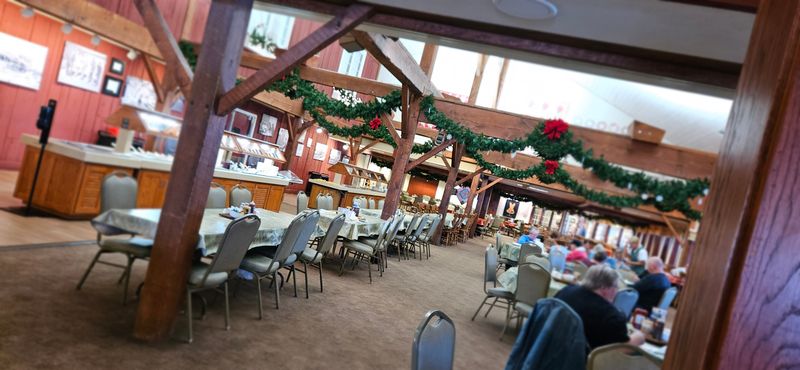
Reaching for your wallet to leave a tip might prompt gentle corrections from servers explaining that their restaurant doesn’t accept gratuities, a policy that baffles tourists accustomed to America’s tipping culture.
This unusual practice stems from Amish beliefs about fair wages, community support, and avoiding the creation of hierarchies where some workers earn significantly more than others based on customer whims.
Restaurants following this policy pay servers decent hourly wages rather than the reduced rates typical in tipping establishments, ensuring stable, predictable income for workers.
The Amish concept of community means that all workers, from dishwashers to servers, deserve equal respect and compensation rather than systems that privilege front of house staff.
Some establishments do accept tips, so asking about policy prevents awkward situations where you either undertip or try forcing money on workers who genuinely can’t accept it.
Tourists sometimes feel uncomfortable with no tipping policies because they want to show appreciation for exceptional service and don’t know alternative ways to express gratitude.
Complimenting the food directly to servers or asking to speak with the cook provides meaningful feedback that matters more than extra dollars in Amish culture.
Writing positive reviews online or recommending the restaurant to friends offers another way to support these businesses without violating their tipping policies.
The absence of tipping actually creates more authentic interactions between servers and diners since there’s no financial incentive driving overly friendly behavior or rushed service.
Understanding this practice requires recognizing that different cultures organize economic relationships in various ways, and what feels normal in mainstream American restaurants doesn’t necessarily apply in Amish establishments.
Dear Reader: This page may contain affiliate links which may earn a commission if you click through and make a purchase. Our independent journalism is not influenced by any advertiser or commercial initiative unless it is clearly marked as sponsored content. As travel products change, please be sure to reconfirm all details and stay up to date with current events to ensure a safe and successful trip.
