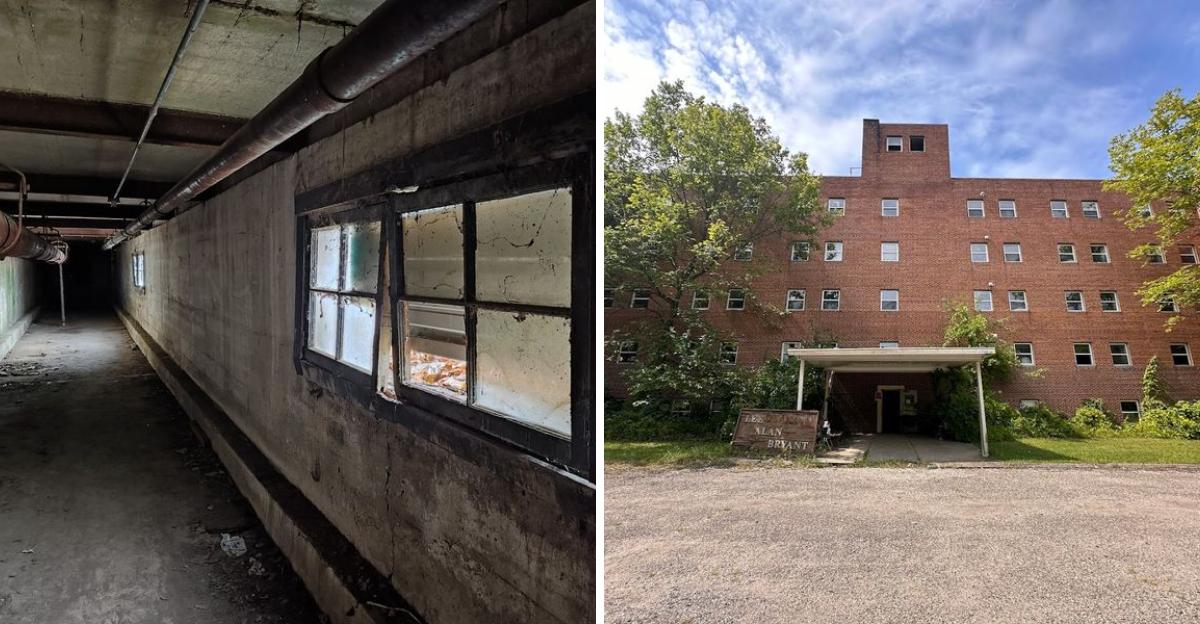
I never expected to feel such a powerful connection to history until I first learned about a former state sanatorium in the western part of the state. This sprawling complex of decaying buildings sits on more than 200 acres of wooded land, a haunting reminder of when tuberculosis once ravaged communities worldwide.
Built starting in 1907, this place served as a battleground against a disease that once seemed unstoppable. Walking through its corridors, I find myself thinking about the thousands who lived, hoped, and often died within these walls.
The site operated as a tuberculosis hospital until 1968, then later as a nursing home and mental health facility until its abrupt closure in 2011. What remains today feels like a frozen moment in time, with personal belongings, medical equipment, and institutional furniture left behind as if everyone simply vanished.
The eerie atmosphere draws visitors from across the region, whether they come seeking historical insight, quiet reflection, or simply the raw beauty of decay slowly being reclaimed by nature.
Walk Through a Chilling Chapter of Medical History
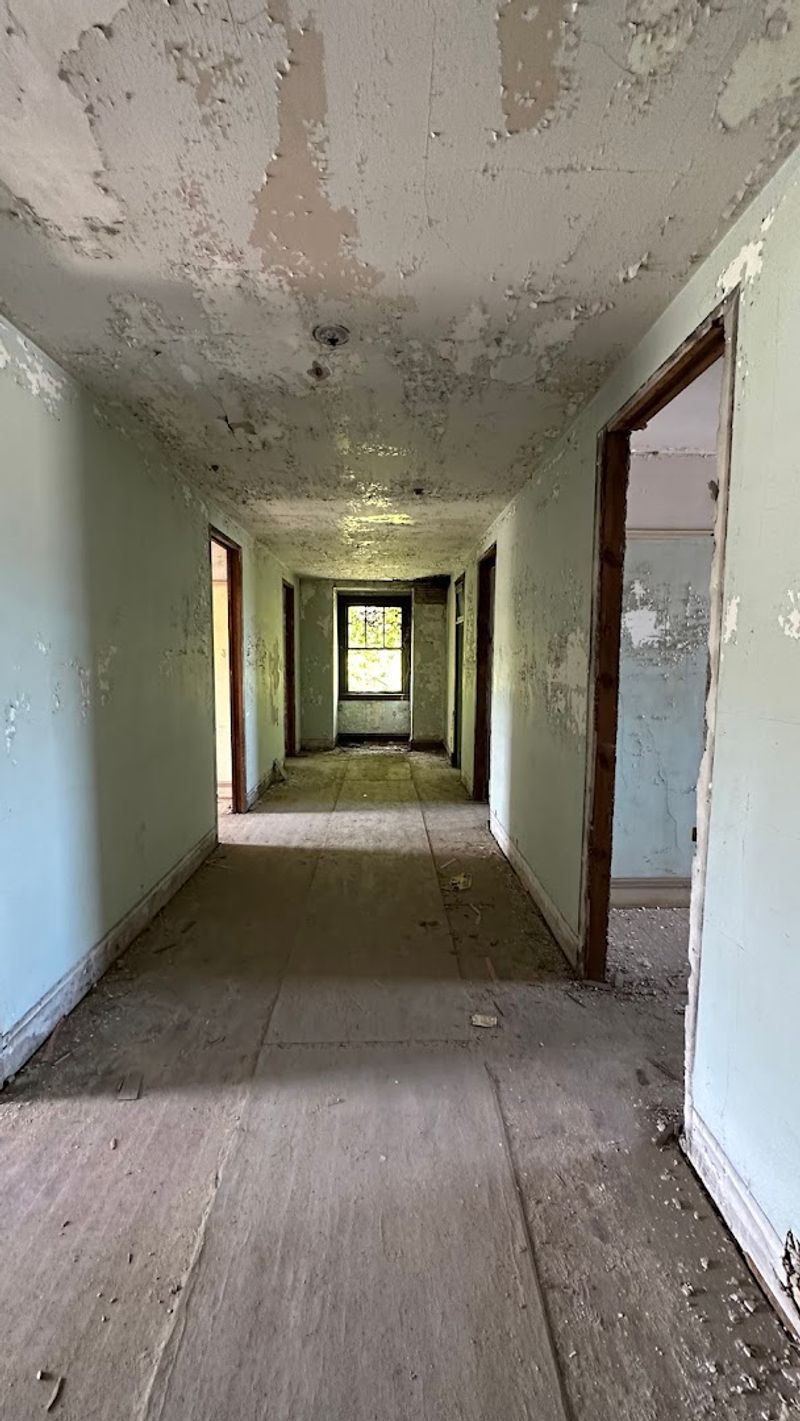
Before antibiotics transformed medicine, tuberculosis was a terrifying diagnosis that often meant isolation and slow decline. The Indiana State Sanatorium represents a critical era when fresh air, sunlight, and strict routines were the only weapons against this deadly disease.
Opening its doors in 1911, this facility treated thousands of patients over decades. The original design featured separate wings for men and women, each equipped with long porches where patients spent hours breathing fresh air regardless of weather.
Doctors believed environmental factors could slow the disease’s progression, so they built this complex on remote wooded land near Little Raccoon Creek.
Walking through the administration building and patient wings today offers an unfiltered look at early 20th-century healthcare. You can see the spaces where patients followed rigid daily schedules, ate special diets, and clung to hope for recovery.
The emptiness of these rooms speaks volumes about the fear and uncertainty that once filled them.
I find it sobering to consider how many families sent loved ones here, knowing they might never return home. The tuberculosis epidemic reshaped entire communities, and this sanatorium stood as both refuge and prison for those battling the disease.
Understanding this history gives perspective on how far modern medicine has progressed.
After exploring, you might visit nearby Turkey Run State Park at 8121 E. Park Rd., Marshall, IN 47859, where the natural beauty contrasts sharply with the sanatorium’s somber past.
Experience One of the Midwest’s Most Active Paranormal Hotspots
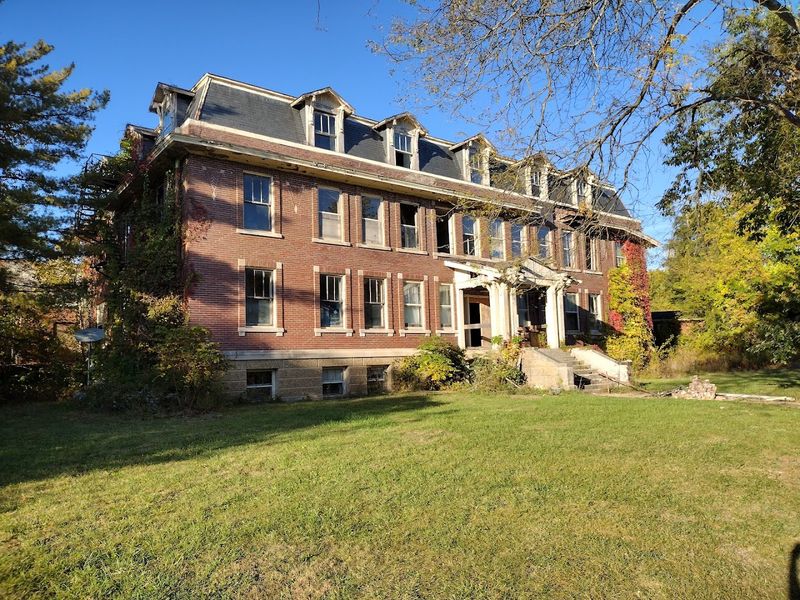
Ghost hunters and paranormal enthusiasts consider the Rockville Sanatorium, located at 3838 E Old 36 Rd, Rockville, IN 47872, among the most haunted locations in the entire Midwest. Countless visitors report experiencing unexplained phenomena that leave even skeptics questioning what they witnessed.
The most commonly reported entity is the Blue Lady, an apparition seen wandering the halls in period clothing. Disembodied voices echo through empty rooms, sometimes calling out names or whispering unintelligible phrases.
The laundry room seems particularly active, with reports of objects moving on their own and sudden temperature drops that defy logical explanation.
Adams Hall, the five-story staff residence, generates its own share of spine-tingling encounters. Phantom footsteps climb staircases when no one else is present.
Full-body chills strike visitors without warning, creating an overwhelming sense of being watched or followed.
What makes these experiences more compelling is their consistency across different visitors over many years. People who have never met report nearly identical encounters in the same locations.
The overnight investigation tours allow serious paranormal researchers to spend hours exploring with proper equipment.
I think the building’s history contributes to its paranormal reputation. Thousands died within these walls over more than a century of operation, first from tuberculosis, then during its time as a nursing home and mental health facility.
Whether you believe in ghosts or not, the atmosphere here definitely raises goosebumps.
For daytime exploration followed by a meal, check out Benjamins Family Restaurant at 605 E Ohio St, Rockville, IN 47872.
Discover a Photographer’s Paradise of Decay and Beauty
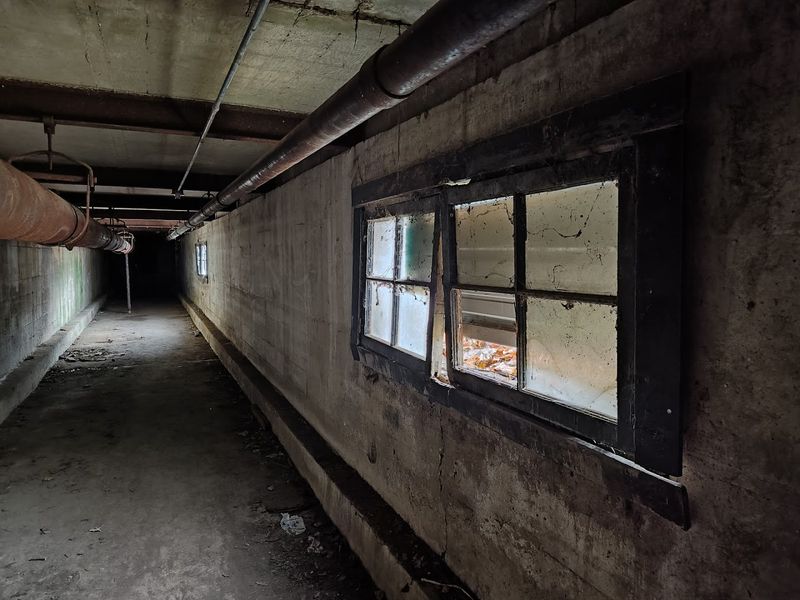
Urban exploration photography finds few better subjects than the Rockville Sanatorium’s 120,000 square feet of abandoned structures. Every corner reveals compositions that capture the haunting intersection of human history and nature’s reclamation.
The visual contrasts are stunning. Sunlight streams through broken windows, illuminating dust particles suspended in air that hasn’t circulated properly in years.
Paint peels from walls in abstract patterns that seem almost intentional. Personal items scattered throughout create poignant still-life scenes, from old wheelchairs to abandoned medical charts.
The steam tunnels connecting various buildings offer particularly dramatic photography opportunities. These underground passages stretch beneath the complex, their curved brick walls and shadowy depths creating an otherworldly atmosphere.
Bring a powerful flashlight because phone lights simply cannot penetrate the darkness adequately.
Different buildings provide distinct aesthetic experiences. The administration building retains more structural integrity, while other areas show advanced decay that demonstrates time’s relentless progression.
Photographers spend entire days here capturing details, from grand architectural elements to intimate close-ups of forgotten objects.
Seasonal changes transform the property’s appearance dramatically. Autumn brings brilliant foliage that frames the crumbling buildings beautifully, while winter snow creates stark contrasts between white drifts and dark, empty windows.
Spring and summer allow easier exploration when vegetation isn’t dormant.
Many visitors combine their sanatorium visit with a stop at Billie Creek Village, 65 Billie Creek Road, Rockville, IN 47872, which offers completely different photographic subjects in its preserved historical buildings.
Study Architectural Changes Across a Century of Care
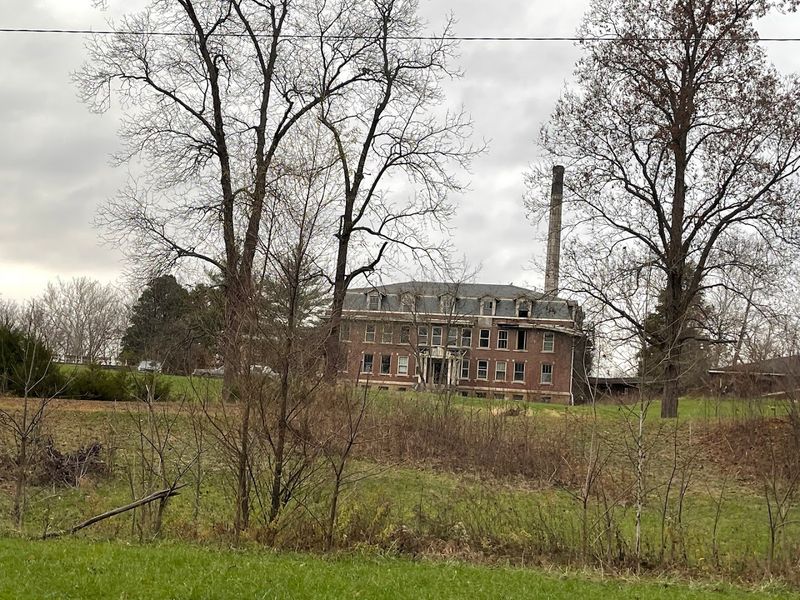
Architecture enthusiasts find remarkable value in observing how the sanatorium complex evolved through distinct phases of healthcare philosophy and design. The buildings tell stories about changing medical approaches and institutional priorities over more than a century.
The original tuberculosis hospital structures from the early 1900s feature design elements specific to treating respiratory diseases. Those long porches on the patient wings served a critical therapeutic purpose, allowing bedridden patients to receive fresh air and sunlight year-round.
Windows were strategically placed to maximize natural light, which doctors believed aided recovery.
Later additions reflect the facility’s transformation into a nursing home and mental health center starting in 1976. These structures show more utilitarian design, prioritizing function over the earlier emphasis on environmental healing factors.
The contrast between old and new sections demonstrates how medical architecture adapted to different treatment philosophies.
Adams Hall stands out as an impressive five-story staff residence. Its construction reflects the facility’s operation as a self-contained community, complete with housing for workers, a farm, dairy, and even a school.
The superintendent’s residence and doctor bungalows add to this campus-like atmosphere.
Walking through these spaces reveals construction techniques from different eras. Original woodwork, plaster walls, and mechanical systems from the early 20th century exist alongside mid-century updates.
The power station building showcases large steam equipment that once heated the entire complex.
After your architectural tour, The Ranch cafe at 8608 E Us Highway 36, Rockville, IN 47872, offers fresh sandwiches and espresso to refuel your exploration energy.
Learn About Medicine Before Modern Miracles Changed Everything
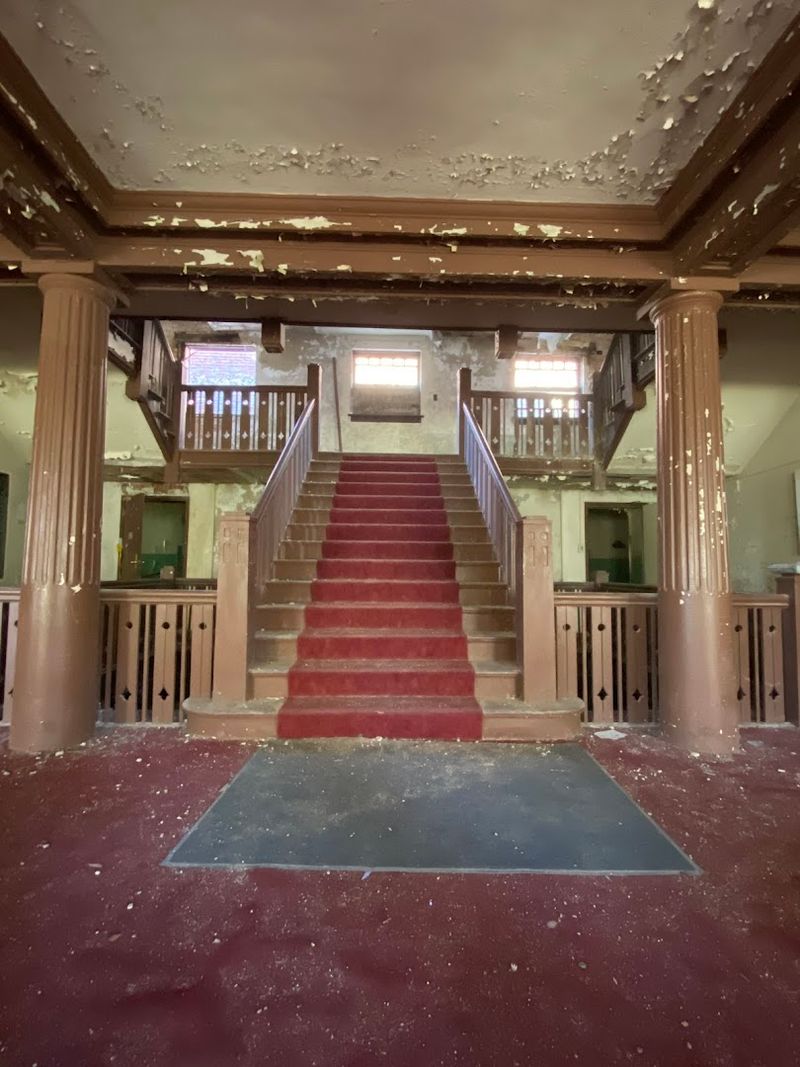
Few places offer such tangible education about pre-antibiotic medical care as the C. Walking these halls provides profound perspective on what healthcare meant before pharmaceutical breakthroughs revolutionized disease treatment.
Tuberculosis treatment in the early 1900s focused entirely on environmental factors and patient management. Doctors prescribed strict bed rest, nutritious diets, and maximum exposure to fresh air.
Patients followed regimented schedules designed to strengthen their bodies enough to fight the infection naturally. Recovery rates were discouragingly low, but this approach represented the best medical knowledge available at the time.
Isolation was critical both for treatment and disease control. The sanatorium’s remote location served dual purposes by providing clean air while protecting surrounding communities from infection.
Patients often spent months or years separated from families, creating its own psychological challenges alongside the physical illness.
Medical equipment left behind throughout the buildings illustrates the era’s technological limitations. Compare what you see here with modern hospitals, and the progress becomes staggeringly apparent.
Simple procedures we consider routine today were major interventions requiring extended recovery periods.
The abrupt shift when antibiotics arrived in the mid-20th century made facilities like this obsolete almost overnight. The tuberculosis hospital closed in 1968 because medications could cure what previously seemed incurable.
This transformation represents one of medicine’s greatest triumphs, saving millions of lives worldwide.
Consider exploring the Parke County Visitor’s Center at 401 E. Ohio St., Rockville, IN 47872, afterward to learn about the area’s famous covered bridges and broader regional history.
Choose Your Adventure with Multiple Tour Options
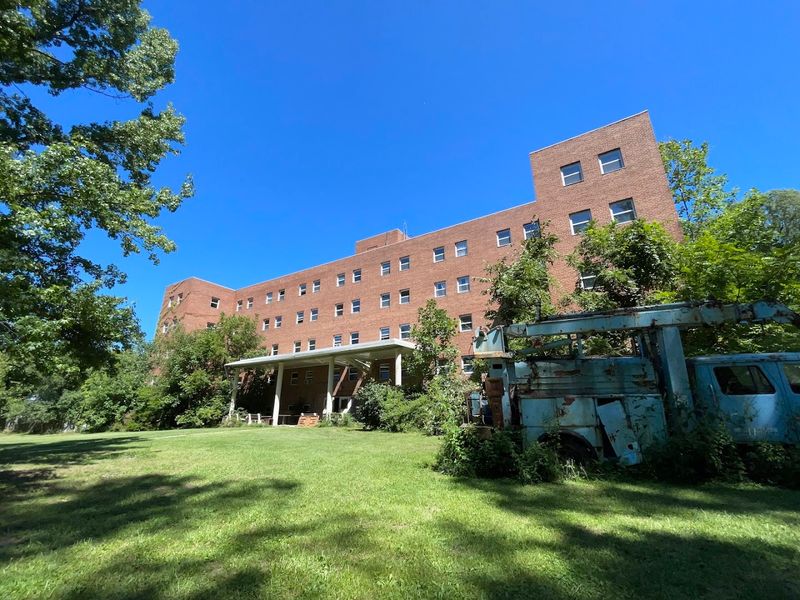
One of the sanatorium’s greatest appeals is how it accommodates different visitor interests and comfort levels. Whether you prefer independent exploration or guided experiences, options exist to match your preferences and curiosity.
Self-guided daytime roaming tours cost just $25 per person and run from 10 AM to 5 PM daily. This option lets you explore at your own pace, spending as much time as you want in areas that interest you most.
Many visitors report staying four to five hours because there is simply so much to see across the sprawling property.
Guided tours provide structured experiences with knowledgeable hosts who share historical details and paranormal stories throughout the complex. These tours ensure you do not miss significant locations while learning context that enriches your understanding of what you are seeing.
Flashlight tours after dark appeal to those seeking more atmospheric experiences. Without electricity in the buildings, nighttime exploration creates dramatically different sensations.
Shadows deepen, sounds amplify, and the overall mood intensifies significantly compared to daylight visits.
Serious paranormal investigators can book overnight stays, spending an entire night conducting investigations with proper equipment. These intensive experiences allow dedicated ghost hunters to thoroughly explore phenomena reported throughout the property.
All visitors must sign liability waivers acknowledging the buildings are not structurally sound everywhere. Wear appropriate footwear, bring strong flashlights, and watch your footing carefully, especially near stairs and in the steam tunnels.
If you want to extend your visit, Rockville Lake Park at 828 Marshall Rd, Rockville, IN 47872, offers 400 acres for fishing, disc golf, and nature trails.
Watch History Being Saved Through Active Restoration
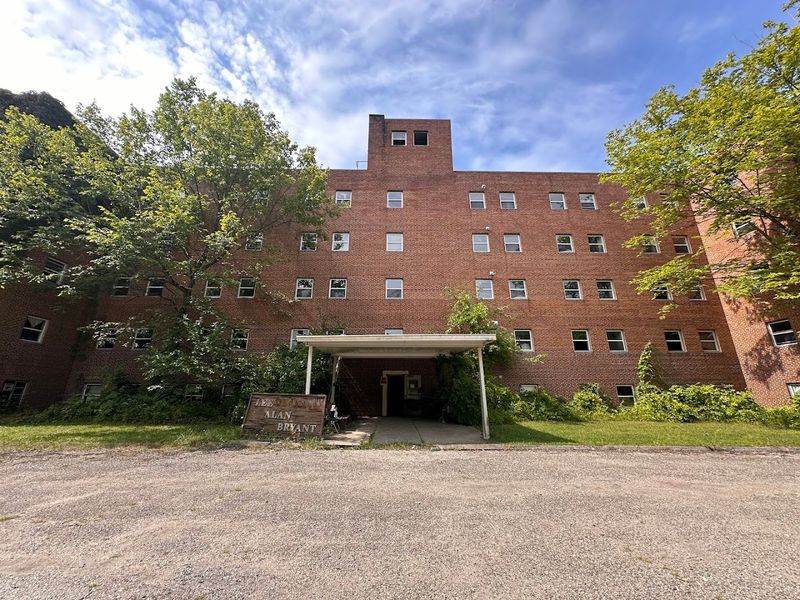
Something special happens when you visit a historical site during its transformation from abandonment to preservation. New owners who purchased the Rockville Sanatorium in 2020 demonstrate genuine commitment to saving this significant piece of Indiana’s past.
Rather than demolishing these deteriorating structures, the current owners invested in restoration and adaptive reuse. Their vision includes converting some buildings into short-term housing and event spaces while maintaining the site’s historical integrity and educational value.
This approach ensures the sanatorium survives for future generations while becoming financially sustainable.
Watching preservation work unfold offers unique insights into restoration challenges. These buildings suffered years of neglect and weather damage, making stabilization complicated and expensive.
Seeing this dedication firsthand helps visitors appreciate the effort required to save endangered historical structures.
The owners also maintain public access for tours and investigations, balancing preservation needs with their mission to educate people about the site’s history. They clearly understand the property’s cultural significance extends beyond its physical structures to encompass the stories and memories embedded in these walls.
This commitment to historical preservation reflects broader recognition that places like the Rockville Sanatorium deserve protection. They serve as tangible connections to our shared past, teaching lessons about disease, medical progress, and human resilience that remain relevant today.
Supporting sites undergoing restoration through visits and respectful exploration helps ensure their continued survival. Your admission fees directly contribute to ongoing preservation efforts, making you part of this important historical rescue mission.
The nearby Mansfield Covered Bridge on Mansfield Road showcases another example of preserved Indiana history worth visiting during your trip.
