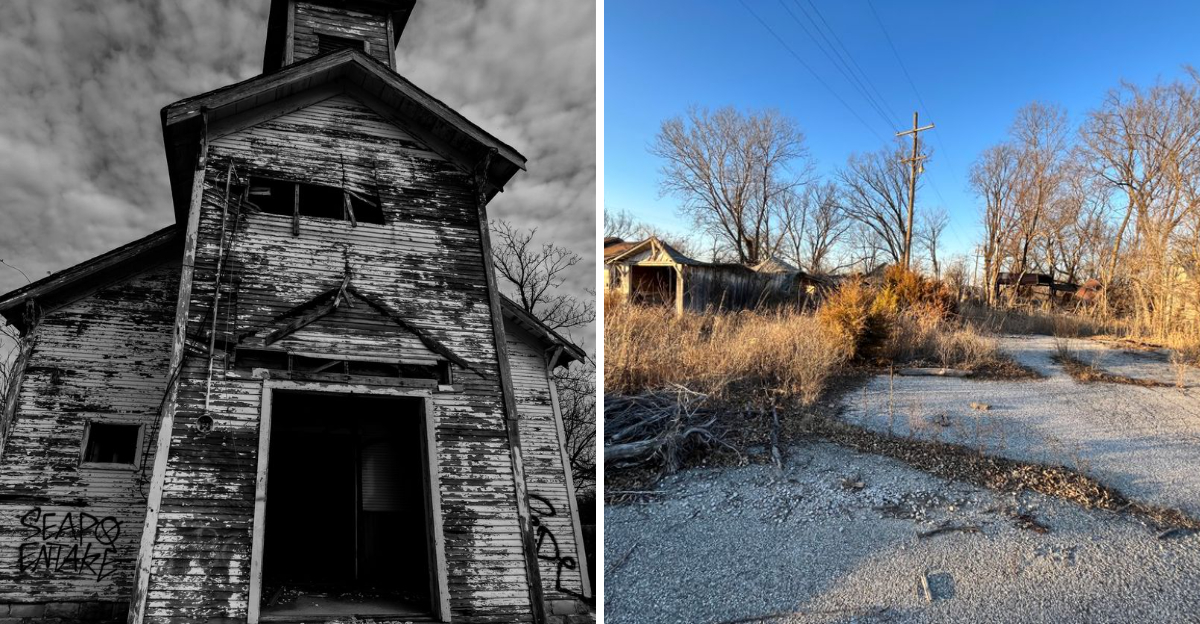
Nestled in the far northeastern corner of Oklahoma, near the borders of Kansas and Missouri, lies Picher, a once-thriving mining town that now stands as one of America’s most haunting ghost towns.
For over a century, this small community was the beating heart of the Tri-State Mining District, where lead and zinc extraction fueled prosperity and drew thousands of workers seeking fortune beneath the earth.
Today, travelers venture to Picher not for riches, but to witness a place where nature and human ambition collided, leaving behind a landscape of abandoned buildings, towering chat piles, and stories that echo through empty streets.
The town’s eerie stillness and toxic legacy create an atmosphere unlike anywhere else, drawing photographers, history enthusiasts, and curious explorers to experience a place where time truly seems frozen in a bygone era.
The Rise and Fall of Mining Glory
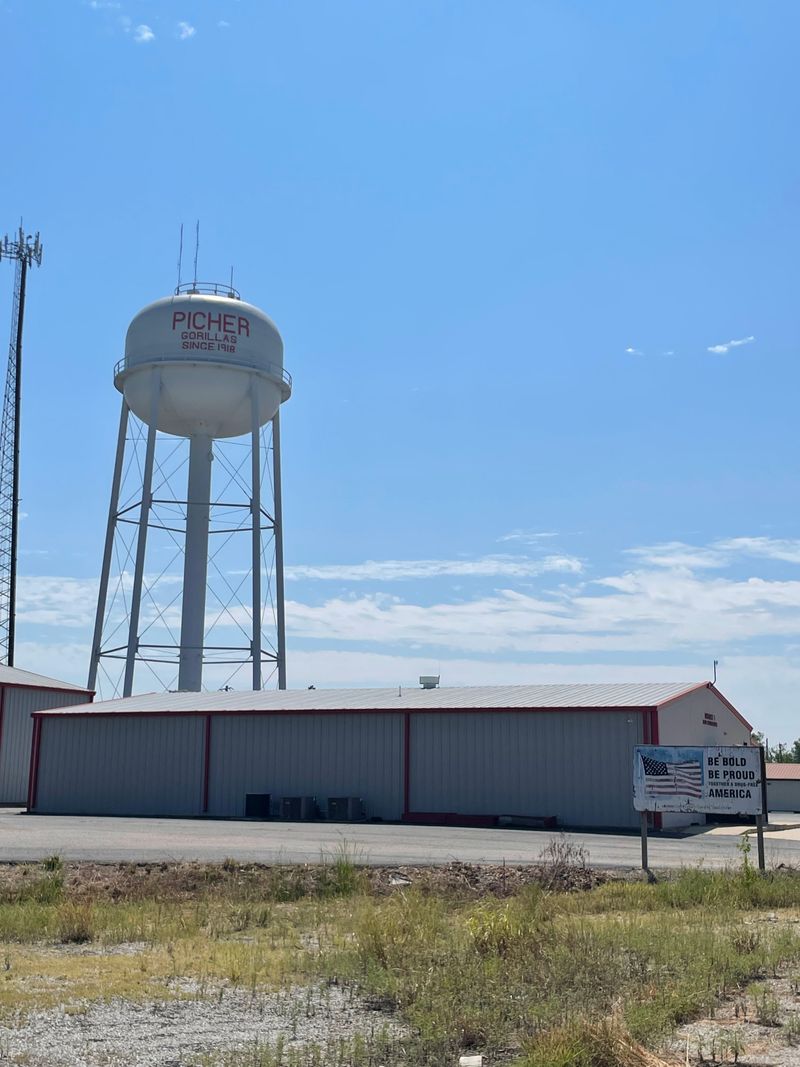
Picher’s story begins in 1914 when prospectors discovered rich deposits of lead and zinc buried deep beneath the prairie soil.
Within just a few years, the population exploded from a handful of settlers to over 14,000 residents, all seeking their share of the underground wealth.
Mining companies established operations throughout the area, and soon Picher became one of the most productive mining centers in the entire nation.
The town flourished with businesses, schools, churches, and entertainment venues that catered to the hardworking miners and their families.
Beneath the surface, however, an extensive network of tunnels stretched for miles in every direction, creating a hidden world of shafts and chambers.
By the 1970s, the valuable ore deposits had been exhausted, and mining operations gradually ceased, leaving behind a scarred landscape.
The once-bustling streets grew quieter as families moved away in search of new opportunities elsewhere.
Environmental testing revealed alarming levels of lead contamination in the soil, water, and even inside homes throughout the community.
The Environmental Protection Agency designated Picher as one of the most toxic Superfund sites in America.
By 2009, the government initiated a voluntary buyout program, encouraging remaining residents to relocate for their safety.
Today, only a handful of structures remain standing, serving as silent witnesses to a century of boom, bust, and environmental catastrophe.
Mountains of Toxic Chat
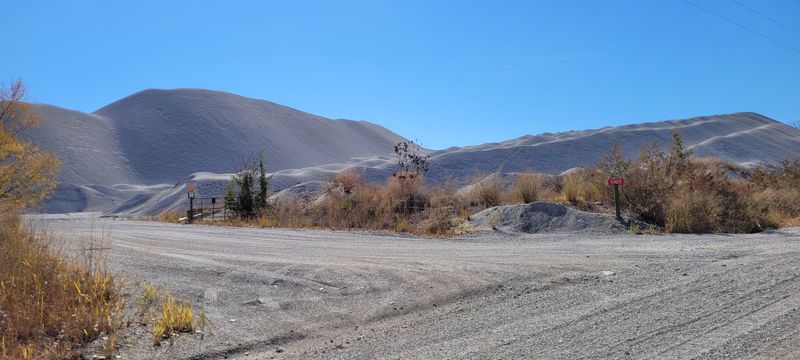
Perhaps the most striking feature of Picher’s landscape are the enormous chat piles that dominate the horizon like artificial mountains.
These towering mounds of crushed rock and mining waste were created as byproducts of the ore extraction process over decades.
Some chat piles reach heights of over 200 feet, creating an otherworldly terrain that looks more like a lunar landscape than the Oklahoma prairie.
The grayish-white and rust-colored piles contain high concentrations of lead, zinc, and other heavy metals that continue to pose environmental hazards.
Wind and rain constantly erode these unstable formations, spreading contaminated dust across the surrounding area and into waterways.
Children who grew up in Picher often played on these chat piles, unaware of the invisible dangers lurking in the seemingly harmless mounds.
Many former residents later suffered from lead poisoning and related health complications as a result of this exposure.
The chat piles have become iconic symbols of both industrial achievement and environmental negligence in American history.
Photographers are drawn to these formations for their stark beauty and the powerful visual statement they make about human impact on nature.
Remediation efforts have removed some chat, but the sheer volume makes complete cleanup nearly impossible with current technology.
Visitors should never climb or disturb the chat piles, as the contaminated material poses serious health risks even with brief contact.
Crumbling Main Street Architecture
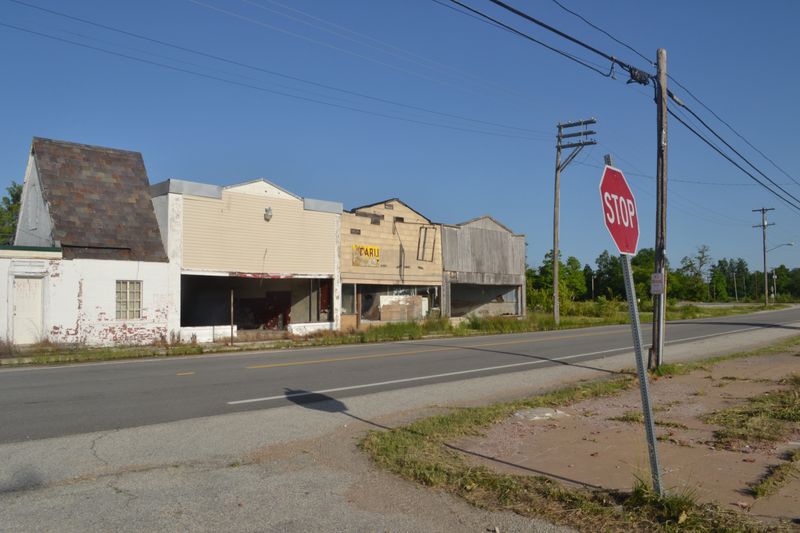
Walking along what remains of Picher’s Main Street feels like stepping into a time capsule from the mid-20th century.
Brick facades still bear faded advertisements for businesses that served miners and their families generations ago.
Empty storefronts with shattered windows reveal interiors where nature has begun reclaiming what humans left behind.
Vines crawl up exterior walls, and trees sprout from rooftops, creating haunting compositions that photographers find irresistible.
The structural integrity of many buildings has deteriorated significantly, making exploration dangerous without proper precautions.
Rusted metal awnings hang precariously, and chunks of masonry occasionally tumble to the cracked sidewalks below.
Some structures still display original signage, offering glimpses into the variety of commerce that once thrived here.
Barbershops, diners, hardware stores, and pharmacies all served the community during its prosperous years.
The architecture reflects typical American small-town design from the early 1900s, with practical construction meant to withstand harsh weather.
Tornado damage from a devastating 2008 EF4 twister accelerated the decay of many already-vulnerable structures.
Today, only the most resilient buildings remain partially intact, creating a scattered pattern along streets where weeds push through the pavement.
The silence is profound, broken only by wind whistling through empty window frames and the occasional creak of stressed timber and metal.
The Abandoned School System
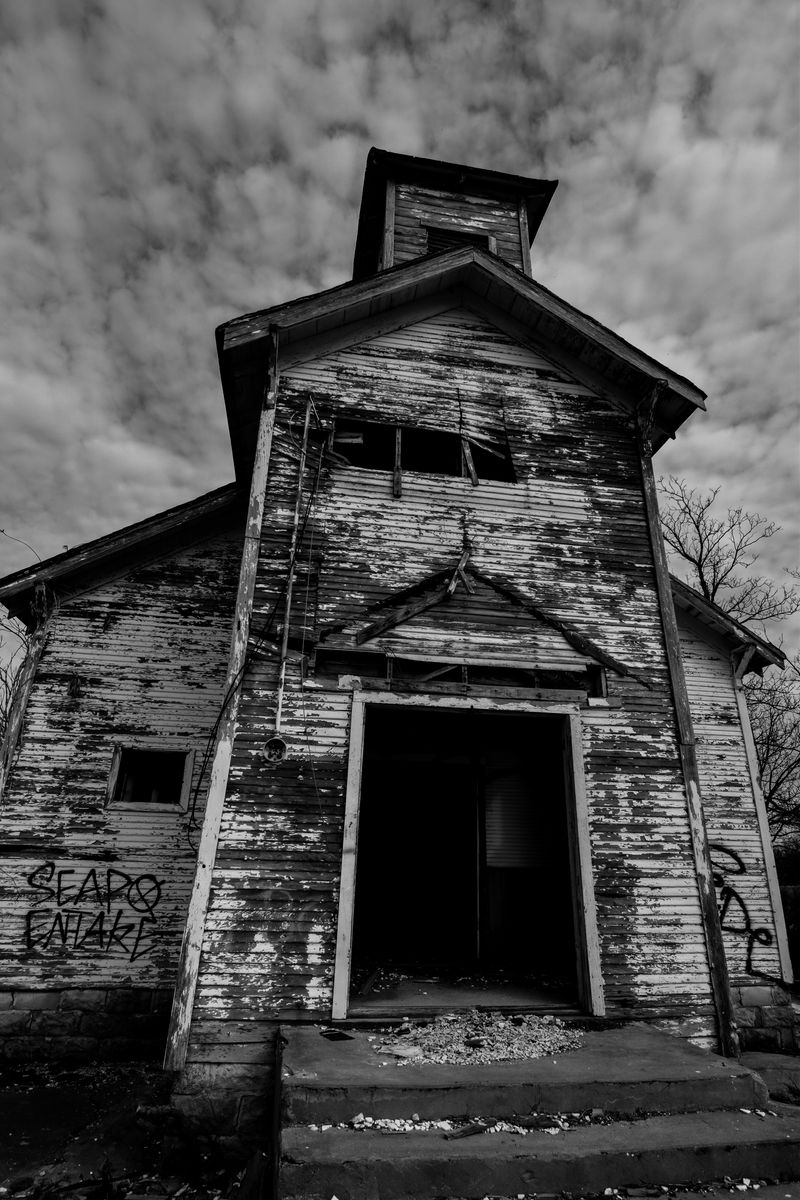
Picher’s abandoned schools stand as particularly poignant reminders of the vibrant community that once called this place home.
At its peak, the town supported multiple educational facilities serving hundreds of students from kindergarten through high school.
The gymnasium where basketball games once drew cheering crowds now sits silent, its floor littered with debris from the deteriorating ceiling.
Classrooms still contain remnants of their former purpose, with chalkboards, desks, and educational posters slowly succumbing to decay.
Lockers line hallways where generations of students rushed between classes, their metal doors now hanging open or rusted shut.
The schools were more than just educational institutions; they served as community gathering places for events, sports, and celebrations.
Lead contamination was discovered throughout the school buildings, contributing to the decision to evacuate the town permanently.
Many former students have returned to photograph their alma mater, documenting its gradual surrender to the elements.
Playgrounds where children once laughed and played now feature rusted equipment surrounded by overgrown vegetation.
The school mascot and colors, once sources of fierce local pride, have faded from signs and painted walls.
Yearbooks and student records were salvaged before the final closure, preserving memories of the families who built their lives here.
Standing in these empty educational spaces evokes powerful emotions about loss, community, and the impermanence of even our most cherished institutions.
Underground Collapse Zones
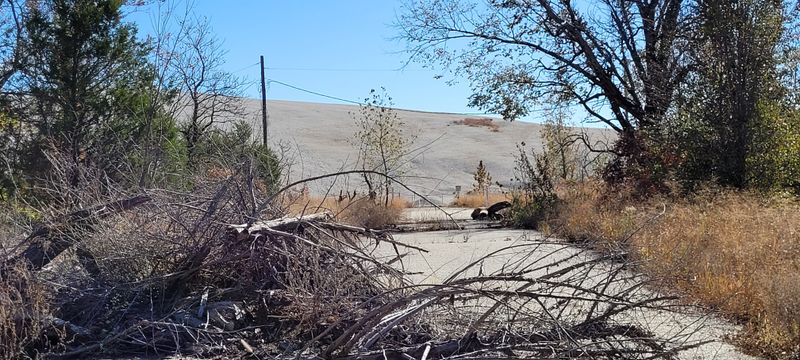
Beneath Picher’s surface lies a hidden danger that makes the ghost town particularly treacherous for visitors.
Over a century of mining created an extensive underground maze of tunnels, shafts, and chambers that honeycomb the earth.
These unsupported voids have gradually collapsed over the decades, causing sudden ground subsidence that can swallow cars, buildings, and unwary explorers.
Sinkholes appear without warning, creating craters that expose the dark tunnels below and serve as grim reminders of the instability underfoot.
Some collapse zones measure dozens of feet across and equally deep, forming dangerous obstacles throughout the abandoned townsite.
Engineers have determined that much of the remaining ground in Picher could potentially collapse at any time.
This geological instability was a major factor in the government’s decision to permanently evacuate residents and declare the area uninhabitable.
Warning signs posted throughout the area alert visitors to stay on marked paths and avoid areas where subsidence appears imminent.
The collapse zones create an apocalyptic landscape where the earth itself seems to be consuming the remnants of human habitation.
Vegetation struggles to establish itself near these voids, leaving barren patches that contrast sharply with surrounding areas.
Curious explorers have documented these features extensively, but authorities strongly discourage venturing too close to unstable ground.
The underground collapse zones represent one of the most visible consequences of extractive industry practices that prioritized profit over long-term environmental stability.
Tornado Devastation Layers
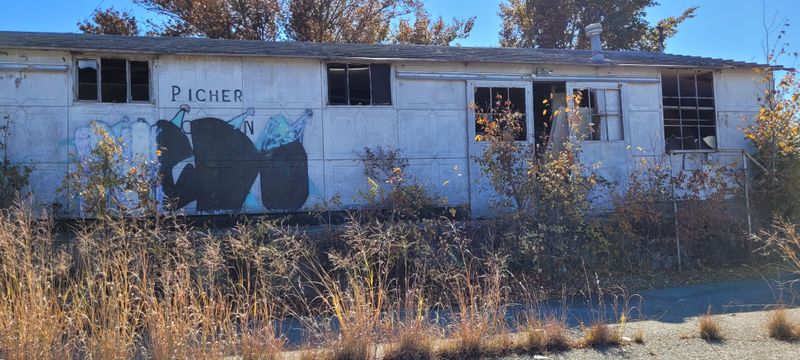
On May 10, 2008, an EF4 tornado tore through Picher, adding a catastrophic new chapter to the town’s already tragic story.
The massive twister, packing winds exceeding 200 miles per hour, destroyed many structures that had survived decades of abandonment.
Six people lost their lives in the disaster, and dozens more suffered injuries as the storm ripped through the declining community.
Buildings that had withstood years of neglect were reduced to piles of rubble in mere seconds by the tornado’s incredible force.
The storm scattered debris across a wide area, mixing it with mining waste and creating a surreal landscape of twisted destruction.
For many remaining residents, the tornado served as the final indication that Picher’s time had truly come to an end.
The federal buyout program accelerated following the disaster, as rebuilding in such a contaminated and geologically unstable area made no practical sense.
Today, visitors can observe the layered destruction where tornado damage overlaps with mining-related environmental degradation and simple abandonment decay.
Twisted metal beams jut from rubble piles at impossible angles, creating abstract sculptures of destruction.
Foundations mark where homes once stood before being swept away by the storm’s fury.
The tornado’s path remains visible in the pattern of destruction, with some structures relatively intact while others nearby were completely obliterated.
This natural disaster compounded the human-made catastrophe, ensuring that Picher would never recover from its century of environmental abuse.
The Last Remaining Residents
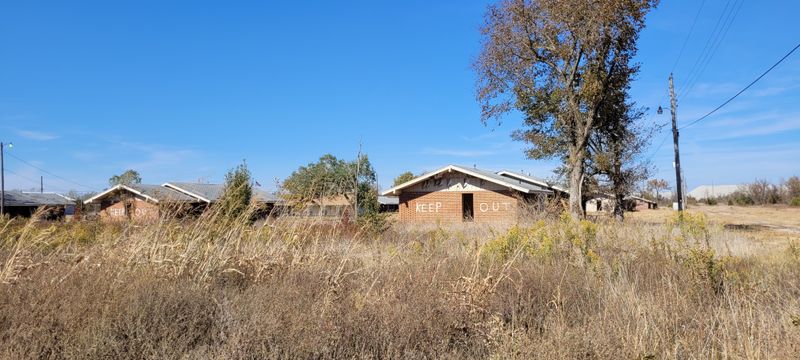
Despite government buyouts and official declarations that Picher is uninhabitable, a small number of holdouts have refused to leave.
These determined individuals maintain their properties amid the ruins, creating isolated pockets of life in an otherwise dead town.
Their reasons for staying vary: some cite deep family roots, others refuse to abandon homes they’ve owned for generations.
A few residents simply cannot afford to relocate or feel too old to start over somewhere new.
Their occupied homes stand out starkly against the surrounding decay, with maintained lawns and functioning utilities creating surreal contrasts.
These holdouts have witnessed Picher’s transformation from thriving community to toxic ghost town firsthand over many decades.
They share stories of the town’s glory days when Main Street bustled with activity and the mines operated around the clock.
Many express mixed feelings about the curious visitors and urban explorers who now treat their hometown as a tourist attraction.
The remaining residents face unique challenges, including limited access to services, isolation, and ongoing health concerns from environmental contamination.
Some have become unofficial guardians of Picher’s history, preserving photographs, documents, and memories that might otherwise be lost.
Their presence adds a human dimension to the ghost town experience, reminding visitors that real lives were lived here.
These individuals represent the last living connection to Picher’s past, and when they eventually leave, the town’s transformation into a complete ghost town will be absolute.
Wildlife Reclamation Patterns
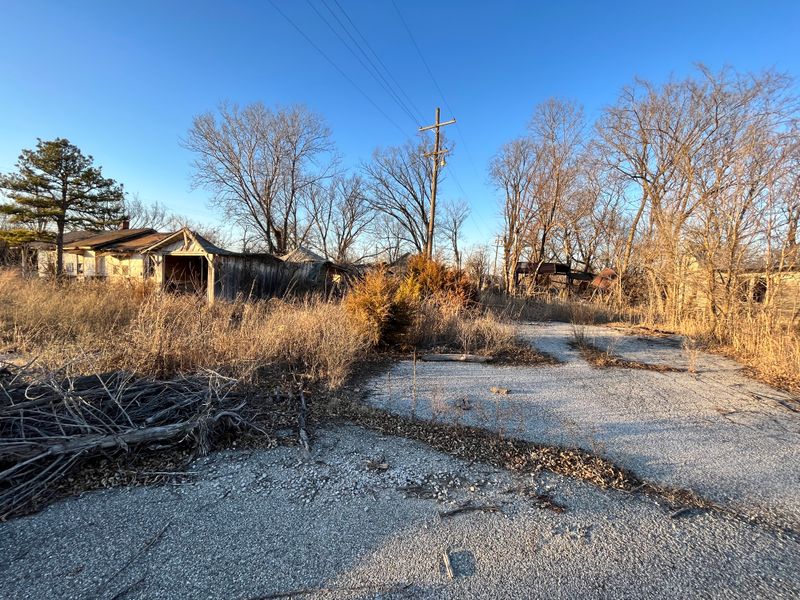
Nature has begun the slow process of reclaiming Picher, creating unexpected habitats in the ruins of human civilization.
White-tailed deer now wander freely through abandoned neighborhoods, browsing on vegetation that sprouts from cracked foundations and collapsed structures.
Birds nest in the exposed rafters of roofless buildings, finding shelter in spaces that once housed mining families.
Trees push through asphalt and concrete, their roots gradually breaking apart the infrastructure that humans worked so hard to build.
The absence of human activity has allowed wildlife populations to flourish despite the environmental contamination present throughout the area.
Coyotes, raccoons, and opossums have established territories among the ruins, adapting to this unusual urban wilderness.
Wildflowers bloom in unexpected places, adding splashes of color to the predominantly gray and rust-toned landscape.
The chat piles, despite their toxicity, support hardy plant species that can tolerate the heavy metal contamination in the soil.
Ecologists study Picher as an example of succession patterns in heavily disturbed environments, documenting how ecosystems respond to industrial abandonment.
The wildlife presence creates a strange juxtaposition where natural beauty emerges from environmental catastrophe.
Photographers capture stunning images of deer silhouetted against chat piles or birds perched on rusted mining equipment.
This reclamation process will continue for centuries as nature slowly erases the evidence of Picher’s century of intensive human activity and environmental exploitation.
Visiting Picher Safely Today
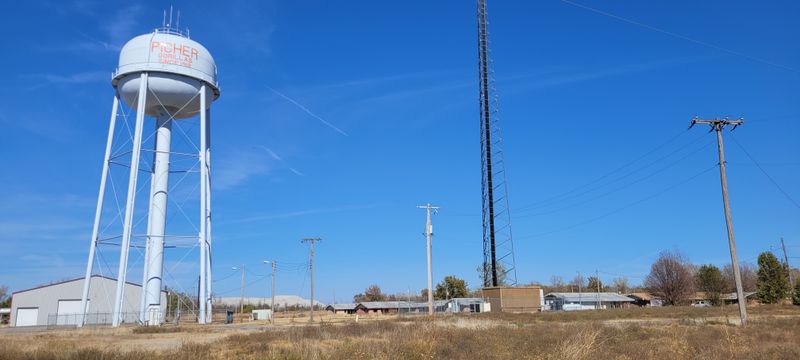
Exploring Picher requires careful planning and awareness of the significant hazards present throughout this toxic ghost town.
The Environmental Protection Agency and local authorities strongly discourage casual visitation due to lead contamination and ground instability.
If you choose to visit, stay in your vehicle when possible and never disturb chat piles or mining waste materials.
Wear protective footwear and clothing that covers your skin to minimize contact with contaminated surfaces and dust.
Never enter any structures, as they are structurally unsound and may collapse without warning, causing serious injury or death.
Watch constantly for subsidence zones and sinkholes that can appear suddenly in roads and open areas.
Bring plenty of water and supplies, as no services exist in Picher and the nearest towns are several miles away.
Respect any occupied properties and the privacy of remaining residents who did not choose to have their hometown become a tourist destination.
Photography is the safest way to experience Picher, allowing you to document the site without directly exposing yourself to hazards.
Consider visiting nearby towns like Miami or Commerce, which offer historical museums with exhibits about the Tri-State Mining District.
The best times to visit are during daylight hours in spring or fall when temperatures are moderate and visibility is good.
Remember that Picher represents a cautionary tale about environmental stewardship and the long-term consequences of prioritizing short-term economic gains over sustainable practices and community health.
Dear Reader: This page may contain affiliate links which may earn a commission if you click through and make a purchase. Our independent journalism is not influenced by any advertiser or commercial initiative unless it is clearly marked as sponsored content. As travel products change, please be sure to reconfirm all details and stay up to date with current events to ensure a safe and successful trip.
