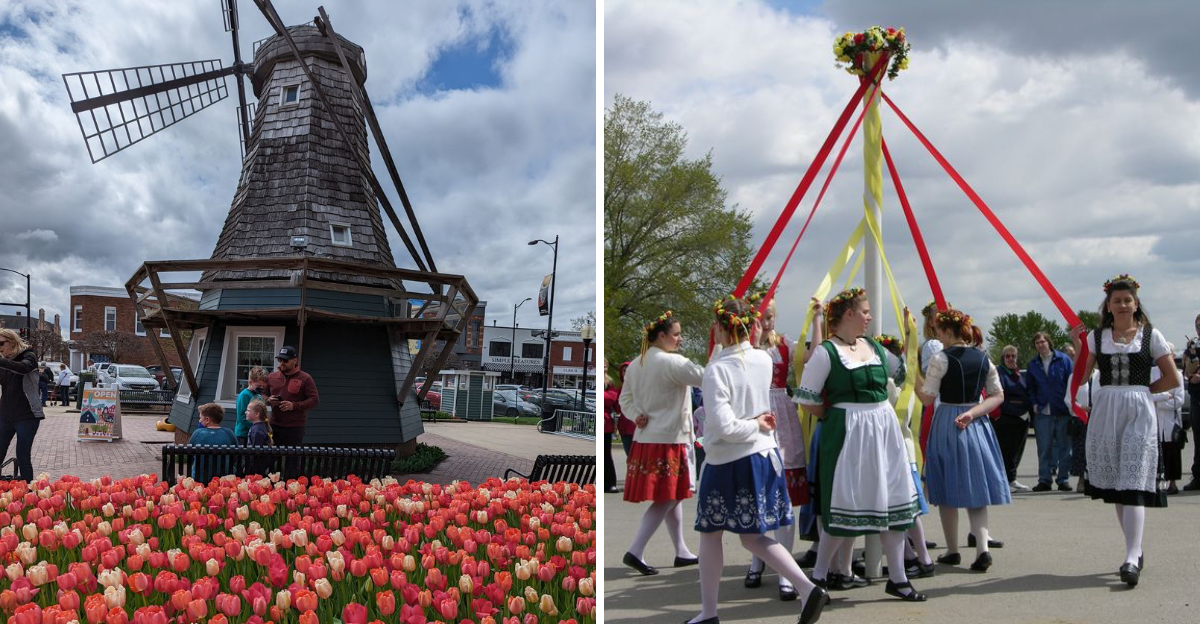
Iowa communities have built vibrant food traditions that celebrate local harvests, family recipes, and seasonal gatherings.
Across the state, small towns and cities host festivals that bring neighbors together over everything from sweet corn to bratwurst.
These events honor the agricultural roots that define Iowa while creating memorable experiences for visitors and residents alike.
This roundup is based on culinary reputation, festival activity, and community engagement, informed by local insight and team research.
Events and food offerings may vary seasonally, and the order reflects editorial judgment rather than a definitive ranking.
1. Pella Hosts the Annual Tulip Time Festival with Dutch Treats
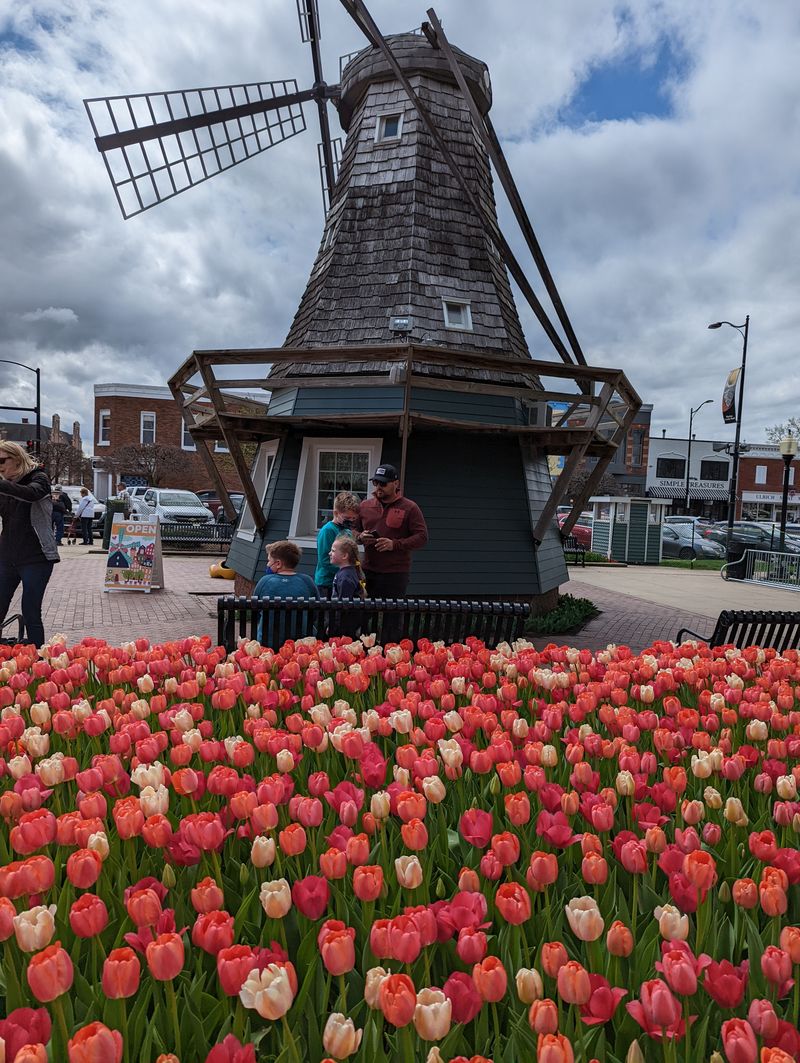
Pella transforms into a slice of the Netherlands each May when thousands of tulips bloom and the aroma of fresh pastries fills the air.
The Tulip Time Festival has been a community tradition since 1935, drawing visitors who want to experience authentic Dutch culture without leaving the Midwest.
Bakeries throughout town prepare stroopwafels, which are thin waffle cookies layered with caramel syrup that becomes wonderfully gooey when placed over a warm cup of coffee.
Local vendors also offer poffertjes, small fluffy pancakes dusted with powdered sugar and served with butter.
Many families have passed down recipes through generations, keeping the flavors as close to their ancestral origins as possible.
The festival features parades where participants wear traditional Dutch costumes and wooden shoes, creating a festive atmosphere that feels both historic and celebratory.
Street scrubbing ceremonies take place in the town square, where residents use brushes and water to clean the brick streets in a nod to Dutch cleanliness traditions.
Visitors can watch demonstrations of Dutch letter making, a labor-intensive process that results in flaky pastries shaped into initials and filled with almond paste.
The letters are often given as gifts or enjoyed with coffee during the festival.
Pella also showcases its windmill, one of the tallest working windmills in the United States, which serves as a backdrop for many festival activities.
The community takes pride in maintaining its heritage while welcoming newcomers to explore the customs that shaped this central Iowa town.
Restaurants extend their menus during Tulip Time to include traditional dishes like erwtensoep, a thick pea soup often served with smoked sausage and rye bread.
The festival offers cooking demonstrations where local chefs explain the techniques behind these classic recipes.
Children enjoy activities like wooden shoe decorating and tulip planting, ensuring the next generation understands the importance of preserving cultural traditions.
The event has grown over the decades but retains its small-town charm, with volunteers from the community organizing most aspects of the celebration.
Visitors often return year after year, drawn by the combination of beautiful flowers, rich history, and delicious food that defines this Iowa gathering.
Pella demonstrates how a community can honor its roots while creating an inclusive event that welcomes people from all backgrounds to share in the joy of good food and vibrant traditions.
2. Wilton Celebrates National Candy Corn Day with Sweet Festivities
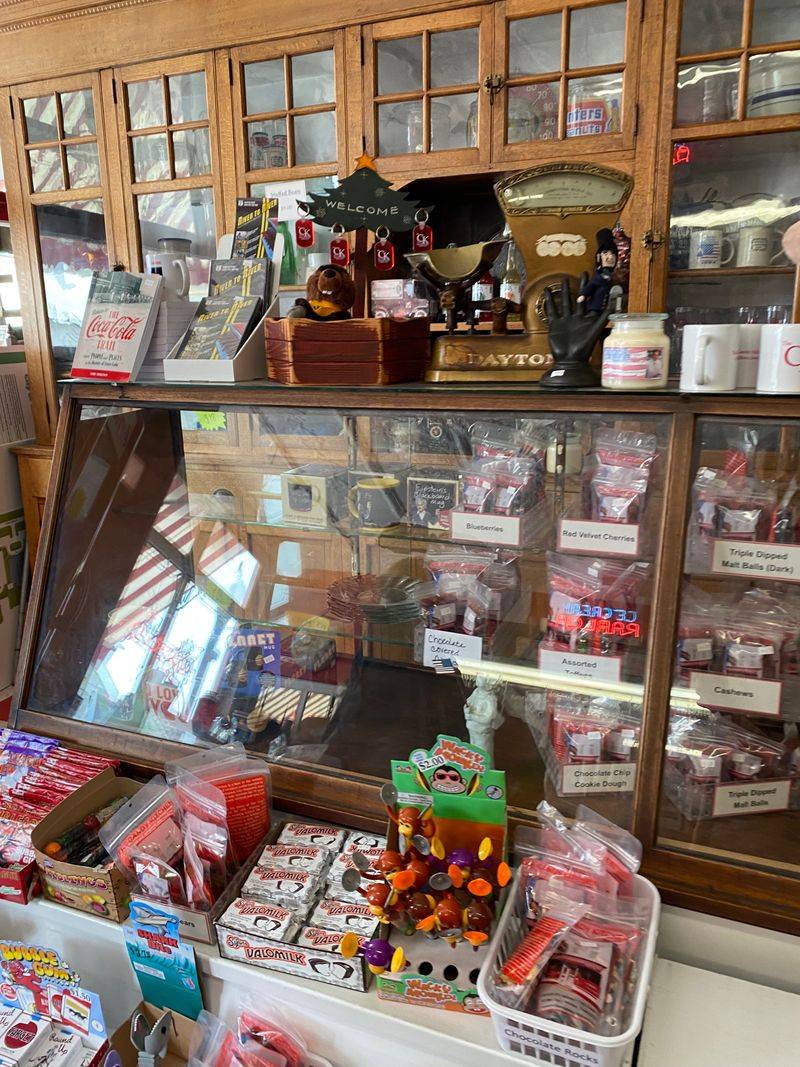
Wilton claims the title of Candy Corn Capital of the World, a distinction that might surprise visitors to this quiet town in eastern Iowa.
The community hosts an annual celebration each October that revolves entirely around the iconic tri-colored treat.
The tradition began when the Wilton Candy Kitchen, established in 1910, became known for its handmade confections and old-fashioned soda fountain.
Generations of families have stopped by the shop to enjoy ice cream sundaes and purchase candy made on-site.
The National Candy Corn Day celebration features a parade where participants dress in orange, yellow, and white costumes.
Local businesses decorate their storefronts with candy corn themes, and the town square hosts vendors selling candy corn-flavored everything from popcorn to cookies.
One popular activity involves guessing the number of candy corn pieces in a large jar, with the winner receiving a year’s supply of the candy.
The festival also includes live music, craft booths, and food stands offering classic fair treats alongside candy corn-inspired creations.
Some vendors experiment with candy corn fudge, candy corn Rice Krispies treats, and even candy corn pizza, though the latter often sparks debate among purists.
The Wilton Candy Kitchen remains the heart of the celebration, with extended hours during the festival weekend.
Visitors can watch candy makers at work, a process that involves boiling sugar, adding flavors, and carefully pouring the mixture into molds.
The shop maintains many original features, including vintage soda fountain equipment and wooden booths that have served countless customers over more than a century.
Families often make the trip to Wilton specifically for the nostalgic atmosphere and the chance to taste candy made using traditional methods.
The festival highlights how a small Iowa community can build an identity around a simple pleasure like candy.
Beyond the sweets, the event fosters community pride and brings together residents who volunteer their time to make the celebration successful.
Children participate in coloring contests with candy corn themes, and local schools often incorporate the festival into their fall curriculum.
The celebration has grown steadily over the years, attracting visitors from neighboring states who appreciate the quirky charm of a town dedicated to candy corn.
Wilton proves that food traditions need not be elaborate to create lasting memories and strong community bonds.
The festival serves as a reminder that sometimes the simplest treats carry the most nostalgia and bring people together in meaningful ways.
3. Madison County Showcases Covered Bridges and Apple Harvest Traditions
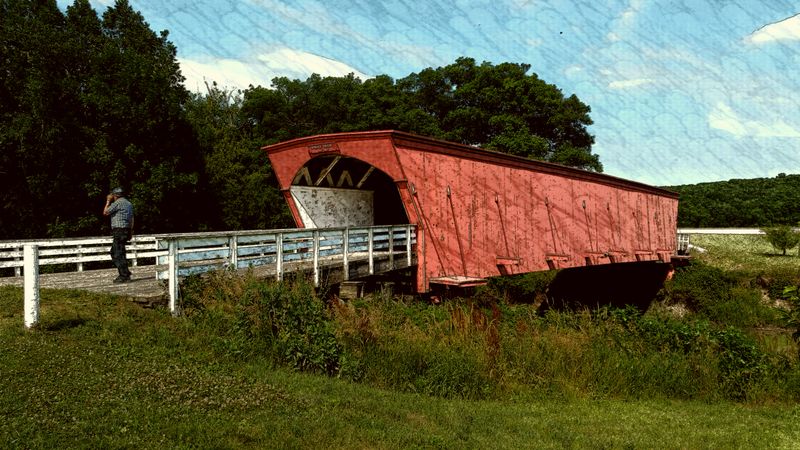
Madison County gained fame from the novel and film about its covered bridges, but locals know the area equally well for its apple orchards and fall harvest celebrations.
Each October, the county hosts events that combine scenic drives past historic bridges with visits to orchards where families pick apples and sample fresh cider.
The covered bridges themselves date back to the late 1800s and were built to protect the wooden structures from Iowa weather.
Today, six bridges remain, each offering a picturesque setting for photos and picnics.
The fall harvest season brings additional charm as the surrounding trees display vibrant reds, oranges, and yellows.
Apple orchards throughout the county open their doors for picking season, offering varieties that range from tart Granny Smiths to sweet Honeycrisps.
Many orchards have been family-owned for generations, with knowledge about grafting, pruning, and pest management passed down through the years.
Visitors can purchase fresh apples by the bushel or sample products like apple butter, apple cider donuts, and caramel apples.
Some farms offer hayrides through the orchards, providing a relaxing way to see the property and learn about apple cultivation.
The Madison County Covered Bridge Festival takes place annually and features craft vendors, live entertainment, and food stands serving apple-themed dishes.
Local cooks compete in pie-baking contests, with judges evaluating crust texture, filling flavor, and overall presentation.
Winning recipes often become family treasures, shared only with close relatives or friends.
The festival also includes demonstrations of traditional crafts like basket weaving and blacksmithing, offering a glimpse into the skills that sustained rural communities in earlier times.
Visitors can tour the bridges by car or bicycle, following mapped routes that highlight the history and architecture of each structure.
Interpretive signs provide information about construction techniques and the role these bridges played in connecting rural areas.
The combination of natural beauty, historic landmarks, and agricultural traditions makes Madison County a popular destination for day trips and weekend getaways.
Restaurants in the area feature seasonal menus that incorporate local apples, from salads with apple slices to pork dishes glazed with apple cider reduction.
The emphasis on local ingredients reflects a broader trend in Iowa toward celebrating regional flavors and supporting nearby farms.
Madison County demonstrates how communities can honor their history while adapting to modern tourism interests, creating experiences that appeal to both nostalgia seekers and those discovering the area for the first time.
4. Le Mars Holds the Title of Ice Cream Capital with Blue Bunny Roots
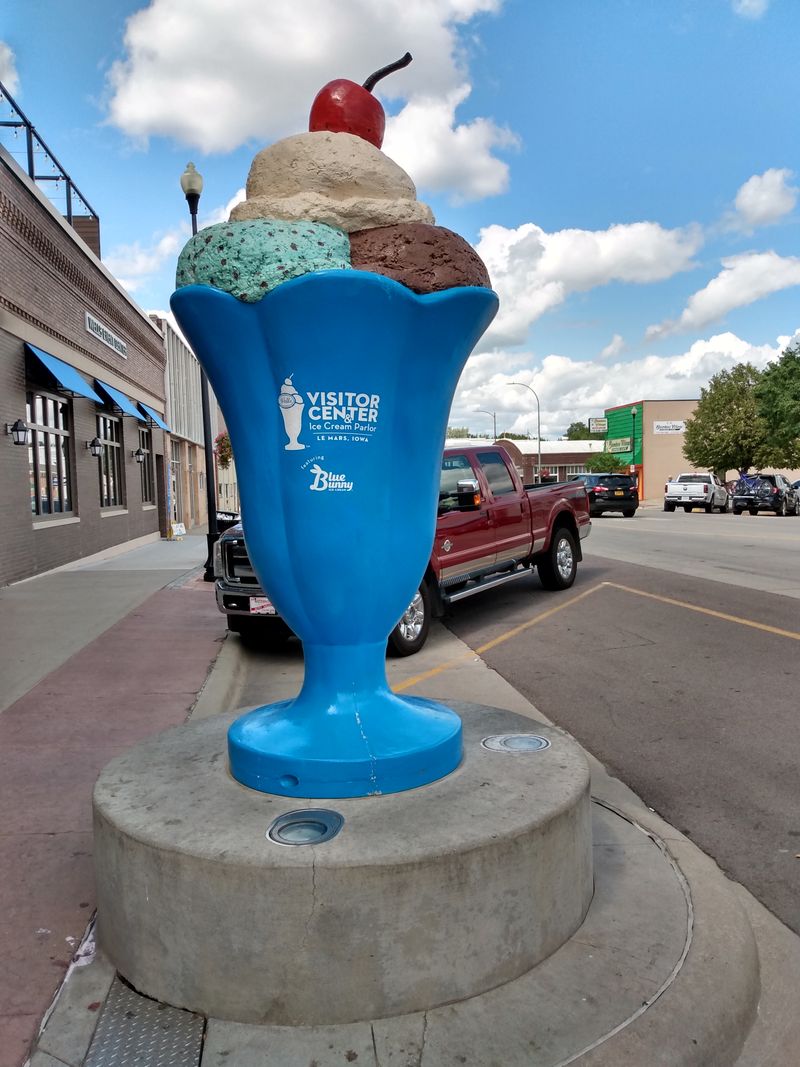
Le Mars earned its designation as Ice Cream Capital of the World thanks to the presence of Wells Enterprises, the company behind Blue Bunny ice cream.
The northwestern Iowa community celebrates this sweet claim with an annual Ice Cream Days festival each June.
The event features free ice cream served to thousands of visitors, with volunteers scooping countless cones throughout the day.
The tradition began decades ago as a way to thank the community for supporting the local ice cream industry.
Wells Enterprises started as a small operation in 1913 and grew into one of the largest family-owned ice cream manufacturers in the country.
The company offers tours of its facilities, where visitors can see the production process and learn about the science behind creating smooth, creamy ice cream.
The Ice Cream Capital Visitor Center provides additional history, showcasing vintage equipment and photographs that document the evolution of ice cream making in Le Mars.
During Ice Cream Days, the town hosts parades, live music, and carnival rides, creating a festive atmosphere that appeals to all ages.
Local businesses participate by offering ice cream-themed specials, from ice cream sandwiches to milkshakes made with unique flavor combinations.
The festival also includes an ice cream eating contest, where participants race to consume as much ice cream as possible within a set time limit.
Winners receive trophies and, of course, more ice cream.
Children enjoy activities like face painting, bounce houses, and games that keep them entertained throughout the day.
The celebration brings together residents and visitors who share an appreciation for this classic dessert.
Le Mars takes pride in its ice cream heritage, with many families having worked for Wells Enterprises over multiple generations.
The company remains a major employer in the area, contributing to the local economy and supporting community initiatives.
Restaurants and diners throughout Le Mars feature ice cream prominently on their menus, often creating signature sundaes or floats that become local favorites.
The emphasis on quality and tradition resonates with visitors who remember enjoying Blue Bunny products during their own childhoods.
The festival also highlights the agricultural connections that make ice cream production possible, with local dairy farms supplying milk and cream used in manufacturing.
This farm-to-factory relationship underscores the importance of agriculture to Iowa communities.
Le Mars demonstrates how a single industry can shape a town’s identity and create traditions that endure for generations.
The Ice Cream Days festival serves as a reminder that simple pleasures like a cold cone on a hot summer day can bring people together and create lasting memories.
5. Adel Gathers Annually for Sweet Corn Festival Celebrating Local Harvests
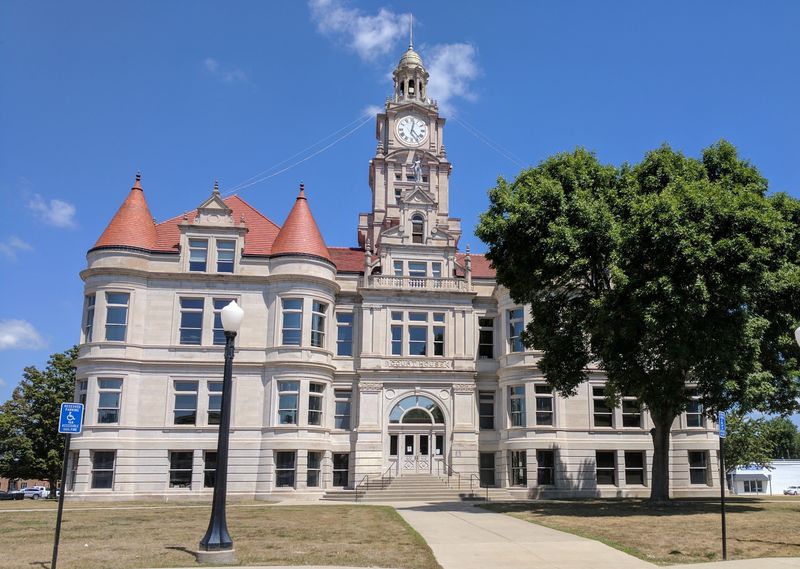
Adel hosts one of Iowa’s most beloved food festivals each summer, focusing entirely on sweet corn harvested from nearby farms.
The Sweet Corn Festival has been a community tradition for decades, drawing thousands of visitors who come to enjoy corn prepared in various ways.
Volunteers grill and boil massive quantities of corn, serving it hot with butter and salt to long lines of eager attendees.
The corn comes from local fields, picked at peak ripeness to ensure maximum sweetness and tenderness.
Farmers coordinate with festival organizers to time the harvest so the corn arrives fresh on the day of the event.
This attention to quality has made the festival a must-attend event for corn enthusiasts throughout the state.
Beyond the corn itself, the festival features a full day of entertainment including live music, a parade, and activities for children.
Craft vendors set up booths selling handmade items, from jewelry to woodwork, providing opportunities to support local artisans.
Food stands offer additional options like pork sandwiches, funnel cakes, and lemonade, ensuring no one leaves hungry.
The festival takes place in a park setting, with shaded areas where families can spread blankets and enjoy their meals.
The relaxed atmosphere encourages people to linger, reconnect with neighbors, and make new friends.
Adel benefits from its proximity to Des Moines, making it an easy day trip for urban residents seeking a taste of small-town Iowa.
The Sweet Corn Festival highlights the agricultural heritage that defines much of the state, celebrating a crop that has been a staple of Midwestern diets for generations.
Sweet corn requires careful cultivation, with farmers monitoring soil conditions, moisture levels, and pest activity throughout the growing season.
The festival provides an opportunity to recognize the hard work that goes into producing the food we often take for granted.
Children participate in corn-themed contests, including corn shucking races and competitions to see who can eat an ear of corn the fastest.
These activities teach younger generations about where their food comes from while keeping the event fun and engaging.
The festival also includes informational displays about corn production, sustainable farming practices, and the role of agriculture in Iowa’s economy.
Local schools sometimes organize field trips to the festival, incorporating it into lessons about nutrition and farming.
Adel demonstrates how a community can rally around a single crop to create an event that celebrates local culture and brings people together.
The Sweet Corn Festival has become a tradition that families plan their summers around, marking the height of the growing season with good food and good company.
6. Amana Colonies Preserve German Heritage Through Food and Craft Traditions
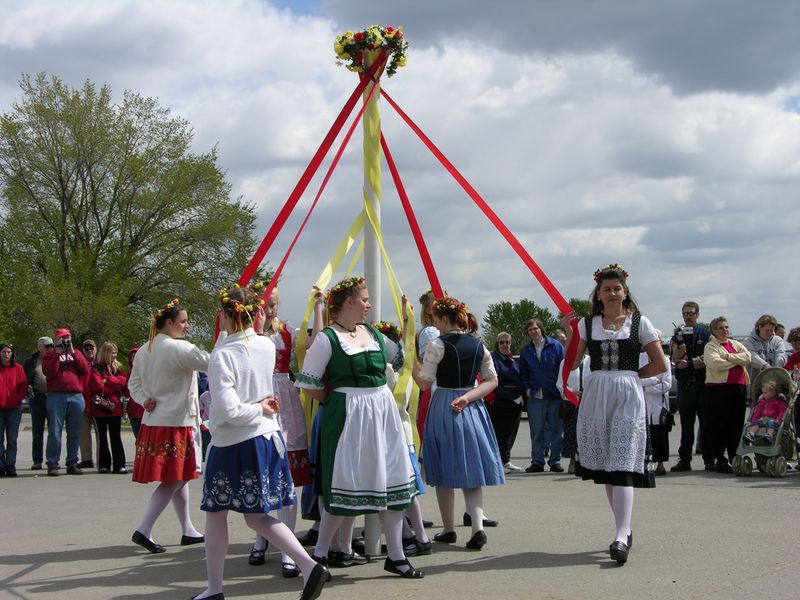
The Amana Colonies consist of seven villages in eastern Iowa that were established by German immigrants seeking religious freedom in the mid-1800s.
These communities maintained a communal lifestyle for nearly a century, sharing meals in communal kitchens and working together to sustain their settlements.
Today, the colonies preserve their German heritage through restaurants, bakeries, and festivals that showcase traditional foods and crafts.
Visitors can explore historic buildings, many of which have been converted into shops and museums that tell the story of the Amana people.
The colonies host several food-focused events throughout the year, including Oktoberfest celebrations that feature German music, dancing, and cuisine.
Restaurants serve hearty dishes like sauerbraten, schnitzel, and bratwurst, prepared using recipes that have been passed down through families for generations.
The emphasis on tradition extends to the preparation methods, with many establishments still making sausages and smoking meats on-site.
Bakeries throughout the colonies offer fresh-baked breads, pastries, and cakes that reflect German baking traditions.
One specialty is the Amana bread, a dense, slightly sweet loaf that pairs well with butter or jam.
Another popular item is the chocolate cake, made with rich cocoa and frosted with thick chocolate icing.
Craft traditions remain strong in the Amana Colonies, with artisans producing furniture, baskets, and woolen goods using techniques learned from earlier generations.
Visitors can watch craftspeople at work, gaining appreciation for the skill and patience required to create these items by hand.
The colonies host a Maifest celebration each spring, featuring maypole dances, craft demonstrations, and food vendors selling traditional German fare.
The event marks the arrival of warmer weather and the beginning of the growing season.
Families stroll through the villages, stopping at shops and restaurants to sample foods and purchase handmade goods.
The Amana Heritage Museum provides context for the colonies’ history, displaying artifacts and photographs that document daily life in the communal era.
Understanding this background helps visitors appreciate the dedication required to preserve these traditions in a modern world.
The colonies demonstrate how cultural heritage can be maintained through food, craft, and community celebration.
Restaurants and shops in the Amana Colonies remain family-owned, ensuring that the knowledge and traditions continue to be passed to younger generations.
The commitment to authenticity and quality has made the colonies a popular destination for those seeking a genuine taste of German-American culture in Iowa.
Dear Reader: This page may contain affiliate links which may earn a commission if you click through and make a purchase. Our independent journalism is not influenced by any advertiser or commercial initiative unless it is clearly marked as sponsored content. As travel products change, please be sure to reconfirm all details and stay up to date with current events to ensure a safe and successful trip.
