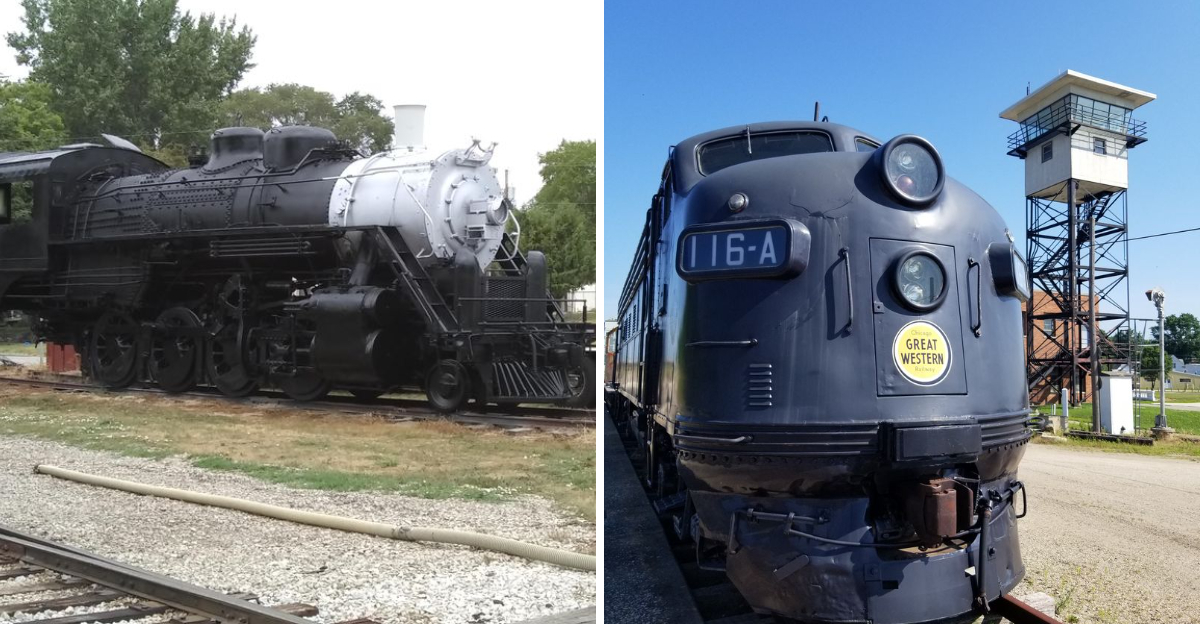
Iowa’s railroad heritage runs deep through the Heartland, connecting small towns and big cities for generations.
The state played a crucial role in America’s westward expansion, and today, you can still witness that history firsthand.
Scattered across Iowa are fascinating museums where vintage locomotives, cabooses, and freight cars stand ready for exploration.
Walking among these giants of the past offers a unique window into how railroads shaped communities and commerce.
Many of these sites let you climb aboard authentic equipment, peek inside engineer cabs, and imagine the rumble of wheels on steel.
From restored depots to living history villages, each location tells its own compelling story.
Whether you’re a railroad enthusiast or simply curious about Iowa’s past, these outdoor displays provide hands-on history lessons that textbooks can’t match.
1. Boone & Scenic Valley Railroad & James H. Andrew Railroad Museum
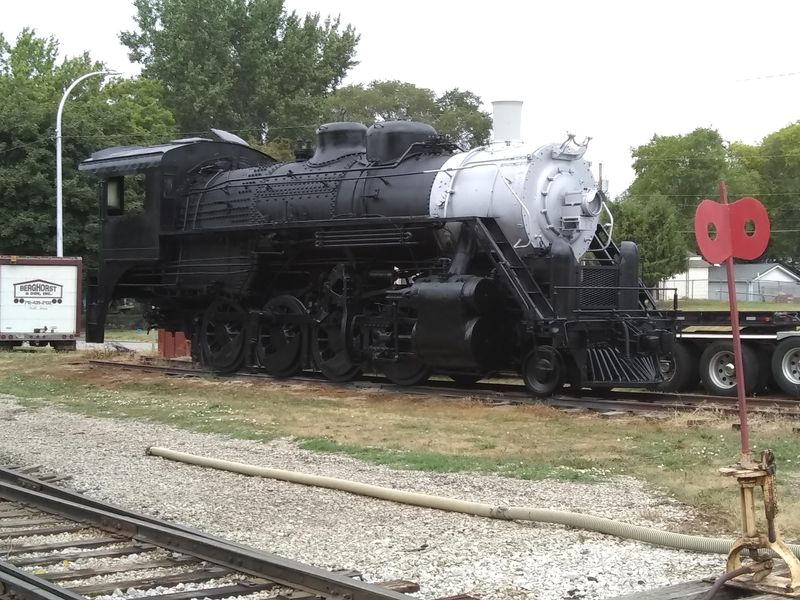
Vintage train excursions are just the beginning at this remarkable destination located at 225 10th St in Boone.
An impressive collection of rolling stock awaits visitors who want to get up close with railroad history.
Various locomotives stand proudly alongside freight cars and passenger cars, each telling its own story of Iowa’s transportation past.
Walking through these outdoor static displays feels like stepping back in time to when railroads ruled the landscape.
The museum doesn’t stop with just one type of railroad equipment.
A separate building houses the Electric Interurban Museum, where historic trolleys capture a different chapter of public transportation.
Families appreciate how accessible the displays are, allowing kids to see the massive wheels and intricate machinery that once powered commerce across the Midwest.
Photographers find endless angles among the weathered paint and polished brass fittings.
Railroad enthusiasts can spend hours examining the different car types and understanding how each served specific purposes.
The combination of ride-along experiences and static displays makes this one of Iowa’s most comprehensive railroad attractions.
Seasonal events often bring additional activities, transforming the museum grounds into a celebration of rail heritage.
Visiting here means experiencing both the romance of steam travel and the nitty-gritty details of how these iron horses actually worked.
2. Rails West History Museum
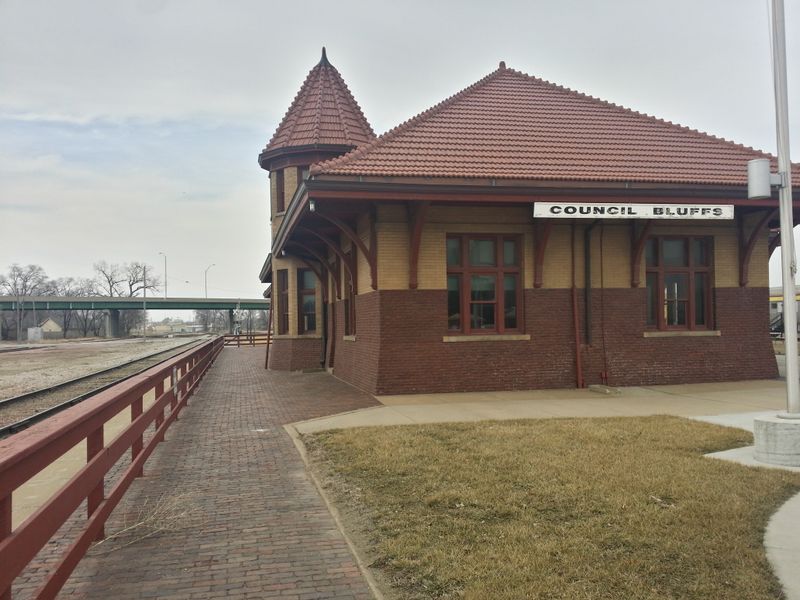
Council Bluffs holds a special place in transcontinental railroad history, and this museum at 1512 S Main St honors that legacy beautifully.
The restored 1899 depot building itself represents architectural charm from the golden age of rail travel.
Inside, you’ll discover train memorabilia that brings the era to life through photographs, equipment, and personal stories.
Step outside, though, and the real adventure begins among authentic train cars and engines.
Several old rail cars sit ready for boarding, inviting guests to climb aboard and explore their interiors.
Walking through a vintage passenger car reveals the surprisingly elegant accommodations travelers once enjoyed on cross-country journeys.
Freight cars show the industrial side of railroading, with their sturdy construction designed to haul everything from grain to manufactured goods.
Engines on display demonstrate the raw power required to pull these heavy loads across Iowa’s prairies and beyond.
Children love clambering up the steps and pretending to be conductors or engineers.
The outdoor area provides plenty of space to circle around the equipment, examining it from every angle.
Interpretive signs help visitors understand what they’re seeing and why each piece mattered to railroad operations.
This museum successfully combines preservation with accessibility, making history tangible rather than just something to read about behind glass cases.
3. Midwest Old Threshers Reunion
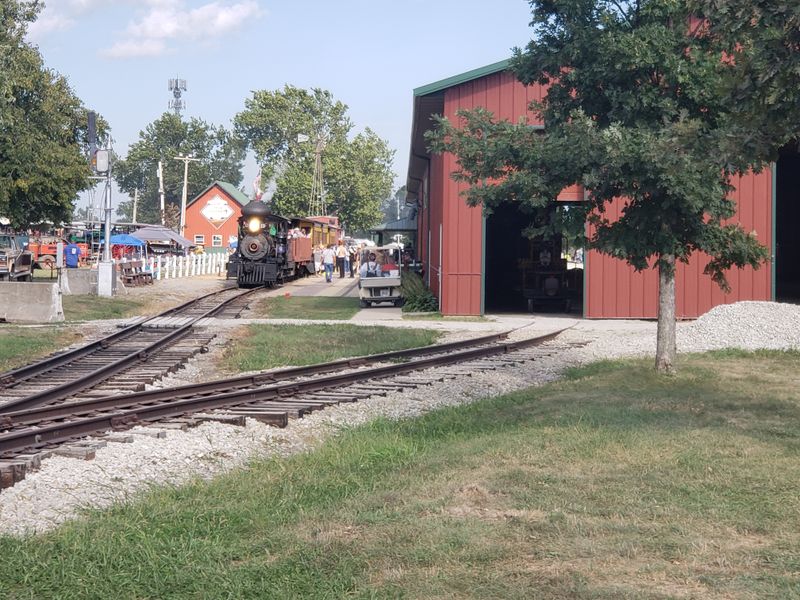
Mount Pleasant becomes a living museum every year when the annual reunion event draws history lovers from across the region to 405 E Thresher Rd.
Even beyond the festival dates, this site maintains an incredible collection of transportation history.
Operating narrow-gauge railroad tracks wind through the property, complete with working steam locomotives that occasionally come to life.
An electric trolley line adds another dimension, showcasing how urban transportation evolved alongside long-distance rail.
Throughout the expansive grounds, static displays of railroad equipment create an outdoor gallery of industrial heritage.
Freight cars of various vintages show how cargo handling changed over the decades.
Passenger cars range from basic coaches to more elaborate designs that once carried well-to-do travelers in style.
The variety here is remarkable, giving visitors a comprehensive look at different railroad eras and purposes.
Walking paths allow close inspection of the equipment without barriers that might block your view.
Some cars are open for boarding, letting you experience the scale and layout firsthand.
The site’s commitment to preservation extends beyond railroads to agricultural machinery and other historical equipment, creating a complete picture of rural Iowa life.
Spending time here means connecting with the technological innovations that transformed farming communities and connected them to distant markets.
4. Union Pacific Railroad Museum
Council Bluffs claims another railroad treasure at 200 Pearl St, where Union Pacific’s legacy comes alive through thoughtful exhibits.
The main museum building focuses on interactive displays that engage visitors with railroad history through technology and storytelling.
However, the outdoor component shouldn’t be overlooked during your visit.
Full-sized, static trains sit on display next to a paved pathway that makes viewing accessible for everyone.
These massive machines can be seen from the museum complex, creating dramatic photo opportunities against the Iowa sky.
The location emphasizes Union Pacific’s continuing importance to American commerce and transportation.
Seeing actual locomotives and cars up close helps visitors grasp the engineering challenges railroad builders overcame.
The weight, size, and mechanical complexity become apparent when you’re standing beside wheels taller than most people.
Unlike some museums where outdoor equipment deteriorates from neglect, these displays receive proper care and maintenance.
Paint schemes often reflect historically accurate colors and markings that help identify different eras and purposes.
The paved pathway means you can comfortably walk around the equipment regardless of weather conditions.
Combining indoor exhibits with outdoor displays creates a well-rounded experience that appeals to casual visitors and serious railroad historians alike.
This museum successfully bridges past and present, showing how railroads continue shaping Iowa’s economy today.
5. Hub City Heritage Corporation Railway Museum
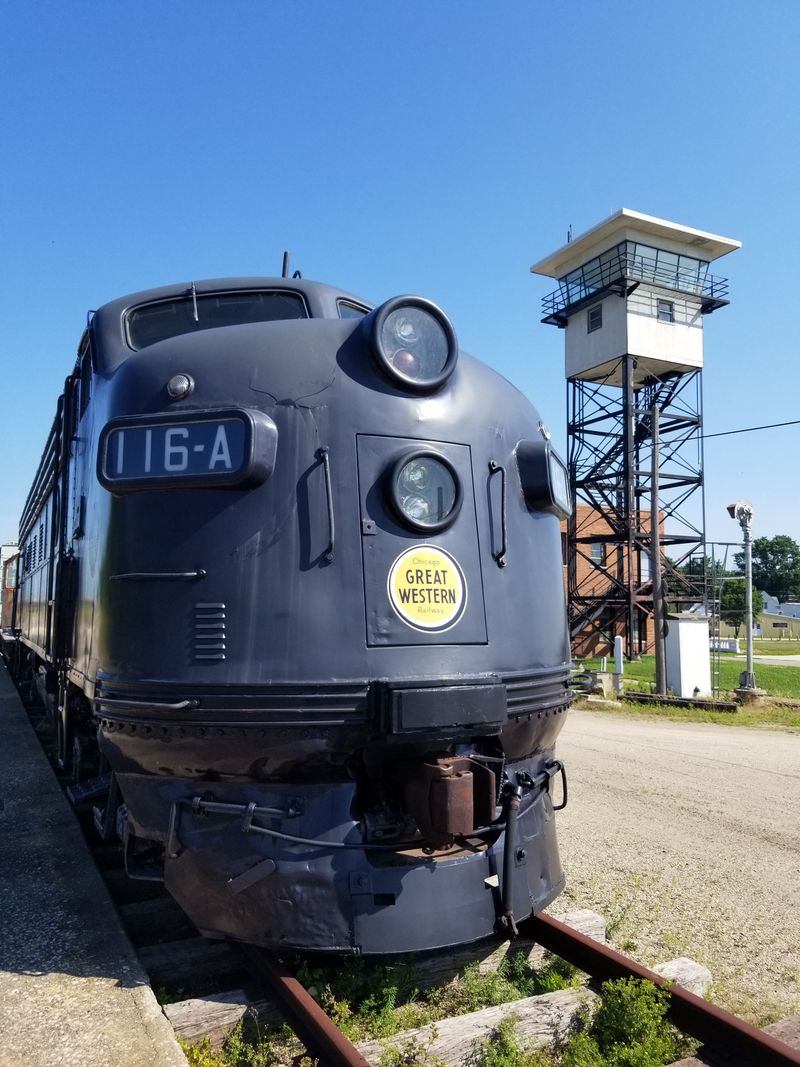
Oelwein earned its nickname as a railroad hub through decades of importance to multiple rail lines converging in this community.
The museum at 26 2nd Ave SW preserves that significant local history with dedication and pride.
Local volunteers have worked tirelessly to maintain rolling stock and equipment that represents the area’s railroad heritage.
Outdoor displays feature cars and machinery relevant to Oelwein’s specific role in Iowa’s rail network.
What makes this museum special is its deep connection to the community it serves.
Families who worked for the railroads donated artifacts and shared stories that bring context to the physical equipment.
Walking among the outdoor displays, you’re seeing the actual tools and vehicles that local residents depended on for their livelihoods.
The museum doesn’t try to compete with larger institutions in terms of quantity.
Instead, it focuses on quality and local relevance, making every piece meaningful to understanding Oelwein’s identity.
Smaller museums like this often provide more intimate experiences where you can really absorb the details.
Without crowds, you can take your time examining rivets, reading placards, and imagining the daily work that happened around this equipment.
Supporting community museums helps preserve local history that might otherwise disappear as generations pass.
Visiting here means connecting with real people’s lives, not just abstract railroad history.
6. Rock Island Train Depot
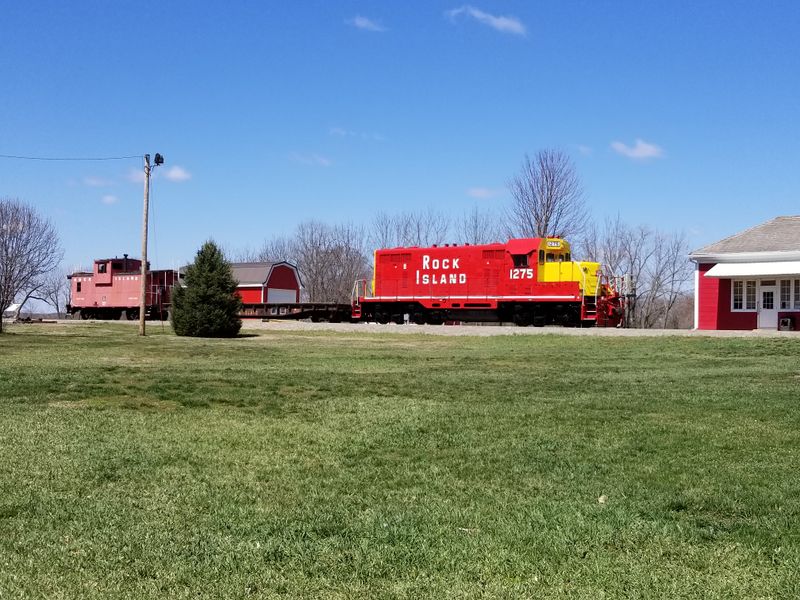
Manly’s restored depot at 405 Kd Ave serves as both museum and community gathering space, keeping railroad heritage alive in this small Iowa town.
The building itself represents classic depot architecture that once welcomed travelers and shipped local goods to distant markets.
Inside, exhibits tell stories of how the railroad shaped this community’s development and daily life.
Outside, several pieces of railroad equipment provide hands-on history lessons.
Cabooses particularly fascinate visitors because these distinctive cars represent a vanished aspect of railroad operations.
Crews once lived in these rolling homes during long hauls, and exploring one reveals surprisingly cozy quarters.
The outdoor displays are available for viewing and often for boarding, depending on the season and weather conditions.
Small town museums like this one operate largely through volunteer efforts and community support.
The personal touch shows in the care given to maintaining the equipment and grounds.
You might encounter local residents who remember when the depot was a bustling center of activity.
Their firsthand accounts add depth that signs and plaques simply can’t match.
Visiting during special events often brings additional activities and opportunities to learn more about railroad operations.
The depot’s preservation demonstrates how communities value their heritage and work to share it with future generations.
Even a brief stop here enriches your understanding of rural Iowa’s connection to the broader railroad network.
7. Kate Shelley Railroad Museum
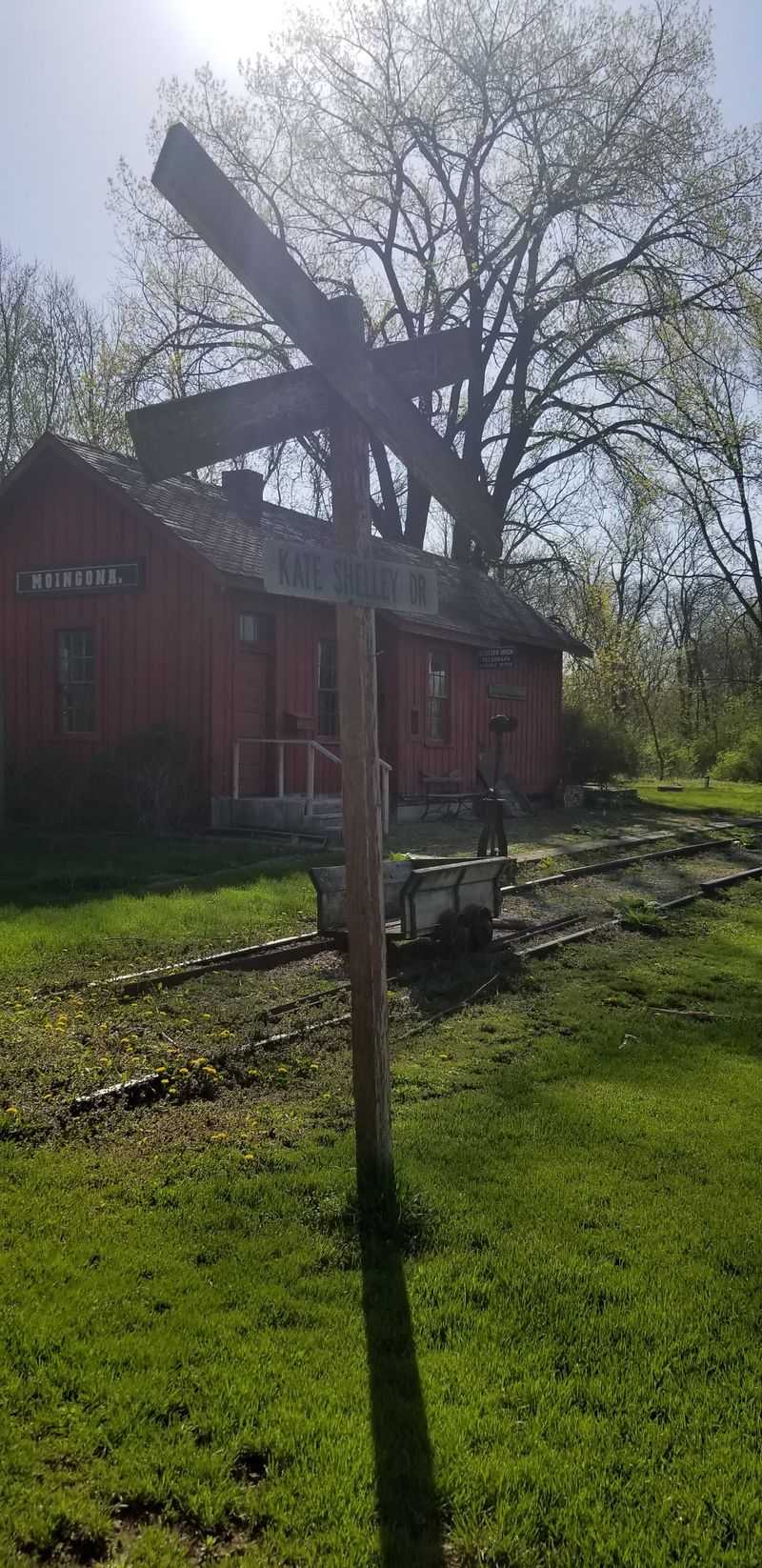
Moingona’s museum at 1198 232nd St honors one of Iowa’s most remarkable heroes, teenage Kate Shelley.
Her brave actions during a terrible storm saved countless lives and earned her legendary status in railroad history.
The restored depot tells her incredible story through exhibits that capture both the danger she faced and the recognition she received.
Static displays of railroad equipment nearby help visitors understand the technology Kate risked her life to protect.
Seeing actual locomotives and cars makes her nighttime crawl across a damaged bridge even more harrowing to imagine.
The outdoor displays connect directly to the museum’s narrative, showing what was at stake that stormy night.
Equipment from the era helps recreate the context of railroad operations when Kate performed her heroic deed.
Families find this museum particularly meaningful because it centers on a young person making a courageous choice.
Children can relate to Kate’s age while marveling at her bravery in circumstances most adults would find terrifying.
The location itself holds significance, sitting near the actual bridge where the drama unfolded.
Walking the grounds creates a powerful connection to events that happened generations ago but still inspire today.
Railroad history often focuses on engineers, tycoons, and technical achievements.
This museum reminds us that ordinary people, including teenagers, played crucial roles in keeping the trains running safely.
8. Chicago, Burlington & Quincy Restored Depot
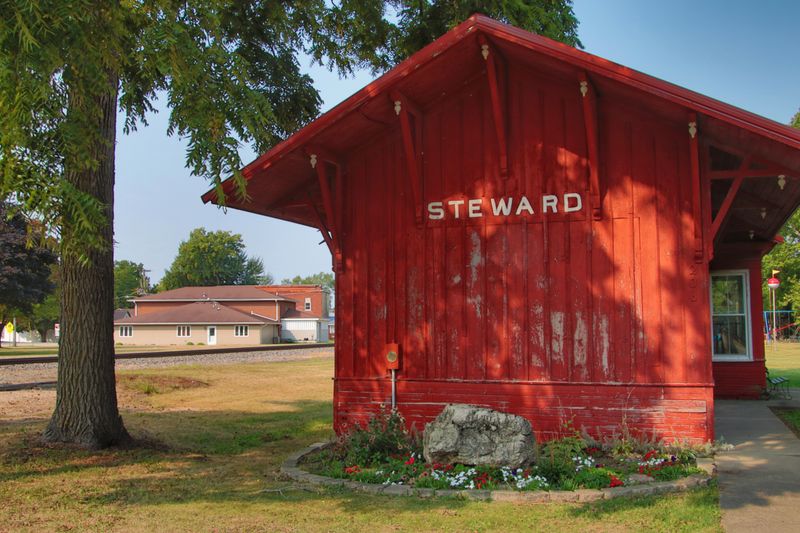
Southern Iowa’s railroad heritage comes alive at this restored historic depot that once served the Chicago, Burlington & Quincy line.
The building represents an era when even small towns had impressive depot facilities reflecting the railroad’s importance.
Architectural details reveal the craftsmanship that went into structures meant to impress travelers and serve communities.
Static outdoor displays include a caboose that visitors can view and sometimes board.
These distinctive red cars became symbols of railroading, though modern operations no longer require them.
Examining a caboose reveals the cramped quarters where crew members worked and rested during long hauls.
The cupola on top allowed crew to watch for problems along the train, a safety feature that saved countless lives.
Inside the depot, you’ll find artifacts and photographs documenting local railroad operations and the families who depended on them.
The combination of restored building and outdoor equipment creates a complete picture of depot life.
You can imagine passengers waiting on the platform, freight being loaded and unloaded, and telegraph messages clicking through with schedules and news.
Small depots like this one were communication hubs long before telephones became common in rural areas.
Preservation efforts here demonstrate community pride in railroad heritage and commitment to sharing it with visitors.
Stopping by offers a peaceful moment to reflect on how railroads connected isolated communities to the wider world.
9. Depot-Caboose Riverfront Park
Lansing combines natural beauty with railroad heritage at this scenic location along the Mississippi River at 725 Northside Rd.
The preserved depot building anchors the park, providing historical context for the area’s development.
A caboose serves as a small museum or display, offering visitors an accessible look at railroad history.
The riverfront setting makes this more than just a railroad museum, creating a pleasant destination for families and travelers.
You can explore the railroad displays and then enjoy the park’s other amenities and river views.
The caboose’s bright red paint makes it a popular photo subject, especially with the Mississippi River as backdrop.
Inside, displays explain the caboose’s role in railroad operations and the crews who worked in these confined spaces.
The park demonstrates how communities can repurpose railroad artifacts into public attractions that benefit everyone.
Rather than letting historic equipment decay, Lansing integrated it into a recreational space that draws visitors.
Families appreciate having multiple reasons to stop, from history lessons to playground equipment to scenic views.
The depot building often hosts community events, keeping it relevant to modern life while honoring its past.
This approach to preservation ensures that younger generations encounter railroad history naturally rather than only in formal museum settings.
Visiting here means enjoying Iowa’s natural beauty while connecting with the transportation history that helped settle the region.
10. The Fort Museum and Frontier Village
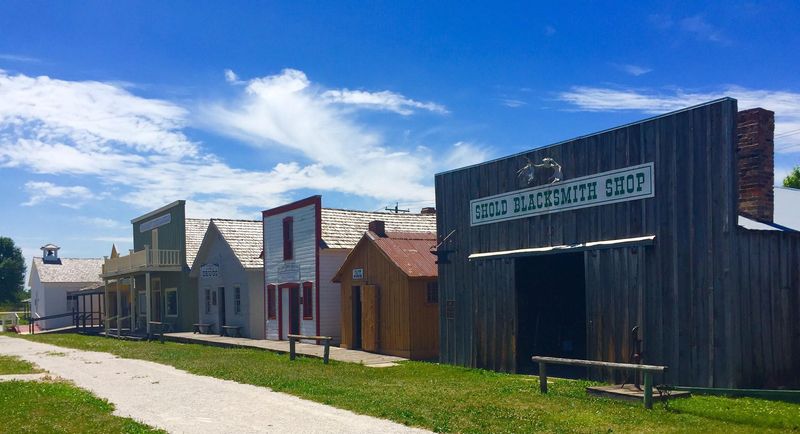
Fort Dodge’s expansive outdoor attraction at 1 Museum Rd takes visitors back to the frontier era through reconstructed buildings and authentic artifacts.
While not exclusively focused on railroads, this living history museum includes substantial transportation history among its many exhibits.
The town’s founding and development depended heavily on various transportation methods that connected it to growing markets.
Historic railroad equipment appears among the broader collection of vehicles and machinery that powered Iowa’s growth.
Walking through the reconstructed village provides context for understanding how railroads fit into frontier life.
Before trains arrived, communities struggled with isolation and limited access to goods and information.
The railroad displays show how transformative this technology was for places like Fort Dodge.
Visitors can explore the equipment as part of a larger journey through different aspects of frontier existence.
The village format makes history tangible, letting you imagine daily life in early Iowa communities.
Children particularly enjoy the interactive nature of wandering through different buildings and areas.
Each structure and artifact contributes to a comprehensive picture of how people lived, worked, and traveled.
The transportation elements complement displays about commerce, agriculture, and domestic life.
This holistic approach helps visitors understand railroads not as isolated technology but as part of broader social and economic changes.
Spending time here means experiencing Iowa history through multiple lenses, creating richer understanding than single-focus museums can provide.
Dear Reader: This page may contain affiliate links which may earn a commission if you click through and make a purchase. Our independent journalism is not influenced by any advertiser or commercial initiative unless it is clearly marked as sponsored content. As travel products change, please be sure to reconfirm all details and stay up to date with current events to ensure a safe and successful trip.
