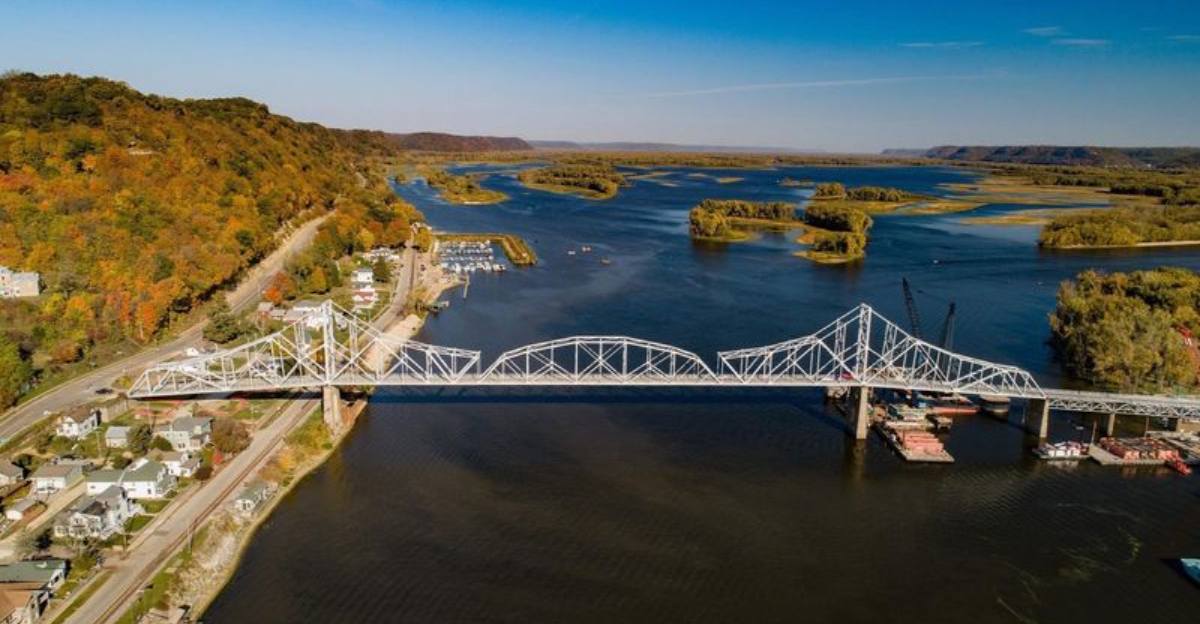
Iowa stretches across the heartland with roads that wind through landscapes most people never expect to find between the coasts.
Rolling hills fade into river bluffs, cornfields give way to hardwood forests, and every turn offers something worth slowing down for.
These scenic drives reveal a side of the state that defies the flat stereotype and invites you to lose track of time behind the wheel.
Whether you crave autumn color, limestone cliffs, or quiet river valleys, Iowa delivers routes that make the journey more memorable than the destination.
1. Great River Road National Scenic Byway
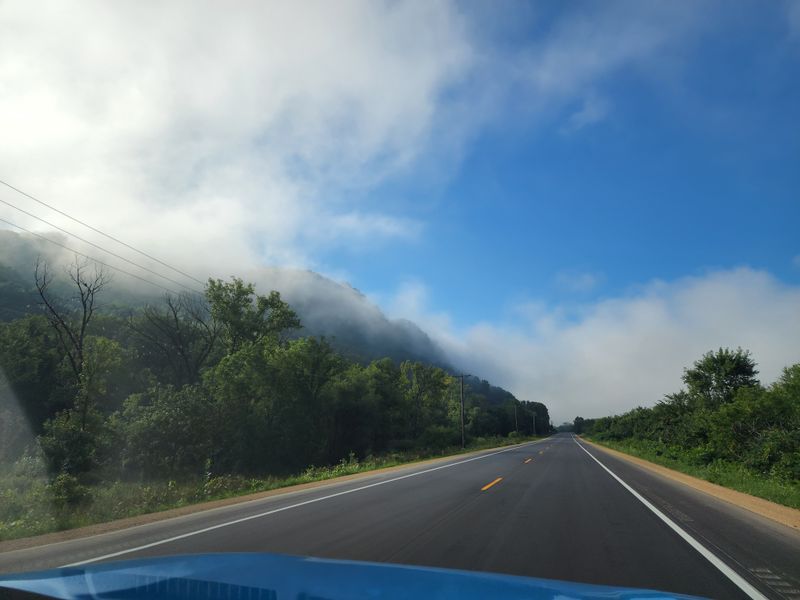
Stretching along the Mississippi River for over 300 miles through eastern Iowa, this byway hugs one of the most dramatic waterways in North America.
Limestone bluffs rise hundreds of feet above the river, framing views that shift with every mile.
Small river towns like McGregor, Marquette, and Lansing dot the route, each offering a glimpse into the region’s history as a steamboat corridor.
Pikes Peak State Park provides one of the best overlooks, where you can gaze down at the confluence of the Wisconsin and Mississippi rivers.
Effigy Mounds National Monument adds a layer of cultural depth, preserving ancient earthworks built by Native peoples centuries ago.
Fall transforms the hardwood forests into a patchwork of gold, orange, and crimson that rivals anywhere in the Midwest.
Spring brings wildflowers and rushing waterfalls, while summer invites kayaking and fishing along quiet backwaters.
Winter blankets the bluffs in snow, creating a serene, almost otherworldly landscape.
The drive feels timeless, as if the river itself has slowed the pace of modern life.
Pull over at any of the scenic turnouts and you will understand why this route is considered one of Iowa’s crown jewels.
Local cafes serve up homemade pie and stories from longtime residents who know every bend in the road.
Bald eagles soar overhead in winter, making this a prime destination for birdwatchers.
Each season offers a new reason to return, and no two trips ever feel quite the same.
2. Loess Hills National Scenic Byway
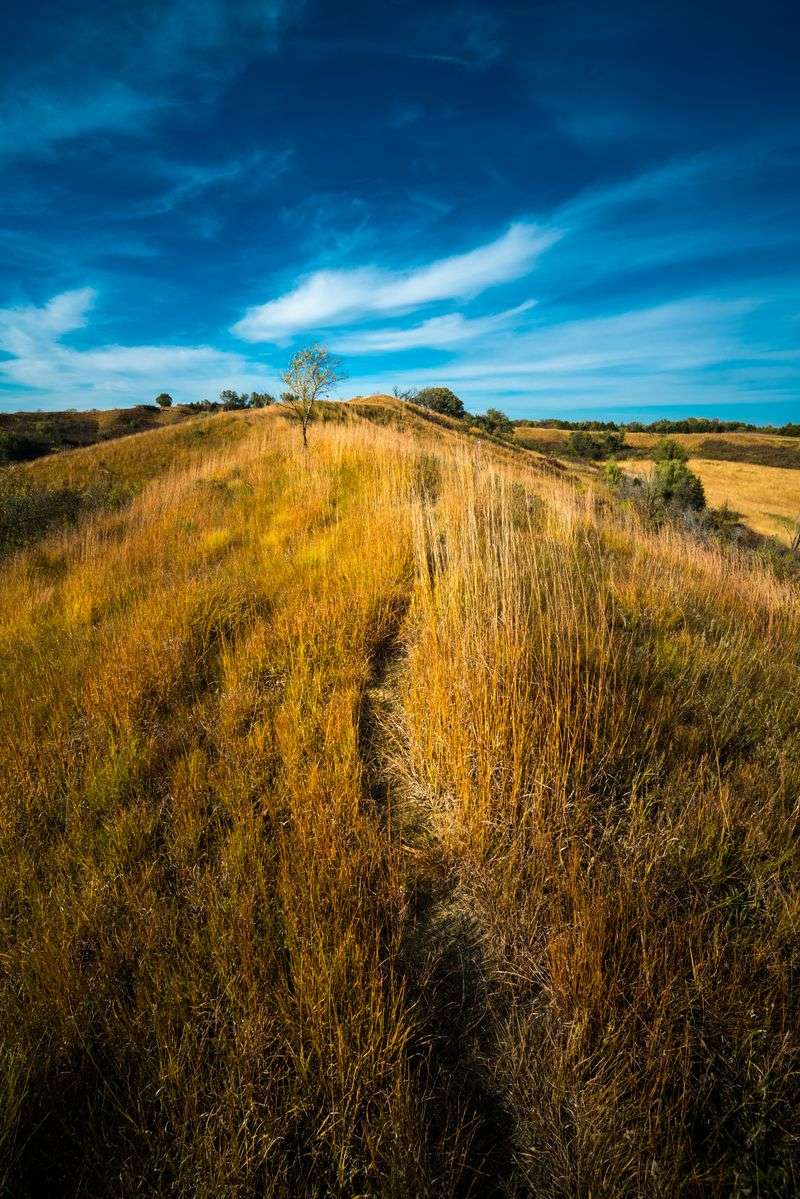
Western Iowa holds a secret that few people outside the state know about: the Loess Hills.
These windblown soil formations rise up to 200 feet and stretch for 200 miles along the Missouri River valley.
Only one other place on Earth has loess deposits this deep, and that is in China.
The byway winds through this rare landscape, offering views that feel more like the Great Plains than the Midwest most people imagine.
Prairie grasses sway in the breeze, and the golden light at sunset makes the hills glow like they are lit from within.
Preparation Canyon State Park and Waubonsie State Park both provide hiking trails that climb to ridge tops with panoramic views.
Spring brings a carpet of wildflowers, including rare species found nowhere else in the state.
Summer heat shimmers over the hills, while autumn paints the oak trees in shades of rust and amber.
Winter turns the landscape stark and beautiful, with snow highlighting every contour of the hills.
Small towns like Moorhead and Onawa offer friendly stops for a meal or a chat with locals who take pride in their unique geography.
Birdwatchers flock here for glimpses of upland sandpipers and other prairie species.
Photographers find endless inspiration in the way light plays across the hills throughout the day.
The drive feels like stepping back in time to an era when the prairie dominated the landscape and buffalo roamed freely.
3. Delaware County Scenic Drive

Northeast Iowa surprises visitors with its rolling hills, dense forests, and charming covered bridges.
Delaware County sits at the heart of this landscape, offering a drive that feels like a journey through rural Americana.
The route passes through Manchester and Dyersville, towns known for their historic architecture and welcoming communities.
Backbone State Park, Iowa’s oldest state park, anchors the drive with its rugged terrain and the winding Maquoketa River.
Hiking trails lead to overlooks where you can see for miles across the forested ridges.
The park’s name comes from a narrow ridge of bedrock that juts up like the spine of some ancient creature.
In autumn, the maples and oaks turn brilliant shades of red and gold, making every curve in the road a photo opportunity.
Spring brings rushing streams and carpets of trillium blooming in the shade of the forest canopy.
Summer offers cool retreats beneath the trees, a welcome escape from the heat of the open prairie.
Winter transforms the landscape into a quiet wonderland, perfect for cross-country skiing or snowshoeing.
Small farms dot the hillsides, their barns and silos standing as reminders of the region’s agricultural heritage.
Local festivals celebrate everything from sweet corn to heritage crafts, drawing visitors from across the state.
The pace of life here feels slower, more deliberate, as if the hills themselves encourage you to take your time and savor the journey.
4. Iowa Valley Scenic Byway
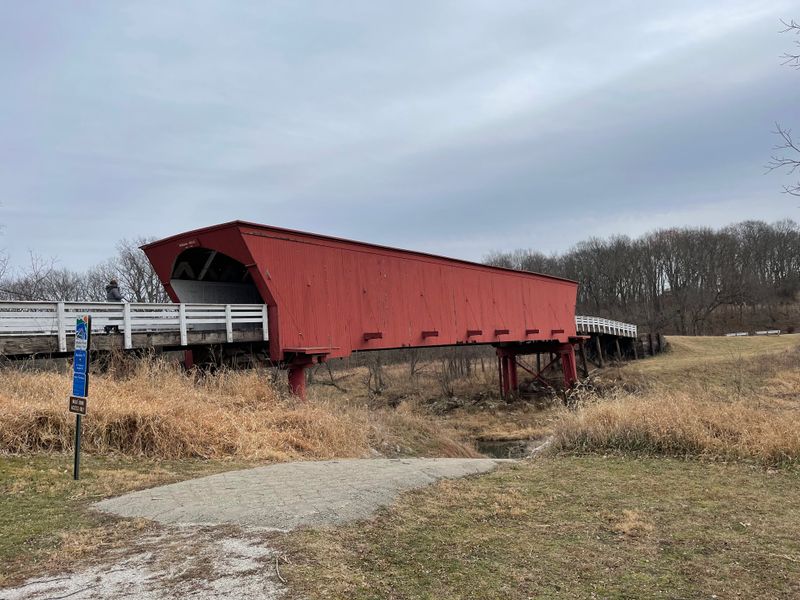
Central Iowa reveals its quieter side along the Iowa Valley Scenic Byway, which follows the Iowa River through a landscape of wooded bluffs and fertile bottomlands.
The route connects small river towns like Tama, Marshalltown, and Iowa Falls, each with its own story to tell.
Native American history runs deep here, with the Meskwaki Settlement near Tama serving as a living reminder of the region’s indigenous heritage.
The river itself meanders through the valley, offering opportunities for canoeing, fishing, and simply watching the water flow by.
Wooded hillsides rise on either side of the valley, their slopes covered in oak, hickory, and walnut trees.
In spring, the forest floor bursts with wildflowers, and the sound of songbirds fills the air.
Summer brings lush greenery and the lazy hum of cicadas, while autumn sets the hillsides ablaze with color.
Winter offers a stark beauty, with bare trees revealing the contours of the land beneath.
Historic bridges span the river at several points, their iron trusses standing as monuments to early engineering.
Pull over at any of the small parks along the route and you will find picnic tables, walking trails, and quiet spots to watch the river roll by.
Local diners serve up comfort food that tastes like it came straight from a farmhouse kitchen.
Antique shops and craft stores line the main streets of the river towns, offering treasures for those willing to browse.
The drive feels unhurried, a gentle reminder that not every journey needs to be rushed.
5. Driftless Area Scenic Byway
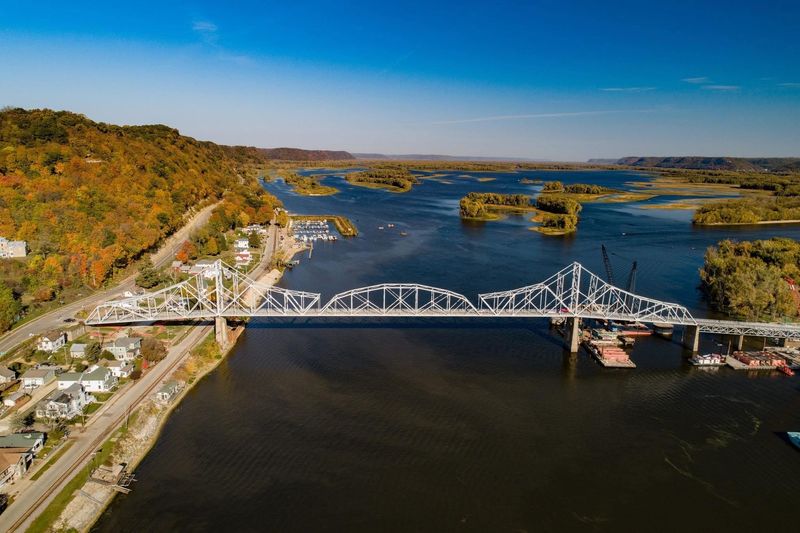
Glaciers missed this corner of Iowa during the last ice age, leaving behind a landscape of steep valleys, rocky bluffs, and cold-water trout streams.
The Driftless Area Scenic Byway explores this unique region, where the terrain feels more like the Ozarks than the Midwest.
Limestone outcroppings jut from hillsides, and springs bubble up from the ground, feeding streams that stay cool even in the heat of summer.
The route winds through towns like Decorah, known for its Norwegian heritage and vibrant arts scene.
Seed Savers Exchange, located near Decorah, preserves heirloom seeds and offers beautiful gardens to explore during the growing season.
The Upper Iowa River carves through the landscape, creating opportunities for paddling, tubing, and trout fishing.
Bluffton, a tiny village perched on a hillside, offers one of the most picturesque settings in the state.
Hiking trails lead to hidden waterfalls and overlooks that provide sweeping views of the forested valleys below.
In autumn, the hardwood forests explode with color, drawing leaf-peepers from across the region.
Spring brings wildflowers and the rush of snowmelt cascading down rocky streambeds.
Summer invites lazy afternoons spent wading in cool streams or picnicking beneath towering oaks.
Winter turns the area into a quiet retreat, perfect for those seeking solitude and natural beauty.
Local breweries and farm-to-table restaurants showcase the region’s agricultural bounty and creative spirit.
Every mile of this drive offers something unexpected, a testament to the power of nature to shape the land in surprising ways.
6. Bridges of Madison County Scenic Drive
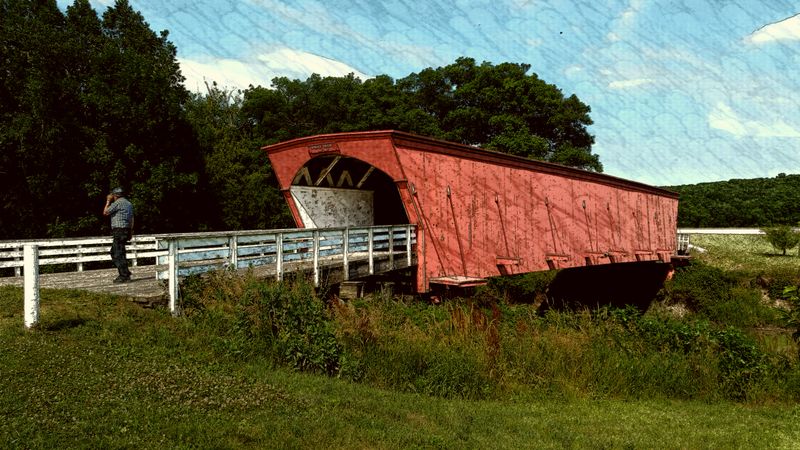
Made famous by a bestselling novel and Hollywood film, the covered bridges of Madison County draw visitors from around the world.
Six historic covered bridges still stand in the county, each a beautiful example of 19th-century engineering and craftsmanship.
The scenic drive connects these bridges through rolling farmland and wooded creek bottoms south of Des Moines.
Roseman Bridge, perhaps the most famous of the six, spans a quiet stream and appears almost magical when framed by autumn leaves.
Holliwell Bridge, the longest in the county, stretches across a creek in a peaceful rural setting.
Each bridge has its own character and story, from the weathered red paint of Cedar Bridge to the secluded charm of Imes Bridge.
The route takes you through Winterset, the county seat and birthplace of actor John Wayne.
Downtown Winterset offers antique shops, cafes, and the John Wayne Birthplace Museum for those interested in Hollywood history.
The surrounding countryside features classic Iowa farmland, with fields of corn and soybeans stretching to the horizon.
In autumn, the trees along the creeks turn brilliant shades of red, orange, and gold, making this the most popular season to visit.
Spring brings wildflowers and the sound of water rushing over rocks beneath the bridges.
Summer offers shaded picnic spots and opportunities to wade in the cool streams.
Winter transforms the bridges into postcard-perfect scenes, especially after a fresh snowfall.
The drive feels like a step back in time, a reminder of a slower era when craftsmanship and community pride shaped the landscape.
7. Western Skies Scenic Byway
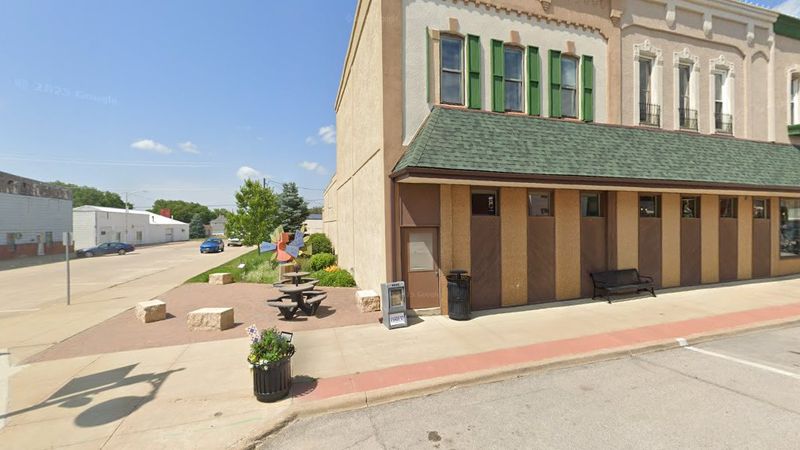
Northwest Iowa opens up into big sky country, where the land flattens out and the horizon seems to stretch forever.
The Western Skies Scenic Byway celebrates this wide-open landscape, offering a drive that feels like breathing room after the congestion of city life.
The route passes through small towns like Storm Lake, where the lake itself provides a refreshing contrast to the surrounding prairie.
Storm Lake covers over 3,000 acres and offers sailing, fishing, and beautiful sunsets that paint the sky in shades of pink and orange.
The town embraces its diverse population, with festivals celebrating cultures from around the world.
Continuing west, the byway crosses into farm country where fields of corn, soybeans, and wheat ripple in the breeze.
Windmills dot the landscape, their blades turning slowly against the endless blue sky.
In spring, the prairie comes alive with wildflowers, and meadowlarks sing from fence posts along the road.
Summer brings intense heat and the smell of fresh-cut hay, while autumn paints the fields in shades of gold and brown.
Winter turns the landscape stark and beautiful, with snow stretching unbroken to the horizon.
Small-town cafes offer hearty meals and the kind of friendly service that makes you feel like a regular even on your first visit.
Local museums tell the story of pioneer settlers who transformed this prairie into productive farmland.
The drive feels meditative, a chance to clear your mind and appreciate the simple beauty of wide-open spaces.
Sunsets here are legendary, with nothing to block the view as the sun sinks below the horizon in a blaze of color.
8. Grant Wood Scenic Byway
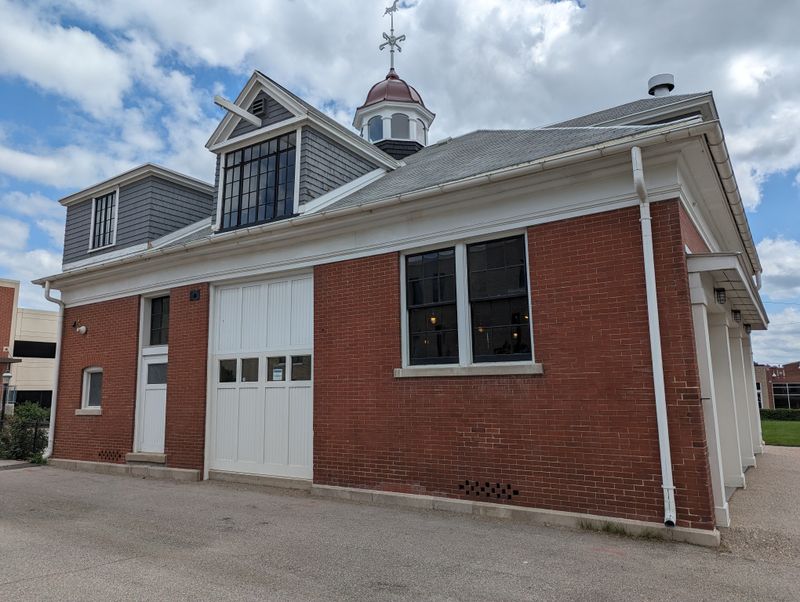
Eastern Iowa inspired one of America’s most famous painters, and the Grant Wood Scenic Byway takes you through the landscapes that shaped his artistic vision.
The route winds through Anamosa, Stone City, and the countryside around Cedar Rapids, areas that appear again and again in Wood’s work.
Rolling hills covered in patchwork fields create a scene that looks like it stepped out of one of his paintings.
Stone City, once a thriving limestone quarry town, now sits quiet and picturesque along the Wapsipinicon River.
Grant Wood taught art classes here during the Great Depression, and the town still hosts an annual art festival in his honor.
The Anamosa State Penitentiary, built from local limestone, stands as a monument to the region’s quarrying heritage.
The Grant Wood Art Gallery in Anamosa displays works by the artist and his students, offering insight into his creative process.
Continuing toward Cedar Rapids, the landscape opens up into fertile farmland dotted with red barns and white farmhouses.
In autumn, the fields turn golden and the trees along the river blaze with color.
Spring brings fresh green growth and the promise of another growing season.
Summer offers lush landscapes and the hum of agricultural life in full swing.
Winter transforms the scene into something stark and beautiful, with snow highlighting every contour of the hills.
The Cedar Rapids Museum of Art houses the world’s largest collection of Grant Wood paintings, making it a perfect end to the drive.
This route feels like traveling through a living gallery, where every view could be a painting waiting to happen.
9. Glacial Trail Scenic Byway
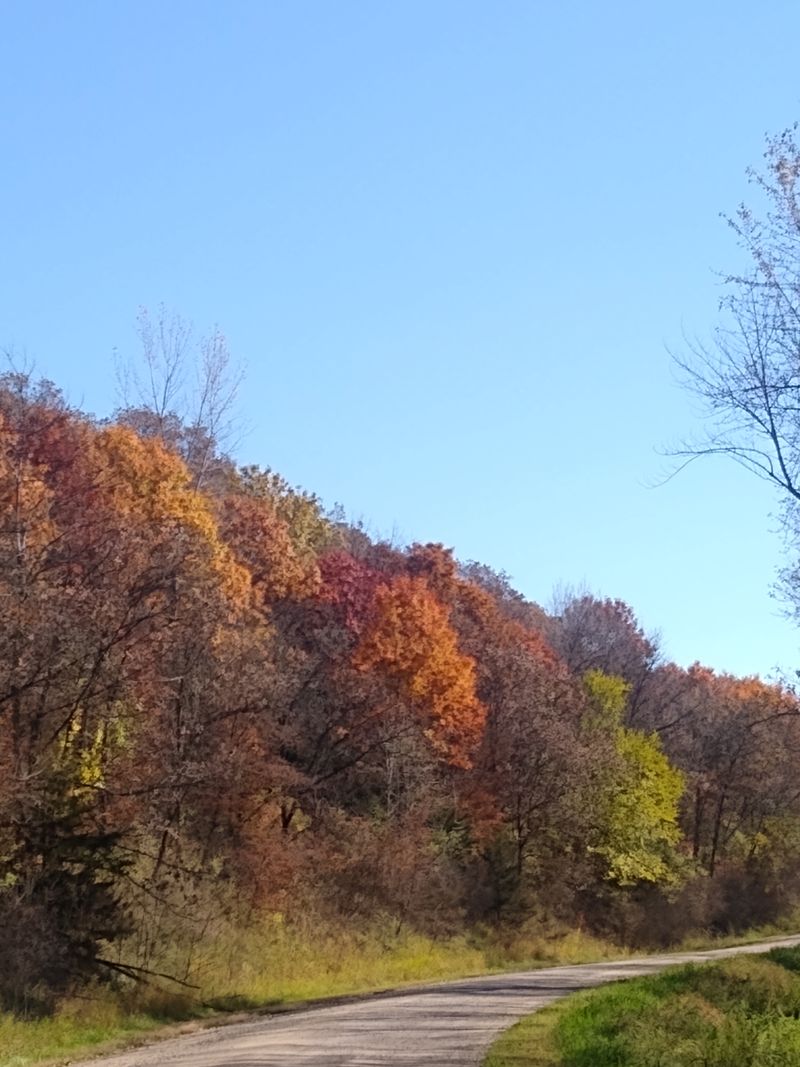
North-central Iowa bears the marks of ancient glaciers that left behind a landscape of lakes, wetlands, and gently rolling hills.
The Glacial Trail Scenic Byway explores this region, connecting a chain of natural lakes that shimmer like jewels in the prairie.
Clear Lake, one of the largest and most popular, offers swimming, boating, and a charming lakeside town with a rich musical history.
Buddy Holly, Ritchie Valens, and the Big Bopper played their final concert at the Surf Ballroom in Clear Lake before their tragic plane crash in 1959.
The ballroom still hosts concerts and dances, preserving the spirit of that golden era of rock and roll.
Continuing along the byway, you pass smaller lakes like Ventura Marsh and Crystal Lake, each offering quiet spots for fishing or birdwatching.
Wetlands attract migrating waterfowl in spring and fall, making this a prime destination for nature photographers.
The landscape feels softer here than in other parts of Iowa, with gentle hills and abundant water creating a sense of tranquility.
In summer, the lakes come alive with activity, from sailboats skimming across the water to families picnicking on the shore.
Autumn brings cooler temperatures and the honking of geese heading south for the winter.
Winter turns the lakes into ice-fishing havens, with colorful shanties dotting the frozen surface.
Spring brings the return of life, with wildflowers blooming in the wetlands and songbirds filling the air with music.
Small towns along the route offer friendly stops for a meal or a chat with locals who know the lakes like old friends.
The drive feels peaceful and restorative, a reminder that Iowa holds more natural beauty than most people realize.
Dear Reader: This page may contain affiliate links which may earn a commission if you click through and make a purchase. Our independent journalism is not influenced by any advertiser or commercial initiative unless it is clearly marked as sponsored content. As travel products change, please be sure to reconfirm all details and stay up to date with current events to ensure a safe and successful trip.
