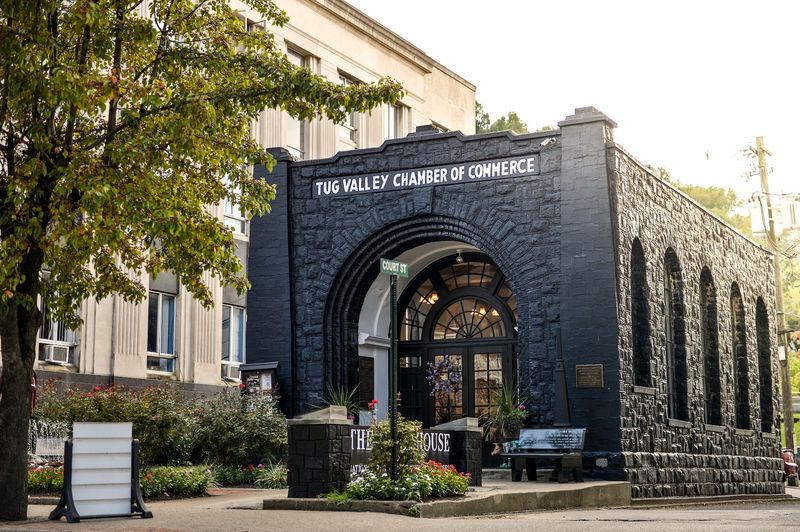
I pulled off the road in southern West Virginia hoping for a quick bite and a stretch of the legs. Instead, I found myself staring at a small, glossy black building that looked like it had been carved straight out of a mountainside.
It turns out that is pretty close to the truth. Some places feed your stomach, but this one fed my curiosity in a way I did not see coming.
A Black Jewel on Second Avenue
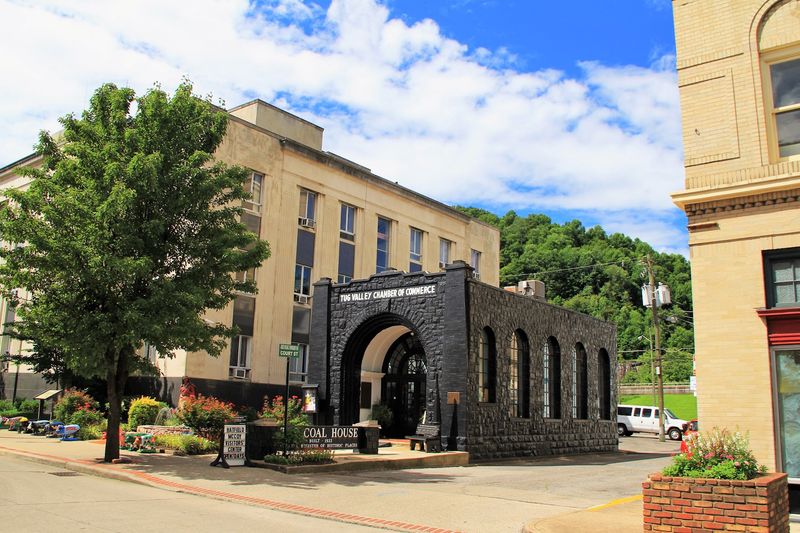
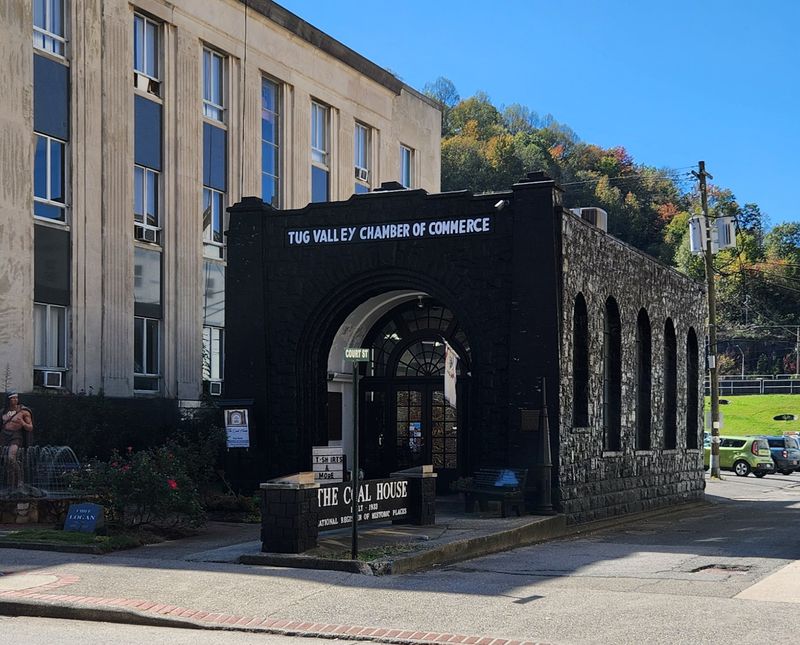
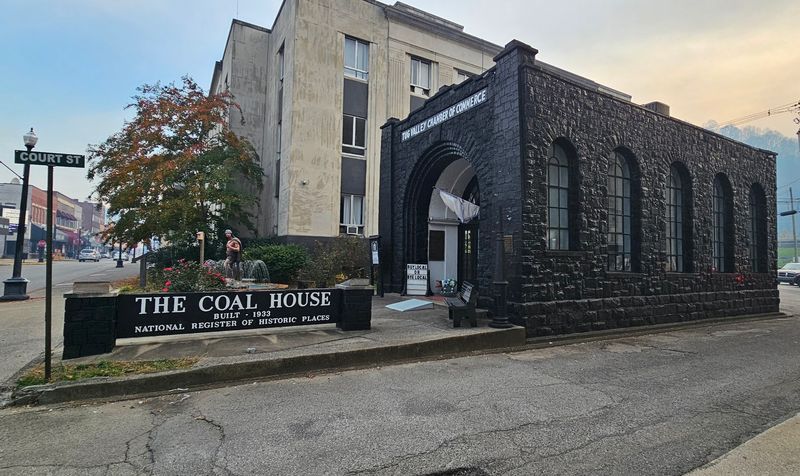
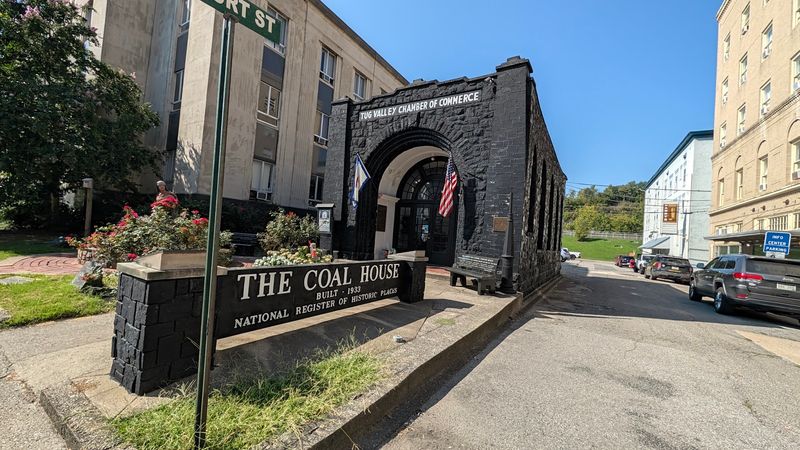
Picture a downtown corner in the Tug Valley, and then picture a building that shines like polished stone in the afternoon light. That is the Coal House, sitting at 2nd Avenue and Court Street in Williamson, right in the southern coalfields of West Virginia.
At first glance, you might think someone painted a brick building black. Look closer, though, and you will notice the blocks have a dark, glassy sheen that no paint can quite copy.
The walls are made from actual bituminous coal, cut into blocks and stacked like bricks.
Today the building works as a visitor center. It houses the Tug Valley Chamber of Commerce and the Williamson Visitor Center, so it is both a landmark and a welcome mat for folks passing through the region.
Many travelers treat it as their first stop before exploring the rest of Mingo County.
Visitors often call it one of the must-see historic buildings in southern West Virginia. Some admit they drove past it for years before finally stepping inside, and they wished they had stopped sooner.
Once you know what you are looking at, it is hard to forget.
So how did a building made of coal come to be? The story starts during the Great Depression.
The 1933 Dream of O.W. Evans
Back in 1933, when money was tight across the country, one man had a bold idea. O.W.
Evans, a manager for the Norfolk and Western Railway Fuel Department, wanted a lasting tribute to the mineral that built his corner of West Virginia.
He brought in architect H.T. Hicks from Welch to design it.
Local businesses and neighbors pitched in with materials and labor, which says a lot about the community spirit of the time. People reportedly gave what they could to see the project through.
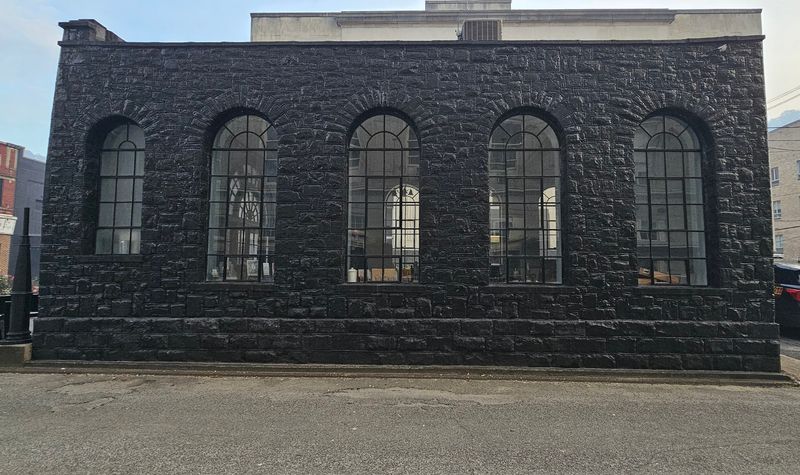
The finished building covers about 1,600 square feet. Its four walls and two pillars were formed from roughly 65 tons of hand-sawn bituminous coal.
That coal came from the Winifrede seam, a source respected in the region for its quality.
Each block was set in place with black mortar. The result is a nearly seamless dark surface that looks almost like one solid piece of the mountain.
Standing close, you can imagine the careful work it took to cut and lay each block by hand.
For many older West Virginians, the Coal House is a reminder of a time when neighbors built things together. It is a Depression-era project that still stands proud nearly a century later.
Heart of the Billion Dollar Coalfields
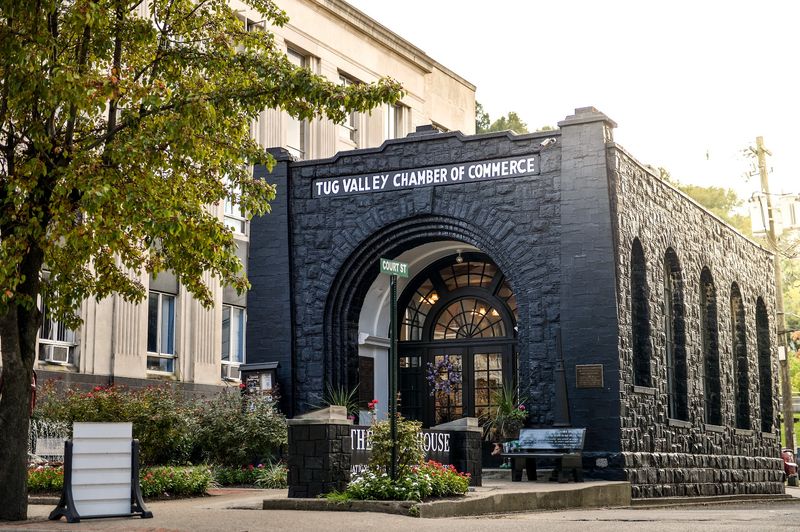
Ask anyone from Mingo County about the old days, and you might hear a nickname spoken with real pride. Williamson was once known as the Heart of the Billion Dollar Coalfields, and the Coal House sits right in the middle of that legacy.
The town grew because of two things working hand in hand. Coal came out of the surrounding hills, and the Norfolk and Western Railway carried it away to markets far beyond the mountains.
Trains, tipples, and busy streets shaped daily life for generations of families here.
That is why the Coal House means more than a quirky photo stop. It honors the miners, railroad workers, and families whose hard labor powered much of the nation.
One visitor described it as a reminder of the time when Williamson truly was the heart of that billion dollar coalfield.
If you grew up in a coal town, the building may stir memories of lunch pails, company stores, and the whistle of trains in the valley. Even if you did not, it offers a clear window into how this region lived and worked.
In 1980, the Coal House was added to the National Register of Historic Places. That listing helps protect it for future generations.
Two-Foot Walls That Outlasted Four Floods
Water has tested this building again and again. The Tug Fork has a long history of flooding, and the Coal House reportedly weathered major floods in 1937, 1957, 1977, and 1984.
During the 1977 and 1984 floods, the water rose so high it reached the top of the arched entrance. Just imagine muddy river water lapping at the doorway of a building made from coal.
Plenty of structures would have crumbled, yet this one held on.
Much of the credit goes to the thick walls. At around two feet deep, the coal blocks gave the structure serious staying power against the forces pushing against it.
Those early builders clearly knew what they were doing.
After the 1984 flood, the city built a protective floodwall. Since then, that wall has helped keep the downtown area, including the Coal House, safer from rising water.
Locals who remember those flood years often speak of the wall with real relief.
There is something very West Virginian about a building that gets knocked around and simply keeps standing. It mirrors the grit of the people who live in these hollows and river towns.
Every flood left a mark on the community, but the Coal House stayed put through all of it.
The 2010 Fire and a Surprising Survival
Here is the part that surprises almost everyone. On October 11, 2010, a fire broke out inside the Coal House, and the interior was badly damaged.
You would expect a building made of coal to go up like a furnace. Instead, the coal block exterior reportedly came through untouched.
That detail still amazes visitors, and it is one of the best stories to share once you are standing in front of those shiny walls.
The community did not let the setback win. The interior was renovated, and the building reopened in September 2011.
Within about a year, the doors were open again and visitors were back inside browsing and chatting with staff.
Keeping the outside looking sharp takes regular care, too. The walls receive a coat of weatherproof varnish twice a year.
That treatment helps protect the coal from the weather and gives the blocks their distinctive glossy shine.
So when you run a hand near those dark blocks, remember you are looking at a survivor of floods and fire alike. Few buildings anywhere can claim that kind of record.
It makes a fine conversation starter, and kids especially love hearing that a coal building did not burn when the flames came.
Chief Logan Standing Guard
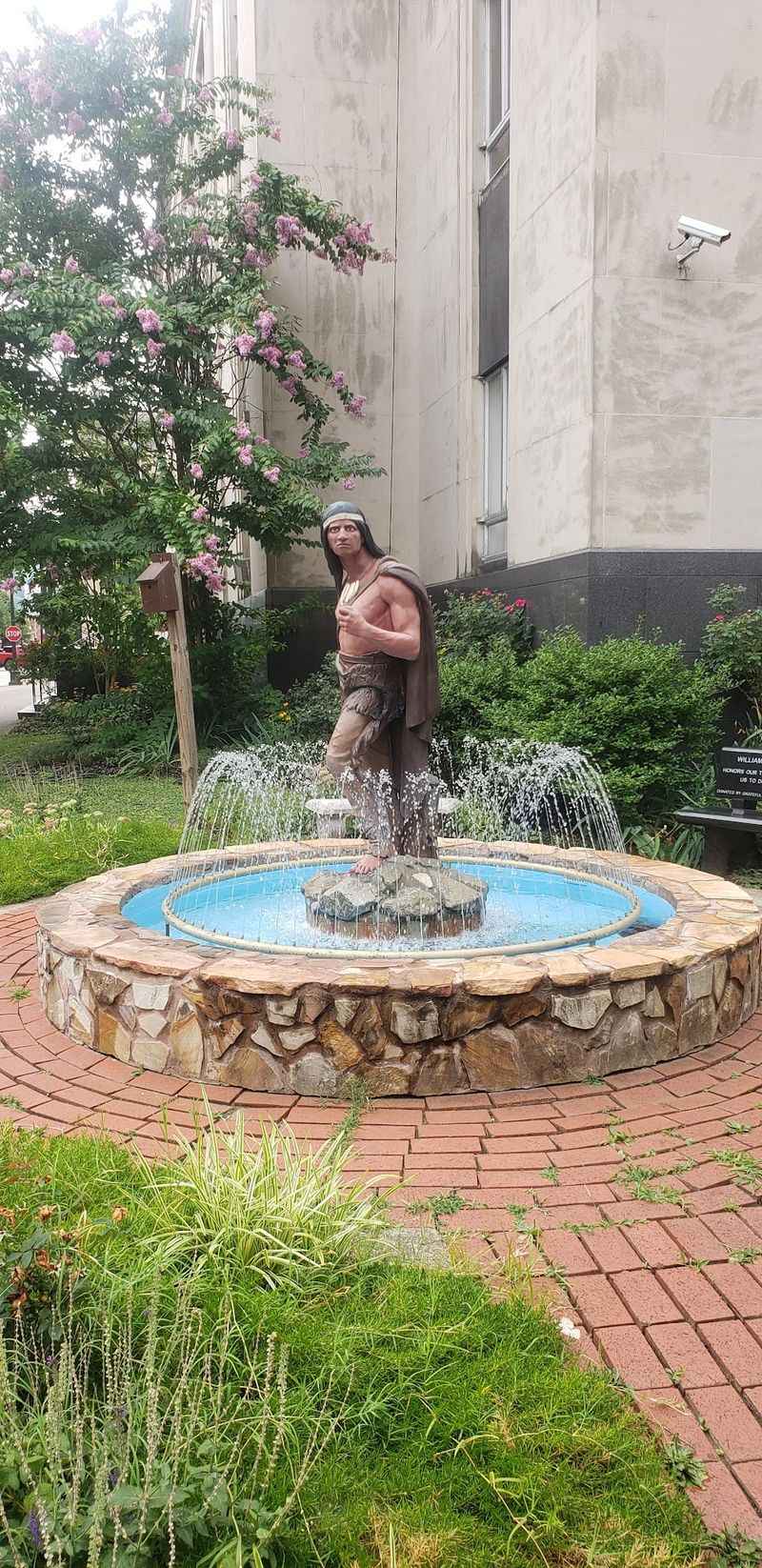
Out front, a figure keeps watch over the corner. Visitors mention a statue of Chief Logan of the Mingo, a fitting tribute in a county that carries the Mingo name.
Many people who stop by linger near the statue as long as they do near the coal walls. One visitor called it beautiful, and it adds another layer of history to the site.
The pairing of the statue with the dark building makes for a striking scene, especially when the sun hits the varnished blocks.
If you are the type who enjoys reading up before a trip, looking into Chief Logan’s story can make the visit even richer. His name appears in several places around West Virginia, from counties to parks, so the connection runs deep across the state.
For photographers, the statue gives a nice focal point in the foreground with the Coal House behind it. Try shooting from a slight angle to catch both the figure and the arched entrance in one frame.
Families often use this spot for a group picture. It is an easy way to capture both the land’s earliest history and its coal heritage in a single snapshot.
Just be patient, since other travelers may be waiting for the same shot.
Local Art, Gifts, and Mountain-Made Goods
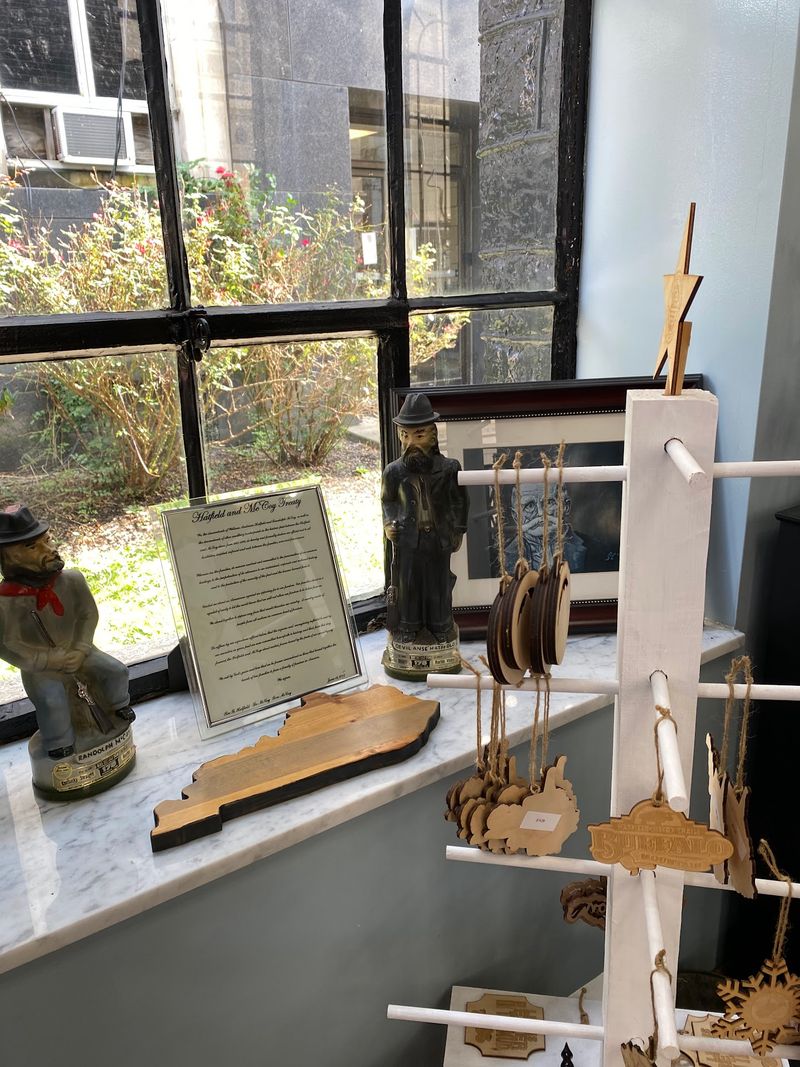
Step through the arch, and the mood changes from history lesson to friendly little shop. Inside, you will find a gift shop stocked with products from local businesses and artists.
Several visitors say the displays from local artists and photographers caught them off guard in the best way. One person admitted they were shocked by how good the work was.
Others mention a nice sampling of local products and a great array of gifts, which makes it easy to find a souvenir with real West Virginia roots.
Buying here is a small way to support folks in the Tug Valley. Instead of a mass-made trinket, you might carry home something crafted or photographed by a neighbor from these very hills.
Now, fair warning for purists. The inside is modern, with finished walls, so it does not look like a coal mine indoors.
At least one visitor was disappointed by that, expecting more coal inside.
Most folks, though, seem to enjoy the blend of old outside and comfortable space within. Think of the interior as a cozy showroom for the region’s talent.
It pairs well with the history outside, giving you a taste of where the area has been and where its creative people are heading now.
Friendly Faces and a Launch Point for Exploring
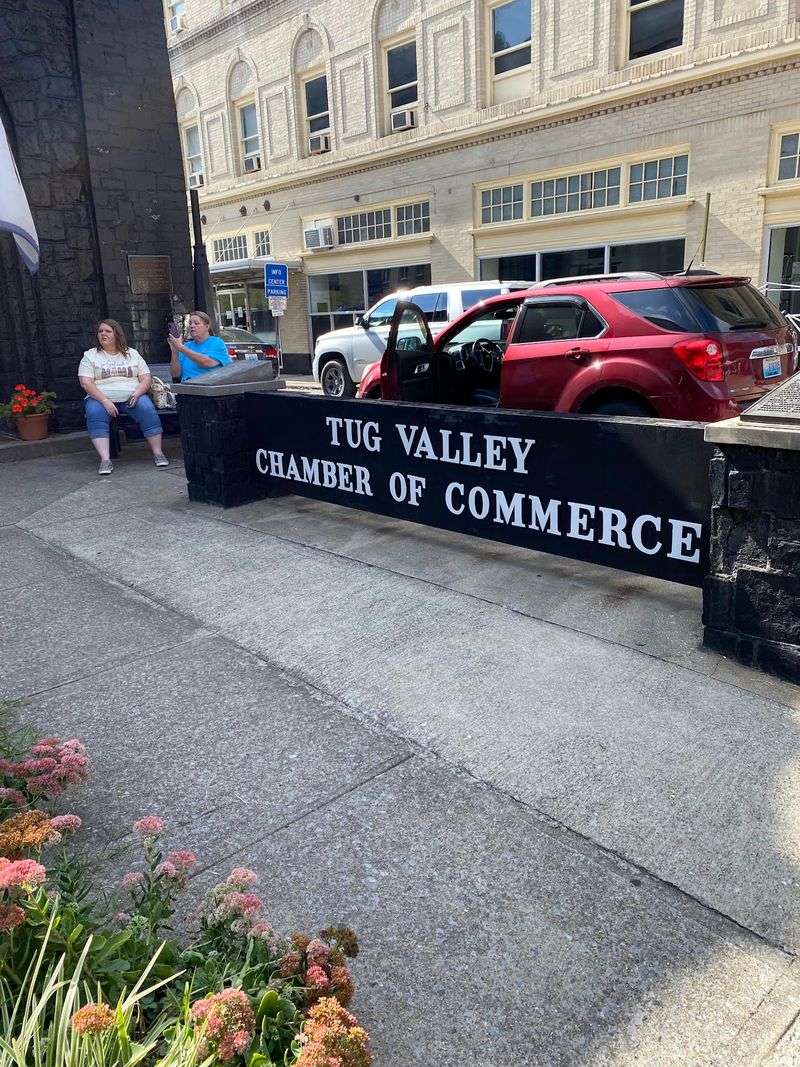
Good directions and a warm hello can make a whole trip. Many visitors describe the staff at the Coal House as polite, informative, and full of great details to share.
Because the building serves as the Williamson Visitor Center, it is a smart place to begin a tour of the area. Staff can point you toward local attractions and help you plan the rest of your day.
One longtime traveler called it a great place to start a journey through the region.
That matters, since this corner of West Virginia draws all kinds of travelers. Some come for history, some for shopping, and some ride in from the Hatfield McCoy Trails on ATVs.
Experiences can vary, and not every visitor has left happy, so a friendly attitude on your end goes a long way too.
The Coal House suits history buffs, photographers, road-trippers, and families wanting a quick, memorable stop. It also works well for retirees who enjoy unhurried visits and a good chat about the old days.
Plan on spending anywhere from a few minutes to about an hour. The space is small, but the stories are big, and asking questions is part of the fun here.
Hours, Costs, and Timing Your Visit
Good news for anyone watching the budget. There is no charge to go inside the Coal House, according to a visitor who answered that very question.
You only need money if you decide to buy merchandise, and one person noted prices are comparable to other tourist spots.
Timing takes a little planning. Current listed hours are Tuesday and Wednesday from 10 AM to 2 PM, Thursday and Friday from 9:30 AM to 4 PM, and Saturday from 9 AM to 1 PM.
The building is closed on Sunday and Monday.
Several travelers have arrived on a Sunday and found the doors locked. A few also mention that the building was sometimes closed even during posted hours.
Checking with the Tug Valley Chamber of Commerce website before a long drive may save you some frustration.
Even if the doors are shut, the exterior is always worth seeing. Plenty of visitors happily snapped photos outside and still called the stop worthwhile.
Morning light tends to make the varnished coal gleam nicely for pictures. Weekday visits often feel calmer, too.
Pair your stop with a stroll downtown, and you can make a relaxed, low-cost outing out of it.
Worth the Drive? A Gentle Verdict
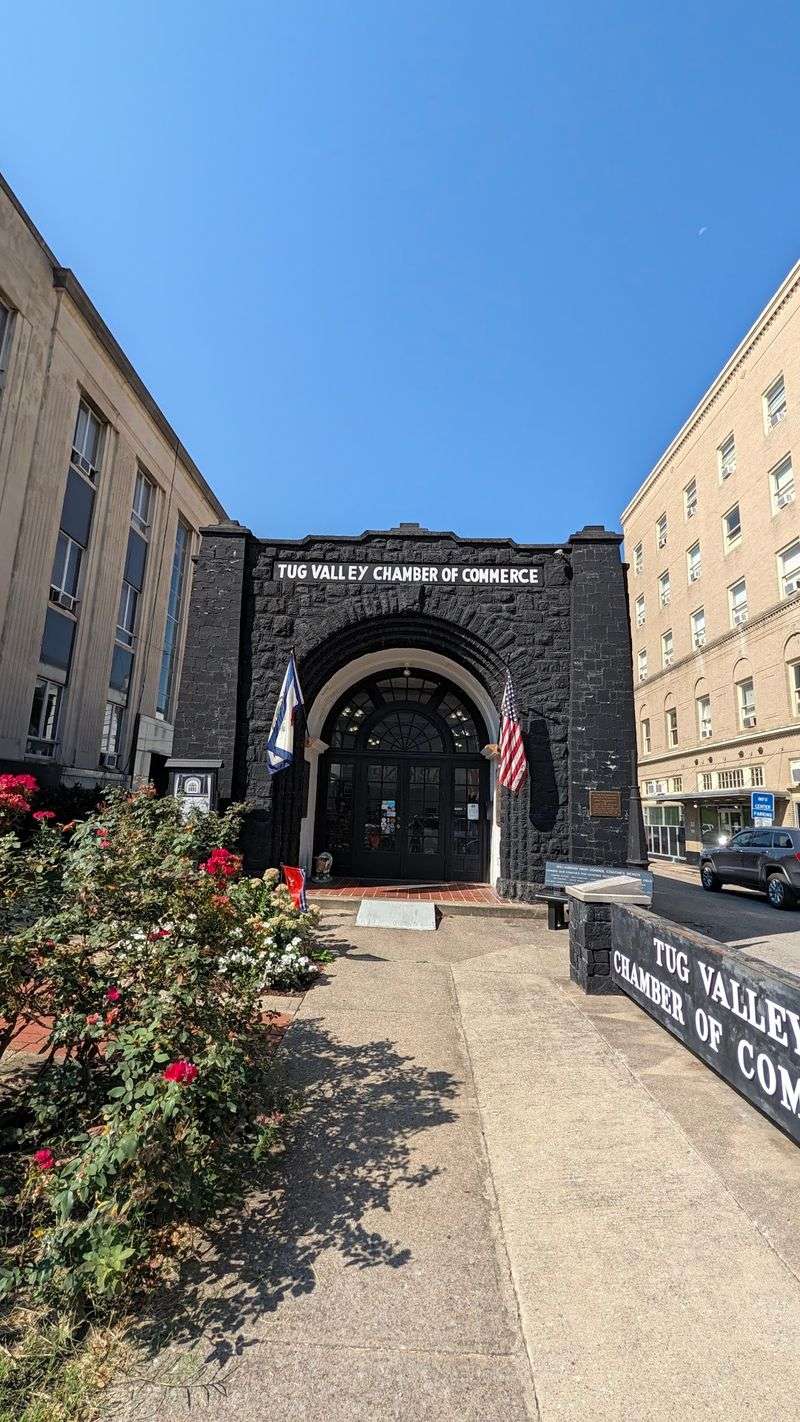
One recent visitor summed it up in five simple words: as moving as a cathedral. That may sound grand for a small building, but standing before those dark walls, you start to understand.
So is this the strangest building in West Virginia? It certainly makes a strong case.
Few places anywhere are built from 65 tons of coal, survived four floods and an interior fire, and still greet travelers with a gift shop and a smile.
It has been featured on Jeopardy, American Pickers, and in National Geographic, yet it remains a humble hometown landmark at heart. For locals, it is a point of pride.
For visitors, it is a quick lesson in what built these mountain towns.
You will find it at 73 E 2nd Ave, Williamson, WV 25661, near the corner of Court Street. Bring a camera, check the hours, and give yourself time to soak in the story.
If you have memories of Williamson in its busy coal days, this is the kind of place that brings them rushing back. And if you have never been, it just might become your favorite oddball stop in the Mountain State.
