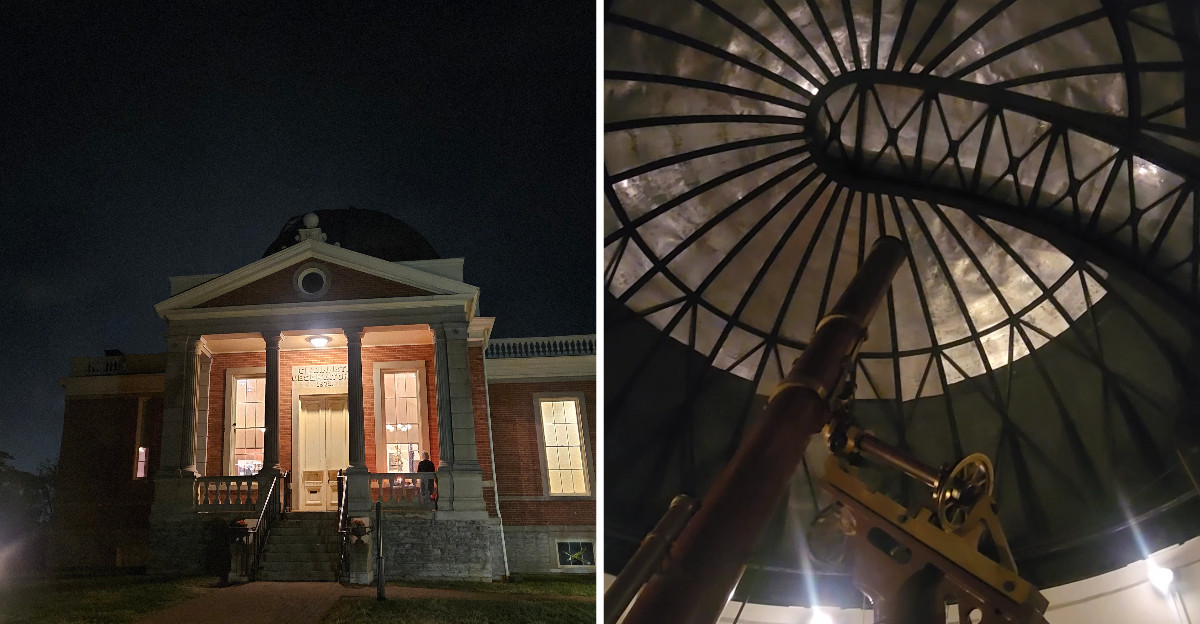
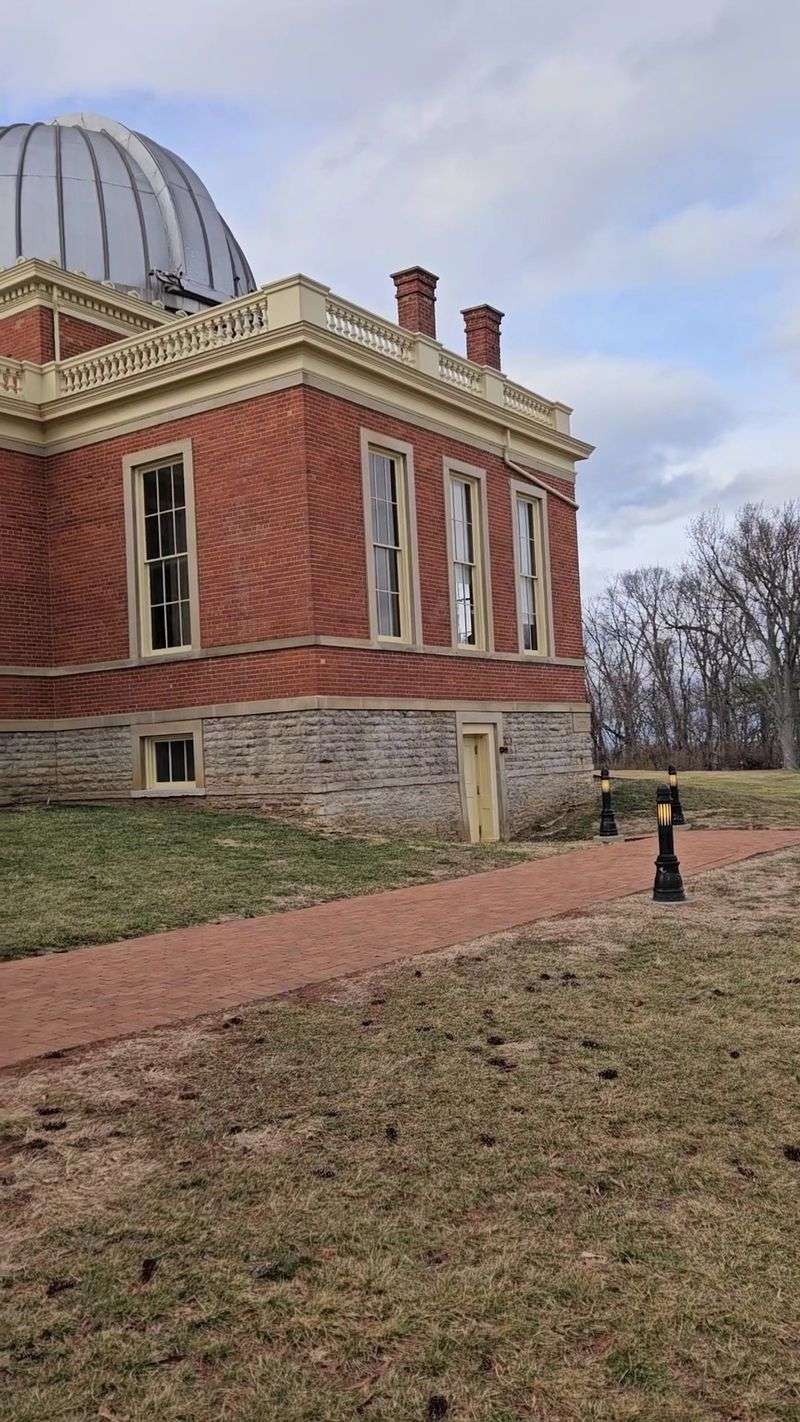
Leafy hilltops in Ohio hide one of the oldest working telescopes on the planet. The building at the top looks more like a cozy college hall than a gateway to the stars, with brick walls and a dome that has been opening to the night sky for generations.
Back in 1843, a former president traveled here at age 77 to lay the cornerstone, a journey that says plenty about how much this place mattered even then. The brass telescope has been showing people the sky since 1845, and it still works.
Families, couples on date nights, and curious kids line up to see Saturn’s rings through the same lens. Standing on that hill, it is easy to forget the city below and think only about the light arriving from millions of miles away.
This little hilltop holds some of the best stories in American science, and it keeps adding new ones every clear night.
A President’s Final Speech on a Muddy Hill
History buffs, this one is for you. I had no idea that the story of this place begins with a former president making a long, tiring trip west in November of 1843.
John Quincy Adams was 77 years old when he came to Cincinnati, Ohio to lay the cornerstone of the new observatory. Travel back then meant rough roads, riverboats, and plenty of patience.
He still made the journey because he truly believed every country needed public observatories, which he called lighthouses of the sky.
The speech he gave that day turned out to be his last major public address. I love that his final big message to the country was about looking up and learning.
It makes the whole place feel a little more meaningful when you know that.
The hill where the ceremony happened was called Mount Ida at the time. Locals later renamed it Mount Adams in his honor, and that neighborhood still carries his name today.
The observatory has since moved, but the tribute stuck around.
My tip is simple. Before you visit, read a short summary of Adams and his love for science, since it adds a lot of color to the tour.
Guides mention him often, and you will catch far more of the fun details if you already know a bit of his story.
The Professor Who Knocked on Doors
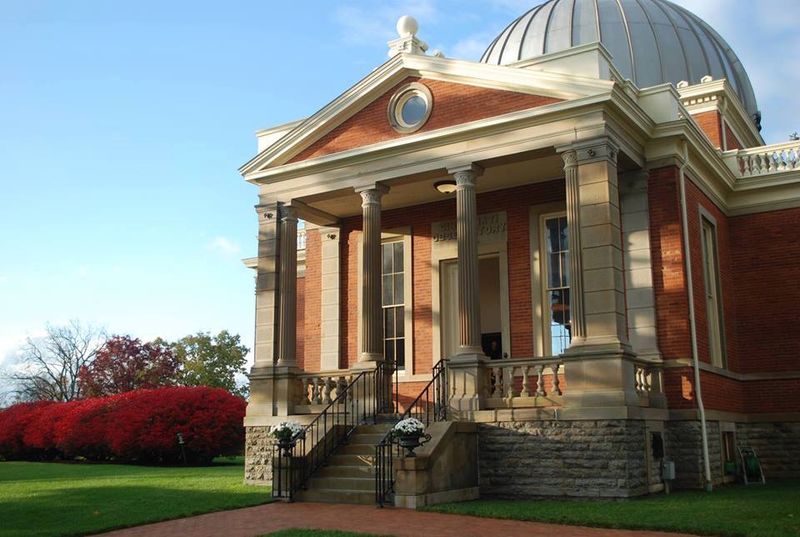
Every great place needs a stubborn dreamer, and Ormsby MacKnight Mitchel was exactly that. A professor at Cincinnati College, he gave astronomy lectures in 1842 that got the whole city buzzing about the night sky.
Talking was only the start. Mitchel went door to door asking regular folks to buy shares in a future observatory, and each share cost about a month of pay for an average worker back then.
Imagine agreeing to that just because a professor made the stars sound exciting!
Within about six weeks, he had raised enough money to start shopping for a telescope. He also promised to work at the observatory for ten years without a salary.
I found that part really touching, since it shows how much he cared about sharing science with everyone.
People sometimes describe him as a kind of early science celebrity. He had a gift for making big ideas feel friendly and close, which is not easy to do with planets millions of miles away.
When you tour the grounds, keep his name in mind. The older building on the site is named after him, and knowing his story makes it feel less like a museum and more like a thank you note from a whole city.
Peeking Through a Lens From 1845
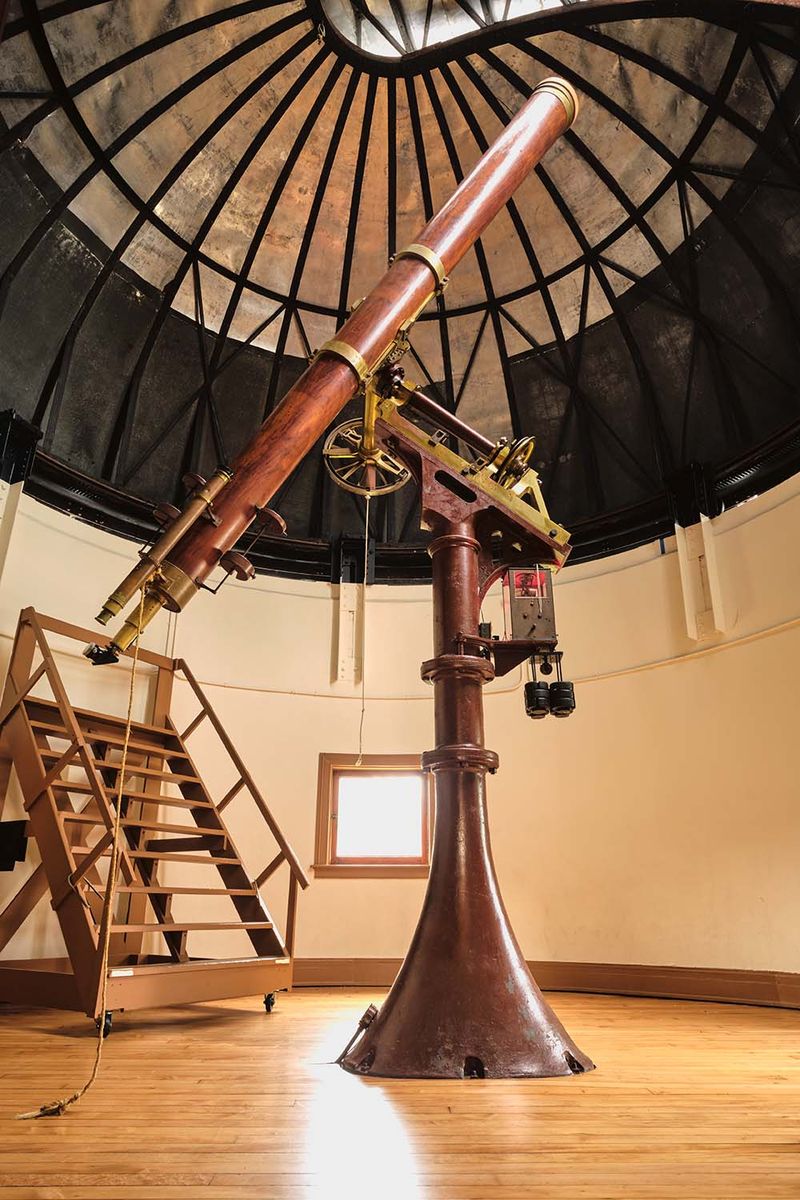
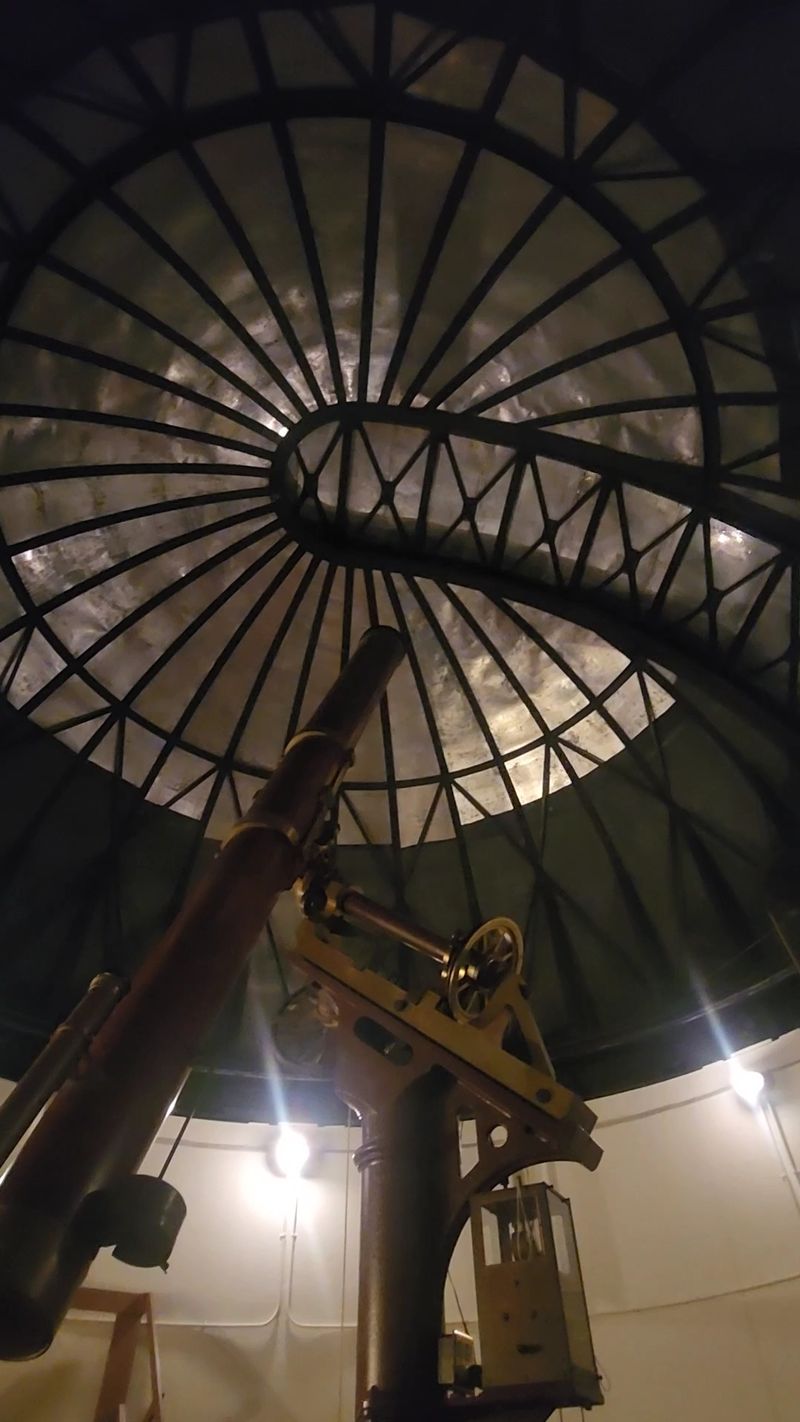
My heart did a little flip when I put my eye to the eyepiece. The 11-inch Merz and Mahler telescope was made in Munich, Germany, and it has been gazing at the sky here since 1845.
When it arrived, it was the largest refracting telescope in the Western Hemisphere and among the biggest in the world. A refractor uses a large glass lens to gather light, kind of like a giant magnifying glass pointed at space.
The long tube stretches around 16 feet, and moving it still feels delightfully old school.
This telescope is one of the oldest in the world that the public still uses regularly. On a clear night, you might spot Jupiter’s four biggest moons, the Great Red Spot, or the rings of Saturn.
Visitors have even viewed the sun safely through a special solar filter during daytime events.
Here is a fun fact that stuck with me. Soon after the planet Neptune was discovered in 1846, this telescope became the first in America to observe it.
Guides sometimes let guests turn the hand crank that rotates the dome opening. Say yes if you get the chance, since it is surprisingly satisfying.
And be patient in line, because the view is worth every minute of waiting.
The Younger Sibling Telescope From 1904
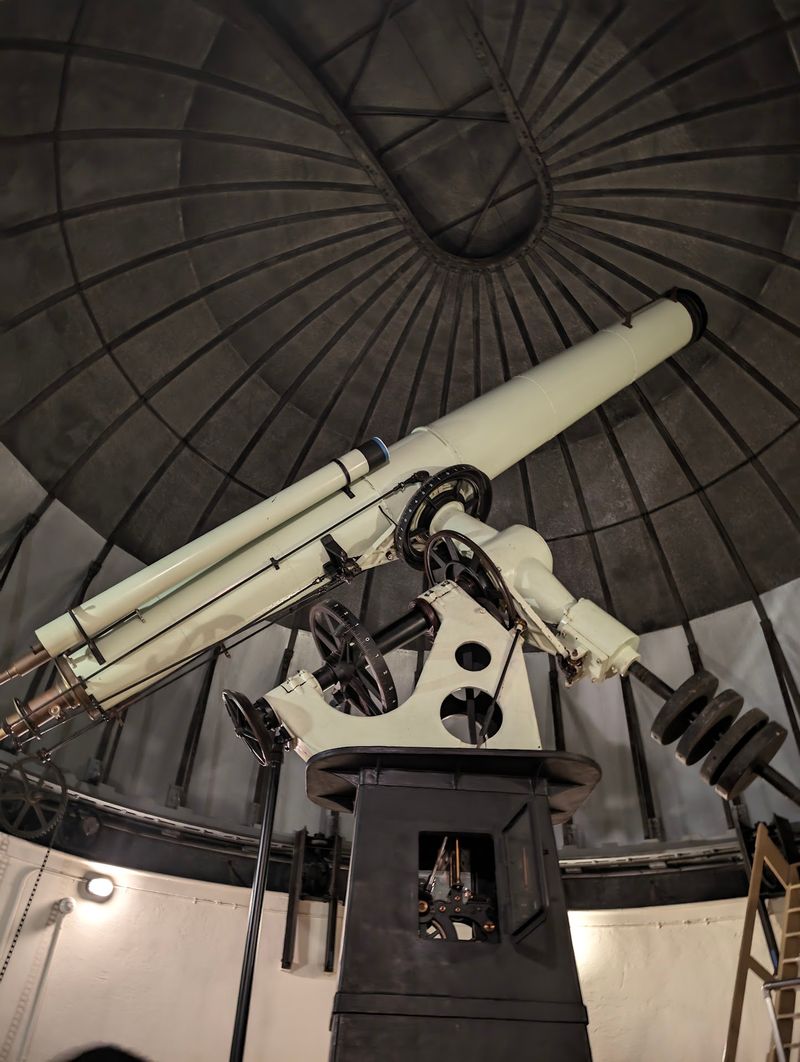
Calling something from 1904 the new one made me laugh out loud. At this observatory, though, the 16-inch Alvan Clark and Sons refractor really is the younger member of the family.
Alvan Clark and Sons was a famous telescope maker from Massachusetts. Their lenses were some of the finest ever made in America, and many big observatories around the country used them.
A 16-inch lens gathers more light than the older 11-inch one, so it can show fainter objects in the sky.
The Clark telescope lives in its own dome inside the larger main building. Its mix of shiny brass and dark wood looks like something out of an old adventure movie.
I kept wanting to touch everything, but I behaved myself.
Keep in mind that the main building has been going through renovations to improve access and exhibit spaces. That means the Clark telescope may not be part of every program right now.
Check the observatory’s website before you go so you know what is open.
Even if you only see one telescope during your trip, knowing both exist gives you a great reason to come back. I already have a return visit on my list for when the renovations wrap up and the Clark is sweeping the sky again.
Why the Stars Moved to Mount Lookout
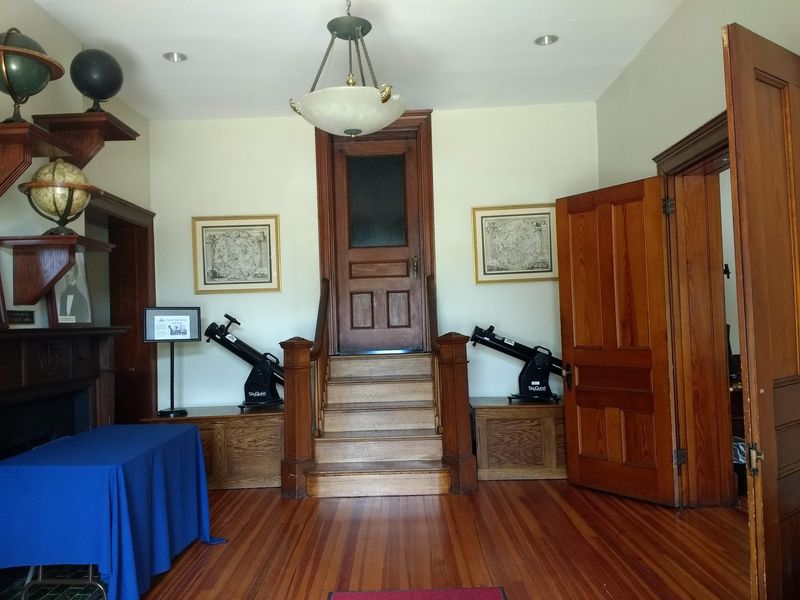
Smoke was the villain of this chapter. As Cincinnati grew during the 1800s, factories and homes burned huge amounts of coal, and the sky above Mount Adams turned hazy and dirty.
For astronomers, that was a real problem. You cannot study faint stars when a gray cloud of soot hangs over your telescope every night.
The city’s glow was also getting brighter, which washed out the view even more.
So in 1873, the observatory packed up and moved to a quieter hill farther from downtown. Picture workers carefully carrying a delicate, decades-old telescope across town without modern trucks or bubble wrap!
I would have been a nervous wreck watching that happen.
The new spot became known as Mount Lookout, and the neighborhood took its name from the observatory. I think that is one of the coolest bits of trivia in the whole city.
A telescope literally named a neighborhood.
Today the observatory sits tucked among houses in a peaceful residential area near Hyde Park. The narrow street at the top can make you wonder if you took a wrong turn.
You did not, so just keep going. Parking can be limited during busy events, so arriving a little early is a smart move for a relaxed evening.
Weather Forecasts Were Born Here Too
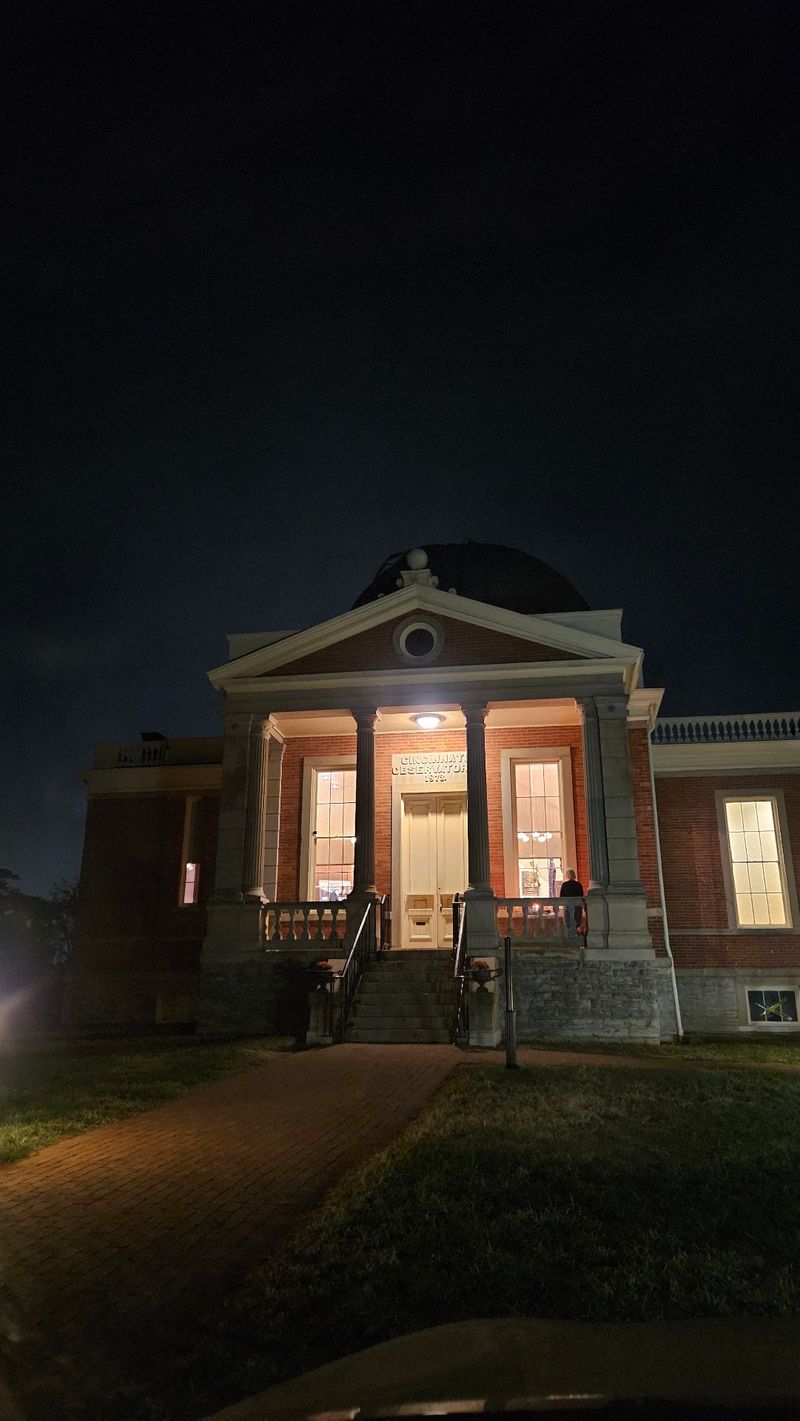
Next time you check the weather on your phone, you can give a small nod to this hilltop. Surprising, right?
I certainly did not expect a stargazing spot to connect to my morning forecast.
Cleveland Abbe was an early director of the observatory, and he was fascinated by weather. Around 1869, he started collecting telegraph reports from different cities and using them to predict what the weather would do.
Before that, forecasts were mostly guesses based on old sayings.
His work helped lay the groundwork for the national weather service that the United States relies on today. That is a huge deal for a small observatory on a quiet hill.
The science kept going in the 1900s too. Under Dr. Paul Herget, the observatory became home to the Minor Planet Center in 1947, tracking asteroids and small space rocks.
Herget also became known for his work calculating the paths of satellites.
I left feeling like this place was a lot more than a pretty building with old telescopes. It was a busy workshop for curious minds who kept finding new questions to answer.
If you have a kid who loves weather or space, share these stories with them before your visit. It turns a simple tour into a real adventure.
Planning Your Own Night Under the Dome
Clear skies and a bit of planning make all the difference here. I learned quickly that popular evening programs can sell out weeks ahead, especially when the weather looks perfect.
The observatory offers daytime tours on select days and public viewing nights, often on Fridays. Reservations are required, so book online through the official website.
Special events like date nights, kids nights, lectures, and even tea parties with sun viewing pop up throughout the year.
Bring a light jacket, since hilltop evenings can get chilly. Clouds can block the telescope view, so try to stay flexible and check the forecast.
Even on cloudy nights, the history talks and friendly volunteers keep things fun.
Some evening events run late, so plan for that if you have little ones. Spaces inside the domes are cozy, and you may sit close to strangers.
I honestly liked that part, because everyone gasps together when Saturn appears.
Before you leave, find the sundial on the grounds. It is easy to miss, and it makes a lovely final stop while the stars come out overhead.
The staff truly love what they do, and it shows.
Address: 3489 Observatory Place, Cincinnati, Ohio 45208
