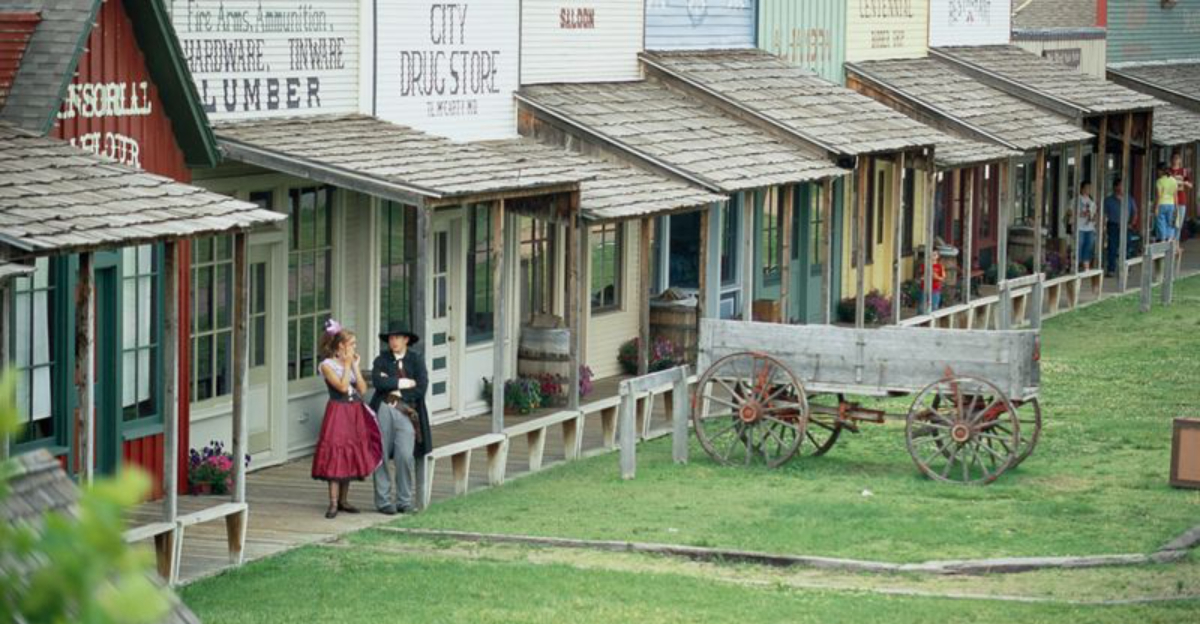
The wide Kansas prairie stretches endlessly beneath enormous skies, where the horizon meets golden grasses and the wind carries stories of a quieter time.
Scattered across this vast landscape are tiny towns that seem frozen in history, places where the noise of modern life fades into the whisper of tallgrass and the distant call of meadowlarks.
These communities offer travelers a rare gift: the chance to experience true silence and solitude, far from highways and hurried schedules.
Whether you seek ghost towns with fascinating pasts, remote settlements surrounded by rolling hills, or rebuilt communities with inspiring stories, Kansas prairie towns provide unforgettable moments of peace and reflection.
1. Galesburg
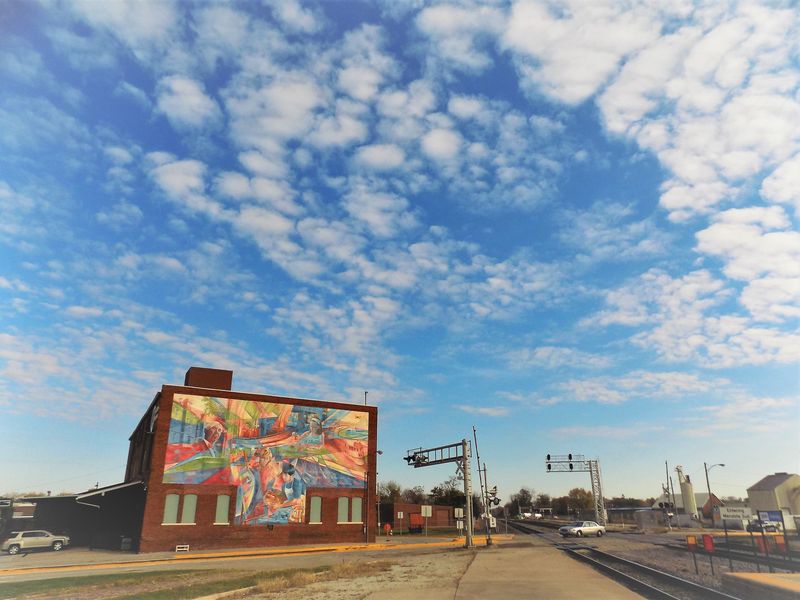
Tucked away in Neosho County, Galesburg feels like a place the world forgot, where time moves at the pace of drifting clouds.
The town sits cradled by endless tallgrass meadows that sway rhythmically with every gust of wind, creating a sea of green and gold that stretches to the horizon.
Visitors arriving here notice the silence first, a profound quiet broken only by the occasional distant rumble of a freight train passing through the countryside.
Historic buildings line the sparse streets, their weathered facades telling stories of settlers who once believed this remote spot would flourish into something grand.
Walking through Galesburg feels like stepping into a living photograph from the early 1900s, when prairie towns dotted Kansas in hopeful abundance.
The isolation here is palpable yet comforting, offering a rare escape from the constant noise and distraction of modern existence.
Local residents, few though they may be, maintain a quiet pride in their community and its stubborn persistence against the forces of depopulation.
Prairie winds create their own music here, rustling through the tall grasses and whispering around old homesteads that still dot the surrounding landscape.
Photographers and nature lovers find endless inspiration in the raw, unfiltered beauty of this region, where the sky dominates every view.
Galesburg reminds travelers that silence itself can be a destination, a precious commodity increasingly difficult to find in our noisy world.
2. Matfield Green
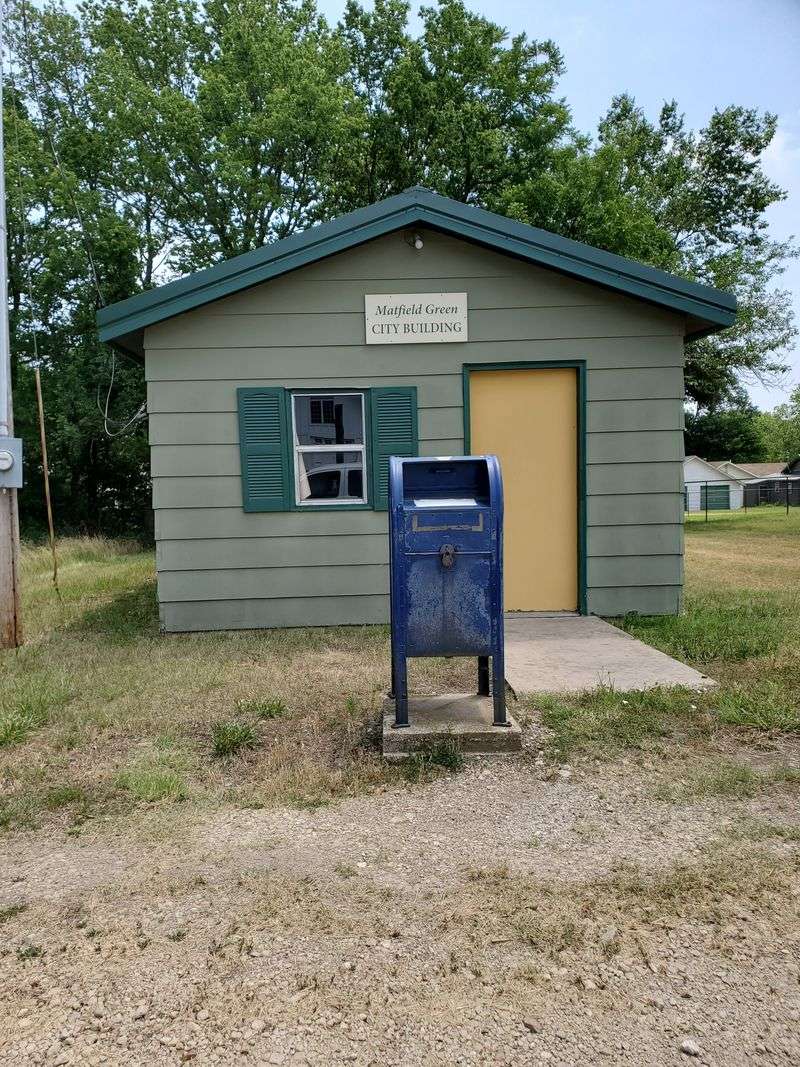
With barely fifty souls calling it home, Matfield Green has become an unexpected beacon for travelers craving authentic prairie experiences.
Deep in the heart of the Flint Hills, this miniature community proves that size means nothing when it comes to character and charm.
The town occupies a landscape of breathtaking beauty, where limestone outcroppings pierce through undulating hills covered in native grasses.
An old general store still operates here, serving as the social hub where locals gather to share stories and visitors stop to absorb the unhurried pace.
Artists and writers have discovered Matfield Green in recent years, drawn by its isolation and the creative inspiration found in such profound quietness.
The night sky here reveals stars in stunning clarity, unobscured by light pollution, transforming evening hours into celestial shows.
Spring brings an explosion of wildflowers across the surrounding hills, painting the landscape in purples, yellows, and whites that contrast beautifully with the green grasses.
Ranch life continues much as it has for generations, with cattle grazing peacefully across vast expanses of privately owned prairie.
There are no traffic lights, no chain restaurants, and no rush hours in Matfield Green, just the simple rhythm of days measured by sunrise and sunset.
Visitors often report feeling transported to another era, where human connection and natural beauty matter more than technology and speed.
3. Ludell
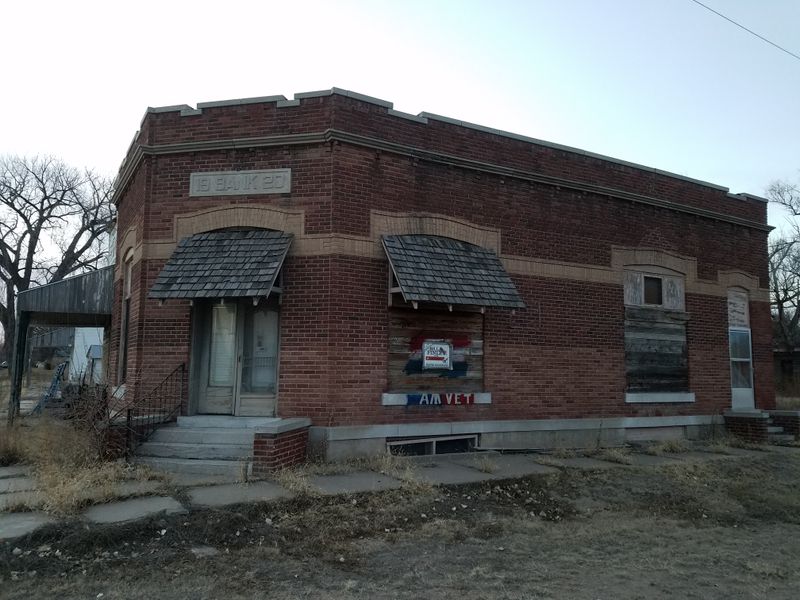
Resting in the far northwestern corner of Kansas, Ludell represents isolation in its purest form, reached only by county roads that seem to lead to nowhere.
The journey to this remote community takes travelers through mile after mile of open prairie, where the landscape feels almost oceanic in its vastness.
Broad fields stretch in every direction, interrupted occasionally by windbreaks of cottonwood trees planted generations ago to protect homesteads from relentless winds.
The town itself consists of a handful of structures, some still occupied, others slowly surrendering to the elements and the passage of time.
What Ludell lacks in population and amenities, it more than compensates for with its profound sense of peace and disconnection from modern chaos.
Birdwatchers appreciate the area for its diverse prairie species, including hawks that circle lazily overhead and meadowlarks that fill the air with their distinctive songs.
The pace here moves slowly by necessity, as residents have learned to be self-sufficient and patient in this remote setting.
Sunsets in Ludell are legendary among those who know about this hidden spot, with colors that seem to set the entire western sky ablaze.
Winter transforms the landscape into a stark study in whites and grays, where the silence becomes even deeper under blankets of snow.
Visiting Ludell requires intention and planning, but rewards those who make the effort with an experience of true prairie solitude.
4. Strawberry
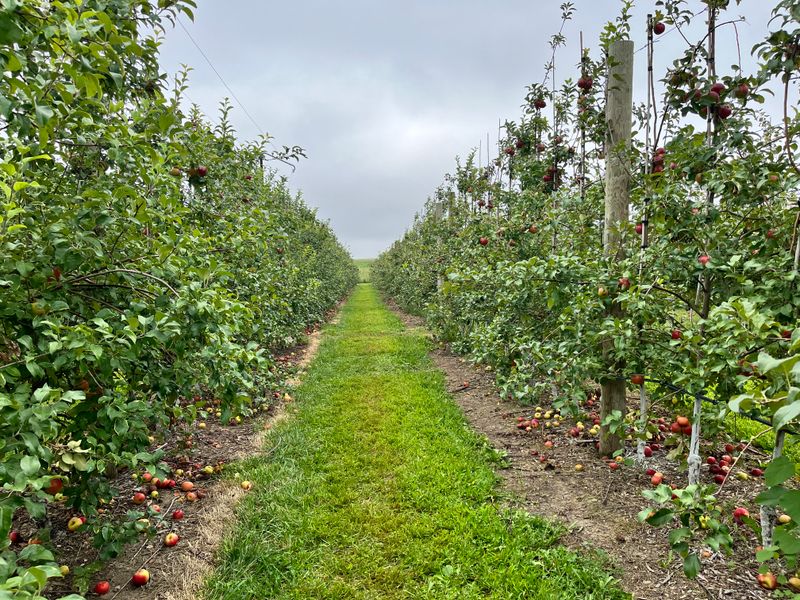
Once a thriving community in Washington County, Strawberry earned its delightful name from the wild berries that carpeted the area each spring.
Founded in 1861 by hopeful settlers, the town grew steadily for several decades before economic changes and population shifts began its slow decline.
By 1951, the town was officially disincorporated, joining the ranks of Kansas ghost towns that dot the prairie like forgotten memories.
Today, visitors to Strawberry find only scattered foundations, overgrown streets, and the occasional wall still standing against the prairie winds.
Nature has reclaimed most of what humans built here, with native grasses and wildflowers growing freely where homes and businesses once stood.
The silence at Strawberry feels particularly poignant, as if the land itself remembers the voices and activities that once filled this space.
History enthusiasts explore the site carefully, piecing together clues about daily life in a 19th-century prairie settlement.
Old photographs and county records reveal that Strawberry once boasted a school, several stores, and a post office serving surrounding farms.
The wild strawberries still grow here in season, a sweet reminder of what first attracted settlers to this particular spot on the vast prairie.
Visiting ghost towns like Strawberry offers sobering lessons about impermanence and the challenges faced by early Kansas communities.
The wind moves freely through the abandoned townsite, creating an atmosphere both melancholy and strangely beautiful.
5. Irving
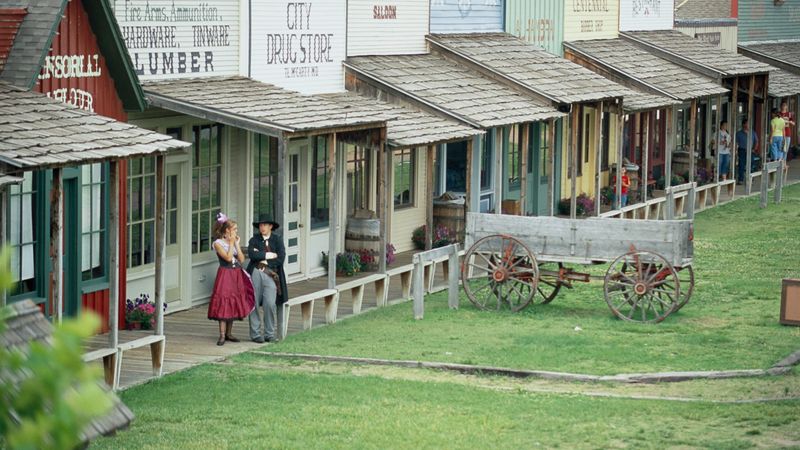
Named after the famous American author Washington Irving, this Marshall County settlement began with high hopes in 1859.
Early residents imagined Irving would become a significant community, perhaps even a county seat, given its promising location and timing.
Railroad routes and economic forces had other plans, however, and Irving gradually lost population as opportunities dried up and families moved elsewhere.
The transformation from bustling town to ghost town happened slowly, spanning decades as buildings emptied one by one and businesses closed their doors forever.
Now, Irving exists primarily in historical records and the memories of descendants whose ancestors once called this place home.
Physical evidence of the town has largely vanished, reclaimed by the prairie that surrounds it, leaving only subtle depressions and occasional artifacts.
Metal detectorists and amateur archaeologists sometimes explore the area, hoping to uncover buttons, bottles, or other remnants of frontier life.
The silence here feels complete, unbroken by human activity, with only the sounds of nature marking the passage of time.
Standing where Irving once thrived, visitors gain perspective on the fragility of human settlements in harsh prairie environments.
The nearby landscape remains beautiful, with rolling hills and agricultural fields that continue to sustain life, just in different forms than the founders envisioned.
Irving serves as a quiet reminder that not all frontier dreams materialized, though the courage and effort of those pioneers deserve remembrance.
6. Greensburg
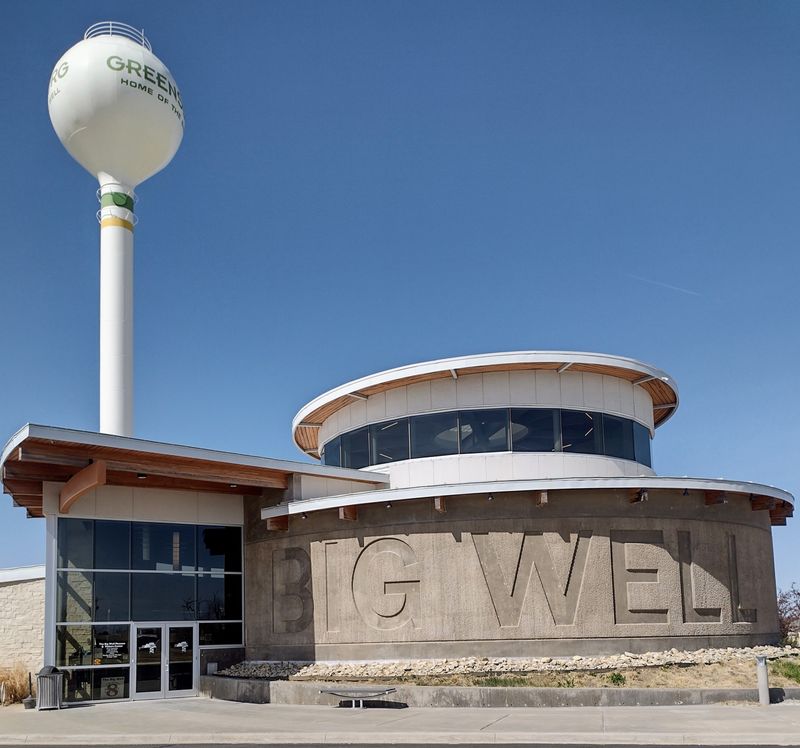
Greensburg stands as a testament to human resilience, having literally risen from complete destruction to become a model of sustainable rebuilding.
On May 4, 2007, an EF5 tornado, the most powerful category on the scale, obliterated virtually every structure in this Kiowa County community.
The storm killed eleven people and left survivors facing an impossible choice: abandon their home or rebuild from absolute zero.
They chose to rebuild, but with a revolutionary vision that would make Greensburg the greenest town in America.
Every new building constructed after the tornado met rigorous environmental standards, utilizing renewable energy, efficient design, and sustainable materials.
The Big Well, the world’s largest hand-dug well, survived the tornado and remains a fascinating attraction drawing visitors from across the country.
Walking through modern Greensburg feels like glimpsing the future, where small-town values merge seamlessly with environmental consciousness.
Wind turbines now dot the horizon around town, generating clean energy and symbolizing the community’s forward-thinking approach.
The silence here differs from other prairie towns, not born of abandonment but of intentional, mindful living and careful planning.
Residents speak proudly of their town’s transformation, offering tours and sharing their remarkable story with anyone interested in sustainable development.
Greensburg proves that even complete devastation can become an opportunity for positive change when communities unite with shared purpose and vision.
7. Prairie City
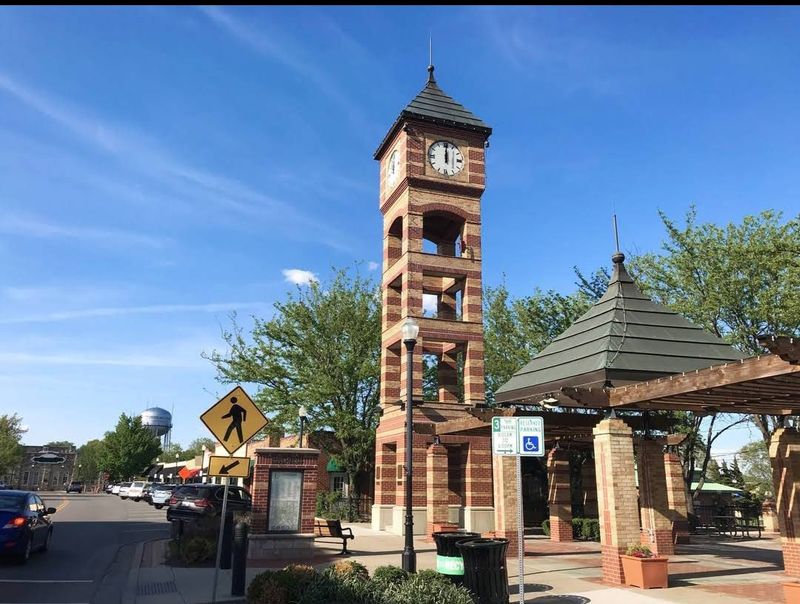
Established in 1855 during the turbulent territorial period, Prairie City emerged with promise as Douglas County settlers sought to establish communities across Kansas.
The town’s founding coincided with the violent conflicts over slavery that earned the territory its nickname, Bleeding Kansas.
For a time, Prairie City functioned as a legitimate settlement, with families building homes, operating businesses, and establishing the social structures necessary for frontier life.
Competition from nearby Lawrence, which grew rapidly into a significant city, eventually doomed smaller settlements like Prairie City to gradual abandonment.
As residents departed for better opportunities elsewhere, buildings fell into disrepair and the prairie began its patient work of reclaiming the land.
Today, almost nothing remains visible of Prairie City, making it a ghost town in the truest sense, existing more in records than reality.
The site occupies beautiful rolling prairie, where native grasses and wildflowers create seasonal displays of color and texture.
Local historians maintain interest in Prairie City’s story, occasionally conducting archaeological surveys to learn more about early territorial life.
The profound silence at the former townsite invites contemplation about the countless small communities that briefly flourished then faded across the American frontier.
Visiting requires some research and navigation skills, as no obvious markers guide casual travelers to this largely forgotten location.
Prairie City reminds us that history consists not only of successful cities but also of the many hopeful experiments that quietly disappeared.
8. Reece
Nestled in central Greenwood County, Reece offers travelers a peaceful retreat where the Flint Hills create a stunning backdrop of limestone and grass.
The town remains small and remote by design, with residents who appreciate the distance from larger cities and the slower pace that isolation provides.
Ranch land surrounds Reece in every direction, with cattle operations that have sustained families through multiple generations of careful stewardship.
The landscape here showcases the Flint Hills at their finest, with rocky outcroppings creating dramatic contrasts against the smooth curves of grass-covered slopes.
Spring transforms the area into a photographer’s paradise, when controlled burns clear old growth and fresh green shoots emerge in brilliant contrast.
Reece lacks the commercial tourism infrastructure found in more accessible locations, which preserves its authentic character and quiet charm.
Visitors who discover this hidden spot often return repeatedly, drawn by the genuine hospitality and the landscape’s meditative qualities.
The town’s remote placement means that modern conveniences are limited, requiring residents to plan carefully and rely on self-sufficiency.
Night skies over Reece rival any planetarium, with the Milky Way visible in stunning detail during clear weather.
Local wildlife thrives in this relatively undisturbed habitat, including prairie chickens whose elaborate mating dances occur each spring on traditional leks.
Reece represents the Kansas that existed before highways and suburbs, a place where land and sky still dominate human concerns.
9. Wilburton
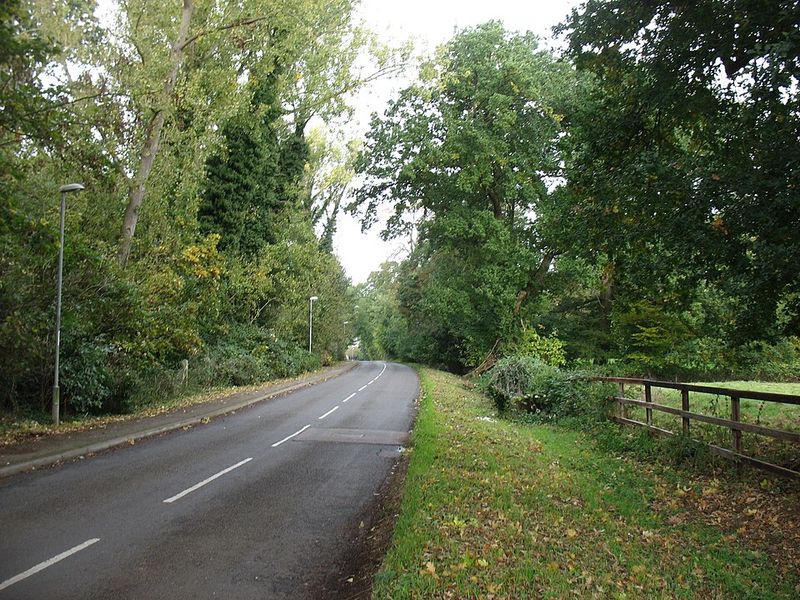
Wilburton exists on the edge of memory, a tiny settlement so remote that many Kansans have never heard its name.
The community consists of just a few structures scattered across the prairie, connected by gravel roads that turn to mud during wet seasons.
Population figures for Wilburton remain uncertain, as the settlement is too small for official census designation, with perhaps a handful of hardy souls calling it home.
What draws anyone to such extreme isolation varies, but common threads include desire for self-sufficiency, love of solitude, and deep appreciation for unmodified landscapes.
The surrounding prairie remains largely in its natural state, offering glimpses of what early explorers witnessed when they first crossed these grasslands.
Amenities here are nonexistent, with residents traveling considerable distances for supplies, medical care, and other necessities of modern life.
The silence at Wilburton feels almost tangible, a presence rather than an absence, wrapping around visitors like a thick blanket.
Weather patterns dominate daily life, with residents constantly aware of approaching storms, temperature changes, and wind conditions.
Summers bring intense heat and the constant buzz of insects, while winters can isolate the settlement completely under heavy snowfall.
Despite the challenges, or perhaps because of them, Wilburton holds a special place in the hearts of those who know it.
This tiny settlement represents the ultimate Kansas prairie experience, where silence is not just heard but felt in every moment.
Dear Reader: This page may contain affiliate links which may earn a commission if you click through and make a purchase. Our independent journalism is not influenced by any advertiser or commercial initiative unless it is clearly marked as sponsored content. As travel products change, please be sure to reconfirm all details and stay up to date with current events to ensure a safe and successful trip.
