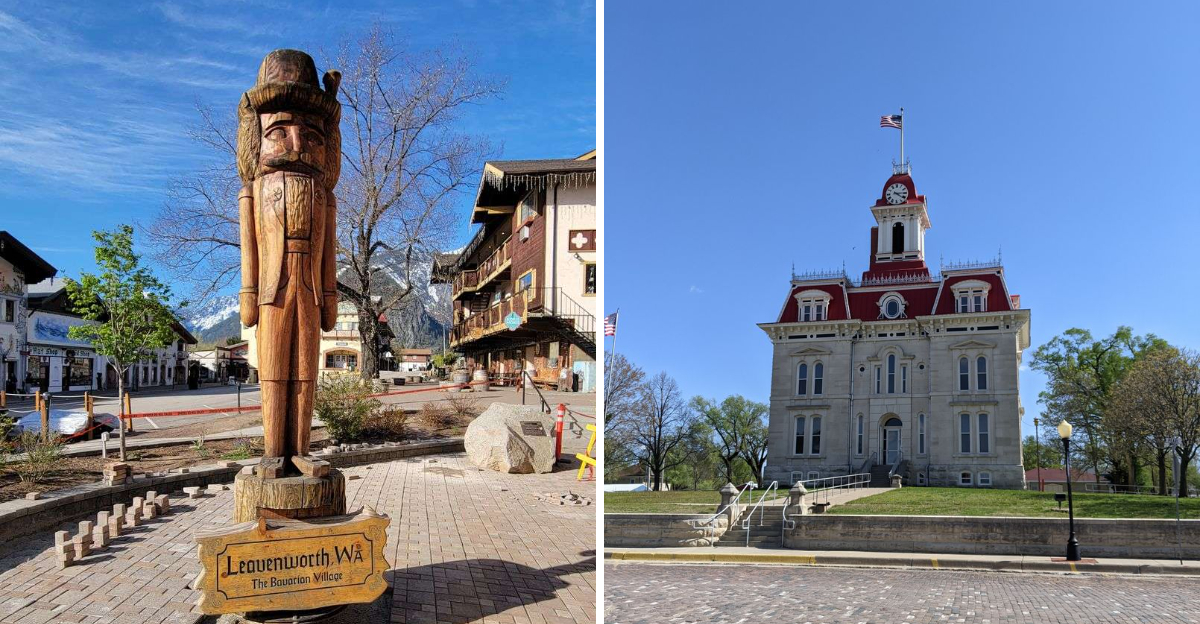
Kansas keeps surprising travelers who come for history, art, and prairie horizons, then stay for the quiet streets and neighborly rhythm. These small towns welcome visitors, yet every new boutique, shuttle, and selfie spot nudges the balance between charm and change. You will find landmark museums, brick downtowns, and scenic riverfronts, along with locals working hard to keep the soul of their places intact. Come along to see how ten Kansas communities navigate popularity while protecting what makes them special.
1. Abilene
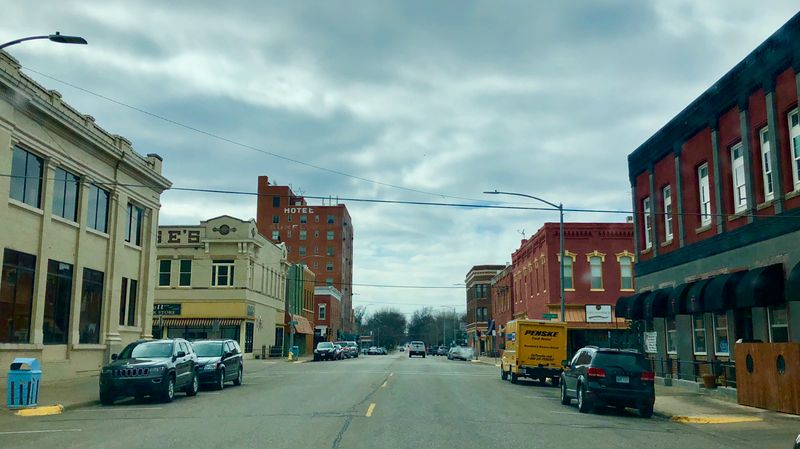
Abilene greets visitors with the Eisenhower Presidential Library and Museum, a campus that pulls tour buses straight to the heart of town.
Across from the complex, brick buildings lean into the breeze, their wooden signs recalling cattle drives and depot calls that once defined this place.
Walk a few blocks and you notice how foot traffic has nudged antique shops to refresh displays and extend hours when crowds swell.
The Old West spirit still lingers in murals and preserved depots, yet modern interpretive exhibits and sleek signage create a different tempo on busy weekends.
Residents talk about parking strain near 200 SE 4th St, Abilene, KS 67410, and how side streets become unofficial overflow during special events.
That pressure brings upgrades, like improved sidewalks and lighting, which locals appreciate even as they watch familiar corners grow busier.
You can ride the Abilene and Smoky Valley Railroad from 200 SE 5th St and hear wheels sing, then step into quiet neighborhoods that feel unchanged.
Some visitors arrive expecting a frontier theme park, yet Abilene offers subtle layers that reward patience and gentle pacing.
Cafes have added shaded seating to absorb the surge, and galleries rotate regional artists to keep repeat travelers curious.
As day trips become weekend stays, hoteliers restore older buildings while promising comfort that fits the town’s measured style.
Locals want heritage to remain visible, not just marketable, so festivals emphasize stories told by docents, veterans, and families.
If you come for Eisenhower, linger on side streets where porches creak and history settles in like evening light.
2. Lindsborg
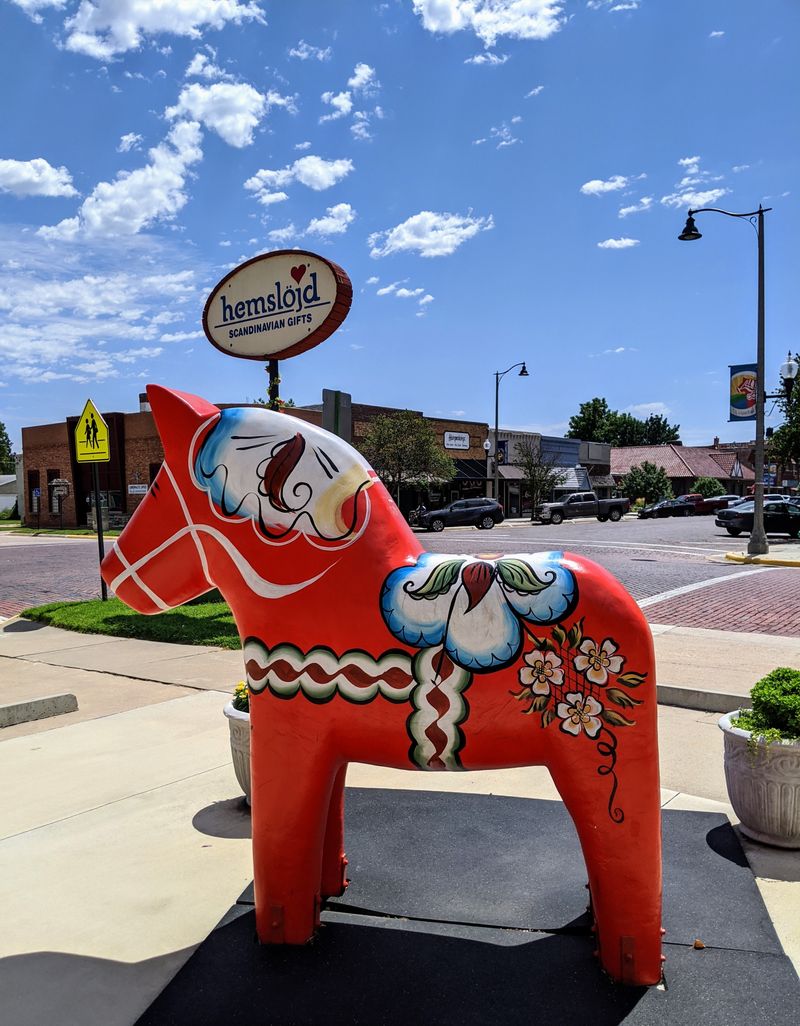
Lindsborg wears its nickname Little Sweden with pride, and the downtown blocks glow with painted Dala horses and tidy storefronts.
On a Saturday, the hum of strollers and cameras builds, nudging merchants to add seating nooks that keep sidewalks calm and walkable.
The McPherson County vibes blend with Scandinavian festivals that amplify color, costume, and craft without losing the neighborly cadence.
At 114 N Main St, Lindsborg, KS 67456, the Smoky Valley Arts and Folklife attractions draw steady attention and spark new artisan studios.
As more travelers arrive for heritage events, lodging requests rise and prompt careful conversations about scale and skyline.
Residents favor updates that match Main Street’s measured rhythm, choosing muted awnings and handlettered signs that read as timeless.
The Birger Sandzén Memorial Gallery at 401 N First St brings art lovers, who spill into side streets to admire murals and trim gardens.
Shops coordinate hours so visitors can browse without rushing, which helps keep purchases relaxed and conversations unhurried.
Wayfinding markers guide guests to parks and trailheads, easing pressure on the most photographed corners.
When crowds peak, volunteers steer people toward lesser known blocks where the town’s texture unfolds more quietly.
You will notice how planters, benches, and careful lighting turn short pauses into meaningful moments between stops.
Leave time to wander past tidy porches and hear the breeze across signs that spell a small Kansas town holding fast to itself.
3. Cottonwood Falls
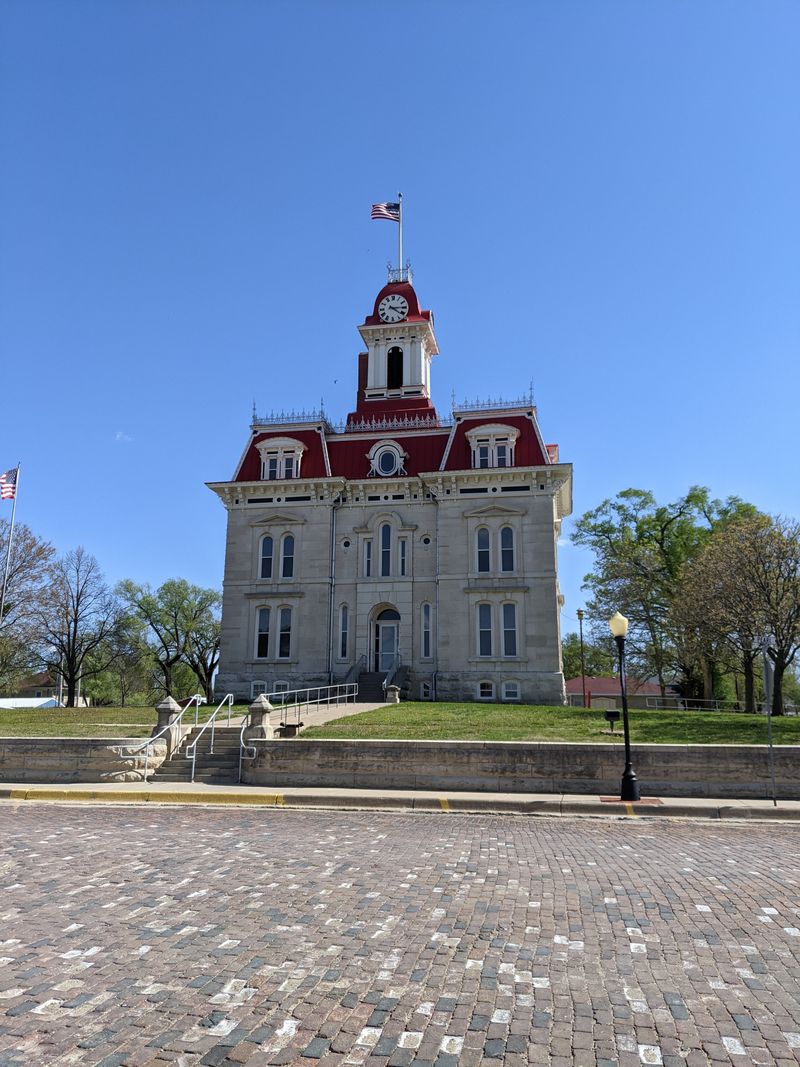
Cottonwood Falls sits at the threshold of the Flint Hills, where tallgrass waves meet courthouse stone and slow turning seasons.
The Chase County Courthouse at 300 Pearl St, Cottonwood Falls, KS 66845, anchors a square that gathers sunrise walkers and late afternoon browsers.
Visitors come for the Flint Hills Scenic Byway, then drift into shops that showcase local artists and prairie inspired goods.
As traffic grows, storefronts restore facades and add modest signage that respects the limestone profile and small town scale.
Trailheads near the Tallgrass Prairie National Preserve bring steady hikers who seek quiet before dinner and porchlight evenings.
Parking can tighten on weekends, and locals often guide newcomers toward side street spots that keep the square from clogging.
Night falls softly here, and the courthouse clock marks time for travelers who are learning to move a little slower.
New lodging options arrive with careful materials, wood and stone, that echo the hills rather than shouting for attention.
Local leaders keep an eye on shuttle routes and signage so corners stay walkable and viewlines remain open.
Pop in and you might hear someone recommend the river bridge at dusk, a small scene that tells the whole story.
Every added bench, every restored cornice, aims to keep Cottonwood Falls feeling like a place and not a product.
Bring curiosity and soft steps, because Kansas prairie towns reveal their beauty gently when the pace matches the wind.
4. Lucas
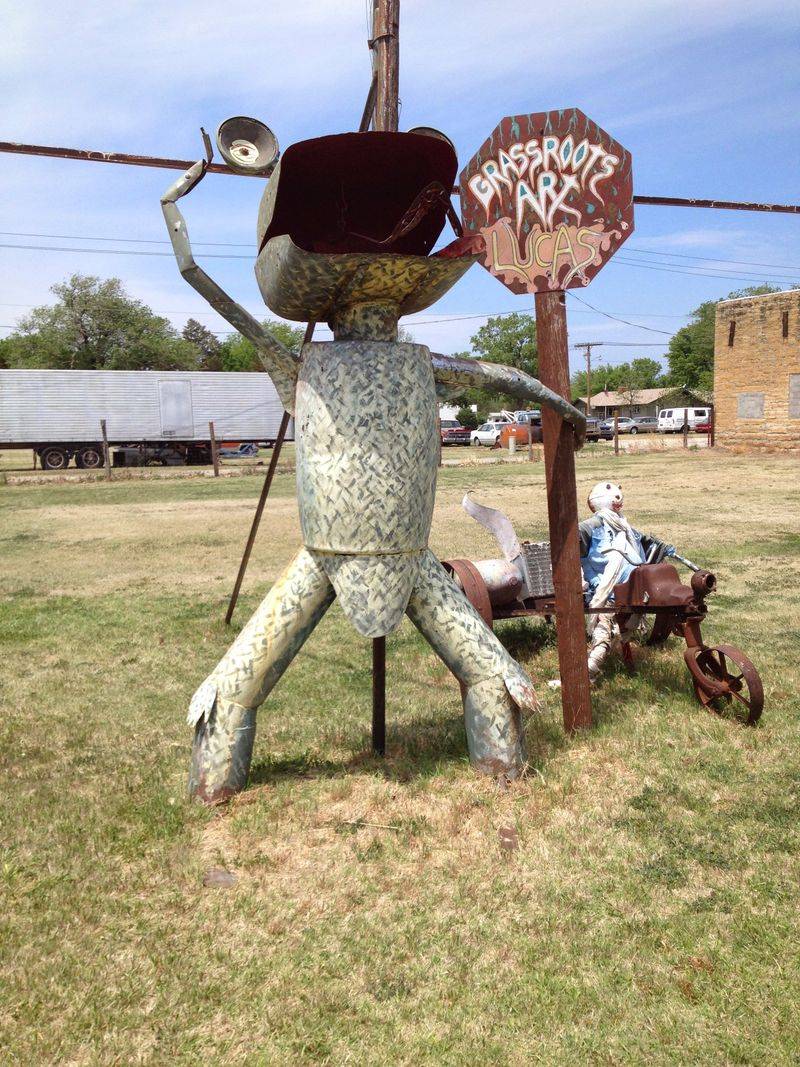
Lucas leans into its title Grassroots Art Capital, and the streets showcase a collage of mosaics, concrete figures, and witty signage.
At the Garden of Eden, 305 E 2nd St, Lucas, KS 67648, concrete biblical scenes and pop eyed creatures draw cameras and long looks.
The Grassroots Art Center at 213 S Main St extends the narrative, turning alleys into galleries and benches into viewing platforms.
Visitors arrive with wide grins, then realize the town is tiny, so every parked car changes the rhythm of Main Street.
Locals answer by mapping walking routes that spread foot traffic and spark discovery beyond the most famous sculptures.
Artists repair mosaic inlays and add small interpretive panels so newcomers understand the humor and history without crowding guides.
Shops curate regional work that complements, not competes, with the folk art landmarks already defining the skyline.
When a bus unloads, the sidewalks briefly feel full, yet a quiet side lane always softens the surge.
Wayfinding nudges travelers toward restrooms and shaded seating, practical fixes that keep patience intact.
You can stand under bright Kansas sun and feel how this place champions the handmade while guarding its calm.
Evening returns the smallest sounds to the foreground, the scrape of a chair, the soft clink of a sign chain.
Lucas thrives by keeping whimsy grounded, a rare balance that lets visitors play while the town stays itself.
5. Council Grove
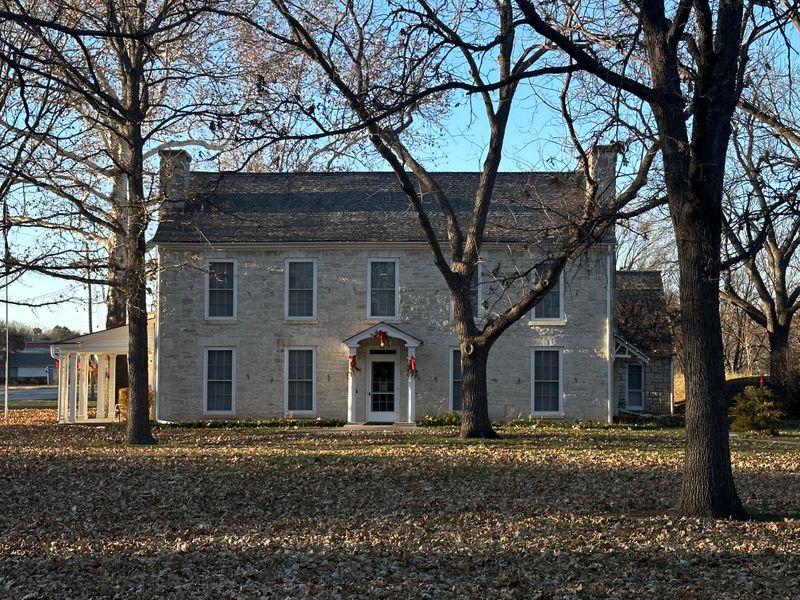
Council Grove holds deep ties to the Santa Fe Trail, and the story touches nearly every block and bend along the river.
The Kaw Mission State Historic Site at 500 N Mission St, Council Grove, KS 66846, orients travelers to place and context.
Near the Neosho River, brick sidewalks guide you past markers that link trade routes, treaties, and resilient communities.
Tour buses pause on Main Street, then spill explorers toward shops that balance heritage goods with contemporary design.
As development interest rises, leaders weigh viewlines, building heights, and the need for more lodging during festival weekends.
Locals point to the Hays House at 112 W Main St as a landmark address, and the surrounding blocks bustle at peak hours.
To relieve pressure, new wayfinding spreads visitors across the historic district so smaller storefronts share the lift.
Riverfront paths invite a slower loop that returns calm to downtown and keeps crossings unclogged.
Interpretive signs use plain language and maps that work for families, cyclists, and solo wanderers alike.
When the sun lowers, limestone catches warm light, and Kansas history feels present without turning into a stage set.
You will notice how benches face landmarks rather than traffic, a small design choice that centers storytelling.
Council Grove continues to welcome growth while guarding its cadence, a careful balance written into every block.
6. Atchison
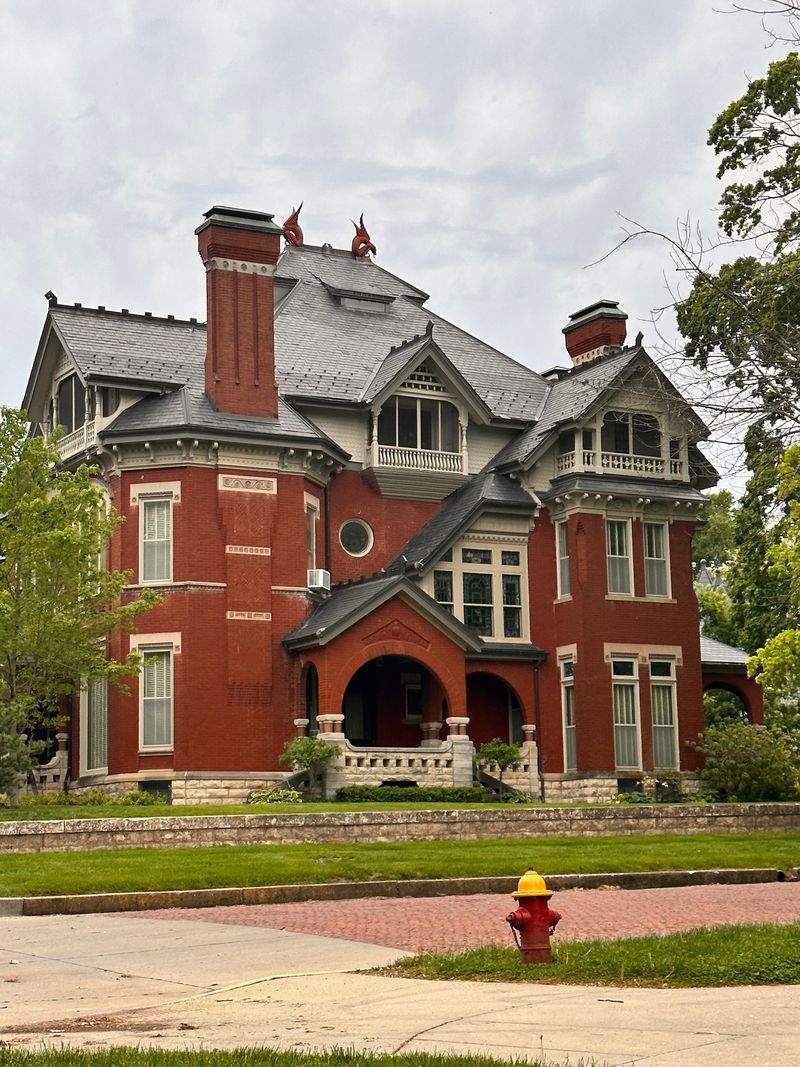
Atchison sits on river bluffs where Victorian roofs cut a crisp silhouette against wide Kansas skies.
The Amelia Earhart Birthplace Museum at 223 N Terrace St, Atchison, KS 66002, draws aviation fans who pair history with river views.
Ghost tours add a twilight dimension that brings weekend surges and full sidewalks near the depot lawn.
Downtown storefronts have refreshed windows and lighting to serve visitors while preserving vintage brick and stone.
Parking fills near the riverfront, so attendants guide cars toward secondary lots that keep neighborhoods quieter.
New lodging focuses on restored homes, a choice that adds beds without overshadowing the historic streetscape.
Interpretive plaques along Commercial St make strolls feel connected, not rushed, even when groups flow between stops.
Locals keep porch culture alive, and that visible hospitality shapes how newcomers move through town.
The noise crest arrives at sunset, then falls as tours end and bluff paths return to stillness.
You can stand at the overlook and feel a peaceful pull that tempers the busiest days.
Wayfinding steers visitors to less traveled corners like neighborhood parks, easing repeated pressure on river stairs.
Atchison embraces its legends while guarding the everyday, a balance that keeps character brighter than the spotlight.
7. Wamego
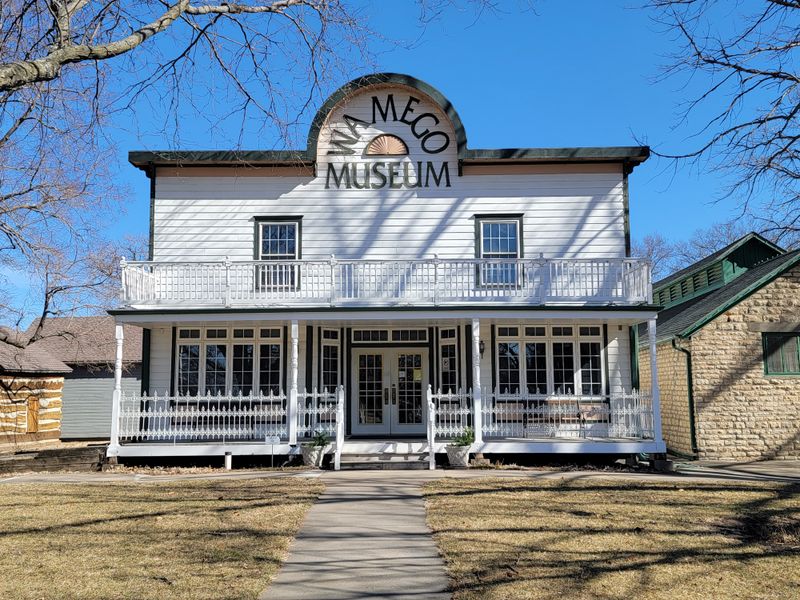
Wamego wears whimsy well, and the Oz Museum brings a steady stream of travelers to Main Street.
At 511 Lincoln Ave, Wamego, KS 66547, the museum façade pops with color that sets a playful tone for downtown.
Families spill toward City Park at 599 Park Ave where paths, gazebos, and shade create welcome breathing room.
With rising popularity, businesses add seating nooks and clear wayfinding that keeps strollers and wheelchairs moving smoothly.
Locals say the best time to linger is early, when windows glow and sidewalks feel like a private set.
As the day fills, side streets absorb parking so residents near Lincoln Avenue keep calm afternoons.
Seasonal events increase foot traffic, prompting merchants to coordinate hours and encourage loops that include quieter blocks.
New lodging remains modest in scale and often slots into existing buildings that match the town’s friendly silhouette.
Murals, pocket parks, and tidy planters soften the flow between attractions and keep the mood neighborly.
You will notice how staff greet visitors with practical tips that spread people around more evenly.
When evening settles over the Kansas River valley, Main Street lights become a gentle marquee rather than a glare.
Wamego balances joy and gentleness, letting the storybook energy shine without losing its everyday heartbeat.
8. Dodge City

Dodge City carries a frontier reputation that still shapes how visitors move, look, and listen along its boardwalks.
Boot Hill Museum at 500 W Wyatt Earp Blvd, Dodge City, KS 67801, remains the signature stop with living history programs and exhibits.
On busy days, crowds concentrate near Front Street facades, so wayfinding points to wider promenades that ease bottlenecks.
New development favors textures that echo wood plank rhythms without turning downtown into a set piece.
Residents protect a daily pace that locals depend on, especially around schools, libraries, and neighborhood parks.
Parking plans encourage visitors to leave cars in edge lots and walk toward museums and viewpoints.
Interpretive panels trace cattle trails and rail expansion in clear language, giving context without clutter.
When the wind rises, flags snap and the Old West aura feels more atmospheric than theatrical.
You can step off the main route and find quiet benches that frame big Kansas skies.
Evenings bring soft light to brick walls, a calm that counters the midday bustle.
Merchants coordinate event schedules so streets see waves rather than constant surges that strain staff.
Dodge City keeps the frontier story honest and grounded, a choice that preserves character while welcoming newcomers.
9. Fort Scott
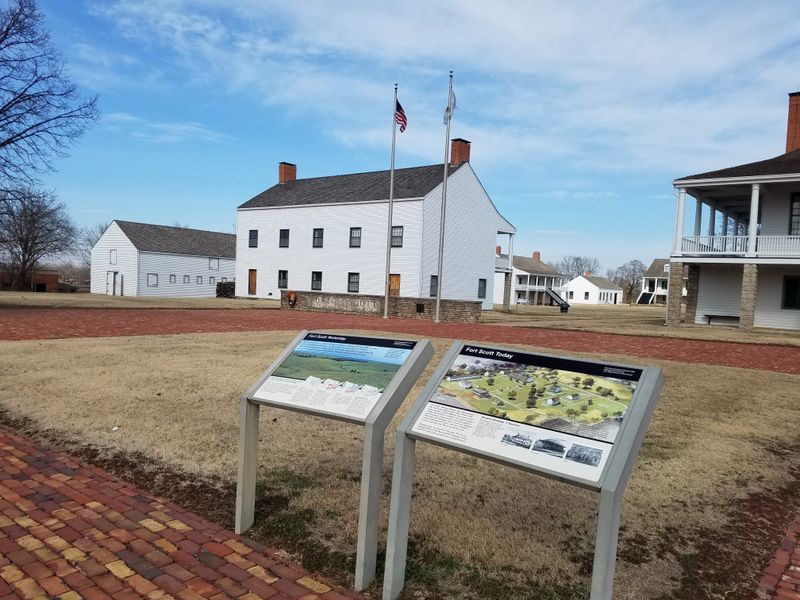
Fort Scott moves at a thoughtful clip, with the National Historic Site creating a green hinge between past and present.
At 1 Old Fort Blvd, Fort Scott, KS 66701, restored structures gather around a parade ground that invites slow walking and reflection.
Downtown brickwork lines the route to galleries and shops that welcome steady but manageable foot traffic.
The challenge arrives on event days when visitors cluster near crossings and narrow sidewalks.
Local plans add curb extensions and clearer crossings that keep strollers safe and drivers unrushed.
Adaptive reuse projects fold modern services into historic shells, preserving profiles while updating interiors for comfort.
Interpretive signs speak plainly about military history and community growth, anchoring visits in real stories.
You can hear birdsong from the fort lawn, a gentle soundtrack that settles crowds into a respectful mood.
Public benches face the green, not the road, reminding guests that contemplation matters as much as snapshots.
Parking zones steer cars away from the core streets, freeing space for walkers and window shoppers.
By evening, lights glow across brick cornices and Kansas calm returns to side streets.
Fort Scott keeps commerce and heritage in honest conversation, letting both thrive without outshouting the other.
10. Leavenworth
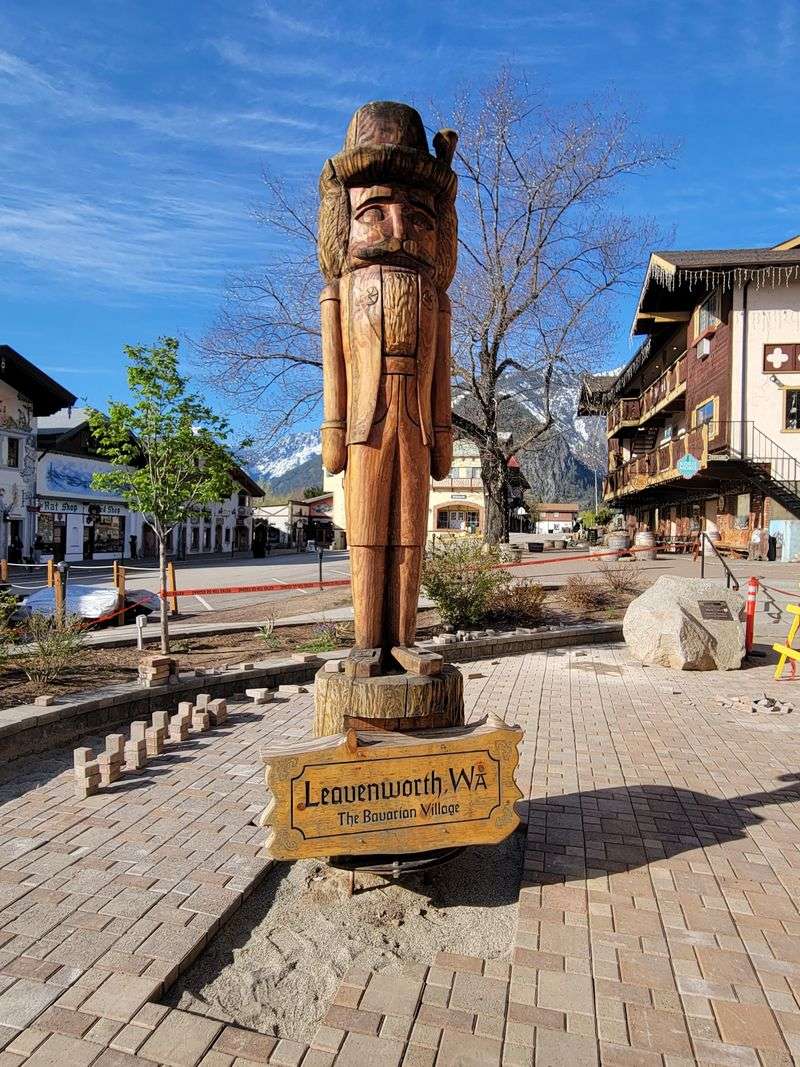
Leavenworth blends military history with riverfront calm, a mix that brings steady interest and careful stewardship.
Downtown blocks showcase handsome brick, while the river walk gives families and joggers room to stretch out.
The C.W. Parker Carousel Museum at 320 S Esplanade St, Leavenworth, KS 66048, adds a cheerful anchor near the water.
Visitors also ask about the historic prison complex, and wayfinding keeps viewpoints respectful and appropriately distanced.
As more travelers arrive, traffic planners adjust signals and crosswalks to keep Main Street humane and friendly.
New lodging prefers restored buildings that hold the town’s scale and soften late night comings and goings.
Public art brightens corridors, guiding people between civic buildings, the river path, and leafy side streets.
Parking guidance nudges cars toward shared lots so residents keep their blockfront spaces through the dinner hour.
By late afternoon, benches fill with people tracing the Missouri’s curve and watching the light change.
Staff at museums and shops offer maps that suggest loops, which spreads foot traffic and reduces crowding.
You will feel how Kansas generosity lives in small gestures, like a door held or directions given.
Leavenworth grows with intention, honoring its layered story while giving visitors a calm way to experience it.
11. Atchison
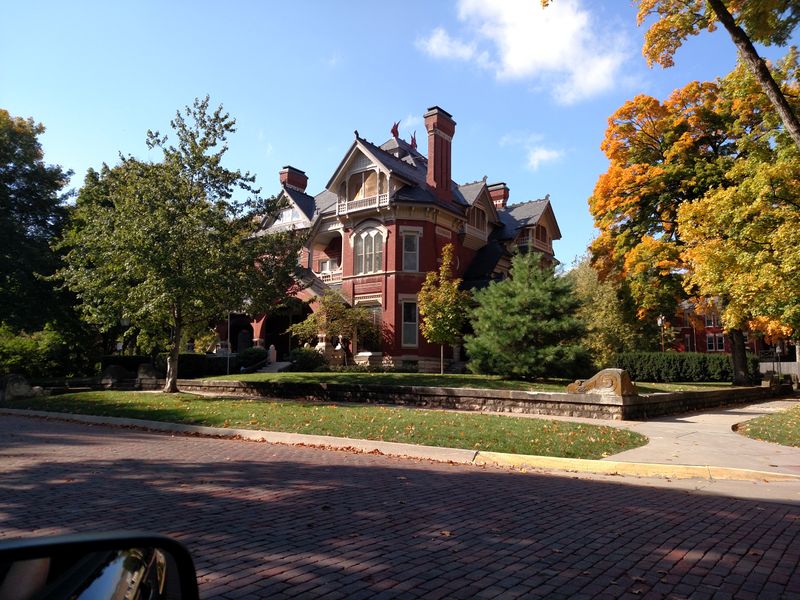
Atchison’s hillside neighborhoods deserve a second look because the porches, gables, and brick walks frame the town’s character.
While the Amelia Earhart Birthplace Museum brings many here, the surrounding streets carry the daily rhythm locals protect.
Address clusters near N 3rd St and parallel blocks absorb extra cars when downtown lots fill quickly.
Victorian homes glow in afternoon light, and walking tours highlight craftsmanship without turning lanes into corridors.
Wayfinding now directs visitors to less traveled segments so residents keep peace during busy seasons.
Community groups maintain pocket gardens that soften corners and welcome kids on scooters and parents with strollers.
You can stand under high branches and hear river wind, a quiet reminder beneath the tourist buzz.
Street lamps and trimmed hedges enhance safety while preserving the neighborhood’s understated charm.
Signage remains modest, favoring tasteful plaques over large banners that would change the view.
These blocks show how Kansas towns hold their ground by caring for small things others might overlook.
Evening walkers keep their pace steady, and neighbors trade waves as visitors drift back toward the bluff.
Atchison’s pride lives here, not only in museums, but in the lived landscape that still feels like home.
Dear Reader: This page may contain affiliate links which may earn a commission if you click through and make a purchase. Our independent journalism is not influenced by any advertiser or commercial initiative unless it is clearly marked as sponsored content. As travel products change, please be sure to reconfirm all details and stay up to date with current events to ensure a safe and successful trip.
