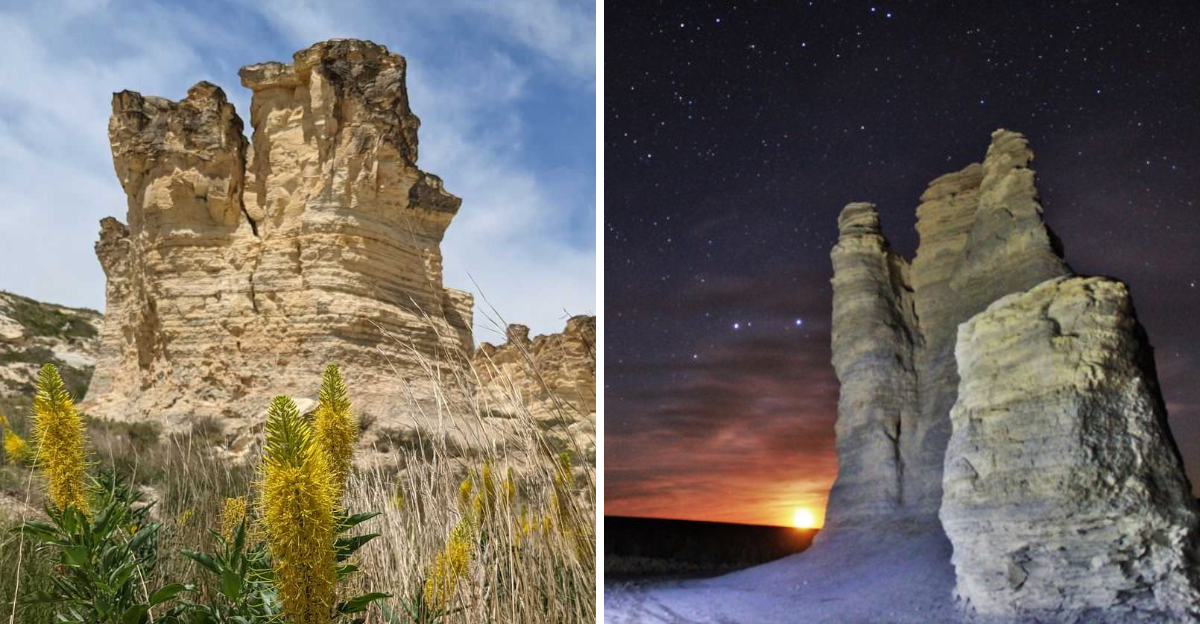
Castle Rock rises from the High Plains like a surprise, a chalky landmark etched by wind and time.
You come for the solitude, the soft crunch of marl underfoot, and that vast Kansas sky that seems to breathe.
Roads ribbon through ranch country toward a bluff where silence feels like a soundtrack.
Rock fins and spires catch late light, and the prairie glows with a calm that lingers.
This guide shares practical tips and fresh insights so your visit feels effortless and safe.
Finding the site with confidence
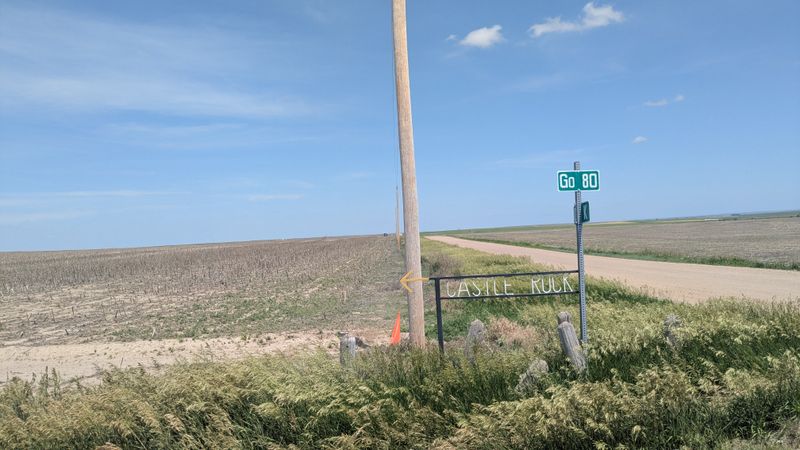
The approach to Castle Rock starts on county dirt and gravel roads that can shift with weather, so planning your route matters more than it might in town.
Use the official coordinates at 38.861122, 100.169852 and verify road conditions locally, since rainfall can turn caliche into slick clay that is tough on low clearance vehicles.
Download offline maps before leaving cellular coverage, and save a pin for Larrabee Township, KS 67752 to keep your bearings once the horizon opens.
Turnoffs are sometimes marked by modest signs or cattle guards, and gates along ranch corridors should be left as found, closed if closed and open if already open.
Drive slowly to reduce washboard vibration, and avoid pulling onto tall grass since a hot exhaust can pose a fire risk in a dry Kansas summer.
If recent storms passed, expect ruts, puddles, and hidden soft spots, and remember that two wheel tracks can mislead if they veer toward private pasture.
Navigation apps may suggest direct lines across section roads, yet the best route typically follows established county lanes that skirt arroyos and low draws.
Sunset is beautiful, but arriving with at least an hour of light helps you spot the spur that drops into the valley near the formations.
Parking is informal on durable surface near the end of the track, with room to pull off without blocking the approach for other visitors or ranch traffic.
You will feel the space widen and the wind pick up as the chalk buttes come into view, and that is your cue to switch from driving to exploring.
Reading the chalk and shale layers
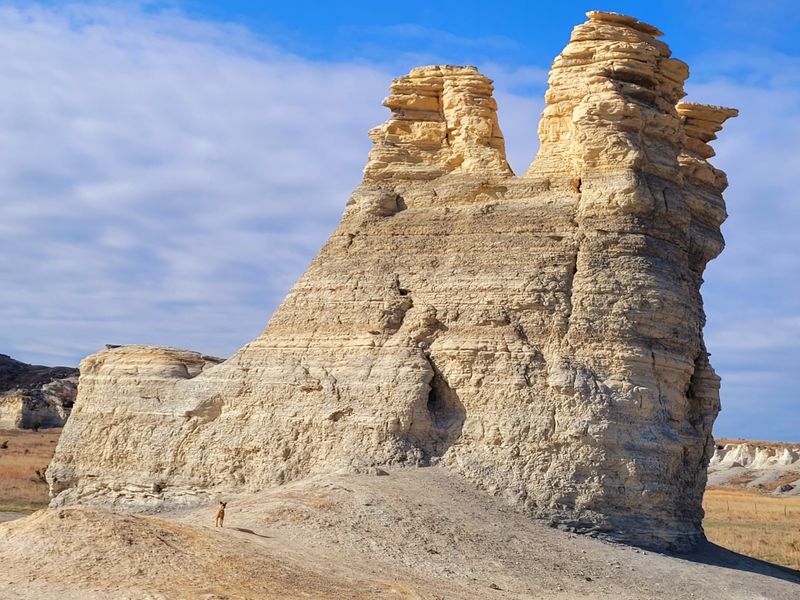
Castle Rock forms part of the Niobrara chalk, a Late Cretaceous deposit laid down in the Western Interior Seaway that once covered much of what is now Kansas.
You can see soft white chalk capped by tougher beds, with thin shale seams that weather into ledges and slopes where pebbly fragments gather after a storm.
Erosion sculpts buttresses, windows, and fluted runs that look delicate yet stand for decades until a freeze thaw cycle or rare cloudburst trims an edge.
Fossil hunters sometimes talk about inoceramid clams and fish scales, but collection rules vary by land status, so observe posted guidance and leave finds in place if required.
Chalk dust clings to soles and palms, so glove up if you scramble, and use three points of contact when moving across crumbly slopes.
Close inspection reveals tiny shell fragments glinting in slant light, a quiet reminder that these hills were once sea floor under calm, shallow water.
The white rock reflects sun strongly, making midday scenes bright and high contrast, while morning and evening highlight textures with soft golden angles.
After heavy rain, water cuts rills that trace paths through the marl, drawing temporary patterns that fade as winds smooth the surfaces again.
Climbing on freestanding spires is risky because undercuts can collapse without warning, so admire them from stable ground and keep a respectful buffer.
Standing beside the banded walls helps you grasp the timeline etched in layers, each thin stripe a story of sediment, life, and slow geologic patience.
Photography tips for changing light
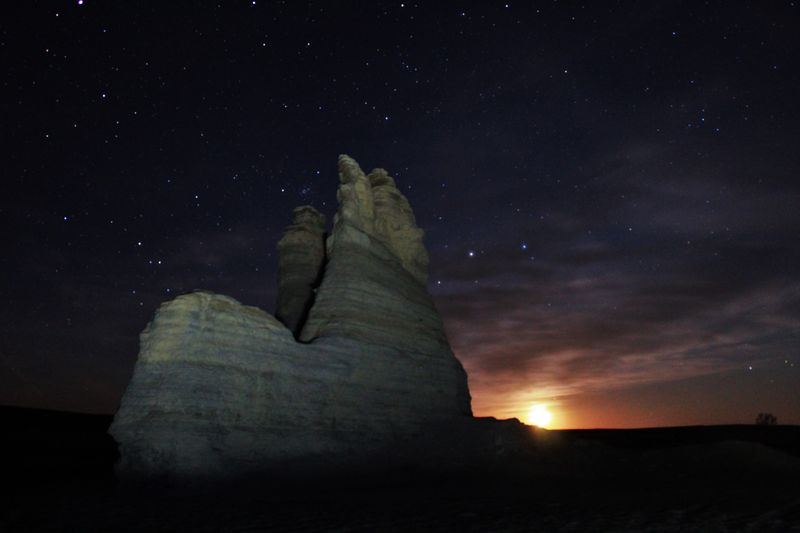
Light rules the experience at Castle Rock, and it shifts quickly across the open prairie as clouds drift and the sun slides toward the horizon.
Golden hour warms the chalk to soft peach and cream, while blue hour brings a cool tone that deepens shadows and shapes the spires with gentle contrast.
A wide lens captures the scale, but a short tele compresses layers and pulls distant walls forward, which helps when dust haze softens edges.
Tripods stabilize long exposures as wind moves grasses, so hang a small bag for weight and lower the center column to reduce vibration.
Polarizers tame glare and enhance sky depth, but take care not to over darken the horizon since the plains already carry strong tonal gradients.
Midday is harsh yet useful for black and white, where chalk textures pop and thin clouds add interest without crowding the frame.
Watch for footprints and tire tracks near your foreground, and step lightly to keep clean lines that look timeless rather than busy.
Always turn around after a shot since the sky behind you can be better, and subtle color shifts often happen opposite the sun.
Pack lens cloths because chalk dust rides the breeze and settles on glass, and keep caps on between compositions to cut down on spotting.
Respect others by keeping distance, and avoid shining bright lights toward wildlife or vehicles when experimenting with twilight scenes.
Respecting land and access etiquette
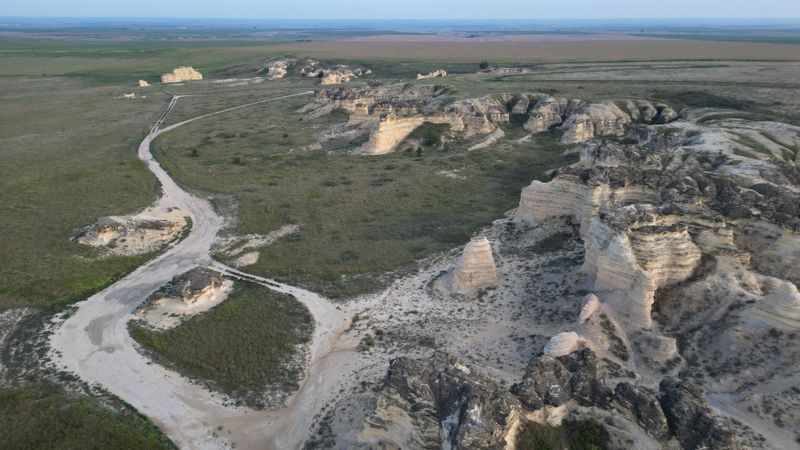
Castle Rock sits amid working ranch land, and respectful travel keeps the site open and enjoyable for everyone who loves Kansas landscapes.
Stay on existing tracks to protect grasses and cryptic prairie plants, and avoid wet sections that rut easily and scar the surface for months.
Pack out all trash, including tissue and snack wrappers, since winds move litter quickly and it takes effort for locals to retrieve it.
Pets should remain leashed near livestock, and if cattle are present, give them a wide berth and keep voices low to prevent stress.
Do not climb fences or cut wires, and never block gates with vehicles, because ranch access is a daily necessity rather than a formality.
Fires are unsafe in dry seasons, and even small embers can drift into grass, so skip campfires and use a stove only where permitted.
If you meet a rancher on the road, a wave and a slow pass go a long way, and you can ask politely about current conditions.
Drones may be restricted by local preference or wildlife concerns, so fly only where allowed and maintain line of sight to avoid disturbances.
Night visits deserve extra care, and headlights pointed away from residences reduce glare while preserving the quiet feel of the valley.
Treat the formations as fragile heritage, touching gently and resisting the urge to carve or leave marks that subtract from the shared experience.
Weather, seasons, and timing
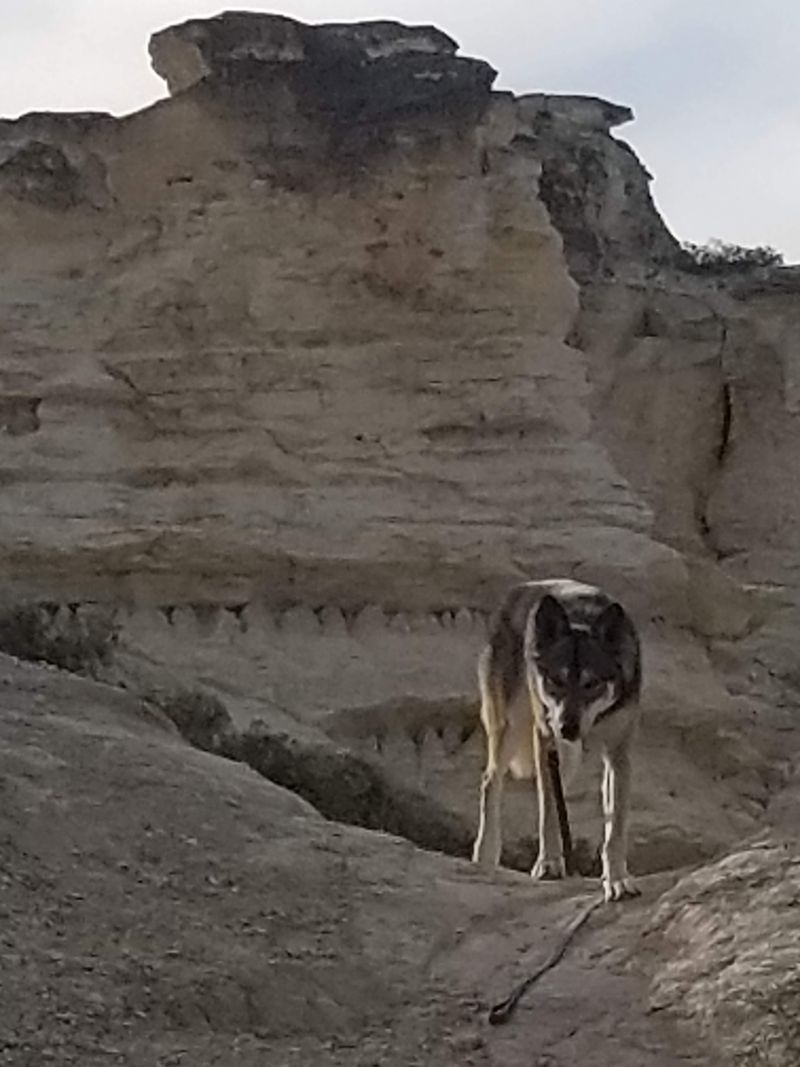
Weather shapes every decision at Castle Rock, and paying attention to forecasts helps you enjoy the day rather than endure surprises.
Spring brings wildflowers and milder temperatures, along with fast moving storms that paint dramatic skies and leave puddled tracks in low spots.
Summer runs hot under wide sun, so early starts and long sleeves protect skin while breezes cool the chalk flats in late afternoon.
Autumn delivers calm air and warm light, with clearer horizons that make sunsets linger and starlight sharper after twilight fades.
Winter can freeze the ground and create slick patches, and melt thaw cycles produce mud that clings to boots and tires with stubborn grip.
Wind is a constant companion on the High Plains, nudging hats and tripods and shaping the soundscape with a steady restless hush.
Lightning warrants retreat to a vehicle, since the open terrain offers few safe shelters and metal gear can attract stray charges.
Dust devils sometimes wander across the flats, and you can step aside and watch as they twist past and unwind within minutes.
Visibility stretches for miles on dry days, so distant clouds act as early signals for planning a safe wrap up and unhurried exit.
Build in buffer time on your itinerary, because this is Kansas, and the sky often writes its own schedule over the prairie.
Safety and smart gear choices
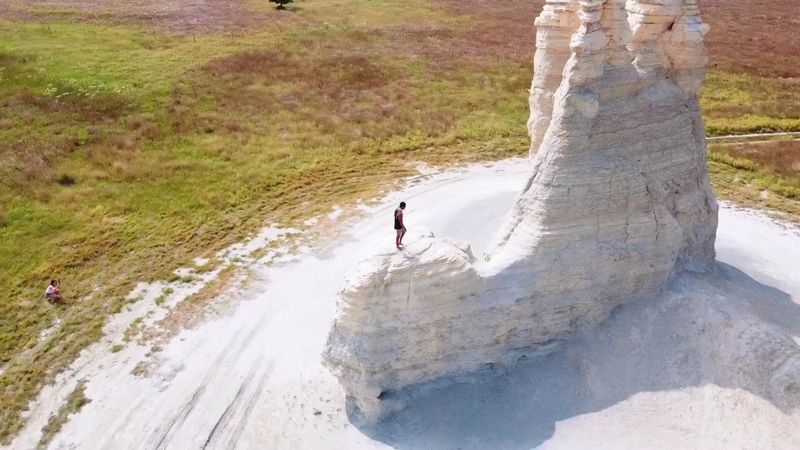
Safety at Castle Rock starts with water, shade, and sturdy footwear, because chalk slopes can crumble and sun can sap energy quickly.
Carry at least two liters per person, plus extra in the vehicle, and add electrolytes for long walks across exposed ground.
A brimmed hat, sunglasses, and light layers keep sun off skin, while gloves help when hands meet gritty rock on scrambles.
Traction matters on marly surfaces, so shoes with lugged soles outperform slick trainers and reduce slips on loose rubble.
Pack a small first aid kit with bandages, tweezers, and antiseptic wipes, and toss in moleskin for hot spots that bloom mid hike.
Navigation tools should include offline maps, a compass as backup, and a charged phone with a battery pack for long days.
Wind can flip lightweight tripods, so carry a strap or sandbag, and secure hats to avoid chasing them over uneven ground.
Wildlife sightings mostly involve birds and small mammals, so keep distance and move calmly to avoid stress on skittish species.
If traveling solo, share your plan with a friend and set a check in time, since service can drop behind bluffs and in low draws.
Trust your instincts, and if a slope looks fragile, choose the safer route, because a good photo is never worth a risky step.
Nearby services and sensible bases
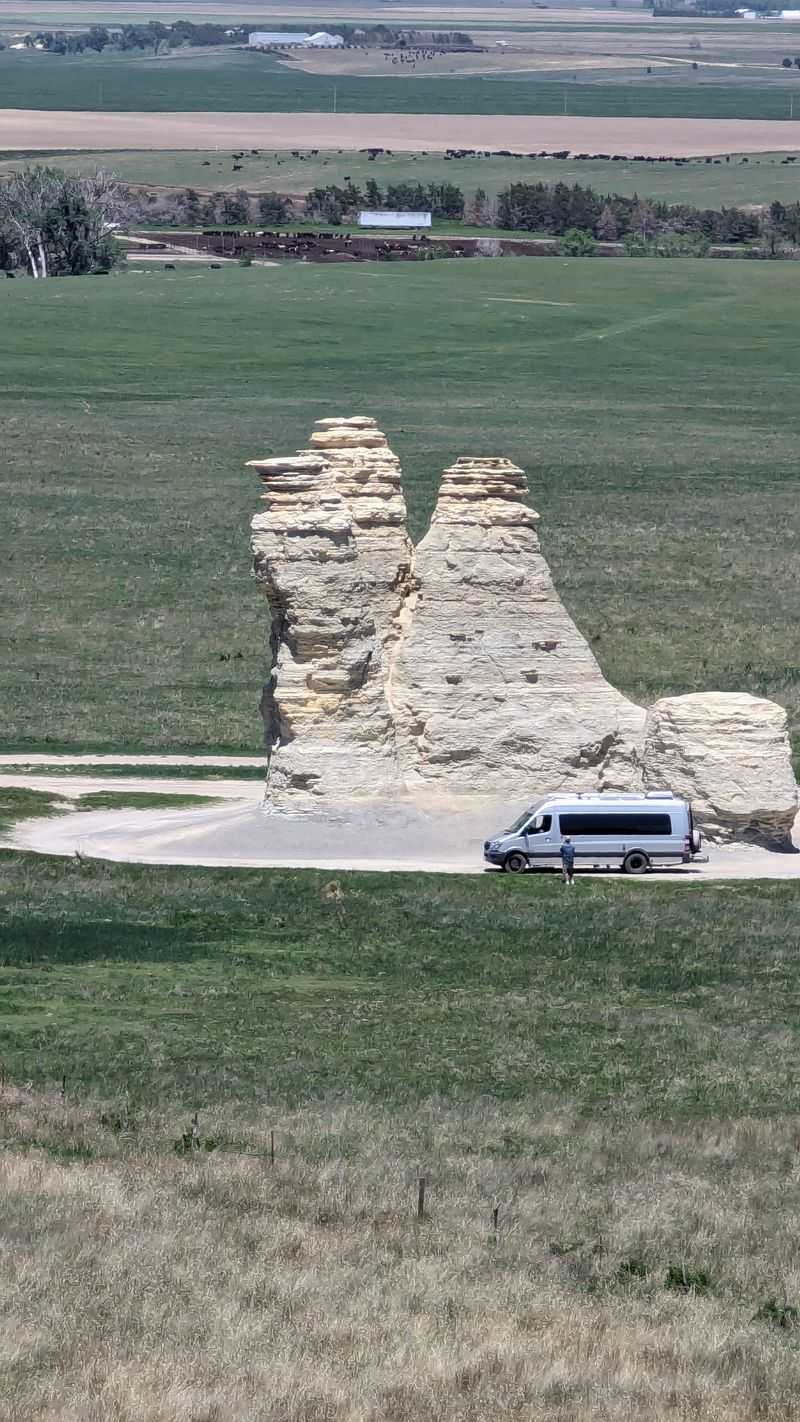
Castle Rock feels remote, so planning services around nearby towns helps the day run smoother and keeps focus on the landscape.
Fuel up before leaving the highway, and carry snacks and water so you can linger without a mid visit supply run.
Roadside restrooms are limited on county routes, and it is best to stop in town facilities before you turn onto gravel roads.
Lodging choices in the region range from independent motels to branded inns along I 70 corridors, with straightforward access back to prairie roads.
Wi Fi and cell coverage vary by provider, and you can pre download weather radar and maps to keep information handy if signal drops.
Ask local chambers for current road maintenance updates, since recent grading can improve traction and reduce washboard on key stretches.
Carry a tire repair kit and a reliable jack, as sharp flint and hidden debris occasionally puncture sidewalls on unimproved lanes.
Travelers sometimes build day plans that pair Castle Rock with Monument Rocks to the west, balancing time and light across both stops.
Coolers keep water cold in summer and protect sensitive camera batteries from extreme heat during long midday breaks.
With a thoughtful base and backup supplies, you can savor the quiet and return unhurried, ready for another Kansas sunrise.
Mindful exploration on foot
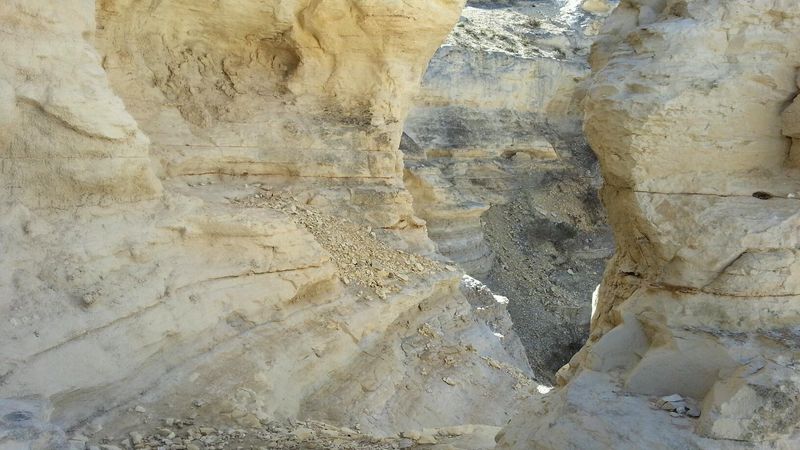
Exploring Castle Rock on foot rewards patience, since the best views often appear after small rises and bends in the chalk corridors.
Begin with a slow loop along durable surfaces, and let your eyes trace ridgelines that point toward windows and fins cut by steady winds.
Short scrambles gain perspective quickly, but test each step and avoid overhanging edges where voids can hide beneath thin crust.
Look for game trails that skirt gullies without slicing across fragile slopes, and choose routes that keep footprints to resilient ground.
When passing others, yield space on narrow sections and keep conversation soft so the soundscape stays calm and spacious.
Take micro breaks and stand still to feel the air shift, because breezes often reveal hidden birds and rustling grasses beyond the next curve.
Carry a small lens cloth and zip bag for chalky hands, and stash a bandana to protect camera bodies when dust rides the wind.
Mark your return path with simple mental notes rather than flagging, since visual cues like a bent shrub or a ribbed wall are easy to spot.
Time your walk to circle back before dusk deepens, unless you have headlamps and a partner who knows the terrain well.
Leave the site as you found it, with quiet steps and a clear respect for Kansas land that holds both beauty and history.
Stargazing and night ambience
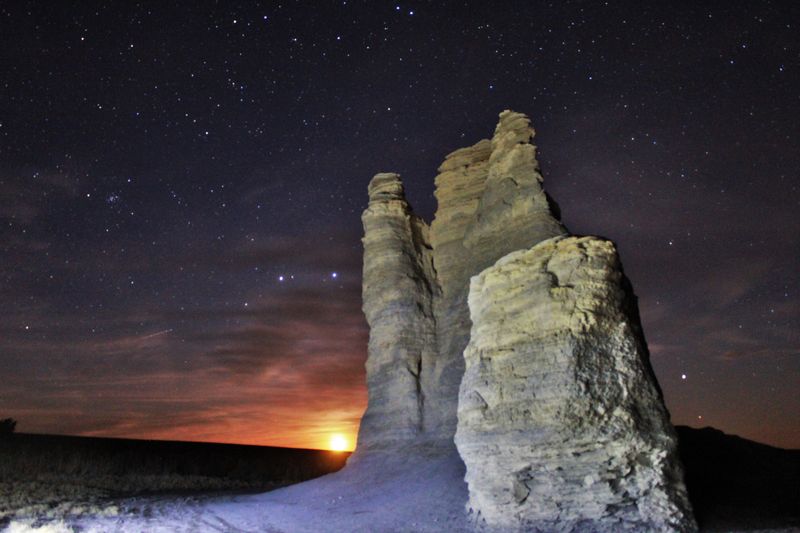
Night comes softly on the plains, and Castle Rock settles into a hush where stars seem to draw closer with every minute.
On clear nights away from moonlight, the Milky Way arcs above the chalk towers, and faint satellites drift along steady tracks.
Use red light on headlamps to preserve night vision, and keep beams down to protect wildlife and maintain a calm atmosphere for others.
Long exposures reward steady setups, so position tripods on firm ground and shield them from wind with your body or a bag.
Check astronomical forecasts for cloud cover and moon phase, and plan around civil twilight to align a blue hour foreground with rising stars.
Vehicle interior lights can contaminate scenes, so dim them or close doors gently before starting a sequence of timed frames.
Sound carries far at night, and even small noises echo, so keep conversation low and movements deliberate as you work.
If fog forms along the low draw, wait a moment, because thin veils can clear and reveal pin sharp skies without much delay.
Pack warm layers regardless of season, since temperatures drop quickly and fingers stiffen long before batteries show strain.
Leave no trace by brushing away small light stands and picking up tape or ties, and depart with the same quiet you found.
Practical planning checklist
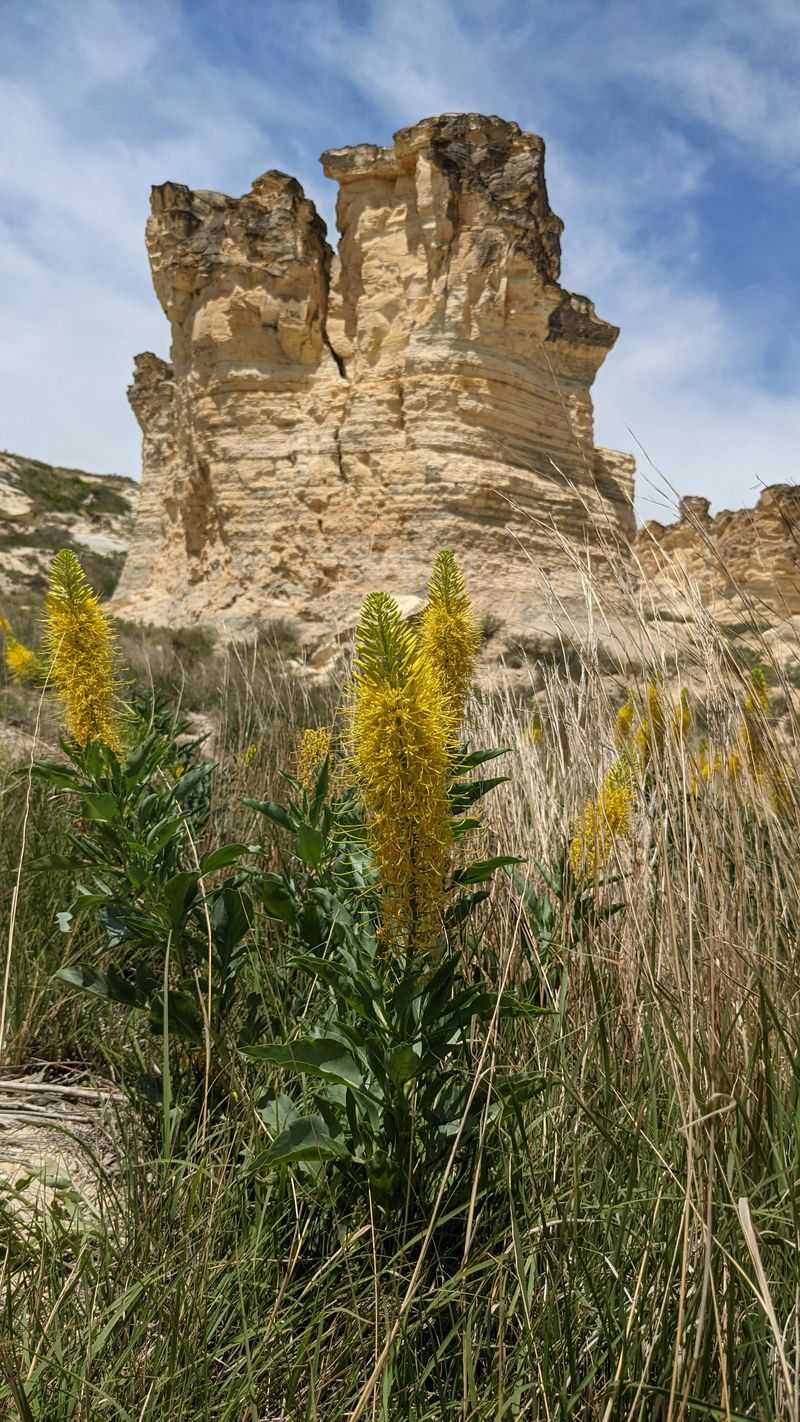
A short checklist makes a remote visit easier, and it keeps focus on landscape rather than last minute scrambles for gear.
Confirm weather, download offline maps, and save the coordinates 38.861122, 100.169852 as your reference for the spur near the formations.
Top off fuel, pack extra water, and store snacks where you can reach them without unpacking cameras or jackets mid route.
Choose lugged footwear, sun layer clothing, and gloves that protect hands from the abrasive grip of chalk and shale fragments.
Carry a headlamp with red mode, spare batteries, and a basic first aid kit that covers blisters, scrapes, and minor cuts.
Bring a lens cloth, blower, and spare memory cards, since dust and long sessions can fill and spot gear faster than expected.
Tell a friend your plan and return time, and leave a note in your vehicle as a simple backup if signal drops in low areas.
Respect private land, close gates as found, and keep noise low so livestock and wildlife experience minimal disturbance.
Schedule arrival with daylight to scout safe footing, and linger for golden hour if weather and time align comfortably.
With a calm plan and flexible mindset, Castle Rock reveals its best details and reminds you why Kansas rewards those who slow down.
Dear Reader: This page may contain affiliate links which may earn a commission if you click through and make a purchase. Our independent journalism is not influenced by any advertiser or commercial initiative unless it is clearly marked as sponsored content. As travel products change, please be sure to reconfirm all details and stay up to date with current events to ensure a safe and successful trip.
