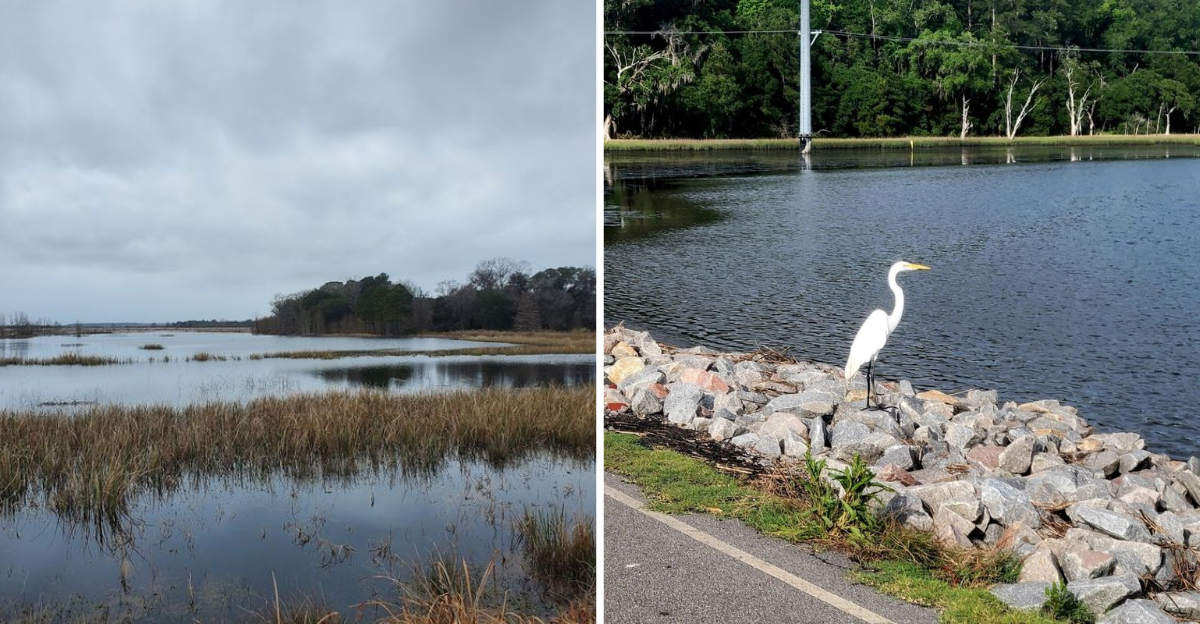
South Carolina’s coastal lowcountry still holds stretches of water where silence feels like part of the landscape rather than an absence of sound. Deep within a vast estuary shaped by three rivers, dark glassy waterways wind through cypress forests draped in Spanish moss, creating a setting defined by stillness and slow movement. Birdsong carries across the water while paddles disturb the surface only briefly before everything settles again.
The scale of the ecosystem reveals how much of the Atlantic coast remains untouched by development, rewarding patience and quiet observation. This undeveloped South Carolina estuary kayak region known for cypress waterways and wildlife offers a rare sense of isolation along the eastern seaboard.
The Blackwater Magic of the Edisto River
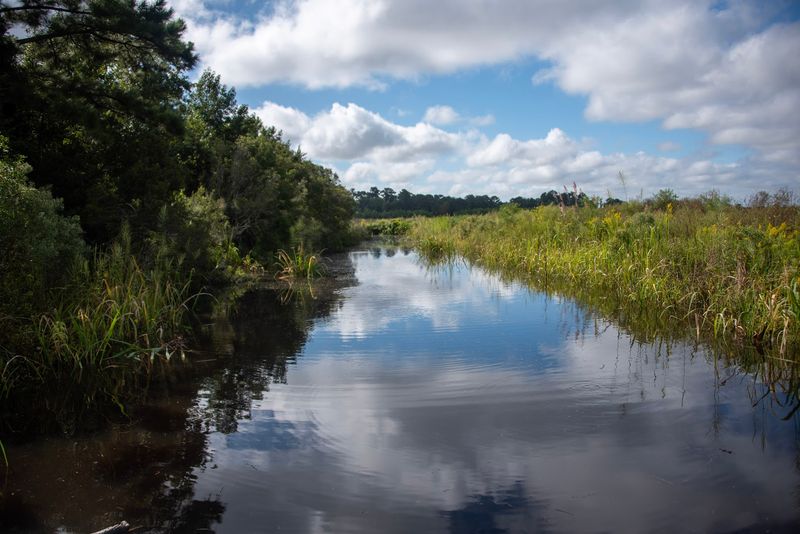
The Edisto River has a color that stops you mid-stroke. It runs a deep amber-brown, stained naturally by tannins from decaying leaves and roots, giving it that famous blackwater look that feels almost otherworldly on a clear day.
North America’s longest true blackwater river, the Edisto flows unhurried through the ACE Basin as if it has nowhere to be and nothing to prove.
Bald cypress trees line the banks in thick rows, their knobby roots rising from the water like sentinels. Spanish moss drapes every branch in long, silver-gray curtains.
Paddling beneath that canopy on a quiet morning is one of those experiences that genuinely makes you stop thinking about your phone.
Access points like Givhans Ferry State Park and Colleton State Park make the Edisto approachable for paddlers of most skill levels. The current is gentle enough that even beginners feel comfortable, while experienced kayakers can cover longer stretches with ease.
Bring water, sunscreen, and a good pair of binoculars because the birdwatching along these banks is quietly spectacular. The Edisto doesn’t shout for attention, and that’s exactly what makes it so unforgettable.
Birdwatching From Your Kayak Seat
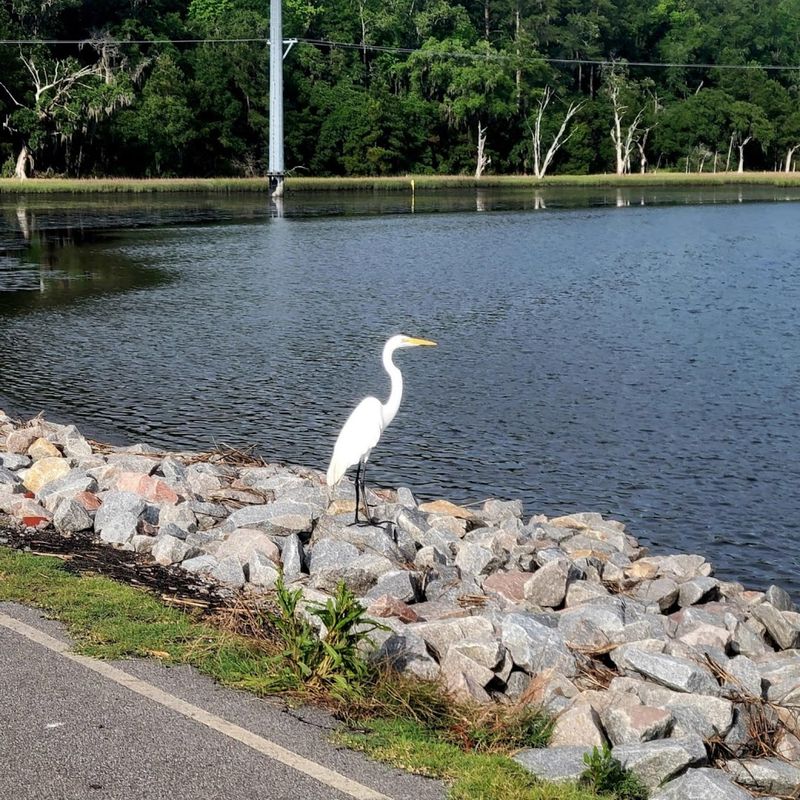
Somewhere between the Combahee River and an old rice field impoundment, I counted three bald eagles in under an hour. That’s the kind of birdwatching the ACE Basin quietly delivers without any fanfare or guided tour brochure promising it.
The variety here is genuinely staggering for anyone who enjoys watching wildlife in its actual habitat.
Wood storks wade through the shallows with prehistoric patience. Ospreys circle overhead before plunging into the water with startling precision.
Mississippi kites drift above the tree line in lazy arcs, and great blue herons stand motionless in the marsh grass like statues someone forgot to move.
The historic rice field impoundments scattered throughout the basin are managed specifically as waterfowl habitat, which means the bird density in those areas can be extraordinary during migration seasons. Fall and winter bring impressive concentrations of ducks and wading birds that draw serious birders from across the Southeast.
A pair of waterproof binoculars and a field guide tucked into a dry bag will serve you well out here. The ACE Basin rewards slow paddling and patient eyes more than almost any other wetland on the East Coast.
Reading the Tides Before You Launch
Tidal awareness isn’t optional in the ACE Basin. It’s the difference between a smooth, enjoyable paddle and a long, frustrating slog through mud flats that weren’t there an hour ago.
The tidal creeks and estuarine channels here can shift dramatically with the tide cycle, and a few hours of inattention can leave you working hard against a strong current.
The good news is that tides also work in your favor when you plan around them. Many experienced local paddlers time their routes to ride an outgoing tide one direction and an incoming tide back, covering impressive distances with minimal effort.
It feels almost like cheating, but it’s really just smart paddling.
Before launching anywhere in the ACE Basin, check a reliable tide chart for the specific river or creek you’re targeting. The Combahee River, Sugar Hill Creek, and the tidal sections of the Ashepoo all behave differently depending on the phase of the tide.
Launching two hours before high tide on a creek route gives you plenty of water depth and a helpful push. Local outfitters in Colleton and Beaufort counties are excellent resources for tide advice specific to your planned route.
Always ask before you go.
Exploring the Old Rice Field Canals
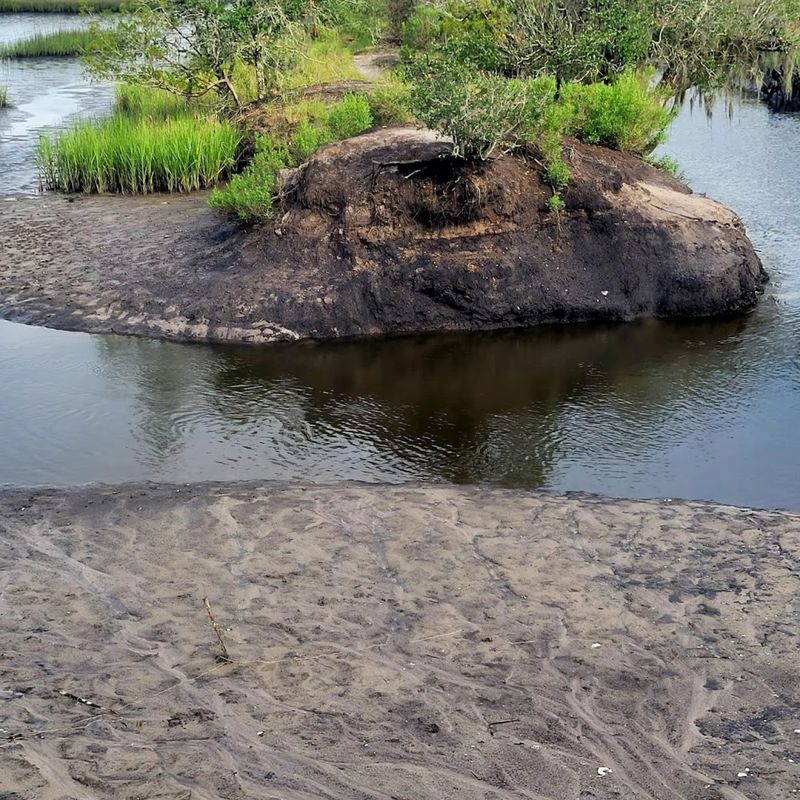
There’s something quietly haunting about paddling through a canal that was hand-dug centuries ago. The old rice field systems of the ACE Basin are some of the most historically layered landscapes in the entire American South, and exploring them by kayak puts you directly inside that history in a way no museum exhibit can replicate.
These narrow waterways were originally constructed as part of elaborate rice cultivation systems that defined the Lowcountry economy for generations. Today, many of those same canals and impoundments are managed as wildlife habitat, but the earthworks remain remarkably intact.
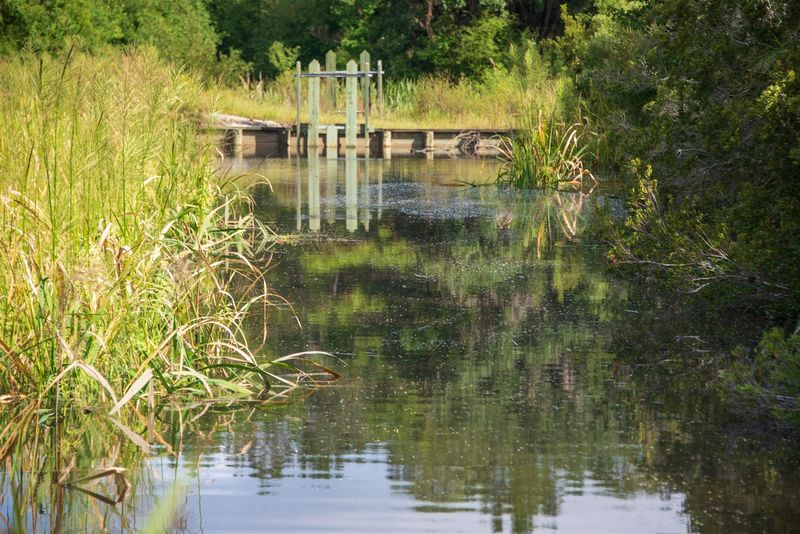
Tall marsh grass presses in close on both sides, and the water runs still and dark between the old dikes.
Alligators are common in these areas, sunning themselves on the banks or sliding silently into the water as you approach. They’re a reminder that this ecosystem has its own rules and rhythms that long predate any human presence.
Paddling quietly and keeping a respectful distance makes the experience feel more like observation than intrusion. The rice field canals also offer some of the most sheltered paddling in the ACE Basin, making them a good choice on days when wind picks up on the open rivers.
Wildlife Encounters That Catch You Off Guard
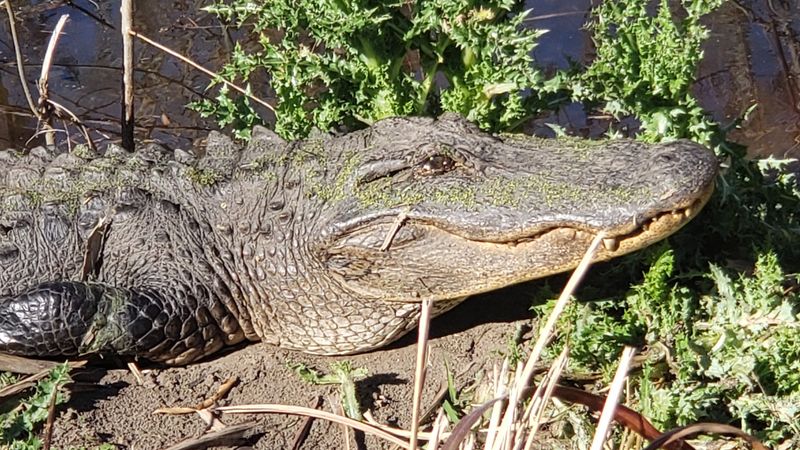
Nobody warned me about the alligator that surfaced six feet from my kayak near Sugar Hill Creek. It wasn’t aggressive, just curious, and it slipped back under the surface in seconds.
But my heart rate took considerably longer to settle down. That’s the ACE Basin for you: genuinely wild in a way that feels earned rather than staged.
Loggerhead sea turtles nest along the barrier beaches near the basin’s coastal edges, and sightings in the estuarine waters aren’t unusual during warmer months. River otters pop up along the Edisto and Combahee with cheerful regularity.
White-tailed deer appear at the water’s edge at dawn, drinking without any apparent concern for nearby paddlers.
The ACE Basin National Wildlife Refuge provides some of the most reliable wildlife viewing access in the region, with boat ramps that put you directly into prime habitat. The key to memorable encounters here is pace.
Slow, quiet paddling yields far more than any rushed route. Animals in the ACE Basin seem almost unaccustomed to heavy human traffic, which makes the encounters feel genuinely natural rather than performative.
Give yourself more time than you think you need and let the basin reveal itself on its own schedule.
Where to Put In: Access Points Worth Knowing
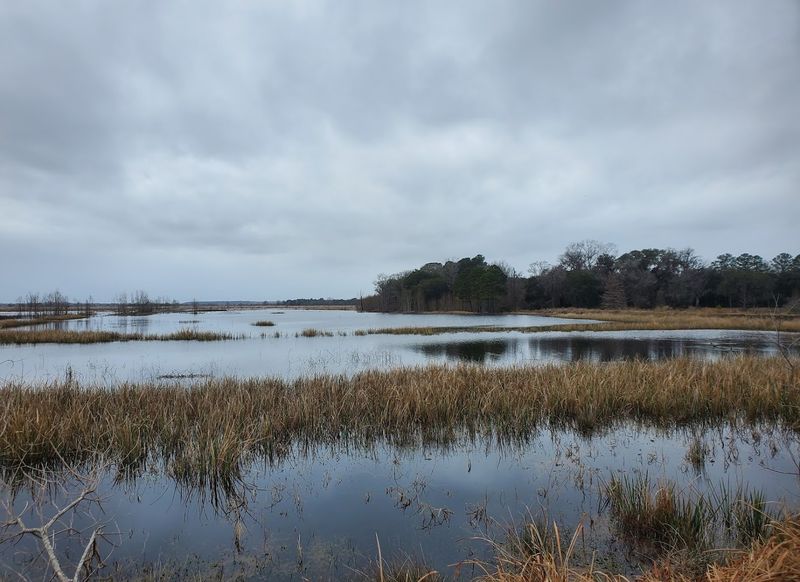
Finding a good launch spot in the ACE Basin takes a little local knowledge, but once you have it, the whole estuary opens up. Sugar Hill Landing is one of the most popular entry points for paddlers targeting Sugar Hill Creek and the Combahee River.
It’s a straightforward access point with enough room to unload gear without feeling cramped.
Givhans Ferry State Park on the Edisto River is another reliable launch, particularly for paddlers who want a more forested, upland river experience. Colleton State Park offers a similar setup a bit further downstream.
Both parks have basic facilities and are well-maintained, which matters when you’re trying to get on the water efficiently.
The ACE Basin National Wildlife Refuge maintains several boat ramps within its boundaries that provide access to some of the most remote and undisturbed sections of the estuary. These spots see far less traffic than the state park launches, and the payoff in solitude and wildlife density is noticeable.
Cell service can be spotty throughout the basin, so downloading offline maps before you leave is genuinely useful. Knowing your put-in and take-out points in advance makes the whole day run smoother and leaves more mental space for actually enjoying the paddle.
Why This Place Stays Off the Radar
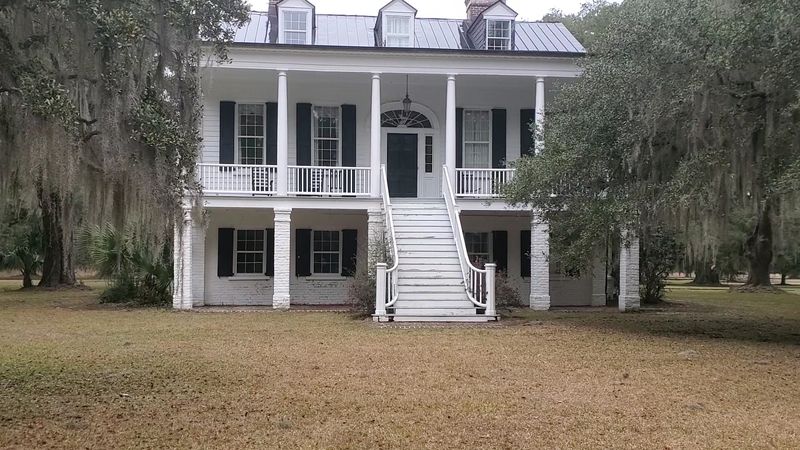
Over one million acres of habitat protected through a combination of conservation easements, nonprofit land trusts, and government refuges. That number is almost hard to process until you’re actually out on the water and realize you haven’t seen another person in two hours.
The ACE Basin’s low profile isn’t accidental; it’s the direct result of decades of intentional conservation work.
The Nature Conservancy has called it one of the Last Great Places on Earth, and that designation carries real weight when you paddle through a cypress swamp that looks unchanged from a century ago. There are no waterfront resorts crowding the banks.
No jet ski rentals. No floating bar situations.
Just rivers, birds, trees, and the occasional local angler who gives you a friendly nod.
The region leans hard into nature and heritage tourism rather than the consumer-driven beach vacation model that dominates much of coastal South Carolina. That orientation shapes everything about the visitor experience here, from the types of outfitters operating in the area to the kinds of conversations you have with people you meet on the water.
Locals outnumber tourists here not by accident but by design, and the ACE Basin is genuinely better for it.
Address: South Carolina 29446
