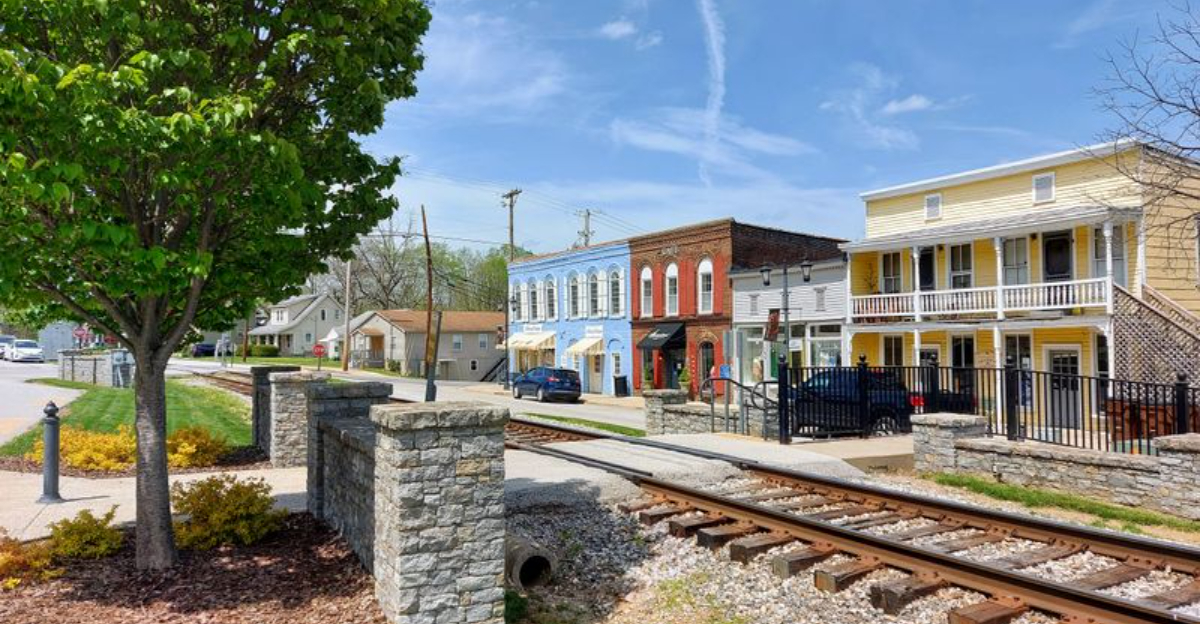
Kentucky has always been a place of rolling bluegrass hills, historic bourbon distilleries, and charming small towns where life moves at a slower pace.
In recent years, however, something unexpected has happened across the state.
These quiet, tucked-away communities have suddenly found themselves on the tourist map, drawing visitors from across the country and around the world.
While the economic boost is welcome, the sudden surge in tourism has brought challenges that many small towns were never equipped to handle, from overcrowded streets to strained local resources.
1. Bardstown
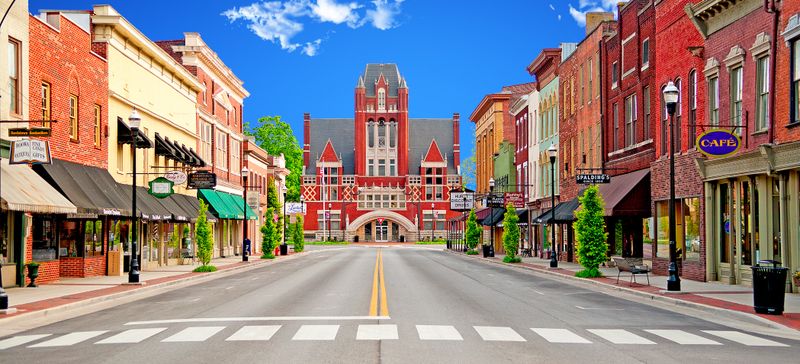
Bourbon flows like water through the veins of Bardstown, a town that has proudly worn the title of “Bourbon Capital of the World” for decades.
Visitors arrive by the busload, eager to sample the amber spirits that have made this region famous.
The historic downtown, once a peaceful collection of antique shops and family-owned restaurants, now buzzes with activity from morning until late evening.
Tour buses line the narrow streets, their engines idling as groups disembark for tastings and tours.
Local residents have watched their favorite breakfast spots transform into waiting-list-only establishments, with tourists claiming tables before dawn.
The charm that originally drew visitors here now feels diluted by the sheer volume of people moving through town.
Parking has become a competitive sport, with visitors circling blocks repeatedly while locals struggle to run simple errands.
Shop owners report record sales but also exhaustion from managing the constant flow of customers.
The bourbon trail has brought undeniable prosperity, yet longtime residents sometimes feel like strangers in their own hometown.
Traffic patterns have changed dramatically, with congestion becoming a daily reality rather than a rare occurrence.
Some locals now avoid downtown entirely during peak tourist season, choosing instead to shop in neighboring communities.
The town’s infrastructure, built for a population of just over 13,000, strains under the weight of thousands of weekly visitors.
Despite these challenges, Bardstown continues to welcome guests while seeking ways to balance tourism growth with community needs.
The bourbon legacy remains strong, but the town faces an ongoing conversation about sustainable tourism practices.
2. Lexington’s Distillery District

Old warehouses have been reborn as trendy breweries, distilleries, and restaurants in what has become Lexington’s hottest neighborhood.
The Distillery District pulses with energy, especially on weekends when visitors flood in from across the region.
What began as a grassroots revitalization effort has exploded into a full-blown tourist phenomenon.
The transformation has been remarkable, turning abandoned industrial buildings into vibrant gathering spaces.
However, the success has brought challenges that nearby residents never anticipated.
Weekend evenings bring traffic jams that can last for hours, with visitors circling endlessly in search of parking.
The residential streets surrounding the district have become de facto parking lots, with cars lining both sides.
Noise levels have increased dramatically, with late-night revelers spilling out of bars and restaurants.
Long-time residents report sleep disruptions and a general decline in their quality of life.
The neighborhood’s character has shifted from quiet residential to entertainment district, a change that happened rapidly.
Property values have increased significantly, which benefits some but prices out others.
Local streets, never designed for heavy traffic, show signs of wear from the constant flow of vehicles.
The district’s popularity shows no signs of slowing, with new establishments opening regularly.
City planners face pressure to address infrastructure needs while maintaining the area’s appeal.
The tension between economic development and residential livability remains unresolved, with both sides seeking compromise.
3. Midway

Picture-perfect historic buildings line the streets of Midway, a town that looks like it stepped straight out of a postcard.
The Bourbon Trail has put this charming community on the map, bringing visitors who want to experience authentic small-town Kentucky.
What makes Midway special is also what makes it vulnerable to overtourism: its compact, walkable downtown with narrow 19th-century streets.
Tour buses navigate these tight spaces with difficulty, sometimes blocking intersections as they attempt to turn corners.
Parking has become a critical issue, with limited spaces quickly claimed by tourists arriving early in the day.
Local residents often find themselves unable to access their favorite shops during peak hours.
The town’s antique stores and boutiques have become destinations in themselves, drawing crowds that spill onto sidewalks.
Restaurants that once served primarily local clientele now maintain waiting lists throughout lunch and dinner service.
The influx of visitors has brought prosperity but also frustration for those who remember quieter times.
Simple tasks like picking up groceries or visiting the post office now require strategic timing to avoid tourist crowds.
The town’s historic character remains intact, but the experience of living here has fundamentally changed.
Community leaders face difficult decisions about how to manage growth without losing the authentic charm that attracts visitors.
Some residents have embraced the changes, opening businesses that cater to tourists.
Others feel their town has been transformed into something unrecognizable, a theme park version of the place they once called home.
4. Loretto

Red wax drips down the neck of every bottle that leaves Maker’s Mark Distillery, a distinctive signature that has made this brand iconic.
Loretto, the tiny community that hosts this famous distillery, has become a pilgrimage site for bourbon enthusiasts.
The distillery’s picturesque grounds, with their distinctive red shutters and tranquil setting, attract thousands of visitors weekly.
This small town of just a few hundred residents suddenly finds itself hosting crowds that dwarf the local population.
The single gas station in town regularly runs out of fuel during peak tourist season, creating frustration for locals and visitors alike.
Restaurants in the area become overwhelmed during lunch hours when tour groups descend all at once.
The town’s infrastructure was never designed to handle this volume of traffic and people.
Local roads, narrow and winding, become congested with tour buses and rental cars navigating unfamiliar territory.
Residents report feeling invaded during peak season, with their quiet rural lifestyle disrupted by constant activity.
The economic benefits flow primarily to the distillery itself, with limited spillover to the broader community.
Small-town services like the volunteer fire department face increased demands without corresponding increases in resources.
The charm of rural Kentucky life, which makes places like Loretto appealing, becomes strained under tourist pressure.
Community members express mixed feelings about the attention their town receives.
While proud of the distillery’s success, they also mourn the loss of the peaceful existence they once enjoyed.
5. Berea
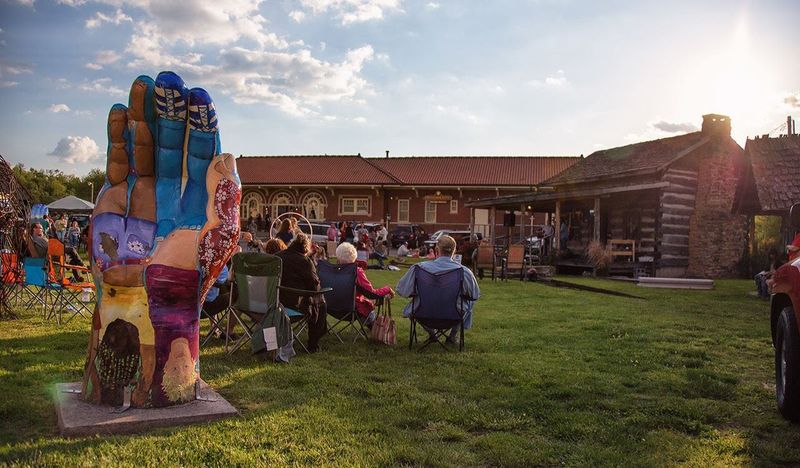
Handcrafted dulcimers, woven baskets, and pottery fill the shops of Berea, a town that has built its identity around traditional Appalachian arts.
Known as the Folk Arts and Crafts Capital of Kentucky, Berea has long attracted those seeking authentic handmade goods.
The town’s artisan community thrives on visitor interest, but recent years have brought crowds that overwhelm the small downtown.
Craft fairs and festivals transform the town into a sea of people, with tour buses arriving in convoys.
Parking becomes nearly impossible during major events, with visitors leaving cars in unauthorized areas and blocking driveways.
The artisan shops, once quiet spaces where craftspeople could interact meaningfully with customers, now operate more like busy retail stores.
Long lines form outside popular studios, with visitors waiting their turn to browse and purchase.
Local residents who once enjoyed leisurely visits to their favorite craft shops now avoid downtown during peak times.
The town’s small restaurants and cafes struggle to accommodate the sudden influx of hungry tourists.
Berea College, a cornerstone of the community, finds its campus inundated with visitors seeking parking and facilities.
The very success that has brought prosperity to local artisans has also changed the intimate, personal nature of the craft community.
Artists report exhaustion from the constant demands of peak season, with little time for the creative work that drew them here.
The town faces a delicate balance between supporting its artisan economy and preserving the quality of life for residents.
Community discussions focus on sustainable tourism strategies that protect Berea’s unique character while welcoming visitors appropriately.
6. Rabbit Hash
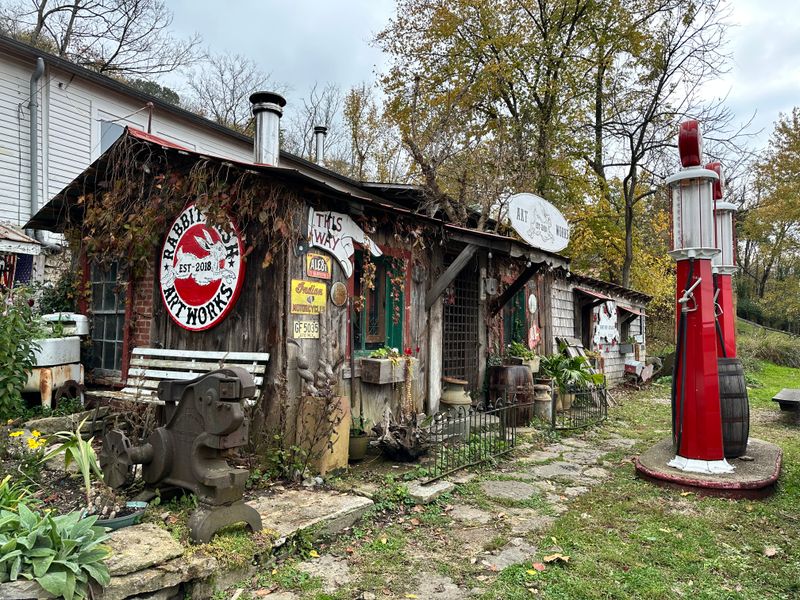
A dog serves as mayor in Rabbit Hash, a quirky fact that has catapulted this tiny riverside hamlet into social media fame.
The historic general store, which dates back to 1831, sits along the Ohio River in a community that time seemed to forget.
That peaceful obscurity ended when internet culture discovered this charming oddity.
Weekends now bring a constant stream of visitors, all eager to visit the store and snap photos with the canine mayor.
The single-road community becomes gridlocked with cars, creating hazardous conditions on the narrow approach.
Parking overflows onto private property, with visitors sometimes trespassing to get closer to the river.
The general store, a small building never intended for mass tourism, becomes uncomfortably crowded.
The handful of residents who call Rabbit Hash home find their serene riverside existence disrupted by the constant activity.
What was once a hidden gem has become a victim of its own viral popularity.
The charm that made Rabbit Hash special was its authenticity and remoteness, qualities that mass tourism threatens.
Local residents sometimes feel like exhibits in a living museum, observed by curious tourists.
The general store’s operators work tirelessly to manage crowds while maintaining the building’s historic character.
Community members debate whether to embrace the attention or find ways to discourage excessive visitation.
The town’s infrastructure, essentially nonexistent, provides no services for the crowds that arrive.
7. Frankfort
Serving as Kentucky’s capital city brings a unique set of challenges, especially when tourism booms collide with government operations.
Frankfort manages the daily business of state government while simultaneously operating as a bourbon trail destination.
The riverfront district, home to several popular distilleries, attracts thousands of visitors weekly.
This creates a perfect storm of congestion, with legislators, state employees, and tourists all competing for limited road space.
Downtown streets become gridlocked, particularly during legislative sessions when government traffic peaks.
Simple trips across town can take three times longer than they should, frustrating residents who need to navigate the city for work.
Parking remains chronically inadequate, with state workers, tourists, and residents all vying for the same spaces.
The distilleries along the riverfront have transformed what was once an industrial area into a major attraction.
While this revitalization brought economic benefits, it also brought traffic that the narrow riverside roads cannot handle.
Residents report avoiding downtown entirely during peak tourist hours and legislative sessions.
The city’s historic neighborhoods find themselves on tour routes, with buses rumbling through residential streets.
Local businesses benefit from increased foot traffic but struggle with the unpredictability of crowd sizes.
Infrastructure improvements lag behind the rapid growth in tourism, leaving the city playing catch-up.
Frankfort’s dual identity as capital and tourist destination creates tensions that city planners continue to address.
8. Harrodsburg
Kentucky’s oldest permanent settlement carries centuries of history in its streets and buildings.
Harrodsburg predates the American Revolution, founded in 1774 by pioneers venturing into the wilderness.
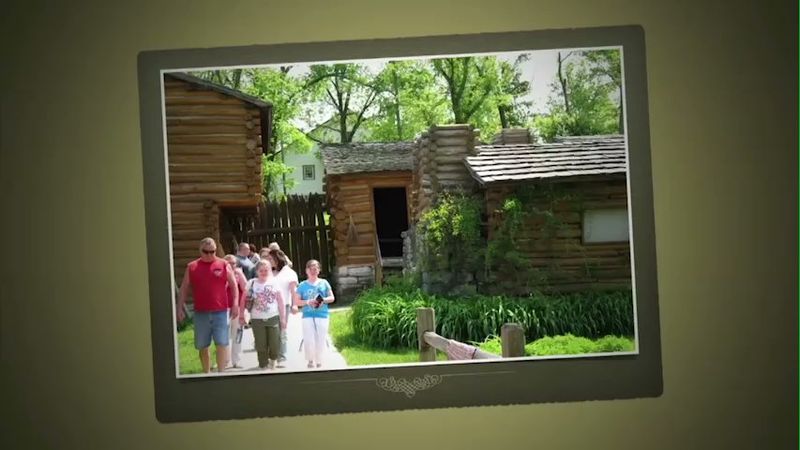
Old Fort Harrod State Park recreates the original settlement, giving visitors a glimpse into frontier life.
The town’s historic significance has always drawn history enthusiasts, but recent marketing efforts have multiplied visitor numbers.
The bourbon trail expansion reached Harrodsburg, adding distillery tourism to the town’s historical appeal.
This combination has created unprecedented visitor traffic for a town of roughly 8,000 residents.
Downtown parking fills early on weekends, with tourists claiming spaces before locals finish their morning coffee.
The historic district, with its preserved 19th-century architecture, becomes congested with tour groups following guides through the streets.
Local restaurants have expanded hours and seating to accommodate demand, fundamentally changing their operations.
Residents who once knew everyone they encountered downtown now navigate crowds of unfamiliar faces.
The town’s small museum and historic sites struggle to manage visitor flow while preserving delicate artifacts and structures.
Traffic patterns have shifted, with large vehicles navigating streets designed for horse-drawn carriages.
Community events that once brought neighbors together now attract outside visitors who outnumber locals.
The pride residents feel in their town’s history mingles with frustration over losing the intimate small-town atmosphere they cherished.
9. Paducah
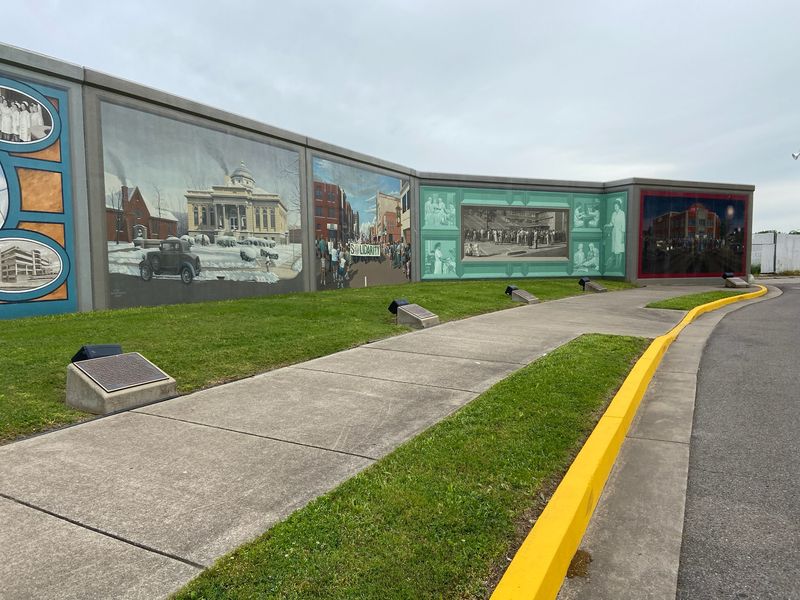
Massive quilt murals decorate building walls throughout Paducah’s downtown, transforming the city into an outdoor art gallery.
The Lower Town Arts District has evolved into a nationally recognized creative community, drawing artists and art lovers from across the country.
Paducah’s location at the confluence of the Ohio and Tennessee Rivers adds natural beauty to its cultural attractions.
The city has successfully branded itself as an arts destination, perhaps too successfully for some residents.
Weekend art walks bring crowds that overflow the district’s galleries and studios.
The annual Quilt Show has grown into a massive event that overwhelms the city’s infrastructure.
Hotel rooms sell out months in advance, with visitors booking accommodations in neighboring communities.
Downtown streets become pedestrian zones during major events, creating access challenges for residents who live in the area.
The influx of artists seeking affordable studio space has driven up property values, pricing out some long-time residents.
Restaurants that once catered to local tastes have shifted menus to appeal to tourist preferences.
The riverfront, once a quiet place for locals to walk and relax, now bustles with tour groups and special events.
Parking has become a persistent challenge, with the city’s lots insufficient for peak demand.
The arts district’s success has sparked development that changes the neighborhood’s character.
Long-time residents appreciate the economic revitalization but miss the quieter city they once knew.
Dear Reader: This page may contain affiliate links which may earn a commission if you click through and make a purchase. Our independent journalism is not influenced by any advertiser or commercial initiative unless it is clearly marked as sponsored content. As travel products change, please be sure to reconfirm all details and stay up to date with current events to ensure a safe and successful trip.
