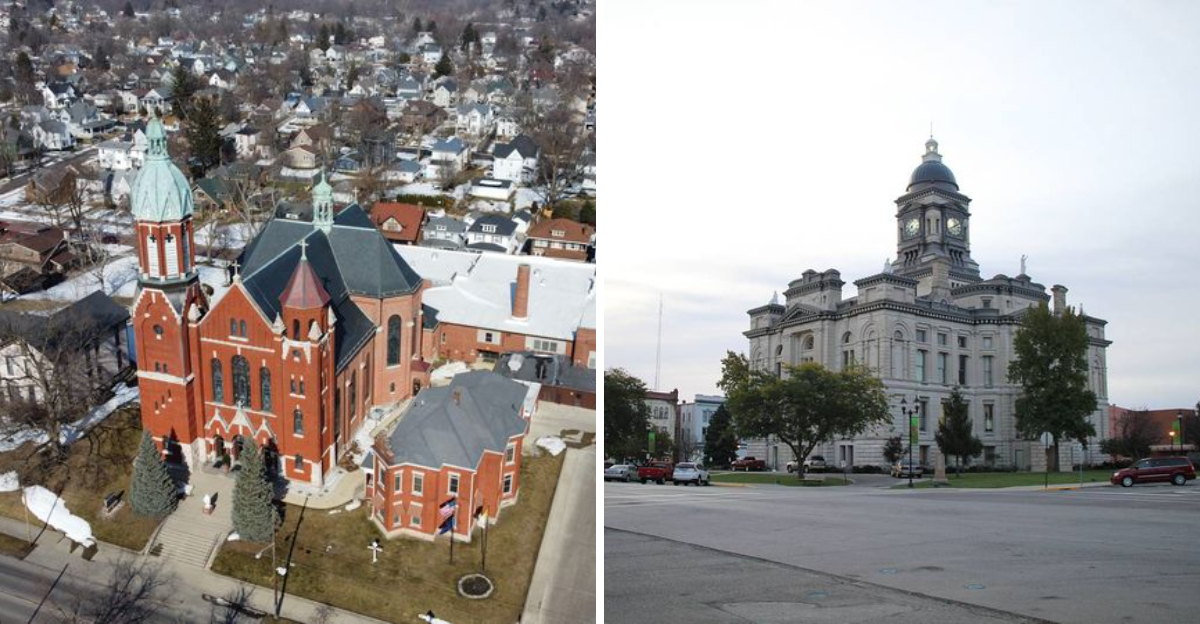
I’ve spent years exploring Indiana’s small towns, and I can tell you that retiring on a tight budget doesn’t mean sacrificing quality of life.
The Hoosier State is packed with charming communities where your Social Security check can actually stretch far enough to cover rent, groceries, and even a little fun.
While coastal cities demand thousands just for housing, these Indiana towns offer genuine comfort for around $1,200 monthly.
I’ve walked these streets, talked to retirees who’ve made the move, and seen firsthand how affordable living can still mean friendly neighbors, beautiful parks, and plenty to keep you busy in your golden years.
1. Portland
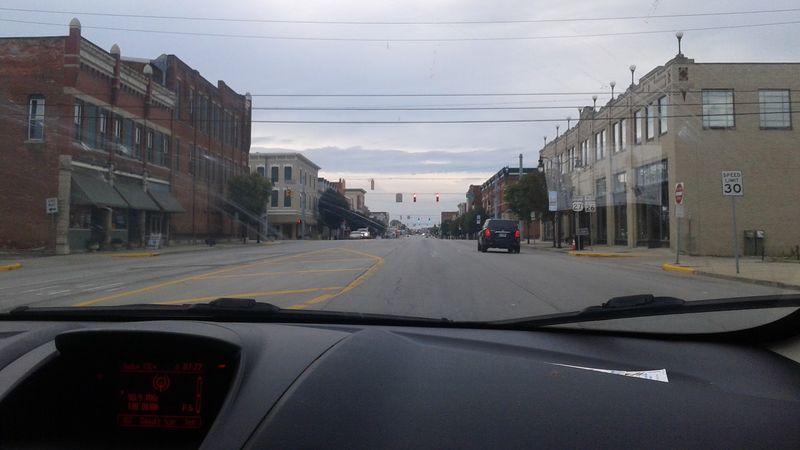
Portland sits in Jay County along the Salamonie River, offering retirees a peaceful setting where monthly expenses rarely exceed four figures. Housing costs here average around $500 for a comfortable one-bedroom apartment, leaving plenty of room in your budget for everything else.
The town’s historic downtown features locally owned shops and cafes that become gathering spots for residents who appreciate the slower pace. You can stroll through the Jay County Courthouse Square Historic District at 22 South Meridian Street and admire architecture that tells stories of Indiana’s past.
Community events happen year-round, from farmers markets in summer to holiday celebrations that bring neighbors together. The Portland Public Library at 334 West Main Street serves as a hub for book clubs and educational programs tailored to seniors.
Healthcare needs are met through local clinics and nearby hospitals in Fort Wayne, just a 45-minute drive away. Grocery stores, pharmacies, and essential services cluster conveniently within a few blocks of most residential areas.
The Salamonie River offers fishing and nature watching opportunities for those who enjoy outdoor activities without spending money. Portland’s low property taxes and utility costs mean your fixed income goes further here than in larger cities, while the tight-knit community ensures you’ll never feel isolated in retirement.
2. Frankfort
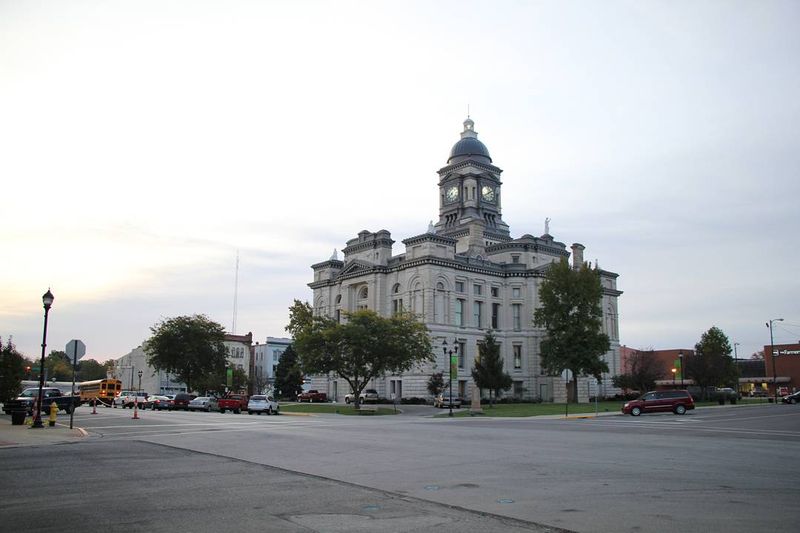
Frankfort brings together small-town affordability with surprising amenities that make retirement comfortable on $1,200 monthly. The county seat of Clinton County, this town of about 16,000 residents maintains housing costs well below national averages, with rentals typically running $550 to $650.
Your days might include morning walks through TPA Park at 3050 East Wabash Street, where paved trails wind through wooded areas perfect for staying active. The park features shelters, playgrounds for visiting grandchildren, and open spaces that host community gatherings.
Downtown Frankfort preserves its historic character while supporting local businesses that cater to everyday needs. The Clinton County Historical Society Museum at 301 East Clinton Street offers free admission and programs that connect you with local history and fellow enthusiasts.
Medical care is accessible through multiple clinics and the nearby IU Health Frankfort hospital, ensuring health concerns don’t require long drives. Grocery options include both chain stores and local markets where you can stretch your food budget further.
The town’s community center offers senior programs, exercise classes, and social activities at minimal cost. Frankfort’s location along State Road 28 provides easy access to Indianapolis when you need big-city services, but daily life here remains refreshingly simple and affordable for retirees watching their budgets carefully.
3. Huntington
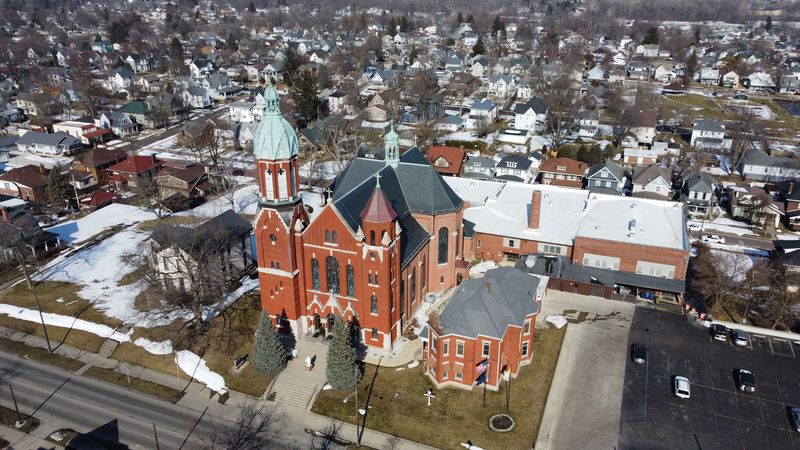
Huntington earned the nickname “Lime City” from its limestone quarries, but today it’s known among budget-conscious retirees as a place where comfort doesn’t break the bank. Monthly living costs here comfortably fit within $1,200, with housing averaging just $575 for decent apartments.
The Huntington Reservoir and surrounding parkland at 5050 West 500 South provide endless opportunities for fishing, walking, and enjoying nature without admission fees. This 900-acre lake becomes a favorite spot for retirees who want outdoor recreation close to home.
Sunken Gardens Park right in town offers beautifully maintained green spaces where you can relax, read, or meet neighbors during warm months. The Huntington City-Township Public Library at 255 West Park Drive hosts book clubs, computer classes, and social programs specifically designed for older adults.
Healthcare facilities include Parkview Huntington Hospital, ensuring quality medical care without traveling to larger cities. The downtown area maintains a charming historic feel with local restaurants serving affordable meals and shops meeting daily needs.
Utility costs remain low compared to urban areas, and the town’s compact layout means you can walk or bike to most destinations, saving on transportation. Huntington’s strong sense of community means neighbors look out for each other, creating a supportive environment where retirees can age comfortably on modest incomes.
4. Wabash
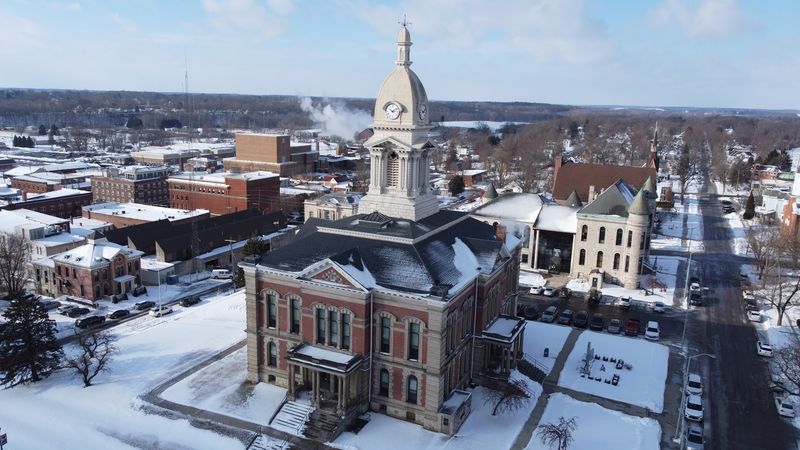
Wabash claims fame as the first electrically lighted city in the world back in 1880, and today it illuminates possibilities for affordable retirement. This town of roughly 10,000 residents keeps living costs remarkably low, with most retirees spending well under $1,200 monthly.
Housing options include apartments ranging from $500 to $600, leaving substantial budget room for groceries, utilities, and entertainment. The Wabash Marketplace offers fresh produce and local goods at prices that help your food dollars stretch further.
Paradise Spring Historical Park at 1000 North Wabash Street provides beautiful walking trails, historic sites, and picnic areas where you can spend pleasant afternoons without spending a dime. The Honeywell Center at 275 West Market Street hosts concerts, theater productions, and art exhibits at senior-friendly prices.
Medical services through Parkview Wabash Hospital ensure healthcare accessibility, while the town’s walkable downtown means you can handle errands on foot. The Wabash Carnegie Public Library at 188 West Hill Street offers programs, internet access, and air-conditioned comfort during summer months.
The Wabash River provides scenic beauty and fishing opportunities right in town. Local restaurants serve hearty, affordable meals, and the cost of living index here sits significantly below state and national averages, making retirement dollars go further than you might expect in a town with such character and community spirit.
5. Peru
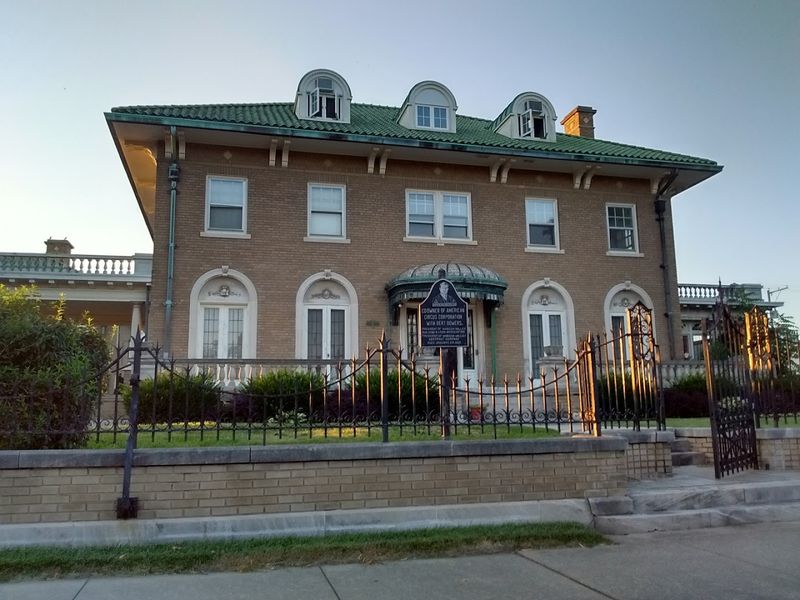
Peru celebrates its circus heritage with murals, museums, and an annual festival, but retirees appreciate it most for affordability that makes $1,200 feel generous. The town’s unique history adds character without adding costs to your monthly budget.
Rent for comfortable apartments averages around $550, and utility bills remain modest thanks to the town’s compact size. The International Circus Hall of Fame at 3076 East Circus Lane offers fascinating exhibits about Peru’s role in circus history, with affordable admission for seniors.
Maconaquah Park provides extensive green space along the Wabash River at 1301 West 3rd Street, perfect for daily walks, fishing, or simply enjoying riverside views. The Peru Public Library at 102 East Main Street serves as a community gathering place with programs tailored to older adults.
Healthcare needs are met through Dukes Memorial Hospital and several clinics, keeping medical care accessible and affordable. Downtown Peru features local shops, cafes, and services within easy walking distance of most residential neighborhoods.
The Cole Porter Festival celebrating the hometown composer brings free entertainment each June. Grocery stores compete to keep prices low, and the town’s farmers market offers fresh produce during growing seasons at budget-friendly rates.
Peru’s combination of cultural interest, natural beauty, and rock-bottom living costs creates an appealing retirement destination for those watching every dollar.
6. Greensburg
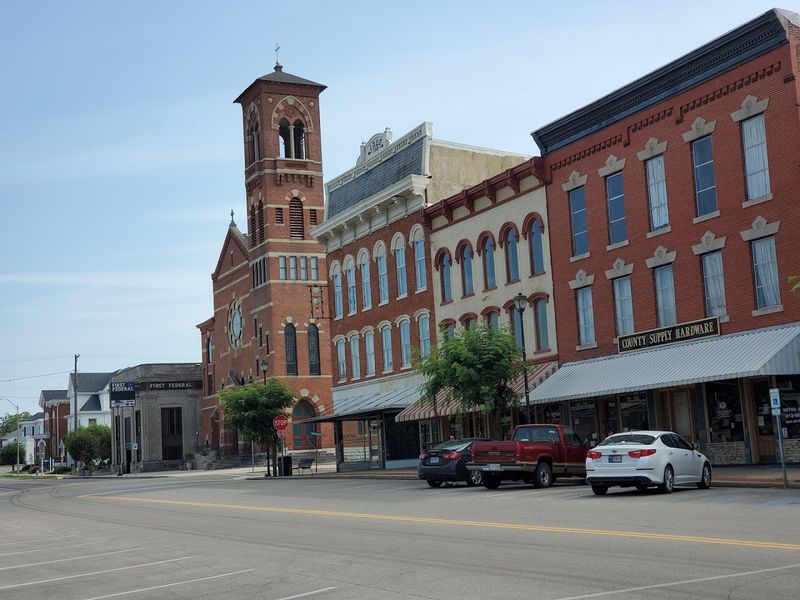
Greensburg’s courthouse tower sports trees growing from its roof, a natural oddity that mirrors the town’s unexpected appeal for budget retirees. This Decatur County seat offers comfortable living for around $1,200 monthly, with housing costs averaging $575 for quality apartments.
The famous tree tower at the Decatur County Courthouse on 150 Courthouse Square has become a symbol of resilience that retirees appreciate. Tree City Park at 1100 North Lincoln Street provides walking trails, shelters, and recreational facilities where you can stay active without gym memberships.
Downtown Greensburg maintains its historic charm with locally owned businesses serving everyday needs at reasonable prices. The Decatur County Public Library at 1720 North Lincoln Street offers programs, computer access, and social opportunities specifically for seniors.
Healthcare services through Decatur County Memorial Hospital ensure medical needs are met locally, while the town’s location along Interstate 74 provides easy access to Indianapolis when needed. Grocery stores, pharmacies, and essential services cluster conveniently, reducing transportation costs.
The Honda plant nearby provides economic stability without the high costs associated with boom towns. Utility expenses remain low, and property taxes won’t strain your fixed income.
Community events throughout the year bring neighbors together without requiring expensive tickets or travel, creating a retirement lifestyle where your Social Security check covers everything comfortably.
7. Crawfordsville
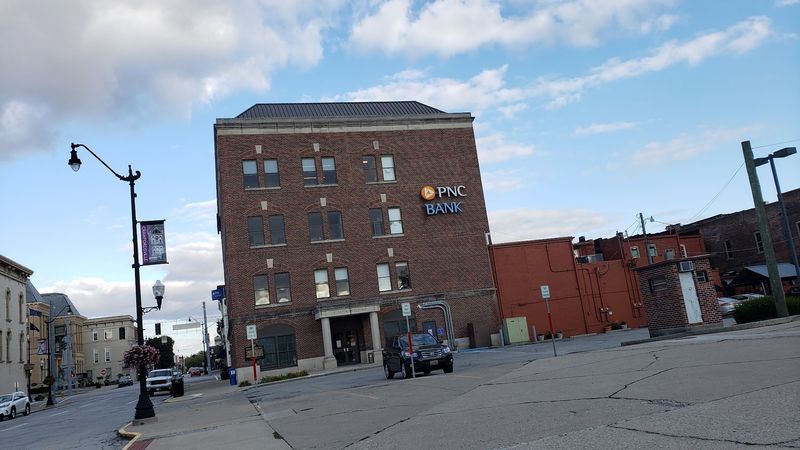
Crawfordsville blends literary history with modern affordability, making it perfect for retirees who want culture without coastal prices. Home to Wabash College and several historic sites, this Montgomery County town keeps monthly expenses comfortably under $1,200.
Housing costs average $600 for decent apartments, leaving room in your budget for exploring local attractions. The Lane Place at 212 South Water Street showcases Victorian architecture and hosts events that connect you with history enthusiasts and neighbors.
Sugar Creek flows through town, offering scenic walking paths and fishing spots that provide free entertainment. Milligan Park features trails, shelters, and open spaces perfect for picnics or watching visiting grandchildren play.
The Carnegie Museum of Montgomery County at 222 South Washington Street offers exhibits about local history with senior discounts. Crawfordsville District Public Library at 222 South Washington Street provides programs, book clubs, and air-conditioned comfort during hot summers.
Healthcare access through Franciscan Health Crawfordsville ensures medical needs are met without traveling to Indianapolis. The town’s compact downtown means you can walk to shops, restaurants, and services, saving on gas and vehicle wear.
Grocery prices remain competitive, and farmers markets supplement your food budget with fresh, local produce. The town’s cultural offerings, from theater productions to art exhibits, provide enrichment at prices fixed-income retirees can manage, proving retirement comfort isn’t about how much you spend but where you choose to spend it.
8. Connersville
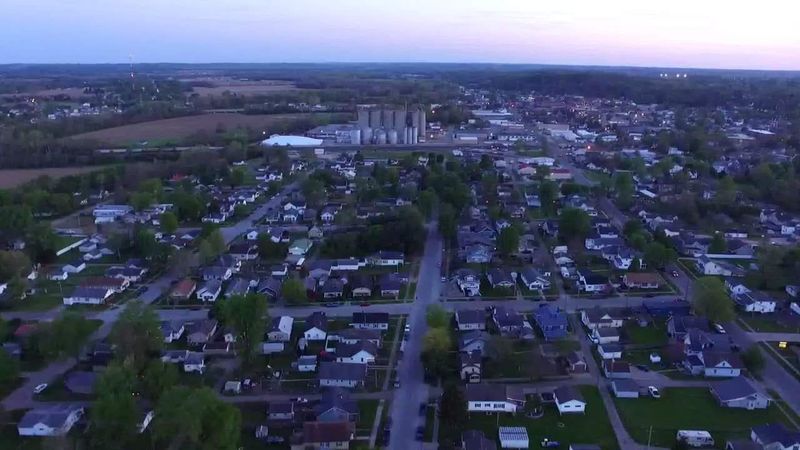
Connersville in Fayette County offers retirees one of Indiana’s most affordable lifestyles, where $1,200 monthly feels genuinely comfortable. Once known for automobile manufacturing, today it’s recognized for housing costs that rarely exceed $500 for nice apartments.
Roberts Park at 901 Western Avenue provides extensive green space with walking trails, sports facilities, and shelters where community events happen throughout the year. The Whitewater River flows nearby, offering fishing and nature watching opportunities at no cost.
Downtown Connersville maintains a selection of local businesses meeting daily needs without requiring trips to larger cities. The Fayette County Public Library at 828 Grand Avenue serves as a community hub with programs, internet access, and resources tailored to seniors.
Healthcare services through Fayette Regional Health Center keep medical care accessible and affordable. The town’s grid layout makes navigation simple, and most essential services cluster within walking or short driving distance.
Utility costs remain among the lowest in the state, and grocery stores compete to keep food prices down. The Canal Street Historic District preserves architectural charm that makes daily errands more pleasant than mundane.
Community organizations offer social opportunities and support networks that help retirees stay connected. Connersville’s combination of rock-bottom housing costs, adequate services, and genuine community spirit creates a retirement environment where modest Social Security benefits provide genuine comfort and security.
9. Washington
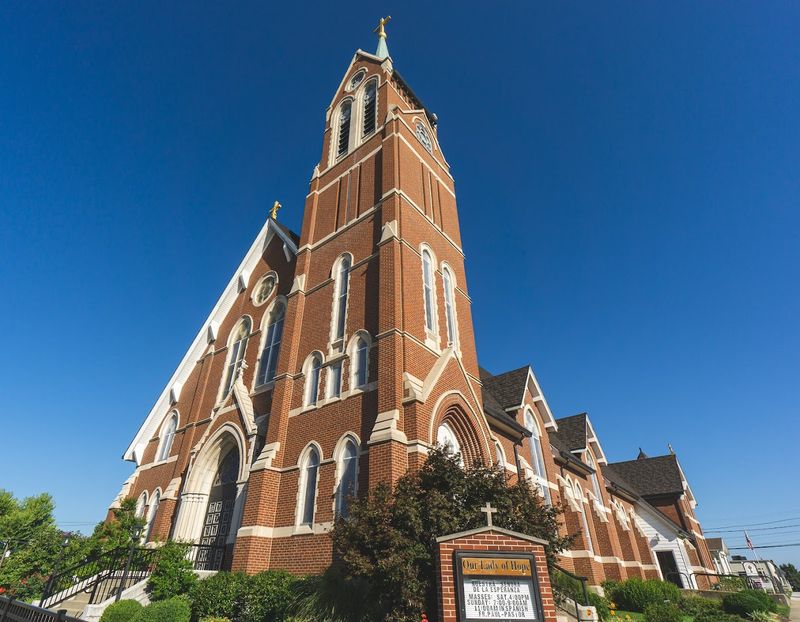
Washington serves as Daviess County’s seat, offering retirees affordable comfort in a town that values community over commerce. Monthly living costs here fit easily within $1,200, with housing averaging just $550 for comfortable apartments.
The Daviess County Courthouse anchors a historic downtown square where local businesses provide goods and services at prices that respect fixed incomes. City Park offers walking paths, playgrounds for visiting family, and shaded areas perfect for relaxing on pleasant days.
The Daviess County Historical Society Museum preserves local heritage and hosts events that connect residents with shared history. Washington Public Library provides programs, computer access, and air-conditioned space where you can spend time without spending money.
Healthcare needs are met through Daviess Community Hospital and several clinics, ensuring medical care remains accessible. The town’s compact size means you can walk or bike to most destinations, reducing transportation costs significantly.
Grocery stores keep prices competitive, and seasonal farmers markets offer fresh produce at budget-friendly rates. Utility bills remain modest compared to urban areas, and property taxes won’t strain retirement savings.
The East Fork White River provides natural beauty and fishing opportunities right in town. Community events from concerts to festivals happen throughout the year, offering entertainment without expensive tickets.
Washington’s genuine small-town atmosphere, combined with costs that let $1,200 cover rent, food, utilities, and even some fun, makes retirement here both comfortable and financially sustainable.
10. Vincennes
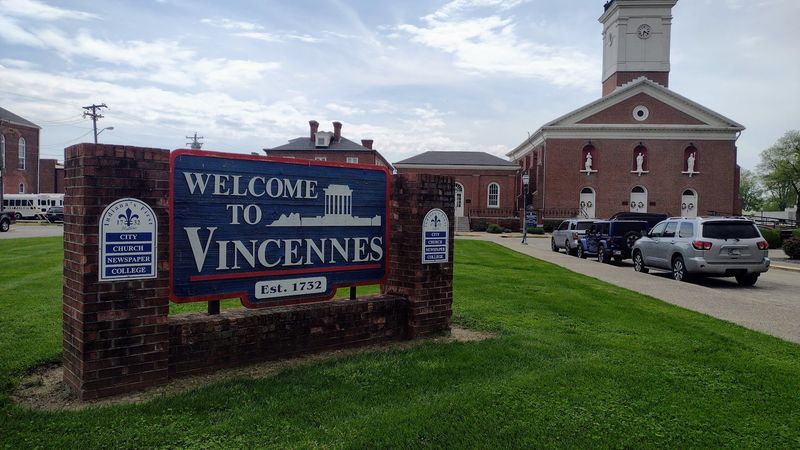
Vincennes claims status as Indiana’s oldest city, founded in 1732, but its appeal for modern retirees lies in affordability that honors history without inflating prices. This Knox County town keeps monthly expenses comfortably under $1,200, with housing averaging $600.
The George Rogers Clark National Historical Park at 401 South 2nd Street offers free admission to explore Revolutionary War history and enjoy riverside walking trails. The Wabash River provides scenic beauty and fishing opportunities that cost nothing but time.
Gregg Park features trails, shelters, and recreational facilities perfect for staying active without gym fees. The Knox County Public Library at 502 North 7th Street hosts programs, book clubs, and social events specifically designed for older adults.
Healthcare access through Good Samaritan Hospital ensures medical needs are met locally, while the presence of Vincennes University adds cultural opportunities from theater to lectures at senior-friendly prices. Downtown Vincennes preserves historic architecture while supporting local businesses meeting everyday needs.
Grocery stores compete to keep food costs low, and farmers markets supplement budgets with fresh, local produce during growing seasons. Utility expenses remain modest, and the town’s walkable layout reduces transportation costs.
Community organizations provide social connections and support networks that combat isolation. Vincennes combines rich history, riverside beauty, adequate services, and genuinely affordable living costs, proving that retirement comfort on $1,200 monthly isn’t just possible but can include culture, community, and quality of life most people associate with much higher budgets.
Dear Reader: This page may contain affiliate links which may earn a commission if you click through and make a purchase. Our independent journalism is not influenced by any advertiser or commercial initiative unless it is clearly marked as sponsored content. As travel products change, please be sure to reconfirm all details and stay up to date with current events to ensure a safe and successful trip.
