
New York City attracts millions of visitors every year who come to see the bright lights, towering skyscrapers, and endless entertainment options.
What many tourists don’t realize is that the city operates under some rules and regulations that might catch them off guard.
Some of these laws are real and still enforced today, while others have become urban legends that persist despite being myths.
Understanding what’s actually illegal and what’s just a tall tale can help you navigate the city with confidence.
Whether you’re planning your first trip to the Big Apple or you’re a seasoned visitor, knowing these unusual rules will keep you out of trouble.
From quirky old ordinances that still exist on the books to widely believed myths that aren’t true at all, New York has its share of surprises.
This guide will help you separate fact from fiction so you can enjoy your visit without any unexpected legal hiccups.
Walking and Texting Is Actually Legal

Many visitors have heard that walking while texting is illegal in New York City, but this is actually a myth that has spread widely across the internet.
The rumor likely started because several cities and states have considered such laws, and some places outside New York have actually implemented them.
In reality, you can walk and use your phone at the same time without breaking any laws in New York.
That said, just because it’s legal doesn’t mean it’s a good idea, especially in a city as crowded and fast-paced as New York.
Distracted walking can lead to accidents, collisions with other pedestrians, or even stepping into traffic without noticing.
The city sees thousands of pedestrian injuries each year, and many of them involve people who weren’t paying attention to their surroundings.
Emergency rooms across Manhattan, Brooklyn, and other boroughs regularly treat injuries from distracted walking incidents.
While you won’t get a ticket for texting and walking, you could still face consequences if your distraction causes an accident or puts others at risk.
If you walk into traffic and cause a car accident, you could be held liable for damages.
Police officers might also give you a warning if they see you creating a dangerous situation, even if no specific law is being broken.
The myth probably persists because it sounds like something New York would regulate, given the city’s reputation for having rules about everything.
Visitors often assume that if something seems dangerous or annoying, there must be a law against it in such a heavily regulated city.
The truth is that New York relies on common sense and personal responsibility when it comes to pedestrian phone use.
If you’re visiting Times Square, Central Park, or any busy Manhattan intersection, your best bet is to step to the side if you need to check your phone.
This keeps foot traffic flowing and reduces your risk of bumping into someone or missing important visual cues around you.
Native New Yorkers often get frustrated with tourists who stop suddenly in the middle of crowded sidewalks to look at their devices.
Honking Your Horn Is Restricted in Most Situations
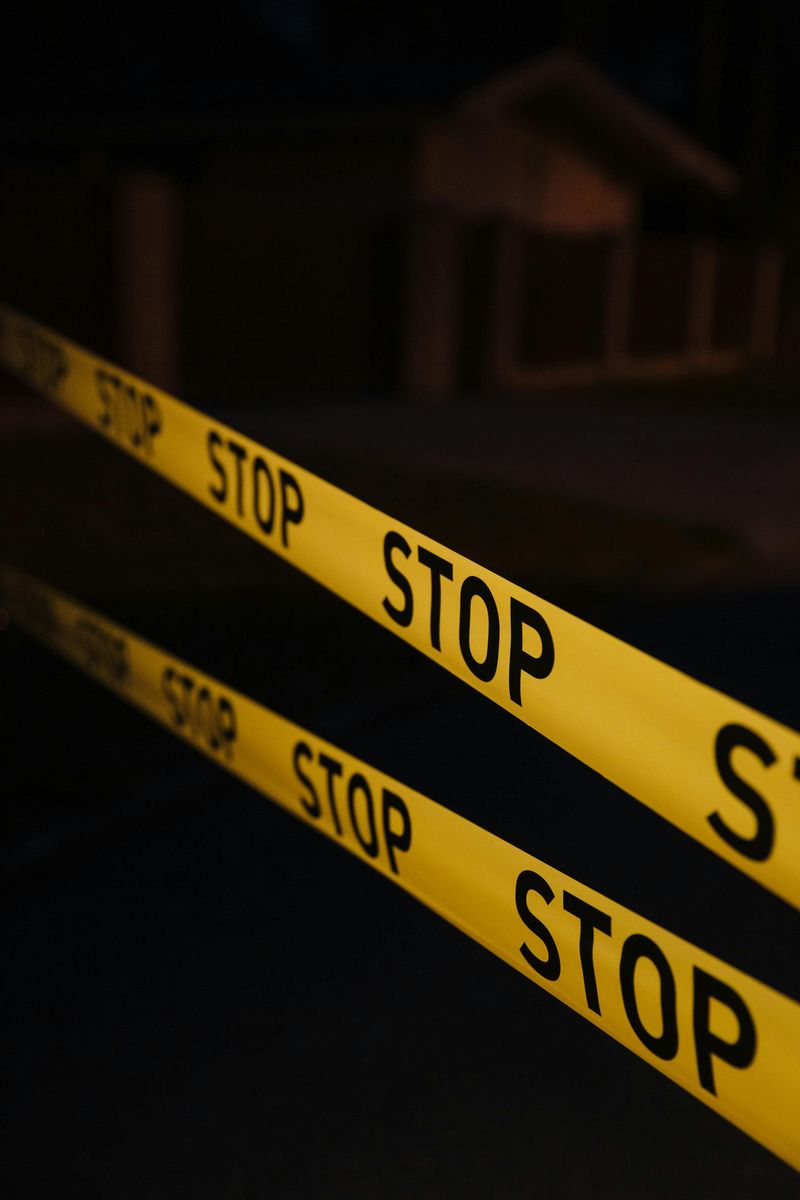
If you’re renting a car or taking a taxi in New York City, you might be surprised to learn that honking your horn is actually illegal in most circumstances.
According to New York City traffic regulations, drivers can only use their horn to alert others of immediate danger.
This means honking because you’re impatient, frustrated, or trying to say hello to someone is technically against the law.
The rule exists because New York already struggles with noise pollution, and unnecessary honking contributes significantly to the problem.
Residents who live near busy streets deal with constant noise that can affect sleep quality, stress levels, and overall quality of life.
The city has designated itself as a “No Honking Zone” in an effort to reduce noise and create a more livable urban environment.
Signs throughout Manhattan and other boroughs remind drivers of this regulation, though many people ignore them.
Despite being on the books, this law is rarely enforced, which is why you’ll still hear plenty of honking throughout the city.
Traffic jams, impatient drivers, and the general chaos of New York streets mean that horns get used constantly, legal or not.
Police officers typically have bigger priorities than ticketing someone for an illegal honk, though technically they could issue a fine.
The penalty for unnecessary honking can be up to three hundred and fifty dollars, but actual citations are uncommon.
Visitors who drive in New York should still be aware of this rule and try to follow it out of courtesy to residents.
If you’re stuck in gridlock on the FDR Drive or waiting at a red light in Brooklyn, resist the urge to lean on your horn.
Not only is it illegal, but it won’t actually make traffic move any faster and will just add to the city’s noise problem.
Interestingly, this law applies to all vehicles, including taxis, which are some of the worst offenders when it comes to unnecessary honking.
Cab drivers often use their horns to communicate with other drivers or express frustration, even though they’re technically breaking the law each time.
As a visitor, you’ll quickly notice that what’s legal and what actually happens on New York streets can be two very different things.
You Cannot Wear Slippers After 10 PM (This Is a Myth)

One of the most bizarre myths about New York law claims that it’s illegal to wear slippers after ten o’clock at night.
This supposed rule has been shared countless times on social media and in articles about weird laws, but it has absolutely no basis in reality.
There is no law, ordinance, or regulation anywhere in New York State or New York City that restricts footwear choices based on time of day.
The origin of this myth is unclear, though it may have started as a joke or misunderstanding that took on a life of its own.
Sometimes old, outdated laws from centuries ago get misquoted or exaggerated until they become internet legends.
In other cases, someone simply makes up a funny-sounding law, and it spreads because it seems quirky enough to be true.
New York has plenty of actual unusual regulations, which makes fake ones seem more believable to people who don’t know better.
You are completely free to wear slippers, flip-flops, sandals, or any other footwear at any time of day or night in New York.
Whether you’re walking through your hotel lobby at midnight or grabbing a late-night snack in Times Square, your footwear is your own business.
No police officer will stop you, no judge will fine you, and no law exists that could be used against you for this supposed violation.
The persistence of this myth shows how easily false information can spread, especially when it comes to legal matters.
People often share these stories without checking facts, and before long, thousands of people believe something that was never true.
It’s always worth verifying unusual claims about laws, especially if they sound too strange to be real.
If you’re staying at a hotel in Manhattan or visiting a friend’s apartment in Queens, feel free to wear your most comfortable slippers at any hour.
The only thing you might face is a fashion judgment from style-conscious New Yorkers, but that’s not a legal issue.
This myth serves as a reminder that not everything you read online about laws is accurate, even when it’s repeated frequently.
Other footwear myths exist in various cities, often with similar levels of absurdity and similar lack of factual basis.
The lesson for visitors is to check reliable sources like official city websites or legal databases before believing unusual claims about what’s legal or illegal.
Throwing Cigarette Butts on the Ground Can Cost You Big

Littering is taken seriously in New York City, and that includes something as small as a cigarette butt tossed on the sidewalk.
Many smokers don’t realize that flicking a cigarette onto the ground counts as littering and can result in a significant fine.
The city has been cracking down on this behavior because cigarette butts are one of the most common forms of litter found on streets and in parks.
If you’re caught throwing a cigarette butt on the ground, you could face a fine starting at fifty dollars and going up to three hundred dollars or more.
Enforcement officers and police can issue tickets for this violation, and the city has increased enforcement in recent years as part of cleanliness initiatives.
High-traffic areas like Midtown Manhattan, around Penn Station, and near popular tourist spots see regular monitoring for littering violations.
The city wants to maintain clean streets and reduce the environmental impact of tobacco waste, which doesn’t biodegrade quickly.
Cigarette butts contain plastic fibers and toxic chemicals that can contaminate water supplies and harm wildlife when they wash into storm drains.
New York’s sanitation department spends millions of dollars each year cleaning up litter, and cigarette butts make up a huge portion of that waste.
By enforcing littering laws strictly, the city hopes to change behavior and encourage people to dispose of their trash properly.
Visitors who smoke should look for designated receptacles or portable ashtrays rather than using the sidewalk as a disposal method.
Many public trash cans in New York have built-in ashtrays or designated spots for cigarette disposal at the top of the receptacle.
If you can’t find one immediately, hold onto your butt until you do, or carry a small container to store it temporarily.
This law applies equally to residents and visitors, and claiming ignorance won’t get you out of a ticket if you’re caught.
Enforcement officers don’t typically give warnings for littering violations; they usually issue citations right away.
The fines are designed to be high enough to discourage the behavior and offset the cost of cleanup efforts.
Beyond the financial penalty, being respectful of the city’s cleanliness shows consideration for the millions of people who live and work in New York.
Nobody wants to walk on sidewalks covered in cigarette butts, and proper disposal is a simple way to be a responsible visitor.
Taking Photos in the Subway Requires Permission (Sometimes)
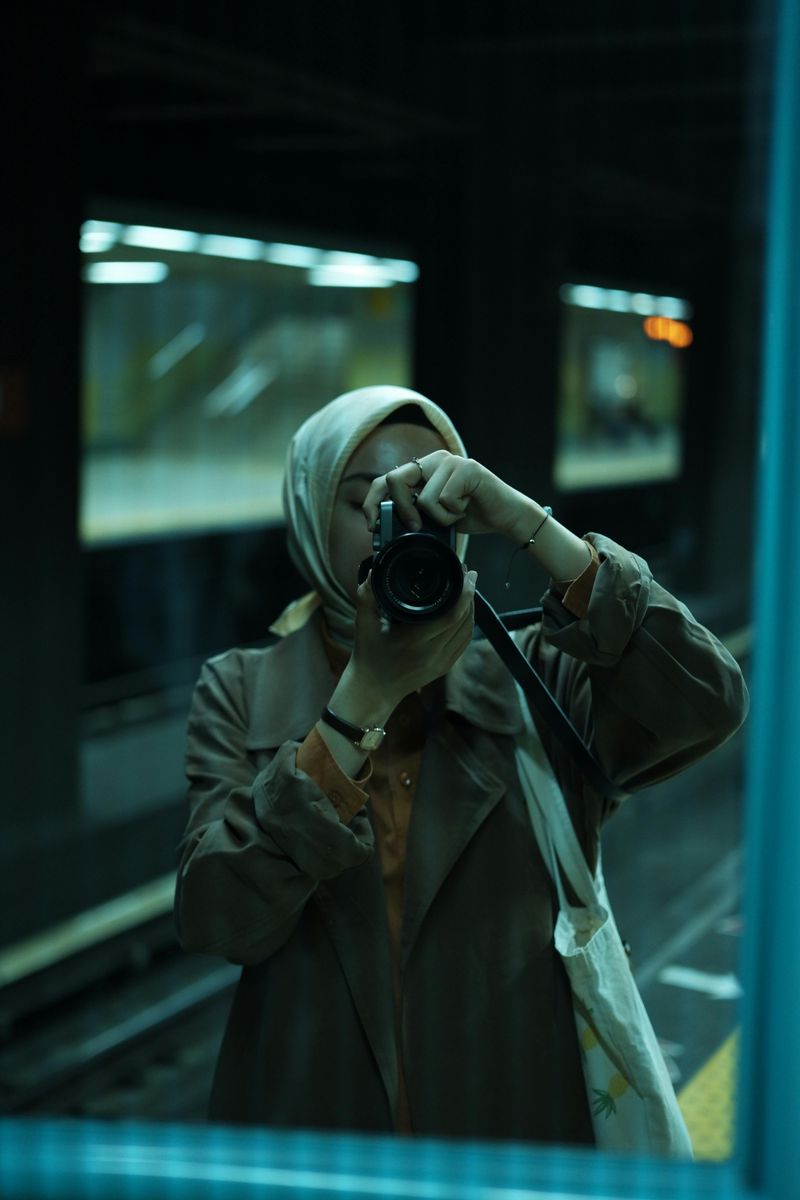
Photography in the New York City subway system exists in a gray area that confuses many visitors who want to capture their underground experience.
According to Metropolitan Transportation Authority regulations, casual photography for personal use is generally allowed without special permission.
However, if you’re using professional equipment like tripods, lighting setups, or other gear, you need to obtain a permit from the MTA.
The distinction between casual and professional photography isn’t always clear, which leads to occasional conflicts between photographers and transit officers.
Generally, if you’re taking quick snapshots with your phone or a basic camera, you won’t have any problems.
But if you’re setting up elaborate shots, blocking pedestrian traffic, or clearly working on a commercial project, you might be asked to stop or show a permit.
The MTA wants to prevent congestion and safety hazards while still allowing people to document their subway experiences.
After security concerns increased following various incidents, the MTA became more cautious about photography in the system.
Officers may approach you if your photography seems suspicious or if you’re focusing on security features, infrastructure, or restricted areas.
Most of the time, a simple explanation that you’re a tourist taking personal photos will be sufficient to avoid any issues.
If you’re planning to take photos in stations like the beautiful mosaics at the 81st Street Museum of Natural History station or the colorful tiles at Times Square, you can do so freely.
Just be mindful of other passengers, don’t block walkways or stairs, and avoid using flash photography that might startle people.
The subway is a working transportation system first, and courtesy toward commuters should be your priority.
Professional photographers, filmmakers, and content creators who want to shoot in the subway for commercial purposes must apply for permits through the MTA’s film and photo office.
The application process includes fees and requires detailed information about your project, location, timing, and equipment.
Permits help the MTA manage activities that might disrupt normal operations or require special accommodations.
For typical visitors, the takeaway is simple: feel free to snap photos of your subway journey, but keep it casual and considerate.
Don’t set up elaborate photo shoots without permission, don’t interfere with other passengers, and respect any instructions from MTA employees or officers.
The subway offers incredible visual opportunities, from vintage station architecture to the diverse tapestry of humanity that rides it daily.
Jaywalking Laws Are Real But Rarely Enforced
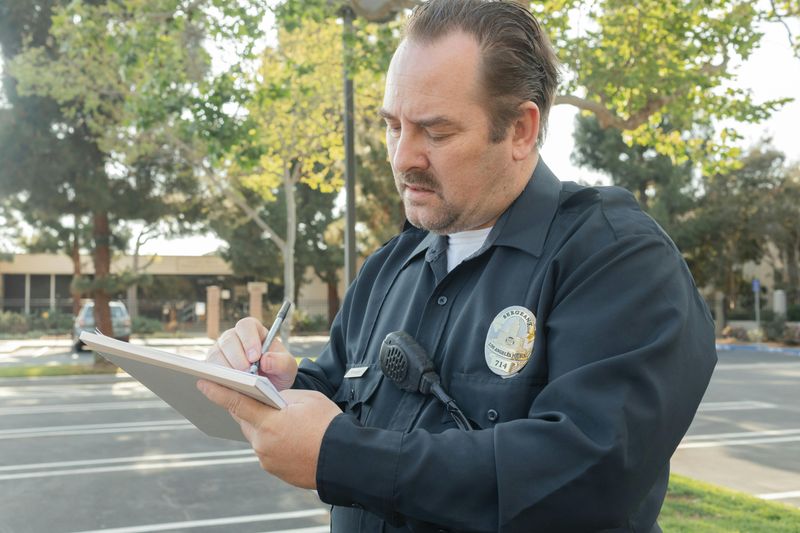
Crossing the street outside of designated crosswalks or against traffic signals is technically illegal in New York City, though you’d never know it from watching how people actually behave.
Jaywalking is a real violation that can result in a fine, but enforcement is so inconsistent that many New Yorkers jaywalk routinely without consequence.
The law exists primarily for safety reasons, as pedestrian accidents are a serious concern in such a densely populated and traffic-heavy city.
When enforcement does happen, it tends to occur in specific areas where pedestrian accidents have been frequent or during special safety campaigns.
Police may set up enforcement operations near schools, hospitals, or intersections with high accident rates to discourage dangerous crossing behavior.
If you’re caught jaywalking during one of these operations, you could receive a ticket with a fine that typically ranges around fifty to two hundred dollars.
The penalty is meant to deter behavior that puts both pedestrians and drivers at risk.
Visitors often notice that locals seem to ignore crosswalk signals and cross whenever there’s a gap in traffic, regardless of what the light says.
This behavior is so common that it’s become part of New York culture, with people viewing it as an efficiency measure in a fast-paced city.
However, just because something is common doesn’t make it legal or safe, and visitors should be aware of the actual rules.
The safest approach is to cross at marked crosswalks when you have the pedestrian signal, especially in unfamiliar areas where you might not judge traffic patterns accurately.
Drivers in New York can be aggressive and may not expect pedestrians to cross outside of designated areas, which increases accident risk.
Intersections in busy areas like Herald Square, Union Square, and around Grand Central Terminal see heavy vehicle and pedestrian traffic that requires caution.
Some neighborhoods have better crosswalk infrastructure than others, and in areas with fewer marked crossings, crossing mid-block becomes more tempting.
Even in these situations, New York law requires pedestrians to yield to vehicles and cross safely, not just step into traffic.
The inconsistent enforcement of jaywalking laws creates confusion for visitors who aren’t sure whether to follow the letter of the law or do what everyone else is doing.
Your best bet is to prioritize safety over speed and cross legally whenever possible, while understanding that you’re unlikely to be ticketed unless you’re being particularly reckless.
Dear Reader: This page may contain affiliate links which may earn a commission if you click through and make a purchase. Our independent journalism is not influenced by any advertiser or commercial initiative unless it is clearly marked as sponsored content. As travel products change, please be sure to reconfirm all details and stay up to date with current events to ensure a safe and successful trip.
