
Texas welcomes millions of visitors every year, drawn by its vibrant cities, rich history, and unique culture.
But along with the barbecue and cowboy boots come some laws that might catch tourists off guard.
Some rules seem quirky, others are rooted in safety or tradition, and a few are just plain misunderstood.
Knowing what to expect can help you avoid awkward situations, fines, or even legal trouble during your trip.
Whether you’re planning to explore the bustling streets of Austin, relax on the beaches of Galveston, or wander through the historic Alamo in San Antonio, understanding these laws will make your visit smoother and more enjoyable.
From open carry regulations to surprising restrictions on certain everyday items, Texas has its own way of doing things.
This guide breaks down seven laws and common misconceptions that tourists frequently encounter, so you can focus on having a great time instead of worrying about breaking rules you didn’t even know existed.
Open Carry and Concealed Carry Laws Can Be Confusing
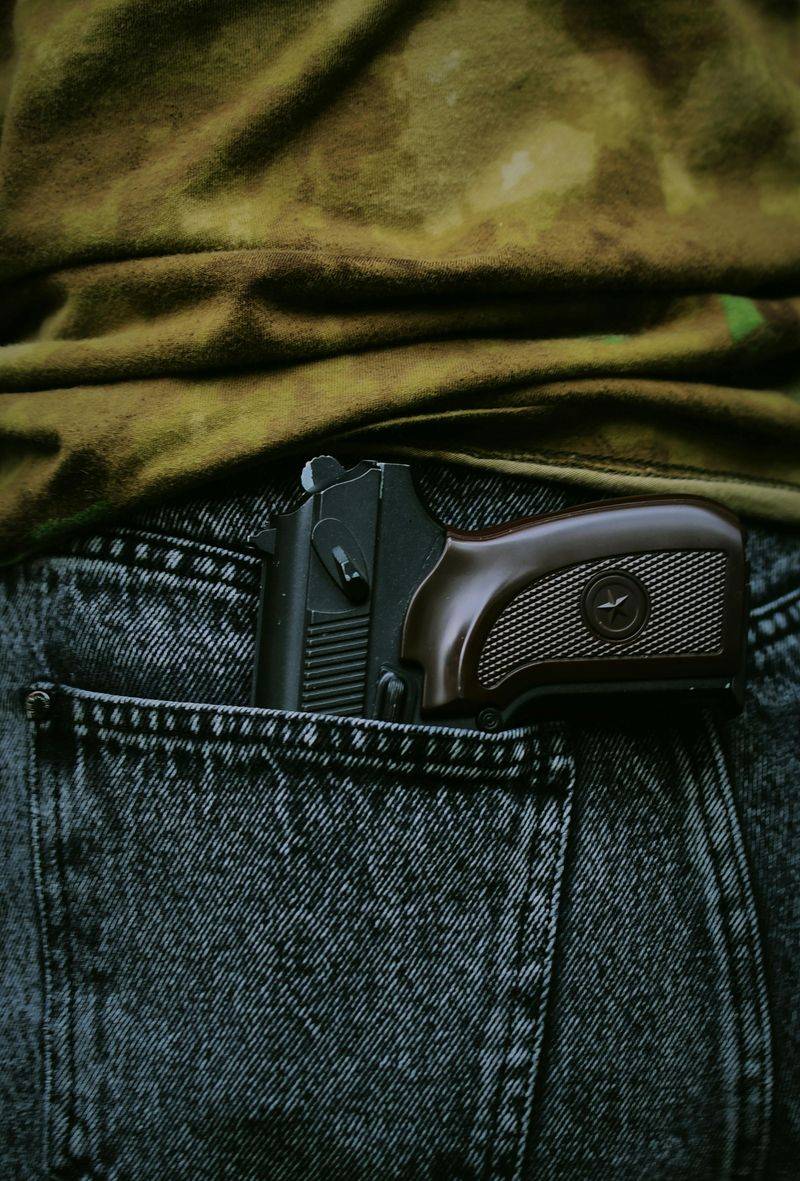
Gun laws in Texas are among the most talked-about topics when visitors plan their trips, and for good reason.
The state allows both open carry and concealed carry of handguns, but only for individuals who hold a valid License to Carry, often called an LTC.
Tourists from other states or countries may find this surprising, especially if they come from places with stricter firearm regulations.
What many people misunderstand is that even though Texas is known for its gun-friendly culture, not everyone walking around is legally armed.
You must be at least 21 years old to obtain an LTC, and there are specific places where carrying a firearm is prohibited, such as schools, polling places, courthouses, and certain government buildings.
Private businesses can also post signs prohibiting firearms, and ignoring these signs can result in criminal trespass charges.
Another common misconception is that visitors can bring their firearms into Texas without any restrictions.
While Texas does recognize some out-of-state carry permits through reciprocity agreements, not all states are included.
Tourists should check whether their home state’s permit is valid in Texas before traveling with a firearm.
If you’re visiting popular areas like the River Walk in San Antonio or the Fort Worth Stockyards, you’ll likely see signs indicating whether firearms are allowed on the premises.
Respecting these rules is essential to avoid fines or more serious legal consequences.
Even if you’re not carrying a weapon yourself, understanding these laws helps you navigate Texas confidently.
The state takes gun rights seriously, but it also enforces strict rules to ensure public safety.
Being informed means you can enjoy your visit without unnecessary worry or confusion about what’s legal and what’s not.
It’s Illegal to Carry Wire Cutters in Your Pocket

Believe it or not, Texas has a law that makes it illegal to carry wire cutters in your pocket with the intent to cut a fence.
This law dates back to the days of open-range cattle farming when cutting someone’s fence was a serious offense that could lead to livestock escaping or property disputes.
While it might sound outdated, the law is still technically on the books today.
For tourists, this law rarely comes into play unless you’re planning to do some rural exploring or working on a ranch.
Most visitors won’t have any reason to carry wire cutters, but it’s an interesting example of how Texas history influences its legal code.
The rule reflects the state’s deep agricultural roots and the importance of protecting property and livestock.
What makes this law particularly quirky is the emphasis on intent.
Simply having wire cutters in your pocket isn’t automatically illegal; the law applies when you carry them with the purpose of cutting someone else’s fence.
This distinction means that ranchers, farmers, and workers who use wire cutters as part of their daily tasks aren’t breaking the law.
Tourists exploring rural areas like the Hill Country or West Texas should be aware that fences are taken seriously.
Trespassing and fence-cutting are not treated lightly, and violating these rules can result in criminal charges.
If you’re visiting a working ranch or attending an event like a rodeo, always ask permission before crossing fences or entering private property.
This law is a reminder that Texas values its ranching heritage and property rights.
Even if you’re just passing through, respecting these traditions shows consideration for the people who call Texas home.
Plus, it’s a fun fact to share with friends when you get back from your trip.
You Can’t Sell Your Eyes or Other Organs

Texas law explicitly prohibits the sale of human organs, including eyes, kidneys, and other body parts.
This might seem like an obvious rule, but it’s worth mentioning because some tourists may not realize how strictly the state enforces laws related to human tissue and organ donation.
The law is designed to prevent exploitation and ensure that organ donation remains a voluntary, altruistic act.
What confuses some people is the difference between donating organs and selling them.
In Texas, as in the rest of the United States, you can legally donate your organs after death or, in some cases, while you’re alive, such as donating a kidney to a family member.
However, receiving payment or compensation for your organs is illegal and can result in serious criminal penalties.
This law also extends to other body parts and tissues, including blood plasma, bone marrow, and reproductive cells.
While you can donate these legally, selling them for profit is not allowed.
The only exception is blood plasma, which can be donated for compensation at licensed plasma donation centers, but even this is heavily regulated.
For tourists, this law is unlikely to affect your visit unless you’re considering participating in medical research or organ donation programs.
If you’re interested in donating blood or plasma during your stay, there are legitimate centers in cities like Houston, Dallas, and Austin where you can do so safely and legally.
Just make sure you’re working with licensed facilities that follow state and federal guidelines.
Understanding this law highlights Texas’s commitment to ethical medical practices and protecting individuals from exploitation.
It’s a serious topic, but knowing the rules ensures you stay informed and respectful of the state’s healthcare regulations.
Whether you’re visiting for business or pleasure, staying aware of these laws helps you navigate Texas responsibly.
Drinking in Public Is Generally Not Allowed

Many tourists assume that because Texas has a lively bar scene and a love for cold beer, drinking in public is no big deal.
However, the state has strict laws against open containers of alcohol in public places, and violating these rules can lead to fines or even arrest.
This surprises visitors from places where public drinking is more tolerated or even legal in certain areas.
Texas law prohibits possessing an open container of alcohol in a public place, which includes streets, sidewalks, parks, and parking lots.
There are some exceptions, such as designated entertainment districts in cities like Austin, San Antonio, and Fort Worth, where open containers are allowed within specific boundaries.
These districts are clearly marked, and tourists should always check local ordinances before cracking open a drink outside.
Another common misconception is that you can drink in your car as long as you’re not driving.
In Texas, it’s illegal to have an open container of alcohol in the passenger area of a vehicle, even if the car is parked.
The only exception is if the container is stored in the trunk or a locked glove compartment.
If you’re planning to enjoy a drink while exploring Texas, stick to bars, restaurants, or designated areas.
Popular spots like the Sixth Street entertainment district in Austin or the River Walk in San Antonio have clear rules about where you can and can’t drink.
Following these guidelines ensures you won’t run into trouble with local law enforcement.
Tourists should also be aware that public intoxication is a criminal offense in Texas.
Even if you’re not drinking in public, being visibly drunk in a public place can result in arrest.
Enjoying Texas’s vibrant nightlife responsibly means knowing your limits and respecting the laws that keep everyone safe.
You Must Slow Down or Move Over for Stopped Emergency Vehicles

Texas takes the safety of emergency responders very seriously, and the state’s Move Over or Slow Down law reflects this commitment.
When you see an emergency vehicle stopped on the side of the road with flashing lights, you’re required to either move over to another lane or slow down to 20 miles per hour below the posted speed limit.
Failing to do so can result in hefty fines and, in some cases, criminal charges.
This law applies to all emergency vehicles, including police cars, fire trucks, ambulances, and tow trucks.
It also extends to Texas Department of Transportation vehicles and other roadside assistance workers.
The goal is to protect first responders and roadside workers from being struck by passing vehicles, which is a leading cause of injury and death for these professionals.
Tourists driving through Texas may not be familiar with this law, especially if their home state has different or less strict requirements.
In Texas, the law is enforced aggressively, and officers often set up patrols specifically to catch drivers who violate it.
Fines can range from $500 to over $2,000, depending on whether the violation resulted in injury or property damage.
If you’re driving on busy highways like Interstate 35 through Austin or Interstate 45 between Houston and Dallas, you’ll likely encounter emergency vehicles frequently.
Always stay alert and be prepared to move over or slow down when you see flashing lights ahead.
This simple action can save lives and help you avoid a costly ticket.
Understanding this law is essential for anyone driving in Texas, whether you’re a local or just passing through.
It’s a small effort that makes a big difference in keeping everyone on the road safe.
Respecting emergency responders and following the Move Over law shows that you take road safety seriously.
You Can Be Fined for Littering, Especially on Highways

Texas has a strong anti-littering campaign, and the state takes violations seriously, especially on its highways and roadways.
The famous “Don’t Mess with Texas” slogan was originally created to combat littering, and it reflects the state’s commitment to keeping its landscapes clean and beautiful.
Tourists who toss trash out of their car windows or leave litter in public spaces can face steep fines and even criminal charges.
Littering in Texas can result in fines ranging from $500 for minor offenses to $2,000 or more for larger amounts of trash or repeat violations.
If the litter weighs more than five pounds or is dumped in a way that creates a hazard, the penalties increase significantly, and offenders may be required to perform community service.
In some cases, littering can even be classified as a Class C misdemeanor, which carries additional legal consequences.
The state uses a combination of enforcement and public awareness campaigns to reduce littering.
You’ll see signs along highways reminding drivers to dispose of trash properly, and Texas Department of Transportation crews work year-round to keep roads clean.
Tourists can do their part by using designated trash receptacles and avoiding the temptation to discard items out of car windows.
If you’re exploring Texas’s natural beauty, such as Big Bend National Park, Padre Island National Seashore, or the Guadalupe River, it’s especially important to follow Leave No Trace principles.
These areas rely on visitors to respect the environment and keep them pristine for future generations.
Packing out what you pack in is a simple way to show respect for Texas’s stunning landscapes.
Understanding the state’s anti-littering laws helps you avoid fines and contributes to a cleaner, more beautiful Texas.
Whether you’re driving through the Hill Country or strolling through a city park, disposing of trash responsibly is a small effort that makes a big difference.
Plus, it’s a great way to honor the spirit of “Don’t Mess with Texas” and show that you care about the places you visit.
Dear Reader: This page may contain affiliate links which may earn a commission if you click through and make a purchase. Our independent journalism is not influenced by any advertiser or commercial initiative unless it is clearly marked as sponsored content. As travel products change, please be sure to reconfirm all details and stay up to date with current events to ensure a safe and successful trip.
