
Arizona, a state known for its diverse landscapes and vibrant culture, has its own set of unique laws that might surprise visitors.
While many people flock to Arizona for its stunning natural beauty and iconic landmarks, few are aware of the quirky regulations that govern everyday life.
These laws, often rooted in historical context, can catch outsiders off guard and lead to amusing misconceptions.
For instance, did you know that it’s illegal to refuse a person a glass of water in this desert state?
Such laws may seem odd, but they reflect the practical necessities of desert living.
Other regulations may appear outdated or even humorous, yet they are still enforced to some extent.
Understanding these laws not only helps visitors navigate their stay more smoothly but also offers a glimpse into Arizona’s unique heritage.
Whether you’re planning a trip or just curious, exploring these laws can be both enlightening and entertaining.
Illegal to Refuse Water

Imagine wandering the scorching Arizona desert, parched and desperate for a drink.
It might sound far-fetched, but refusing someone water in Arizona is actually against the law.
This regulation traces back to the state’s historical relationship with its arid climate.
Water has always been a scarce and precious resource, essential for survival.
The law was enacted to make sure no one was deprived of this life-sustaining necessity.
Visitors often find this law fascinating, as it underscores the harsh realities of desert living.
While enforcement is rare and the chances of being penalized are slim, the law serves as a symbolic reminder of kindness and hospitality.
It reflects Arizona’s commitment to the welfare of its people and visitors.
The law demonstrates a compassionate approach to the challenges posed by the desert environment.
For many, the law provides a humorous anecdote to share with friends back home.
Imagine telling your friends you could get in trouble simply for not offering water.
It’s a legal quirk rooted in humanity and shared experience.
The law acts as a cultural touchstone that ties locals and visitors to desert realities.
Next time you’re hiking near Camelback Mountain, remember this unusual law.
It’s more than a legal oddity; it’s a reflection of Arizona’s character.
It intertwines harsh natural conditions, historical lessons, and a touch of warmth and humor.
The law makes the state truly one-of-a-kind.
It encourages visitors to approach the desert with caution and generosity.
It reminds people to respect the life-sustaining resources that make survival possible.
No Camel Hunting

In a desert where camels once roamed, hunting them is against the law.
Yes, Arizona has a law prohibiting camel hunting.
This might seem bizarre today since camels are not native to the region.
The law dates back to the 1850s when the U.S. Army experimented with camels as pack animals.
This initiative was known as the Camel Corps and aimed to traverse the rough terrains of the American Southwest.
Although the experiment was eventually abandoned, it left a lasting mark on Arizona’s legal landscape.
The Camel Corps’ legacy survives in this quirky law still on the books.
Visitors and residents alike often marvel at this odd piece of history.
People wonder about the camels that once trekked across the desert sands.
While you won’t find camels wandering Arizona today, the law remains a relic of the past.
It reminds us of a time when the desert was both a frontier of innovation and a harsh environment to conquer.
Sharing stories around a campfire in the Superstition Mountains, this law becomes a captivating tale.
It provides an unexpected connection to Arizona’s adventurous spirit and pioneering history.
This quirky regulation makes history come alive in ways that surprise and delight.
It reflects the state’s unique blend of innovation, experimentation, and resilience.
For visitors, it’s a fun and educational insight into Arizona’s past.
The law encourages curiosity about the stories behind the state’s landscapes.
Even today, it sparks imagination and conversation among those exploring the desert.
It’s a reminder that history often leaves behind the most unusual traces in law.
Donkeys in Bathtubs
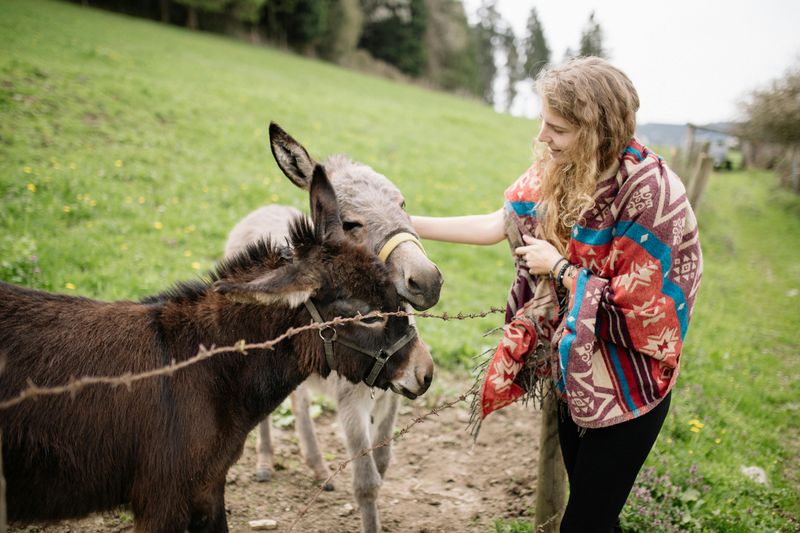
Picture a donkey lounging in a bathtub.
It sounds like something out of a children’s book, but it’s actually enshrined in Arizona law.
The story behind this unusual law is both entertaining and rooted in historical events.
In the 1920s, a playful donkey named Smiley was swept away in a flood while relaxing in an outdoor bathtub.
His unexpected journey caused significant damage and led to a costly rescue effort.
In response, the law was enacted to prevent donkeys from enjoying such watery leisure activities.
While it might seem absurd today, this law reflects a unique moment in Arizona’s history.
Smiley the donkey became a local legend, and his story is still recounted in areas like Kingman and Lake Havasu.
For visitors, this law is a delightful glimpse into the quirky side of Arizona’s past.
It offers a whimsical anecdote that adds color to the state’s rich tapestry of tales.
Though the law likely goes unenforced, it remains a beloved piece of local lore.
It’s a humorous reminder that even the most serious laws can have playful origins.
This law invites both laughter and curiosity, encouraging visitors to explore the stories that make Arizona unique.
Whether you’re enjoying a scenic drive through the Mojave Desert or exploring the Hualapai Mountains, remember the tale of Smiley the donkey.
It’s a quirky bit of history that continues to charm and amuse those who hear it.
Don’t Spit on the Sidewalk

In a bustling city like Phoenix, you might be tempted to spit on the sidewalk to relieve a dry throat.
Think again, as spitting in public is illegal in Arizona.
This law, though often overlooked, reflects a concern for public health and cleanliness.
Spitting can spread germs and create unsanitary conditions, particularly in crowded urban areas.
The regulation is part of a broader effort to maintain the aesthetic appeal of cities and ensure a pleasant environment for residents and visitors alike.
While you might not see this law strictly enforced on every corner, it serves as a reminder of Arizona’s commitment to community well-being.
Visitors often find this law peculiar, as it highlights the state’s focus on hygiene and public decorum.
It’s an aspect of Arizona that might surprise those used to more relaxed attitudes elsewhere.
While enjoying a stroll through Tempe or a leisurely walk in downtown Tucson, keep this law in mind.
It’s one of those regulations that, while seemingly trivial, underscores the importance of respect and consideration for others.
This law adds an unexpected layer of etiquette to the experience of exploring Arizona’s lively streets.
It’s a small but significant part of the state’s legal framework, encouraging civility and cleanliness in public spaces.
Cactus Theft

Arizona’s iconic cacti are a symbol of the state’s rugged beauty, but taking one can land you in legal trouble.
Stealing or vandalizing a cactus is a serious offense, reflecting Arizona’s commitment to preserving its natural environment.
The law is particularly focused on the mighty saguaro cactus, a protected species under state regulation.
These majestic giants can live for over a century, playing a vital role in the desert ecosystem.
Cactus theft is not just an ecological concern; it’s also a matter of cultural heritage.
For many, cacti are more than just plants; they’re emblematic of the state’s identity and resilience.
Visitors might be tempted to take a piece of this natural beauty home, but doing so could result in hefty fines and even jail time.
The law is strictly enforced to ensure the preservation of these unique desert inhabitants.
It’s a vivid reminder of the delicate balance between human activity and nature’s beauty.
When visiting places like Saguaro National Park or the Sonoran Desert, this law highlights the importance of conservation and respect for the environment.
It’s a lesson in stewardship that resonates with locals and visitors who appreciate the wild, untamed spirit of Arizona’s landscapes.
Protecting the cactus is more than a legal obligation; it’s a shared responsibility to safeguard the natural wonders that define the region.
Driving in the Left Lane

If you’re fond of driving in the left lane, Arizona might change your habits.
In this state, it’s illegal to drive in the left lane unless you’re actively passing another vehicle.
This law aims to alleviate traffic congestion and improve road safety.
The left lane, often referred to as the “fast lane,” is intended for passing, not leisurely cruising.
Arizona’s approach to traffic flow reflects a broader emphasis on efficiency and safety.
Visitors accustomed to different driving norms might find this law surprising or even frustrating.
Yet, it underscores Arizona’s commitment to maintaining smooth and orderly roadways.
The law is designed to minimize road rage and prevent accidents, ensuring a pleasant driving experience for everyone.
While exploring the highways from Phoenix to Flagstaff, adhering to this rule can enhance your journey.
It’s a practical regulation that prioritizes the well-being of all road users.
This law encourages drivers to remain attentive and considerate, fostering a culture of respect on the road.
By following this guideline, visitors contribute to a safer travel environment and experience the convenience of Arizona’s well-maintained highways.
It’s a small adjustment that can make a big difference in the overall quality of your road trip.
Dogs Must Not Harass Sheep
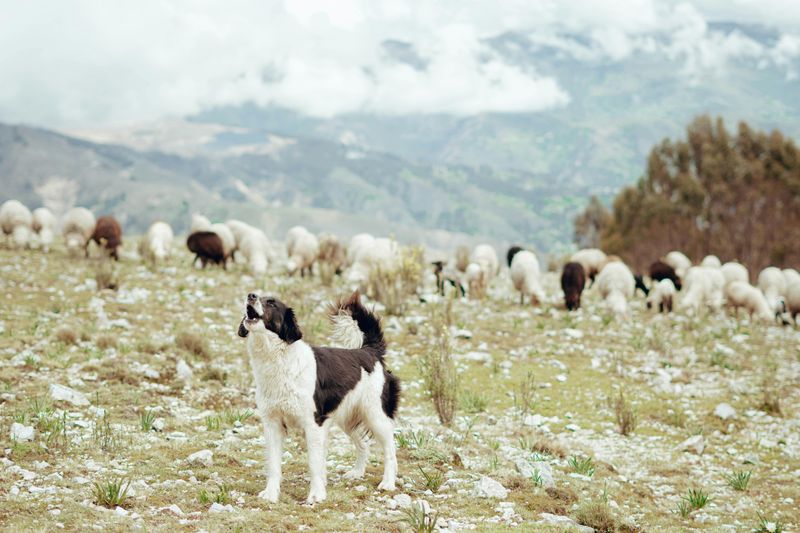
In a state where pastoral life is cherished, even man’s best friend must adhere to the rules.
Arizona law prohibits dogs from harassing sheep, reflecting the state’s agricultural heritage.
This law is rooted in the necessity to protect livestock, a vital part of Arizona’s economy.
Sheep farming, especially in the northern regions, is a significant industry, and any threat to these animals is taken seriously.
Visitors with pets might be surprised by the strictness of this regulation, emphasizing Arizona’s dedication to its agricultural community.
The law is enforced to ensure the safety and well-being of both the livestock and the dogs.
It’s a thoughtful regulation that underscores the importance of harmony between human activity and animal welfare.
While visiting rural areas like Prescott or the ranches near Sedona, this law serves as a reminder of the region’s rich farming traditions.
It encourages visitors to be mindful of their pets and respectful of local livelihoods.
By understanding and adhering to this law, visitors can appreciate the balance that sustains Arizona’s agricultural landscape.
It’s a regulation that fosters coexistence and acknowledges the interconnectedness of all living things within the state.
Observing this law means being part of a community that values both its heritage and its future.
No Cutting Down Cactus

In a state where cacti are part of the landscape’s tapestry, cutting one down can lead to legal repercussions.
The law prohibiting cactus cutting is part of Arizona’s effort to preserve its unique flora.
This regulation is particularly focused on protecting the iconic saguaro cactus, which can take decades to mature.
These towering plants are integral to the desert ecosystem, providing habitat and nourishment for various species.
Visitors might not realize the ecological significance of these cacti, leading to unintentional harm.
The law serves as both a deterrent and an educational tool, raising awareness about the importance of conservation.
While you might not see signs warning against cactus cutting everywhere, the regulation is strongly enforced in protected areas.
It reflects a broader commitment to conserving Arizona’s natural beauty for future generations.
When hiking in areas like the Sonoran Desert or exploring the landscapes of Tucson, this law becomes a poignant reminder of the state’s dedication to environmental stewardship.
It’s a law that encourages respect for nature, fostering a sense of responsibility among those who encounter Arizona’s stunning landscapes.
By adhering to this regulation, visitors become part of the effort to preserve the delicate balance of life in the desert.
Dear Reader: This page may contain affiliate links which may earn a commission if you click through and make a purchase. Our independent journalism is not influenced by any advertiser or commercial initiative unless it is clearly marked as sponsored content. As travel products change, please be sure to reconfirm all details and stay up to date with current events to ensure a safe and successful trip.
