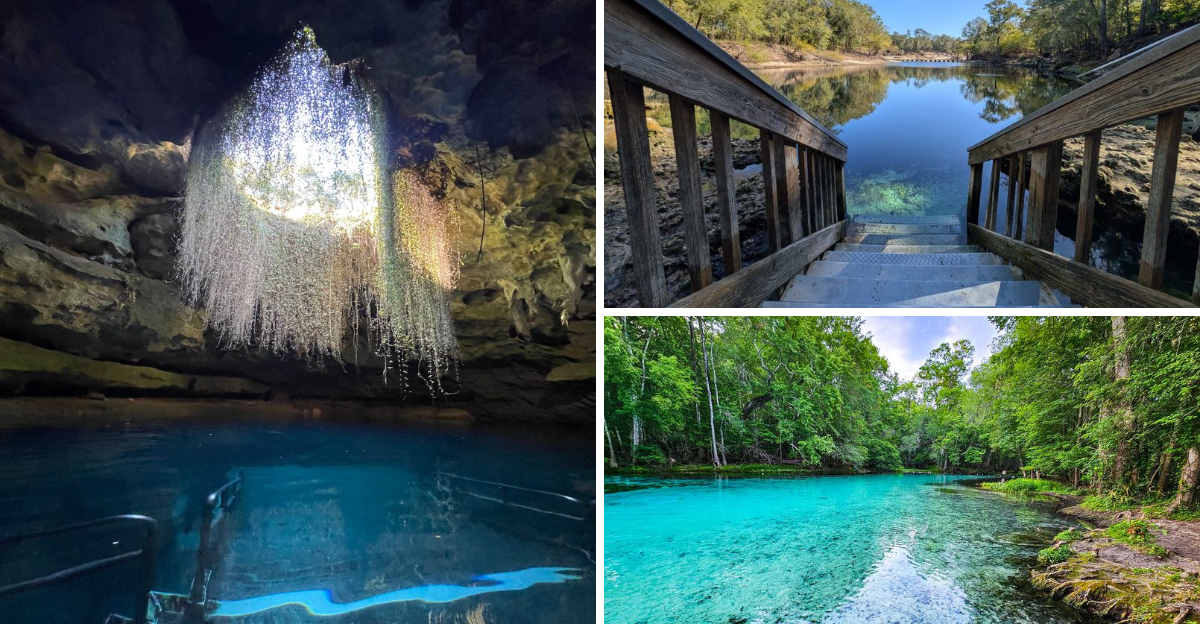
Florida keeps its secrets in plain sight, shimmering in shades of turquoise beneath oak canopies and whispering cypress.
Lately, those quiet coves have been drawing bigger crowds, and the hush that once defined them now shares space with eager paddlers and buzzing parking lots.
You will still find clarity, wildlife, and that unmistakable Florida calm, but timing and local strategies make all the difference.
Let this guide help you plan smarter, see more, and keep the magic intact.
1. Ichetucknee Springs State Park
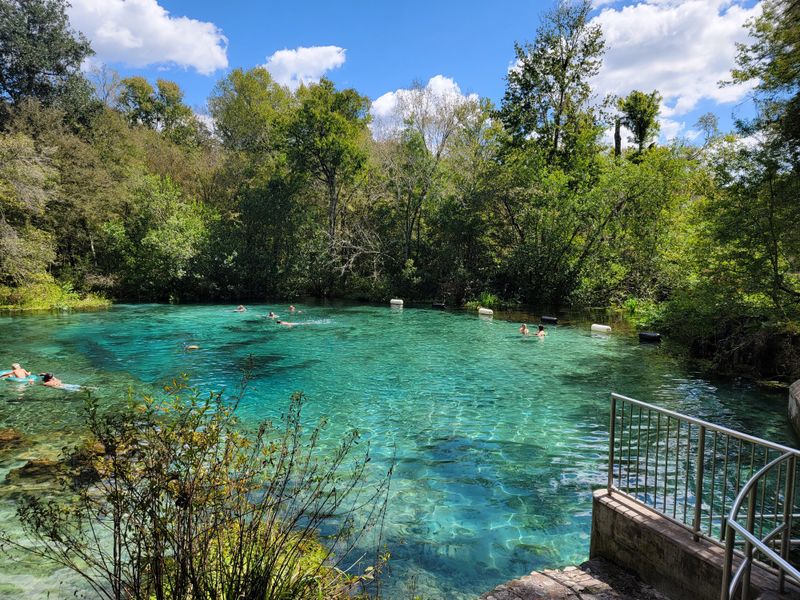
Ichetucknee Springs State Park no longer feels like a private river that only locals know.
Summer weekends bring entrance lines, full lots, and a colorful tube flotilla on the run.
The park sits at 12087 SW U.S. Highway 27, Fort White, Florida, with north and south entrances.
The north entrance boardwalk leads to headspring overlooks where the water reads as glass.
The south entrance manages most tubing traffic with staging, signs, and shuttles that keep order.
Rangers regulate flow to protect eelgrass, sandy shelves, and resting zones used by wildlife.
Arriving at opening time buys you quieter minutes before the river turns social.
Late morning often feels busiest, especially when heat pushes everyone toward the water.
Snorkeling where permitted shows waving plants, limestone vents, and fish holding in the current.
Lift your feet in shallow areas so you do not scrape vegetation or cloud the view.
Carry a dry bag for keys and phones, since sandy stairs and wet boards are slick.
Wildlife sightings improve when wakes are minimal, including gar, turtles, and occasional otters.
Tubers usually finish near shuttle pickups, which helps prevent vehicles stacking on narrow roads.
Keep speakers off and voices low so birdsong and wind stay in the foreground.
With patient timing and tidy habits, the river still returns its calm again between passing groups.
2. Weeki Wachee Springs State Park

Weeki Wachee Springs State Park pairs famous theater history with a river that no longer stays quiet.
In peak season the kayak launch depends on reservations, so spur of the moment plans fail.
The park’s address is 6131 Commercial Way, Spring Hill, Florida, close to busy coastal highways.
Check in lines form early, and departure windows keep groups moving in an organized sequence.
By midmorning a chain of kayaks and tubes can fill bends that once felt empty.
Photo pauses at narrow turns create traffic, so it helps to drift through and circle back.
Wildlife still shows up, including turtles on logs and manatees during cooler months.
The springhead lagoon glows beside lawns and railings where families watch vents ripple below.
Staff manage shorelines to reduce erosion and protect plants that hold sand in place.
Arrive early for parking, then wait for a calmer gap before pushing into the current.
Quiet pockets appear in shaded stretches where paddlers pull over and let others pass.
Polarized lenses cut glare and reveal fish holding in eelgrass near the bank.
Return times matter because late takeouts can bottleneck the ramp and stall the line.
A lull sometimes follows showtimes, when crowds shift and the water opens.
Leave no trace, yield kindly, and the river still feels gentle when your pace matches the tide.
3. Silver Springs State Park
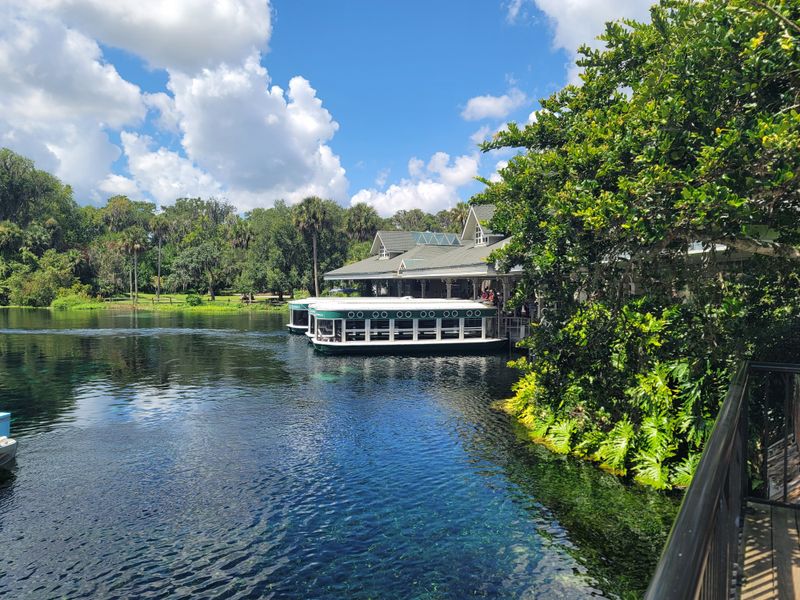
Silver Springs State Park draws attention with glass bottom boats and broad, clear water views.
On busy mornings the dock area stays active, and tour times can sell out fast.
The park is at 5656 E Silver Springs Blvd, Silver Springs, Florida, just east of Ocala.
Boardwalks frame the lagoon, where eelgrass waves beneath reflections that shift with clouds.
Cooler seasons can bring manatees, and birds patrol the edges with steady patience.
The area is also known for feral rhesus macaques along forested banks, so keep distance.
Secure food and avoid close photos, since feeding or approaching wildlife creates real risk.
Interpretive signs and trails explain the site’s history, including film connections and river ecology.
Boat pilots follow set routes to avoid sensitive plants, which helps protect underwater habitat.
For a quieter visit, aim for weekdays or late afternoon when tours slow down.
Paddlers should stay within designated areas and keep space from wildlife and other craft most days.
Benches near the main dock offer shade, and staff can share conditions and visibility notes.
After rain, wet boards become slick, so footwear with grip helps on the loop.
At noon the lagoon can look like polished glass, but mornings show more texture.
Even with crowds, a patient look into the water still reveals vents, fish, and a timeless spring rhythm.
4. Madison Blue Spring State Park
Madison Blue Spring State Park once felt like a quiet stop for divers and locals.
After travel lists praised its clarity, more visitors began arriving earlier in the day.
On sunny weekends the small parking lot can fill quickly, and capacity limits may apply at the gate.
The address is 8300 NE State Road 6, Lee, Florida, near the Withlacoochee River.
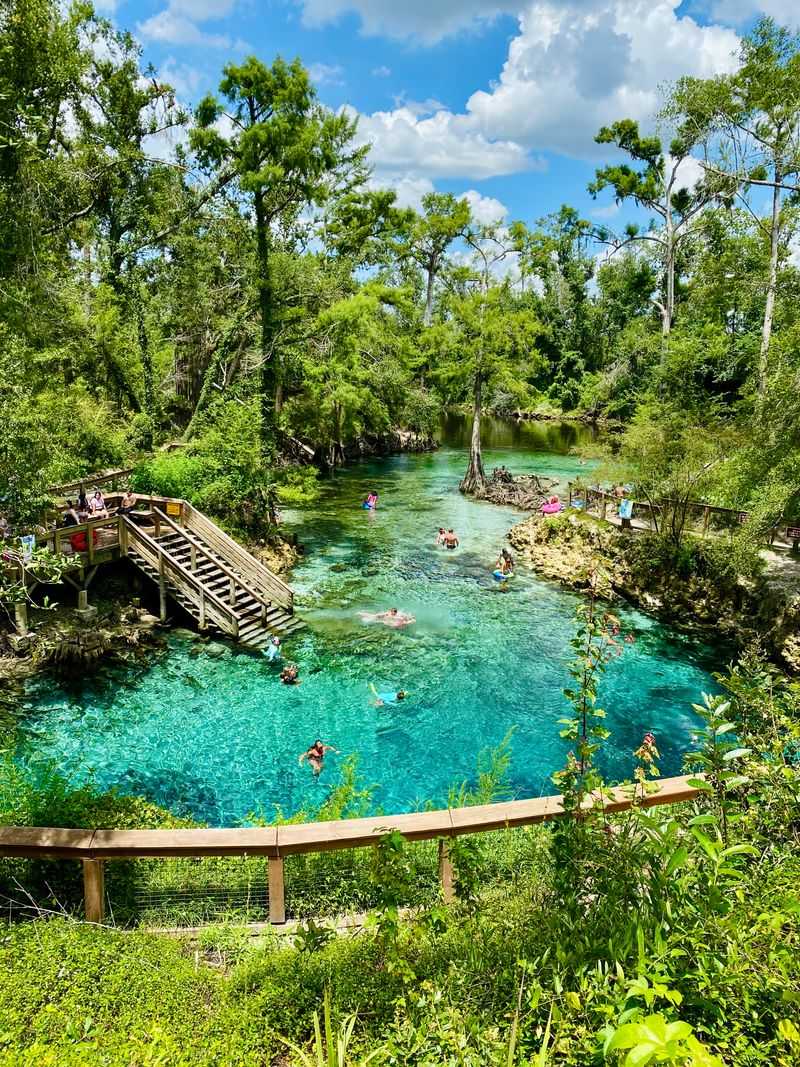
A round basin shines blue under hardwood shade, with limestone edges and a sandy shelf.
Entry stairs drop into cool water, and the floor slopes toward the main vent.
Cave divers use deeper zones, while families wade near the edges and float slowly.
Water shoes help on rocky spots, since algae and stone can make footing slippery.
To preserve visibility, swim with gentle kicks and avoid stirring silt near the bottom.
Shoulder seasons bring a calmer feel, with filtered light and more room on the bank for longer visits.
Short trails lead to river views, where tannic water contrasts sharply with the spring’s blue.
Pack out every wrapper because wind can push trash straight toward the pool.
Quiet conversation keeps the natural soundtrack intact, especially when birds are active.
Photography improves when glare softens after clouds pass, or when morning light stays low.
With early timing and careful steps, Madison Blue still delivers a steady, restorative swim quietly today.
5. Rainbow Springs State Park

Rainbow Springs State Park still glows, but it rarely feels undiscovered anymore.
Word travels fast, and by late morning the swimming area and trails can feel crowded.
The park is at 19158 SW 81st Place Road, Dunnellon, Florida, with clear signs at the entrance.
Arrive when gates open if you want space for a few quiet laps in turquoise water.
Weekdays improve your odds of hearing wind in the canopy instead of steady chatter.
Garden paths include manmade waterfalls from the former attraction era, and they remain a highlight.
Live oaks cast shade over lawns where families rest between swims and short walks.
Snorkelers drift over sandy patches that brighten when light angles low across the basin.
Tubing access operates from separate areas away from the headspring, which helps manage flow.
Follow posted routes so banks do not erode under heavy foot traffic near the waterline.
Florida weather changes quickly, so a light layer can help when clouds roll in.
Benches face shallow coves where fish flash in the sun and disappear into grass.
Rangers post updates on visibility and conditions after rain, which can affect clarity.
Keep fins up and avoid touching plants so the view stays clear for others.
Late day often brings a softer mood as families leave, and the spring settles into a blue mirror again.
6. Devil’s Den Prehistoric Spring

Devil’s Den Prehistoric Spring feels like a hidden chamber, but it has become widely sought out.
Years ago it was mostly divers and locals, while now many visitors come for the skylight beam for photos and swims.
The address is 5390 NE 180th Ave, Williston, Florida, with check in near picnic lawns.
Reservations manage entry, and staff keep the flow moving with clear safety guidance.
Gear benches ring the opening, which helps keep walkways open and orderly.
The wooden stairs lead into a cool cavern where sound echoes quickly when groups stack up.
Snorkeling is allowed during set windows, and required gear keeps the experience consistent.
Divers drop into deeper blue where limestone layers hold fossils and fragile formations.
Speak softly and move carefully, since wet steps and platforms demand steady attention.
Photo timing matters, because crowded railings can put other people in every frame.
Between swims, shaded decks above the sink offer a calmer place to rest and warm up before home.
Florida humidity meets cavern air, so a light layer feels good during breaks outside.
Respect boundaries, including areas reserved for training groups and marked no entry zones.
Do not touch rock surfaces, since oils from hands can damage delicate textures.
Late afternoon sometimes thins the crowd, and the light shaft softens into a quieter glow that lingers.
7. Troy Spring State Park

Troy Spring State Park used to stay off many itineraries along the Suwannee River corridor.
More travelers now arrive to see the deep basin and the historic steamboat remains below.
Weekend mornings bring steady traffic to the boardwalk and picnic lawn near the water.
The address is 674 NE Troy Springs Road, Branford, Florida, reached by quiet rural roads.
Clear water reveals timbers from the Madison, a steamboat scuttled long ago in the basin.
Divers circle the perimeter to avoid disturbing the protected site and to keep visibility high.
Snorkelers can sometimes trace the outlines when conditions are calm and crowds stay light.
Rangers post updates about water clarity, safety notes, and preservation rules for the wreck.
A short spring run connects to the Suwannee, offering gentle current for paddlers.
Shaded tables make an easy base camp between swims, river floats, and short trail walks.
Footpaths lead to overlooks where dark river water contrasts sharply with blue spring color.
Arrive early or choose weekdays for simpler parking and a quieter surface.
Carry a dry bag for keys and phones, since wet stairs can surprise you suddenly.
Keep fins off the bottom, take slow breaths, and watch sunlight feather across the beams.
When the crowd thins late in the day, the basin grows quiet again and the spring’s history feels close.
8. Morrison Springs Park

Morrison Springs Park in Walton County has long served divers seeking clear, cool water.
Recent attention has brought more families and photographers, especially on bright weekends.
The park sits at 874 Morrison Springs Road, Ponce de Leon, Florida, with a entrance drive.
A broad basin drops toward cavern vents, and divers use the deeper zone with care.
Boardwalks curve through trees and create easy access to platforms and entry stairs.
Snorkelers stay near the edge, watching bubbles rise and fish patrol the darker drop off.
Water clarity shifts after heavy rain, so checking conditions can save a long drive.
Morning light often turns the pool turquoise under the canopy, then glare increases at noon.
County staff keep signage clear, and the pathways stay orderly even when the deck is busy.
Pack a mask and fins for long looks along the limestone rim and sandy patches.
Panhandle breezes cool picnic tables near the lot, making breaks comfortable between swims.
Wildlife includes gar, bream, and turtles that linger near fallen limbs and roots.
Keep voices low so birds and the spring’s soft fizz remain easy to hear.
Pack out trash and avoid stirring silt, since one careless kick clouds the basin.
Weekdays and late afternoons can restore stillness, letting Morrison feel like the quiet local spot it was meant to be.
9. Manatee Springs State Park
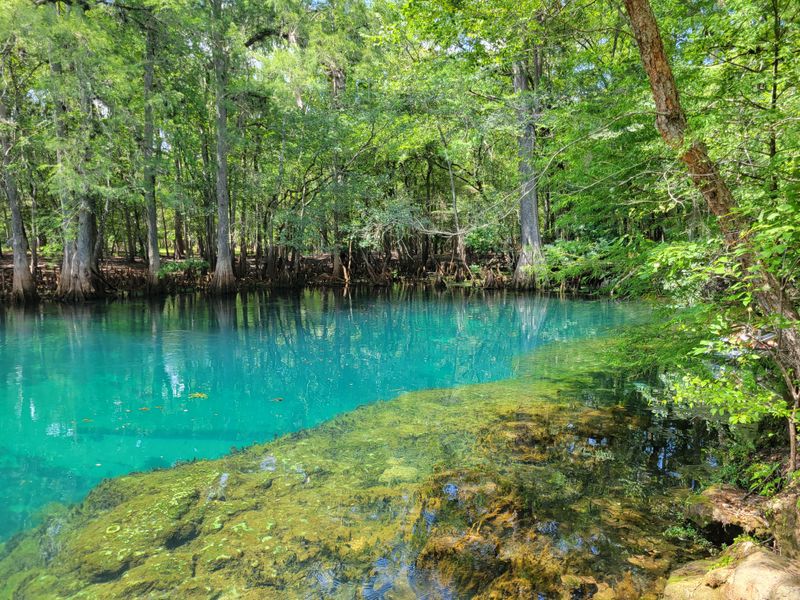
Manatee Springs State Park once felt sleepy, with long boardwalks and a quiet spring run.
In recent years the lots fill more often, and visitation stays steady beyond the summer peak.
Cooler months can bring manatees, which draws attention to viewing areas and the run.
The address is 11650 NW 115 St, Chiefland, Florida, near the Suwannee River.
Boardwalks trace the run past cypress knees, shaded banks, and frequent bird perches.
Near the headspring, shallow zones give swimmers room to float and watch fish in grass.
Divers explore caverns in deeper water, while paddlers stage on the river for calm miles.
Rangers direct visitors to respectful distances, especially when manatees or nesting birds appear.
Early hours deliver birdsong and glassy water before conversation grows louder on the deck.
Shade shelters create rest stops, and breezes off the run cool the hottest days.
Polarized glasses cut glare and make eelgrass and fish easier to see from shore.
Keep kicks light and avoid plants near sandy shelves so the water stays clear for everyone.
Trash free habits matter here, because wind can move litter straight into the run.
Benches along loop trails offer pauses for quiet views when the main area feels busy.
With patient timing, the spring still settles into reflective blues late in the day, and the old calm returns.
10. Fanning Springs State Park
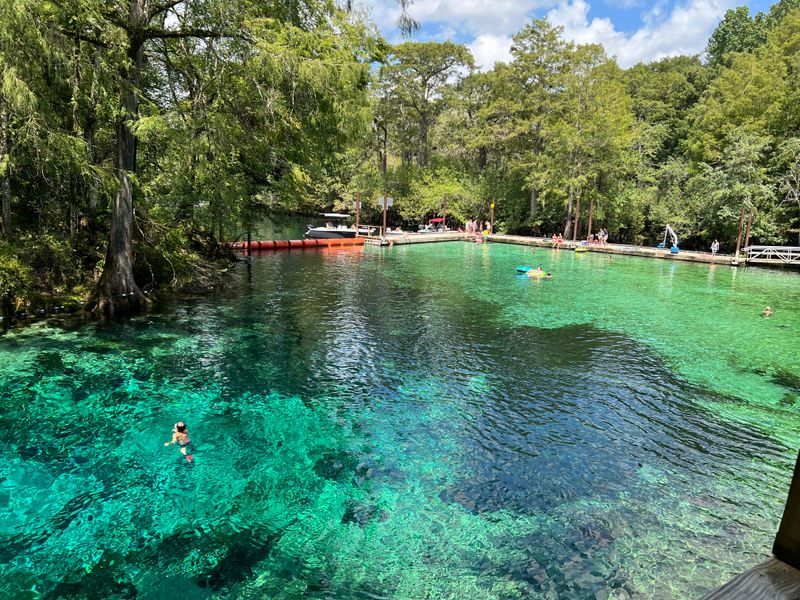
Fanning Springs State Park has long served nearby towns with an easy swim scene.
In recent seasons more families, paddlers, and photographers have arrived, especially on weekends.
The address is 18020 NW Highway 19, Fanning Springs, Florida, beside a familiar corridor.
A bright basin opens into a short run that meets the Suwannee River downstream.
In cooler periods, manatees may visit, so staff monitor activity and adjust access.
Swimmers share space with snorkelers who trace sandy contours and watch fish in the shallows.
Shade trees and picnic areas create base camps between dips and river walks.
Arrive early or choose weekdays for calmer entries and clearer water at the stairs.
Use the steps carefully, because algae can make them slick after afternoons.
Clouds move fast here, and light changes the color of the pool within minutes.
Boardwalk overlooks help with views, and they keep feet off fragile edges.
Keep distance from wildlife and avoid chasing fish along the bank for photos.
Leave no trace, and secure wrappers, since wind can push them toward the run.
Benches near the gazebo catch a breeze that makes midday heat manageable.
Late afternoon quiet returns as day users depart, and reflections sharpen on the surface.
If you time your swim for that lull, Fanning Springs still feels relaxed and welcoming, even with more visitors.
11. Gilchrist Blue Springs State Park
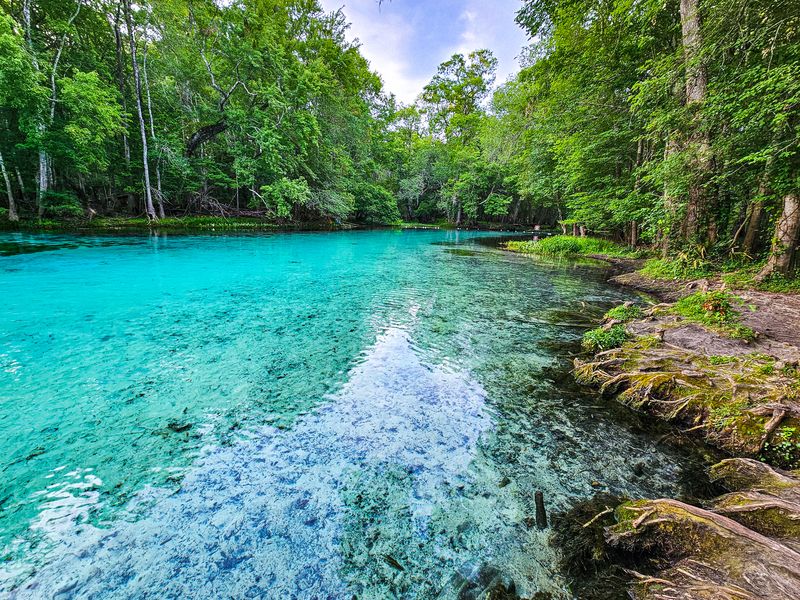
Gilchrist Blue Springs State Park carried a low key reputation before becoming a state park.
As interest grew, weekends turned lively around the basin, the run, and the picnic areas for many visitors.
Parking limits now help protect banks and keep the flow manageable for swimmers and paddlers.
The park is at 7450 NE 60th St, High Springs, Florida, reached by quiet country roads.
Clear water pours from the main vent into a short run lined with eelgrass and sand.
Side springs shimmer beneath small bridges and shaded limbs that soften the light.
Snorkelers drift above fish holding steady in the gentle current near the channel edge.
Families settle under oaks, then cycle between the stairs, the tables, and the trail loops.
Arrive early for space along the sandy shelf, especially on hot weekends.
Staff share updates on visibility and closures after heavy rain, which can change conditions.
Midday sun can make the blue look electric, while late afternoon brings softer color.
Photographers like the bridge angle because it frames the curve of the run.
Keep fins up, avoid stirring silt, and stay off plants along the margins.
Sound carries far over open water, so quieter voices help everyone relax.
On weekdays the hush returns, and the spring mirrors your pace with steady calm that makes repeat visits feel worthwhile.
Dear Reader: This page may contain affiliate links which may earn a commission if you click through and make a purchase. Our independent journalism is not influenced by any advertiser or commercial initiative unless it is clearly marked as sponsored content. As travel products change, please be sure to reconfirm all details and stay up to date with current events to ensure a safe and successful trip.
