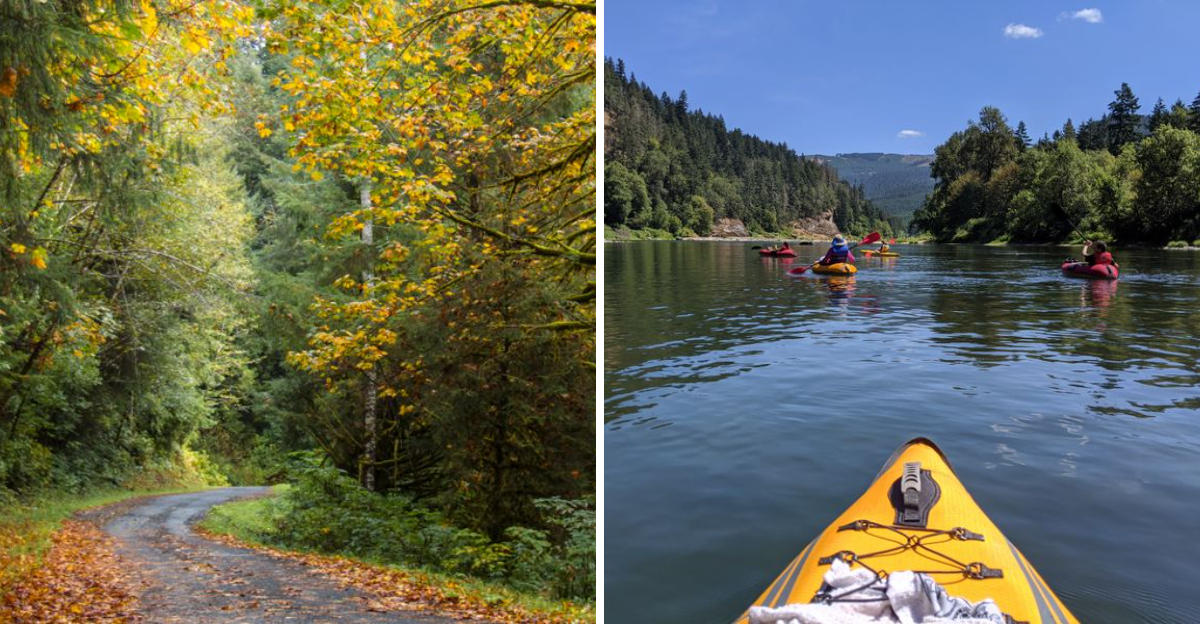
Oregon is famous for its towering forests and outdoor adventures, but most travelers flock to the same well-known trails and parks. Beyond the crowded trailheads and busy campgrounds, this beautiful state hides a collection of lesser-known forests where solitude and natural beauty reign supreme.
These secret spots offer everything from ancient trees and crystalline streams to eerie coastal stumps and high desert pines, all without the usual tourist hustle.
Ready to trade the packed parking lots for genuine peace and quiet? Want to wander among old-growth giants without bumping into a hundred other hikers?
Curious about forests so remote they feel like your own private wilderness? Pack your boots, grab your sense of adventure, and get ready to discover Oregon’s best-kept forest secrets that’ll make you feel like the only person on Earth!
1. Lost Forest Research Natural Area
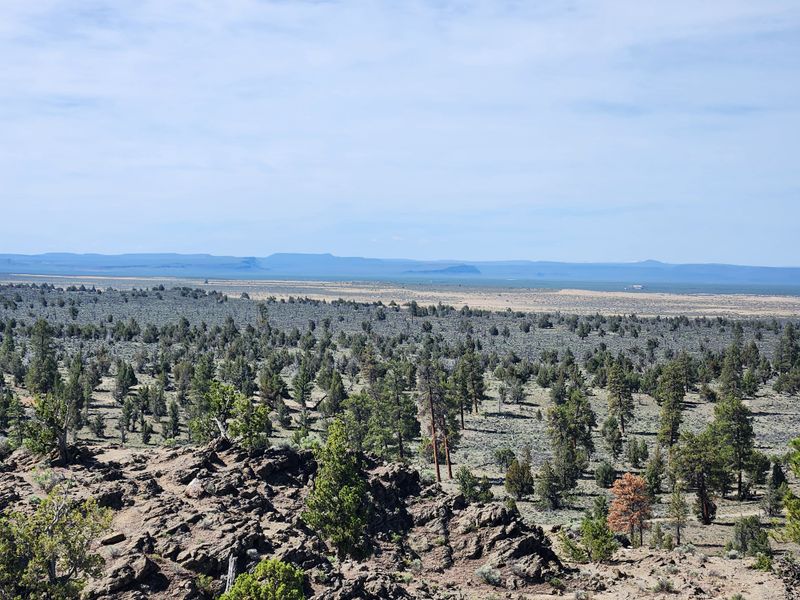
Picture a thriving ponderosa pine forest rising out of the middle of a bone-dry desert, miles from any other woodland. Lost Forest Research Natural Area sprawls across 9,000 acres of arid high desert landscape in south-central Oregon, creating one of nature’s most puzzling mysteries.
Scientists still scratch their heads trying to figure out how these towering pines survive in such an unlikely environment, isolated from other forests by miles of sagebrush and sand.
The forest floor crunches beneath your feet as you wander among these resilient trees, their cinnamon-colored bark glowing in the intense desert sun. Ancient ponderosas stand as silent witnesses to centuries of survival against all odds, their roots reaching deep into hidden water sources that sustain this botanical miracle.
Walking here feels like stepping into a secret world that shouldn’t exist but stubbornly does anyway.
Getting to Lost Forest requires commitment, since it sits far from major highways and towns in the remote Christmas Valley area. The dirt roads leading in can be rough, so a high-clearance vehicle comes in handy, especially after rain or snow.
Once you arrive, though, you’ll likely have the entire forest to yourself for hours of peaceful exploration.
Bring plenty of water, sun protection, and a good map or GPS device, because cell service is nonexistent out here. The stark beauty of pines against desert sky creates unforgettable photographs, especially during golden hour when the light turns everything magical.
This is Oregon at its most surprising and serene, offering a forest experience unlike any other in the state.
2. Elliott State Forest
Tucked away in the rugged Coast Range near Coos Bay, Elliott State Forest delivers dramatic terrain that challenges hikers and rewards them with stunning old-growth beauty. Steep forested slopes rise sharply from winding creek valleys, creating a wild landscape that feels wonderfully untamed.
This working forest covers thousands of acres, yet most visitors to the Oregon coast drive right past without ever knowing it exists.
Massive Douglas firs and western hemlocks tower overhead, their branches forming a green canopy that filters sunlight into soft, dappled patterns on the forest floor. Moss drapes everything in sight, giving the woods an enchanted, timeless quality.
The terrain here is genuinely rugged, with trails that climb steeply and reward your effort with quiet ridge views and hidden groves.
Unlike the crowded coastal state parks, Elliott State Forest sees relatively few visitors, making it perfect for anyone seeking genuine solitude. You can hike for hours without encountering another soul, surrounded only by bird songs and the whisper of wind through ancient trees.
Several primitive campsites scattered throughout the forest offer basic facilities for overnight stays if you want to extend your escape.
The forest sits close enough to the coast that you can smell the ocean on foggy mornings, creating a unique blend of coastal and mountain forest ecosystems. Wildlife thrives here, including Roosevelt elk, black-tailed deer, and countless bird species.
Remember to bring sturdy boots for the steep terrain, layers for changeable weather, and a camera to capture the moody, atmospheric beauty that defines this hidden gem along Oregon’s southern coast.
3. Sun Pass State Forest
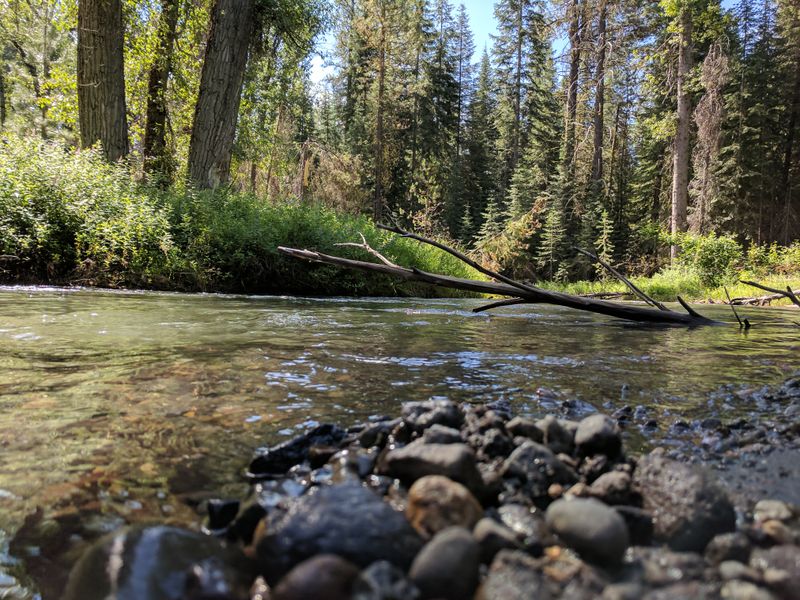
Nestled near the shimmering waters of Klamath Lake, Sun Pass State Forest provides scenic pine forests that somehow escape the attention of most Oregon travelers. This quiet gem sits in the southern part of the state, where the Cascades transition into drier, more open landscapes.
The forest offers miles of peaceful trails perfect for hiking during warmer months and snowmobiling when winter blankets the area in white.
Tall ponderosa pines dominate the landscape, their distinctive puzzle-piece bark and vanilla scent creating a sensory experience that defines this corner of Oregon. The forest floor stays relatively open, making off-trail exploration easy and inviting.
Views through the trees often reveal glimpses of distant mountains or the vast expanse of Klamath Lake shimmering in the distance.
Because Sun Pass doesn’t have the name recognition of nearby Crater Lake National Park, it remains blissfully uncrowded even during peak summer season. You can spend entire days exploring without encountering more than a handful of other visitors, if any at all.
The forest roads provide access to numerous trailheads and viewpoints, though some require high-clearance vehicles depending on recent weather conditions.
Wildlife thrives in this diverse habitat, where forest meets meadow and water. Keep your eyes open for deer grazing in clearings, hawks circling overhead, and if you’re lucky, glimpses of larger animals like elk or black bears at dawn or dusk.
The area’s elevation means cooler temperatures than the valleys below, offering welcome relief during hot summer days. Pack binoculars for wildlife watching, plenty of water for your adventures, and a camera to capture the stunning interplay of forest, mountain, and lake that makes this hidden forest so special and serene.
4. Opal Creek Wilderness
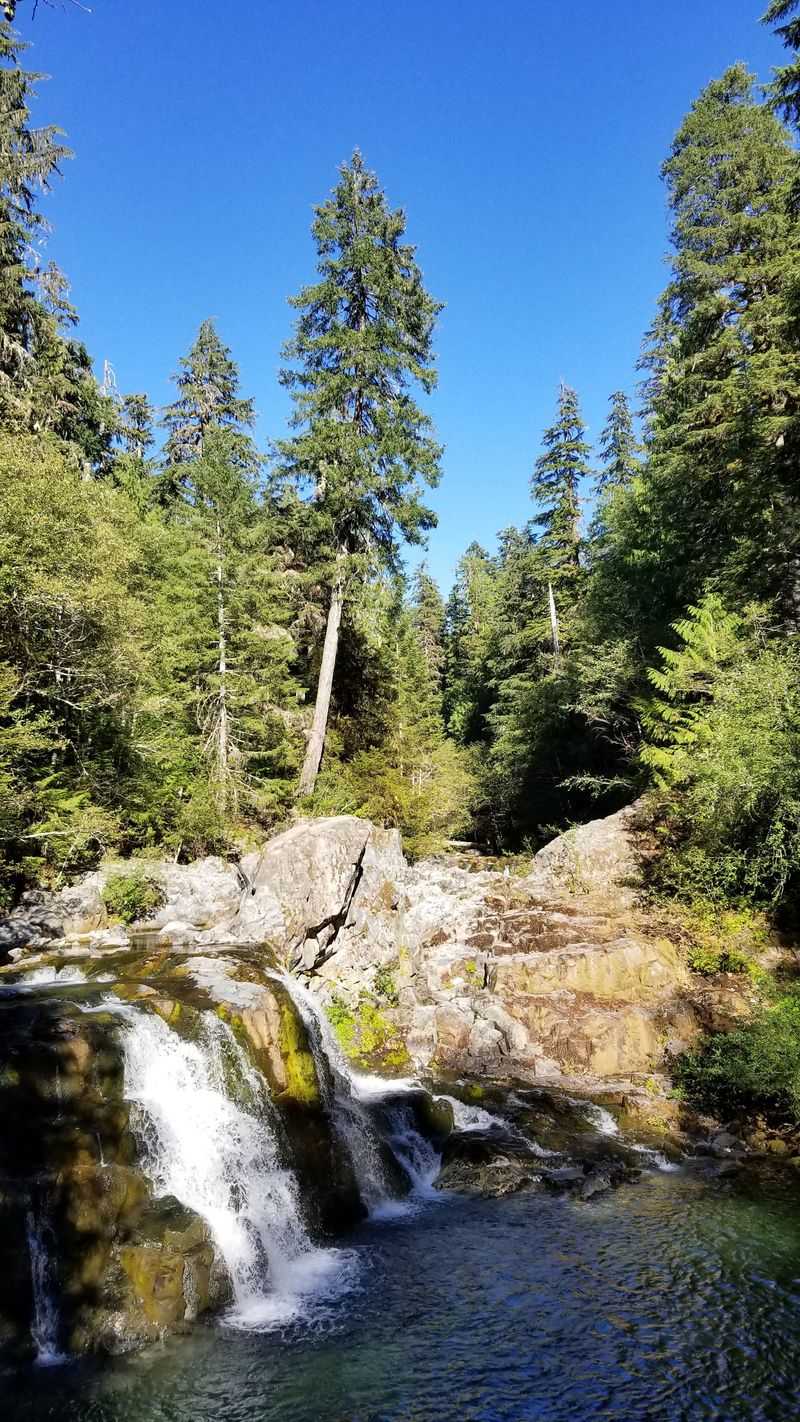
Deep in the Cascade Range lies Opal Creek Wilderness, one of Oregon’s most pristine and intact old-growth forest ecosystems. This rare gem protects ancient trees that have stood for centuries, their massive trunks rising like natural cathedrals toward the sky.
Crystal-clear waters flow through the wilderness, creating pools so transparent you can count every pebble on the bottom even in the deepest sections.
The hike into Opal Creek follows an old mining road before transitioning to forest trails that wind among giants. Douglas firs and western red cedars of astounding size line the path, some measuring over ten feet in diameter.
Moss, ferns, and lichens coat every surface, creating a lush green tapestry that feels prehistoric and magical.
Reaching the main attractions requires a moderate hike of several miles, which helps keep casual visitors away and preserves the area’s remote character. The effort pays off spectacularly when you reach the famous pools, where turquoise water swirls around smooth rocks in formations that look almost too perfect to be natural.
Swimming is popular during summer, though the snowmelt-fed water stays bracingly cold even in August.
Several old mining structures still stand within the wilderness, offering fascinating glimpses into the area’s history. The remote mining town of Jawbone Flats sits at the heart of the wilderness, now serving as an environmental education center.
Camping options include established sites near the trailhead and backcountry spots deeper in the wilderness for those seeking maximum solitude. Bring sturdy hiking boots for the rocky trails, layers for unpredictable mountain weather, and waterproof bags to protect your gear if you plan to explore the creek areas up close and personal.
5. Drift Creek Wilderness
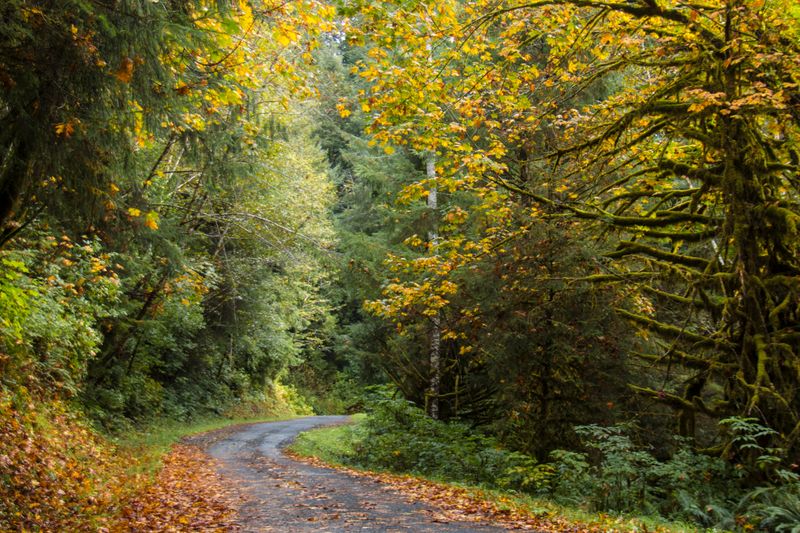
Small but spectacular, Drift Creek Wilderness protects a pocket of coastal rainforest that delivers maximum beauty in a compact package. This secluded area sits in the Coast Range between Newport and Lincoln City, yet most beach-bound travelers speed past without ever suspecting its existence.
Massive Sitka spruce trees dominate the landscape, their enormous trunks wrapped in thick moss and their branches draped with hanging lichens that sway in the constant coastal breeze.
The wilderness covers only about 5,800 acres, making it one of Oregon’s smallest designated wilderness areas. What it lacks in size, it more than makes up for in atmosphere and accessibility.
Short trails lead into the heart of the forest, perfect for quiet afternoon hikes that don’t require all-day commitments. The sounds of Drift Creek itself provide a constant soundtrack, with water tumbling over rocks and logs in a soothing natural symphony.
Horse Creek Trail offers one of the best introductions to the area, winding through cathedral-like groves where sunlight barely penetrates the dense canopy overhead. The forest floor stays perpetually damp, supporting incredible diversity of ferns, mushrooms, and understory plants.
Every surface seems alive with green growth, creating the quintessential Pacific Northwest rainforest experience without the crowds found in more famous locations.
The proximity to the coast means fog frequently rolls through, adding ethereal atmosphere to your forest wanderings. Wildlife includes black-tailed deer, Roosevelt elk, and numerous bird species that thrive in this lush environment.
Because the trails are relatively short and the wilderness compact, you can explore thoroughly in a single day trip. Bring rain gear regardless of the forecast, wear waterproof boots for the perpetually muddy trails, and embrace the moody, mystical atmosphere that makes this tiny wilderness feel like a hidden world unto itself.
6. Neskowin Ghost Forest
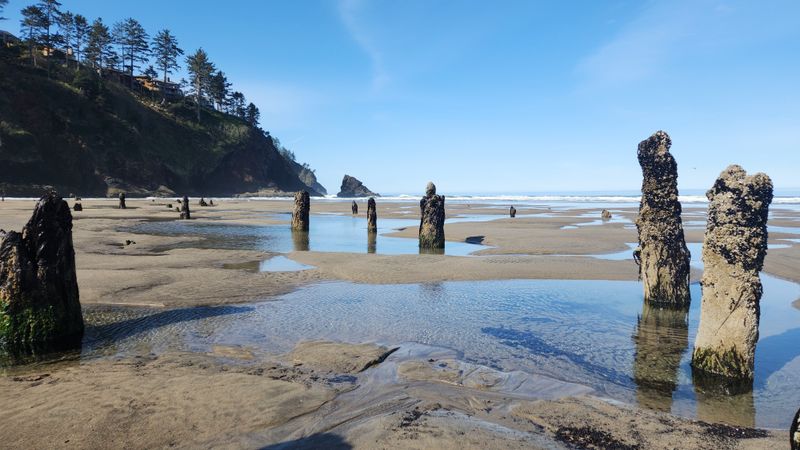
Few places in Oregon offer the haunting beauty and quiet contemplation of Neskowin Ghost Forest, where ancient tree stumps emerge from the sand at low tide like silent sentinels from another era. These weathered remnants are roughly 2,000 years old, preserved by sand and salt water after a massive earthquake caused the coastal forest to sink and be swallowed by the Pacific Ocean.
Walking among these stumps at sunset creates an eerie, reflective atmosphere that stays with you long after you leave.
The ghost forest sits directly on Neskowin Beach, accessible via a short walk from the small coastal village of the same name. Unlike typical forest hikes, this experience depends entirely on tide timing, since the stumps only reveal themselves when the ocean pulls back.
Checking tide tables before your visit is essential for witnessing this natural phenomenon at its best.
The stumps themselves vary in size and condition, some standing several feet tall while others barely break the sand’s surface. Barnacles, seaweed, and other marine life cling to the ancient wood, creating fascinating textures and colors.
Visitors can walk carefully among the stumps when tide and wave conditions allow, though respect for this fragile site is crucial.
The quiet, contemplative nature of the ghost forest makes it perfect for solo reflection or quiet time with loved ones. Unlike busy tourist beaches, Neskowin itself remains relatively undiscovered, maintaining a peaceful village atmosphere.
The combination of ocean waves, distant seabirds, and these ancient remnants creates a meditative setting that feels both melancholy and beautiful. Bring a camera with good low-light capability for dramatic sunset shots, wear boots that can get wet and sandy, and plan your visit around low tide for the best experience of this unique intersection of forest, ocean, and deep geological time.
7. Ash Valley (Southern Cascades)
Ash Valley remains one of Oregon’s best-kept secrets, a quiet forested region in the southern Cascades that delivers seclusion without requiring extreme backcountry skills. This area sits near the larger Umpqua National Forest, offering similar beauty with a fraction of the visitors.
Mixed conifer forests blanket the gentle valleys and rolling hills, creating a peaceful landscape perfect for slow exploration and genuine disconnection from modern life.
The valley features a mix of Douglas fir, ponderosa pine, and true fir species depending on elevation, creating varied forest character as you explore different areas. Small meadows open up unexpectedly among the trees, often featuring seasonal wildflowers and excellent wildlife viewing opportunities.
The relatively gentle terrain makes hiking accessible for most fitness levels while still providing that remote forest feeling.
Few developed trails exist in Ash Valley, which actually adds to its charm for adventurous visitors who enjoy exploring forest roads and creating their own routes. Dispersed camping is allowed in many areas, giving you the chance to set up camp in complete solitude under a canopy of stars.
The lack of light pollution makes this an excellent spot for stargazing on clear nights.
Wildlife sightings are common, with deer frequently spotted grazing in meadows during morning and evening hours. Black bears also inhabit the area, so proper food storage is essential if you camp overnight.
The forest stays relatively cool even in summer thanks to elevation and shade, offering comfortable conditions for hiking and camping. Because Ash Valley sees so few visitors, you can often explore for entire days without encountering another person.
Bring a detailed forest map or GPS device since cell service is spotty at best, pack plenty of supplies since services are far away, and embrace the rare opportunity to experience true solitude in Oregon’s magnificent southern Cascade forests.
8. Tiller Area (Umpqua National Forest)
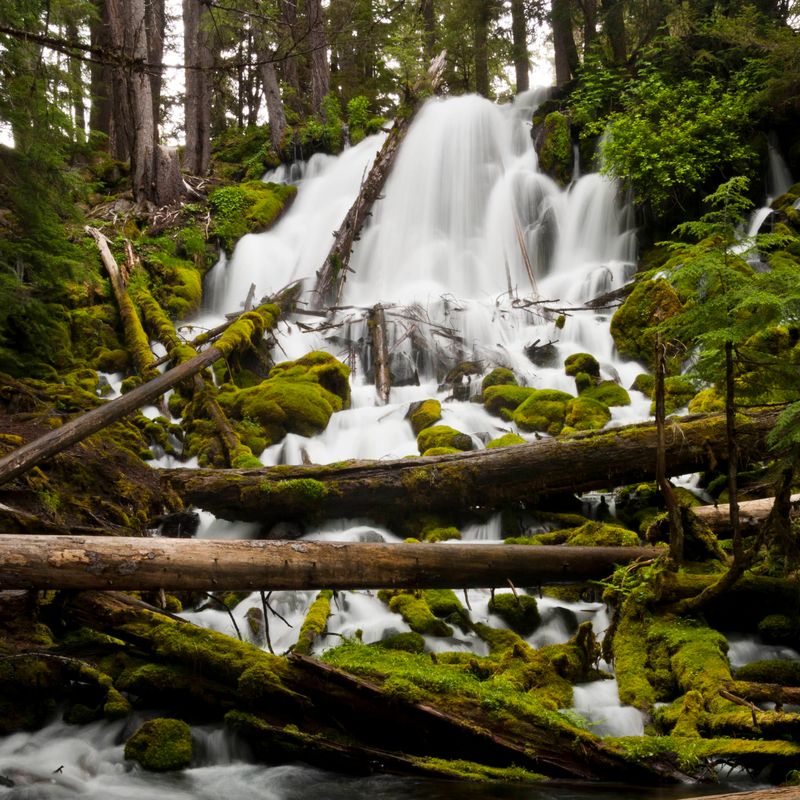
The tiny hamlet of Tiller sits nestled deep within Umpqua National Forest, offering intense green tranquility and riverside peace that feels like the end of the world in the best possible way. This hidden community serves as a gateway to some of Oregon’s most remote and beautiful forest country, where towering Douglas firs meet the rushing waters of the South Umpqua River.
Few travelers make it this far off the beaten path, which means those who do get rewarded with exceptional solitude and natural beauty.
Dense forest surrounds Tiller on all sides, creating a sense of being completely embraced by nature. The South Umpqua River runs clear and cold through the area, its waters tumbling over rocks and creating perfect spots for quiet contemplation or summer wading.
The sound of flowing water provides a constant, soothing backdrop to any time spent in this magical corner of southern Oregon.
Numerous forest roads and trails branch out from the Tiller area, leading deeper into the wilderness where old-growth groves and hidden waterfalls await discovery. The forest here feels primeval and untouched, with moss coating every surface and ferns growing in thick carpets beneath the towering conifers.
Wildlife thrives in this remote setting, with elk, deer, black bears, and countless bird species calling the area home.
Tiller itself offers minimal services, which is part of its charm for visitors seeking genuine escape. The Tiller Ranger Station can provide maps, trail information, and current conditions for exploring the surrounding forest.
Camping options range from established campgrounds along the river to countless dispersed sites deeper in the forest. The area stays relatively cool and pleasant even during summer, while fall brings spectacular color to the deciduous trees along the riverbanks.
Bring all the supplies you’ll need since stores are scarce, pack fishing gear if you enjoy angling in mountain streams, and prepare for a forest experience that feels authentically wild and wonderfully forgotten by the modern world.
Dear Reader: This page may contain affiliate links which may earn a commission if you click through and make a purchase. Our independent journalism is not influenced by any advertiser or commercial initiative unless it is clearly marked as sponsored content. As travel products change, please be sure to reconfirm all details and stay up to date with current events to ensure a safe and successful trip.
