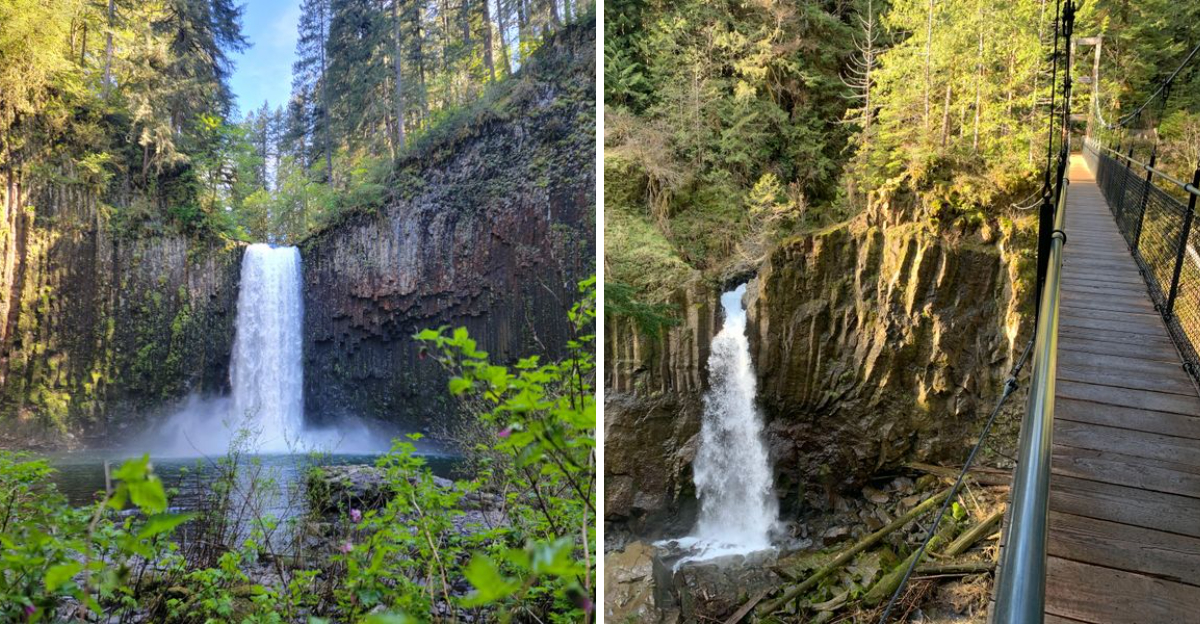
Oregon is packed with some of the most breathtaking trails in the country – but you don’t have to elbow through crowds to experience them. After years of exploring this wild, beautiful state, I’ve learned a secret: the real magic happens off the beaten path.
While everyone else is stuck in traffic chasing the same crowded spots, I’m discovering hidden waterfalls, fields of wildflowers, and views that feel like my own private paradise. These ten under-the-radar hikes will completely change the way you see Oregon.
Ready to ditch the tourist traps and chase real adventure? Lace up your boots, leave the selfie sticks behind, and get ready for hiking the way it was meant to be.
1. Oregon Redwood Trail (Southern Coast)
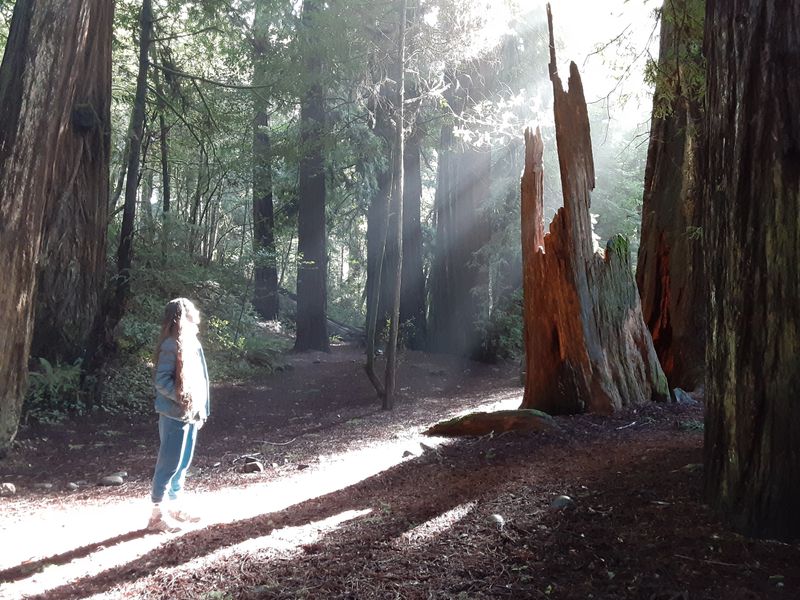
Standing among towering redwoods in Oregon feels like stepping into a secret world that most people don’t even know exists. This trail near Brookings takes me through the northernmost redwood grove in the entire United States, tucked perfectly into what locals call the fog belt.
The ancient trees here are hundreds of years old, and walking beneath their canopy makes me feel wonderfully small in the best possible way.
The trail itself is gentle and welcoming, making it perfect for families or anyone who wants a peaceful forest experience without the knee-crushing climbs. I love how the fog rolls in from the Pacific Ocean, creating an ethereal atmosphere that makes every photo look like something out of a fantasy novel.
The soft, damp air carries the earthy scent of moss and decaying leaves, which somehow smells like pure tranquility.
What really sets this hike apart is the solitude. While California’s redwood parks are packed with tour buses and crowds, I’ve walked this trail on perfect summer days and barely seen another soul.
The quiet here is profound, broken only by birdsong and the occasional rustle of small creatures in the undergrowth.
Plan your visit for early morning when the fog is thickest and the light filters through the trees in magical beams. Brookings is a charming coastal town worth exploring afterward, and you’ll find plenty of local spots to grab a bite.
This trail proves that Oregon’s southern coast holds treasures that rival anything further north, and I’m so glad it remains one of the state’s best-kept secrets.
2. Table Rocks (Medford)
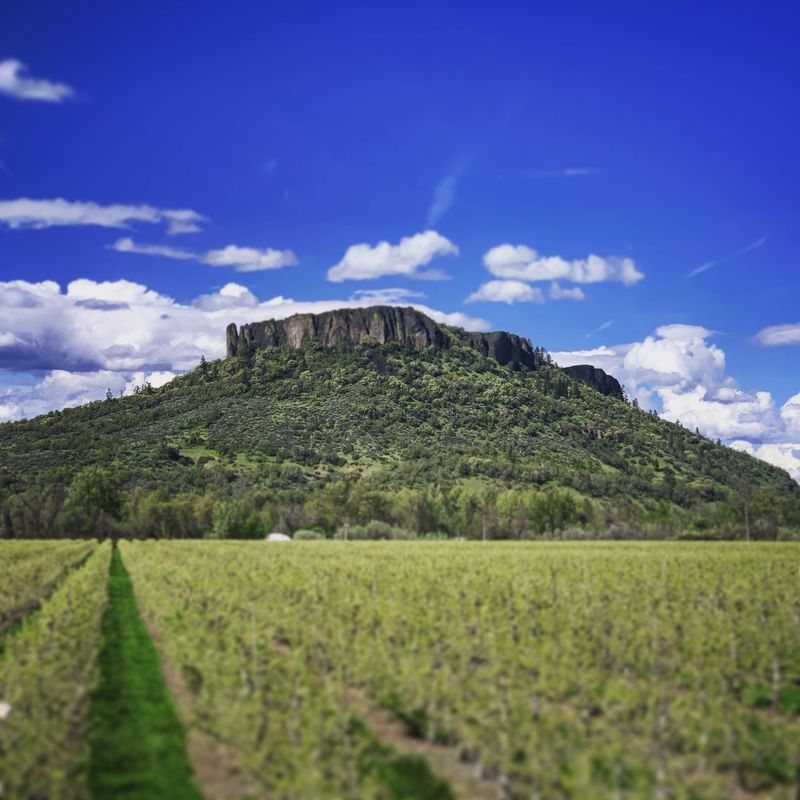
Volcanic mesas rising dramatically from the valley floor create one of the most unique hiking experiences I’ve found anywhere in Oregon. Table Rocks near Medford are exactly what they sound like: massive, flat-topped geological formations that look like nature decided to build its own dining furniture.
The hike to the top is moderately challenging with a steady climb, but the payoff is absolutely worth every step.
Springtime transforms these mesas into a wildflower wonderland that rivals any garden I’ve ever seen. Rare and colorful blooms carpet the tabletop, creating a natural mosaic that changes week by week as different species take their turn in the spotlight.
The views from up here stretch across the entire Rogue Valley, with mountain ranges visible in every direction on clear days.
I’m fascinated by the geological story these rocks tell. Millions of years ago, lava flows created these formations, and erosion carved away everything around them, leaving these resistant caps standing tall.
Walking across the flat summit feels like exploring another planet, especially when the afternoon light casts long shadows across the volcanic rock.
Both Upper and Lower Table Rock offer trails, and I recommend trying both if you have time. The ecosystems here are incredibly diverse, supporting species found nowhere else in Oregon.
Bring plenty of water because there’s zero shade once you’re on top, and the sun can be intense even in spring. This hike showcases a side of Oregon that surprises people who only think of the state as green and rainy.
3. Hobbit Trail (Central Coast)
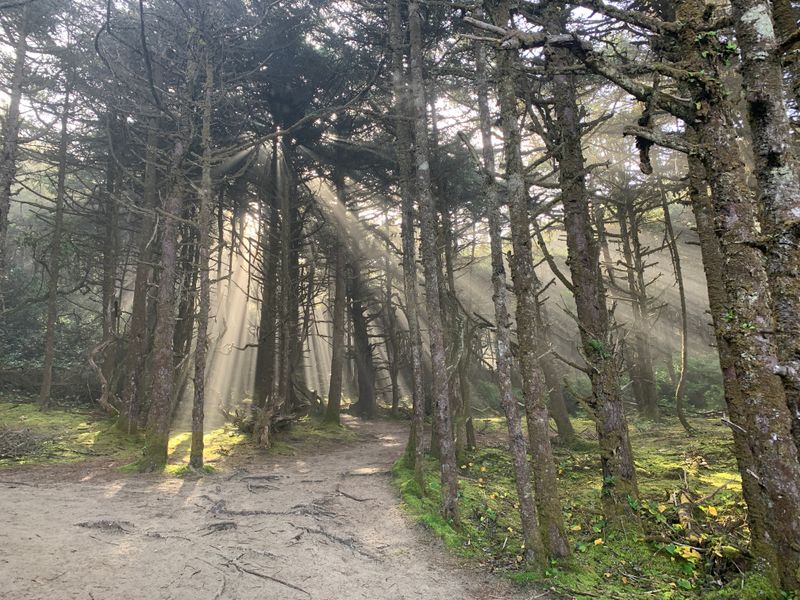
Stepping onto this trail feels like walking straight into Middle Earth, and I’m not exaggerating even a little bit. The Hobbit Trail near Florence is a short but absolutely enchanting hike that winds through a tunnel of moss-draped trees and lush coastal ferns.
Everything here is green, from fifty different shades of moss to the vibrant undergrowth that crowds the narrow path.
The trail is only about half a mile long, making it accessible for almost anyone, but the experience feels much grander than its length suggests. I love how the dense forest suddenly opens up to reveal a secluded beach that few tourists ever find.
The transition from shadowy woods to bright, open coastline is dramatic and thrilling every single time I make this walk.
Ancient Sitka spruce trees create a natural cathedral overhead, their branches twisted into fantastical shapes by decades of coastal winds. The air here is thick with moisture and the salty tang of the nearby ocean, creating a sensory experience that’s impossible to replicate anywhere else.
I’ve brought friends here who swear they’ve never seen anything quite like it.
The beach at the end is perfect for tidepooling, beachcombing, or just sitting on driftwood logs and watching the waves. I recommend visiting during low tide when you can explore more of the shoreline and discover hidden coves.
This trail proves that Oregon’s central coast has magic around every corner, and you don’t need to hike for hours to find it.
4. Abiqua Falls (Scotts Mills)
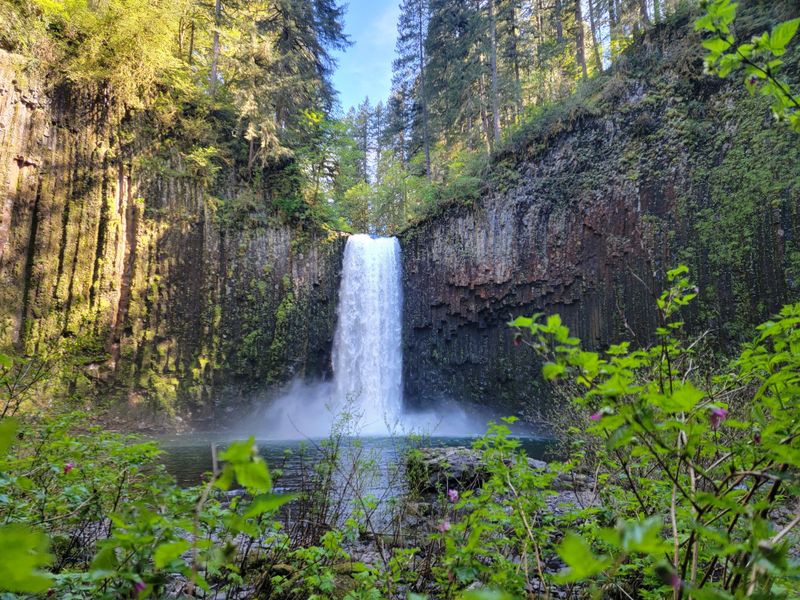
Hidden waterfalls are my absolute weakness, and Abiqua Falls near Salem is one of the most spectacular I’ve discovered in all my Oregon adventures. Getting here requires a bit of effort, including a scramble down a steep trail that can be slippery, but the reward is a 92-foot waterfall cascading into a natural amphitheater carved from ancient basalt.
The walls around the falls are covered in vibrant green moss that glows almost neon in the right light.
This isn’t a casual stroll, and I want to be clear about that. The final descent to the falls involves using ropes and carefully picking your way down a muddy, root-tangled slope.
I’ve seen people turn back at this point, but those who push through are treated to one of Oregon’s most photogenic waterfalls in a setting that feels completely untouched.
The basalt columns surrounding the falls create a geological masterpiece that looks almost too perfect to be natural. Water mists the air constantly, keeping everything damp and encouraging the lush growth that makes this place feel like a lost world.
I’ve spent hours here just listening to the thunder of falling water and watching light play across the wet rock.
Visit during spring or early summer when water flow is strongest and the falls are at their most impressive. The trail is on private timber land, so access can change, and I always recommend checking current conditions before making the drive.
Bring good hiking boots with solid tread because you’ll definitely need them on that final descent.
5. Natural Bridge Loop (Upper Rogue River)
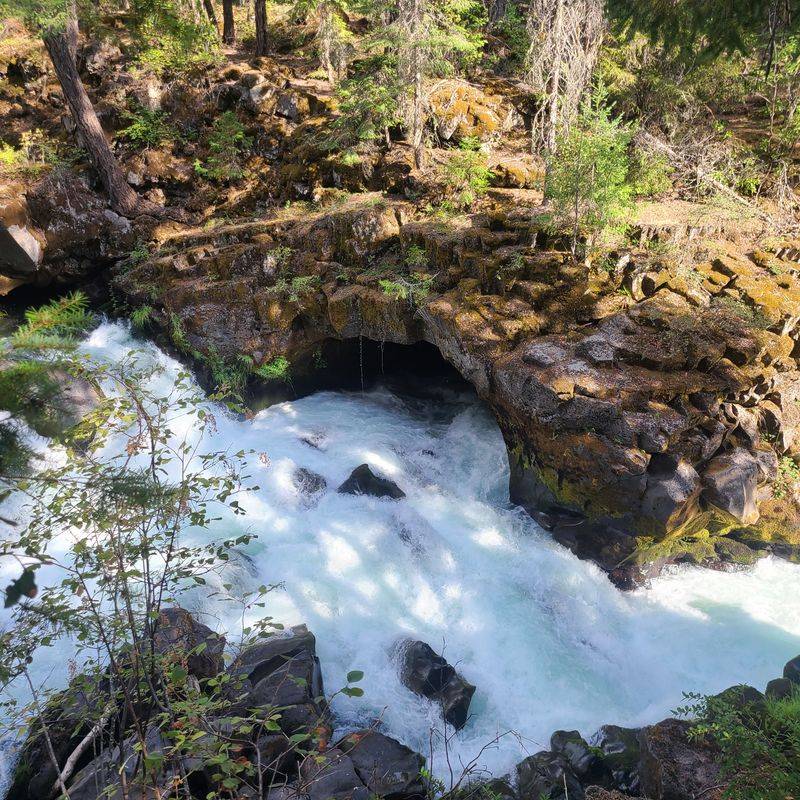
Watching a river disappear into the earth never gets old, and the Natural Bridge along the Upper Rogue River is one of nature’s coolest magic tricks. The Rogue River literally vanishes into a lava tube here, flowing underground for about 200 feet before emerging on the other side.
Standing on the natural stone bridge that gives this place its name, I can hear the water rushing beneath my feet, which is both thrilling and slightly unnerving.
The loop trail is easy and family-friendly, winding through beautiful old-growth forest that stays cool even on hot summer days. I appreciate how well-maintained this trail is while still feeling wild and natural.
Douglas fir and hemlock trees tower overhead, and the forest floor is carpeted with ferns and wildflowers depending on the season.
Multiple viewpoints along the trail offer different perspectives on this geological wonder. I love watching the water reappear downstream, boiling up from the rocks as if by magic.
The sound of the underground river is constant and oddly soothing, creating a natural soundtrack for the entire hike.
This trail is accessible year-round, though winter can bring snow to this elevation. Spring is particularly beautiful when the forest is fresh and green, and the river is running high with snowmelt.
The nearby Union Creek area has camping and lodging options if you want to spend more time exploring this gorgeous section of Oregon. This hike perfectly demonstrates the volcanic forces that shaped so much of the state’s landscape.
6. Obsidian Trail (Central Cascades)
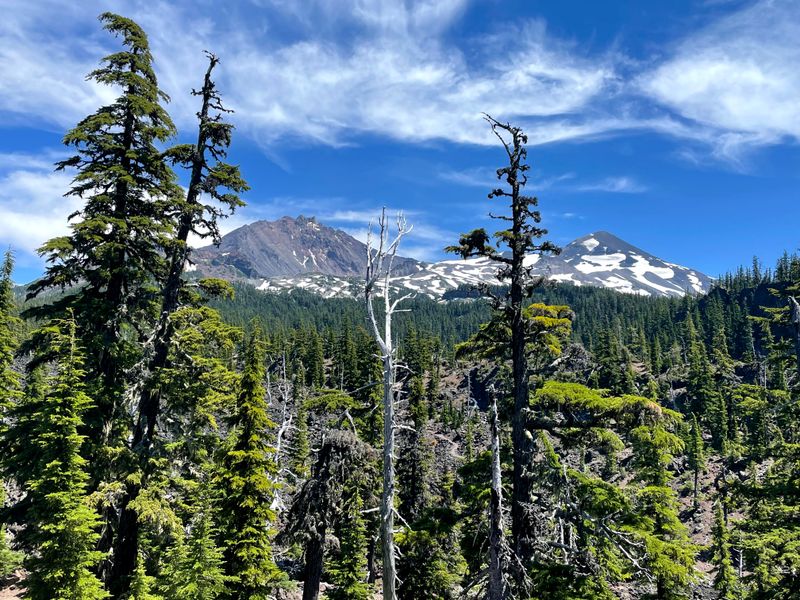
Volcanic glass crunching beneath my boots creates a sound I’ll never forget, and the Obsidian Trail in the Three Sisters Wilderness delivers this experience alongside some of the most stunning alpine scenery in Oregon. This trail takes you through fields of black obsidian rock that glitter in the sunlight like scattered jewels.
The contrast between the dark volcanic glass and the bright wildflower meadows is absolutely breathtaking.
Fair warning: this trail requires a limited-entry permit, which means you’ll need to plan ahead and enter a lottery system or snag a day-of permit. I know permits can be annoying, but they’re necessary to protect this fragile environment from being loved to death.
The trail climbs steadily through different ecological zones, starting in dense forest before opening up to volcanic flows and eventually reaching pristine alpine meadows. I’m always amazed by the variety of landscapes packed into this relatively short hike.
Wildflowers explode across the meadows in July and August, creating a riot of color that attracts photographers from all over. The obsidian itself is protected, so please resist the temptation to pocket any pieces as souvenirs.
This trail showcases Oregon’s volcanic heritage in the most beautiful way possible, and respecting the permit system ensures it stays pristine for future adventurers.
7. Cape Lookout Trail (Tillamook)
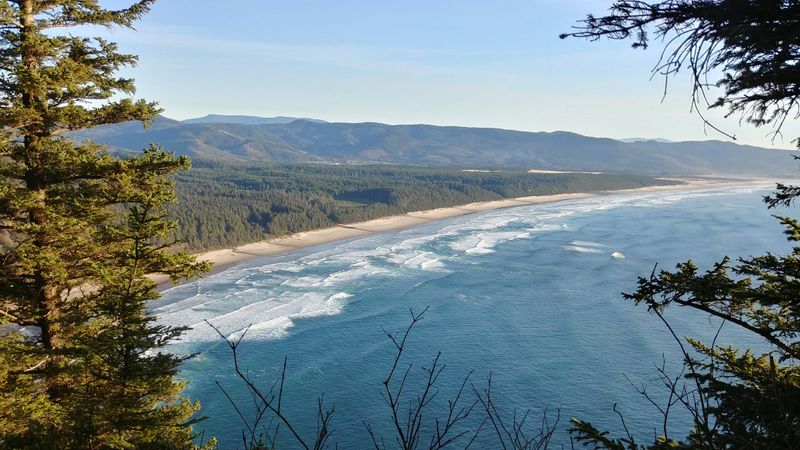
Walking along a narrow peninsula jutting nearly two miles into the Pacific Ocean gives me a thrill that never diminishes no matter how many times I hike this trail. Cape Lookout near Tillamook offers one of the most dramatic coastal experiences in Oregon, with steep cliffs dropping hundreds of feet to crashing waves below.
Old-growth Sitka spruce trees line the trail, some of them hundreds of years old and absolutely massive.
The trail is relatively flat for most of its length, making it accessible to hikers of various skill levels, though the exposure and drop-offs mean you’ll want to keep kids close. I love how the forest suddenly opens up at the cape’s tip, revealing sweeping views of the ocean stretching to the horizon in three directions.
On clear days, I’ve spotted whales breaching offshore, and during migration seasons, this is one of the best whale-watching spots on the entire coast.
The forest here is quintessential Pacific Northwest, with moss draping every branch and the air smelling of salt and evergreen. I appreciate how the trees provide shelter from wind for most of the hike, making this doable even on blustery days.
Plan for about five miles round trip and bring layers because weather can change quickly on the coast. This hike perfectly captures Oregon’s rugged coastal character and reminds me why I fell in love with this state in the first place.
8. Ice Lake Trail (Wallowa Mountains)
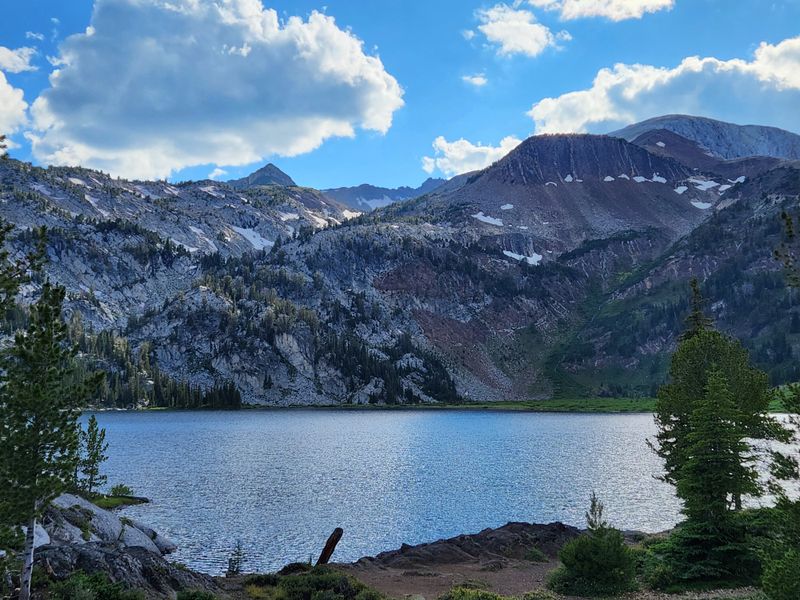
Alpine lakes in the Wallowa Mountains of Northeast Oregon offer some of the most dramatic mountain scenery I’ve encountered anywhere in the American West. Ice Lake sits at over 8,000 feet elevation, cradled in a rocky cirque that looks like it was carved by giants.
The hike to reach it is challenging, gaining significant elevation over about seven miles, but every step rewards you with increasingly spectacular views.
The Wallowas are often called the Alps of Oregon, and standing beside Ice Lake makes it easy to understand why. Jagged granite peaks surround the crystalline water, which stays frigid even in late summer.
I’ve seen patches of snow lingering here well into August, and the lake itself doesn’t fully thaw until mid-summer most years.
Wildflowers carpet the meadows along the trail in July, creating bursts of color against the gray granite and green forest. I love how the landscape transitions from dense pine forest to open meadows and finally to stark alpine terrain.
This trail requires good physical conditioning and proper preparation for high-altitude hiking. Weather can change rapidly in the mountains, so I always pack extra layers even on sunny days.
The trailhead is accessed via forest roads that can be rough, so check current conditions before making the drive. The Wallowa Mountains remain one of Oregon’s most underappreciated treasures, and Ice Lake showcases exactly why this region deserves more attention from serious hikers.
9. Drift Creek Falls Trail (Lincoln City)
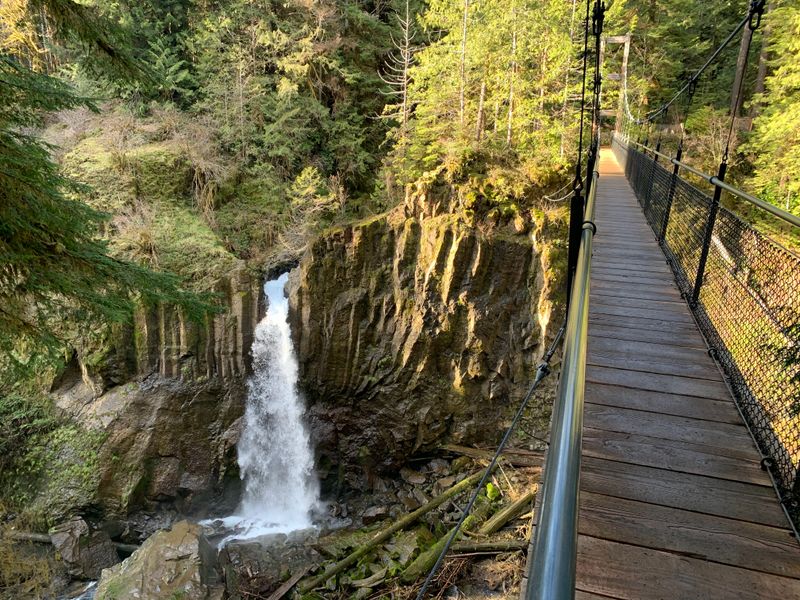
Suspension bridges always add an element of adventure to any hike, and the 240-foot bridge spanning Drift Creek canyon is absolutely spectacular. This trail near Lincoln City is wonderfully accessible, making it perfect for families or anyone wanting a rewarding hike without brutal elevation gain.
The path winds through coastal forest before reaching the bridge, which sways gently as you cross high above the rushing creek below.
The waterfall itself drops about 75 feet in a graceful cascade that’s beautiful year-round but especially impressive during winter and spring when water flow is highest. I love standing on the suspension bridge and watching the water plunge into the pool below while surrounded by lush forest.
The engineering of the bridge is impressive, and it feels solid despite the slight movement, though people with height sensitivity might find it challenging.
Old-growth Douglas fir and western hemlock create a canopy overhead, and the forest floor is thick with sword ferns and salal. The trail is well-maintained and clearly marked, making navigation easy even for hiking newbies.
The coastal location means this trail is accessible year-round, though winter can be muddy and summer brings more visitors. I prefer visiting on weekday mornings when I often have the bridge and waterfall almost to myself.
Lincoln City is close by with plenty of amenities, making this an easy addition to any Oregon coast road trip.
10. McNeil Point (Mount Hood)
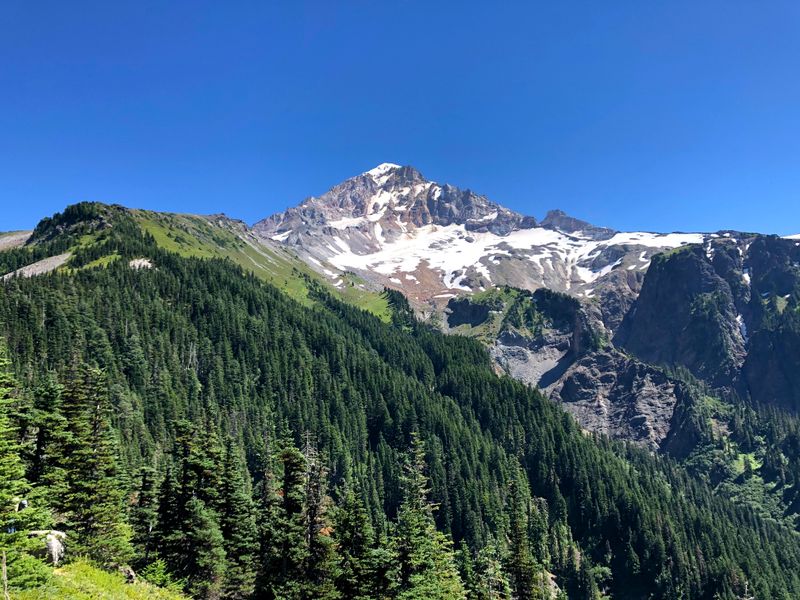
Getting up close and personal with Mount Hood’s glaciers without fighting the crowds on Timberline Trail is absolutely possible at McNeil Point. This high-elevation trail climbs through wildflower meadows and past alpine tarns before reaching a rocky promontory that offers some of the most intimate views of Mount Hood you’ll find anywhere.
Standing here, the mountain feels close enough to touch, and the glaciers sparkle in the sunlight like frozen rivers of diamonds.
The hike is moderately challenging with steady elevation gain, but the trail is well-graded and the scenery distracts from any burning thigh muscles. I love how the landscape opens up as you climb, revealing more and more of the mountain with each switchback.
The old stone shelter at McNeil Point provides a perfect spot for lunch with a view that will make your Instagram followers insanely jealous.
Wildflowers peak here in late July and early August, transforming the meadows into carpets of lupine, paintbrush, and countless other species. The contrast between delicate flowers and the massive, glaciated peak creates photographic opportunities that I never tire of capturing.
The trailhead is accessed via forest roads that require a high-clearance vehicle, though 4WD usually isn’t necessary. This trail showcases Oregon’s highest peak in all its glory while remaining far less crowded than the famous spots, making it my go-to recommendation for serious mountain views.
Dear Reader: This page may contain affiliate links which may earn a commission if you click through and make a purchase. Our independent journalism is not influenced by any advertiser or commercial initiative unless it is clearly marked as sponsored content. As travel products change, please be sure to reconfirm all details and stay up to date with current events to ensure a safe and successful trip.
