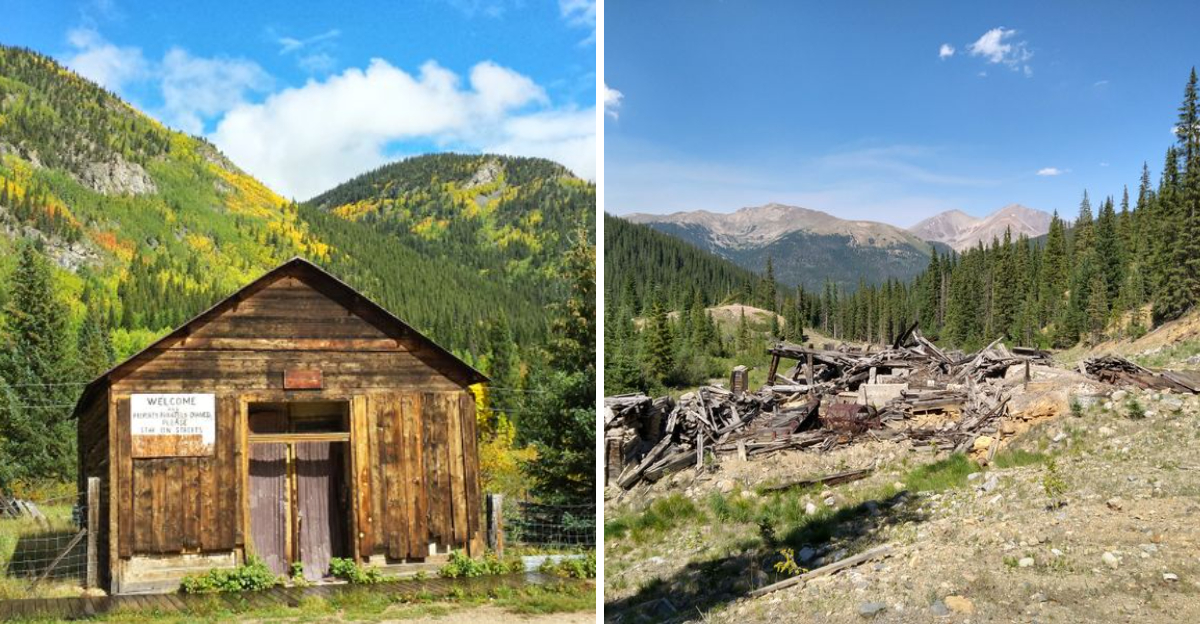
Colorado’s rugged peaks and alpine valleys hide more than just famous ski resorts and crowded tourist destinations.
Tucked between towering summits and rushing rivers, a collection of small mountain towns offers something far more authentic than the usual vacation spots.
These communities preserve rich histories, showcase breathtaking natural beauty, and welcome visitors with the kind of warmth you only find in places where neighbors still know each other by name.
Locals treasure these hidden gems for their quiet charm, their connection to Colorado’s mining past, and their ability to transport you back to a simpler time when life moved at the pace of mountain streams rather than city traffic.
1. Lake City
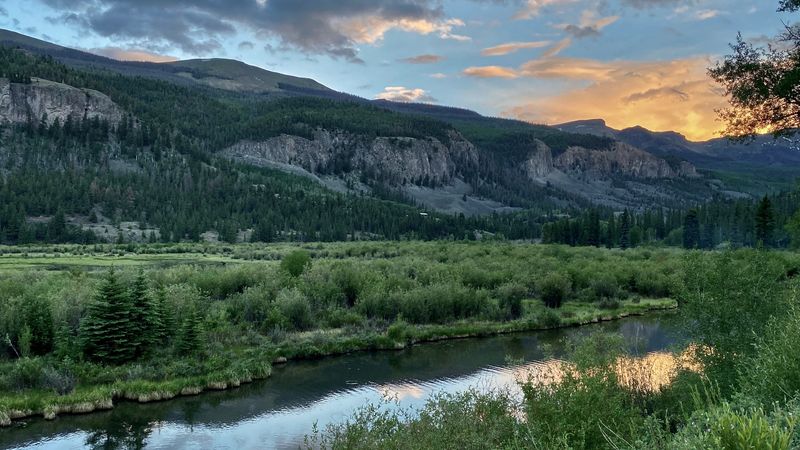
Perched high in the San Juan Mountains, Lake City sits at an elevation that makes every breath feel crisp and every view worth stopping for.
Fewer than 500 people call this Victorian-era settlement home year-round, creating an intimate atmosphere where visitors quickly feel like part of the community.
The main street showcases a rainbow of historic buildings, each one painted in cheerful colors that stand out against the dramatic mountain backdrop.
Summer transforms the surrounding meadows into a painter’s palette, with wildflowers blooming in shades of purple, yellow, and red that seem almost too vibrant to be real.
The Alpine Loop serves as a gateway to abandoned mining camps and weathered structures that tell stories of Colorado’s gold rush days.
Explorers can spend hours wandering through these ghost towns, imagining the bustling communities that once thrived in these remote locations.
When winter arrives, the tourist crowds disappear, leaving behind a peaceful wonderland perfect for those who prefer their adventures without company.
Backcountry skiing and snowshoeing become the main attractions, with pristine powder and untouched terrain stretching in every direction.
The town’s isolation during colder months creates a special kind of magic, where the silence is broken only by the crunch of snow underfoot and the occasional call of a mountain bird.
Local shops and cafes maintain their friendly service even when visitor numbers drop, proving that hospitality here isn’t seasonal but a way of life.
Lake City represents the Colorado that existed before tourism became an industry, a place where natural beauty and human history blend seamlessly into an experience that feels both timeless and rare.
2. Paonia
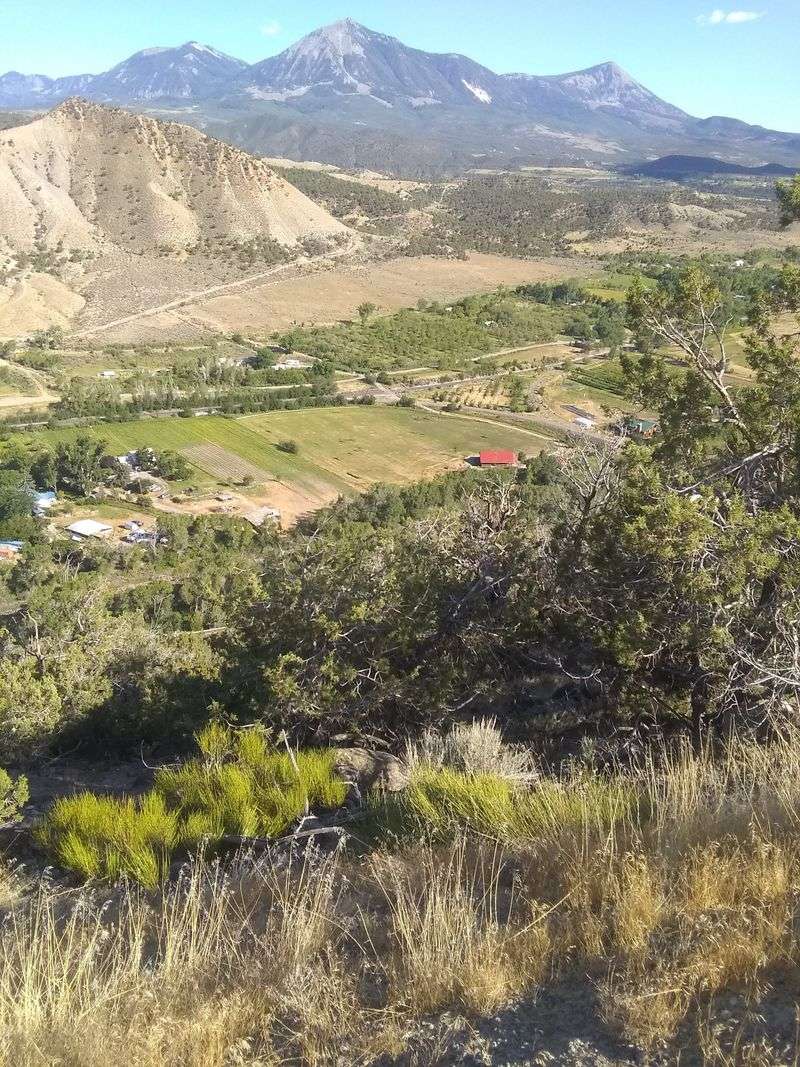
Nestled in a valley where agricultural tradition meets mountain wilderness, Paonia thrives on a rhythm dictated by harvest seasons and changing leaves.
Orchards heavy with peaches, cherries, and apples spread across the landscape, their neat rows creating patterns that shift from white blossoms in spring to rich fruit colors by late summer.
Vineyards climb the gentle slopes, producing grapes that local winemakers transform into bottles recognized far beyond Colorado’s borders.
The farm-to-table movement isn’t just a trendy phrase here but a daily reality, with restaurants sourcing ingredients from farms you can see from their windows.
Artists and musicians discovered this valley years ago, drawn by affordable living spaces and a community that values creativity as much as hard work.
Gallery openings and impromptu concerts happen regularly, turning quiet evenings into celebrations of local talent.
The surrounding wilderness offers hiking trails that wind through aspen groves and pine forests, each path revealing new perspectives on the mesas that frame the valley.
Unlike many Colorado mountain towns that cater primarily to tourists, Paonia maintains an authentic character shaped by the people who actually live and work here.
Farmers’ markets overflow with produce so fresh it was probably picked that morning, and vendors are happy to share recipes or growing tips.
The pace of life moves slower here, measured in seasons rather than hours, giving visitors permission to relax and savor experiences instead of rushing through them.
Award-winning wineries welcome guests for tastings that feel more like conversations with friends than commercial transactions, often ending with recommendations for the best sunset viewing spots.
3. Ridgway
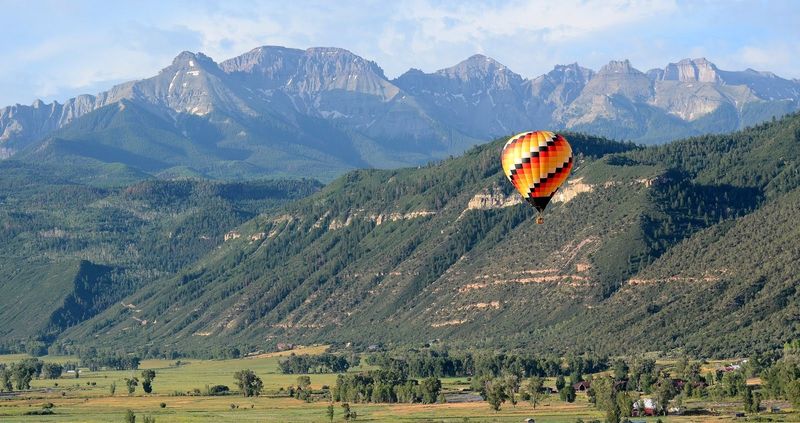
Jagged peaks of the Sneffels Range create a backdrop so dramatic that Hollywood filmmakers have used it repeatedly to capture the essence of the American West.
True Grit brought this landscape to movie screens worldwide, but locals knew about its beauty long before cameras arrived.
The town itself balances artistic sophistication with small-town friendliness, a combination that attracts creative professionals seeking inspiration and community.
Galleries line the streets, showcasing everything from traditional Western landscapes to contemporary sculptures that challenge conventional definitions of mountain art.
Regional artists often staff their own galleries, giving visitors the chance to discuss techniques and inspirations directly with the creators.
Ridgway Reservoir sparkles just outside town, its crystal-clear waters reflecting the surrounding peaks in a display that changes with every shift in light and weather.
Paddlers glide across the surface in kayaks and canoes, while anglers cast lines hoping to hook trout that thrive in the cold mountain water.
The combination of cultural offerings and outdoor recreation creates a unique atmosphere where you might spend mornings hiking and afternoons browsing art, each activity enriching the other.
Local restaurants serve meals that reflect both the region’s ranching heritage and newer culinary trends, with menus changing to highlight seasonal ingredients.
Community events bring residents and visitors together throughout the year, from outdoor concerts to film screenings that celebrate the area’s cinematic history.
The town’s compact size means everything is within walking distance, encouraging a slower pace that lets you notice details like hand-painted signs and carefully tended flower boxes.
4. Creede
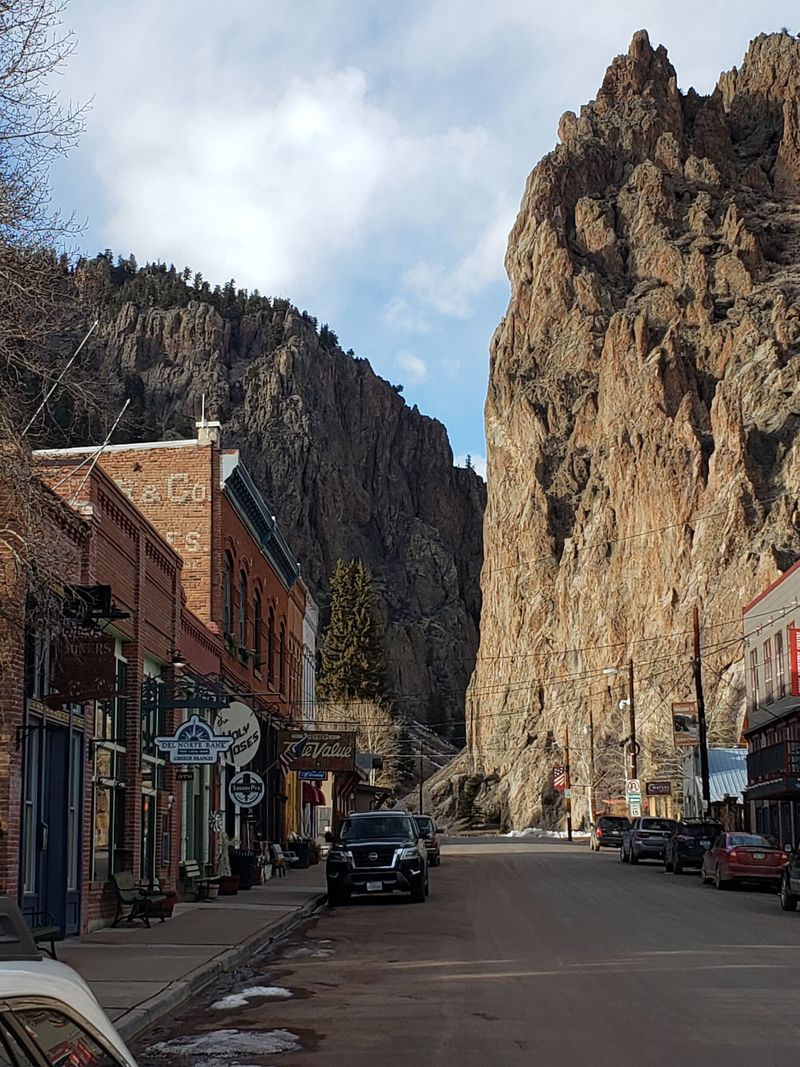
Squeezed into a canyon so narrow that the sun takes its time reaching the streets below, Creede feels like a place where geography and history conspired to create something extraordinary.
Rock walls soar hundreds of feet on either side of town, their layered colors telling geological stories that span millions of years.
Historic buildings press against these cliffs, creating a townscape that looks more vertical than horizontal, with structures seeming to climb the canyon walls.
Wild West legends walked these streets during Creede’s mining heyday, and the town has carefully preserved that character without turning it into a theme park.
Small festivals celebrate local heritage throughout the year, with events that feel genuine rather than staged for tourist consumption.
The Rio Grande National Forest surrounds the canyon, offering countless trails that lead to alpine lakes, abandoned mines, and viewpoints where the vastness of Colorado’s wilderness becomes almost overwhelming.
Fishing enthusiasts find excellent opportunities along mountain streams where cold, clear water supports healthy trout populations.
The Wheeler Geologic Area presents one of Colorado’s strangest landscapes, with volcanic formations creating shapes that seem more like alien architecture than natural features.
Reaching Wheeler requires commitment, either by hiking miles of trail or navigating rough roads, but the reward is a place few people ever see.
Back in town, local theaters present performances that range from classic melodramas to contemporary plays, keeping the performing arts tradition alive in this remote location.
The combination of dramatic setting, authentic history, and access to wild places makes Creede feel like a discovery even when you’ve been coming here for years.
5. Marble

White marble of extraordinary purity made this tiny hamlet famous, though the valley’s natural beauty would be remarkable even without the stone that shares the town’s name.
The Crystal River rushes past weathered buildings, its waters so clear you can count stones on the bottom even in the deepest pools.
Mountains rise on all sides, creating a sense of enclosure that feels protective rather than confining, like nature built walls specifically to preserve this special place.
The marble quarry still operates occasionally, cutting blocks from deposits that have supplied stone for monuments and buildings around the world.
Some of the purest marble on Earth comes from these mountains, prized by sculptors and architects for its brilliant white color and fine grain.
The Crystal Mill stands as Colorado’s most photographed historic structure, its wooden frame perched impossibly on a rocky outcrop above a waterfall.
Reaching the mill requires either a challenging hike or a high-clearance vehicle capable of navigating rough mountain roads, ensuring that those who make the journey earn their photos.
The structure’s reflection in the pool below creates compositions that change with seasons and lighting, giving photographers endless opportunities for unique shots.
Aspen groves blanket the surrounding slopes, turning gold each autumn in displays that draw visitors from across the state.
The town itself remains small and uncommercial, with just enough services to support visitors without overwhelming the peaceful atmosphere.
Summer wildflowers carpet the meadows in colors that complement the white marble outcrops, creating natural gardens that need no human cultivation to astound.
6. Saint Elmo
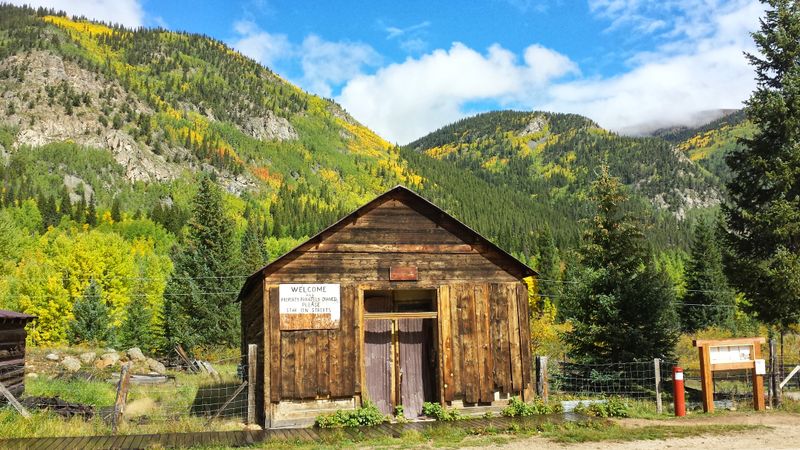
Founded during the mining boom of 1880, Saint Elmo climbed to a population of nearly 2,000 before the inevitable decline that follows when precious metals run out.
The Sawatch Range provides a magnificent setting for this ghost town, with peaks that still hold snow well into summer creating a contrast with the weathered wood of abandoned buildings.
Unlike many Colorado ghost towns that deteriorated into scattered foundations and broken timbers, Saint Elmo stands remarkably intact.
The main street still features numerous structures that look like they’re waiting for residents to return, their windows empty but their walls still sound.
Recognition on the National Register of Historic Places as the Saint Elmo Historic District helps protect these buildings from both vandalism and overzealous restoration.
Walking these dirt streets feels like stepping through a doorway into the past, where the sounds of stamp mills and freight wagons have been replaced by mountain wind and bird calls.
The surrounding forest has reclaimed some areas, with trees growing through porches and wildflowers blooming in what were once busy yards.
This blend of human history and natural reclamation creates a poignant beauty that speaks to the temporary nature of human ambitions against the permanence of mountains.
Visitors can explore buildings carefully, imagining the lives of miners, merchants, and families who once filled these rooms with conversation and activity.
The town’s preservation allows for a rare glimpse into 19th-century mountain life without the sanitized presentation of a museum.
Summer brings chipmunks that have become bold around visitors, adding a touch of life to streets that once bustled with human activity but now belong primarily to wildlife.
7. Tomboy
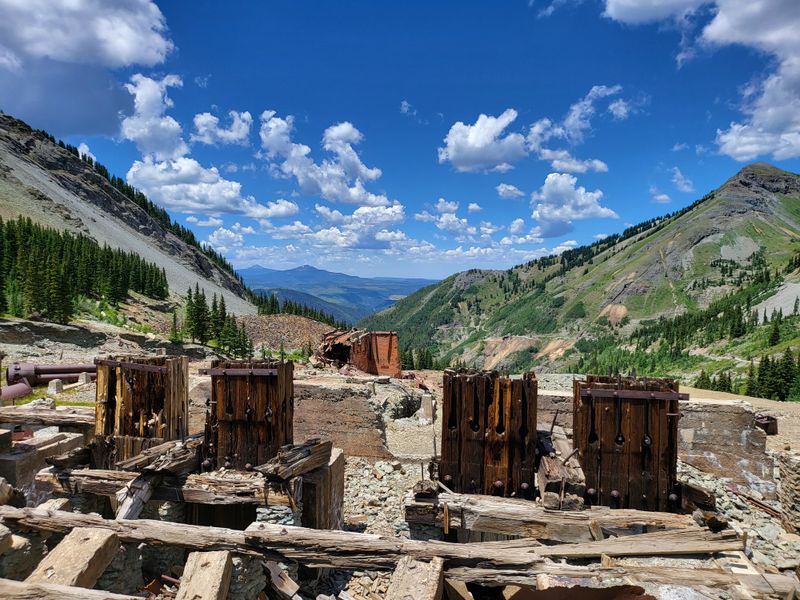
Elevation defines everything about Tomboy, from the thin air that makes every step an effort to the stunted vegetation that struggles to survive at 11,509 feet.
Located just two miles from Telluride, this ghost town occupies terrain where winter lasts most of the year and summer arrives late and leaves early.
The settlement earned its name from the Tomboy Mine, which began producing gold ore in 1894 and supported a community in conditions that seem almost unimaginable today.
Originally called Savage Basin Camp, the town’s first name captured the harsh reality of life at this altitude, where blizzards could arrive in any month and survival required constant vigilance.
Scattered ruins mark where buildings once stood, their locations chosen more for proximity to mine entrances than for comfort or convenience.
Reaching Tomboy requires either hiking steep trails or driving roads that test both vehicle and driver, with switchbacks climbing relentlessly toward the sky.
The reward for this effort is a glimpse into the determination of miners who lived and worked in one of America’s highest settlements, enduring isolation and harsh weather for the promise of gold.
Alpine tundra surrounds the ruins, with tiny flowers blooming briefly during the short growing season, their delicate beauty contrasting sharply with the rugged mining remnants.
Mountain peaks visible from Tomboy stretch in every direction, creating 360-degree views that explain why someone might endure hardship to live in such a spectacular location.
The thin air and high altitude create lighting conditions that photographers treasure, with clarity and color saturation that seem enhanced compared to lower elevations.
Visiting Tomboy feels less like touring a historic site and more like making a pilgrimage to understand what people will endure in pursuit of fortune and dreams.
8. Crystal
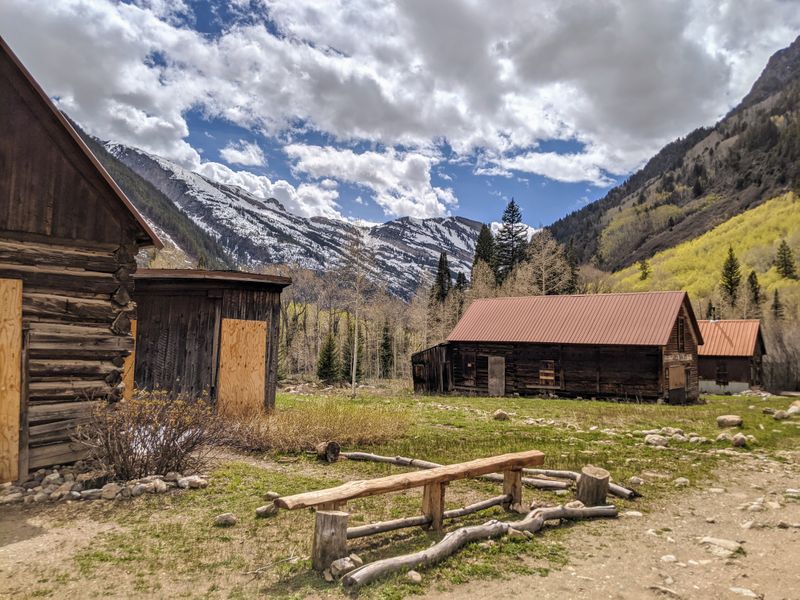
Established as a mining camp in 1881, Crystal experienced the typical boom-and-bust cycle that defined so many Colorado mountain communities, though its story includes a particularly dramatic decline.
After decades of robust mining activity, the town was nearly abandoned by 1917, its residents moving on when the silver played out and opportunities disappeared.
The upper Crystal River flows past the remaining buildings, its constant sound providing a soundtrack that connects present-day visitors to the miners who once relied on this water for drinking, washing, and powering equipment.
Many structures still stand despite more than a century of mountain weather, their weathered boards and sagging rooflines creating photogenic scenes that attract visitors willing to make the challenging journey.
A few residents occupy some buildings during summer months, keeping just enough human presence to prevent complete abandonment while maintaining the ghost town atmosphere.
These seasonal inhabitants serve as unofficial caretakers, their presence helping to protect the site from vandalism while adding occasional signs of life to otherwise empty streets.
The surrounding forest encroaches steadily, with aspens and pines growing closer each year, slowly reclaiming the land that was temporarily cleared for human purposes.
This gradual return to wilderness creates a melancholy beauty, reminding visitors that nature always outlasts human endeavors, no matter how permanent they seem at the time.
Reaching Crystal requires navigating rough roads that can be impassable during wet weather or early season, ensuring that only committed explorers make the trip.
The isolation adds to the experience, creating a sense that you’ve discovered something precious that remains hidden from the casual tourist.
Summer wildflowers bloom in old yards and along former streets, nature’s way of decorating the remnants of human ambition with temporary beauty.
9. Saint John
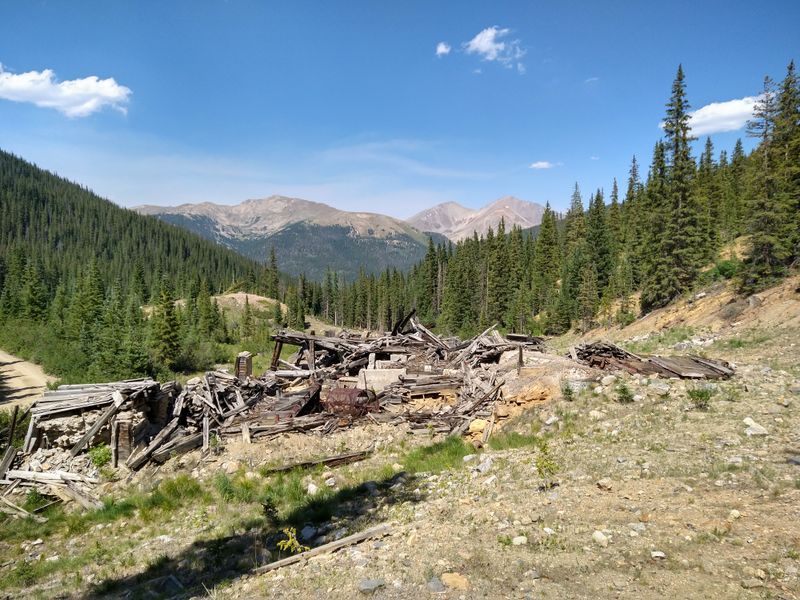
Originally known as Coleyville, this Summit County settlement witnessed one of Colorado’s first silver discoveries, making it historically significant despite its current obscurity.
The name change to Saint John came later, though the reasons behind the new designation have been lost to time like so many details from this era.
Silver mining brought prosperity and population to this high mountain valley, creating a community that thrived on the extraction of precious metal from surrounding peaks.
When the silver boom ended, so did Saint John’s time as a functioning town, though unlike some ghost towns that disappeared completely, this site retained a few inhabitants.
These remaining residents live among the ruins and memories, maintaining a connection to the past that most people only experience through history books.
The town’s location in Summit County places it among some of Colorado’s most dramatic alpine scenery, with peaks that challenge climbers and views that reward anyone willing to venture this far.
Scattered foundations and partial structures mark where buildings once stood, creating an archaeological puzzle that invites interpretation and imagination.
Visitors who make the journey can walk among these remnants, piecing together the layout of streets and the locations of homes, stores, and mining facilities.
The altitude and exposure mean that weather can change rapidly, with summer thunderstorms building quickly and winter conditions arriving early and staying late.
This harsh environment explains both why miners came here, driven by the promise of silver, and why they eventually left when easier opportunities appeared elsewhere.
The combination of historic significance and remote location makes Saint John special to those who appreciate Colorado’s mining heritage and don’t mind rough roads and challenging conditions to experience it.
Dear Reader: This page may contain affiliate links which may earn a commission if you click through and make a purchase. Our independent journalism is not influenced by any advertiser or commercial initiative unless it is clearly marked as sponsored content. As travel products change, please be sure to reconfirm all details and stay up to date with current events to ensure a safe and successful trip.
