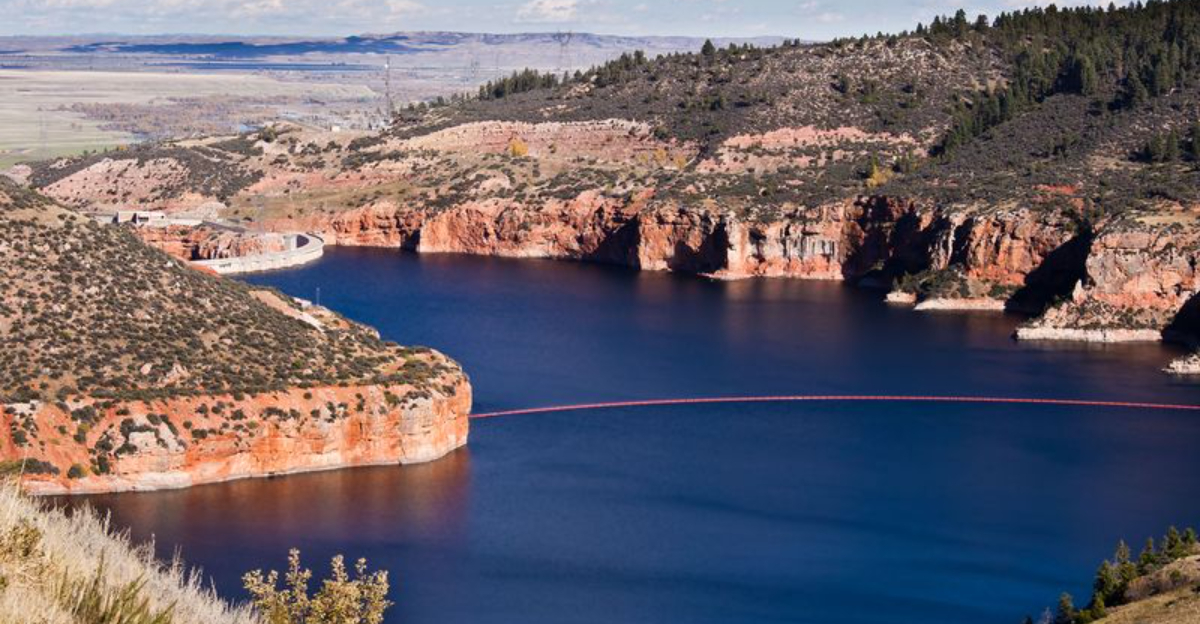
Wyoming might be famous for Yellowstone and Grand Teton, but this rugged state holds secrets that many travelers overlook.
Tucked away in remote corners and sprawling wilderness areas, several lesser-known national parks and monuments offer incredible adventures without the overwhelming crowds.
These hidden gems showcase everything from ancient fossils to dramatic volcanic landscapes, all waiting to be discovered by curious explorers.
Whether you’re searching for solitude among towering rock formations or hoping to walk where dinosaurs once roamed, Wyoming’s quieter protected areas deliver unforgettable experiences.
Planning a trip to these off-the-beaten-path destinations means enjoying nature at its most peaceful while still witnessing some of the most spectacular scenery in the American West.
Each location tells a unique story about our planet’s history and offers hiking trails, wildlife watching, and photography opportunities that rival their more famous neighbors.
Getting ready to explore these remarkable places will transform your understanding of what Wyoming has to offer beyond its two superstar parks.
1. Fossil Butte National Monument
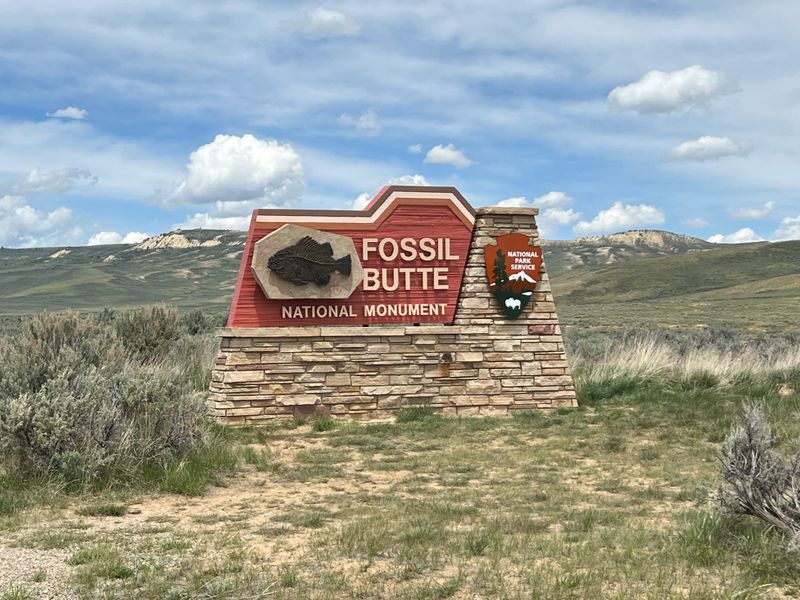
Ancient lake beds preserved in stone create one of the world’s richest fossil deposits at this southwestern Wyoming treasure.
Fossil Butte National Monument protects a 50-million-year-old lakebed where paleontologists have discovered incredibly detailed fossils of fish, insects, plants, and even bats with preserved wing membranes.
The visitor center displays stunning specimens that look like nature’s own artwork, with fish frozen mid-swim and delicate plant leaves captured in perfect detail.
Hiking the Historic Quarry Trail takes you to an actual fossil dig site where researchers once extracted specimens now housed in museums worldwide.
The 2.5-mile round-trip trail climbs about 600 feet, offering panoramic views of the surrounding valleys and buttes that glow golden during sunrise and sunset.
Summer months bring wildflowers that carpet the hillsides in purple, yellow, and white blooms, creating a stark contrast against the pale sedimentary rocks.
Rangers lead fossil talks and guided hikes during peak season, sharing fascinating stories about the subtropical ecosystem that existed here millions of years ago.
Winter transforms the monument into a peaceful snow-covered wonderland perfect for snowshoeing and cross-country skiing.
The remote location near Kemmerer means you’ll often have trails nearly to yourself, especially on weekdays.
Photography enthusiasts love capturing the dramatic layered cliffs that reveal millions of years of geological history in bands of cream, tan, and rust colors.
The monument’s small size makes it perfect for a half-day visit, though many visitors find themselves staying longer, mesmerized by the connection to Earth’s distant past.
2. Devils Tower National Monument
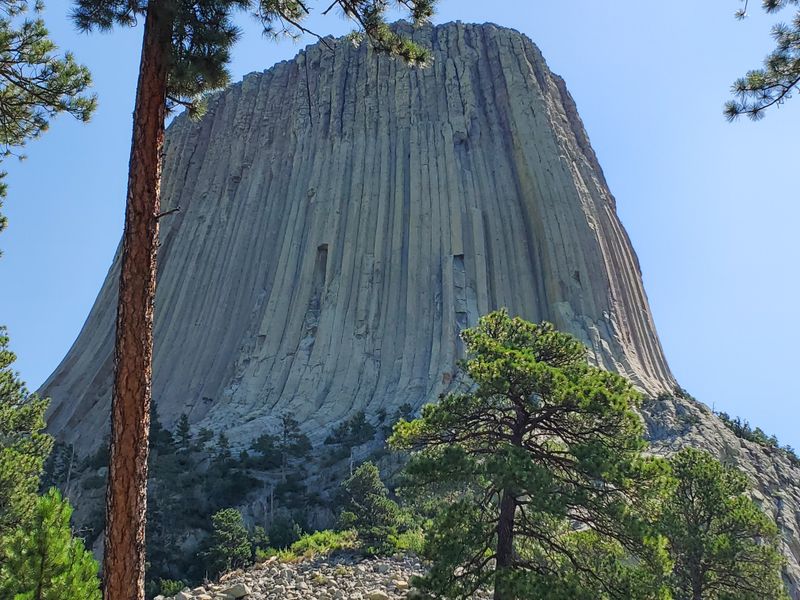
Rising 1,267 feet above the Belle Fourche River, this geological marvel looks like something from another planet.
Devils Tower became America’s first national monument in 1906, designated by President Theodore Roosevelt who recognized its scientific and cultural significance.
The massive columnar basalt formation resulted from volcanic activity millions of years ago, with distinctive vertical striations that make it instantly recognizable.
Sacred to multiple Native American tribes including the Lakota, Cheyenne, and Kiowa, the tower holds deep spiritual meaning and remains an active ceremonial site.
Out of respect, climbers voluntarily avoid the tower during June when many tribes conduct religious ceremonies.
The Tower Trail circles the monument’s base at 1.3 miles, providing constantly changing perspectives as you walk through ponderosa pine forests.
Boulder fields at the tower’s base contain massive columns that have broken away over millennia, some as large as cars.
Rock climbers from around the globe come to tackle the technical routes up the tower’s face, with over 200 established climbing paths ranging from beginner to expert difficulty.
Watching tiny figures slowly ascend the vertical columns gives you a true sense of the formation’s immense scale.
Prairie dogs have established a large colony near the visitor center, entertaining guests with their chirps and playful antics.
Spring and fall offer the most comfortable weather for hiking, though summer evenings bring spectacular thunderstorms that illuminate the tower with dramatic lightning.
The nearby town of Hulett provides basic services and a charming small-town atmosphere where locals still gather at the corner café.
3. Bighorn Canyon National Recreation Area
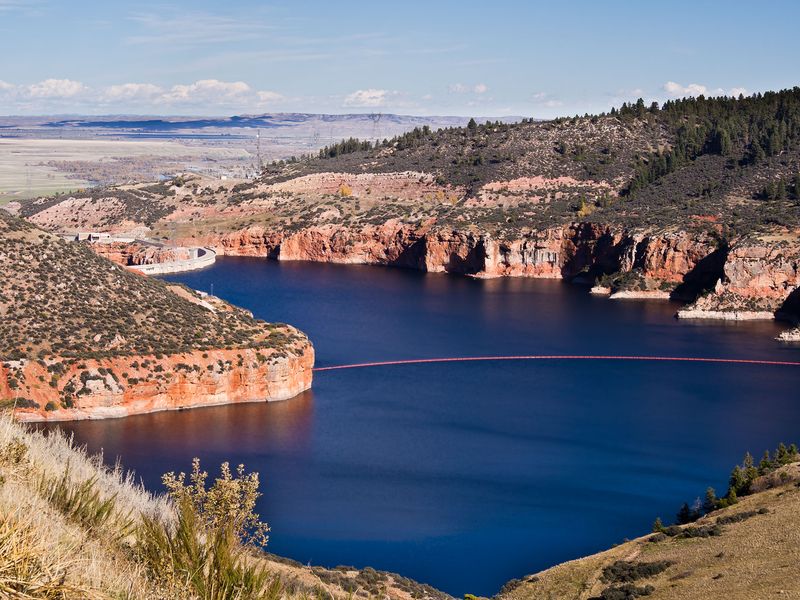
Straddling the Wyoming-Montana border, this stunning canyon carved by the Bighorn River offers water recreation and desert landscapes that feel worlds away from typical Wyoming scenery.
The construction of Yellowtail Dam in the 1960s created a 71-mile-long reservoir that filled the ancient canyon with deep blue water, creating unique opportunities for boating, fishing, and water skiing in an otherwise arid environment.
Towering limestone cliffs rise up to 1,000 feet above the water, creating a dramatic backdrop for any adventure.
Wild horses roam the Pryor Mountain area within the recreation area, descendants of Spanish mustangs that have adapted to the harsh high-desert conditions.
Spotting these magnificent animals against the rugged terrain ranks among the most memorable wildlife experiences in Wyoming.
The Devil Canyon Overlook provides breathtaking views where you can see the full majesty of the canyon’s depth and the contrasting colors of red rock, green vegetation, and blue water.
Hiking trails range from easy lakeside walks to challenging backcountry routes that require preparation and plenty of water.
Fishing enthusiasts target walleye, trout, and smallmouth bass in the reservoir’s cold, clear waters, with several boat launches providing access.
The north and south districts of the recreation area offer different experiences, connected only by boat or a lengthy drive around the canyon.
Historic ranches and homesteads dot the landscape, including the preserved Hillsboro Ranch that tells stories of early settlers who tried to tame this unforgiving land.
Summer temperatures can soar above 100 degrees, making spring and fall the ideal seasons for hiking and exploring.
4. Fort Laramie National Historic Site
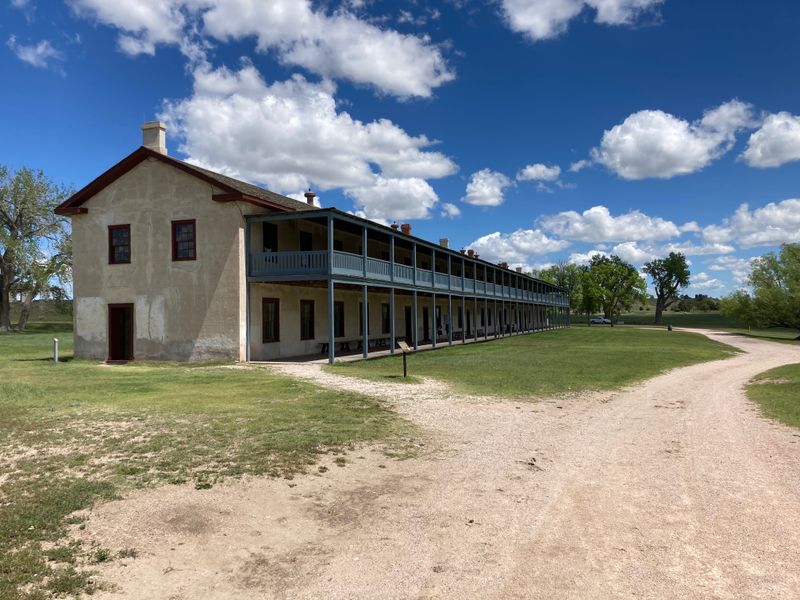
Where military history and western expansion converge, this beautifully preserved fort served as a crucial waypoint for pioneers, traders, and soldiers throughout the 1800s.
Originally established as a private fur trading post in 1834, Fort Laramie evolved into a major military garrison that played pivotal roles in the Indian Wars and protecting travelers on the Oregon, California, and Mormon Trails.
Walking through the restored buildings transports you back to a time when this remote outpost represented civilization’s edge.
The Old Bedlam building, constructed in 1849, stands as the oldest military building in Wyoming and once housed bachelor officers who complained about the fort’s isolation and harsh winters.
Today, period-furnished rooms show how military families lived on the frontier, complete with authentic furniture, clothing, and household items.
Living history demonstrations during summer months feature costumed interpreters who portray soldiers, laundresses, blacksmiths, and other fort residents, answering questions and demonstrating period skills.
The commissary storehouse displays goods that would have been available to purchase, from canned foods to cavalry equipment.
Self-guided walking tours lead you past 22 historic structures, including the cavalry barracks, guardhouse, and surgeon’s quarters, each telling different stories about fort life.
The Laramie River flows nearby, providing the same water source that sustained the fort’s inhabitants over 150 years ago.
Special events throughout the year recreate military drills, treaty negotiations, and daily life activities that bring history to life for visitors of all ages.
The fort’s location near the town of Fort Laramie makes it easily accessible, yet it remains surprisingly uncrowded compared to Wyoming’s natural attractions.
5. John D. Rockefeller Jr. Memorial Parkway
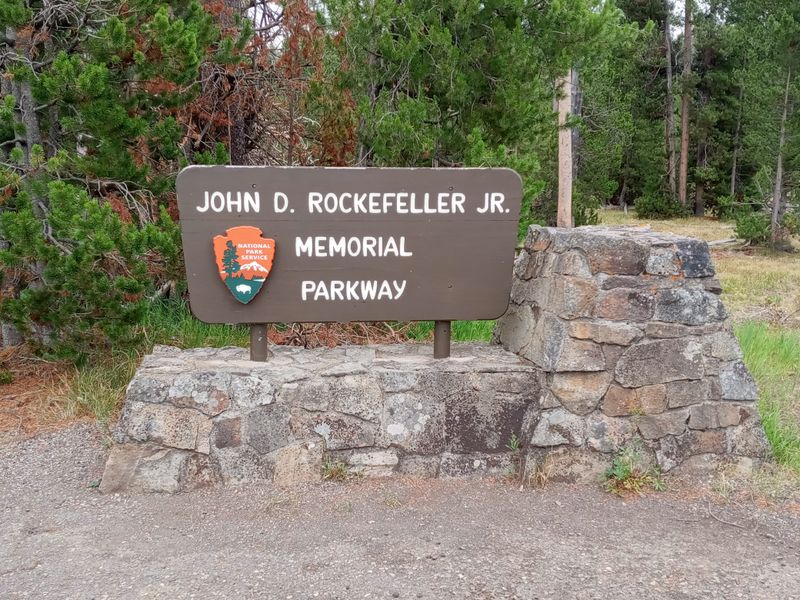
Connecting two of America’s most famous national parks, this scenic corridor honors the philanthropist whose generosity helped preserve much of the Grand Teton landscape.
The 24,000-acre parkway stretches between Yellowstone’s South Entrance and Grand Teton National Park, protecting forests, meadows, and waterways that provide critical wildlife habitat and migration corridors.
John D. Rockefeller Jr. quietly purchased land in the 1920s and 1930s to prevent commercial development, eventually donating it to create what we now enjoy as protected parkland.
Unlike the crowded attractions in neighboring parks, the parkway offers quieter experiences where you can actually hear birds singing and streams flowing.
The Snake River’s headwaters flow through this area, creating excellent fly-fishing opportunities for anglers seeking solitude.
Flagg Ranch, located within the parkway, provides the only services between the two parks, including lodging, camping, and a general store stocked with supplies and Wyoming souvenirs.
Grassy Lake Road branches off the main highway, leading adventurous travelers on a rough dirt road to remote lakes and trailheads rarely visited by tourists.
Moose, elk, and black bears frequently cross the parkway, making wildlife watching from your vehicle surprisingly productive, especially during dawn and dusk hours.
The forests here show evidence of past wildfires, with standing dead trees creating important habitat for woodpeckers and cavity-nesting birds.
Most visitors simply drive through on their way between parks, missing opportunities to explore the numerous pullouts, short trails, and picnic areas.
Taking time to stop and explore reveals a landscape that deserves recognition beyond its role as a connector between more famous destinations.
6. Medicine Bow-Routt National Forest
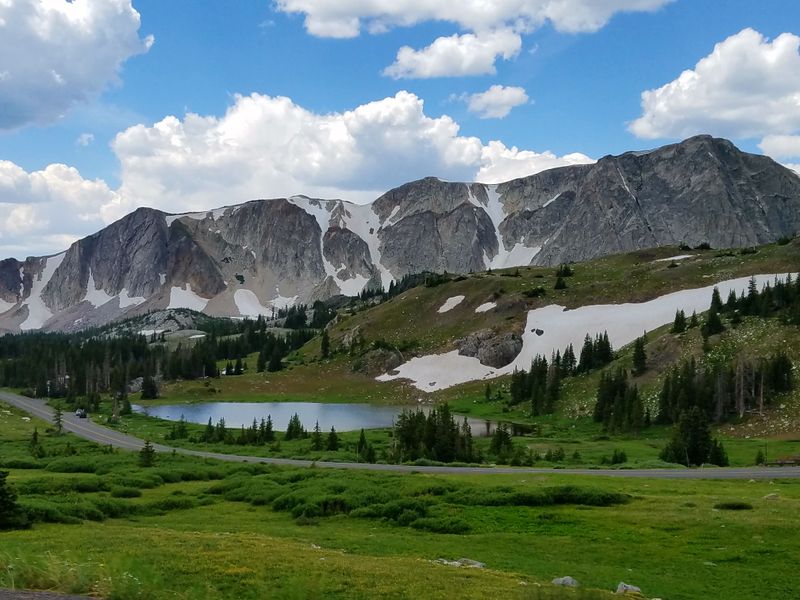
Spanning over two million acres across Wyoming and Colorado, this vast national forest offers endless opportunities for solitude and adventure in landscapes ranging from alpine tundra to sagebrush valleys.
The Snowy Range, part of the Medicine Bow Mountains, features dramatic granite peaks, pristine alpine lakes, and the stunning Snowy Range Scenic Byway that climbs above treeline for panoramic views.
Medicine Bow Peak rises to 12,013 feet, accessible via a challenging but rewarding hiking trail that tests your endurance with thin air and steep switchbacks.
Over 70 alpine lakes dot the high country, many reachable only by hiking several miles into the backcountry where you might not see another person for days.
Fly-fishermen consider these remote waters some of Wyoming’s best-kept secrets, with native cutthroat trout rising to dry flies in crystal-clear mountain streams.
Winter transforms the forest into a playground for snowmobilers, cross-country skiers, and snowshoers, with hundreds of miles of groomed and ungroomed trails.
The small ski area at Snowy Range provides affordable downhill skiing without the crowds and expense of Colorado’s resort towns.
Historic tie hacks once harvested timber here for railroad ties, floating logs down rivers to distant railheads, and interpretive signs along some trails share their fascinating stories.
Aspen groves turn brilliant gold in September, creating photography opportunities that rival any location in the Rockies.
Dispersed camping is allowed throughout most of the forest, letting adventurous travelers find their own perfect campsite beside a babbling creek or overlooking a mountain valley.
The town of Laramie serves as the primary gateway, offering full services and a lively college-town atmosphere.
7. Flaming Gorge National Recreation Area
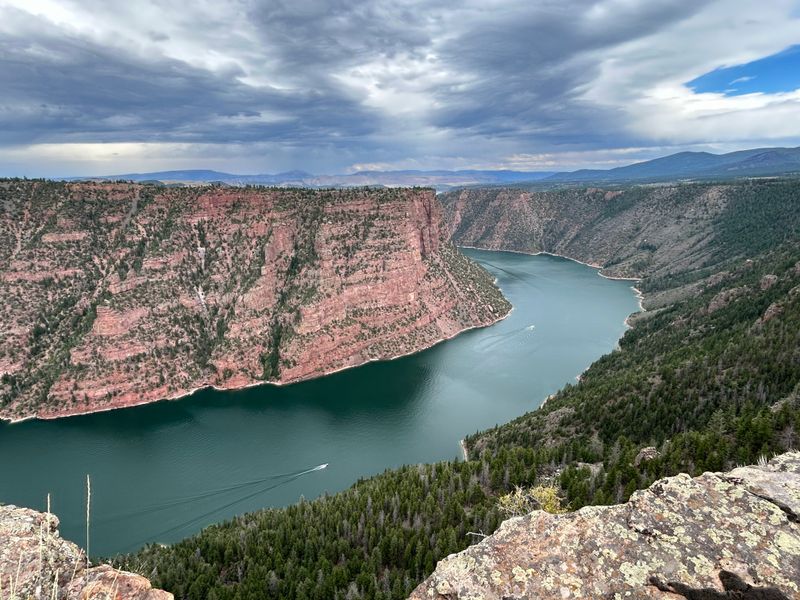
Named by explorer John Wesley Powell for the brilliant red rocks that glow like fire at sunset, this recreation area straddles Wyoming and Utah, offering stunning scenery and exceptional water-based recreation.
The Green River carved this spectacular canyon over millions of years before the Flaming Gorge Dam created a 91-mile-long reservoir in 1964, transforming the landscape into a destination for boating, fishing, and water sports.
Red Canyon Overlook provides jaw-dropping views where you can see the reservoir snaking through towering crimson cliffs that contrast beautifully with the deep blue water.
Trophy lake trout weighing over 30 pounds lurk in the reservoir’s depths, attracting serious anglers who troll the deep waters with downriggers and specialized equipment.
Smallmouth bass, kokanee salmon, and rainbow trout provide additional fishing opportunities in different parts of the reservoir and in the tailwater below the dam.
Hiking trails explore the surrounding high desert and pine forests, with routes ranging from easy nature walks to challenging all-day adventures into the backcountry.
The canyon’s geology tells a colorful story spanning 2.5 billion years, with rock layers representing different ancient environments from tropical seas to windswept deserts.
Three marinas provide boat rentals, supplies, and launching facilities, making it easy to get out on the water even if you don’t own a boat.
Houseboating has become increasingly popular, with families renting floating homes for multi-day vacations exploring hidden coves and beaches.
Wildlife includes bighorn sheep that cling to impossibly steep canyon walls, osprey diving for fish, and pronghorn antelope racing across sagebrush flats.
The recreation area’s position in Wyoming’s southwest corner makes it perfect for combining with visits to Utah’s national parks.
Dear Reader: This page may contain affiliate links which may earn a commission if you click through and make a purchase. Our independent journalism is not influenced by any advertiser or commercial initiative unless it is clearly marked as sponsored content. As travel products change, please be sure to reconfirm all details and stay up to date with current events to ensure a safe and successful trip.
