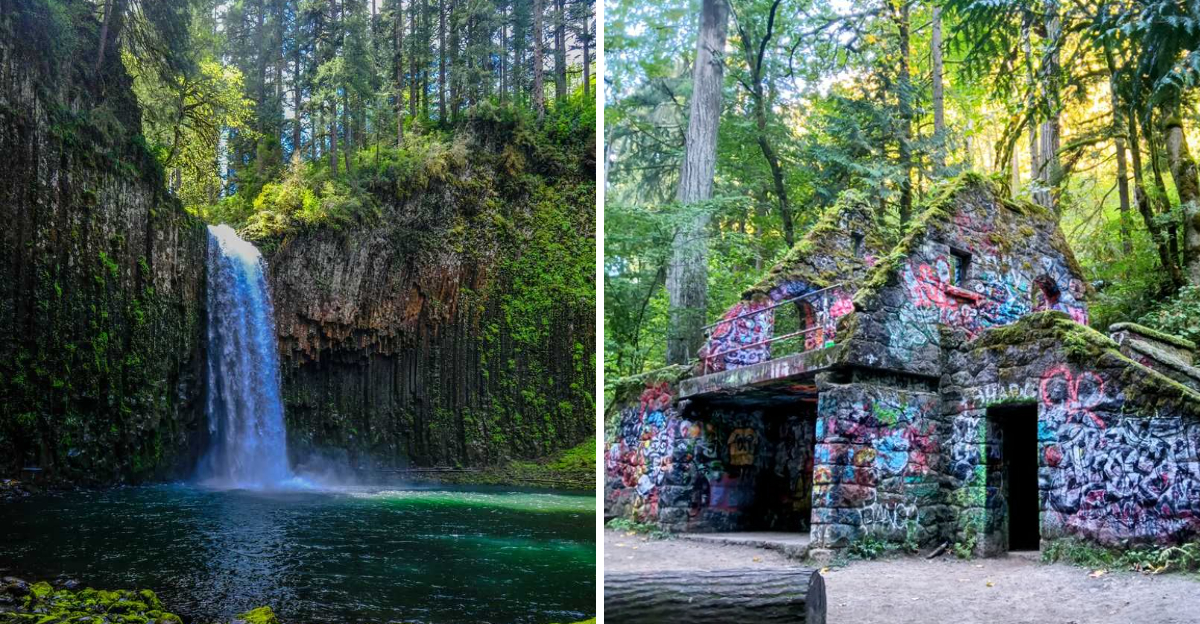
Oregon has a way of keeping secrets, even from the people who think they’ve seen it all. I’ve spent years exploring Oregon, and somehow this state still manages to surprise me when I least expect it.
Everyone talks about Crater Lake and Cannon Beach, and yeah, they’re incredible. But it’s the places no one puts on a postcard that made me fall in love with Oregon in the first place.
The quiet ones. The wild ones.
The spots that feel like they’re waiting just for you to find them.
I’m skipping the tourist traps and the parking lot chaos this time. I’m talking about desert canyons that feel more Southwest than Pacific Northwest.
Open prairies so wide and empty you can hear the wind move across the grass. Waterfalls hidden behind mossy rock walls where it’s just you, the mist, and the sound of rushing water.
These are the places that remind me why exploring Oregon never gets old. And once you see them, you’ll wonder how they stayed secret for so long.
1. Owyhee Canyonlands
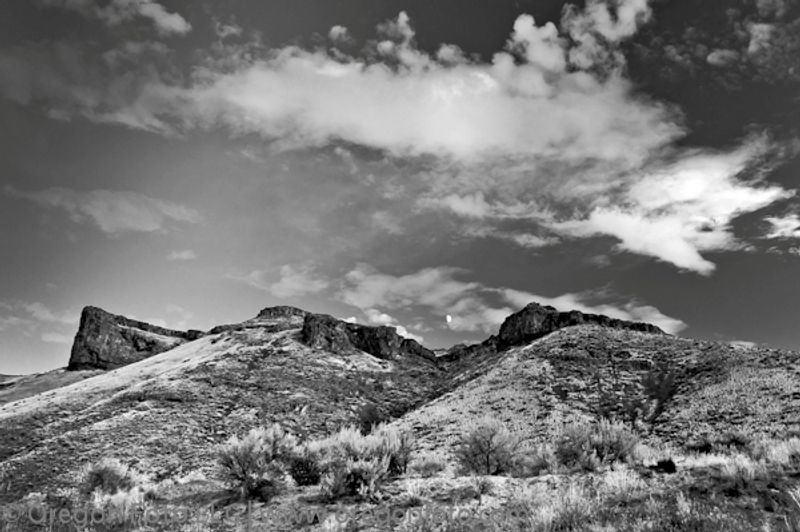
Tucked into the far southeastern corner of Oregon, the Owyhee Canyonlands stretch across a landscape so remote it feels like stepping onto another planet. I remember my first visit here, driving for hours without seeing another soul, then suddenly cresting a ridge to find deep gorges slicing through rust-colored rock formations.
The sense of solitude is staggering. This region has earned the nickname Oregon’s Grand Canyon, and once you see those plunging walls and twisted geology, you will understand why.
Getting here requires commitment. Roads are rough, cell service is nonexistent, and supplies are scarce.
But that is exactly what keeps the crowds away. I have hiked along canyon rims where the only sounds were wind and distant bird calls.
The colors shift throughout the day, from soft morning pinks to blazing sunset oranges.
Wildlife thrives in this undeveloped desert. Bighorn sheep navigate the cliffs with impossible grace.
Raptors circle overhead. Spring brings wildflowers that carpet the hillsides in purple and gold.
If you visit, bring everything you need. Water, food, maps, and a full tank of gas are non-negotiable.
The nearest town is hours away. But that remoteness is the whole point.
This is Oregon at its most raw and untouched, a place where nature still calls all the shots. I always leave feeling like I have discovered something secret, something most people will never experience.
2. Zumwalt Prairie
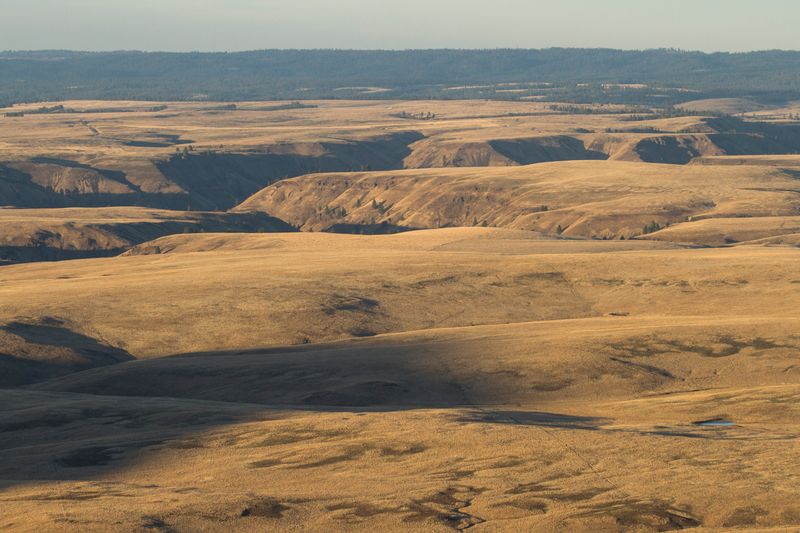
Standing in the middle of Zumwalt Prairie feels like floating in an ocean of grass. This is the largest intact bunchgrass prairie in North America, and the scale is almost impossible to process.
I drove out here on a crisp fall morning, and the golden grasses rippled in waves that seemed to go on forever. The sky felt bigger than anywhere else I have been in Oregon.
There are no trees, no buildings, just pure, unbroken space.
Located in Wallowa County near Hell’s Canyon, Zumwalt Prairie is home to an incredible diversity of wildlife. Elk herds move through the grasslands like shadows.
I have spotted badgers, coyotes, and more raptors than I could count. Birders come here specifically for species like long-billed curlews and grasshopper sparrows that depend on this unique habitat.
The Nature Conservancy manages much of this land, and they work hard to keep it protected. Cattle still graze here, which actually helps maintain the prairie ecosystem.
It is a working landscape that has remained largely unchanged for thousands of years.
Visiting Zumwalt requires patience. There are no visitor centers or marked trails.
You simply drive the gravel roads and soak in the vastness. Sunrise and sunset are magical times when the light turns everything golden.
I always leave feeling humbled by the sheer scale of nature and grateful that places like this still exist in Oregon, wild and free.
3. Abiqua Falls
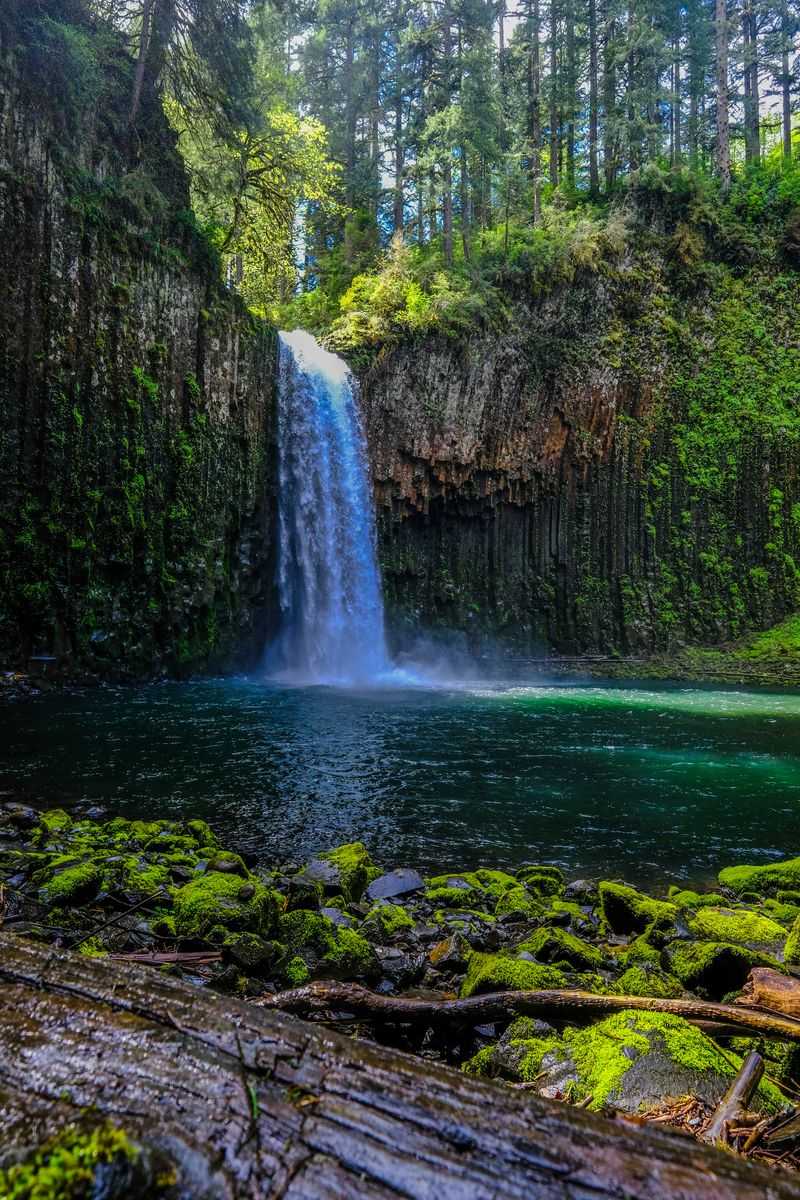
Abiqua Falls is one of those waterfalls that stops you in your tracks. I hiked down to it on a misty spring morning, and when I finally reached the amphitheater of basalt columns surrounding the falls, I just stood there speechless.
Water plunges 92 feet into a moss-covered grotto that feels like something out of a fantasy novel. The walls are draped in emerald green, and the sound of the waterfall echoes off the stone in the most peaceful way.
Getting there is half the adventure. The trail is unofficial and can be tricky, especially after rain when the creek crossings get sketchy.
I have slipped more than once on those wet rocks. But the challenge is part of what keeps this place relatively quiet.
Most casual tourists stick to the easier waterfalls, which means I often have Abiqua nearly to myself.
The basalt formations are the real stars here. These hexagonal columns were formed by ancient lava flows, and they create a natural cathedral around the falls.
Moss and ferns cling to every surface, thriving in the constant mist.
Timing matters. Visit in spring or early summer when water flow is strongest.
By late summer, the falls can dwindle to a trickle. Also, respect private property on the way in.
The trailhead area is on private land, and landowners have been generous in allowing access. Pack out everything you bring, and leave no trace so this hidden gem stays accessible for everyone who seeks it out.
4. Lava River Cave
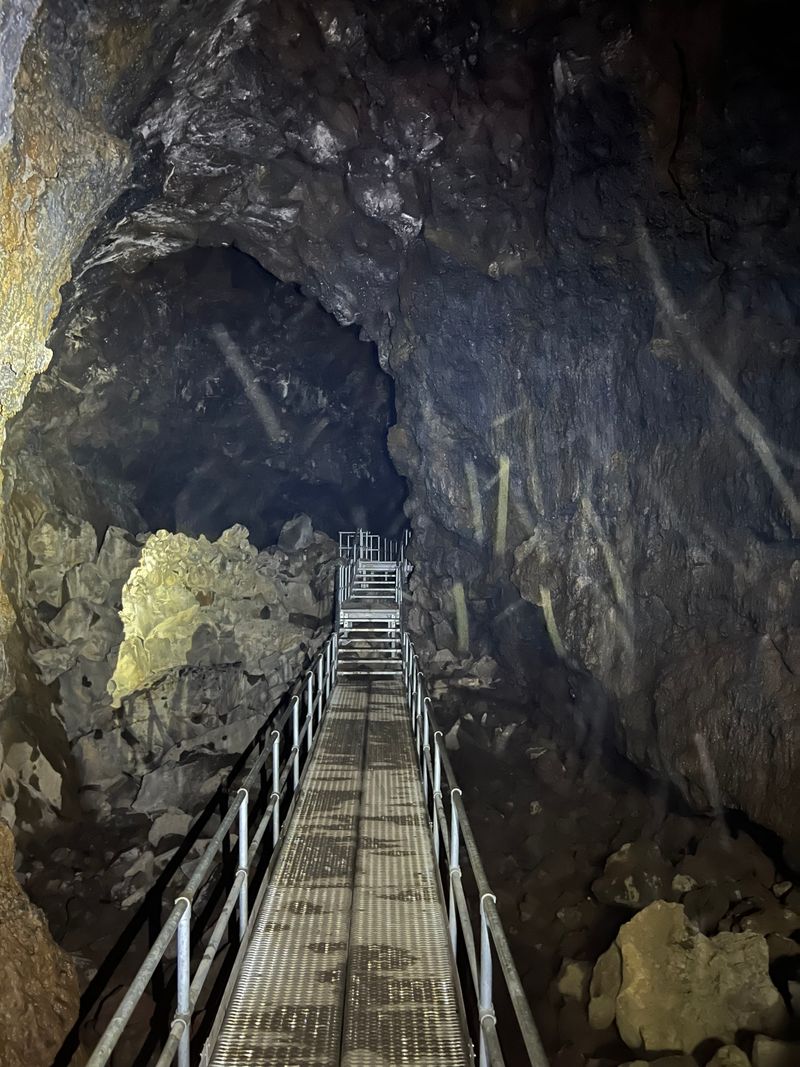
Walking into Lava River Cave is like entering another world. I descended the metal staircase into the darkness, and the temperature immediately dropped.
This mile-long lava tube near Bend is the longest continuous lava tube in Oregon, and it is absolutely massive. The ceiling soars overhead in some sections, and the walls are rough and textured from when molten rock flowed through here thousands of years ago.
Most visitors to Bend focus on the mountains and lakes, so this underground wonder often gets overlooked. I love that about it.
Even on busy summer weekends, the cave never feels crowded because it is so spacious. You need to bring your own light source, which adds to the adventure.
I use a headlamp and carry backup flashlights because if your light fails down here, the darkness is absolute.
The floor is uneven and sometimes icy, even in summer. I wore sturdy boots and took my time navigating the rocks.
About halfway through, there is a section called the Echo Chamber where sounds bounce around in the most eerie way.
The cave stays around 40 degrees year-round, making it a perfect escape from summer heat. But dress warmly because that chill seeps into your bones after a while.
The hike through takes about an hour and a half at a leisurely pace. When I emerged back into sunlight, I felt like I had experienced something truly unique, a hidden geological wonder that most people drive right past without ever knowing it exists.
5. Klamath Basin National Wildlife Refuges
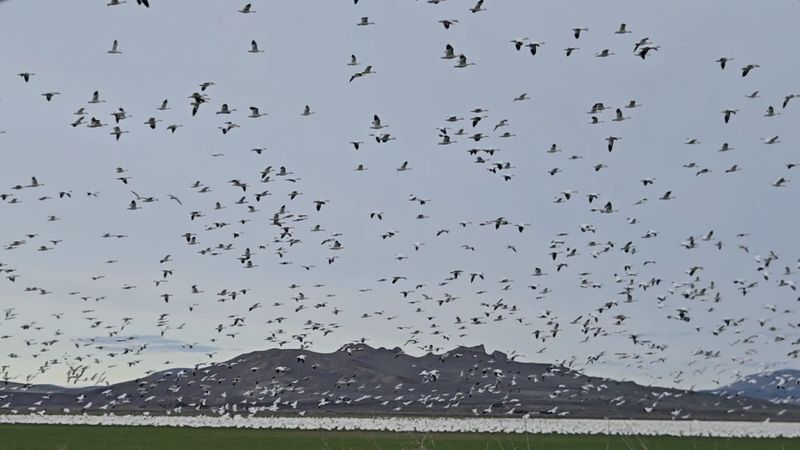
Every year, millions of birds funnel through the Klamath Basin, and somehow this place still flies under the radar for most Oregon residents. I visited during the spring migration, and the sky was literally darkened by flocks of snow geese.
The sound was deafening, a constant chorus of honking and wing beats. This area is one of the most important stops along the Pacific Flyway, yet I have met longtime Oregonians who have never even heard of it.
The refuges span both Oregon and California, with several units offering different experiences. I drove the auto tour routes at Lower Klamath and Tule Lake, stopping every few hundred yards to watch pelicans, egrets, and herons fishing in the shallow marshes.
In winter, bald eagles gather here in astounding numbers, sometimes hundreds at a time.
Sandhill cranes are another highlight. These massive, elegant birds stage here by the thousands during migration.
Watching them dance and call at sunrise is one of the most moving wildlife experiences I have ever had.
The landscape itself is striking, with vast wetlands framed by distant mountains. I visited the refuge headquarters to learn about the complex water management that keeps this ecosystem functioning.
Bring binoculars and a camera with a good zoom lens. The birds are plentiful but not always close.
Early morning and late afternoon offer the best light and the most activity. This is southern Oregon at its wildest, a place where nature still operates on a grand, unforgettable scale.
6. Yachats and Seal Rock
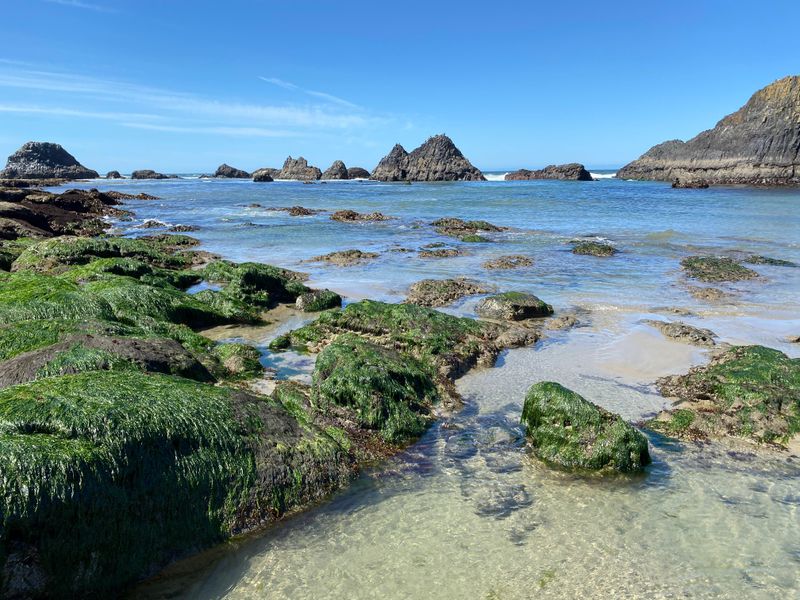
While everyone piles into Cannon Beach and Newport, I sneak down to Yachats and Seal Rock for a quieter coastal experience. Yachats has this funky, artistic vibe that feels authentic and unhurried.
I love walking the 804 Trail, which hugs the rocky shoreline and offers constant views of crashing waves and offshore rocks covered in seabirds. The tide pools here are incredible, filled with starfish, anemones, and tiny crabs that kids go crazy for.
Just north of Yachats, Seal Rock is exactly what it sounds like. Massive rock formations jut out of the ocean, and during low tide, you can explore around them while watching harbor seals lounge on the rocks.
I have spent hours here just sitting and watching the waves pound against the stone.
Then there is Thor’s Well, a natural sinkhole that churns with seawater during high tide. It looks like the ocean is draining into the center of the earth.
Photographers flock here, but timing is everything. Visit an hour before high tide for the most dramatic action, and be extremely careful because rogue waves can sweep people off the rocks.
Yachats has great little cafes and shops that feel genuinely local. I always stop for chowder and coffee before heading out to explore.
The whole area has a relaxed energy that reminds me why I love the Oregon coast. No crowds, no pretense, just dramatic scenery and the constant rhythm of the Pacific Ocean doing its thing.
7. Witch’s Castle
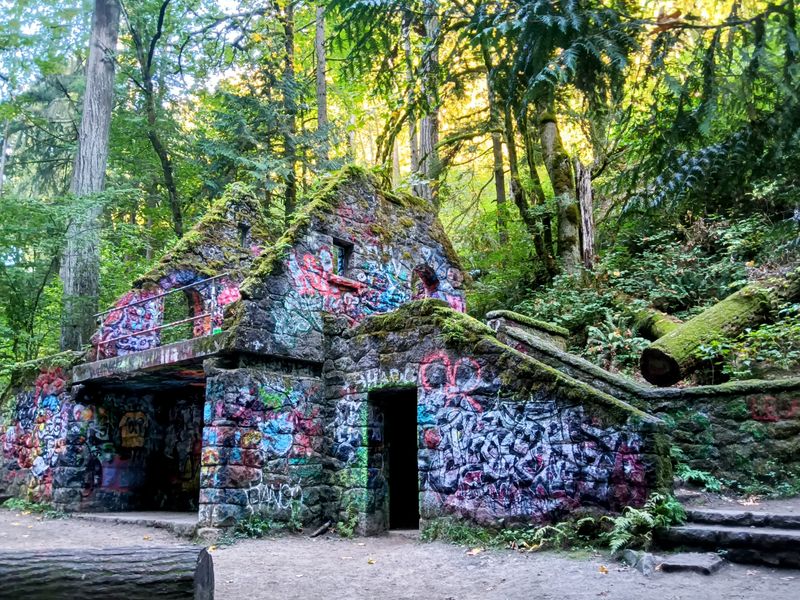
Right in the heart of Portland, tucked into Forest Park, sits a crumbling stone structure that locals call the Witch’s Castle. I hiked to it on a foggy morning, and the atmosphere was perfect.
Moss covers everything, and the ruins look genuinely ancient, even though they are actually the remains of a old ranger station and restroom from the 1950s. The real magic is in the legends that have grown around it.
Stories swirl about tragic events and supernatural occurrences, though most are just urban legends. Still, standing there in the mist with the stones crumbling around me, it is easy to let your imagination run wild.
The hike from the Lower Macleay Trailhead takes about 20 minutes and follows a beautiful creek through dense forest.
This is one of those spots that feels like a secret escape even though it is technically within city limits. I have brought visiting friends here, and they are always shocked that something this atmospheric exists so close to downtown.
Kids love exploring the ruins, though you need to be careful because the structure is unstable.
The surrounding forest is gorgeous, with towering Douglas firs and sword ferns blanketing the ground. I often continue past the ruins to explore deeper into Forest Park, which is one of the largest urban forests in the country.
But the Witch’s Castle makes a perfect quick adventure when you want a taste of wilderness without leaving town. It reminds me that even in Oregon’s biggest city, mystery and nature are never far away.
8. Historic Old Town Florence
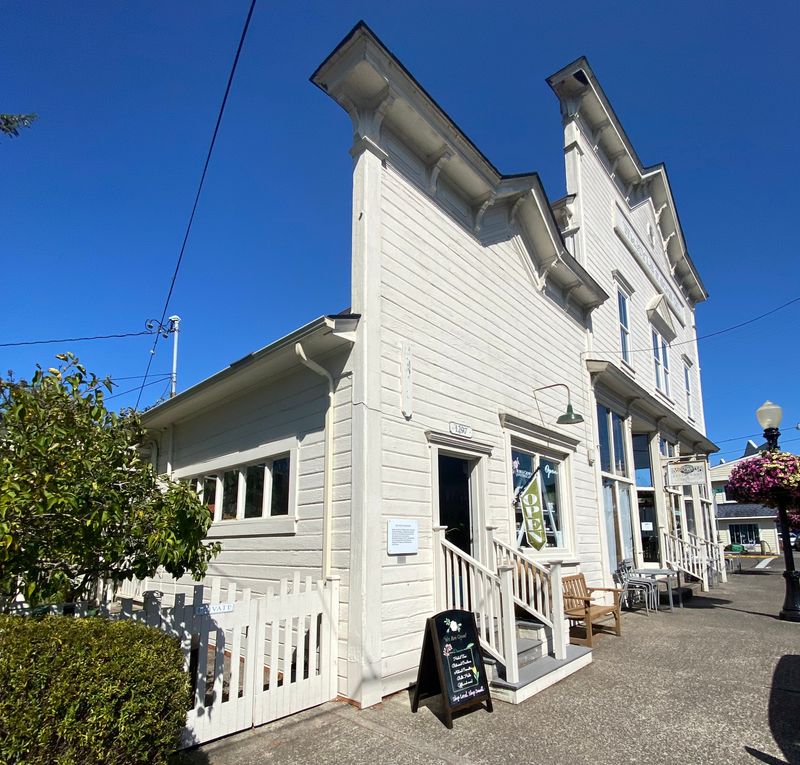
Florence sits right on the central Oregon coast, but most people zoom straight to the dunes and miss the charm of Old Town entirely. I spent a whole afternoon wandering Bay Street, which runs along the Siuslaw River, and I was completely charmed.
Historic buildings house quirky shops, galleries, and cozy cafes that feel genuinely local. There is a relaxed, friendly energy here that makes you want to linger.
The riverfront boardwalk is perfect for a stroll. I watched fishing boats come and go, and sea lions barking from the docks.
The river meets the ocean just west of town, and the views are spectacular. Old Town Florence has managed to preserve its character without becoming too touristy, which is increasingly rare on the Oregon coast.
Just outside town, the Oregon Dunes National Recreation Area offers a completely different landscape. I have taken dune buggy rides out there, and it feels like racing across a desert next to the ocean.
The contrast between the dunes and the forested coast is striking.
I always make time to explore the Heceta Head Lighthouse area north of town. The lighthouse itself is one of the most photographed on the coast, and the beach below is usually quiet and perfect for beachcombing.
Florence gives you the best of everything: history, nature, quiet beaches, and a genuine small-town vibe. It is a place I keep coming back to, always finding something new to appreciate.
The central coast deserves more attention, and Florence is the perfect base for exploring it all.
9. Painted Hills Alternative Viewpoints
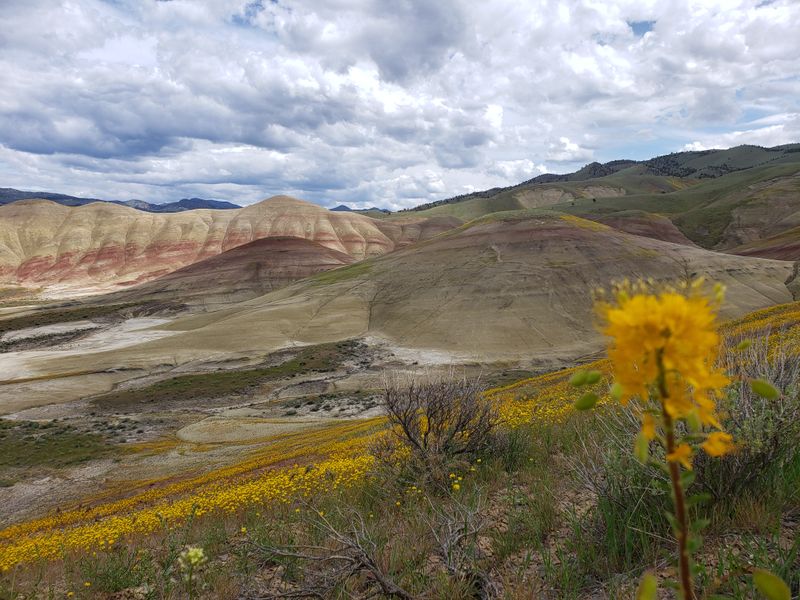
Everyone knows about the Painted Hills, but most people only see the main overlook and then leave. I spent a whole day exploring the lesser-visited trails and viewpoints, and I discovered angles and colors that blew my mind.
The Carroll Rim Trail climbs above the main hills and offers panoramic views that most visitors never experience. Up there, I could see how the colorful layers ripple across the landscape in every direction.
The Painted Hills are part of the John Day Fossil Beds, and the geology here tells a story millions of years old. Those bands of red, gold, and black represent different volcanic ash deposits that have weathered into these incredible patterns.
Early morning and late afternoon light make the colors absolutely glow.
I also explored the Painted Cove Trail, a short boardwalk that gets you right up close to the hills. The soil is so fine and colorful it almost does not look real.
When the hills are wet from rain, the colors become even more saturated and intense.
Visiting outside peak summer months means fewer crowds and better photo opportunities. I came in May and had entire trails to myself.
The nearby town of Mitchell is tiny but charming, with a cafe and a few shops. The Painted Hills are one of Oregon’s most unique landscapes, and taking the time to explore beyond the main viewpoint reveals a more intimate, serene side of this natural wonder.
It is a reminder that even famous places have hidden corners worth seeking out.
Dear Reader: This page may contain affiliate links which may earn a commission if you click through and make a purchase. Our independent journalism is not influenced by any advertiser or commercial initiative unless it is clearly marked as sponsored content. As travel products change, please be sure to reconfirm all details and stay up to date with current events to ensure a safe and successful trip.
